
Kenya
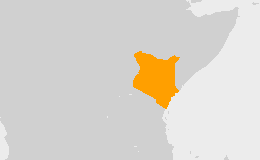
La organización afiliada a la CSI en Kenya es la Central Organisation of Trade Unions (COTU(K)).
Kenia ratificó el Convenio nº 98 sobre el derecho de sindicación y de negociación colectiva en 1964, pero no ha ratificado el Convenio nº 87 sobre el derecho de sindicación y de negociación colectiva.
según la ley
Libertad sindical / Derecho de sindicalización
Libertad sindical
El derecho a la libertad sindical está consagrado en la Constitución.
El derecho a la libertad sindical está reconocido por la ley, pero estrictamente regulado.
Discriminación antisindical
La ley no protege específicamente a los trabajadores/as frente a la discriminación antisindical
Barreras legales al establecimiento de organizaciones
- Para establecer un sindicato se requiere autorización o aprobación previa por parte de las autoridades
- Se requiere un número mínimo de miembros excesivo para establecer un sindicato
- El encargado del Registro de Sindicatos puede negarse a inscribir a un sindicato si ya existe otro que sea lo suficientemente representativo de la totalidad o una parte substancial de los trabajadores que la nueva organización pretende representar.
- Otras formalidades o requisitos que retrasan en exceso o impiden considerablemente el libre establecimiento de una organización
Restricciones al derecho de los trabajadores y trabajadoras a formar y afiliarse a organizaciones de su elección
- La ley impone restricciones al derecho de los trabajadores/as a afiliarse al sindicato de su elección
- La pertenencia a un sindicato y el derecho de voto se conceden únicamente a las personas empleadas en el sector para el que está registrado el sindicato (artículos 14 e) y 33 de la Ley de relaciones laborales).
Restricciones al derecho de los sindicatos a organizar su administración
- Restriciones al derecho a elegir representantes y autoadministrarse con plena libertad
- La Ley de relaciones laborales limita la autonomía de los sindicatos para determinar las condiciones de elegibilidad de sus representantes y permite la injerencia de las autoridades en los procesos electorales (párrafo 2 del artículo 31; párrafo 5 del artículo 34; párrafo 4 del artículo 35 y apartado a) del artículo 36).
- Restricciones a la libertad para organizar libremente actividades y formular programas
- La ley aplica estrictas condiciones y limitaciones respecto al uso y la gestión de fondos de los sindicatos. El encargado del Registro dispone además de amplios poderes para controlar dichos fondos.
- Las autoridades administrativas están capacitadas para tomar unilateralmente la decisión de disolver, suspender o retirar el registro a organizaciones sindicales
- De conformidad con el artículo 28 de la Ley de relaciones laborales, el Registrador puede cancelar o suspender la inscripción de un sindicato, organización patronal o federación si el Registrador considera que el sindicato, la organización patronal o la federación está operando en contravención de esta ley.
Categorías de trabajadores a quienes la ley prohíbe o restringe la posibilidad de formar o afiliarse a sindicatos, o de ocupar cargos sindicales
- Otros funcionarios y empleados públicos
- La Ley de Relaciones Laborales excluye de su ámbito de aplicación a los trabajadores del servicio penitenciario y miembros del Servicio Juvenil Nacional.
Derecho a la negociación colectiva
Derecho a la negociación colectiva
El derecho a la negociación colectiva está reconocido por la ley, pero no está debidamente fomentado y promovido.
Obstáculos legales para el reconocimiento de los agentes de negociación colectiva
- Se requiere una representatividad excesiva o un número mínimo de miembros para poder negociar colectivamente
- Un sindicato ha de reconocerse como agente negociador si representa una mayoría simple de los empleados que podrían ser sindicalizados. Esta disposición se extiende también al sector público.
Restricciones al principio de negociación libre y voluntaria
- Las autoridades pueden intervenir en la conclusión de convenios colectivos
- De acuerdo con el Reglamento de la Comisión de Sueldos y Retribuciones (Remuneración y Beneficios de los Funcionarios del Estado y de los Funcionarios Públicos) de 2013, antes de iniciar cualquier proceso de negociación colectiva la Comisión asesora a la dirección de un servicio público sobre la sostenibilidad fiscal de la propuesta del sindicato - y que cuando el proceso de negociación colectiva tiene éxito la dirección necesita confirmar con la Comisión la sostenibilidad fiscal del paquete negociado antes de la firma del acuerdo.
Restricciones o prohibición de negociar colectivamente en algunos sectores
- Otros funcionarios y empleados públicos
- Aunque la nueva Constitución reconoce el derecho de cualquier sindicato a la negociación colectiva, no está claro si este derecho puede ser ejercido por los miembros del Servicio de Prisiones, el Servicio Juvenil Nacional, los docentes cubiertos por la Comisión de Servicios del Profesorado, y los trabajadores del sector público.
Derecho de huelga
Derecho de huelga
El derecho de huelga está reconocido por la ley pero estrictamente regulado.
Impedimentos legales a acciones de huelga legítimas
- Recurso obligatorio al arbitraje
arbitraje
Medio para resolver conflictos laborales fuera de los tribunales, con la intervención de una tercera parte neutral, que puede ser un árbitro individual o un consejo de arbitraje. En el caso del arbitraje no vinculante las partes en litigio son libres de rechazar la recomendación de la tercera parte, mientras que cuando el arbitraje se considera vinculante están obligadas a acatar su decisión. Se entiende por arbitraje obligatorio cuando el proceso no se inicia voluntariamente a petición de ambas partes, sino que está dispuesto por la ley o decidido por las autoridades.
Véase conciliación, mediación
o a largos y complejos procedimientos de conciliación conciliación Intervención de una tercera parte neutral, un conciliador, para ayudar a resolver un conflicto laboral mejorando las comunicaciones, ofreciendo azoramiento o interpretando determinadas cuestiones para conseguir que las partes en litigio consigan reconciliar sus diferencias. El conciliador no tiene un papel tan activo como un mediador o un árbitro.
Véase arbitraje, mediación
y mediación mediación Proceso a medio camino entre la conciliación y el arbitraje, en la mediación la tercera parte neutral ayuda a las partes en litigio a alcanzar una solución a un conflicto laboral sugiriendo posibles soluciones no vinculantes.
Véase arbitraje, conciliación antes de iniciar una acción de huelga huelga Forma más común de acción industrial, la huelga es el paro concertado del trabajo por parte de los empleados durante un tiempo limitado. Puede asumir diversas formas.
Véase huelga general, huelga intermitente, huelga rotatoria, huelga de brazos caídos, huelga de solidaridad, huelga salvaje - Si las partes no llegan a un acuerdo, deberán remitir la disputa al Ministerio de Trabajo que designará a un conciliador en el plazo de 21 días. El conciliador dispondrá de 30 días para intentar resolver la disputa, y sólo transcurrido ese plazo podría convocarse legalmente una huelga. Cualquiera de las partas puede además remitir la disputa al Tribunal del Trabajo, en caso de fracasar la conciliación, aunque no cuando un sindicato haya convocado una huelga protegida, es decir una huelga relativa a cuestiones de empleo o al reconocimiento del sindicato.
Prohibición o restricciones para ciertos tipos de acción de huelga
- Restricciones respecto al objetivo de una huelga
huelga
Forma más común de acción industrial, la huelga es el paro concertado del trabajo por parte de los empleados durante un tiempo limitado. Puede asumir diversas formas.
Véase huelga general, huelga intermitente, huelga rotatoria, huelga de brazos caídos, huelga de solidaridad, huelga salvaje (por ej. disputas industriales, cuestiones económicas y sociales, políticas, de simpatía o solidaridad) - Las huelgas deben guardar relación con los términos y las condiciones de empleo o con el reconocimiento del sindicato. Las huelgas de solidaridad están prohibidas.
Disposiciones que socavan el recurso a acciones de huelga o su eficacia
- Otras disposiciones legales que socavan el derecho de huelga
huelga
Forma más común de acción industrial, la huelga es el paro concertado del trabajo por parte de los empleados durante un tiempo limitado. Puede asumir diversas formas.
Véase huelga general, huelga intermitente, huelga rotatoria, huelga de brazos caídos, huelga de solidaridad, huelga salvaje - De conformidad con el párrafo 1 del artículo 80 de la Ley de relaciones laborales, los empleados que participen, llamen, instiguen o inciten a otros a participar en una huelga que se considere ilegal incumplen el contrato del empleado y, por lo tanto, pueden ser objeto de medidas disciplinarias; y no pueden recibir ningún pago ni ningún otro beneficio en virtud de la Ley de empleo durante el período en que el empleado haya participado en la huelga.
Limitaciones o prohibición de hacer huelga en algunos sectores
- Determinación discrecional o lista excesivamente larga de «servicios esenciales
servicios esenciales
Servicios cuya interrupción cuya interrupción puede poner en peligro la vida, la seguridad personal o la salud de la totalidad o parte de la población. Pueden estar incluidos el sector hospitalario, los servicios de suministro de agua y electricidad, y el control del tráfico aéreo. Las huelgas pueden ser restringidas o incluso prohibidas en los sectores esenciales.
Véase Guía de la CSI sobre los derechos sindicales internacionales » en los que el derecho de huelga huelga Forma más común de acción industrial, la huelga es el paro concertado del trabajo por parte de los empleados durante un tiempo limitado. Puede asumir diversas formas.
Véase huelga general, huelga intermitente, huelga rotatoria, huelga de brazos caídos, huelga de solidaridad, huelga salvaje queda prohibido o severamente restringido - Según el primer anexo de la Ley de Relaciones Laborales, los servicios esenciales, en los que las huelgas están estrictamente prohibidas, son los siguientes:1. 1. Servicios de abastecimiento de agua; 2. Servicios hospitalarios; 3. Servicios de control de tráfico aéreo y servicios de telecomunicaciones de aviación civil; 4. Servicios de bomberos del gobierno o de instituciones públicas; 5. Autoridad de correos y autoridades de gobierno local; 6. Servicios de transbordadores.
En la Práctica
El miércoles 13 de noviembre de 2019, en un discurso en la ciudad de Voi, el delegado de Sanidad en funciones, Daniel Makoko dijo que el Gobierno del condado de Taita Tavena tomaría medidas disciplinarias contra todos los trabajadores que no se presentaran a trabajar el miércoles. Recalcó que la sanidad es un servicio público esencial y que los ciudadanos tienen el derecho constitucional a acceder a una atención sanitaria asequible y de calidad.
La reunión acordada el martes por el delegado de Trabajo del condado, Stephen Gona, para resolver el conflicto entre el Gobierno del condado y los trabajadores de la sanidad fue infructuosa debido a que ambas partes no consiguieron ponerse de acuerdo respecto al pago de los 60 millones KES que se adeudaban a los trabajadores en concepto de atrasos salariales. El Gobierno del condado había ofrecido pagar a los sanitarios 30 millones KES en una primera fase, pero el sindicato de trabajadores de la sanidad rechazó la oferta.
El miércoles 22 de mayo de 2019, cuatro sindicatos de Kirinyaga presentaron una notificación de huelga
huelga
Forma más común de acción industrial, la huelga es el paro concertado del trabajo por parte de los empleados durante un tiempo limitado. Puede asumir diversas formas.
Véase huelga general, huelga intermitente, huelga rotatoria, huelga de brazos caídos, huelga de solidaridad, huelga salvaje
de siete días, aludiendo las pésimas condiciones en las instalaciones, en particular en el Kerugoya Hospital. Los cuatro sindicatos del sector médico son Kenya Medical Practitioners, Pharmacists and Dentists Union; Kenya National Union of Nurses; Kenya National Union of Clinical Officers; y Kenya National Union of Medical Laboratory. El viernes 24 de mayo de 2019, la gobernadora del condado de Kirinyaga, Anne Waiguru, ordenó que su Gobierno dejara de deducir y remitir las cuotas sindicales de los salarios de los médicos, acusando a los sindicatos de sabotear el operativo del sector de la sanidad y de socavar su autoridad.
Varios líderes del sindicato de trabajadores de la aviación Kenya Aviation Workers Union, entre ellos el secretario general, Moses Ndiema, fueron encarcelados el 6 de marzo por contribuir a instigar una huelga
huelga
Forma más común de acción industrial, la huelga es el paro concertado del trabajo por parte de los empleados durante un tiempo limitado. Puede asumir diversas formas.
Véase huelga general, huelga intermitente, huelga rotatoria, huelga de brazos caídos, huelga de solidaridad, huelga salvaje
en el Aeropuerto Internacional Jomo Kenyatta. El jueves 7 de marzo, los trabajadores decidieron no retomar el trabajo hasta que sus líderes fueran liberados, y manifestaron que el encarcelamiento de sus líderes constituía una clara vulneración de la legislación laboral internacional. La Central Organisation of Trade Unions (COTU) amenazó con convocar huelgas nacionales si los líderes no eran liberados.
La huelga
huelga
Forma más común de acción industrial, la huelga es el paro concertado del trabajo por parte de los empleados durante un tiempo limitado. Puede asumir diversas formas.
Véase huelga general, huelga intermitente, huelga rotatoria, huelga de brazos caídos, huelga de solidaridad, huelga salvaje
del 6 de marzo fue convocada en respuesta a la propuesta de adquisición, por parte de Kenya Airways, de la Autoridad Aeroportuaria de Kenya, encargada de gestionar los aeropuertos del país, una operación que muchos consideraban producto de la corrupción y que provocaría importantes pérdidas de puestos de trabajo. La policía dispersó violentamente la huelga
huelga
Forma más común de acción industrial, la huelga es el paro concertado del trabajo por parte de los empleados durante un tiempo limitado. Puede asumir diversas formas.
Véase huelga general, huelga intermitente, huelga rotatoria, huelga de brazos caídos, huelga de solidaridad, huelga salvaje
y arrestó a los líderes utilizando gases lacrimógenos.
El 4 de febrero de 2019 dieron comienzo una serie de huelgas en todo el país. Los trabajadores se declararon en huelga
huelga
Forma más común de acción industrial, la huelga es el paro concertado del trabajo por parte de los empleados durante un tiempo limitado. Puede asumir diversas formas.
Véase huelga general, huelga intermitente, huelga rotatoria, huelga de brazos caídos, huelga de solidaridad, huelga salvaje
porque el Gobierno no había aceptado el convenio colectivo
convenio colectivo
Acuerdo, generalmente por escrito, que incorpora los resultados de una negociación colectiva entre representantes de trabajadores y empleadores. También contrato colectivo.
Véase negociación colectiva
, que incluye incrementos salariales y subsidios para la adquisición de uniformes.
Un tribunal aprobó la petición del Gobierno de suspender la huelga
huelga
Forma más común de acción industrial, la huelga es el paro concertado del trabajo por parte de los empleados durante un tiempo limitado. Puede asumir diversas formas.
Véase huelga general, huelga intermitente, huelga rotatoria, huelga de brazos caídos, huelga de solidaridad, huelga salvaje
durante un período de 60 días, pero los trabajadores siguieron adelante pese a las órdenes del tribunal. El 7 de marzo, los gobernadores de los diversos hospitales afectados por la huelga
huelga
Forma más común de acción industrial, la huelga es el paro concertado del trabajo por parte de los empleados durante un tiempo limitado. Puede asumir diversas formas.
Véase huelga general, huelga intermitente, huelga rotatoria, huelga de brazos caídos, huelga de solidaridad, huelga salvaje
anunciaron propuestas para contratar como esquiroles a trabajadores temporales que no estuvieran protegidos por las leyes de libertad sindical
libertad sindical
El derecho a establecer y afiliarse a un sindicato libremente escogido, además del derecho de los sindicatos a funcionar libremente y llevar a cabo sus actividades sin interferencia indebida.
Véase Guía de la CSI sobre los derechos sindicales internacionales
para que ocuparan los puestos de los trabajadores fijos en huelga
huelga
Forma más común de acción industrial, la huelga es el paro concertado del trabajo por parte de los empleados durante un tiempo limitado. Puede asumir diversas formas.
Véase huelga general, huelga intermitente, huelga rotatoria, huelga de brazos caídos, huelga de solidaridad, huelga salvaje
. El Kenya National Union of Workers rechazó esta propuesta aludiendo que era ilegal e inconstitucional.
El Tribunal de Apelación de Kenia anuló una decisión del tribunal inferior que reincorporaba al trabajo a 336 trabajadores/as de empresas productoras de té, incluida Unilever.
Los trabajadores/as de las firmas James Finlay, Unilever y Kipkebe Ltd, fueron despedidos en octubre de 2017 después de una huelga
huelga
Forma más común de acción industrial, la huelga es el paro concertado del trabajo por parte de los empleados durante un tiempo limitado. Puede asumir diversas formas.
Véase huelga general, huelga intermitente, huelga rotatoria, huelga de brazos caídos, huelga de solidaridad, huelga salvaje
que el sindicato de trabajadores agrícolas, Kenya Plantations and Agricultural Workers Union, había convocado debido a lo que calificó de tácticas de mala fe adoptadas por los empleadores durante la negociación del convenio colectivo
convenio colectivo
Acuerdo, generalmente por escrito, que incorpora los resultados de una negociación colectiva entre representantes de trabajadores y empleadores. También contrato colectivo.
Véase negociación colectiva
de 2016/2017.
El tribunal intervino y obligó a las partes a sentarse a la mesa de negaciones, sin tener en cuenta que el sindicato había señalado que el empleador no estaba dispuesto a negociar y que no había puesto ningún tipo de contraoferta sobre la mesa. La resolución del tribunal incluía una orden que protegía a los trabajadores de las represalias. El sindicato se quejó de que los trabajadores/as habían sido víctimas de represalias al ser despedidos y solicitó una aclaración del tribunal sobre el significado de la frase pronunciada por el juez: «sin represalias de ninguna naturaleza». La jueza Monica Mbaru ordenó la reincorporación de los trabajadores/as despedidos, en espera de la resolución de la causa.
Tras este fallo, los empleadores recurrieron al Tribunal de Apelación para anular la orden del juez. El Tribunal de Apelación falló a favor de las empresas anulando la orden de reincorporación al trabajo.
La Comisión de Servicio de los Docentes (TSC) no se presentó a una reunión de mediación convocada por el secretario del gabinete en materia laboral, Ukur Yattani, lo que llevó al KNUT (sindicato de docentes de Kenia) a acusar al empleador de actuar de mala fe y a poner en duda sus esfuerzos para evitar una huelga
huelga
Forma más común de acción industrial, la huelga es el paro concertado del trabajo por parte de los empleados durante un tiempo limitado. Puede asumir diversas formas.
Véase huelga general, huelga intermitente, huelga rotatoria, huelga de brazos caídos, huelga de solidaridad, huelga salvaje
ya convocada.
El lunes 1 de enero de 2019, la comisión TSC obtuvo una orden judicial suspendiendo la huelga
huelga
Forma más común de acción industrial, la huelga es el paro concertado del trabajo por parte de los empleados durante un tiempo limitado. Puede asumir diversas formas.
Véase huelga general, huelga intermitente, huelga rotatoria, huelga de brazos caídos, huelga de solidaridad, huelga salvaje
prevista por el sindicato KNUT, aunque éste insistió en que la huelga
huelga
Forma más común de acción industrial, la huelga es el paro concertado del trabajo por parte de los empleados durante un tiempo limitado. Puede asumir diversas formas.
Véase huelga general, huelga intermitente, huelga rotatoria, huelga de brazos caídos, huelga de solidaridad, huelga salvaje
se llevaría a cabo de todas maneras. Al conceder a la comisión TSC la orden de suspender la huelga
huelga
Forma más común de acción industrial, la huelga es el paro concertado del trabajo por parte de los empleados durante un tiempo limitado. Puede asumir diversas formas.
Véase huelga general, huelga intermitente, huelga rotatoria, huelga de brazos caídos, huelga de solidaridad, huelga salvaje
, el juez Byram Ongaya ordenó a las partes que entablaran un diálogo.
Wilson Sossion, Secretario General del KNUT señaló, sin embargo: “El empleador se ha valido de malas artes para dar una mala imagen del sindicato y sugerir que somos nosotros los que no estamos dispuestos a participar en las conversaciones, pero son los empleadores los que evitan el diálogo”.
El Secretario General de la KNUN (unión nacional de enfermeras), Seth Panyako, anunció una huelga
huelga
Forma más común de acción industrial, la huelga es el paro concertado del trabajo por parte de los empleados durante un tiempo limitado. Puede asumir diversas formas.
Véase huelga general, huelga intermitente, huelga rotatoria, huelga de brazos caídos, huelga de solidaridad, huelga salvaje
de enfermeros/as programada para dar principio el 4 de febrero de 2019, a fin de obligar al Gobierno a implementar la fórmula de vuelta al trabajo acordada y firmada el 2 de noviembre de 2018 como parte del convenio colectivo
convenio colectivo
Acuerdo, generalmente por escrito, que incorpora los resultados de una negociación colectiva entre representantes de trabajadores y empleadores. También contrato colectivo.
Véase negociación colectiva
.
El sindicato ya había intentado iniciar una huelga
huelga
Forma más común de acción industrial, la huelga es el paro concertado del trabajo por parte de los empleados durante un tiempo limitado. Puede asumir diversas formas.
Véase huelga general, huelga intermitente, huelga rotatoria, huelga de brazos caídos, huelga de solidaridad, huelga salvaje
en noviembre cuando emitió un aviso de huelga
huelga
Forma más común de acción industrial, la huelga es el paro concertado del trabajo por parte de los empleados durante un tiempo limitado. Puede asumir diversas formas.
Véase huelga general, huelga intermitente, huelga rotatoria, huelga de brazos caídos, huelga de solidaridad, huelga salvaje
el día 16, después de acusar al Gobierno de no haber implementado su fórmula de vuelta al trabajo. Esta fórmula formaba parte del convenio colectivo
convenio colectivo
Acuerdo, generalmente por escrito, que incorpora los resultados de una negociación colectiva entre representantes de trabajadores y empleadores. También contrato colectivo.
Véase negociación colectiva
de 2017 y debía entrar en vigor el 1 de julio de 2018.
“Las enfermeras son personas altamente capacitadas que tienen en sus manos la vida de seres humanos. La Comisión de Salarios y Remuneraciones debe actuar con rapidez y revisar su estructura de evaluación de empleo. «Queremos manifestar claramente al público que la fórmula de vuelta al trabajo no se ha cumplido y no vamos a cejar hasta conseguirla», afirmó Panyako en noviembre.
Las enfermeras exigen un aumento anual de 5.000 KSh de la asignación para el uniforme y un aumento de 3.000 KSh de la asignación por cuidados el primer año y de 3.500 KSh los dos años subsiguientes de conformidad con el convenio colectivo
convenio colectivo
Acuerdo, generalmente por escrito, que incorpora los resultados de una negociación colectiva entre representantes de trabajadores y empleadores. También contrato colectivo.
Véase negociación colectiva
.
El 3 de diciembre de 2018, 320 trabajadores de G4S se manifestaron en sus oficinas de Nakurucontra para protestar contra las deducciones ilegales de su salario por parte de la dirección. Los trabajadores también acusaron a la dirección de acoso y de recortar sus salarios sin consulta previa o sin su consentimiento.
Joshua Okoth comentó, en nombre de los guardias, que recibieron cartas en abril de 2018, indicando que sus salarios iban a ser reducidos porque la empresa estaba experimentando dificultades financieras. El Sr. Okoth indica que los salarios se redujeron efectivamente en algunos casos por montos que oscilaron entre los 16.584 KSh y los 14.866 KSh sin mediar consulta alguna.
El KNPSW (sindicato nacional de trabajadores de seguridad privada) fue puesto al tanto del asunto cuando se recibieron las cartas en abril y el sindicato acompaño a los trabajadores a interponer una demanda. El tribunal suspendió la decisión hasta que el asunto fuera entendido y resuelto.
El Secretario General del sindicato, Brian Otiono señaló: «Ha sido difícil para nosotros. Aparte de la reducción de nuestros salarios, somo blanco de amenazas». Otiono asegura que la empresa había amenazado con despedir a 3.700 trabajadores que se oponían a los cambios.
Seth Panyako, Secretario General de KNUN, la unión nacional de enfermeras, y otros responsables sindicales fueron arrestados por la policía presuntamente por incitar a las enfermeras del Hospital Nacional Kenyatta (KNH) a la huelga
huelga
Forma más común de acción industrial, la huelga es el paro concertado del trabajo por parte de los empleados durante un tiempo limitado. Puede asumir diversas formas.
Véase huelga general, huelga intermitente, huelga rotatoria, huelga de brazos caídos, huelga de solidaridad, huelga salvaje
. El arresto fue instigado por el jefe de seguridad del hospital, Manase Mukhwana. El Sr. Mukhwana declaró: “Panyako no tiene permiso para incitar a las enfermeras a la huelga
huelga
Forma más común de acción industrial, la huelga es el paro concertado del trabajo por parte de los empleados durante un tiempo limitado. Puede asumir diversas formas.
Véase huelga general, huelga intermitente, huelga rotatoria, huelga de brazos caídos, huelga de solidaridad, huelga salvaje
. Viene de fuera, no trabaja en el hospital, por lo que no puede venir aquí a interrumpir el trabajo de las enfermeras”. Según Simon Ithai, director de comunicaciones del hospital KNH, el Sr. Panyako estaba movilizando a las enfermeras para hacer una huelga
huelga
Forma más común de acción industrial, la huelga es el paro concertado del trabajo por parte de los empleados durante un tiempo limitado. Puede asumir diversas formas.
Véase huelga general, huelga intermitente, huelga rotatoria, huelga de brazos caídos, huelga de solidaridad, huelga salvaje
ilegal.
El Secretario General fue arrestado la mañana del lunes 29 de octubre de 2019 en el hospital KNH, en donde tenía previsto dirigirse a los miembros sindicales en huelga
huelga
Forma más común de acción industrial, la huelga es el paro concertado del trabajo por parte de los empleados durante un tiempo limitado. Puede asumir diversas formas.
Véase huelga general, huelga intermitente, huelga rotatoria, huelga de brazos caídos, huelga de solidaridad, huelga salvaje
. Varias enfermeras que protestaban también fueron arrestadas y quedaron detenidas en el puesto de policía del hospital.
Las enfermeras del hospital señalaron que la huelga
huelga
Forma más común de acción industrial, la huelga es el paro concertado del trabajo por parte de los empleados durante un tiempo limitado. Puede asumir diversas formas.
Véase huelga general, huelga intermitente, huelga rotatoria, huelga de brazos caídos, huelga de solidaridad, huelga salvaje
de brazos caídos se debía a la “vulneración por parte de la dirección de su derecho a afiliarse a un sindicato«. Además, expresaron sus inquietudes en materia de seguridad mencionando la agresión a una enfermera por parte de un paciente en cólera el 14 de octubre. “Nuestra compañera resultó herida, pero la dirección no tomó ninguna medida ni brindó ninguna información sobre el paciente que atacó a la enfermera», comentó una de ellas. Afirmaron que se exigió que la enfermera agredida pagara su tratamiento.
El Tribunal de Empleo y Relaciones Laborales
relaciones laborales
Las relaciones individuales y colectivas y los tratos entre trabajadores/as y empleadores en el lugar de trabajo, así como la interacción institucional entre sindicatos, empleadores y el Gobierno.
Véase diálogo social
está preparado para entender el caso entre la dirección de Kenya Airways y el KAWU (sindicato de trabajadores de la aviación) en relación con las condiciones de servicio, incluidas las horas de trabajo en los vuelos de larga distancia.
La aerolínea solicitó al tribunal una orden que obligue al personal a ofrecer servicios, especialmente en los vuelos directos planeados hasta los EE.UU., señalando que las demandas de los trabajadores eran precipitadas y de mala fe.
El presidente de Kenya Airways, Michael Joseph, definió ante los medios de comunicación como sabotaje e irresponsable el llamamiento del sindicato de trabajadores de la aviación, el KAWU, a sus miembros para que no participaran en el vuelo directo inaugural de Kenya Airways (KQ) de Nairobi a Nueva York.
El Secretario General de KAWU, Moss Ndiema, declaró: «La obligación de negociar y llegar a un acuerdo sobre un aumento de la tripulación no es una idea nuestra, es un acuerdo vinculante para la KQ y nosotros mismos, por lo tanto, ¿cuál es la opción? La única opción es sentarnos y ponernos de acuerdo».
El sindicato también señaló que al obligarles a trabajar en el vuelo, los tribunales contribuirían con el transportista nacional a cometer una ilegalidad.
“Recibimos propuestas de la dirección para un vuelo programado para el 28 de este mes. Uno de los errores es que se adelantaron emitiendo una lista de la tripulación de cabina para Nueva York, en la que se indica que trabajarán más de las 15 horas requeridas”, señaló el Sr. Ndiema.
Entre tanto, el viernes 26 de octubre de 2018, el tribunal ordenó al sindicato no suspender los servicios en espera de la audiencia y la decisión relativa a la demanda presentada por KQ.
En abril de 2018, el líder de la mayoría en la asamblea nacional de Kenia, Aden Duale, presentó el proyecto de ley núm. 12 de 2018 que concede al secretario del gabinete competencias en materia laboral y de seguridad social para limitar el número de trabajadores/as del sector público que podrían convocar a una huelga
huelga
Forma más común de acción industrial, la huelga es el paro concertado del trabajo por parte de los empleados durante un tiempo limitado. Puede asumir diversas formas.
Véase huelga general, huelga intermitente, huelga rotatoria, huelga de brazos caídos, huelga de solidaridad, huelga salvaje
declarándoles parte de los servicios esenciales
servicios esenciales
Servicios cuya interrupción cuya interrupción puede poner en peligro la vida, la seguridad personal o la salud de la totalidad o parte de la población. Pueden estar incluidos el sector hospitalario, los servicios de suministro de agua y electricidad, y el control del tráfico aéreo. Las huelgas pueden ser restringidas o incluso prohibidas en los sectores esenciales.
Véase Guía de la CSI sobre los derechos sindicales internacionales
y sin consultar a los sindicatos.
La enmienda faculta al secretario del gabinete en materia laboral para declarar como «servicio esencial» cualquier servicio público en caso de huelga
huelga
Forma más común de acción industrial, la huelga es el paro concertado del trabajo por parte de los empleados durante un tiempo limitado. Puede asumir diversas formas.
Véase huelga general, huelga intermitente, huelga rotatoria, huelga de brazos caídos, huelga de solidaridad, huelga salvaje
para evitar la paralización total de los servicios al público. En una sección del proyecto de ley puede leerse: «el secretario del gabinete tendrá la facultad de declarar a cualquier sector de los servicios públicos como servicio esencial durante una huelga
huelga
Forma más común de acción industrial, la huelga es el paro concertado del trabajo por parte de los empleados durante un tiempo limitado. Puede asumir diversas formas.
Véase huelga general, huelga intermitente, huelga rotatoria, huelga de brazos caídos, huelga de solidaridad, huelga salvaje
prolongada».
La Ley de relaciones laborales
relaciones laborales
Las relaciones individuales y colectivas y los tratos entre trabajadores/as y empleadores en el lugar de trabajo, así como la interacción institucional entre sindicatos, empleadores y el Gobierno.
Véase diálogo social
define el servicio esencial como servicios que, de ser interrumpidos, pondrían en peligro la vida de una persona o la salud de la población.
El proyecto de ley exige que el sindicato solo puede convocar a sus miembros a huelga
huelga
Forma más común de acción industrial, la huelga es el paro concertado del trabajo por parte de los empleados durante un tiempo limitado. Puede asumir diversas formas.
Véase huelga general, huelga intermitente, huelga rotatoria, huelga de brazos caídos, huelga de solidaridad, huelga salvaje
después de haber alcanzado un apoyo de las tres cuartas partes de los miembros totalmente al corriente con sus cuotas. Además, los sindicatos se verán obligados a negociar el tipo de servicios que deben continuar durante la huelga
huelga
Forma más común de acción industrial, la huelga es el paro concertado del trabajo por parte de los empleados durante un tiempo limitado. Puede asumir diversas formas.
Véase huelga general, huelga intermitente, huelga rotatoria, huelga de brazos caídos, huelga de solidaridad, huelga salvaje
y también el número mínimo de trabajadores/as que han de continuar trabajando durante la huelga
huelga
Forma más común de acción industrial, la huelga es el paro concertado del trabajo por parte de los empleados durante un tiempo limitado. Puede asumir diversas formas.
Véase huelga general, huelga intermitente, huelga rotatoria, huelga de brazos caídos, huelga de solidaridad, huelga salvaje
.
El Secretario General del sindicato nacional de docentes de Kenia, Wilson Sossion, ha señalado que «el proyecto de ley contraviene las pautas fundamentales de la Constitución que deben existir para proteger a los trabajadores».
Las propuestas adicionales del parlamentario Kimani Ichungwa estipulan una multa de 500.000 KSh o tres meses de prisión para cualquier dirigente sindical que convoque a una huelga
huelga
Forma más común de acción industrial, la huelga es el paro concertado del trabajo por parte de los empleados durante un tiempo limitado. Puede asumir diversas formas.
Véase huelga general, huelga intermitente, huelga rotatoria, huelga de brazos caídos, huelga de solidaridad, huelga salvaje
que interrumpa los servicios enumerados como esenciales.
El Secretario General de la central COTU, Francis Atwoli, rechazó las enmiendas propuestas y señaló que “Kenia cuenta con uno de los acuerdos tripartitos más sólidos y bien administrados a través del Ministerio de Trabajo, los empleadores y los trabajadores. Los problemas con respecto a la legislación laboral están bien articulados a través de la Junta Laboral Nacional, donde todos los socios están representados", confirmando así que el proceso de enmienda ha sido unilateral y sin diálogo social
diálogo social
Discusión y cooperación entre los interlocutores sociales respecto a cuestiones de interés común, como la política económica y social. Incluye la participación del Estado cuando se practica el tripartidismo.
.
La policía disparó gases lacrimógenos para dispersar a las enfermeras del Hospital Nacional Kenyatta que habían organizado una huelga
huelga
Forma más común de acción industrial, la huelga es el paro concertado del trabajo por parte de los empleados durante un tiempo limitado. Puede asumir diversas formas.
Véase huelga general, huelga intermitente, huelga rotatoria, huelga de brazos caídos, huelga de solidaridad, huelga salvaje
para obtener la prestación de servicio de los trabajadores/as sanitarios. Los trabajadores/as de la salud insisten en continuar la huelga
huelga
Forma más común de acción industrial, la huelga es el paro concertado del trabajo por parte de los empleados durante un tiempo limitado. Puede asumir diversas formas.
Véase huelga general, huelga intermitente, huelga rotatoria, huelga de brazos caídos, huelga de solidaridad, huelga salvaje
a pesar de las súplicas del director general del hospital, Thomas Mutie.
El Secretario General de la KNUN (unión nacional de enfermeras), Albert Njeru, condenó a la policía por usar gases lacrimógenos en el hospital, al tiempo que declaró: «Instamos a los policías a mantener la seguridad y no lanzar gases lacrimógenos a las enfermeras en huelga
huelga
Forma más común de acción industrial, la huelga es el paro concertado del trabajo por parte de los empleados durante un tiempo limitado. Puede asumir diversas formas.
Véase huelga general, huelga intermitente, huelga rotatoria, huelga de brazos caídos, huelga de solidaridad, huelga salvaje
».
Posteriormente, el Tribunal de Relaciones Laborales
relaciones laborales
Las relaciones individuales y colectivas y los tratos entre trabajadores/as y empleadores en el lugar de trabajo, así como la interacción institucional entre sindicatos, empleadores y el Gobierno.
Véase diálogo social
y Empleo declaró ilegal la huelga
huelga
Forma más común de acción industrial, la huelga es el paro concertado del trabajo por parte de los empleados durante un tiempo limitado. Puede asumir diversas formas.
Véase huelga general, huelga intermitente, huelga rotatoria, huelga de brazos caídos, huelga de solidaridad, huelga salvaje
. Su jueza titular, Maureen Onyango, emitió la orden tras aceptar la solicitud del hospital.
Un sindicato de médicos ha protestado contra los planes de reemplazar por contratos precarios los actuales contratos de empleo permanente de los especialistas, mismos que también dan acceso a la pensión. El sindicato de farmacéuticos, médicos y dentistas, Kenya Medical Practitioners Pharmacists and Dentists Union (KMPDU) rechazó esta posibilidad. El Secretario General del KMPDU, Dr. Ouma Oluga, señaló a este respecto, «Tenemos médicos actualmente bajo contrato y luchamos desde hace más de un año para que se paguen sus salarios».
KMPDU no firmó el comunicado emitido por el Ministerio de Salud y otras partes interesadas el 28 de marzo, e indicó que se propusieron y acordaron nuevas condiciones de empleo para no contratar especialistas de forma permanente y con acceso a la jubilación.
Al reemplazar los puestos permanentes por contratos precarios sin garantías ni protección, el Ministerio de Salud merma aún más la capacidad de los médicos para organizarse y defender sus derechos colectivos.
El 3 de noviembre de 2017, 35 de los enfermeros del Hospital General de Murang que habían participado en una huelga
huelga
Forma más común de acción industrial, la huelga es el paro concertado del trabajo por parte de los empleados durante un tiempo limitado. Puede asumir diversas formas.
Véase huelga general, huelga intermitente, huelga rotatoria, huelga de brazos caídos, huelga de solidaridad, huelga salvaje
nacional organizada por el Kenyan National Union of Nurses (KNUN) no pudieron acceder a sus puestos cuando regresaron al trabajo una vez finalizada la huelga
huelga
Forma más común de acción industrial, la huelga es el paro concertado del trabajo por parte de los empleados durante un tiempo limitado. Puede asumir diversas formas.
Véase huelga general, huelga intermitente, huelga rotatoria, huelga de brazos caídos, huelga de solidaridad, huelga salvaje
. Los enfermeros de 47 condados habían estado en huelga
huelga
Forma más común de acción industrial, la huelga es el paro concertado del trabajo por parte de los empleados durante un tiempo limitado. Puede asumir diversas formas.
Véase huelga general, huelga intermitente, huelga rotatoria, huelga de brazos caídos, huelga de solidaridad, huelga salvaje
desde junio para reclamar la implementación del convenio colectivo
convenio colectivo
Acuerdo, generalmente por escrito, que incorpora los resultados de una negociación colectiva entre representantes de trabajadores y empleadores. También contrato colectivo.
Véase negociación colectiva
que se había negociado en enero. En septiembre, el Gobernador del condado de Murang anunció que los enfermeros que no regresaran de inmediato al trabajo serían despedidos. En consecuencia, contrató a 35 nuevos enfermeros para que reemplazaran a los miembros del personal en huelga
huelga
Forma más común de acción industrial, la huelga es el paro concertado del trabajo por parte de los empleados durante un tiempo limitado. Puede asumir diversas formas.
Véase huelga general, huelga intermitente, huelga rotatoria, huelga de brazos caídos, huelga de solidaridad, huelga salvaje
. El miembro del Comité Ejecutivo del condado responsable de la sanidad ordenó a las autoridades del hospital que no permitieran la entrada a las instalaciones a ninguno de los enfermeros que anteriormente no hubiesen retomado su trabajo, y tildó de “irreversible” la decisión de los despidos. Los enfermeros han presentado una denuncia ante el Tribunal Laboral.
El 11 de octubre de 2017, el Kenya Plantation and Agricultural Workers Union (KPAWU) convocó una huelga
huelga
Forma más común de acción industrial, la huelga es el paro concertado del trabajo por parte de los empleados durante un tiempo limitado. Puede asumir diversas formas.
Véase huelga general, huelga intermitente, huelga rotatoria, huelga de brazos caídos, huelga de solidaridad, huelga salvaje
de trabajadores del té para reclamar la implementación del convenio colectivo
convenio colectivo
Acuerdo, generalmente por escrito, que incorpora los resultados de una negociación colectiva entre representantes de trabajadores y empleadores. También contrato colectivo.
Véase negociación colectiva
de 2016/2017, que, entre otras cuestiones, otorgaba a los trabajadores una subida salarial del 30%. El Tribunal Laboral ordenó que se suspendiera la huelga
huelga
Forma más común de acción industrial, la huelga es el paro concertado del trabajo por parte de los empleados durante un tiempo limitado. Puede asumir diversas formas.
Véase huelga general, huelga intermitente, huelga rotatoria, huelga de brazos caídos, huelga de solidaridad, huelga salvaje
y que las partes negociaran el convenio colectivo
convenio colectivo
Acuerdo, generalmente por escrito, que incorpora los resultados de una negociación colectiva entre representantes de trabajadores y empleadores. También contrato colectivo.
Véase negociación colectiva
ante el Comisario de Trabajo. Las empresas –The Kenya Tea Growers Association; Unilever Tea (K) Ltd; Sotik Tea Company Ltd; Kakuzi Ltd; y Eastern Produce (K)– no asistieron a la reunión y procedieron a despedir a los trabajadores en huelga
huelga
Forma más común de acción industrial, la huelga es el paro concertado del trabajo por parte de los empleados durante un tiempo limitado. Puede asumir diversas formas.
Véase huelga general, huelga intermitente, huelga rotatoria, huelga de brazos caídos, huelga de solidaridad, huelga salvaje
y a expulsarlos de las instalaciones de las empresas. El 19 de octubre el Tribunal Laboral emitió una orden temporal para detener los despidos y expulsiones y ordenar la reanudación de las negociaciones. Las empresas, no obstante, siguieron atacando a los trabajadores en huelga
huelga
Forma más común de acción industrial, la huelga es el paro concertado del trabajo por parte de los empleados durante un tiempo limitado. Puede asumir diversas formas.
Véase huelga general, huelga intermitente, huelga rotatoria, huelga de brazos caídos, huelga de solidaridad, huelga salvaje
y a sus líderes. El 22 de octubre dos dirigentes sindicales –Isiah Odhiambo y Charles Parcal– fueron acusados de entrar ilegalmente y arrestados por la policía, mientras la empresa inició los procedimientos de despido. En diciembre de 2017 el caso seguía en los tribunales.
El 18 de octubre, el Trade Unions Congress de Kenya anunció su apoyo a los profesores de 31 universidades públicas keniatas que habían presentado una convocatoria de huelga
huelga
Forma más común de acción industrial, la huelga es el paro concertado del trabajo por parte de los empleados durante un tiempo limitado. Puede asumir diversas formas.
Véase huelga general, huelga intermitente, huelga rotatoria, huelga de brazos caídos, huelga de solidaridad, huelga salvaje
de 21 días después de que los consejos universitarios no les aumentaran el salario básico ni el subsidio de vivienda, tal como se contempla en el convenio colectivo
convenio colectivo
Acuerdo, generalmente por escrito, que incorpora los resultados de una negociación colectiva entre representantes de trabajadores y empleadores. También contrato colectivo.
Véase negociación colectiva
de 2013-2017. La no aplicación del convenio colectivo
convenio colectivo
Acuerdo, generalmente por escrito, que incorpora los resultados de una negociación colectiva entre representantes de trabajadores y empleadores. También contrato colectivo.
Véase negociación colectiva
fue objeto de una huelga
huelga
Forma más común de acción industrial, la huelga es el paro concertado del trabajo por parte de los empleados durante un tiempo limitado. Puede asumir diversas formas.
Véase huelga general, huelga intermitente, huelga rotatoria, huelga de brazos caídos, huelga de solidaridad, huelga salvaje
de seis meses que se llevó a cabo a principios de este año. Entre enero y junio, el Kenya Union of Domestic Hotels, Education Health Institutions and Allied workers (KUDHEHIA), el Kenya University Staff Union (KUSU) y el University Academic Staff Union (UASU) organizaron una huelga
huelga
Forma más común de acción industrial, la huelga es el paro concertado del trabajo por parte de los empleados durante un tiempo limitado. Puede asumir diversas formas.
Véase huelga general, huelga intermitente, huelga rotatoria, huelga de brazos caídos, huelga de solidaridad, huelga salvaje
de profesores de universidad para reclamar la implementación del convenio colectivo
convenio colectivo
Acuerdo, generalmente por escrito, que incorpora los resultados de una negociación colectiva entre representantes de trabajadores y empleadores. También contrato colectivo.
Véase negociación colectiva
de 2013-2017, sosteniendo que el Gobierno se ha estado negando a aumentarles el sueldo desde 2010. En julio el Gobierno presionó para poner fin a la huelga
huelga
Forma más común de acción industrial, la huelga es el paro concertado del trabajo por parte de los empleados durante un tiempo limitado. Puede asumir diversas formas.
Véase huelga general, huelga intermitente, huelga rotatoria, huelga de brazos caídos, huelga de solidaridad, huelga salvaje
, prometiendo implementar el convenio colectivo
convenio colectivo
Acuerdo, generalmente por escrito, que incorpora los resultados de una negociación colectiva entre representantes de trabajadores y empleadores. También contrato colectivo.
Véase negociación colectiva
y amenazando, si la huelga
huelga
Forma más común de acción industrial, la huelga es el paro concertado del trabajo por parte de los empleados durante un tiempo limitado. Puede asumir diversas formas.
Véase huelga general, huelga intermitente, huelga rotatoria, huelga de brazos caídos, huelga de solidaridad, huelga salvaje
proseguía, con cerrar todas las universidades hasta que finalizaran las elecciones presidenciales que tuvieron lugar el 8 de agosto, y con no pagar ningún salario. Después de que se anulara la huelga
huelga
Forma más común de acción industrial, la huelga es el paro concertado del trabajo por parte de los empleados durante un tiempo limitado. Puede asumir diversas formas.
Véase huelga general, huelga intermitente, huelga rotatoria, huelga de brazos caídos, huelga de solidaridad, huelga salvaje
, el Gobierno no cumplió su promesa de implementar el convenio colectivo
convenio colectivo
Acuerdo, generalmente por escrito, que incorpora los resultados de una negociación colectiva entre representantes de trabajadores y empleadores. También contrato colectivo.
Véase negociación colectiva
.
El 28 de septiembre de 2017 un pequeño grupo de enfermeros organizado por el Kenya National Union of Nurses (KNUN) se reunió a las puertas del Ministerio de Sanidad para solicitar una audiencia con el ministro. Tan pronto como el grupo empezó a caminar pacíficamente hacia el Parlamento, la policía le atacó con gases lacrimógenos. Varios enfermeros fueron arrestados y posteriormente puestos en libertad. El jefe de la Policía de Nairobi declaró que sus agentes habían tomado medidas para impedir que los enfermeros dañaran la verja del edificio, pero se negó a pedir disculpas y aseguró que tomaría las mismas medidas si se organizaban más manifestaciones. El ministro de Sanidad no se ha reunido con el KNUN.
A principios de junio se llevó a cabo una huelga
huelga
Forma más común de acción industrial, la huelga es el paro concertado del trabajo por parte de los empleados durante un tiempo limitado. Puede asumir diversas formas.
Véase huelga general, huelga intermitente, huelga rotatoria, huelga de brazos caídos, huelga de solidaridad, huelga salvaje
de enfermeros organizada por el Kenya National Union of Nurses para reclamar el registro de un convenio colectivo
convenio colectivo
Acuerdo, generalmente por escrito, que incorpora los resultados de una negociación colectiva entre representantes de trabajadores y empleadores. También contrato colectivo.
Véase negociación colectiva
que se había negociado en el mes de enero. El convenio preveía una asignación mensual de 25.400 KES (244 USD) para cada enfermero. El Gobierno se negó a reconocer la legalidad de la huelga
huelga
Forma más común de acción industrial, la huelga es el paro concertado del trabajo por parte de los empleados durante un tiempo limitado. Puede asumir diversas formas.
Véase huelga general, huelga intermitente, huelga rotatoria, huelga de brazos caídos, huelga de solidaridad, huelga salvaje
y solicitó al KNUN que presentara en un plazo de 90 días una prueba de la afiliación sindical de cada uno de los enfermeros/as. El 17 de junio de 2017 el Consejo de Gobernadores –un organismo compuesto por los gobernadores de los 47 condados de Kenia– emitió una circular en la que ordenaba a los gobiernos de los condados que dejaran de transferir las cuotas de afiliación mensuales al Kenya National Union of Nurses hasta que se hubiera comprobado la afiliación de cada uno de sus miembros.
El 23 de marzo de 2017, el Gobernador de Tharaka-Nithi, Samuel Ragwa, despidió a 361 enfermeros/as que se declararon en huelga
huelga
Forma más común de acción industrial, la huelga es el paro concertado del trabajo por parte de los empleados durante un tiempo limitado. Puede asumir diversas formas.
Véase huelga general, huelga intermitente, huelga rotatoria, huelga de brazos caídos, huelga de solidaridad, huelga salvaje
para reclamar promociones, prestaciones por servicios de enfermería y el pago de diversas retenciones obligatorias. Anteriormente, en septiembre de 2016 y durante los meses de febrero y marzo de 2017, el sindicato nacional de enfermeros Kenya National Union of Nurses del condado de Tharaka-Nithi convocó una huelga
huelga
Forma más común de acción industrial, la huelga es el paro concertado del trabajo por parte de los empleados durante un tiempo limitado. Puede asumir diversas formas.
Véase huelga general, huelga intermitente, huelga rotatoria, huelga de brazos caídos, huelga de solidaridad, huelga salvaje
para protestar por el impago de los salarios y por la no transferencia de las retenciones obligatorias para las cotizaciones sindicales. En respuesta a esta acción colectiva, el Gobierno del condado amenazó con denunciar a los delegados de la sectorial del Kenya National Union of Nurses por convocar una huelga
huelga
Forma más común de acción industrial, la huelga es el paro concertado del trabajo por parte de los empleados durante un tiempo limitado. Puede asumir diversas formas.
Véase huelga general, huelga intermitente, huelga rotatoria, huelga de brazos caídos, huelga de solidaridad, huelga salvaje
“sin ninguna razón justificada”. Antes de despedir a los enfermeros en huelga
huelga
Forma más común de acción industrial, la huelga es el paro concertado del trabajo por parte de los empleados durante un tiempo limitado. Puede asumir diversas formas.
Véase huelga general, huelga intermitente, huelga rotatoria, huelga de brazos caídos, huelga de solidaridad, huelga salvaje
, el Gobierno del condado también aplicó sanciones como la confiscación de los salarios de todos los enfermeros y enfermeras que participaban en la huelga
huelga
Forma más común de acción industrial, la huelga es el paro concertado del trabajo por parte de los empleados durante un tiempo limitado. Puede asumir diversas formas.
Véase huelga general, huelga intermitente, huelga rotatoria, huelga de brazos caídos, huelga de solidaridad, huelga salvaje
.
El 7 de marzo de 2017, el Presidente keniata Uhuru Kenyatta emitió una directiva ordenando a los gobiernos de los condados despedir a los médicos que siguieran haciendo huelga
huelga
Forma más común de acción industrial, la huelga es el paro concertado del trabajo por parte de los empleados durante un tiempo limitado. Puede asumir diversas formas.
Véase huelga general, huelga intermitente, huelga rotatoria, huelga de brazos caídos, huelga de solidaridad, huelga salvaje
y no retomaran su trabajo. En diciembre de 2016 al menos 5.000 médicos se declararon en huelga
huelga
Forma más común de acción industrial, la huelga es el paro concertado del trabajo por parte de los empleados durante un tiempo limitado. Puede asumir diversas formas.
Véase huelga general, huelga intermitente, huelga rotatoria, huelga de brazos caídos, huelga de solidaridad, huelga salvaje
para reclamar mejores salarios y condiciones de trabajo y para protestar por el desastroso estado de la sanidad pública de Kenia. Al día siguiente, el Presidente habló públicamente en el condado de Turkana, declarando que los médicos debían regresar a su trabajo antes de que pudieran reanudarse las negociaciones, y anunció que los médicos que no regresaran a su trabajo podrían ser reemplazados por especialistas recién contratados. Tras el discurso del Presidente, varios condados iniciaron inmediatamente los procedimientos de despido. En Murang’a, 45 funcionarios médicos recibieron una carta de despido tras su negativa a retomar su trabajo. En Kirinyaga, los 65 médicos en huelga
huelga
Forma más común de acción industrial, la huelga es el paro concertado del trabajo por parte de los empleados durante un tiempo limitado. Puede asumir diversas formas.
Véase huelga general, huelga intermitente, huelga rotatoria, huelga de brazos caídos, huelga de solidaridad, huelga salvaje
empleados por el condado fueron suspendidos sin sueldo por no retomar sus obligaciones. El Kenyatta National Hospital despidió a 12 de los médicos que se negaron a retomar el trabajo, y amenazó con la expulsión de las instalaciones del hospital y otras acciones administrativas a los que no retomaran su trabajo. Los médicos fueron reincorporados a sus puestos una vez se alcanzó un acuerdo final en el mes de marzo.
El 13 de febrero de 2017 un tribunal keniata retomó la pena de cárcel de seis responsables del sindicato de médicos, farmacéuticos y dentistas Kenya Medical Practitioners, Pharmacists and Dentists Union (KMPDU). Los delegados del KMPDU habían sido condenados en enero a un mes de prisión condicional por no suspender una huelga
huelga
Forma más común de acción industrial, la huelga es el paro concertado del trabajo por parte de los empleados durante un tiempo limitado. Puede asumir diversas formas.
Véase huelga general, huelga intermitente, huelga rotatoria, huelga de brazos caídos, huelga de solidaridad, huelga salvaje
de dos meses, y se les ordenó finalizar las negociaciones con el Gobierno en un plazo de dos semanas. El tribunal se negó a reconocer la legalidad de la huelga
huelga
Forma más común de acción industrial, la huelga es el paro concertado del trabajo por parte de los empleados durante un tiempo limitado. Puede asumir diversas formas.
Véase huelga general, huelga intermitente, huelga rotatoria, huelga de brazos caídos, huelga de solidaridad, huelga salvaje
–que se había convocado por la no implementación del convenio colectivo
convenio colectivo
Acuerdo, generalmente por escrito, que incorpora los resultados de una negociación colectiva entre representantes de trabajadores y empleadores. También contrato colectivo.
Véase negociación colectiva
de 2013– argumentando que como el convenio no había llegado a registrarse, no era vinculante. Más de 5.000 médicos fueron a la huelga
huelga
Forma más común de acción industrial, la huelga es el paro concertado del trabajo por parte de los empleados durante un tiempo limitado. Puede asumir diversas formas.
Véase huelga general, huelga intermitente, huelga rotatoria, huelga de brazos caídos, huelga de solidaridad, huelga salvaje
para reclamar mejores salarios y condiciones de trabajo y para protestar por el desastroso estado de la sanidad pública en Kenia. Tras el fallo del tribunal, el Gobierno amenazó con el despido a los médicos que no estuvieran dispuestos a retomar sus obligaciones y emprendió inmediatamente las primeras medidas del procedimiento disciplinario. Los seis delegados del KMPDU fueron puestos en libertad dos días después. El tribunal ordenó al KMPDU que finalizara las negociaciones con el Gobierno en un plazo de una semana. El acuerdo final no se alcanzó hasta marzo.
Los médicos de Nairobi se declararon en huelga
huelga
Forma más común de acción industrial, la huelga es el paro concertado del trabajo por parte de los empleados durante un tiempo limitado. Puede asumir diversas formas.
Véase huelga general, huelga intermitente, huelga rotatoria, huelga de brazos caídos, huelga de solidaridad, huelga salvaje
, después de seis meses de no cobrar sus salarios y beneficios, incluyendo las contribuciones para la pensión y para el seguro médico, con lo que los propios médicos no habrían tenido acceso a recibir atención médica, de haberla necesitado. En respuesta, el Gobierno local advirtió que cualquier médico que no se reincorporase a su puesto de inmediato sería objeto de un despido disciplinario. El sindicato Kenya Medical Practitioners and Dentists Union instó a sus miembros a continuar la huelga
huelga
Forma más común de acción industrial, la huelga es el paro concertado del trabajo por parte de los empleados durante un tiempo limitado. Puede asumir diversas formas.
Véase huelga general, huelga intermitente, huelga rotatoria, huelga de brazos caídos, huelga de solidaridad, huelga salvaje
.
El Kenya National Union of Nurses convocó una huelga
huelga
Forma más común de acción industrial, la huelga es el paro concertado del trabajo por parte de los empleados durante un tiempo limitado. Puede asumir diversas formas.
Véase huelga general, huelga intermitente, huelga rotatoria, huelga de brazos caídos, huelga de solidaridad, huelga salvaje
en el condado de Tharaka-Nithi en protesta por el impago de salarios y el hecho de que no se remitiesen al sindicato las cuotas de afiliación deducidas. En respuesta a la acción colectiva, el Gobierno local amenazó con demandar a los líderes del sindicato por haber convocado una huelga
huelga
Forma más común de acción industrial, la huelga es el paro concertado del trabajo por parte de los empleados durante un tiempo limitado. Puede asumir diversas formas.
Véase huelga general, huelga intermitente, huelga rotatoria, huelga de brazos caídos, huelga de solidaridad, huelga salvaje
“sin motivo legítimo”. El Gobierno anunció además sanciones –confiscación de salarios e inicio de procedimientos de despido– contra todos los auxiliares de enfermería que no reanudasen de inmediato sus actividades.
El Gobierno de la provincia de Nandi anunció el despido de 200 enfermeros/as por haber participado en una huelga
huelga
Forma más común de acción industrial, la huelga es el paro concertado del trabajo por parte de los empleados durante un tiempo limitado. Puede asumir diversas formas.
Véase huelga general, huelga intermitente, huelga rotatoria, huelga de brazos caídos, huelga de solidaridad, huelga salvaje
de cinco semanas de duración, acusándolos de haber puesto en peligro la vida de los pacientes al abandonar sus puestos. La decisión de la administración constituye una violación del dictamen del Tribunal de Empleo y Relaciones Laborales
relaciones laborales
Las relaciones individuales y colectivas y los tratos entre trabajadores/as y empleadores en el lugar de trabajo, así como la interacción institucional entre sindicatos, empleadores y el Gobierno.
Véase diálogo social
, que ordenó a los trabajadores/as que se reincorporasen a sus puestos sin temor a represalias.
El 23 de noviembre, el gobierno del condado de Busia despidió a más de 1.000 trabajadores/as sanitarios después de llevar una semana de huelga
huelga
Forma más común de acción industrial, la huelga es el paro concertado del trabajo por parte de los empleados durante un tiempo limitado. Puede asumir diversas formas.
Véase huelga general, huelga intermitente, huelga rotatoria, huelga de brazos caídos, huelga de solidaridad, huelga salvaje
. La huelga
huelga
Forma más común de acción industrial, la huelga es el paro concertado del trabajo por parte de los empleados durante un tiempo limitado. Puede asumir diversas formas.
Véase huelga general, huelga intermitente, huelga rotatoria, huelga de brazos caídos, huelga de solidaridad, huelga salvaje
fue convocada por los sindicatos Kenya National Union of Nurses (KNUN) y Kenya Medical Practitioners, Pharmacists and Dentists Union (KMPPDU) después de que fracasaran las negociaciones con las autoridades del condado. Entre las quejas de los trabajadores/as sanitarios se encontraban los retrasos en el pago de los salarios, la falta de ascensos y la falta de medicinas.
Después de enviar las cartas de despido, el gobierno del condado recurrió a los tribunales para que declararan la huelga
huelga
Forma más común de acción industrial, la huelga es el paro concertado del trabajo por parte de los empleados durante un tiempo limitado. Puede asumir diversas formas.
Véase huelga general, huelga intermitente, huelga rotatoria, huelga de brazos caídos, huelga de solidaridad, huelga salvaje
ilegal.
Finalmente la huelga
huelga
Forma más común de acción industrial, la huelga es el paro concertado del trabajo por parte de los empleados durante un tiempo limitado. Puede asumir diversas formas.
Véase huelga general, huelga intermitente, huelga rotatoria, huelga de brazos caídos, huelga de solidaridad, huelga salvaje
acabó con un acuerdo negociado de 7 puntos que se firmó el 3 de diciembre. A todos los huelguistas se les permitió regresar a sus puestos de trabajo con la promesa de que ninguno sería perjudicado por haber participado en la huelga
huelga
Forma más común de acción industrial, la huelga es el paro concertado del trabajo por parte de los empleados durante un tiempo limitado. Puede asumir diversas formas.
Véase huelga general, huelga intermitente, huelga rotatoria, huelga de brazos caídos, huelga de solidaridad, huelga salvaje
.
El 7 de septiembre de 2015, varias enfermeros/as en huelga
huelga
Forma más común de acción industrial, la huelga es el paro concertado del trabajo por parte de los empleados durante un tiempo limitado. Puede asumir diversas formas.
Véase huelga general, huelga intermitente, huelga rotatoria, huelga de brazos caídos, huelga de solidaridad, huelga salvaje
del hospital de Kerugoya en el condado de Kirinyaga fueron agredidos por matones cuando se estaban congregando en el exterior del hospital. Tres resultaron heridos debiendo ser hospitalizados. La tesorera de la Kenya Association of Nurses (KAN), Jane Ngiabi, declaró que creían que los atacantes formaban parte de una milicia contratada por el gobierno del condado para intimidarlas.
La huelga
huelga
Forma más común de acción industrial, la huelga es el paro concertado del trabajo por parte de los empleados durante un tiempo limitado. Puede asumir diversas formas.
Véase huelga general, huelga intermitente, huelga rotatoria, huelga de brazos caídos, huelga de solidaridad, huelga salvaje
se suspendió una semana más tarde, pues se cumplieron la mayoría de las demandas de los enfermeros/as.
En agosto de 2015, el Tribunal Supremo de Kenya resolvió que los docentes del Estado debían obtener un aumento salarial de entre el 50 y el 60%, según las demandas presentadas por los sindicatos Kenya National Union of Teachers (KNUT) y Kenya Union of Post-Primary Education Teachers (KUPPET). Sin embargo, el gobierno alegó que no tenía dinero para financiar el aumento salarial y se negó a pagarlo. Los sindicatos llevaban más de 18 años luchando para obtener un aumento salarial y haciendo frente a las promesas reiteradamente incumplidas por los sucesivos gobiernos. Al fin, decidieron convocar a sus miembros a una huelga
huelga
Forma más común de acción industrial, la huelga es el paro concertado del trabajo por parte de los empleados durante un tiempo limitado. Puede asumir diversas formas.
Véase huelga general, huelga intermitente, huelga rotatoria, huelga de brazos caídos, huelga de solidaridad, huelga salvaje
si no obtenían su aumento salarial para el 31 de agosto, al inicio del año escolar. El aumento salarial no fue otorgado y se inició la huelga
huelga
Forma más común de acción industrial, la huelga es el paro concertado del trabajo por parte de los empleados durante un tiempo limitado. Puede asumir diversas formas.
Véase huelga general, huelga intermitente, huelga rotatoria, huelga de brazos caídos, huelga de solidaridad, huelga salvaje
, con más de 280.000 docentes participando en la misma.
El 4 de septiembre, un tribunal de Nairobi declaró que la huelga
huelga
Forma más común de acción industrial, la huelga es el paro concertado del trabajo por parte de los empleados durante un tiempo limitado. Puede asumir diversas formas.
Véase huelga general, huelga intermitente, huelga rotatoria, huelga de brazos caídos, huelga de solidaridad, huelga salvaje
, que se inició oficialmente el 1 de septiembre, no era “protegida”, por lo que cualquier docente que no fuera a trabajar no estaría protegido de las medidas disciplinarias. Le faltó muy poco para declarar la huelga
huelga
Forma más común de acción industrial, la huelga es el paro concertado del trabajo por parte de los empleados durante un tiempo limitado. Puede asumir diversas formas.
Véase huelga general, huelga intermitente, huelga rotatoria, huelga de brazos caídos, huelga de solidaridad, huelga salvaje
ilegal.
El 14 de septiembre, a los docentes en huelga
huelga
Forma más común de acción industrial, la huelga es el paro concertado del trabajo por parte de los empleados durante un tiempo limitado. Puede asumir diversas formas.
Véase huelga general, huelga intermitente, huelga rotatoria, huelga de brazos caídos, huelga de solidaridad, huelga salvaje
les dieron un ultimátum: o iban a trabajar antes del viernes o serían despedidos. Su empleador, la Comisión de Servicios a los Docentes (TSC), también declaró que no pagaría a los docentes en huelga
huelga
Forma más común de acción industrial, la huelga es el paro concertado del trabajo por parte de los empleados durante un tiempo limitado. Puede asumir diversas formas.
Véase huelga general, huelga intermitente, huelga rotatoria, huelga de brazos caídos, huelga de solidaridad, huelga salvaje
los días que no habían trabajado. Los docentes no fueron despedidos, pero 245.000 de los 288.060 docentes no cobraron sus salarios de septiembre. La TSC únicamente pagó a 42.973 de ellos, en su mayoría directores de escuela, subdirectores y jefes de departamento, que no tienen derecho a afiliarse a un sindicato y permanecieron en las escuelas durante la huelga
huelga
Forma más común de acción industrial, la huelga es el paro concertado del trabajo por parte de los empleados durante un tiempo limitado. Puede asumir diversas formas.
Véase huelga general, huelga intermitente, huelga rotatoria, huelga de brazos caídos, huelga de solidaridad, huelga salvaje
.
Finalmente el 25 de septiembre, el juez Nelson Abuodha del Tribunal de Empleo y Relaciones Laborales
relaciones laborales
Las relaciones individuales y colectivas y los tratos entre trabajadores/as y empleadores en el lugar de trabajo, así como la interacción institucional entre sindicatos, empleadores y el Gobierno.
Véase diálogo social
ordenó a los sindicatos de docentes que suspendieran la huelga
huelga
Forma más común de acción industrial, la huelga es el paro concertado del trabajo por parte de los empleados durante un tiempo limitado. Puede asumir diversas formas.
Véase huelga general, huelga intermitente, huelga rotatoria, huelga de brazos caídos, huelga de solidaridad, huelga salvaje
durante 90 días. Durante dicho período se llevarían a cabo procedimientos de conciliación
conciliación
Intervención de una tercera parte neutral, un conciliador, para ayudar a resolver un conflicto laboral mejorando las comunicaciones, ofreciendo azoramiento o interpretando determinadas cuestiones para conseguir que las partes en litigio consigan reconciliar sus diferencias. El conciliador no tiene un papel tan activo como un mediador o un árbitro.
Véase arbitraje, mediación
y arbitraje
arbitraje
Medio para resolver conflictos laborales fuera de los tribunales, con la intervención de una tercera parte neutral, que puede ser un árbitro individual o un consejo de arbitraje. En el caso del arbitraje no vinculante las partes en litigio son libres de rechazar la recomendación de la tercera parte, mientras que cuando el arbitraje se considera vinculante están obligadas a acatar su decisión. Se entiende por arbitraje obligatorio cuando el proceso no se inicia voluntariamente a petición de ambas partes, sino que está dispuesto por la ley o decidido por las autoridades.
Véase conciliación, mediación
; al final del plazo, si fracasaba la conciliación
conciliación
Intervención de una tercera parte neutral, un conciliador, para ayudar a resolver un conflicto laboral mejorando las comunicaciones, ofreciendo azoramiento o interpretando determinadas cuestiones para conseguir que las partes en litigio consigan reconciliar sus diferencias. El conciliador no tiene un papel tan activo como un mediador o un árbitro.
Véase arbitraje, mediación
cualquier parte tendría la libertad de declarar un conflicto laboral
conflicto laboral
Disputa entre trabajadores/as y empleadores en relación con las condiciones de trabajo y los términos de empleo. Puede desembocar en una acción industrial.
. Asimismo, el juez se negó a declarar la huelga
huelga
Forma más común de acción industrial, la huelga es el paro concertado del trabajo por parte de los empleados durante un tiempo limitado. Puede asumir diversas formas.
Véase huelga general, huelga intermitente, huelga rotatoria, huelga de brazos caídos, huelga de solidaridad, huelga salvaje
ilegal. Los docentes regresaron a sus puestos de trabajo a principios de octubre.
En noviembre, un tribunal de apelaciones de Kenya desestimó el aumento salarial de hasta el 60% anteriormente otorgado a los docentes del país por un tribunal laboral. El tribunal alegó que el tribunal de empleo y trabajo carecía de competencia para decidir sobre este asunto. En noviembre, la Organización Central de Sindicatos (COTU) llevó el caso ante la OIT
Organización Internacional del Trabajo
Agencia tripartita de las Naciones Unidas, establecida en 1919 con objeto de promover y mejorar las condiciones de vida y de trabajo. Es el principal organismo internacional encargado de desarrollar y supervisar las normas internacionales del trabajo.
Véase tripartidismo, Guía de la CSI sobre los derechos sindicales internacionales
e hizo hincapié en que: «El gobierno de Kenya ha declarado abiertamente que no pagará y nunca respetará ni negociará con el Kenya National Union of Teachers ni con el Kenya Union of Post Primary Education Teachers».
A principios de enero de 2016, la TSC todavía no había iniciado las negociaciones salariales ni deducido las cuotas sindicales de octubre, noviembre ni diciembre, lo cual privaba al sindicato de fondos.
En agosto de 2015, el presidente del sindicato Kenya Medical, Pharmacists and Dentists Union (KMPDU), Samuel Oroko, recibió amenazas de muerte durante una huelga
huelga
Forma más común de acción industrial, la huelga es el paro concertado del trabajo por parte de los empleados durante un tiempo limitado. Puede asumir diversas formas.
Véase huelga general, huelga intermitente, huelga rotatoria, huelga de brazos caídos, huelga de solidaridad, huelga salvaje
de los trabajadores/as sanitarios. El señor Oroko recibió llamadas de dos números de teléfono diferentes, cuyos interlocutores le amenazaron con cortarle la cabeza por el papel que había desempeñado en la huelga
huelga
Forma más común de acción industrial, la huelga es el paro concertado del trabajo por parte de los empleados durante un tiempo limitado. Puede asumir diversas formas.
Véase huelga general, huelga intermitente, huelga rotatoria, huelga de brazos caídos, huelga de solidaridad, huelga salvaje
.
Cinco sindicatos del sector sanitario, el Kenya National Union of Nurses (KNUN), la Kenya Clinical Officers Association (KCOA), la Association of Medical Lab Officers (AMLO) y el Kenya Medical Practitioners and Dentist Union (KMPDU), que controlan a unos 1.600 trabajadores/as, emitieron un aviso de huelga
huelga
Forma más común de acción industrial, la huelga es el paro concertado del trabajo por parte de los empleados durante un tiempo limitado. Puede asumir diversas formas.
Véase huelga general, huelga intermitente, huelga rotatoria, huelga de brazos caídos, huelga de solidaridad, huelga salvaje
de dos semanas de duración. Los sindicatos aseguraron que el aviso vencería el 30 de agosto y que si no se cumplían sus demandas iniciarían la huelga
huelga
Forma más común de acción industrial, la huelga es el paro concertado del trabajo por parte de los empleados durante un tiempo limitado. Puede asumir diversas formas.
Véase huelga general, huelga intermitente, huelga rotatoria, huelga de brazos caídos, huelga de solidaridad, huelga salvaje
el 1 de septiembre. Además, acusaron al gobierno del condado de Meru de centrarse en la construcción y renovación de las instalaciones hospitalarias, así como en la compra de nuevos equipos, mientras ignoraba el bienestar de los trabajadores/as.
El condado sufría una grave escasez de enfermeras, especialistas clínicos y médicos. Los sindicatos acusaron al señor Munya de congelar los aumentos salariales anuales y los ascensos laborales rutinarios, lo cual, según dicen, ha afectado a 1.000 de sus miembros.
El diputado del sur de Gatundu, Moses Kuria, pidió que se detuviera al Secretario General del sindicato Kenya National Union of Teachers (KNUT), Wilson Sossion, por haber liderado una huelga
huelga
Forma más común de acción industrial, la huelga es el paro concertado del trabajo por parte de los empleados durante un tiempo limitado. Puede asumir diversas formas.
Véase huelga general, huelga intermitente, huelga rotatoria, huelga de brazos caídos, huelga de solidaridad, huelga salvaje
de docentes. El diputado alegaba que la huelga
huelga
Forma más común de acción industrial, la huelga es el paro concertado del trabajo por parte de los empleados durante un tiempo limitado. Puede asumir diversas formas.
Véase huelga general, huelga intermitente, huelga rotatoria, huelga de brazos caídos, huelga de solidaridad, huelga salvaje
equivalía a un sabotaje económico y comparó la acción de los docentes con una actividad terrorista.
Los docentes habían convocado la huelga
huelga
Forma más común de acción industrial, la huelga es el paro concertado del trabajo por parte de los empleados durante un tiempo limitado. Puede asumir diversas formas.
Véase huelga general, huelga intermitente, huelga rotatoria, huelga de brazos caídos, huelga de solidaridad, huelga salvaje
por la demanda pendiente de un aumento salarial de entre el 50 y el 60%. La indignación aumentó cuando la Comisión de Servicios a los Docentes (TSC) no pagó los salarios de ese mes. Cuando se inició la huelga
huelga
Forma más común de acción industrial, la huelga es el paro concertado del trabajo por parte de los empleados durante un tiempo limitado. Puede asumir diversas formas.
Véase huelga general, huelga intermitente, huelga rotatoria, huelga de brazos caídos, huelga de solidaridad, huelga salvaje
el 3 de agosto, la TSC la declaró ilegal y aseguró que no pagaría a los docentes los días que faltaran al trabajo.
Más tarde, el Tribunal de Relaciones Laborales
relaciones laborales
Las relaciones individuales y colectivas y los tratos entre trabajadores/as y empleadores en el lugar de trabajo, así como la interacción institucional entre sindicatos, empleadores y el Gobierno.
Véase diálogo social
falló a favor del sindicato y ordenó un aumento del salario de los docentes.
El 4 de julio de 2015, el mayor puerto de África oriental ubicado en la ciudad de Mombasa despidió sumariamente a 28 trabajadores por haber organizado una huelga
huelga
Forma más común de acción industrial, la huelga es el paro concertado del trabajo por parte de los empleados durante un tiempo limitado. Puede asumir diversas formas.
Véase huelga general, huelga intermitente, huelga rotatoria, huelga de brazos caídos, huelga de solidaridad, huelga salvaje
que paralizó las operaciones durante dos días. Más de 2.000 trabajadores/as se declararon en huelga
huelga
Forma más común de acción industrial, la huelga es el paro concertado del trabajo por parte de los empleados durante un tiempo limitado. Puede asumir diversas formas.
Véase huelga general, huelga intermitente, huelga rotatoria, huelga de brazos caídos, huelga de solidaridad, huelga salvaje
el 1 y 2 de julio para protestar por el aumento de las deducciones para el plan nacional de seguros médicos del gobierno, el National Hospital Insurance Fund (NHIF), sin que se hubiera dado un aumento de los salarios. La dirección del puerto amenazó inmediatamente con despedirles y anunció que sus puestos de trabajo estaban vacantes. El 3 de julio, el gobierno obtuvo una orden judicial para detener las huelgas.
El sábado 4 de julio, en un cercano colegio propiedad del puerto y gestionado por el mismo, al menos diez personas resultaron heridas en una estampida, pues miles de personas se presentaron para las entrevistas que habían anunciado para sustituir a los trabajadores/as en huelga
huelga
Forma más común de acción industrial, la huelga es el paro concertado del trabajo por parte de los empleados durante un tiempo limitado. Puede asumir diversas formas.
Véase huelga general, huelga intermitente, huelga rotatoria, huelga de brazos caídos, huelga de solidaridad, huelga salvaje
.
El Ministro de Transporte en Funciones, James Macharia, revocó los despidos. Sin embargo, a pesar de esta decisión, la Autoridad Portuaria de Kenya (APK) siguió adelante con su estrategia y el domingo 5 de julio varios guardias de seguridad del puerto y agentes de policía desalojaron por la fuerza de las casas propiedad de la APK a los 28 empleados despedidos. Entre los trabajadores despedidos se encuentran enlaces sindicales y miembros de la junta ejecutiva del sindicato Dock Workers’ Union (DWU).
Al día siguiente, el Tribunal de Empleo y Relaciones Laborales
relaciones laborales
Las relaciones individuales y colectivas y los tratos entre trabajadores/as y empleadores en el lugar de trabajo, así como la interacción institucional entre sindicatos, empleadores y el Gobierno.
Véase diálogo social
en Mombasa ordenó a la Autoridad Portuaria de Kenya que permitiera a los 28 trabajadores despedidos regresar a sus casas hasta la fecha prevista para la vista de la causa. El juez James Rika declaró que los trabajadores habían sido desalojados ilegalmente de sus hogares por haber participado en la huelga
huelga
Forma más común de acción industrial, la huelga es el paro concertado del trabajo por parte de los empleados durante un tiempo limitado. Puede asumir diversas formas.
Véase huelga general, huelga intermitente, huelga rotatoria, huelga de brazos caídos, huelga de solidaridad, huelga salvaje
nacional por las deducciones del NHIF.
La central sindical central sindical Organización sindical a nivel nacional, regional o de distrito, a la que están afiliados distintos sindicatos. Suele denotar una federación o confederación de ámbito nacional. Central Organization of Trade Unions (COTU) informó que a finales de 2014 y principios de 2015 el Estado había investigado sus cuentas en base a las denuncias de corrupción en los sindicatos. La COTU opina que dichas denuncias son mera propaganda del Ministerio de Trabajo debido a sus diferencias con el Secretario General de la COTU. Cuando se redactó este informe, el asunto todavía se estaba dirimiendo en los tribunales. Al parecer, en septiembre de 2014, el gobernador del condado de Kakamega, el Honorable Wycliffee Ambetsa Oparanya, advirtió a los trabajadores/as del condado de que no se afiliaran a sindicatos y describió a los sindicalistas como individuos que “luchan por su propia supervivencia”.
En enero de 2015, el Departamento de Investigaciones Penales entregó una citación a Wilson Sossion, Secretario General del sindicato de docentes Kenya National Union of Teachers (KNUT), por haber instado, supuestamente, a los docentes del nordeste de Kenya a que, por razones de seguridad, no regresaran a sus puestos de trabajo después de una huelga
huelga
Forma más común de acción industrial, la huelga es el paro concertado del trabajo por parte de los empleados durante un tiempo limitado. Puede asumir diversas formas.
Véase huelga general, huelga intermitente, huelga rotatoria, huelga de brazos caídos, huelga de solidaridad, huelga salvaje
. Los docentes manifestaron su apoyo a Wilson Sossion y el 2 de febrero el Colegio de Abogados de Kenya declaró que la citación era ilegal y que equivalía a un acto de intimidación contra el líder sindical. Los sindicatos KNUT y Kenya Union of Post Primary Education Teachers (KUPPET) habían convocado una huelga
huelga
Forma más común de acción industrial, la huelga es el paro concertado del trabajo por parte de los empleados durante un tiempo limitado. Puede asumir diversas formas.
Véase huelga general, huelga intermitente, huelga rotatoria, huelga de brazos caídos, huelga de solidaridad, huelga salvaje
nacional para el 5 de enero de 2015 después de que la autoridad de los docentes, la Comisión del Servicio Docente (TSC), no cumpliera sus demandas salariales y sobre condiciones laborales. La huelga
huelga
Forma más común de acción industrial, la huelga es el paro concertado del trabajo por parte de los empleados durante un tiempo limitado. Puede asumir diversas formas.
Véase huelga general, huelga intermitente, huelga rotatoria, huelga de brazos caídos, huelga de solidaridad, huelga salvaje
de enero de 2015 se desconvocó dos semanas después, cuando intervino el Tribunal Laboral y pidió a todas las partes involucradas en el conflicto –el Kenya National Union of Teachers (KNUT), el Kenya Union of Post Primary Teachers (KUPPET), la Comisión de Salarios y Remuneración (SRC) y la Comisión de Servicios Docentes (TSC)– que presentaran propuestas sobre el aumento salarial del 300% que querían los docentes. Como parte del acuerdo, la TSC se comprometió a no perjudicar a ningún docente, representante sindical ni sindicato que hubiera participado en la huelga
huelga
Forma más común de acción industrial, la huelga es el paro concertado del trabajo por parte de los empleados durante un tiempo limitado. Puede asumir diversas formas.
Véase huelga general, huelga intermitente, huelga rotatoria, huelga de brazos caídos, huelga de solidaridad, huelga salvaje
. Durante la huelga
huelga
Forma más común de acción industrial, la huelga es el paro concertado del trabajo por parte de los empleados durante un tiempo limitado. Puede asumir diversas formas.
Véase huelga general, huelga intermitente, huelga rotatoria, huelga de brazos caídos, huelga de solidaridad, huelga salvaje
, varios docentes fueron detenidos, pero en virtud de las cláusulas del acuerdo no se tomaron más medidas contra ellos.
En septiembre, Bensom Okwaro, Secretario General del sindicato Communication Workers Union (COWU), denunció que Telkom Kenya había discriminado a los trabajadores/as sindicalizados en el pago de las primas por rendimiento. Aseguró que a los trabajadores/as no sindicalizados les habían pagado entre el 50 y el 75% de sus salarios, lo que ascendía a entre 30.000 y 1.000.000 KSh, mientras que a los miembros de los sindicatos solo les habían dado 2.000 KSh. El COWU advirtió de que el 8 de octubre más de 1.000 trabajadores/as de Telkom se declararían en huelga
huelga
Forma más común de acción industrial, la huelga es el paro concertado del trabajo por parte de los empleados durante un tiempo limitado. Puede asumir diversas formas.
Véase huelga general, huelga intermitente, huelga rotatoria, huelga de brazos caídos, huelga de solidaridad, huelga salvaje
si la empresa no pagaba las primas justamente. Asimismo, el sindicato acusó a la dirección de acoso e intimidación. La huelga
huelga
Forma más común de acción industrial, la huelga es el paro concertado del trabajo por parte de los empleados durante un tiempo limitado. Puede asumir diversas formas.
Véase huelga general, huelga intermitente, huelga rotatoria, huelga de brazos caídos, huelga de solidaridad, huelga salvaje
siguió adelante después de que Telkom respondiera alegando que la acusación era infundada y que las diferencias en el pago tenían que ver con el tipo de contrato que tenía cada trabajador/a y no con su afiliación a un sindicato. La huelga
huelga
Forma más común de acción industrial, la huelga es el paro concertado del trabajo por parte de los empleados durante un tiempo limitado. Puede asumir diversas formas.
Véase huelga general, huelga intermitente, huelga rotatoria, huelga de brazos caídos, huelga de solidaridad, huelga salvaje
se suspendió el 16 de octubre, después de que el sindicato y Telkom firmaran un acuerdo en presencia de responsables del Ministerio de Trabajo para que los trabajadores/as volvieran a sus puestos. Sin embargo, la cantidad correspondiente a los siete días de la huelga
huelga
Forma más común de acción industrial, la huelga es el paro concertado del trabajo por parte de los empleados durante un tiempo limitado. Puede asumir diversas formas.
Véase huelga general, huelga intermitente, huelga rotatoria, huelga de brazos caídos, huelga de solidaridad, huelga salvaje
se dedujo de las nóminas de los trabajadores/as, lo cual, según el sindicato, contravenía las condiciones del acuerdo. El sindicato interpuso una denuncia contra la empresa por haber deducido de las nóminas la cantidad equivalente a los días que duró la huelga
huelga
Forma más común de acción industrial, la huelga es el paro concertado del trabajo por parte de los empleados durante un tiempo limitado. Puede asumir diversas formas.
Véase huelga general, huelga intermitente, huelga rotatoria, huelga de brazos caídos, huelga de solidaridad, huelga salvaje
.
En julio de 2014, la empresa Karuturi Flower Farm, ubicada en Naivasha, despidió a siete responsables sindicales tras acusarles de incitar a sus colegas. Llevaban tiempo involucrados en un largo conflicto salarial que incluyó una huelga
huelga
Forma más común de acción industrial, la huelga es el paro concertado del trabajo por parte de los empleados durante un tiempo limitado. Puede asumir diversas formas.
Véase huelga general, huelga intermitente, huelga rotatoria, huelga de brazos caídos, huelga de solidaridad, huelga salvaje
en febrero de 2014 para exigir el pago de los salarios pendientes de cuatro meses. La empresa de cultivo de flores, la mayor productora de rosas del mundo, se había declarado en suspensión de pagos y cambiado de nombre por el de Twiga Roses. Ferdinand Juma, del sindicato agrario Kenya Plantation and Agricultural Workers Union (KPAWU), declaró que el último incidente se originó en una reunión en la que los responsables sindicales habían pedido a la nueva dirección que aumentara los salarios. Los empleados/as se declararon en huelga
huelga
Forma más común de acción industrial, la huelga es el paro concertado del trabajo por parte de los empleados durante un tiempo limitado. Puede asumir diversas formas.
Véase huelga general, huelga intermitente, huelga rotatoria, huelga de brazos caídos, huelga de solidaridad, huelga salvaje
de brazos caídos para protestar contra los despidos.
El 4 de mayo de 2015, seis representantes del sindicato de personal de enfermería Kenya National Union of Nurses fueron detenidos por presunta incitación a los trabajadores/as sanitarios a sumarse a una huelga
huelga
Forma más común de acción industrial, la huelga es el paro concertado del trabajo por parte de los empleados durante un tiempo limitado. Puede asumir diversas formas.
Véase huelga general, huelga intermitente, huelga rotatoria, huelga de brazos caídos, huelga de solidaridad, huelga salvaje
. Alrededor de 450 enfermeros/as estaban participando en una manifestación en el contexto de una huelga
huelga
Forma más común de acción industrial, la huelga es el paro concertado del trabajo por parte de los empleados durante un tiempo limitado. Puede asumir diversas formas.
Véase huelga general, huelga intermitente, huelga rotatoria, huelga de brazos caídos, huelga de solidaridad, huelga salvaje
para exigir mejores salarios y protestar porque no se habían cumplido los términos de un acuerdo que se firmó con el Ministerio de Sanidad tras una huelga
huelga
Forma más común de acción industrial, la huelga es el paro concertado del trabajo por parte de los empleados durante un tiempo limitado. Puede asumir diversas formas.
Véase huelga general, huelga intermitente, huelga rotatoria, huelga de brazos caídos, huelga de solidaridad, huelga salvaje
en febrero por el impago de prestaciones.
Los seis sindicalistas pasaron la noche del 4 de mayo en la cárcel, pues se les denegó la libertad bajo fianza después de la supuesta llamada de un funcionario del gobierno del condado. Sin embargo, fueron liberados el martes por la mañana. La huelga
huelga
Forma más común de acción industrial, la huelga es el paro concertado del trabajo por parte de los empleados durante un tiempo limitado. Puede asumir diversas formas.
Véase huelga general, huelga intermitente, huelga rotatoria, huelga de brazos caídos, huelga de solidaridad, huelga salvaje
se suspendió una semana más tarde tras las conversaciones con el gobierno del condado.
El 24 de abril de 2015, Joseph Ndiritu, presidente, y Mwangi Wanjoya, representante sindical del Public Transport Operators Union (PUTON), fueron detenidos acusados de recaudar fondos ilegalmente, aunque en realidad estaban realizando la recaudación normal de las cuotas sindicales. Estuvieron detenidos durante más de seis horas sin que se les tomara declaración alguna ni se presentara ninguna acusación formal. Tras un toque de atención de la Federación Internacional de los Trabajadores del Transporte (ITF), el comisario laboral adjunto, P. N. Macharia, intervino. Se puso en contacto con el agente de policía al mando y le explicó que las acciones de los representantes sindicales eran legítimas en virtud de la nueva legislación laboral de Kenya, aprobada en 2007. Así, los dos hombres fueron liberados.
El secretario regional de la ITF para África, Joseph Katende, aseguró que se había experimentado un marcado aumento de casos que la policía de Kenya usaba contra los sindicatos.
Un equipo de la Federación Internacional de los Trabajadores del Transporte (ITF) visitó a los trabajadores/as de Agility Logistics en Nairobi y Mombasa y descubrió una serie de actividades antisindicales. El equipo de la ITF estuvo en Kenya del 27 de marzo al 2 de abril de 2015 para investigar el trato que la empresa kuwaití dispensaba a sus empleados/as, pues estaba alarmada por una huelga
huelga
Forma más común de acción industrial, la huelga es el paro concertado del trabajo por parte de los empleados durante un tiempo limitado. Puede asumir diversas formas.
Véase huelga general, huelga intermitente, huelga rotatoria, huelga de brazos caídos, huelga de solidaridad, huelga salvaje
que acabó con la policía atacando y golpeando a los trabajadores/as. El equipo se reunió con trabajadores/as y representantes sindicales, así como con dirigentes de su sindicato, el Kenya Long Distance Drivers and Allied Workers Union y del Kenya Dock Workers’ Union, que estaban dispuestos a emprender acciones de solidaridad.
En una reunión celebrada en Nairobi el 31 de marzo, el director general de Agility en Kenya, Ali Saibaba Kola, explicó al equipo de la ITF que no reconocería voluntariamente al sindicato de camioneros de larga distancia.
Esta postura antisindical se vio confirmada por lo que ocurrió durante los siguientes días. El 1 de abril, no dejaron acceder a su lugar de trabajo a unos activistas sindicales a los que habían amenazado con un traslado y a unos trabajadores/as de almacenes afiliados a un sindicato les dijeron que tenían que firmar un acuerdo para acudir a una agencia de empleo (lo cual les haría perder todos sus derechos). Asimismo, a todos los trabajadores/as se les aplazó el pago de sus salarios hasta después de las vacaciones de Semana Santa. Por último, como la compañía temía que los camioneros iniciaran una acción industrial, utilizó un despliegue de policías para escoltarles, obligándoles a viajar en una caravana de diez camiones.
“La empresa se está comportando de mala fe. He visto pruebas claras de que Agility Logistics está incrementando sus medidas antisindicales y he escuchado muchas historias que reflejan unas condiciones laborales atroces, así como episodios constantes de acoso e intimidación para evitar que los trabajadores se afilien al sindicato”, denunció Martin Mayer del sindicato británico UNITE y miembro de la delegación.
La intimidación antisindical no cesó. Por ejemplo, tres semanas después de la visita de la ITF, Ruth Matahi, una secretaria del departamento de administración, explicó cómo los guardias de seguridad la habían maltratado en un mensaje que envió a los accionistas de British American Tobacco (BAT), uno de los mayores clientes de Agility. “La semana pasada en Kenya, unos guardias de seguridad de Agility me maltrataron por ir a trabajar. Me trataron como a una intrusa y empujaron un escritorio a un lado para llegar hasta donde estaba. Me agarraron por la blusa y la desgarraron. Agility estaba molesta porque yo había cuestionado su decisión de trasladarme a miles de kilómetros de mi hogar. Soy miembro activo de un sindicato y he estado animando a mis colegas a que se afilien al mismo”.
A mediados de marzo de 2015, el sindicato de trabajadores de la seguridad privada Kenya National Private Security Workers’ Union (KNPSWU) denunció que desde principios de año más de 200 de sus miembros habían sido despedidos, después de haber rellenado sus formularios para afiliarse al sindicato. El Secretario General del sindicato, Isaac Andabwa, declaró que las empresas involucradas aplicaron esta medida para intimidar a los trabajadores/as que pretendieran afiliarse al sindicato. El señor Andabwa aseguró que la mayoría de los motivos de los despidos eran ridículos y citó un caso en el que un guardia fue presuntamente despedido por no llevar un impermeable, artículo que el empleador tenía el deber de suministrarle.
Según el KNPSWU, algunos empleadores no recurrieron al mecanismo de resolución de conflictos laborales antes de despedir a los trabajadores. El Ministerio de Trabajo ordenó la reincorporación de cinco guardias que habían sido despedidos sumariamente.
Andabwa aseguró que las empresas estaban presionando a los trabajadores/as para disuadirles de afiliarse al sindicato y destacó que, incluso después de haber adoptado acuerdos de reconocimiento reconocimiento Designación por parte de una agencia del Gobierno de un sindicato en tanto que agente de negociación para los trabajadores/as en una determinada unidad de negociación, o aceptación por parte del empleador de que sus empleados puedan estar representados colectivamente por un sindicato. , algunos eran reacios a firmar convenios colectivos.
En abril de 2014, el Ministro de Trabajo, Seguridad Social y Servicios, Samuel Kambi Kazungu, intimidó públicamente a los sindicatos al declarar que “reduciría el COTU a la nada”. Por otra parte, varios funcionarios del Gobierno declararon que irrumpirían en las celebraciones del Día Nacional del Trabajo, previstas en el parque Uhuru, en Nairobi, si el sindicato no cancelaba las manifestaciones del Primero de Mayo.
En enero de 2014, la compañía New Wide Garments, que opera en la ZFI
Zona Franca Industrial
También denominada Zona Franca de Exportación (ZFE), son áreas industriales especiales en un país, donde se procesa materia prima importada para volver a re-exportar el producto final. Destinadas a atraer principalmente inversores extranjeros ofreciéndoles incentivos como la exención de ciertos obstáculos al comercio, impuestos, regulaciones laborales y/o la aplicación de la legislación laboral.
y emplea a más de 6.000 trabajadores/as, dejó de aplicar la deducción en nómina de las cuotas sindicales contraviniendo lo estipulado en un convenio colectivo
convenio colectivo
Acuerdo, generalmente por escrito, que incorpora los resultados de una negociación colectiva entre representantes de trabajadores y empleadores. También contrato colectivo.
Véase negociación colectiva
en vigor. Aunque el tribunal ordenó a la compañía que respetase el convenio, el sindicato nunca recibió las cotizaciones correspondientes al mes de diciembre. Además, la dirección dejó de pagar a los trabajadores las prestaciones en caso de enfermedad y de compensar en caso de lesiones laborales y horas extraordinarias. Como resultado de ello, los trabajadores decidieron convocar una acción de huelga
huelga
Forma más común de acción industrial, la huelga es el paro concertado del trabajo por parte de los empleados durante un tiempo limitado. Puede asumir diversas formas.
Véase huelga general, huelga intermitente, huelga rotatoria, huelga de brazos caídos, huelga de solidaridad, huelga salvaje
.
En septiembre de 2013, el Gobierno Municipal de Nairobi suspendió a 500 trabajadores, incluyendo representantes sindicales, supuestamente por haber tomado parte en una huelga
huelga
Forma más común de acción industrial, la huelga es el paro concertado del trabajo por parte de los empleados durante un tiempo limitado. Puede asumir diversas formas.
Véase huelga general, huelga intermitente, huelga rotatoria, huelga de brazos caídos, huelga de solidaridad, huelga salvaje
ilegal. La policía utilizó gases lacrimógenos para dispersar a los manifestantes que protestaban reclamando la aplicación de un convenio colectivo
convenio colectivo
Acuerdo, generalmente por escrito, que incorpora los resultados de una negociación colectiva entre representantes de trabajadores y empleadores. También contrato colectivo.
Véase negociación colectiva
firmado con el Gobierno Municipal de Nairobi el 1 de septiembre de 2012. La Secretaria Municipal Interina, Lillian Ndegwa, recurrió a contratistas privados y a grupos de jóvenes para sustituir a los huelguistas.
El sindicato de docentes Kenya National Union of Teachers (KNUT) firmó con el Gobierno un acuerdo de reincorporación al trabajo el 18 de julio de 2013. Ambas parte acordaron que no se tomarían represalias contra ningún miembro del sindicato en relación con la huelga
huelga
Forma más común de acción industrial, la huelga es el paro concertado del trabajo por parte de los empleados durante un tiempo limitado. Puede asumir diversas formas.
Véase huelga general, huelga intermitente, huelga rotatoria, huelga de brazos caídos, huelga de solidaridad, huelga salvaje
y que los docentes recibirían el salario correspondiente a junio de 2013. Por consiguiente, KNUT instó a los docentes a reanudar sus trabajos. Sin embargo, el Gobierno no cumplió su parte del acuerdo respecto al pago de los salarios del mes de junio.
El 28 de diciembre de 2012 el sindicato Kenya National Union of Nurses ganó un caso contra el Secretario Permanente de Servicios Médicos ante el Tribunal Laboral. La decisión del tribunal concedió a las enfermeras/os tanto el derecho a afiliarse a un sindicato como el derecho de huelga
huelga
Forma más común de acción industrial, la huelga es el paro concertado del trabajo por parte de los empleados durante un tiempo limitado. Puede asumir diversas formas.
Véase huelga general, huelga intermitente, huelga rotatoria, huelga de brazos caídos, huelga de solidaridad, huelga salvaje
. Se encomendó a los ministerios competentes que se reunieran y negociaran con las enfermeras con vistas a alcanzar un consenso en el plazo de siete días. Sin embargo, la Comisión de la Administración Pública despidió a las enfermeras que habían participado en la huelga
huelga
Forma más común de acción industrial, la huelga es el paro concertado del trabajo por parte de los empleados durante un tiempo limitado. Puede asumir diversas formas.
Véase huelga general, huelga intermitente, huelga rotatoria, huelga de brazos caídos, huelga de solidaridad, huelga salvaje
vinculada al conflicto incluyendo, por ejemplo, a las enfermeras del Hospital General Provincial de Kakamega. En febrero de 2013, el Tribunal Laboral emitió una nueva resolución sobre su reintegración y el pago de los salarios pendientes.
En octubre de 2012, Francis Atwoli, Secretario General de la Central Organisation of Trade Unions (COTU), fue detenido por desacato al tribunal. El Tribunal Supremo le impuso una multa de 500.000 KES por desobedecer una orden judicial de poner fin a la huelga
huelga
Forma más común de acción industrial, la huelga es el paro concertado del trabajo por parte de los empleados durante un tiempo limitado. Puede asumir diversas formas.
Véase huelga general, huelga intermitente, huelga rotatoria, huelga de brazos caídos, huelga de solidaridad, huelga salvaje
de los trabajadores. Atwoli se había negado a parar la huelga
huelga
Forma más común de acción industrial, la huelga es el paro concertado del trabajo por parte de los empleados durante un tiempo limitado. Puede asumir diversas formas.
Véase huelga general, huelga intermitente, huelga rotatoria, huelga de brazos caídos, huelga de solidaridad, huelga salvaje
al considerar que los trabajadores habían cumplido con el plazo de preaviso legal.
En septiembre de 2012, más de 100 enfermeras fueron despedidas del Moi Teaching and Referal Hospital por participar en una huelga
huelga
Forma más común de acción industrial, la huelga es el paro concertado del trabajo por parte de los empleados durante un tiempo limitado. Puede asumir diversas formas.
Véase huelga general, huelga intermitente, huelga rotatoria, huelga de brazos caídos, huelga de solidaridad, huelga salvaje
. Los nombres de las enfermeras despedidas se inscribieron en los tablones de anuncios del hospital, pidiéndoles que pasaran a recoger sus cartas de despido.
Altos directivos de diversos bancos de Kenya han admitido que los bancos ascienden a empleados a puestos directivos con el fin de denegarles la posibilidad de ser representados por sindicatos de personal no directivo.
La Central Organisation of Trade Unions (COTU) ha criticado al Tribunal Laboral por demorarse en la resolución de conflictos entre empleadores y trabajadores. En vez de intervenir durante el período de siete días del preaviso de huelga
huelga
Forma más común de acción industrial, la huelga es el paro concertado del trabajo por parte de los empleados durante un tiempo limitado. Puede asumir diversas formas.
Véase huelga general, huelga intermitente, huelga rotatoria, huelga de brazos caídos, huelga de solidaridad, huelga salvaje
presentado por los sindicatos, la tendencia del tribunal ha sido esperar a que el preaviso finalizara y entonces declarar la huelga
huelga
Forma más común de acción industrial, la huelga es el paro concertado del trabajo por parte de los empleados durante un tiempo limitado. Puede asumir diversas formas.
Véase huelga general, huelga intermitente, huelga rotatoria, huelga de brazos caídos, huelga de solidaridad, huelga salvaje
ilegal, permitiendo que los empleadores ordenaran a los empleados reanudar el trabajo. La COTU requirió a los jueces del tribunal que obligaran a ambas partes a reunirse para buscar una solución al conflicto dentro del plazo de siete días del preaviso presentado por cualquiera de las partes.
En la práctica, el derecho de huelga
huelga
Forma más común de acción industrial, la huelga es el paro concertado del trabajo por parte de los empleados durante un tiempo limitado. Puede asumir diversas formas.
Véase huelga general, huelga intermitente, huelga rotatoria, huelga de brazos caídos, huelga de solidaridad, huelga salvaje
es violado con frecuencia en Kenya. Durante el período de notificación, el Ministro de Trabajo suele intervenir y proponer un mediador para el conflicto. Si las negociaciones se rompen, el Gobierno suele remitir la cuestión a un tribunal laboral, ejerciendo derecho preferencial sobre cualquier decisión para llevar a cabo una acción de huelga
huelga
Forma más común de acción industrial, la huelga es el paro concertado del trabajo por parte de los empleados durante un tiempo limitado. Puede asumir diversas formas.
Véase huelga general, huelga intermitente, huelga rotatoria, huelga de brazos caídos, huelga de solidaridad, huelga salvaje
. Cuando los trabajadores se frustran por la duración y complicación de los procesos y deciden seguir adelante con la huelga
huelga
Forma más común de acción industrial, la huelga es el paro concertado del trabajo por parte de los empleados durante un tiempo limitado. Puede asumir diversas formas.
Véase huelga general, huelga intermitente, huelga rotatoria, huelga de brazos caídos, huelga de solidaridad, huelga salvaje
, la acción suele declararse ilegal. En octubre, los empleadores obtuvieron una orden judicial en la que se declaraba que la huelga
huelga
Forma más común de acción industrial, la huelga es el paro concertado del trabajo por parte de los empleados durante un tiempo limitado. Puede asumir diversas formas.
Véase huelga general, huelga intermitente, huelga rotatoria, huelga de brazos caídos, huelga de solidaridad, huelga salvaje
de recolectores de té era ilegal.
La central sindical central sindical Organización sindical a nivel nacional, regional o de distrito, a la que están afiliados distintos sindicatos. Suele denotar una federación o confederación de ámbito nacional. Central Organisation of Trade Unions (COTU) ha advertido de que las corporaciones multinacionales están atacando al movimiento sindical y fomentan una feroz competencia. Como resultado de las privatizaciones, numerosos trabajadores han tenido que volver a postular para su trabajo bajo nuevos contratos, a menudo en multinacionales que suelen exigirles que no se afilien a sindicatos. Además, un número cada vez mayor de empleados trabaja a tiempo parcial, con carácter temporal o eventual, por lo que la sindicalización sindicalización El proceso de establecer o afiliarse a un sindicato, o incitar a otros trabajadores a establecer o afiliar uno. resulta aún más difícil. La empresa Kenya Power and Lighting Company empleó a 5.000 de sus 8.000 trabajadores mediante contratos eventuales. Después de que estallara un conflicto laboral conflicto laboral Disputa entre trabajadores/as y empleadores en relación con las condiciones de trabajo y los términos de empleo. Puede desembocar en una acción industrial. en septiembre, la empresa aceptó emplear a más trabajadores con contratos indefinidos a jornada completa.
Los trabajadores de las Zonas Francas Industriales (ZFI Zona Franca Industrial También denominada Zona Franca de Exportación (ZFE), son áreas industriales especiales en un país, donde se procesa materia prima importada para volver a re-exportar el producto final. Destinadas a atraer principalmente inversores extranjeros ofreciéndoles incentivos como la exención de ciertos obstáculos al comercio, impuestos, regulaciones laborales y/o la aplicación de la legislación laboral. ) pueden en teoría unirse a los sindicatos, pero siguen trabajando en pésimas condiciones laborales, y los que se quejan son amenazados con el despido. La legislación laboral no es aplicable en las ZFI Zona Franca Industrial También denominada Zona Franca de Exportación (ZFE), son áreas industriales especiales en un país, donde se procesa materia prima importada para volver a re-exportar el producto final. Destinadas a atraer principalmente inversores extranjeros ofreciéndoles incentivos como la exención de ciertos obstáculos al comercio, impuestos, regulaciones laborales y/o la aplicación de la legislación laboral. , aunque hay muchas exenciones. Según el sindicato Tailors and Textile Workers Union (TTWU), la mayoría de las empresas situadas en las ZFI Zona Franca Industrial También denominada Zona Franca de Exportación (ZFE), son áreas industriales especiales en un país, donde se procesa materia prima importada para volver a re-exportar el producto final. Destinadas a atraer principalmente inversores extranjeros ofreciéndoles incentivos como la exención de ciertos obstáculos al comercio, impuestos, regulaciones laborales y/o la aplicación de la legislación laboral. se niegan a reconocer a los sindicatos y obstruyen sus esfuerzos por sindicalizar a los trabajadores. La Kenya Textile Workers’ Federation añade que es difícil conseguir que los trabajadores se unan a un sindicato porque los directivos de las empresas de las ZFI Zona Franca Industrial También denominada Zona Franca de Exportación (ZFE), son áreas industriales especiales en un país, donde se procesa materia prima importada para volver a re-exportar el producto final. Destinadas a atraer principalmente inversores extranjeros ofreciéndoles incentivos como la exención de ciertos obstáculos al comercio, impuestos, regulaciones laborales y/o la aplicación de la legislación laboral. utilizan organizaciones no registradas para contratar a trabajadores ocasionales en su nombre.