
Eswatini
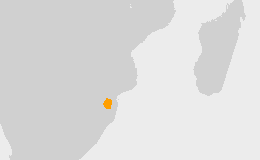
La organización afiliada a la CSI en Eswatini es el Trade Union Congress of Swaziland (TUCOSWA).
Eswatini ratificó el Convenio nº 87 sobre la libertad sindical y la protección del derecho de sindicación (1948) en 1978 y el Convenio nº 98 sobre el derecho de sindicación y de negociación colectiva (1949) en 1978.
según la ley
Libertad sindical / Derecho de sindicalización
Libertad sindical
El derecho a la libertad sindical está consagrado en la Constitución.
El derecho a la libertad sindical está reconocido por la ley, pero estrictamente regulado.
Discriminación antisindical
La ley no protege específicamente a los trabajadores/as frente a la discriminación antisindical
Barreras legales al establecimiento de organizaciones
- Para establecer un sindicato se requiere autorización o aprobación previa por parte de las autoridades
- El Comisario de Trabajo es el que decide sobre el registro de los sindicatos. Puede pedir cualquier información para respaldar cualquier solicitud (artículo 27 de la Ley de Relaciones Laborales).
Restricciones al derecho de los sindicatos a organizar su administración
- Restricciones al derecho a establecer libremente sus propios estatutos y reglamentos
- La ley impone requisitos fundamentales a las constituciones de los sindicatos; por ejemplo, que se celebre una vez al año una junta general abierta a todos los miembros y que las decisiones se tomen durante dicha junta general (artículo 29 de la Ley de Relaciones Laborales). Solo los miembros que coticen pueden ser miembros de los sindicatos y participar en las votaciones (artículo 20 y 30 de la Ley de Relaciones Laborales).
Categorías de trabajadores a quienes la ley prohíbe o restringe la posibilidad de formar o afiliarse a sindicatos, o de ocupar cargos sindicales
- Trabajadores/as de zonas francas industriales (ZFI)
- Los trabajadores/as empleados en las zonas francas de exportación no pueden establecer sindicatos.
Derecho a la negociación colectiva
Derecho a la negociación colectiva
El derecho a la negociación colectiva está recogido en la Constitución
El derecho a la negociación colectiva está reconocido por la ley.
Obstáculos legales para el reconocimiento de los agentes de negociación colectiva
- Requisitos indebidos respecto a la estructura, la composición y la afiliación de sindicatos
- Artículo 42 (3) de la Ley de Relaciones Laborales: Si los miembros cotizantes del sindicato constituyen menos del 50% de todos los trabajadores/as en la unidad de negociación, el reconocimiento a efectos de la negociación se dejará a discreción del empleador.
Derecho de huelga
Derecho de huelga
El derecho de huelga está reconocido por la ley pero estrictamente regulado.
Impedimentos legales a acciones de huelga legítimas
- Requisito de un quórum excesivo o de obtener una mayoría excesiva en una votación para poder convocar una huelga
- Después de que un conflicto se haya declarado no resuelto, el sindicato puede notificar al Comisario de Trabajo sobre la huelga al menos siete días antes de la misma. Entonces, el Comisario de Trabajo organizará una votación en la que la mayoría de los empleados/as tiene que votar a favor de la huelga como condición previa. Si se logra, el sindicato tiene que volver a notificar de la huelga 48 horas antes del inicio de la misma (artículo 86 de la Ley de Relaciones Laborales).
Prohibición o restricciones para ciertos tipos de acción de huelga
- Restricciones respecto al objetivo de una huelga (por ej. disputas industriales, cuestiones económicas y sociales, políticas, de simpatía o solidaridad)
- Las huelgas solo están permitidas en el caso de conflictos no resueltos, lo cual implica que las huelgas de solidaridad están prohibidas (artículo 86 de la Ley de Relaciones Laborales).
- Restricciones respecto al tipo de acción de huelga (por ej. piquetes, huelgas salvajes, huelgas de celo, sentadas, huelgas de brazos caídos)
- Las acciones de protesta solo se pueden iniciar después de haber enviado una notificación al Comisario de Trabajo con 21 días de antelación, explicando los motivos y la naturaleza de la protesta. Los sindicatos no pueden participar en acciones de protesta puramente políticas. El Comisario de Trabajo llevará a cabo una votación secreta para determinar si la mayoría de los empleados/as está a favor de la acción de protesta. En caso afirmativo, el sindicato tiene que volver a notificar de la huelga al menos 48 horas antes de la acción de protesta (artículo 41 de la Ley de Relaciones Laborales).
Injerencia indebida por parte de las autoridades o los empleadores durante el transcurso de una huelga
- Las autoridades o los empleadores están capacitados para prohibir, limitar, suspender o cesar unilateralmente una acción de huelga
- Artículo 89 de la Ley de Relaciones Laborales: El Ministerio de Trabajo puede solicitar al Tribunal que declare una huelga ilegal si considera que ésta constituye una amenaza para los “intereses nacionales”.
- Las autoridades o los empleadores están capacitados para prevenir o poner fin a una huelga remitiendo el conflicto al arbitraje
- Artículo 96 de la Ley de Relaciones Laborales: Los conflictos no resueltos en los servicios esenciales se pueden remitir unilateralmente a un arbitraje obligatorio
Disposiciones que socavan el recurso a acciones de huelga o su eficacia
- Posibilidad de sustituir a trabajadores/as durante acciones legítimas de huelga
- El Tribunal de Apelación de lo Laboral confirmó en una decisión el principio de que un empleador puede utilizar mano de obra de reemplazo durante el curso de una acción de huelga legal (Caso Nº 12 de 2017). La Comisión de Expertos de la OIT pidió al Gobierno que velara por que la legislación, en particular la Ley de relaciones laborales, se modificara para ofrecer protección a los trabajadores en huelga a este respecto.
- Sanciones excesivas en caso de daños ocasionados por acciones de huelga
- Los sindicalistas que participen en la acción de protesta siguen siendo responsables con arreglo a la legislación civil y penal (artículo 41 (13) de la Ley de Relaciones Laborales).
Limitaciones o prohibición de hacer huelga en algunos sectores
- Determinación discrecional o lista excesivamente larga de «servicios esenciales» en los que el derecho de huelga queda prohibido o severamente restringido
- Artículo 93 de la Ley de Relaciones Laborales: Las huelgas están prohibidas en los servicios esenciales, entre los que se incluyen los servicios sanitarios, de telecomunicaciones y de telégrafos.
En la Práctica
Durante una manifestación de 8.000 trabajadores de la función pública que tuvo lugar en Manzini el 2 de octubre, la policía empezó a disparar munición real contra grupos de manifestantes, desencadenando violentos enfrentamientos que dejaron diez trabajadores y tres policías heridos. Los manifestantes eran mayoritariamente funcionarios públicos afiliados a la asociación nacional de docentes Swaziland National Association of Teachers (SNAT), al sindicato de la función pública National Public Service and Allied Workers Union (NAPSAWU) y a la asociación de contables del Gobierno Swaziland National Association of Government Accounting Personnel (SNAGAP). El objetivo de las protestas, que se venían produciendo desde finales de septiembre, era señalar a la atención del público el programa de acción de los sindicatos de la administración pública para un ajuste por el costo de la vida, para lo cual impusieron un parón total del centro de Manzini. Los enfrentamientos estallaron cuando los manifestantes llegaron a la Oficina Regional de Educación de Manzini, y al menos 30 trabajadores resultaron heridos.
Uno de los manifestantes heridos fue el secretario general de la sectorial de NAPSAWU de Manzini, Dumisani Nkuna, que recibió varios disparos por la espalda, con munición real, muy cerca de la médula espinal, y tuvo que ser trasladado al Raleigh Fitkin Memorial Hospital. Otro manifestante recibió dos disparos en la mano. Varias víctimas fueron atendidas por los paramédicos que se encontraban en el lugar de los hechos, entre ellas una mujer que había sido rociada con spray de pimienta a corta distancia.
La violencia, que fue condenada por el movimiento sindical de Eswatini y a escala internacional, se produce en medio de una tendencia general a la restricción de las libertades democráticas en el país. El Consejo de Derechos Humanos de las Naciones Unidas ha solicitado al Gobierno que establezca medidas para garantizar la protección de los eventos y manifestaciones públicas.
En un intento de anular la huelga, el Gobierno recurrió al Tribunal Nacional de Relaciones Laborales para que la declarara ilegal, aludiendo que representaba una “amenaza para el interés nacional”. El 3 de octubre, el juez Abande Dlamini dictó una orden provisional para detener la huelga.
El 25 de septiembre, la policía de Eswatini disparó gases lacrimógenos, balas de goma y cañones de agua contra miles de funcionarios públicos que se manifestaban por los bajos salarios y el aumento del coste de la vida en el país. Los manifestantes acusaban al rey Mswati III de no establecer unos salarios adecuados, y se congregaron en la capital, Mbabane, para discutir posibles medidas con los grupos prodemocráticos de la oposición. El 23 de septiembre más de 3.500 personas se manifestaron en Mbabane y en la vecina ciudad de Manzini, y se estima que el miércoles 25 de septiembre se manifestaron otras 3.500 personas. Los manifestantes marcharon para entregar peticiones al Cuartel General de los Servicios de la Policía Real de Eswatini, al Ministerio de Servicios Públicos y al Ministerio de Educación y Formación.
Un reportero de AFP que se encontraba en el lugar de los hechos declaró que la policía intervino y comenzó a atacar a los manifestantes con gases lacrimógenos y cañones de agua cuando la multitud se desvió de la ruta que se le había autorizado a seguir. También se informó de que la policía disparó balas de goma contra la multitud de manifestantes, hiriendo a 15 personas.
Los funcionarios públicos de todo el país convocaron una huelga para el 28 de enero en protesta por el impago de los aumentos salariales por parte del Gobierno desde 2017. Las asociaciones del sector público que iban a participar en la huelga del 28 de enero eran la asociación nacional de docentes Swaziland National Association of Teachers (SNAT), el sindicato de la función pública National Public Service and Allied Workers Union (NAPSAWU), el sindicato de enfermeros Swaziland Democratic Nurses Union (SWANDU) y la asociación de contables del Gobierno Swaziland National Association of Government Accounting Personnel (SNAGAP).
Tras la convocatoria de huelga, el Gobierno intentó intimidar a los trabajadores para disuadirlos de sus intenciones. El 11 de enero, dos docentes afiliados a la SNAT fueron arrestados cuando se dirigían a una reunión sindical. El primer ministro, Ambrose Dlamini, amenazó con despedir a los trabajadores que participaran en la huelga, y con ponerles multas de 10.000 SZL. También se publicaron informes de intimidación a trabajadores por parte de las fuerzas de seguridad.
El día en que debía tener lugar la huelga, el presidente de los magistrados del Tribunal Industrial, Sifiso Nsibande, atendió una solicitud del ministro de Trabajo para que se dictara un mandamiento judicial que impidiera que la huelga siguiera adelante. El juez decretó que no podía llevarse a cabo ya que, en virtud del párrafo 1 del artículo 90 de la Ley de relaciones laborales, se prohíbe que se lleve a cabo una huelga cuando se han iniciado procedimientos ante el Tribunal en relación con la misma. Los sindicatos implicados han manifestado su intención de recurrir el veredicto. El 1 de febrero de 2019 tuvo lugar una marcha más reducida de miembros del SNAT.
La secretaria principal del Ministerio de Educación y Formación, la Dra. Sibongile Mtshali, ha declarado ilegal una reunión del 28 de enero de 2019 a la que asistieron miembros de varios sindicatos de la administración pública para discutir la decisión del Tribunal de cancelar la huelga prevista para ese día. La Dra. Mtshali había hecho circular un mensaje entre todos los directores de escuela en el cual advertía que se consideraría ilegal que un maestro/a asistiera a la reunión sin una autorización previa de su oficina.
La CSI ha condenado las acciones del Gobierno de Eswatini (antigua Swazilandia) después de que decenas de policías con equipos antidisturbios atacaran a los trabajadores que participaban en una manifestación pacífica organizada estos dos últimos días para reclamar subidas salariales.
Los días 18 y 19 de septiembre la policía disparó granadas de concusión y agredió físicamente a la multitud que se manifestaba en Manzini, la principal ciudad del país. Varios trabajadores resultaron gravemente heridos y requirieron tratamiento hospitalario. Sbonelo Tsabedze y Nhlanhla Tsabedze, dos organizadores del Amalgamated Trade Union of Swaziland (ATUSWA), fueron arrestados mientras coordinaban a los trabajadores que se habían reunido junto a las puertas de la fábrica de Zheng Yong a primera hora de la mañana. Varios trabajadores siguen desaparecidos. El sindicato de la policía Swazi Police Union también ha emitido un comunicado de prensa denunciando la brutal violencia de sus superiores, confirmando que recibieron órdenes de disparar y matar a toda persona que “perturbara” las fraudulentas elecciones que se van a celebrar próximamente en el país.
“Condenamos enérgicamente la prohibición unilateral de la acción de protesta organizada por la central sindical Trade Union Congress of Swaziland (TUCOSWA), acción que anteriormente había sido declarada ilegal y en conformidad con la sección 40 de la Ley de relaciones laborales. Pedimos a la policía que ponga incondicionalmente en libertad a todos los trabajadores arrestados y detenidos y que dé explicaciones sobre todos los trabajadores que están actualmente desaparecidos”, ha expresado la secretaria general de la CSI Sharan Burrow.
TUCOSWA presentó el 20 de septiembre ante los tribunales una solicitud urgente para que se realice una evaluación conjunta de la situación con el Tribunal Supremo de Swazilandia.
“La CSI solicita una investigación inmediata y fiable sobre los violentos acontecimientos que se han producido en Eswatini. El Gobierno ha convertido el país en un estado policial en el que la violencia policial se utiliza para acallar a la oposición y donde las autoridades simplemente se niegan a dialogar con los sindicatos sobre los derechos humanos y sindicales”, añadió la Sra. Burrow.
Trabajadores y trabajadores del textil y vestuario se enfrentaron a un uso desmesurado de la fuerza por parte de la Policía Real de Eswatini, en un ataque que se saldó con detenciones y numerosos heridos, durante una serie de protestas que tuvieron lugar en agosto y septiembre. Los manifestantes reclamaban mejores salarios y condiciones de trabajo.
El 30 de agosto de 2018, el Amalgated Trade Union of Swaziland (ATUSWA) informó que más de 200 miembros de la policía paramilitar y guardias de prisiones, equipados con escudos antidisturbios y porras, fueron desplegados frente a una fábrica textil en Nhlangano y al parecer dispararon contra los trabajadores que protestaban por los bajos salarios. Durante los enfrentamientos, la policía golpeó a un periodista exigiéndole que eliminase las fotografías que había tomado del ataque y los disparos de la policía contra los huelguistas.
El 19 de septiembre, las protestas afectaban a cinco fábricas textiles y de la confección, iniciadas después de que se estancaran las negociaciones en la Comisión de Conciliación, Mediación y Arbitraje reclamando una mejora de salarios y condiciones de trabajo. Más de 10.000 trabajadores/as del textil y la confección participaban en las protestas, que fueron dispersadas por la policía procediendo a detener y golpear a miembros de ATUSWA. Las protestas se desarrollaron en Mbabane, Manzini y otros lugares, y se realizaron respetando las leyes del país.
Según ATUSWA, los activistas Sbonelo Tsabedze y Nhlanhla Tsabedze fueron detenidos en Nhlangano cuando movilizaban a los trabajadores/as para reunirse a las puertas de la fábrica de Zheng Yong impulsando sus reivindicaciones.
Según líderes de ATUSWA, “la policía recurrió, sin provocación, al uso de gases lacrimógenos para dispersar a los trabajadores y trabajadoras y comenzó a perseguir y golpear a los miembros del sindicato. Nos han informado que muchos de nuestros miembros están heridos y huyen desesperados, perseguidos por la policía”.
Agentes antidisturbios de la Policía Real de Eswatini irrumpieron en el Hospital Gubernamental de Hlatikhulu, durante una protesta pacífica y legal organizada por el personal de enfermería.
Policías armados patrullaban el hospital y el jueves 4 de octubre asaltaron el hospital cuando los enfermeros/as empezaron a cantar y corear eslóganes “en protesta contra lo que describieron como trato injusto por parte de la dirección”.
La huelga se produjo tras una serie de protestas y mítines en los que la policía empleó la violencia para intentar dispersar a los manifestantes. El 29 de agosto de 2018, cuando cientos de sindicalistas encabezados por el Swaziland Democratic Nurses Union (SWADNU) se encaminaron hacia los Ministerios de Servicio Público y de Sanidad para entregar una petición, la policía procedió a dispersar la marcha pacífica atacando a los manifestantes con pistolas taser.
El 26 de agosto de 2018, Maxwell Myeni, secretario del Trade Union Congress of Swaziland (TUCOSWA), del Lavumisa Local Shopstewards Council y miembro de la asociación de docentes Swaziland National Association of Teachers (SNAT), fue detenido en su domicilio por agentes de la Unidad Policial de Delitos Graves y conducido a la comisaría de policía de Sigodweni, situada a 145 kilómetros de donde le detuvieron. Fue liberado bajo fianza el lunes 27, tras su comparecencia ante un juez, habiendo sido injustamente acusado en base a la Ley de Orden Público. Esa misma semana, la policía había irrumpido en la sede del SNAT, efectuando disparos para dispersar a los miembros del sindicato que se habían reunido pacíficamente para debatir su actuación frente a la negativa del Gobierno de revisar los salarios de los docentes en los últimos dos años.
El 29 de junio de 2018, una manifestación pacífica convocada por la central sindical Trade Union Congress of Swaziland (TUCOSWA), que tenía por objeto entregar una petición en la oficina del viceprimer ministro, fue brutalmente reprimida por las fuerzas armadas.
El Concejo Municipal de Mbabane denegó el acceso de los manifestantes a las principales calles de la ciudad, y la policía impidió que pudiesen llegar hasta la oficina del viceprimer ministro utilizando cañones de agua y gases lacrimógenos, y cargando con porras contra los manifestantes. Cuatro miembros de TUCOSWA resultaron gravemente heridos debiendo ser trasladados al hospital, y Majembeni Thobela, un guardia de seguridad que participaba ese día en la marcha, fue brutalmente golpeado hasta quedar tendido en el suelo, inconsciente y con la cara cubierta de sangre. La policía ni siquiera se molestó en proceder a su traslado inmediato al hospital, por lo que tuvieron que ser otros manifestantes quienes le administraran los primeros auxilios. Muchos manifestantes corrieron intentando escapar de la policía armada con porras, que golpeaba a todo aquel que encontraba en su camino. Algunos fueron acorralados y brutalmente agredidos por la policía. Gcebile Ngcamphalala al parecer sufrió una fractura al ser abatida por agentes de la policía cuando intentaba saltar una valla.
Un miembro de TUCOSWA fue detenido por la policía para ser interrogado, aunque sería liberado poco después. Dos personas permanecían aun hospitalizadas en estado crítico una semana después de los hechos.
Los manifestantes pretendían hacer llegar una serie de reivindicaciones sindicales legítimas, como la introducción de un salario mínimo, enmiendas a la ley de empleo, la prohibición de contratar a trabajadores de reemplazo durante las acciones de huelga, la eliminación de los intermediarios laborales, además de pedir que se ponga fin a los abusos cometidos contra los trabajadores de la caña de azúcar. La CSI condenó firmemente los actos de violencia.
El 16 de agosto de 2017, el sindicato de la sanidad Swaziland Health Institutions and Allied Workers Union (SHIAWU) convocó a sus miembros empleados en la universidad Southern Africa Nazarene University (SANU) a una huelga tras el bloqueo de las negociaciones con el empleador. El conflicto se produjo tras el estancamiento de las negociaciones salariales y el rechazo por parte de SANU de la demanda del sindicato de una subida salarial del 15% para el año académico 2015-2016. Aunque SHIAWU había intentado anteriormente remitir la cuestión de las negociaciones fallidas a la Comisión de Conciliación, Mediación y Arbitraje, SANU se negó a modificar su postura. Durante los tres días de huelga, SANU impidió el acceso a los miembros del personal en huelga, recurriendo a una empresa de seguridad privada para llevar a cabo el cierre patronal, y contrató a trabajadores temporales para reemplazar a los trabajadores en huelga. El 22 de agosto SHIAWU interpuso en los tribunales una denuncia contra las acciones del empleador.
La dirección de Fashion International continúa negándose a reconocer al sindicato afiliado a la central Amalgamated Trade Unions of Swaziland (ATUSWA) a pesar de que en marzo más del 84 por ciento de la plantilla (1.600 de los 1.900 trabajadores/as) empresa ya había firmado formularios de afiliación sindical. Además, en una votación realizada por la Comisión de Conciliación, Mediación y Arbitraje, todos los trabajadores menos uno votaron a favor del sindicato. En lugar de reconocer al sindicato, la empresa amenazó en numerosas ocasiones con cerrar la fábrica si los trabajadores seguían pidiendo dicho reconocimiento.
La necesidad de un sindicato para proteger el bienestar de los trabajadores y las trabajadoras queda de manifiesto en el deficiente balance de la empresa en materia de derechos laborales y de empleo. Los trabajadores de Fashion International se ven obligados a trabajar cuando están enfermos, ya que la empresa se niega a pagar una baja por enfermedad superior a dos días de duración y durante las horas de trabajo solo pueden ausentarse 4 horas para visitar al médico. Bajo la amenaza de tomar medidas disciplinarias, incluyendo el despido, la empresa también impone un día laborable adicional exigiendo trabajar los sábados.
El informe, publicado por la CSI con el título “El oro del rey Mswati: derechos de los trabajadores y confiscación de tierras en el sector azucarero de Swazilandia”, pone de relieve numerosos ejemplos de obstáculos que se interponen al ejercicio de los derechos sindicales en el sector y de una flagrante discriminación antisindical. Entre estos casos cabe citar el de Enock Dlamini, un trabajador de 25 años de la Ubombo Sugar Company, quien en numerosas ocasiones ha sido acusado por la empresa de falsos delitos en cuanto se dedicó a defender, en calidad de delegado sindical, los derechos de los trabajadores temporeros que regresan al país. Al final de la temporada 2015-2016, la empresa rescindió su contrato y anunció el cierre de todo su departamento.
La policía antidisturbios disparó balas de goma contra los trabajadores de la Plantation Forestry Company que protestaban contra un aumento salarial insuficiente que representa el equivalente a 0,35 USD por hora. El conflicto en la plantación continuó durante casi 2 meses y la empresa recurrió a la policía antidisturbios en varias ocasiones, incluyendo el 25 de agosto de 2016, cuando los soldados dispararon munición letal sobre las cabezas de los trabajadores en huelga.
Aproximadamente 100 trabajadores/as de la Universidad de Tecnología Creativa de Limkokwing participaron en una huelga organizada el 9 de septiembre por el sindicato del personal no académico de las instituciones superiores, Swaziland Union of Non-Academic Staff for Higher Institutions (SUNASHI). Los trabajadores protestaban contra el uso sistemático de contratos de trabajo a corto plazo después de que la dirección y el personal de la universidad no lograran llegar a un consenso sobre este asunto. La Universidad se creó en septiembre de 2016 después de que el rey Mswati III asumiera la presidencia de la Comunidad de Desarrollo del África Meridional (SADC). Se ha anunciado que en la admisión inicial, la institución ofrecería becas a 300 estudiantes de los 15 países de la SADC. Sin embargo, el personal solamente obtuvo contratos de uno o dos años como máximo.
La dirección de la Universidad no entabló negociaciones con los trabajadores después del aviso de huelga. En su lugar, emitió una declaración en los medios de comunicación en la que advirtió que se deducirían de los salarios los días de huelga y que a los trabajadores en huelga no se les permitiría entrar en el campus.
Un grupo de aproximadamente 15 mujeres trabajadoras de la empresa forestal Plantation Forest Company (cerca de Pigg’s Peak) fueron violentamente atacadas por la policía y los guardias de la empresa de seguridad privada Siyavutsa durante la acción de huelga de un mes que tuvo lugar en la plantación a causa de las malas condiciones de trabajo y salarios muy bajos. Las mujeres fueron atacadas en su camino de regreso a sus viviendas, a unos 5 km de distancia, golpeadas con porras de madera y fusiles y perseguidas por perros. Cinco de las mujeres, entre ellas la Secretaria General Adjunta del sindicato de trabajadores de la plantación, Wendy Simelane, fueron capturadas, arrojadas a una furgoneta y transportadas a la comisaría de Mhlatane y luego a la de Pigg’s Peak. En ambos lugares, fueron sometidas a violentas palizas, sofocación con bolsas de plástico y mediante la técnica del “submarino”, actos realizados conjuntamente por la policía y los guardias de Siyavutsa. A Wendy Simelane le causaron una doble fractura de la pierna y la sofocaron hasta que vomitó. Las trabajadoras fueron obligadas a firmar falsas confesiones, admitiendo haber iniciado un incendio en los terrenos de la plantación. El sindicato Swaziland Agriculture and Plantations Workers Union (SAPWU) pidió al Gobierno que abriera causas penales individuales por agresión contra cada agente de policía, pero el cuerpo de policía reaccionó anunciando que la propia policía examinaría los casos: tanto los policías como las trabajadoras serán investigados.
El comisario de la Policía Nacional Isac Magagula fue citado durante su discurso de apertura oficial en el Colegio de Policía de Matsapha afirmando que el espíritu del sindicalismo era algo “ajeno, tabú y malo en el servicio policial”. En los días subsiguientes, también se le citó describiendo al sindicalismo ante el servicio de policía como una “monstruosidad” y afirmando que sus declaraciones estaban dirigidas a los miembros de la Real Asociación de Personal de la Policía de Swazilandia como una advertencia para que su organización no sea considerada como un sindicato.
Las fuerzas policiales bloquearon una manifestación integrada por miembros de los sindicatos de docentes, de enfermeras y de empleados públicos: Swaziland National Association of Teachers (SNAT), Swaziland Democratic Nurses Union (SWADNU), National Association of Public Servants and Allied Workers (NAPSAW) y Swaziland National Association of Government Accounting Personnel (SNAGAP), antes de la apertura de la 3ª sesión del Parlamento Swazi, el 12 de marzo de 2016. La manifestación se organizó con el fin de promover la publicación de un informe sobre la revisión salarial del Gobierno y protestar contra el secretismo de la política salarial del Gobierno para los trabajadores y trabajadoras del sector público.
Mcolisi Ngcamphalala, miembro del sindicato de docentes Swaziland National Association of Teachers (SNAT), y Mbongwa Dlamini, presidente de la sección regional del SNAT en Manzini, fueron detenidos el 4 de febrero, después de una manifestación de funcionarios/as celebrada el día anterior para entregar una petición a la oficina del Primer Ministro. Alrededor de 300 funcionarios/as participaron en la manifestación para exigir la publicación varias veces aplazada del informe de la revisión salarial del funcionariado, que se había finalizado en octubre de 2015.
Los funcionarios/as celebraron piquetes cada miércoles para protestar por el secretismo en torno a la revisión salarial. Los funcionarios/as de Swazilandia tienen prohibido organizar manifestaciones de protesta y, por tanto, recurren a modos de plantear sus demandas más flexibles y a menor escala, como los piquetes. Por último, decidieron acudir a la oficina del Primer Ministro para entregar la petición.
El 4 de febrero de 2016, agentes de la unidad de delitos graves de Swazilandia, también conocida como la brigada antiterrorista de Swazilandia, registraron los hogares de Mcolisi Ngcamphalala y Mbongwa Dlamini. Ambos fueron acusados de haber infringido la Ley de Orden Público por haber bloqueado la carretera que conduce a las oficinas del Gabinete ministerial. Fueron detenidos y posteriormente les otorgaron la libertad bajo una fianza de 1.000 SZL (60 USD) cada uno en espera del juicio.
El 12 de febrero, los funcionarios/as de los sindicatos Swaziland National Association of Teachers (SNAT), Swaziland Democratic Nurses Union (SWADNU), National Association of Public Servants and Allied Workers (NAPSAW) y Swaziland National Association of Government Accounting Personnel (SNAGAP) volvieron a intentar entregar su petición mediante una marcha a la apertura oficial del parlamento. Sin embargo, fueron rechazados por la policía.
Dos activistas del sindicato de docentes Swaziland National Association of Teachers fueron arrestados por agentes de la unidad antiterrorista swazi, acusados de obstrucción por participar en un pequeño piquete organizado por sindicatos del servicio público. Quedaron detenido hasta que se les concedió la libertad bajo fianza con una multa de E1,000 (60 USD) y quedando pendientes de juicio. El piquete, que se realizaba semanalmente para protestar por el secretismo de la política salarial del Gobierno para los trabajadores del sector público, formaba parte de la campaña de protesta masiva de los trabajadores y trabajadoras del sector público organizada para hacer oír las reivindicaciones de los trabajadores a través de acciones descentralizadas y a pequeña escala que han de realizarse en el marco jurídico de las leyes draconianas que prohíben las manifestaciones.
El 24 de noviembre, el gobierno presentó una solicitud urgente al Tribunal Supremo para evitar que la central sindical de trabajadores/as del sector público Public Sector Associations (PSA), compuesta por el sindicato de docentes Swaziland National Association of Teachers (SNAT), el de funcionarios/as Swaziland National Association of Civil Servants (SNACS), el de personal de enfermería Swaziland Nurses Association (SNA) y el de contables Swaziland National Association of Government Accounting Personnel (SNAGAP), visitara el recinto del Ministerio. La PSA había previsto acudir a las oficinas del Ministerio de Servicios Públicos para exigir la publicación del informe sobre la revisión salarial. El Ministerio presentó la solicitud urgente porque consideraba que la visita constituía una acción de protesta.
Sin embargo, cuando los representantes de las cuatro organizaciones (todos citados como demandados en el juicio) llegaron al Tribunal Supremo para que se examinara la solicitud, la policía les impidió el acceso al recinto. El juez emitió una orden provisional a favor del gobierno para que los sindicatos del sector público se abstuvieran de continuar con su acción de protesta.
La acción de la PSA se debió a su frustración por los sucesivos retrasos. A principios de septiembre, se había contratado a un asesor para que llevara a cabo una revisión salarial para los funcionarios/as tras los compromisos adquiridos por el Equipo de Negociaciones del Gobierno en el Foro Conjunto de Negociaciones con la PSA. Aunque el informe ya estaba listo y existía el compromiso de publicarlo antes del 25 de octubre, el gobierno alegó que los sindicatos no podían verlo porque todavía no se había presentado ante el Gabinete ministerial. Los sindicatos opinaban que el gobierno les estaba tratando a ellos y al proceso de negociación con desprecio.
Técnicamente, los sindicatos del sector público no tienen permiso para participar en consejos de negociación ni juntas de conciliación y mediación. Por tanto, tienen que llamarse “asociaciones”. Los funcionarios/as no tienen permiso para dedicarse a tiempo completo a actividades sindicales y a menudo se les niega el derecho a viajar al extranjero para participar en actividades sindicales internacionales.
Mario Masuku, presidente del partido de la oposición People’s United Democratic Movement (PUDEMO), y Maxwell Dlamini, Secretario General del Swaziland Youth Congress (SWAYOCO), movimiento juvenil del PUDEMO, fueron detenidos y acusados en virtud de la Ley de Supresión del Terrorismo (2008) después de pronunciar un discurso durante las celebraciones del Primero de Mayo de 2014, organizadas por la central sindical Trade Union Congress of Swaziland (TUCOSWA). En sus discursos, el Sr. Masuku y el Sr. Dlamini abordaron cuestiones relacionadas con la gobernanza socioeconómica del país y corearon las consignas “Viva PUDEMO” y “No queremos este sistema, no queremos este sistema”. De ser declarados culpables podrían enfrentarse a 15 años de trabajos forzados en prisión. Ha transcurrido más de un año desde su detención, pero todavía no se ha dictado sentencia. Su solicitud de libertad bajo fianza fue denegada en dos ocasiones, a pesar de que Masuku tiene 65 años, sufre de diabetes y atrapó una neumonía durante su estancia en la cárcel. Dlamini, estudiante en la Universidad de Swazilandia, ha sido privado de su derecho a la educación como consecuencia de su prolongada detención.
Después de más de dos años de constantes retrasos y obstáculos, el gobierno todavía no había aprobado el registro de la central sindical Amalgamated Trade Unions of Swaziland (ATUSWA).
El 13 de mayo de 2015, el Comisario de Trabajo aceptó volver a reunirse para debatir el asunto del registro con la ATUSWA, que había cumplido con el requisito de cambiar los seis miembros fundadores y darles de baja de sindicatos anteriormente registrados. El comisario manifestó verbalmente que se habían cumplido todos los requisitos y que el sindicato ya se podía registrar tras la aprobación de la Ministra de Trabajo. Cuando el sindicato no volvió a recibir respuesta del comisario, decidió presentar una demanda ante el Tribunal Laboral, el cual recomendó a ambas partes que negociaran un acuerdo extrajudicial. Sin embargo, cuando la ATUSWA volvió a contactar con el comisario, surgió otro obstáculo. El comisario exigió a los miembros fundadores del sindicato una carta de confirmación de su empleador para demostrar que estaban empleados. A ningún otro sindicato se le había exigido una carta de confirmación y es probable que dicho requisito disuada a los trabajadores/as de fundar sindicatos, pues dependerán de la disposición de sus empleadores a otorgarles dicha carta.
La ATUSWA cree que puede haber existido una injerencia de la Ministra de Trabajo y Seguridad Social, Winnie Magagula, en su solicitud. Según la Ley de Relaciones Laborales, se supone que los ministros no deben involucrarse en el registro de sindicatos. Sin embargo, el Comisario de Trabajo aseguró siempre que no podía registrar al sindicato sin la aprobación previa de la Ministra, quien aparentemente sospechaba que la ATUSWA tenía una agenda política y afirmaba que no debía ser registrada.
Como no se ha registrado, el sindicato no puede negociar colectivamente ni celebrar acciones de protesta. Además, la policía siempre deniega a la ATUSWA la autorización para celebrar marchas y manifestaciones.
Finalmente, el 12 de mayo de 2015, el Trade Union Congress of Swaziland (TUCOSWA) fue registrado más de tres años después de su fundación, gracias a la creciente presión internacional, en especial de la OIT, por el terrible historial del país en materia de derechos. La policía sigue interfiriendo en las actividades de la central sindical nacional y asiste a sus reuniones. El día después de que se aprobara su registro, la policía irrumpió en una reunión celebrada en la sede del SNAT. Dos días después, el 15 de mayo, también irrumpieron en una reunión celebrada en las oficinas del TUCOSWA.
En mayo, durante una misión al país encabezada por la CSI, el Ministerio de Trabajo y Seguridad Social no pudo ofrecerle garantías de que en el futuro no habría injerencias policiales en las reuniones sindicales, aunque el TUCOSWA ya estaba registrado. Además, el Parlamento todavía no había abordado la legislación represiva que la policía utiliza contra las actividades sindicales legítimas.
La policía disparó balas y gases lacrimógenos contra numerosos trabajadores/as que se estaban manifestando por las terribles condiciones laborales existentes en la fábrica Zheng Yong Garment Factory en Nhlangano. Más de 2.000 trabajadores/as participaban en la protesta, que acabó con una confrontación con los guardias de seguridad de la empresa después de que un trabajador fuera fuertemente golpeado por los mismos tras un malentendido sobre un dinero que faltaba.
La agresión provocó la ira de los trabajadores/as, ante lo cual la dirección pidió refuerzos a la policía. Sin embargo, en lugar de calmar los ánimos, la policía solo aumentó la tensión, pues disparó balas y gases lacrimógenos, una táctica que usa frecuentemente en este tipo de incidentes.
A finales de abril de 2015, el dictador-rey Mswati, que gobierna Swazilandia con mano de hierro, amenazó con usar la violencia policial contra los sindicalistas que participaran en una manifestación del Primero de Mayo prevista para el viernes en la gran ciudad comercial de Manzini.
La policía anunció que tan solo se permitiría celebrar el Primero de Mayo a los “sindicatos reconocidos” y advirtió que impondría “la ley y el orden” en cualquier manifestación. La central sindical nacional TUCOSWA todavía no había sido reconocida oficialmente más de tres años después de haber presentado por primera vez su solicitud de registro y se cree que dicha prohibición iba dirigida principalmente a esta organización. El sindicato decidió hacer frente a las amenazas y seguir adelante con la manifestación, que se celebraría en el complejo deportivo Salesian Sports Ground en Manzini, la capital comercial del país. Aquel día, un gran contingente de policías fuertemente armados se desplegaron en la ciudad, por lo que hubo una baja afluencia de trabajadores/as.
El 14 de marzo de 2015, Muzi Mhlanga, Secretario General del Swaziland National Association of Teachers (SNAT), fue agredido por la policía durante una operación para evitar que el Comité Ejecutivo Nacional del Trade Union Congress of Swaziland (TUCOSWA) se reuniera en la sede del SNAT en Manzini. Al parecer, la policía se fijó en él como objetivo porque estaba intentando tomar fotografías de la intervención policial. Varios testigos confirman que vieron cómo golpeaban al señor Mhlanga, por lo que luego tuvo que ser hospitalizado. La policía también amenazó a otros miembros del NEC cuando les obligaron a salir de la sede del SNAT. Además, intentaron leer sus correos electrónicos e impedir que los enviaran. El Secretario General del TUCOSWA, Vincent Ncongwane, denunció que la policía quería quitar sus teléfonos móviles a los líderes sindicales porque estaban tomando fotografías “sin permiso” y que los agentes declararon que les habían ordenado aplastar cualquier reunión del TUCOSWA.
También en marzo, el Comisario Adjunto Khulani Mamba anunció que el TUCOSWA no tenía permiso para invitar a una delegación de sindicalistas sudafricanos a una reunión en Swazilandia. Citó la Ley de Supresión del Terrorismo y declaró que el TUCOSWA debía solicitar una autorización antes de celebrar cualquier reunión.
Unos 250 trabajadores se declararon en huelga el 24 de noviembre, como medida de protesta contra la negativa de la compañía a negociar con el sindicato Amalgamated Trade Unions of Swaziland (ATUSWA) un subsidio de vivienda de 72 USD.
A pesar de que los trabajadores cumplieron todos los requisitos legales y que se trató de una huelga pacífica, la policía rodeó a los trabajadores, armada con escudos antidisturbios, cascos protectores, pistolas y gases lacrimógenos. Durante la huelga, la compañía impidió que los trabajadores tuvieran acceso al agua potable, los aseos y servicios médicos.
Chancellor House, la rama de inversiones de ANC, es propietaria del 75% de las acciones de la mina de Maloma; el 25% restante es propiedad de Tibiyo Taka Ngwane, un fondo controlado por el rey Mswati III, uno de los últimos monarcas absolutos que quedan en el mundo. Recientemente, el gobierno suazi anunció una prohibición inmediata de todos los sindicatos y federaciones patronales, lo cual constituye una violación de las normas internacionales del trabajo.
En febrero de 2015, casi tres años después de haber presentado por primera vez su solicitud de registro, el Trade Union Congress of Swaziland (TUCOSWA) seguía esperando que se le reconociera después de numerosos retrasos bajo el pretexto de que la ley no contempla el reconocimiento de las centrales sindicales y que, por tanto, debía enmendarse. Mientras tanto, la central sindical nacional siguió sufriendo episodios de acoso e intimidación.
El 26 de febrero tenía previsto celebrar una enorme reunión de sus miembros para debatir varios asuntos, incluidos el registro de los sindicatos, la pérdida de ventajas comerciales en el país debido a la Ley de Crecimiento y Oportunidades para África, los derechos de negociación colectiva y la falta de una democracia multipartidista. La reunión inicial no se pudo llevar a cabo, pues la policía advirtió al propietario de la sala Bosco Skills Centre Hall en Manzini (donde se iba a celebrar el evento) que estaba violando la ley de Swazilandia por alquilar el espacio al TUCOSWA.
Dos días después, la reunión se trasladó a la sede del sindicato de docentes Swaziland National Teachers Association (SNAT), también situada en Manzini. La policía instaló retenes por todo el país y desplegó policías uniformados y vestidos de paisano frente a la sede, para evitar que la gente llegara a la reunión. Aun así, más de 100 trabajadores/as consiguieron llegar al lugar, aunque numerosos policías armados les impidieron la entrada al edificio.
Esto se repitió dos semanas más tarde, cuando el 14 de marzo el TUCOSWA intentó celebrar una reunión de su Comité Ejecutivo Nacional (NEC) en la sede del SNAT. Una hora antes de que comenzara la reunión llegaron policías vestidos de paisano y ordenaron a los presentes que desalojaran el recinto porque la reunión no se llevaría a cabo. A continuación, tomaron posiciones en las puertas del edificio para evitar que cualquier otra persona entrara en el recinto. Según los informes, en la operación participaron más de 300 agentes de policía.
En agosto de 2014, el Primer Ministro de Swazilandia, Sibusiso Barnabas Dlamini, amenazó públicamente a Sipho Gumedze, de la organización Lawyers for Human Rights (Abogados para la defensa de los derechos humanos), y a Vincent Ncongwane Secretario General de TUCOSWA, debido a su participación en la Cumbre de Líderes de EE.UU. y África en Washington DC. El Primer Ministro Dlamini hizo la siguiente declaración durante un discurso en el Parlamento: “Han abandonado sus organizaciones y ni siquiera les han dicho adónde iban, así que cuando regresen y ustedes se den cuenta de que pertenecen a sus organizaciones, deberán estrangularlos.”
El abogado y defensor de los derechos humanos Thulani Maseko, y el redactor jefe de la revista Nation Magazine, Bheki Makhubu, fueron arrestados el 17 y 18 de marzo de 2014 respectivamente, por haber escrito artículos sobre las circunstancias del arresto del responsable del servicio gubernamental de inspección de vehículos, Bhantshana Gwebu, y sobre la integridad, la imparcialidad y la independencia del sistema judicial de Swazilandia. La legalidad del arresto, de la detención y de las acusaciones fue contestada a su favor ante el Tribunal Superior, lo que les permitió ser liberados tras dos días de detención. No obstante, volvieron a ser arrestados y detenidos cuando el Estado apeló la decisión. Si bien Thulani Maseko y Bheki Makhubu estaban acusados de “desacato”, el 25 de julio de 2014 el juez Mpendulo Simelane les condenó a dos años de cárcel, en lugar de los 30 días de prisión habituales, precisando que “la gravedad de sus delitos, su moral reprochable y la ausencia de arrepentimiento justifican las largas penas de cárcel”.
La policía recurrió a la Ley de represión del terrorismo para legitimizar la injerencia en las actividades sindicales. Por ejemplo, esta ley fue utilizada en mayo de 2014 para arrestar y acusar a varios activistas que habían tomado la palabra durante la celebración del Primero de Mayo organizada por TUCOSWA, entre ellos los líderes estudiantes Maxwell Dlamini y Mario Masuku. Ambos activistas permanecen encarcelados y les ha sido denegada la libertad bajo fianza. En febrero de 2014 se presentaron enmiendas al Parlamento para su consideración, pero éste sigue sin haberlas examinado. La Ley de represión del terrorismo ofrece una definición extremadamente general del terrorismo, calificado como todo acto que “pueda ser perjudicial para la seguridad nacional o la seguridad pública (...) y que pretenda – o que por su naturaleza y contexto pueda considerarse razonablemente que pretende – intimidar a los ciudadanos o a una parte de los ciudadanos, u obligar al Gobierno (...) a ejecutar o a abstenerse de ejecutar una acción.” Los términos “seguridad nacional” y “seguridad pública” no están definidos, por lo que quedan abiertos a una interpretación libre y potencialmente subjetiva. No sólo estos conceptos pueden ser interpretados de manera general y subjetiva, sino que además el factor de intención no parece ser esencial. Además, dicha ley otorga al Ministro poder discrecional absoluto para catalogar a las organizaciones de “terroristas” sin que su decisión esté sujeta a un examen judicial.
La policía intervino en una marcha pacífica organizada por TUCOSWA, en la que participaron grupos más generales de la sociedad civil, para protestar contra la Proclamación del Rey de 1973 y sus repercusiones en la libertad sindical y las libertades civiles. La Proclamación del Rey, decretada el 12 de abril de 1973, invistió al Rey Sobhuza II con poderes absolutos, criminalizando al mismo tiempo los partidos políticos y órganos similares.
“Yo, Sobhuza II, Rey de Swazilandia, declaró por la presente, en colaboración con mi gabinete de ministros y con el apoyo de toda la nación, asumir el poder supremo del reino de Swazilandia y ser investido con todos los poderes legislativos, ejecutivos y judiciales que deberán, por el momento, ser ejercidos en colaboración con un consejo compuesto por ministros de mi Gobierno. Declaro por otra parte que, para garantizar el mantenimiento duradero de la paz, el orden y la buena gestión de los asuntos, mis fuerzas armadas, así como la policía real de Swazilandia, estarán asignadas en todos los lugares estratégicos y pasan a hacerse cargo de todos los servicios públicos y gubernamentales […]. Los partidos políticos y organismos similares que generan y provocan altercados y animosidades en el seno de la nación, están prohibidos.”
TUCOSWA pidió permiso para organizar una marcha, pero el 4 de abril de 2014 el Tribunal municipal de Manzani denegó la autorización a la confederación, declarando que “el 12 de abril es una fecha sumamente conflictiva en la cual la paz y la estabilidad del país se verían amenazadas”. La marcha debería haber comenzado el 12 de abril de 2014 en Jubilee Park y llegar hasta St Theresa Hall, en Manzini. Vincent V. Ncongwane, Secretario General de TUCOSWA, y Sipho Kunene, Vicepresidente de TUCOSWA, fueron detenidos en un control de seguridad de una carretera del barrio de Mhlaleni, en Manzini, el 12 de abril. Ambos fueron detenidos en la comisaría de policía de Manzini y se les denegó acceso a toda representación jurídica. Vincent Ncongwane fue transferido a la estación de policía de Mafutseni, a 20 km de Manzini. En los diversos controles de seguridad establecidos en las carreteras que conducen a Manzini, la policía arrestó a otros grupos de trabajadores/as, a quienes detuvo y posteriormente dejó en libertad en lugares remotos, de manera que algunos de ellos tuvieron que recorrer largas distancias a pie, en plena noche, para llegar a la carretera más cercana. Entre ellos estaba el Presidente del National Public Services and Allied Workers Union, Quinton Dlamini, y el Secretario General del Private and Public, Transport Workers Union, Bheki Dludlu.
Basil Thwala, asistente jurídico del Swaziland Transport and Allied Workers Union, fue arrestado en un piquete de huelga en la estación de autobuses de Manzini, después de una gran manifestación de trabajadores y trabajadoras del transporte en autobús organizada por el STAWU en julio de 2012. Basil fue acusado y condenado en virtud de la Ley de tráfico y la Ley sobre el orden público, por encontrarse a la cabeza de la manifestación en la estación de autobuses. Fue arrestado y trasladado a una estación de policía donde no recibió comida ni una manta para dormir. De hecho tuvo que dormir durante varias noches en el suelo frío. Basil obtuvo en un primer momento la libertad bajo fianza, pero le fue posteriormente revocada alegándose que había vulnerado las condiciones al haber acudido a un lugar situado fuera de la zona límite especificada en las mismas. Ningún testigo se presentó en el tribunal para confirmar esta alegación. De hecho, el Tribunal Superior de Swazilandia es el que pronunció la anulación de su libertad bajo fianza cuando él no estaba ni siquiera presente en el tribunal. Basil fue finalmente condenado a dos años de cárcel. Recurrió la sentencia dos meses después de su condena, pero no nunca hubo indicios de que su demanda hubiera sido tenida en consideración. Los tribunales tardaron menos de un mes en condenarle, pero su apelación, clasificada oficialmente como urgente, nunca llegó a ser tratada. Basil fue finalmente puesto en libertad tras haber cumplido la totalidad de su condena.
Los sindicatos del textil y el vestuario, la minería, la extracción y sectores relacionados, así como los sindicatos de los sectores de la manufactura, la metalurgia, la ingeniería, el comercio minorista, la hostelería y la restauración, decidieron fusionarse en septiembre de 2013 para formar el Amalgamated Trade Union of Swaziland (ATUSWA). Antes de celebrar su congreso, el 6 de septiembre de 2013, el sindicato presentó su solicitud de registro y sus estatutos ante el Comisario de Trabajo. El consejero jurídico del Ministerio se reunió con los dirigentes del sindicato y solicitó una serie de modificaciones en los estatutos. Pero una vez satisfecho las solicitudes, el ATUSWA seguía sin estar registrado. El 2 de enero de 2014, el sindicato fue informado de que no podría registrarse a menos que enmendara sus estatutos. El sindicato respondió debidamente, y abordó las cuestiones y aclaró los fundamentos sobre los que se basaba su solicitud de registro. El 4 de abril de 2014, en una reunión con el Comisario de Trabajo, se plantearon nuevas cuestiones, como por ejemplo el nombre de la organización: la palabra “amalgamated” (unido) tenía que suprimirse, a pesar de que otro sindicato, el Swaziland Amalgamated Trade Union, había sido registrado anteriormente sin que ese término planteara problemas. Este es un ejemplo de las tácticas empleadas para impedir el registro del ATUSWA, desde hace ya nueve meses, sin razón legítima.
El Gobierno publicó en mayo de 2013 un aviso general estipulando que, a la espera de la enmienda de la Ley de relaciones industriales (2000), que permitiría el registro de TUCOSWA, los interlocutores sociales “trabajarían juntos a fin de promover unas relaciones de trabajo armoniosas y de garantizar un entorno propicio a la inversión y el desarrollo socioeconómico del país, gracias al trabajo decente y el reconocimiento de los principios fundamentales y los derechos en el trabajo”. En consecuencia, las estructuras tripartitas del país fueron reactivadas. Sin embargo, aparte de las reuniones tripartitas, las actividades y programas del TUCOSWA fueron constantemente perturbados debido a que la confederación no estaba registrada. Así pues, durante una reunión del Consejo consultivo laboral celebrada el 23 de enero de 2014, el TUCOSWA solicitó al Gobierno adoptar una postura clara con respecto a la situación y los derechos de la confederación. En marzo de 2014, sin haber recibido todavía respuesta del Gobierno, el TUCOSWA se retiró de las estructuras tripartitas a la espera de su registro.
El Trade Union Congress of Swaziland (TUCOSWA) sigue sin estar registrado. El 11 de febrero de 2014 el TUCOSWA contestó en el Tribunal Superior de Swazilandia la constitucionalidad de la negativa del Gobierno a registrar la confederación. Se fijó una audiencia al respecto para el 19 de marzo de 2014, pero desgraciadamente el Gobierno arrestó al abogado del sindicato dos días antes de la audiencia, lo que obligó a la confederación a solicitar posponer la fecha de la audiencia.
En diciembre de 2013, el Swaziland Transport and Allied Workers Union (STAWU) organizó una acción reivindicativa legal y protegida en el Aeropuerto Internacional de Matsapha con relación a un litigio sobre los salarios con el organismo de transporte aéreo del país, la Swaziland Civil Aviation Authority. Después de esta acción, cinco líderes sindicales del STAWU, entre ellos el Secretario General Simanga Shongwe, fueron notificados de que iban a ser procesados con arreglo a la Ley de tráfico de 2007, por haber organizado una reunión sindical en el aparcamiento del aeropuerto. Estas acusaciones siguen pesando sobre ellos actualmente. Conviene señalar que la ley de tráfico se aplica a delitos cometidos en las carreteras públicas, mientras que el aparcamiento del aeropuerto no entra definitivamente dentro de esta categoría. En respuesta a la huelga realizada en el aeropuerto, la Civil Aviation Authority solicitó al Comité de servicios esenciales del Gobierno, en enero de 2014, que gran parte de los servicios del aeropuerto pasaran a considerarse como servicios esenciales. Así pues, la reglamentación especial de los servicios esenciales se aplicaría al personal de estos servicios, lo que limitaría su derecho a organizar acciones reivindicativas.
En diciembre de 2013, la policía prohibió a los sindicatos y a otras organizaciones de la sociedad civil organizar una ceremonia conmemorativa en homenaje a Nelson Rolihlahla Mandela y para llamar la atención sobre la falta de democracia en Swazilandia. Cerca de 30 agentes de la policía se situaron a la entrada de la iglesia luterana donde debía llevarse a cabo la ceremonia, a fin de impedir la entrada a la misma.
Vincent Ncongwane, Secretario General del Trade Union Congress of Swaziland (TUCOSWA) fue detenido y puesto bajo arresto domiciliario por haber intentado organizar una protesta ilegal el 5 de septiembre de 2013. TUCOSWA había cumplido cabalmente con la legislación swazi, comunicando el 15 de agosto tanto a la policía como al Comisionado de Trabajo la organización de una marcha de protesta con ocasión de la Semana Global de Acción. El Comisionado de Trabajo dijo no haber recibido la notificación y afirmó que TUCOSWA no podía organizar ninguna protesta ya que no era una federación sindical debidamente registrada.
Jay Naidoo, Alec Muchadehama y Paul Verryn, que fueron invitados como expertos internacionales para actuar como panelista durante el Panel de la Encuesta Global en Swazilandia, al igual que Paliani Chinguwo del Consejo de Coordinación Sindical del Sur de África (Southern African Trade Union Coordination Council - SATUCC) fueron interrogados en la comisaría de policía a su llegada a Manzini el 5 de septiembre de 2013.
Los días 4 y 5 de septiembre, la policía vigiló estrechamente al personal de la CSI, COSATU, FES/DGB e Industriall presentes en el país. Unas horas antes de iniciarse el Panel de la Encuesta Global en Swazilandia, miembros de la policía y del ejército irrumpieron en el local y bloquearon la entrada a la sala de reuniones. Oficiales de la policía indicaron que habían recibido instrucciones verbales de prevenir la encuesta, aunque no fueron capaces de presentar la orden judicial correspondiente.
Desde hace tres años no se ha celebrado ningún Consejo Salarial para negociar salarios en los sectores del comercio minorista y mayorista. También existe un problema de aplicación, dado que los mecanismos de presentación de quejas, como la Comisión de Conciliación, Mediación y Arbitraje, han sido incapaces de garantizar que se apliquen las decisiones, a causa de la acumulación de casos pendientes en el Tribunal Laboral.
La Ley de Relaciones Laborales (sección 45) también fomenta el establecimiento de Consejos de Negociación Conjunta (JNC) para negociar las condiciones de trabajo a nivel sectorial. De momento sólo se ha establecido un JNC en el sector textil en 2005, entre la Swaziland Textile Exporters Association (STEA) y el Swaziland Manufacturing and Allied Workers Union (SMAWU). Pero antes de que se pudiera alcanzar un acuerdo, la STEA se disolvió como reacción a las peticiones del SMAWU a negociar incrementos salariales.
Dirigiéndose a los directores de las empresas paraestatales, el Primer Ministro, Sibusiso Barnabas Dlamini, advirtió que la dirección únicamente debería negociar con aquellos sindicatos “reconocidos y que trabajan con el sistema legal swazi”. Esto implica que el Gobierno alienta a los directores a no negociar con el Trade Union Congress of Swaziland (TUCOSWA).
La policía efectuó una redada en la sede central del Trade Union Congress of Swaziland (TUCOSWA) a las 8 a. m. del 1 de mayo de 2013, arrestando a su Presidente, Barnes Dlamini, y al Primer Secretario General Adjunto, Mduduzi Gina. Las detenciones se sumarían a las de Vincent Ncongwane, Secretario General de TUCOSWA, Muzi Mhlanga, 2º Secretario General Adjunto, y Jabulile Shiba, Tesorero General Adjunto, que habían sido puestos bajo arresto domiciliario esa misma mañana. Las celebraciones organizadas por TUCOSWA con ocasión del Primero de Mayo, que debían tener lugar en el Campo de Deportes Salesiano en Manzini, tuvieron que ser canceladas, ya que la policía prohibió que los trabajadores coreasen eslóganes o desplegasen pancartas relacionados con el TUCOSWA.
El 12 abril de 2013, Wander Mkhonza fue nuevamente arrestado en el paso fronterizo de Lavumisa, acusado de encontrarse en posesión de folletos pertenecientes a una organización política de naturaleza sediciosa.
El 9 de marzo de 2013 la policía irrumpió violentamente en una reunión de oración con ocasión del aniversario del TUCOSWA. La policía, provista de porras, tomó el control del Centro de Caritas e interrumpió la ceremonia de conmemoración. El Gobierno swazi había decidido, sin disponer de una orden judicial, que las oraciones organizadas por el TUCOSWA eran ilegales debido a que el grupo de trabajadores no estaba oficialmente registrado.
El Comisario de Trabajo y el Fiscal General decidieron anular el registro de la central sindical Trade Union Congress of Swaziland (TUCOSWA) después de que ésta anunciara su campaña reclamando elecciones libres y justas. El Tribunal Laboral dictaminó el 27 de febrero de 2013 que la Ley de Relaciones Laborales no prevé el registro de federaciones y solicitó al Gobierno que determinara con TUCOSWA un modus operandi para dicho registro. Por otra parte, todas las organizaciones afiliadas a TUCOSWA han pedido al Gobierno que reconozca a la central sindical como su representante legítimo. El Gobierno se niega a reunirse con TUCOSWA y a reconocerla como una federación legítima.
El 13 de septiembre de 2012 el Gobierno retiró las acusaciones contra seis de los siete docentes suspendidos por haber participado en una huelga indefinida. Los docentes habían sido acusados de vandalismo durante un piquete organizado por la Swaziland National Association of Teachers.
La Ley de Relaciones Laborales (artículo 40) contempla la responsabilidad civil y penal de los líderes sindicales en la realización de actividades sindicales legítimas.
Para desorientar a la comunidad internacional, el Swaziland Economic Empowerment Workers Union fue reconocido como el organismo que ha de representar a los trabajadores swazis en la OIT. Sigue sin estar claro cómo se estableció ese sindicato y si realmente tiene miembros. En cualquier caso, es obvio que se utiliza para menoscabar a los sindicatos legítimos.
En una entrevista concedida a un periódico estudiantil de Londres en febrero de 2010, B.V. Dlamini, Secretario General Adjunto de la Swaziland Federation of Trade Unions (SFTU) describió la situación de los derechos sindicales en el país como sigue: “Cuando los trabajadores hacen huelga, el Gobierno envía a la policía para darles una paliza. Se han dado incluso casos en que agentes de la policía dispararon contra los trabajadores simplemente porque habían hecho huelga pidiendo mejores condiciones de trabajo”. El Gobierno ha dicho que “no iba a tolerar [las huelgas], porque ahuyentan a los inversores”. El Sr. Dlamini explicó además que aunque Swazilandia suele ser uno de los primeros países en ratificar los convenios internacionales, incluyendo los Convenios de la OIT, también es generalmente el primero en violarlos.
Durante una ceremonia que tuvo lugar el 1 de abril para entregar el poder a su sucesor, el Comisario de Policía saliente, Edgar Hillary, reiteró su firme oposición a la presencia de sindicatos en la policía. Afirmó que “un sindicato no tiene lugar en el servicio de la policía ni en ninguna fuerza disciplinaria. Los sindicatos en dichos cuerpos no harían sino ocasionar divisiones, incertidumbre y anarquía”. La OIT sigue dejando la cuestión de la posibilidad de establecer sindicatos en la policía y en las fuerzas armadas a la discreción de los Estados miembros.
Las autoridades han seguido denegando el reconocimiento a la Swaziland Police Association (SPA) y al Swaziland Correctional Service Union (SWACU). Además, la actividad sindical no está efectivamente protegida contra la injerencia de la patronal, aunque la ley proteja a los sindicatos de la injerencia gubernamental. Se ha informado que la injerencia de la patronal en los consejos de los trabajadores ha supuesto que algunos sindicatos no hayan podido negociar convenios colectivos. Por otro lado, existen informes que revelan que algunos empleadores dictan las decisiones que han de tomarse en los consejos de los trabajadores.
Ante la falta de una oposición política con credibilidad, los sindicatos de Swazilandia han encabezado de los esfuerzos por promover la democracia. Como resultado, han sido blanco de constantes acosos y represión. Se han registrado casos de líderes sindicales arrestados, manifestantes golpeados y partidos políticos prohibidos. Al dirigirse a la Conferencia Internacional del Trabajo en junio, el Secretario General de la Swaziland Federation of Trade Unions (SFTU), Jan Sithole informó que había sido víctima de acoso y arrestos por parte de la policía, y que él y su familia venían recibiendo amenazas de muerte. Al finalizar la Conferencia, la Comisión de Expertos de la OIT en Aplicación de Convenios y Recomendaciones incluyó en su informe un párrafo especial sobre Swazilandia, una medida reservada para los peores casos de violaciones de derechos.
El sector textil es conocido por sus prácticas antisindicales, sobre todo por parte de empresas de propiedad extranjera, principalmente de Taiwán, que emplean mano de obra femenina. Cualquier protesta con relación a las malas condiciones laborales son tratadas con severidad. En marzo de 2008, la policía intervino contra miles de trabajadores del textil que participaban en una huelga para solicitar subidas salariales. A los trabajadores, en su mayoría mujeres, los atacaron con latas de gases lacrimógenos, los golpearon brutalmente con porras y les dispararon con lo que se sospecha eran balas de verdad.