
República Centroafricana
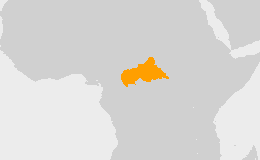
En marzo de 2013, la alianza rebelde Seleka capturó la capital derrocando al presidente François Bozizé. Desde entonces, el país ha caído en la violencia étnico-religiosa.
En febrero de 2019, el gobierno y catorce grupos armados firmaron un acuerdo político para la paz y la reconciliación y las elecciones debían celebrarse en diciembre de 2020. Pero las esperanzas de que se restableciera el proceso democrático se vieron frustradas por los ataques de la Coalición de Patriotas por el Cambio, una nueva coalición rebelde, contra las principales ciudades de las afueras de la capital, Bangui.
En enero de 2021, el presidente Faustin-Archange Touadera fue reelegido, aunque sólo un tercio del electorado pudo votar debido a las amenazas de los grupos armados. El gobierno lucha por mantener el control de la capital, y depende de las fuerzas de paz y de otras fuerzas internacionales para su apoyo. La República Centroafricana sigue siendo uno de los países más pobres del mundo. Uno de cada cuatro centroafricanos es un desplazado interno o ha buscado refugio en el extranjero.
Las afiliadas de la CSI en la República Centroafricana son la Confédération Nationale des Travailleurs de Centrafrique (CNTC) y la Confédération Syndicale des Travailleurs de Centrafrique (CSTC).
La República Centroafricana ratificó el Convenio nº 87 sobre la libertad sindical
libertad sindical
El derecho a establecer y afiliarse a un sindicato libremente escogido, además del derecho de los sindicatos a funcionar libremente y llevar a cabo sus actividades sin interferencia indebida.
Véase Guía de la CSI sobre los derechos sindicales internacionales
y la protección del derecho de sindicación (1948) en 1960 y el Convenio nº 98 sobre el derecho de sindicación y de negociación colectiva (1949) en 1964.
según la ley
Libertad sindical / Derecho de sindicalización
Libertad sindical
El derecho a la libertad sindical está consagrado en la Constitución.
Discriminación antisindical
La ley prohíbe la discriminación antisindical
Restricciones al derecho de los sindicatos a organizar su administración
- Restriciones al derecho a elegir representantes y autoadministrarse con plena libertad
- Según el Código Laboral adoptado en enero de 2009, los extranjeros que sean miembros de un sindicato podrán acceder a cargos administrativos y directivos después de tres años de residencia en el país, a condición de que su país de origen conceda el mismo derecho a los ciudadanos centroafricanos.
Categorías de trabajadores a quienes la ley prohíbe o restringe la posibilidad de formar o afiliarse a sindicatos, o de ocupar cargos sindicales
- Otras categorías
- Los trabajadores/as independientes quedan excluidos del campo de aplicación del nuevo Código Laboral adoptado en enero de 2009. Entre otros, no podrán formar parte de la directiva sindical: aquellas personas que hayan sido condenadas a alguna pena de prisión, quienes tengan antecedentes penales, o que hayan sido privados por decisión judicial, de su derecho de elegibilidad.
- Trabajadores/as migrantes o no nacionales
- Los extranjeros no pueden afiliarse al sindicato sino después de haber residido al menos dos años en la República Centroafricana y a condición de que la legislación de su país de origen reconozca los mismos derechos a los ciudadanos centroafricanos afincados en dicho país.
Derecho a la negociación colectiva
Derecho a la negociación colectiva
El derecho a la negociación colectiva está reconocido por la ley.
Obstáculos legales para el reconocimiento de los agentes de negociación colectiva
- Posibilidad de eludir los sindicatos representativos y negociar directamente con representantes de los trabajadores/as
- Según el Código Laboral adoptado en enero de 2009, los representantes de las organizaciones sindicales y las agrupaciones profesionales de trabajadores seguirán siendo tratados en pie de igualdad y podrán negociar colectivamente.
Restricciones al principio de negociación libre y voluntaria
- Procedimiento de arbitraje
arbitraje
Medio para resolver conflictos laborales fuera de los tribunales, con la intervención de una tercera parte neutral, que puede ser un árbitro individual o un consejo de arbitraje. En el caso del arbitraje no vinculante las partes en litigio son libres de rechazar la recomendación de la tercera parte, mientras que cuando el arbitraje se considera vinculante están obligadas a acatar su decisión. Se entiende por arbitraje obligatorio cuando el proceso no se inicia voluntariamente a petición de ambas partes, sino que está dispuesto por la ley o decidido por las autoridades.
Véase conciliación, mediación
impuesto en caso de disputa durante una negociación colectiva negociación colectiva El proceso de negociar términos y condiciones de trabajo mutuamente aceptables, así como de regular las relaciones laborales entre uno o varios representantes de los trabajadores/as, sindicatos o centrales sindicales por un lado, y un empleador, un grupo de empleadores o una o más organizaciones patronales por el otro.
Véase convenio colectivo
, no sólo en los servicios esenciales servicios esenciales Servicios cuya interrupción cuya interrupción puede poner en peligro la vida, la seguridad personal o la salud de la totalidad o parte de la población. Pueden estar incluidos el sector hospitalario, los servicios de suministro de agua y electricidad, y el control del tráfico aéreo. Las huelgas pueden ser restringidas o incluso prohibidas en los sectores esenciales.
Véase Guía de la CSI sobre los derechos sindicales internacionales - El arbitraje de los distintos colectivos no regulados por conciliación estará garantizado por un consejo de arbitraje.
Derecho de huelga
Derecho de huelga
El derecho de huelga está consagrado en la Constitución
Impedimentos legales a acciones de huelga legítimas
- Recurso obligatorio al arbitraje
arbitraje
Medio para resolver conflictos laborales fuera de los tribunales, con la intervención de una tercera parte neutral, que puede ser un árbitro individual o un consejo de arbitraje. En el caso del arbitraje no vinculante las partes en litigio son libres de rechazar la recomendación de la tercera parte, mientras que cuando el arbitraje se considera vinculante están obligadas a acatar su decisión. Se entiende por arbitraje obligatorio cuando el proceso no se inicia voluntariamente a petición de ambas partes, sino que está dispuesto por la ley o decidido por las autoridades.
Véase conciliación, mediación
o a largos y complejos procedimientos de conciliación conciliación Intervención de una tercera parte neutral, un conciliador, para ayudar a resolver un conflicto laboral mejorando las comunicaciones, ofreciendo azoramiento o interpretando determinadas cuestiones para conseguir que las partes en litigio consigan reconciliar sus diferencias. El conciliador no tiene un papel tan activo como un mediador o un árbitro.
Véase arbitraje, mediación
y mediación mediación Proceso a medio camino entre la conciliación y el arbitraje, en la mediación la tercera parte neutral ayuda a las partes en litigio a alcanzar una solución a un conflicto laboral sugiriendo posibles soluciones no vinculantes.
Véase arbitraje, conciliación antes de iniciar una acción de huelga huelga Forma más común de acción industrial, la huelga es el paro concertado del trabajo por parte de los empleados durante un tiempo limitado. Puede asumir diversas formas.
Véase huelga general, huelga intermitente, huelga rotatoria, huelga de brazos caídos, huelga de solidaridad, huelga salvaje - Se prohíbe hacer huelga antes de haber agotado los procedimientos de conciliación y arbitraje o vulnerando las disposiciones de un acuerdo de conciliación o una sentencia arbitral que tenga carácter ejecutorio; el procedimiento obligatorio de conciliación y arbitraje puede durar más de un mes.
Prohibición o restricciones para ciertos tipos de acción de huelga
- Restricciones respecto al objetivo de una huelga
huelga
Forma más común de acción industrial, la huelga es el paro concertado del trabajo por parte de los empleados durante un tiempo limitado. Puede asumir diversas formas.
Véase huelga general, huelga intermitente, huelga rotatoria, huelga de brazos caídos, huelga de solidaridad, huelga salvaje (por ej. disputas industriales, cuestiones económicas y sociales, políticas, de simpatía o solidaridad) - Una huelga sólo será lícita si su objetivo es apoyar las reivindicaciones profesionales.
Limitaciones o prohibición de hacer huelga en algunos sectores
- Otras limitaciones (por ej. en las ZFI Zona Franca Industrial También denominada Zona Franca de Exportación (ZFE), son áreas industriales especiales en un país, donde se procesa materia prima importada para volver a re-exportar el producto final. Destinadas a atraer principalmente inversores extranjeros ofreciéndoles incentivos como la exención de ciertos obstáculos al comercio, impuestos, regulaciones laborales y/o la aplicación de la legislación laboral. )
- El gobierno se reserva el derecho de requisar a los trabajadores si el "interés general" así lo requiere.
En la Práctica
La inspección del trabajo es casi inexistente por falta de medios y de personal. Los gastos de desplazamiento no son reembolsados, según reconoce el propio Gobierno. Así pues, hay muy pocos inspectores y nunca se ha establecido ningún informe de inspección.
La inspección del trabajo es prácticamente inexistente debido a la falta de medios y de personal asignados para este cometido. Los gastos de desplazamiento no son rembolsados, como lo reconoce el propio gobierno. Por eso las inspecciones son raras y en realidad nunca se establece ningún informe de inspección.