
Argelia
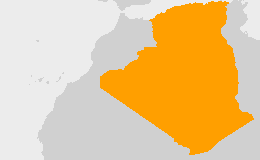
La afiliada de la CSI en Argelia son la Confédération générale autonome des travailleurs en Algérie (CGATA) y la Union Générale des Travailleurs Algériens (UGTA).
Argelia ratificó el Convenio nº 87 sobre la libertad sindical
libertad sindical
El derecho a establecer y afiliarse a un sindicato libremente escogido, además del derecho de los sindicatos a funcionar libremente y llevar a cabo sus actividades sin interferencia indebida.
Véase Guía de la CSI sobre los derechos sindicales internacionales
y la protección del derecho de sindicación (1948) en 1962 y el Convenio nº 98 sobre el derecho de sindicación y de negociación colectiva (1949) en 1962.
según la ley
Libertad sindical / Derecho de sindicalización
Libertad sindical
El derecho a la libertad sindical está consagrado en la Constitución.
El derecho a la libertad sindical está regulado por el Código de Trabajo
Discriminación antisindical
La ley prohíbe la discriminación antisindical, pero no pevé medidas adecuadas de protección al respecto.
Barreras legales al establecimiento de organizaciones
- Para establecer un sindicato se requiere autorización o aprobación previa por parte de las autoridades
- Una organización sindical quedará constituida tras la celebración de una asamblea general constituyente reuniendo a sus miembros fundadores (Artículo 7, Ley No. 90-14).
- Poderes para rechazar el registro oficial por motivos arbitrarios, injustificados o ambiguos
- La ley exige que los trabajadores obtengan la aprobación del gobierno para formar un sindicato, y el Ministerio de Trabajo debe aprobar o desaprobar una solicitud de sindicato en un plazo de 30 días.
- Se requiere un número mínimo de miembros excesivo para establecer un sindicato
- Un sindicato debe afiliar al menos al 20% de los trabajadores/as en una empresa para ser considerado representativo.
- Se imponen sanciones por organizar o afiliarse a una organización que no esté oficialmente reconocida
- Quien quiera que dirija, administre, forme parte o favorezca la reunión de miembros de una organización objeto de disolución, podrá ser penalizado con una pena de prisión de seis meses a dos años y pasible de una multa de 20.000 a 100.000 dinares, o a una de estas dos penas. Cualquiera que obstaculice la ejecución de una decisión de disolución, dictada de conformidad con los artículos 31 a 33 de la presente ley, será pasible de una multa de 5.000 a 20.000 dinares y una pena de prisión de dos a seis meses, o una de estas dos penas (Artículos 60 y 61, Ley No. 90-14).
- Restricciones al derecho de los sindicatos a establecer ramas, federaciones y confederaciones o a afiliarse a organizaciones nacionales e internacionales
- Los artículos 2 y 4 de la Ley Nº 90-14, leídos conjuntamente, tienen por efecto restringir el establecimiento de federaciones y confederaciones en una ocupación, rama o sector de actividad.
Restricciones al derecho de los trabajadores y trabajadoras a formar y afiliarse a organizaciones de su elección
- Se conceden privilegios excesivos o indebidos a ciertas organizaciones (por ejemplo, privilegios que vayan más allá de la prioridad en representación a efectos de la negociación colectiva o la consulta por parte de los gobiernos, o respecto a la designaci
- Las organizaciones sindicales de trabajadores más representativas a escala nacional pueden beneficiarse de subvenciones del Estado, en el marco de la legislación en vigor y según las normas y modalidades determinadas por vía reglamentaria (Artículo 49, Ley No. 90-14).
- La ley impone restricciones al derecho de los trabajadores/as a afiliarse al sindicato de su elección
- Los trabajadores pueden afiliarse a un sindicato que represente a los trabajadores en la misma profesión, rama o sector de actividad (Artículo 2, Ley No. 90-14).
Restricciones al derecho de los sindicatos a organizar su administración
- Restriciones al derecho a elegir representantes y autoadministrarse con plena libertad
- Para ser delegado sindical es necesario tener al menos 21 años cumplidos el día de su elección, gozar de todos sus derechos civiles y políticos y tener al menos un año de antigüedad en la empresa o el establecimiento público, institución o administración pública correspondiente. (Artículo 44, Ley No. 90-14). Las donaciones y legados de organizaciones sindicales o de organizaciones extranjeras no únicamente serán admisibles si cuentan con el acuerdo de la autoridad pública relevante que verificará su origen, el monto, la compatibilidad con el objetivo asignado por los Estatutos de la organización sindical y las limitaciones que pudieran ocasionar (Artículo 26, Ley No. 90-14).
- Restricciones a la libertad para organizar libremente actividades y formular programas
- Los sindicatos tienen prohibido asociarse a cualquier partido político (Artículo 5, Ley No. 90-14). Las huelgas están prohibidas cuando pudieran ocasionar una grave crisis económica (Artículo 43, Ley No. 90-02).
Derecho a la negociación colectiva
Derecho a la negociación colectiva
El derecho a la negociación colectiva está reconocido por la ley.
El derecho a la negociación colectiva está reconocido por la ley, pero no está debidamente fomentado y promovido.
Obstáculos legales para el reconocimiento de los agentes de negociación colectiva
- Se requiere autorización o aprobación previa por parte de las autoridades para poder negociar colectivamente
- Para poder participar en la negociación colectiva, el sindicato deberá presentar pruebas de su representatividad a la autoridad competente al inicio de cada año civil (Artículos 35, 36 y 38, Ley No. 90-14).
- Se requiere una representatividad excesiva o un número mínimo de miembros para poder negociar colectivamente
- Se considerarán representativas a efectos de la negociación colectiva las organizaciones sindicales de trabajadores que agrupen al menos al 20% del número total de empleados cubiertos por los estatutos de la organización en cuestión y/o que cuenten con una representación de al menos 20% en el seno del comité de empresa establecido cuando éste exista en el organismo empleador pertinente (Artículos 35, 36 y 38, Ley No. 90-14).
Restricciones al principio de negociación libre y voluntaria
- Exclusión de ciertas cuestiones del ámbito de la negociación (por ej. salarios, jornadas laborales)
- El contenido de los convenios colectivos se limita a los siguientes 14 elementos: 1 – clasificación profesional; 2 – condiciones de trabajo, incluyendo los horarios de trabajo y su repartición; 3 – salarios mínimos de base correspondientes; 4 – beneficios vinculados a la antigüedad, horas suplementarias o a las condiciones de trabajo, incluyendo indemnización en función de la zona; 5 – primas vinculadas a la productividad y los resultados; 6 – modalidades de remuneración en función del rendimiento para las categorías de trabajadores implicados; 7 – reembolso de gastos; 8 – período de prueba y preaviso; 9 – duración del trabajo efectivo para los empleos sujetos a limitaciones o que implican períodos de inactividad; 10 – ausencias especiales; 11 – procedimiento de conciliación en caso de conflicto laboral; 12 – servicios mínimos en caso de huelga; 13 – ejercicio de la libertad sindical; 14 – duración del convenio y modalidades de prórroga, revisión o denunciación (Artículo 120, Ley No. 90-11).
Restricciones o prohibición de negociar colectivamente en algunos sectores
- Fuerzas armadas
- Los trabajadores asalariados empleados en la defensa y seguridad nacional quedan excluidos de las disposiciones para los sindicatos en cuanto a la representación sindical (Artículo 63, Ley No. 90-14).
Derecho de huelga
Derecho de huelga
El derecho de huelga está consagrado en la Constitución
El derecho de huelga está regulado por el Código de Trabajo
El derecho de huelga está reconocido en la legislación
El derecho de huelga está reconocido por la ley pero estrictamente regulado.
Impedimentos legales a acciones de huelga legítimas
- Recurso obligatorio al arbitraje
arbitraje
Medio para resolver conflictos laborales fuera de los tribunales, con la intervención de una tercera parte neutral, que puede ser un árbitro individual o un consejo de arbitraje. En el caso del arbitraje no vinculante las partes en litigio son libres de rechazar la recomendación de la tercera parte, mientras que cuando el arbitraje se considera vinculante están obligadas a acatar su decisión. Se entiende por arbitraje obligatorio cuando el proceso no se inicia voluntariamente a petición de ambas partes, sino que está dispuesto por la ley o decidido por las autoridades.
Véase conciliación, mediación
o a largos y complejos procedimientos de conciliación conciliación Intervención de una tercera parte neutral, un conciliador, para ayudar a resolver un conflicto laboral mejorando las comunicaciones, ofreciendo azoramiento o interpretando determinadas cuestiones para conseguir que las partes en litigio consigan reconciliar sus diferencias. El conciliador no tiene un papel tan activo como un mediador o un árbitro.
Véase arbitraje, mediación
y mediación mediación Proceso a medio camino entre la conciliación y el arbitraje, en la mediación la tercera parte neutral ayuda a las partes en litigio a alcanzar una solución a un conflicto laboral sugiriendo posibles soluciones no vinculantes.
Véase arbitraje, conciliación antes de iniciar una acción de huelga huelga Forma más común de acción industrial, la huelga es el paro concertado del trabajo por parte de los empleados durante un tiempo limitado. Puede asumir diversas formas.
Véase huelga general, huelga intermitente, huelga rotatoria, huelga de brazos caídos, huelga de solidaridad, huelga salvaje - El derecho de huelga podrá ejercerse únicamente tras haber agotado los procedimientos de conciliación y mediación previstos en la Sección II de la Ley No. 90-02 y en caso de no existir otras vías de solución del conflicto (Artículo 24, Ley No. 90-02).
- Otros requisitos previos indebidos, poco razonables o injustificados
- La huelga requiere una votación secreta de toda la fuerza de trabajo. La decisión de hacer huelga debe ser aprobada por la mayoría de los trabajadores en una asamblea general.
Prohibición o restricciones para ciertos tipos de acción de huelga
- Restricciones respecto al objetivo de una huelga
huelga
Forma más común de acción industrial, la huelga es el paro concertado del trabajo por parte de los empleados durante un tiempo limitado. Puede asumir diversas formas.
Véase huelga general, huelga intermitente, huelga rotatoria, huelga de brazos caídos, huelga de solidaridad, huelga salvaje (por ej. disputas industriales, cuestiones económicas y sociales, políticas, de simpatía o solidaridad) - La acción de huelga únicamente estará protegida por la ley cuando se trate de una disputa laboral, definida como cualquier desacuerdo respecto a las relaciones socio-profesionales y condiciones generales de trabajo entre los trabajadores y el empleador que sean partes de una relación de empleo (Artículo 2, Ley No. 90-02).
- Restricciones respecto al tipo de acción de huelga
huelga
Forma más común de acción industrial, la huelga es el paro concertado del trabajo por parte de los empleados durante un tiempo limitado. Puede asumir diversas formas.
Véase huelga general, huelga intermitente, huelga rotatoria, huelga de brazos caídos, huelga de solidaridad, huelga salvaje (por ej. piquetes, huelgas salvajes, huelgas de celo, sentadas, huelgas de brazos caídos) - La ocupación por parte de los trabajadores en huelga de los locales profesionales del empleador está prohibida cuando tenga por objeto o constituya un obstáculo al ejercicio del derecho a trabajar (Artículo 35, Ley No. 90-02).
Injerencia indebida por parte de las autoridades o los empleadores durante el transcurso de una huelga
- Las autoridades o los empleadores están capacitados para prevenir o poner fin a una huelga
huelga
Forma más común de acción industrial, la huelga es el paro concertado del trabajo por parte de los empleados durante un tiempo limitado. Puede asumir diversas formas.
Véase huelga general, huelga intermitente, huelga rotatoria, huelga de brazos caídos, huelga de solidaridad, huelga salvaje remitiendo el conflicto al arbitraje arbitraje Medio para resolver conflictos laborales fuera de los tribunales, con la intervención de una tercera parte neutral, que puede ser un árbitro individual o un consejo de arbitraje. En el caso del arbitraje no vinculante las partes en litigio son libres de rechazar la recomendación de la tercera parte, mientras que cuando el arbitraje se considera vinculante están obligadas a acatar su decisión. Se entiende por arbitraje obligatorio cuando el proceso no se inicia voluntariamente a petición de ambas partes, sino que está dispuesto por la ley o decidido por las autoridades.
Véase conciliación, mediación
- El Ministerio o la autoridad competente puede remitir una disputa a la Comisión Nacional de Arbitraje, tras haber consultado a los representantes del empleados y de los trabajadores, en caso de: (i) persistencia de la huelga y después de que hubiera fracasado la mediación; y (ii) cuando lo requieran imperiosas necesidades económicas y sociales (Artículo 48, Ley No. 90-02).
- Requisamiento forzoso de los huelguistas (aparte de ciertos casos en los servicios esenciales
servicios esenciales
Servicios cuya interrupción cuya interrupción puede poner en peligro la vida, la seguridad personal o la salud de la totalidad o parte de la población. Pueden estar incluidos el sector hospitalario, los servicios de suministro de agua y electricidad, y el control del tráfico aéreo. Las huelgas pueden ser restringidas o incluso prohibidas en los sectores esenciales.
Véase Guía de la CSI sobre los derechos sindicales internacionales ) - Se puede requisicionar a los trabajadores en huelga empleados en instituciones o administraciones públicas o en las empresas y los puestos de trabajo indispensables a la seguridad de las personas, las instalaciones y los bienes, así como para la continuidad de los servicios públicos esenciales para satisfacer las necesidades básicas del país o el aprovisionamiento de la población. Sin perjuicio de las sanciones previstas por el Código Penal, la negativa a ejecutar una orden de requisición constituye una falta profesional grave (Artículos 41 y 42, Ley No. 90-02).
Disposiciones que socavan el recurso a acciones de huelga o su eficacia
- Excesivas sanciones civiles o penales contra los trabajadores/as y sindicatos involucrados en acciones de huelga
huelga
Forma más común de acción industrial, la huelga es el paro concertado del trabajo por parte de los empleados durante un tiempo limitado. Puede asumir diversas formas.
Véase huelga general, huelga intermitente, huelga rotatoria, huelga de brazos caídos, huelga de solidaridad, huelga salvaje no autorizadas - Será castigada con una pena de prisión de ocho días a dos meses y/o una multa de 500 a 2.000 dinares, cualquier persona que realice o intente realizar, mantenga o intente mantener una acción de huelga no autorizada (Artículo 55, Ley No. 90-02).
Limitaciones o prohibición de hacer huelga en algunos sectores
- Determinación discrecional o lista excesivamente larga de «servicios esenciales
servicios esenciales
Servicios cuya interrupción cuya interrupción puede poner en peligro la vida, la seguridad personal o la salud de la totalidad o parte de la población. Pueden estar incluidos el sector hospitalario, los servicios de suministro de agua y electricidad, y el control del tráfico aéreo. Las huelgas pueden ser restringidas o incluso prohibidas en los sectores esenciales.
Véase Guía de la CSI sobre los derechos sindicales internacionales » en los que el derecho de huelga huelga Forma más común de acción industrial, la huelga es el paro concertado del trabajo por parte de los empleados durante un tiempo limitado. Puede asumir diversas formas.
Véase huelga general, huelga intermitente, huelga rotatoria, huelga de brazos caídos, huelga de solidaridad, huelga salvaje queda prohibido o severamente restringido - El recurso a la huelga queda prohibido en los ámbitos de actividades esenciales cuya interrupción pudiera poner en peligro la vida, la seguridad o la salud de la población; o que sea susceptible, por sus efectos, de ocasionar una grave crisis económica (Artículo 43, Ley No. 90-02).
- Determinación discrecional o lista excesivamente larga de «servicios de utilidad pública» en los que se pueden imponer servicios mínimos en caso de huelga
huelga
Forma más común de acción industrial, la huelga es el paro concertado del trabajo por parte de los empleados durante un tiempo limitado. Puede asumir diversas formas.
Véase huelga general, huelga intermitente, huelga rotatoria, huelga de brazos caídos, huelga de solidaridad, huelga salvaje - Deberán mantenerse servicios mínimos para toda una serie de actividades, incluyendo servicios relacionados con ‘actividades económicas vitales’. Incluyen el funcionamiento de los servicios nacionales de telecomunicaciones, televisión y radio. Además, el empleador y la autoridad administrativa podrían establecer otras áreas adicionales de actividad que requieran servicios mínimos durante una huelga, previa consulta con los representantes de los trabajadores (Artículos 37-39, Ley No. 90-02).
- Determinación poco razonable o discrecional (sin negociación con los interlocutores sociales
interlocutores sociales
Sindicatos y empleadores o las organizaciones que los representan.
o en ausencia de una autoridad independiente en caso de desacuerdo) de los «servicios mínimos» que han de garantizarse en caso de huelga
huelga
Forma más común de acción industrial, la huelga es el paro concertado del trabajo por parte de los empleados durante un tiempo limitado. Puede asumir diversas formas.
Véase huelga general, huelga intermitente, huelga rotatoria, huelga de brazos caídos, huelga de solidaridad, huelga salvaje en los servicios públicos - En caso de no llegarse a un acuerdo, el servicio mínimo que deberá garantizarse durante una huelga podrá ser determinado por el empleador y la autoridad administrativa relevante, previa consulta con los representantes de los trabajadores (Artículos 37 y 39, Ley No. 90-02).
En la Práctica
La Confédération générale autonome des travailleurs en Algérie (CGATA), una confederación intersectorial independiente, vio de nuevo denegada su solicitud de registro. Efectivamente, el Ministerio de Trabajo rechazó el 31 de diciembre la solicitud presentada el día anterior dando como motivo que la documentación relativa a su creación era contraria al artículo 2 de la Ley 90/14 modificada, que exige que las federaciones y confederaciones representen un solo sector. Según la carta de rechazo, “el Ministerio ha descubierto que los miembros fundadores pertenecen al sector económico, al sector privado y a la administración pública. Además, no existen las condiciones legales necesarias para la creación de un sindicato por profesión, ramo o sector de actividad”. Conviene recordar que la CGATA está pidiendo su reconocimiento reconocimiento Designación por parte de una agencia del Gobierno de un sindicato en tanto que agente de negociación para los trabajadores/as en una determinada unidad de negociación, o aceptación por parte del empleador de que sus empleados puedan estar representados colectivamente por un sindicato. oficial desde 2013.
Más de 15 sindicalistas, entre ellos los dirigentes sindicales Abdelkader Kawafi, Secretario General de SNATEG; Zakaria Ben Haddad, Secretario General de SNT ENERGY; y Mezayani Moussa, miembro del sindicato SNSI, fueron detenidos por la policía y mantenidos bajo arresto durante varias horas. Las detenciones se produjeron durante una protesta organizada el 27 de diciembre de 2018 para exigir la reincorporación de once dirigentes de SNATEG despedidos debido a su actividad sindical en la empresa pública de gas y electricidad Sonelgaz. Los manifestantes también exigían poner fin a la criminalización de las actividades de los defensores de los derechos sindicales y la aplicación de las recomendaciones emitidas por la Comisión de Aplicación de Normas de la Organización Internacional del Trabajo (OIT
Organización Internacional del Trabajo
Agencia tripartita de las Naciones Unidas, establecida en 1919 con objeto de promover y mejorar las condiciones de vida y de trabajo. Es el principal organismo internacional encargado de desarrollar y supervisar las normas internacionales del trabajo.
Véase tripartidismo, Guía de la CSI sobre los derechos sindicales internacionales
) en junio de 2018. Mantenidos en detención policial en la jefatura de policía de Argel durante seis horas, los sindicalistas detenidos fueron obligados a firmar un documento denunciando su propio comportamiento antes de ser liberados.
En una conferencia de prensa del 12 de junio, pocos días después de la Conferencia Internacional del Trabajo (CIT) de la OIT
Organización Internacional del Trabajo
Agencia tripartita de las Naciones Unidas, establecida en 1919 con objeto de promover y mejorar las condiciones de vida y de trabajo. Es el principal organismo internacional encargado de desarrollar y supervisar las normas internacionales del trabajo.
Véase tripartidismo, Guía de la CSI sobre los derechos sindicales internacionales
, celebrada en Ginebra del 28 de mayo al 8 de junio, el ministro de Trabajo de Argelia, Mourad Zemali, profirió amenazas contra los dirigentes sindicales independientes Raouf Mellal, presidente del sindicato de la energía SNATEG, y Rachid Maalaoui, del sindicato del sector público SNAPAP. Según el ministro, estarían detrás de la “estigmatización” de Argelia por parte de la Comisión para la aplicación de normas de la OIT
Organización Internacional del Trabajo
Agencia tripartita de las Naciones Unidas, establecida en 1919 con objeto de promover y mejorar las condiciones de vida y de trabajo. Es el principal organismo internacional encargado de desarrollar y supervisar las normas internacionales del trabajo.
Véase tripartidismo, Guía de la CSI sobre los derechos sindicales internacionales
, que ha formulado varias recomendaciones en 2017 y 2018. Desde la CIT, Argelia ha aumentado la presión ya existente sobre los sindicatos independientes. Además de estos ataques verbales, Rauf Mellal, que ya ha sido condenado a 18 meses en prisión por su papel como alertador y por sus actividades sindicales, ha recibido tres citaciones ante los tribunales para finales de julio, sobre la base de nuevas acusaciones.
La Secretaria General de SNAPAP-CGATA, Nasséra Ghozlane, no pudo salir del país para asistir a la Conferencia Internacional del Trabajo celebrada en Ginebra de finales de mayo a principios de junio de 2018.
El 6 de marzo de 2018, el Gobierno argelino instó a los 65 sindicatos del país a demostrar su representatividad. Esta solicitud se transmitió solo a través del sitio web del Ministerio de Trabajo, Empleo y Seguridad Social, pero no se transmitió a las organizaciones sindicales independientes. Durante este procedimiento, solo 30 organizaciones pudieron enviar su documentación (en la que era necesario, entre otros trámites, indicar la lista nominativa de sus miembros, sus cargos y números de registro de la seguridad social). Según el Gobierno, de estas 30 organizaciones, solo 17 cumplían con los criterios. SNATEG y CGATA, dos sindicatos independientes, no figuran en las listas publicadas por el Gobierno. Esta iniciativa, no contemplada por la ley argelina que contiene disposiciones precisas que permiten determinar la representatividad de una organización sindical, corresponde más a una violación de la libertad sindical
libertad sindical
El derecho a establecer y afiliarse a un sindicato libremente escogido, además del derecho de los sindicatos a funcionar libremente y llevar a cabo sus actividades sin interferencia indebida.
Véase Guía de la CSI sobre los derechos sindicales internacionales
.
El 6 de febrero, Abdelkader Kawafi, Secretario General del SNATEG, y Kaddour Chouicha, coordinador nacional del sindicato de docentes SESS, comparecieron ante el tribunal acusados de “difamación” e “incitación a una reunión no autorizada”. Los dos sindicalistas fueron arrestados en julio de 2016 mientras esperaban en un café el final de la audiencia de Salah Dabouz, Presidente de la oficina de la Liga Argelina para la Defensa de los Derechos Humanos (LADDH).
Benzine Slimane, presidente del sindicato de agentes de seguridad y protección SNATEG, que previamente había sido despedido, también fue enviado a juicio el 8 de febrero, acusado por la empresa estatal de energía Sonelgaz de difamación por hablar sobre el trabajo precario que existe en la empresa y pedir el fin del acoso sexual contra las mujeres.
El 3 de febrero de 2018, el Wali de Argel señaló al sindicato de editores de la prensa electrónica, Syndicat algérien des éditeurs de la presse électronique (SAEPE), que la Asamblea General Constitutiva programada para el día siguiente se consideraba ilegal por falta de autorización previa. Sin embargo, la ley argelina no exige que se presente ninguna solicitud preliminar. La comisión preparatoria del SAEPE presentó inmediatamente una solicitud formal a la Wilaya, pero la Asamblea General tuvo que ser pospuesta.
El ministro de Educación se negó a negociar con los sindicalistas de CNAPESTE antes y después de la presentación de las notificaciones de huelga
huelga
Forma más común de acción industrial, la huelga es el paro concertado del trabajo por parte de los empleados durante un tiempo limitado. Puede asumir diversas formas.
Véase huelga general, huelga intermitente, huelga rotatoria, huelga de brazos caídos, huelga de solidaridad, huelga salvaje
. Ante la perseverancia del movimiento de huelga
huelga
Forma más común de acción industrial, la huelga es el paro concertado del trabajo por parte de los empleados durante un tiempo limitado. Puede asumir diversas formas.
Véase huelga general, huelga intermitente, huelga rotatoria, huelga de brazos caídos, huelga de solidaridad, huelga salvaje
de docentes declarado el 30 de enero, el Ministerio de Educación excluyó a más de 500 docentes de la función pública. El ministro de Educación también indicó que el sindicato “estaba en una posición ilegal” ya que la huelga
huelga
Forma más común de acción industrial, la huelga es el paro concertado del trabajo por parte de los empleados durante un tiempo limitado. Puede asumir diversas formas.
Véase huelga general, huelga intermitente, huelga rotatoria, huelga de brazos caídos, huelga de solidaridad, huelga salvaje
fue declarada ilegal por el juez. Los docentes excluidos fueron reemplazados durante la huelga
huelga
Forma más común de acción industrial, la huelga es el paro concertado del trabajo por parte de los empleados durante un tiempo limitado. Puede asumir diversas formas.
Véase huelga general, huelga intermitente, huelga rotatoria, huelga de brazos caídos, huelga de solidaridad, huelga salvaje
, pero una vez terminada ésta, el Ministerio de Educación envió un comunicado para darles las gracias, al tiempo que señalaba que no serían contratados ni tampoco remunerados, ya que la ley prohíbe el reemplazo de personal en huelga
huelga
Forma más común de acción industrial, la huelga es el paro concertado del trabajo por parte de los empleados durante un tiempo limitado. Puede asumir diversas formas.
Véase huelga general, huelga intermitente, huelga rotatoria, huelga de brazos caídos, huelga de solidaridad, huelga salvaje
. Los docentes que habían sido excluidos fueron reincorporados al final de la huelga
huelga
Forma más común de acción industrial, la huelga es el paro concertado del trabajo por parte de los empleados durante un tiempo limitado. Puede asumir diversas formas.
Véase huelga general, huelga intermitente, huelga rotatoria, huelga de brazos caídos, huelga de solidaridad, huelga salvaje
.
Los docentes afiliados al Conseil national autonome du personnel enseignant du secteur ternaire de l’éducation (CNAPEST) convocaron una huelga
huelga
Forma más común de acción industrial, la huelga es el paro concertado del trabajo por parte de los empleados durante un tiempo limitado. Puede asumir diversas formas.
Véase huelga general, huelga intermitente, huelga rotatoria, huelga de brazos caídos, huelga de solidaridad, huelga salvaje
ilimitada para protestar por la falta de voluntad por parte del Ministro a dialogar en relación con una serie de reivindicaciones de larga data en el sector de la educación, incluyendo el mantenimiento del proceso de “reclutamiento externo”. En diciembre de 2017 habían tenido lugar ya acciones de protesta en varias provincias (Tizi Ouzou, Bejaia, Skikda y Blida). Como medida de represalia, el Ministro de Educación decidió suspender las afectaciones de los huelguistas.
El 16 de mayo de 2017, el Gobierno procedió a retirar el registro al Syndicat national autonome des travailleurs de l’électricité et du gaz (SNATEG) sin justificar ningún motivo válido e ignorando las disposiciones legales que estipulan que la decisión de suspensión o disolución de un sindicato únicamente puede autorizarse por vía judicial. El 3 de diciembre de 2017, el Gobierno anunció la disolución, supuestamente voluntaria, de SNATEG y procedió a congelar sus cuentas.
El rector de la Universidad de Muaskar presentó una querella contra uno de sus profesores, Halim Aboura, miembro de la oficina nacional del Syndicat des Enseignants du Supérieur Solidaires (SESS), por haber convocado una asamblea general del profesorado para discutir sobre una mala gestión por parte del rectorado de la Universidad. El sindicato organizó una concentración de protesta frente a la universidad en apoyo a su compañero. El presidente del sindicato, Mr Kadour Chouicha, indicó que estaban previstas otras acciones adicionales de protesta.
En el transcurso del año, el Syndicat national autonome des travailleurs de l’électricité et du gaz (SNATEG) ha venido enfrentándose a diversos actos de hostigamiento y represión por parte del Gobierno. Desde mayo de 2017, 48 delegados sindicales a nivel nacional, federal y local fueron despedidos por SONELGAZ a causa de su afiliación sindical y del ejercicio legítimo del derecho de huelga
huelga
Forma más común de acción industrial, la huelga es el paro concertado del trabajo por parte de los empleados durante un tiempo limitado. Puede asumir diversas formas.
Véase huelga general, huelga intermitente, huelga rotatoria, huelga de brazos caídos, huelga de solidaridad, huelga salvaje
. Además, 250 activistas y miembros de SNATEG fueron sancionados por comités de disciplina con suspensiones de entre 10 y 15 días y siendo degradados en uno o dos escalafones. En octubre de 2017, toda la sección sindical de SNATEG en Tizi Ouzou se vio obligada a dimitir bajo amenazas.
El 9 de mayo de 2017, Amar Younsi, miembro del Syndicat national indépendant des agents de la Poste fue suspendido de su puesto de trabajo por haber organizado una huelga
huelga
Forma más común de acción industrial, la huelga es el paro concertado del trabajo por parte de los empleados durante un tiempo limitado. Puede asumir diversas formas.
Véase huelga general, huelga intermitente, huelga rotatoria, huelga de brazos caídos, huelga de solidaridad, huelga salvaje
en apoyo a otro empleado que había sido despedido en Timzerit. Según la dirección, la huelga
huelga
Forma más común de acción industrial, la huelga es el paro concertado del trabajo por parte de los empleados durante un tiempo limitado. Puede asumir diversas formas.
Véase huelga general, huelga intermitente, huelga rotatoria, huelga de brazos caídos, huelga de solidaridad, huelga salvaje
“impidió las operaciones de los servicios postales”. Sus colegas organizaron una huelga
huelga
Forma más común de acción industrial, la huelga es el paro concertado del trabajo por parte de los empleados durante un tiempo limitado. Puede asumir diversas formas.
Véase huelga general, huelga intermitente, huelga rotatoria, huelga de brazos caídos, huelga de solidaridad, huelga salvaje
de solidaridad exigiendo su readmisión. La huelga
huelga
Forma más común de acción industrial, la huelga es el paro concertado del trabajo por parte de los empleados durante un tiempo limitado. Puede asumir diversas formas.
Véase huelga general, huelga intermitente, huelga rotatoria, huelga de brazos caídos, huelga de solidaridad, huelga salvaje
duraría 20 días. Sin embargo, el diálogo entre los huelguistas y la Dirección de los Servicios Postales se mantuvo paralizado, dado que la dirección incluso rechazó la mediación de la Inspección del Trabajo.
El 16 de abril de 2017, el director del diario francófono Liberté despidió de manera injustificada a todos los miembros del sindicato y recurrió a las fuerzas policiales para que, sin disponer de una orden judicial, expulsasen a la fuerza a los sindicalistas despedidos de los locales del periódico. Los periodistas de Liberté iniciaron una huelga
huelga
Forma más común de acción industrial, la huelga es el paro concertado del trabajo por parte de los empleados durante un tiempo limitado. Puede asumir diversas formas.
Véase huelga general, huelga intermitente, huelga rotatoria, huelga de brazos caídos, huelga de solidaridad, huelga salvaje
reclamando la readmisión de sus compañeros despedidos.
Los trabajadores de la compañía nacional de electricidad y gas SONELGAZ organizaron una protesta pacífica frente al Ministerio de Trabajo en Argel. Durante la noche del 22 al 23 de marzo, la sede del sindicato fue rodeada por la policía. A las 6:00 a.m. cuatro sindicalistas que se dirigían al edificio sindical fueron arrestados, permaneciendo detenidos en la comisaría de policía de Bab Ezzouar. Todos los autobuses que se dirigían a Argel fueron interceptados, y se bloquearon las calles de acceso a la estación de autobuses. Además, los trabajadores de la sede de SONELGAZ que intentaron asistir a la protesta no pudieron salir del edificio, puesto que la policía bloqueó todas las salidas de emergencia. Aquellos trabajadores que, a pesar de los controles, consiguieron llegar hasta el Ministerio de Trabajo para manifestarse, fueron violentamente golpeados, detenidos y conducidos a la estación de autobuses por oficiales de policía estacionados frente al Ministerio.
El 22 de marzo de 2017, una marcha pacífica fue convocada por del Syndicat national autonome des travailleurs de l’électricité et du gaz (SNATEG) en la ciudad de Bejaia. Miles de trabajadores precarios tomaron parte en la misma, reclamando un salario decente y el respeto de la libertad sindical
libertad sindical
El derecho a establecer y afiliarse a un sindicato libremente escogido, además del derecho de los sindicatos a funcionar libremente y llevar a cabo sus actividades sin interferencia indebida.
Véase Guía de la CSI sobre los derechos sindicales internacionales
. Pese a la naturaleza pacífica de la manifestación, las fuerzas policiales cargaron contra los manifestantes, procediendo a la detención de 240 trabajadores, incluyendo 30 mujeres, que fueron conducidos a distingas comisarías de policía en la ciudad. El uso injustificado de violencia por parte de las fuerzas policiales fue tal que varios trabajadores resultaron gravemente heridos, debiendo ser transportados al hospital de la ciudad para recibir tratamiento. En un intento por ocultar las graves consecuencias de la carga policial, los agentes de la policía confiscaron los certificados médicos de los manifestantes hospitalizados.
En la noche del 21 al 22 de marzo de 2017, hacia medianoche, agentes de la policía irrumpieron en un hotel de Tizi Ouzou, localidad situada a unos 100 km al este de Argel, procediendo a arrestar y llevarse detenidos a varios dirigentes del Syndicat national autonome des travailleurs de l’électricité et du gaz (SNATEG): su presidente y miembro de la Ligue algérienne pour la défense des droits de l’homme, Mellal Raouf; su secretario general, Kouafi Abdelkader; el responsable de comunicación, Chaouki Fortas y dos miembros de la ejecutiva sindical, Mekki Mohammed y Baali Smail. Los sindicalistas fueron conducidos a la comisaría de policía local, donde les fueron requisadas banderas, pancartas y carteles. Se habían reunido en Tizi Ouzou para asistir a una marcha pacífica que tendría lugar al día siguiente y resulta evidente que la detención no fue sino una estratagema para perturbar la marcha, lo que quedó totalmente en evidencia cuando acceder a Tizi Ouzou resultó totalmente imposible porque vehículos policiales bloquearon todas las arterias de entrada a la ciudad, impidiendo así que participantes de otros lugares del país pudiesen llegar a la ciudad y que los que estaban ya en la misma pudiesen acceder al lugar de inicio de la marcha. Es evidente que el arresto y detención ilegales de los líderes de SNATEG, así como el hecho de impedir la concentración de manifestantes pacíficos, constituye una violación de derechos humanos y sindicales básicos como la libertad de reunión y de expresión.
Se trata de un ejemplo más de numerosos incidentes de violencia perpetrados contra miembros de SNATEG y trabajadores de SONELGAZ. Apenas unos meses antes (en diciembre de 2016), Raouf había sido condenado in absentia recibiendo una sentencia de seis meses de prisión por haber denunciado las prácticas ilegales de SONELGAZ, concretamente la sobrefacturación durante un período de diez años.
Durante la contestación social a finales de 2016, las autoridades intentaron continuamente intimidar a los sindicatos autónomos y sus seguidores. El Syndicat national autonome des personnels de l’administration publique (SNAPAP) denunció las presiones ejercidas por las autoridades de tutela sobre los sindicalistas más activos: denuncias, deducciones del salario, revocaciones y mutaciones abusivas. Las acciones de protesta fueron duramente reprimidas por las fuerzas del orden. Durante una manifestación organizada por los sindicatos autónomos el 30 de noviembre en Bouira, la sindicalista Yamina Maghraoui fue golpeada por la policía y a continuación llevada a comisaría junto con varios otros manifestantes. El descontento social estaba motivado esencialmente por la entrada en vigor de una nueva ley sobre las pensiones y las disposiciones del proyecto de Código de Trabajo que dificultan el ejercicio de la libertad sindical
libertad sindical
El derecho a establecer y afiliarse a un sindicato libremente escogido, además del derecho de los sindicatos a funcionar libremente y llevar a cabo sus actividades sin interferencia indebida.
Véase Guía de la CSI sobre los derechos sindicales internacionales
. Los sindicatos autónomos vienen reclamando desde hace tiempo poder participar en la elaboración de esa reforma, hasta el momento en vano.
El 15 de diciembre de 2016, Mellul Raouf, presidente del Syndicat national autonome des travailleurs de l’électricité et du gaz (SNATEGS), fue condenado a seis meses de prisión, así como una cuantiosa multa, acusado de “robo y divulgación de documentos confidenciales”. En realidad lo único que había hecho era denunciar la corrupción existente en el seno del grupo SONELGAZ, concretamente una sobrefacturación por valor de más de 8 millones de DZD. No era la primera vez que Mellul Raouf y su organización fue el objetivo de la dirección del poderoso grupo energético y, a través del mismo, de las autoridades argelinas. Pese a haber quedado registrado en 2013 y gozar de una auténtica representatividad, el SNATEGS encuentra continuos obstáculos para llevar a cabo sus actividades. Su presidente había sido despedido arbitrariamente en 2013 y procesado en varias ocasiones desde entonces.
Tras el movimiento de protesta de docentes que terminaría con una violenta represión por parte de las fuerzas policiales en diversas ocasiones, la Ministra de Educación, Nouria bin Gabrit, dictó una real orden dirigida a la dirección de los establecimientos escolares. La orden pedía una lista nominal de todos los docentes contratados que hubieran participado en protestas y acciones colectivas durante los meses previos, para poder despedirlos. Estos trabajadores precarios fueron víctimas de discriminación y represalias: perdieron su antigüedad, así como el reconocimiento
reconocimiento
Designación por parte de una agencia del Gobierno de un sindicato en tanto que agente de negociación para los trabajadores/as en una determinada unidad de negociación, o aceptación por parte del empleador de que sus empleados puedan estar representados colectivamente por un sindicato.
de su experiencia acumulada, que les habría dado preferencia en futuras oposiciones para obtener plazas en la enseñanza pública. Los docentes respondieron a las amenazas de la Ministra con una voluntad reforzada de hacer oír sus reivindicaciones: la mayoría continuaron con la huelga
huelga
Forma más común de acción industrial, la huelga es el paro concertado del trabajo por parte de los empleados durante un tiempo limitado. Puede asumir diversas formas.
Véase huelga general, huelga intermitente, huelga rotatoria, huelga de brazos caídos, huelga de solidaridad, huelga salvaje
de hambre que se inició el 5 de abril, cuando se les impidió realizar una manifestación pública en Argelia. Pedían la regularización automática de sus contratos de trabajo en reconocimiento
reconocimiento
Designación por parte de una agencia del Gobierno de un sindicato en tanto que agente de negociación para los trabajadores/as en una determinada unidad de negociación, o aceptación por parte del empleador de que sus empleados puedan estar representados colectivamente por un sindicato.
a sus años de experiencia y trabajo continuo en la enseñanza. No obstante, pese a las continuas protestas, las oposiciones para cubrir las plazas en la enseñanza pública tendrían lugar a finales de año, ocasionando enorme descontento entre estos trabajadores precarios que, cumpliendo la amenazas, vieron cómo su profesionalismo y su experiencia no se reconocieron ni se tomaron en cuenta en el proceso de evaluación.
El 21 de marzo de 2016 en Argel, una sentada de docentes interinos ante el Ministerio de Educación fue violentamente dispersada por las fuerzas del orden. Habían sido convocados por el Comité des enseignants contractuels et vacataires. Desde hace años venían reclamando su titularización, teniendo en cuenta que algunos de ellos llevan en el puesto 10 o incluso 15 años. Los manifestantes que se negaron a abandonar la sentada fueron brutalmente golpeados. Según Human Rights Watch, dos docentes fueron acribilladas a patadas. La CSI, que manifestó su apoyo a los manifestantes, señaló que una de ellas, Fullah Jalal, había terminado con una pierna rota. Una treintena de docentes que se refugiaron y pasaron la noche en la sede sindical, la Maison des syndicats, fueron arrestados el 22 de marzo a primeras horas de la mañana y conducidos a la comisaría de Mohammedia. Serían liberados al final del día.
El movimiento de protesta se extendió. En Kabylie, cientos de docentes interinos se congregaron en Béjaïa, desde donde emprendieron el 27 de marzo una marcha hacia Argel. En el camino, muchos otros se les sumaron. Tras recorrer 200 km, eran ya entre 1.000 y 2.000 manifestantes. Pero el 4 de abril en Boudouaou, a las afueras de Argel, las fuerzas de seguridad obligaron a los docentes a detener su marcha. Algunos de ellos emprenderían entonces una huelga
huelga
Forma más común de acción industrial, la huelga es el paro concertado del trabajo por parte de los empleados durante un tiempo limitado. Puede asumir diversas formas.
Véase huelga general, huelga intermitente, huelga rotatoria, huelga de brazos caídos, huelga de solidaridad, huelga salvaje
de hambre. Estas acciones de protesta contaron con un amplio apoyo de los sindicatos de docentes más activos.
El 6 de febrero de 2016 hacia las 10:30, el Gobernador (wali) de Argel dio orden de que varios centenares de policías cercasen la sede sindical en Bab Ezouar, al este de Argel, para impedir la celebración de una reunión que tenía por objeto discutir sobre la situación social, económica y política del país. Varias personas fueron arrestadas, incluyendo a Lofti Allam, presidente del Syndicat national du transport (SNATT), y los defensores de los derechos humanos Salah Dabouz, presidente de la Ligue algérienne pour la défense des droits de l’homme (LADDH), y Hacène Ferhati del Collectif SOS Disparus.
Durante una huelga
huelga
Forma más común de acción industrial, la huelga es el paro concertado del trabajo por parte de los empleados durante un tiempo limitado. Puede asumir diversas formas.
Véase huelga general, huelga intermitente, huelga rotatoria, huelga de brazos caídos, huelga de solidaridad, huelga salvaje
iniciada a finales de abril en ArcelorMittal pipes et tubes Algérie (AMPTA), dos responsables sindicales fueron suspendidos y luego despedidos por “incitar a la violencia y pedir la continuación de una huelga
huelga
Forma más común de acción industrial, la huelga es el paro concertado del trabajo por parte de los empleados durante un tiempo limitado. Puede asumir diversas formas.
Véase huelga general, huelga intermitente, huelga rotatoria, huelga de brazos caídos, huelga de solidaridad, huelga salvaje
ilegal”. La negativa de la dirección a reintegrar a Lofti Farah, Secretario General del sindicato (afiliado a la UGTA), y Abdelghani Atil, Presidente del Comité de Participación, dio como resultado el estancamiento de un conflicto social que aún perduraba a finales del año 2015.
Con motivo de una huelga
huelga
Forma más común de acción industrial, la huelga es el paro concertado del trabajo por parte de los empleados durante un tiempo limitado. Puede asumir diversas formas.
Véase huelga general, huelga intermitente, huelga rotatoria, huelga de brazos caídos, huelga de solidaridad, huelga salvaje
que comenzó el 1 de mayo en Oran, dos sindicalistas (UGTA) fueron despedidos por la dirección de la empresa que opera los tranvías, la Société d’exploitation des tramways d’Algérie (SETRAM), vinculada al grupo francés de la RATP. El movimiento se extendió posteriormente a Argel y Constantina resultando en la destitución de un tercer sindicalista en la capital. La Liga Argelina de Derechos Humanos (LADDH) y la Federación Internacional de Trabajadores del Transporte (ITF) han denunciado prácticas contrarias al derecho del trabajo y a la libertad sindical
libertad sindical
El derecho a establecer y afiliarse a un sindicato libremente escogido, además del derecho de los sindicatos a funcionar libremente y llevar a cabo sus actividades sin interferencia indebida.
Véase Guía de la CSI sobre los derechos sindicales internacionales
.
En junio, fueron despedidos seis trabajadores en huelga
huelga
Forma más común de acción industrial, la huelga es el paro concertado del trabajo por parte de los empleados durante un tiempo limitado. Puede asumir diversas formas.
Véase huelga general, huelga intermitente, huelga rotatoria, huelga de brazos caídos, huelga de solidaridad, huelga salvaje
de la empresa minera Entreprise nationale d’exploitation de l’or (ENOR) en Tamanrasset.
En el primer semestre, los representantes de los trabajadores/as de Peugeot-Argelia señalaron numerosos obstáculos de parte de la dirección para ejercer las actividades sindicales. La empresa no respondió a las dos solicitudes del sindicato local sindicato local Rama local de una organización sindical de nivel superior, como por ejemplo un sindicato nacional. de la UGTA para organizar una asamblea general de los trabajadores/as. Esta asamblea acabó finalmente por celebrarse el 14 de marzo en el exterior de la empresa, es decir, el día antes de la elección de un “comité de participación” que contaba con el apoyo de la dirección. En contradicción con la legislación nacional en materia de derecho del trabajo, o de las disposiciones del Acuerdo Marco Global de Responsabilidad Social del Grupo PSA, también despidió a uno de los representantes de los trabajadores/as.
En octubre, la dirección de la Entreprise de transport urbain et suburbain d’Alger (ETUSA) suspendió durante una protesta a nueve trabajadores, incluyendo cuatro sindicalistas (UGTA).
El 1 de diciembre, en el curso de una acción de protesta en la Société nationale des véhicules industriels (SNVI) en la zona industrial de Rouiba, fuerzas antimotines reprimieron a los manifestantes, hiriendo a varios de ellos y deteniendo durante varias horas a doce trabajadores, entre ellos un sindicalista.
Tras la creación a mediados de noviembre de un sindicato (UGTA) en SNC BAPIVA, la empresa encargada de la construcción del teleférico de Tizi-Ouzou, la dirección despidió a tres dirigentes sindicales.
La Organización Internacional del Trabajo
Organización Internacional del Trabajo
Agencia tripartita de las Naciones Unidas, establecida en 1919 con objeto de promover y mejorar las condiciones de vida y de trabajo. Es el principal organismo internacional encargado de desarrollar y supervisar las normas internacionales del trabajo.
Véase tripartidismo, Guía de la CSI sobre los derechos sindicales internacionales
, a través de dos de sus órganos de control, el Comité de Libertad Sindical
libertad sindical
El derecho a establecer y afiliarse a un sindicato libremente escogido, además del derecho de los sindicatos a funcionar libremente y llevar a cabo sus actividades sin interferencia indebida.
Véase Guía de la CSI sobre los derechos sindicales internacionales
y la Comisión de Aplicación de Normas, ha incrementado su presión sobre el Gobierno de Argelia. En junio, le pidió concretamente acelerar el procesamiento de las solicitudes de registro de varios sindicatos y de reintegrar a los funcionarios públicos despedidos por motivos de discriminación antisindical.
En una carta al Ministerio de Trabajo del 11 de febrero, la CSI manifestó una vez más su indignación ante el trato discriminatorio contra 25 secretarios judiciales suspendidos tras una huelga
huelga
Forma más común de acción industrial, la huelga es el paro concertado del trabajo por parte de los empleados durante un tiempo limitado. Puede asumir diversas formas.
Véase huelga general, huelga intermitente, huelga rotatoria, huelga de brazos caídos, huelga de solidaridad, huelga salvaje
legítima de abril 2012. Estos trabajadores fueron reintegrados, pero fueron mutados y no pudieron reclamar sus derechos retroactivos. El Parlamento Europeo y Human Rights Watch han denunciado la represión contra activistas que defienden el derecho del trabajo. En octubre, la Red Euromediterránea de Derechos Humanos (Euromed Droits) identificó a 43 miembros de los sindicatos afiliados al SNAPAP y a la Confédération générale autonome des travailleurs en Algérie (CGATA) como víctimas de suspensiones o despidos arbitrarios. La CGATA, miembro de la CSI desde finales de 2014, sigue hasta la fecha, a finales de 2015, sin ser reconocida por las autoridades. Pese a su indudable representatividad en el servicio público, por ejemplo, no fue invitada a participar en el diálogo tripartito nacional que tuvo lugar en octubre. Por otra parte, el rechazo del principio de elecciones profesionales también ha impedido conocer el peso de cada organización, una actitud que permite a las autoridades discriminar a los sindicatos independientes.
En febrero de 2015, Human Rights Watch informó que los tribunales argelinos condenaron a finales de enero a nueve militantes a favor de los derechos laborales a penas de prisión por haber participado en manifestaciones pacíficas en apoyo a los trabajadores desempleados. Uno de ellos, Mohammed Rag, sería condenado a 18 meses de prisión por tomar parte en una “concentración no autorizada”. El 11 de febrero, el Tribunal de Primera Instancia de Laghouat condenó a ocho miembros del Comité National pour la Défense des Droits de Chômeurs (CNDDC) a penas de un año de prisión, incluyendo seis meses en libertad condicional. Las autoridades habían arrestado a los ocho – Khencha Belkacem, Brahimi Belelmi, Mazouzi Benallal, Azzouzi Boubakeur, Korini Belkacem, Bekouider Faouzi, Bensarkha Tahar, y Djaballah Abdelkader – el 28 de enero cuando se concentraron frente al tribunal para protestar por el juicio contra Mohamed Rag. La policía de Laghouat ordenó su detención para evitar “posibles alteraciones del orden público”. Tras dictarse sus sentencias, los cinco activistas del CNDDC iniciaron una huelga
huelga
Forma más común de acción industrial, la huelga es el paro concertado del trabajo por parte de los empleados durante un tiempo limitado. Puede asumir diversas formas.
Véase huelga general, huelga intermitente, huelga rotatoria, huelga de brazos caídos, huelga de solidaridad, huelga salvaje
de hambre y apelaron.
En abril de 2014, el Tribunal de Apelación de Ouargla impuso a otro miembro del grupo, Houari Djelouli, una pena de un año en libertad condicional además de una multa de 50.000 dinares (unos 530 USD). Fue condenado por haber distribuido panfletos del CNDDC convocando a una sentada pacífica para reclamar el derecho al trabajo, que las autoridades consideraron “susceptible de atentar contra el interés nacional”. Noureddine Abdelaziz, presidente del grupo, indicó que la policía de Laghouat había arrestado a otro activista del CNDDC, Tarek el Naoui, a las 6 a.m. del 11 de febrero de 2015, a su llegada a la estación de tren desde Argel, 400 kilómetros al norte, para asistir al juicio de los ocho activistas. Sería liberado sin cargos seis horas más tarde.
Cuatro miembros del Collectif des Travailleurs d’Algérie Poste (CTAP) en Mostaganem, al oeste del país, fueron despedidos tras participar en una huelga
huelga
Forma más común de acción industrial, la huelga es el paro concertado del trabajo por parte de los empleados durante un tiempo limitado. Puede asumir diversas formas.
Véase huelga general, huelga intermitente, huelga rotatoria, huelga de brazos caídos, huelga de solidaridad, huelga salvaje
el 10 de enero de 2015. Su sindicato había convocado la huelga
huelga
Forma más común de acción industrial, la huelga es el paro concertado del trabajo por parte de los empleados durante un tiempo limitado. Puede asumir diversas formas.
Véase huelga general, huelga intermitente, huelga rotatoria, huelga de brazos caídos, huelga de solidaridad, huelga salvaje
después de meses de espera para que su empleador decidiera a negociar un pliego de peticiones. Contaron con el apoyo del Syndicat National Autonome des Postiers (SNAP), que lamentó que la compañía de correos de Argelia hubiera optado por la represión en lugar del diálogo, y señaló que una de las principales reivindicaciones del colectivo de los trabajadores/as era el reconocimiento
reconocimiento
Designación por parte de una agencia del Gobierno de un sindicato en tanto que agente de negociación para los trabajadores/as en una determinada unidad de negociación, o aceptación por parte del empleador de que sus empleados puedan estar representados colectivamente por un sindicato.
oficial de su organización como sindicato. El colectivo había presentado su solicitud de reconocimiento
reconocimiento
Designación por parte de una agencia del Gobierno de un sindicato en tanto que agente de negociación para los trabajadores/as en una determinada unidad de negociación, o aceptación por parte del empleador de que sus empleados puedan estar representados colectivamente por un sindicato.
en julio de 2012.
El 16 de agosto, la Liga Argelina para la Defensa de los Derechos Humanos (LADDH) emitió un comunicado advirtiendo que los sindicatos independientes seguían siendo víctimas de represión en Argelia. Para obtener el reconocimiento
reconocimiento
Designación por parte de una agencia del Gobierno de un sindicato en tanto que agente de negociación para los trabajadores/as en una determinada unidad de negociación, o aceptación por parte del empleador de que sus empleados puedan estar representados colectivamente por un sindicato.
legal como sindicato, una organización de trabajadores y trabajadoras debe celebrar una asamblea general y presentar su solicitud al Ministerio del Trabajo, el cual debe responder en el plazo de un mes. Sin embargo, según la Liga, en los últimos dos años 13 sindicatos autónomos habían solicitado al Ministerio su reconocimiento
reconocimiento
Designación por parte de una agencia del Gobierno de un sindicato en tanto que agente de negociación para los trabajadores/as en una determinada unidad de negociación, o aceptación por parte del empleador de que sus empleados puedan estar representados colectivamente por un sindicato.
, sin conseguirlo. Esta ausencia de reconocimiento
reconocimiento
Designación por parte de una agencia del Gobierno de un sindicato en tanto que agente de negociación para los trabajadores/as en una determinada unidad de negociación, o aceptación por parte del empleador de que sus empleados puedan estar representados colectivamente por un sindicato.
los sitúa en una posición vulnerable donde son ignorados, e incluso reprimidos, por los empleadores.
De acuerdo con la LADDH, los sindicatos reprimidos son el que organiza al personal de la administración pública, Syndicat Nationnal Autonome des Personnels de l’Administration Publique (SNAPAP); el de correos Syndicat National Autonome des Postiers (SNAP); y el de gas y electricidad Syndicat national autonome des travailleurs de l’électricité et du gaz (SNATEG). El SNAP estuvo esperando el reconocimiento
reconocimiento
Designación por parte de una agencia del Gobierno de un sindicato en tanto que agente de negociación para los trabajadores/as en una determinada unidad de negociación, o aceptación por parte del empleador de que sus empleados puedan estar representados colectivamente por un sindicato.
oficial durante más de dos años. A pesar de presentar su solicitud el 2 de julio de 2012, la organización no recibió respuesta, ni el reconocimiento
reconocimiento
Designación por parte de una agencia del Gobierno de un sindicato en tanto que agente de negociación para los trabajadores/as en una determinada unidad de negociación, o aceptación por parte del empleador de que sus empleados puedan estar representados colectivamente por un sindicato.
ni la negativa, por parte del Ministerio de Trabajo. Además su presidente, Mourad Nekkach, fue suspendido de su puesto de trabajo. Sin el reconocimiento
reconocimiento
Designación por parte de una agencia del Gobierno de un sindicato en tanto que agente de negociación para los trabajadores/as en una determinada unidad de negociación, o aceptación por parte del empleador de que sus empleados puedan estar representados colectivamente por un sindicato.
oficial, el SNAP tiene posibilidades sumamente limitadas de poder actuar en defensa de sus miembros.
El SNATEG también encuentra dificultades, pese al hecho de haber recibido su reconocimiento
reconocimiento
Designación por parte de una agencia del Gobierno de un sindicato en tanto que agente de negociación para los trabajadores/as en una determinada unidad de negociación, o aceptación por parte del empleador de que sus empleados puedan estar representados colectivamente por un sindicato.
oficial en diciembre de 2013 y de cumplir con todos los procedimientos legales. El secretario general de SNATEG, Bendief Boualem, indicó que Sonelgaz se negó a negociar con el sindicato, y su presidente, Abdella Boukhalfa, despedido al igual que todos sus miembros fundadores (37 en total), son objeto de procedimientos disciplinarios. Se les amenazó con aplicar deducciones a su paga por despido. Esta amenaza ya fue esgrimida contra otros miembros sindicales, víctimas a su vez de acoso verbal.
Al tiempo que la inquietud aumenta entre los funcionarios argelinos debido al desplome del poder adquisitivo, la reducción a la mitad de los ingresos del Gobierno en un año y la probable reducción drástica de personal, las organizaciones independientes han encontrado constantemente obstáculos a su desarrollo debido a la represión por parte de la dirección de las empresas y las autoridades públicas.
Esta situación es particularmente flagrante en el sector de la educación.En abril, el activista sindical Rezki Boubekeur, miembro del Comité nacional de relaciones laborales
relaciones laborales
Las relaciones individuales y colectivas y los tratos entre trabajadores/as y empleadores en el lugar de trabajo, así como la interacción institucional entre sindicatos, empleadores y el Gobierno.
Véase diálogo social
contractuales previas al empleo y de la red de seguridad social (afiliada a SNAPAP), fue despedido por la administración de la Universidad de Skikda por haber participado en una acción de protesta. El 15 de junio, los guardias de seguridad del Centro universitario de Tamanrasset (CUT) utilizaron la fuerza para dispersar una sentada en el interior del CUT organizada por los profesores, dejando como saldo ocho personas heridas.
El 7 de octubre, Ahmed Mansri, coordinador del SNAPAP de la ciudad universitaria de Tiaret fue detenido cuando el sindicato amenazó con volver a salir a la calle para expresar sus reivindicaciones.
El 4 de diciembre, una reunión del Consejo Nacional de Profesores de Educación Superior (CNES) prevista en la Universidad de Argel casi resultó cancelada debido a que la policía impidió a los activistas acceder a sus locales. Tuvieron que bloquear el tráfico para conseguir entrar.
En lo que se refiere al sector postal y los incesantes intentos de las autoridades para frenar al sindicato de trabajadores de correos, el Syndicat national autonome des postiers (SNAP), la justicia dio razón en septiembre a los dos dirigentes despedidos de manera arbitraria en agosto de 2014. El fallo que ordenó la reintegración de los dos activistas fue notificado oficialmente el 7 de octubre a la dirección de Algérie Poste. Pese a ello, a finales de 2015, Tarek Ammar Khodja y Mourad Nekkache, responsable de comunicación y presidente de SNAP respectivamente, siguen sin ser reincorporados a su puesto de trabajo.
El gobierno se ha negado a registrar sindicatos sin autorización previa. Aunque la legislación nacional estipula que a los sindicatos que soliciten su registro se les debe proporcionar un recibo donde se reconozca su creación y que dicho recibo debe emitirse en un plazo de 30 días, varios sindicatos, tanto del sector público como del privado, no han acusado ningún recibo.
En junio de 2013, el sindicato de los trabajadores/as de la administración pública SNAPAP y otras organizaciones sindicales anunciaron la creación de la Confédération autonome des travailleurs algériens (CATA), que todavía no ha sido registrado. El 9 de junio de 2013, el sindicato presentó los documentos necesarios para registrarse como una organización sindical legal y, según la ley argelina, debería haber recibido el reconocimiento reconocimiento Designación por parte de una agencia del Gobierno de un sindicato en tanto que agente de negociación para los trabajadores/as en una determinada unidad de negociación, o aceptación por parte del empleador de que sus empleados puedan estar representados colectivamente por un sindicato. legal en el plazo de 30 días. Sin embargo, todavía sigue esperando su reconocimiento reconocimiento Designación por parte de una agencia del Gobierno de un sindicato en tanto que agente de negociación para los trabajadores/as en una determinada unidad de negociación, o aceptación por parte del empleador de que sus empleados puedan estar representados colectivamente por un sindicato. oficial. Otros ejemplos: el Syndicat des enseignants du supérieur solidaires (SESS) presentó su solicitud de registro el 19 de enero de 2012, pero no le dieron ningún recibo. El Syndicat national autonome des Postiers (SNAP) notificó su solicitud de registro a las autoridades en tres ocasiones (el 2 de julio de 2012, el 13 de septiembre de 2012 y el 3 de marzo de 2013), pero éstas nunca emitieron un recibo. El sindicato todavía no tiene estatus legal.
En algunos casos, las autoridades alegan que los estatutos del sindicato no están en conformidad con la ley. Por ejemplo, en enero de 2012, el SESS recibió una respuesta a su solicitud de registro. Las autoridades públicas adujeron que los estatutos del sindicato eran contrarios a las disposiciones de la Ley Nº 90-14 del 2 de junio de 1990. Por tanto, el sindicato cambió sus estatutos para que estuvieran en consonancia con la respuesta del Ministerio de Trabajo. Aun así, todavía no se ha registrado. El Syndicat national autonome des travailleurs de Sonelgaz (Sociedad Nacional de Electricidad y Gas) solicitó su registro el 14 de junio de 2012. Las autoridades públicas volvieron a alegar que los estatutos del sindicato eran incompatibles con la ley, pero no indicaron qué artículos eran problemáticos.
Diecisiete trabajadores fueron despedidos en noviembre de 2013 de una fábrica de cemento en Oggaz (Argelia). En marzo de 2014 iniciaron una huelga
huelga
Forma más común de acción industrial, la huelga es el paro concertado del trabajo por parte de los empleados durante un tiempo limitado. Puede asumir diversas formas.
Véase huelga general, huelga intermitente, huelga rotatoria, huelga de brazos caídos, huelga de solidaridad, huelga salvaje
de hambre para reivindicar sus derechos. A finales de 2013, el grupo cementero francés Lafarge se hizo cargo de la fábrica de cemento de Oggaz (en Argelia Occidental) y empezó inmediatamente a reestructurar y reducir la plantilla. Los trabajadores intentaron resolver el asunto mediante una negociación colectiva, pero no lo consiguieron. Luego, cuando la empresa decidió unilateralmente reducir los pagos de primas a pesar de los insólitos niveles de productividad, los trabajadores designaron a seis compañeros para que presentaran sus reclamaciones ante la dirección y organizaron una acción de protesta. Dichos seis trabajadores fueron despedidos inmediatamente. A continuación se llevó a cabo una suspensión colectiva del trabajo y la dirección de la empresa respondió despidiendo a otros 11 trabajadores. Las disposiciones del convenio colectivo
convenio colectivo
Acuerdo, generalmente por escrito, que incorpora los resultados de una negociación colectiva entre representantes de trabajadores y empleadores. También contrato colectivo.
Véase negociación colectiva
de los trabajadores del cemento que tienen que ver con la aplicación de procesos disciplinarios para los trabajadores despedidos se han ignorado completamente. A pesar de las reiteradas promesas, hasta la fecha las autoridades públicas se han negado a implicarse y resolver el problema.
El 2 de agosto de 2014, la dirección de Correos de Argelia en Argel despidió a dos miembros del Syndicat national autonome des postiers (SNAP) sin ofrecerles la oportunidad de comparecer ante la comisión disciplinaria. Los motivos de los despidos están relacionados con sus actividades sindicales. El empleador alega que ambos sindicalistas eran culpables de “provocar, difamar, intimidar e interferir en el derecho al trabajo”. El SNAP cree que estos despidos tienen como objetivo silenciar a los sindicalistas de la empresa que han estado haciendo campaña contra la corrupción y el nepotismo y a favor de la aplicación del convenio colectivo
convenio colectivo
Acuerdo, generalmente por escrito, que incorpora los resultados de una negociación colectiva entre representantes de trabajadores y empleadores. También contrato colectivo.
Véase negociación colectiva
que se había acordado.
Las autoridades han impedido la celebración de manifestaciones, detenido arbitrariamente a sindicalistas y procesado a algunos de ellos acusándoles de delitos penales que parecen tener poco que ver con la realidad o se basan en el ejercicio pacífico de sus actividades sindicales. El 29 de septiembre de 2013, la policía dispersó violentamente una manifestación pacífica organizada por el sindicato de trabajadores contractuales frente al recinto gubernamental en Argel y arrestó a 20 personas.
Los trabajadores de la compañía marítima CMA-CGM Algérie, líder mundial en el transporte de mercancías, emprendieron una huelga
huelga
Forma más común de acción industrial, la huelga es el paro concertado del trabajo por parte de los empleados durante un tiempo limitado. Puede asumir diversas formas.
Véase huelga general, huelga intermitente, huelga rotatoria, huelga de brazos caídos, huelga de solidaridad, huelga salvaje
reivindicando una mejora de sus condiciones socio-profesionales. Los huelguistas pedían, entre otras cosas, una revalorización de los salarios y la aplicación del régimen de indemnizaciones.
La dirección general de la empresa procedió a efectuar despidos improcedentes de personal el día mismo en que tenían previsto crear su propio sindicato, afiliado a la Union générale des travailleurs algériens (UGTA).
La dirección de la Société Générale d’Algérie ha ignorado las demandas del sindicato de empleados para que el banco les facilitase el espacio necesario para colocar anuncios y carteles con vistas a la preparación de las elecciones de la representación sindical. Ordenó además que se retirasen todos los carteles colocados para las elecciones. Amel Bounoua, miembro de la representación sindical, fue amenazado con ser despedido.
Estos actos antisindicales son la consecuencia del no reconocimiento reconocimiento Designación por parte de una agencia del Gobierno de un sindicato en tanto que agente de negociación para los trabajadores/as en una determinada unidad de negociación, o aceptación por parte del empleador de que sus empleados puedan estar representados colectivamente por un sindicato. del sindicato por parte de la empresa, que considera que la organización sindical no es representativa.
In March 2013, nine trade union members were dismissed from their positions according to SNAPAP when they started to call a series of strikes from January onwards. The latest strikes were scheduled for 25, 26 and 27 February but were declared illegal by the Court of Algiers.
Según informes del SNAPAP, en marzo de 2013 nueve sindicalistas fueron despedidos de sus puestos de trabajo por haber convocado varias huelgas desde enero. Las últimas huelgas estaban programadas para los días 25, 26 y 27 de febrero, pero serían declaradas ilegales por el Tribunal de Argel.
In February 2012, 40 unionised contract teachers affiliated to the SNAPAP were arrested including the President and General Secretary of the National Council of Contract Teachers. The trade unionists had protested in front of the presidential building against a series of tough measures for teachers being taken by the National Education Minister.
In October 2012, Yacine Zaïd, Uniting Food, Farm and Hotel Workers World-Wide representative in Algeria, was sentenced by the court in Ouargla on Monday, 8 October, to a six-month suspended prison sentence and a fine of 10,000 dinars (about 100 euros). Accused of «insulting a police officer», he had been taken into custody for one week.
Abdelkader Kherba, member of the National Committee for the Defence of the Rights of the Unemployed (Comité national pour la défense des droits des chômeurs - CNDDC) and the LADDH (Algerian league for the defence of human rights), was arrested while he was taking part in a peaceful demonstration organised by the National Justice Federation, an affiliate of the Syndicat National Autonome des Personnels de l’Administration Publique (SNAPAP).
En febrero de 2012, fueron detenidos 40 docentes interinos/as sindicalizados afiliados al SNAPAP, entre ellos el Presidente y el Secretario General del Consejo Nacional de Docentes Interinos. Los sindicalistas habían protestaron frente al edificio presidencial en contra de una serie de severas medidas dirigidas a los docentes que está adoptando el Ministro de Educación Nacional.
El lunes 8 de octubre de 2012, Yacine Zaïd, representante en Argelia de Unión Internacional de Trabajadores de la Alimentación, Agrícolas, Hoteles, Restaurantes, Tabaco y Afines (UITA), fue condenado por el tribunal en Ouargla a seis meses de prisión y una multa de 10.000 dinares (unos 100 euros). Acusado de “insultar a un oficial de policía”, permaneció detenido durante una semana antes de ser puesto en libertad condicional.
Abdelkader Kherba, miembro del comité nacional para la defensa de los trabajadores desempleados y perteneciente a la LADDH (Liga Argelina para la Defensa de los Derechos Humanos), fue detenido cuando participaba en una manifestación pacífica organizada por la Federación Nacional de Justicia, un afiliado del Syndicat National Autonome des Personnels de l’Administration Publique (SNAPAP).
En marzo de 2013 las autoridades argelinas impidieron a una delegación de 96 sindicalistas y activistas de la sociedad civil cruzar la frontera hacia Túnez para asistir al Foro Social Mundial. La única razón invocada por la policía fronteriza en Annaba fue que los sindicalistas figuraban en una lista de personas a quienes prohibía salir de Argelia a causa de la “inestabilidad”.
Sindicalistas norteafricanos en visita en Argelia para participar en el primer Foro Norafricano para Combatir el Paro y la Precariedad Laboral fueron víctimas del acoso policial. La policía irrumpió en el hotel donde se alojaban los sindicalistas y procedieron a arrestar a cinco marroquíes, tres tunecinos y tres mauritanos, entre ellos dos mujeres. Después fueron conducidos directamente al aeropuerto y expulsados del país. Los sindicalistas detenidos debían haber participado en una reunión en la Maison des syndicats. Asimismo, la policía rodeó la sede sindical temprano por la mañana prohibiendo entrar o salir del edificio.
En mayo de 2013, Rachid Malaoui, Presidente del Syndicat National Autonome des Personnels de l’Administration Publique (SNAPAP), fue destituido de su puesto en la Universidad de Educación Continua, cuando se disponía a participar en la Conferencia Internacional del Trabajo, en junio de 2013. Se mantuvieron diversas negociaciones informales con el Ministerio de Trabajo y otras instituciones del Estado argelino, pero hasta la fecha no se ha tomado ninguna medida concreta para la reintegración de Rachid Malaoui en su puesto de trabajo.
Los sindicatos afiliados a la Union générale des travailleurs algériens (UGTA) han expresado su indignación por la indiferencia de la dirección de las empresas públicas para con las reivindicaciones legítimas de los trabajadores/as no sólo en relación con los incrementos salariales, sino también el respeto de los derechos sindicales, el fin de las sanciones y de las demandas judiciales contra representantes de los trabajadores. Se organizaron diversas marchas y sentadas, como la que tuvo lugar a finales de diciembre en la zona industrial de Rouiba y otra frente la sede de la UGTA con el fin de que la central hiciera llegar su mensaje a los empleadores.
Por otra parte, los sindicatos independientes han criticado al Gobierno porque, al igual que en años anteriores, no los incluyó en las negociaciones tripartitas de mayo y septiembre. En el sector de la educación y la salud, los sindicatos independientes, que tienen una elevada tasa de representatividad, encontraron enormes dificultades para que sus respectivos ministerios atendiesen a sus reivindicaciones. Varias huelgas fueron declaradas ilegales. Muchos sindicatos todavía no han sido reconocidos, o sus nombres han sido usurpados por disidentes apoyados por las autoridades para minar su representatividad.
El malestar social también ha afectado a sectores generalmente ajenos a toda agitación, como la justicia, con huelgas por parte de los secretarios judiciales, abogados y guardias municipales, un cuerpo de auxiliares de las fuerzas de seguridad creado durante la guerra contra los islamistas. Como siempre, las autoridades declararon estas huelgas ilegales y amenazaron con sancionar a todos los que participaran en las protestas.
En el sector de la educación y la salud, los sindicatos autónomos todavía han encontrado considerables dificultades para que sus reivindicaciones sean escuchadas por las autoridades, pese a contar con una gran representatividad. Los pocos logros o promesas, esencialmente en el ámbito salarial, han sido conseguidos por los sindicatos tras meses de protestas y a pesar de las intimidaciones por parte del Gobierno. Varias huelgas fueron declaradas ilegales, y se blandieron amenazas de expulsión masiva de los huelguistas y el retiro de la autorización de los sindicatos. Muchos sindicatos aún no han sido reconocidos, o su denominación ha sido usurpada por grupos disidentes respaldados por las autoridades para socavar su representatividad.
Aunque todavía está en gestación, cuatro de las organizaciones más representativas de estos dos sectores (salud y educación), el Conseil national autonome des professeurs de l’enseignement secondaire et technique (CNAPEST), la Union nationale des travailleurs de l’éducation et de la formation (UNPEF), el Syndicat national des praticiens de santé publique (SNPSP) y el Syndicat national des praticiens spécialistes de la santé publique (SNPSSP) crearon conjuntamente en abril la Confédération des syndicats algériens (CSA). Esta confederación ha criticado particularmente la marginación de los sindicatos independientes en el proceso de revisión del Código del Trabajo.
En el sur de Argelia, zona sumamente rica en hidrocarburos en la que operan una veintena de empresas multinacionales, los trabajadores y sus representantes han criticado durante todo el año el caso omiso que hacen muchas de estas empresas a la legislación laboral. Las protestas de los trabajadores y los sindicalistas a este respecto no han sido tomadas en cuenta por las autoridades. Por atreverse a cuestionar decisiones que consideraban injustas, además de las malas condiciones de trabajo, los militantes han sido frecuentemente acosados, amenazados o despedidos por sus empleadores y les ha resultado sumamente difícil hacer oír su voz. A finales de 2009, el estado de salud de Myriem Mehdi, en huelga
huelga
Forma más común de acción industrial, la huelga es el paro concertado del trabajo por parte de los empleados durante un tiempo limitado. Puede asumir diversas formas.
Véase huelga general, huelga intermitente, huelga rotatoria, huelga de brazos caídos, huelga de solidaridad, huelga salvaje
de hambre desde el 10 de noviembre tras haber sido despedida arbitrariamente por la empresa British Gas, se consideraba muy grave. Con el apoyo de sus compañeros y compañeras, se había negado a someterse a un cambio radical en su horario de trabajo. Durante varios meses fue objeto de amenazas y presiones. Asimismo, la situación vivida en los últimos tres años por Yacine Zaid ilustra el menosprecio de algunos empleadores por la libertad sindical
libertad sindical
El derecho a establecer y afiliarse a un sindicato libremente escogido, además del derecho de los sindicatos a funcionar libremente y llevar a cabo sus actividades sin interferencia indebida.
Véase Guía de la CSI sobre los derechos sindicales internacionales
y el diálogo social
diálogo social
Discusión y cooperación entre los interlocutores sociales respecto a cuestiones de interés común, como la política económica y social. Incluye la participación del Estado cuando se practica el tripartidismo.
(véase “Yacine Zaid ante a la injusticia de Compass” en “Violaciones”).