
Georgia
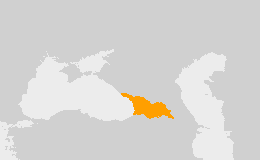
La organización afiliada de la CSI en Georgia es la Georgian Trade Union Confederation (GTUC).
Georgia ratificó el Convenio nº 87 sobre la libertad sindical y la protección del derecho de sindicación (1948) en 1999 y el Convenio nº 98 sobre el derecho de sindicación y de negociación colectiva (1949) en 1993.
según la ley
Libertad sindical / Derecho de sindicalización
Libertad sindical
El derecho a la libertad sindical está consagrado en la Constitución.
El derecho a la libertad sindical está regulado por el Código de Trabajo
Discriminación antisindical
La ley prohíbe la discriminación antisindical, pero no pevé medidas adecuadas de protección al respecto.
Barreras legales al establecimiento de organizaciones
- Se requiere un número mínimo de miembros excesivo para establecer un sindicato
- El párrafo 9 del artículo 2 de la Ley de Sindicatos dispone que el requisito mínimo de afiliación para establecer un sindicato se fija en 50 trabajadores.
Categorías de trabajadores a quienes la ley prohíbe o restringe la posibilidad de formar o afiliarse a sindicatos, o de ocupar cargos sindicales
- Otras categorías
- Art.3 del Código del Trabajo (2013) define a los trabajadores como aquellas personas que trabajan sobre la base de un contrato de trabajo, el cual debe ser por escrito, después de tres meses de empleo. Esta disposición implica que los trabajadores informales y precarios no entran dentro del ámbito de aplicación de la legislación laboral.
Derecho a la negociación colectiva
Derecho a la negociación colectiva
El derecho a la negociación colectiva está reconocido por la ley.
Restricciones al principio de negociación libre y voluntaria
- Las autoridades pueden intervenir en la conclusión de convenios colectivos
- El párrafo 5 del artículo 48 del Código de Trabajo, relativo a la discusión y resolución de conflictos laborales colectivos, dispone que, en cualquier etapa de un conflicto, el Ministro puede poner fin a los procedimientos conciliatorios.
Derecho de huelga
Derecho de huelga
El derecho de huelga está consagrado en la Constitución
El derecho de huelga está reconocido por la ley pero estrictamente regulado.
Impedimentos legales a acciones de huelga legítimas
- Recurso obligatorio al arbitraje o a largos y complejos procedimientos de conciliación y mediación antes de iniciar una acción de huelga
- Art. 49 del Código del Trabajo: En caso de conflicto relativo a las relaciones colectivas de trabajo, se adquiere el derecho de huelga o de cierre patronal solamente después de 21 días naturales contados a partir del momento de envío de la notificación por escrito al Ministro.
- Otros requisitos previos indebidos, poco razonables o injustificados
- Art.48 del Código del Trabajo: determina que un conflicto laboral colectivo solamente puede darse entre un empleador y un grupo de por lo menos 20 trabajadores.
Prohibición o restricciones para ciertos tipos de acción de huelga
- Restricciones respecto al objetivo de una huelga (por ej. disputas industriales, cuestiones económicas y sociales, políticas, de simpatía o solidaridad)
- Art. 49 (1) del Código del Trabajo define la huelga como “la negativa voluntaria del trabajador de efectuar, en caso de conflicto, total o parcialmente las obligaciones impuestas por el contrato de trabajo”. Esta disposición implica que no se permiten las huelgas de solidaridad.
Injerencia indebida por parte de las autoridades o los empleadores durante el transcurso de una huelga
- Las autoridades o los empleadores están capacitados para prohibir, limitar, suspender o cesar unilateralmente una acción de huelga
- Art. 50 del Código del Trabajo: un tribunal tiene derecho a aplazar o suspender una huelga por 30 días en caso de que ésta ponga en peligro la vida o la salud humanas, el medio ambiente natural, la propiedad de un tercero, o actividades de importancia vital.
Limitaciones o prohibición de hacer huelga en algunos sectores
- Determinación discrecional o lista excesivamente larga de «servicios esenciales» en los que el derecho de huelga queda prohibido o severamente restringido
- Art. 51 (2) del Código del Trabajo: El derecho de huelga está prohibido durante las horas de trabajo de los trabajadores que participan en actividades relacionadas con la seguridad de la vida y la salud humanas, o cuyas actividades no pueden suspenderse debido a la tecnología utilizada. La Orden Nº 01-43/N, de 6 de diciembre de 2013, determina la lista de servicios relacionados con la vida, la seguridad y la salud (de conformidad con el párrafo 2 del artículo 51 del Código) e incluye algunos servicios que no constituyen servicios esenciales en el sentido estricto del término (radio y televisión (en virtud del apartado e) de la Orden), servicios municipales de limpieza (apartado i) de la Orden), extracción, producción y refinado de petróleo y gas (apartado l) de la Orden).
En la Práctica
El 29 de enero, la Corte Suprema de Georgia ratificó las decisiones de dos tribunales inferiores obligando a la planta química Rustavi Azot a reincorporar a 56 empleados con el pago retroactivo de sus salarios de los últimos tres años.
El juicio duró tres años y pasó por tres instancias judiciales, ya que la empresa apeló las decisiones de dos tribunales inferiores que fallaron a favor de los trabajadores despedidos. Durante todo el proceso, los trabajadores estuvieron representados por el Trade Union of Metallurgy, Mining and Chemical Industry Workers of Georgia (TUMMCIWG), afiliado a IndustriALL.
Ahora, Rustavi Azot tiene que reincorporar a los 56 trabajadores y pagarles los salarios perdidos durante los últimos tres años por un monto total de 2.000.000 GEL (700.000 USD).
Los trabajadores fueron despedidos en enero de 2017 cuando, durante un cambio de titularidad de la empresa, no se renovó el contrato a 350 de los 2.300 empleados. Si bien la mayoría de ellos aceptó la indemnización de 1.200 GEL (415 USD) ofrecida por la empresa, 56 trabajadores optaron por reclamar justicia a través del proceso judicial.
A los despidos colectivos efectuados a principios de 2017 siguieron acciones antisindicales en respuesta a las manifestaciones contra los despidos ilegales. Los nuevos contratos celebrados con los trabajadores restantes socavaron seriamente sus condiciones de trabajo. En febrero de 2017, el TUMMCIWG denunció el hostigamiento de que eran víctimas los miembros del sindicato en la planta e IndustriALL organizó una acción de solidaridad internacional en apoyo a los trabajadores de Rustavi Azot.
Energo-Pro Georgia, empresa hidroeléctrica de capital checo, persiste en su negativa a responder a las reivindicaciones de sus trabajadores reuniéndose con el Sindicato Georgiano de Trabajadores del Sector Energético, afiliado a IndustriALL.
El sindicato georgiano lanzó una campaña en pro de la dignidad y el respeto en el trabajo, el reconocimiento de los sindicatos y la negociación de salarios que cubran los costos de vida y sean indexados según la inflación.
Según el presidente del sindicato, Amiran Zenaishvili, “Luego de que el sindicato realizara manifestaciones de protesta en abril, le enviamos una carta al ministerio responsable en la que detallamos nuestros reclamos con respecto a los salarios deficientes, la salud y seguridad y las acciones antisindicales. Pedimos al Gobierno que actúe como mediador en el conflicto. El Gobierno asignó a un mediador que se reunió con el sindicato y el empleador. Ahora estamos esperando una respuesta. Mientras tanto, la empresa continúa con su campaña antisindical y se viene manteniendo un conflicto abierto desde abril”.
Un afiliado de IndustriALL en República Checa, OS KOVO –que tiene miembros en una planta de ingeniería que produce equipos en ese país–, se comunicó por escrito con la filial de Energo-Pro que los emplea, Litostroj Engineering. La empresa le respondió que no se encontraba en condiciones de influir sobre la dirección local en Georgia.
El lunes 21 de mayo de 2018, el Tribunal de la Ciudad de Tiflis prohibió que los trabajadores del metro de la capital, afiliados al sindicato Ertoba 2013, hicieran huelga durante las horas de trabajo. En su decisión, el tribunal declaró que el derecho de huelga en Georgia es un derecho fundamental pero no absoluto, añadiendo que una huelga durante las horas de trabajo habría paralizado el tráfico en la capital y que, dado que la huelga propuesta iba a ser larga e indefinida, habría impedido el pleno funcionamiento del servicio de metro. El 3 de mayo, el mismo tribunal había dictado una sentencia que impedía a Ertoba 2013 hacer huelga durante un mes, decisión que el sindicato había acatado aplazando su huelga.
Al día siguiente, el grupo local de defensa de los derechos Human Rights Education and Monitoring Centre (EMC), la Solidarity Network - Workers’ Center, un grupo de defensa de los trabajadores, y el movimiento estudiantil Auditorium 115, organizaron una protesta frente a la estación central de metro en apoyo a los trabajadores de dicho servicio.
La sentencia del tribunal fue enérgicamente criticada por la central sindical Georgian Trade Unions Confederation, que declaró que contravenía las normas internacionales del trabajo, en particular las relativas al derecho de huelga y la libertad sindical.
Los conductores de metro vienen reclamando unos salarios más altos desde 2016. Ertoba 2013 ha señalado que el alto nivel de humedad, el ruido, las vibraciones, la intensidad luminosa, los campos eléctricos intensos, la elevada presión y otros riesgos para la salud, contribuyen al 60-65 por ciento de la tasa de mortalidad de los conductores a la edad de jubilación. Los conductores anunciaron por primera vez en abril su intención de ir a la huelga, después de que la Tbilisi Transport Company se negara a subirles el salario.
Los conductores se declararon en huelga el 3 de junio, reclamando mejores condiciones y un incremento salarial del 45 por ciento, lo que el alcalde de Tiflis calificó de “ilegal”. Los trabajadores retomaron el trabajo el 5 de junio de 2018, tras haber alcanzado un acuerdo con el alcalde y su equipo.
El Sindicato Georgiano de Trabajadores del Sector Energético, afiliado a IndustriALL, lanzó una campaña reclamando respeto y mejores condiciones de trabajo para los empleados en Energo Pro Georgia, el mayor generador y distribuidor de energía del país.
Los miembros del sindicato acordaron iniciar la campaña durante un taller organizado por IndustriALL en Telavi los días 6 y 7 de abril de 2019.
La dirección local de la empresa Energo Pro Georgia, de capital checo, se niega continuamente a aceptar las solicitudes del sindicato para emprender un diálogo social constructivo y elude reunirse con sus líderes. Como resultado de ello, diversas reivindicaciones, como las solicitudes de incrementos salariales, pago de horas extraordinarias y representación del sindicato ante la Comisión de Protección Laboral, siguen sin atenderse.
Los trabajadores se quejan de los bajos salarios pagados por la multinacional, considerablemente inferiores con respecto al estándar en la industria, incluidas la empresa eléctrica estatal y otras multinacionales de Rusia y Turquía.
Amiran Zenaishvili, presidente del sindicato, declaró “Las inversiones en Georgia no deberían depender de los bajos salarios de los trabajadores en el país. Nuestra campaña no es solo una lucha por obtener mayores salarios, es una lucha por la dignidad de todos los trabajadores georgianos, que merecen mucho más respeto”.
La CSI ha condenado la campaña de difamación por motivos políticos contra la Confederación de Sindicatos de Georgia (GTUC) y su Presidente Irakli Petriashvili, lanzada por algunas figuras políticas destacadas, incluidos miembros del Parlamento afines al Gobierno georgiano.
La campaña, incluyendo los ataques en los principales medios de comunicación y en las redes sociales, se debe al firme apoyo brindado por la central sindical GTUC, afiliada a la CSI, a las protestas de los trabajadores ferroviarios en un conflicto laboral, el 24 de agosto.
Esta campaña pública contra la central GTUC es un indicio preocupante de la injerencia estatal en los asuntos sindicales en vista del próximo Congreso de la GTUC. Activistas sindicales y delegados han estado señalando desde hace varios meses que los funcionarios del partido gobernante les presionan a ellos y a las estructuras sindicales locales para socavar el liderazgo de la GTUC.
La dirección de la empresa ferroviaria Georgian Railways comunicó a los trabajadores U. Khvtisiashvili, V. Tsiskarishvili y A. Charelashvili su traslado a unos 150 kilómetros de distancia sin ninguna disposición o asignación para su transporte diario. De conformidad con la legislación laboral de Georgia, todos los cambios sustanciales en las condiciones de trabajo requieren el consentimiento previo de los trabajadores afectados. Mientras los trabajadores y su sindicato, el Independent Railway Workers, intentaban negociar una solución amigable, la dirección de la empresa, que es totalmente propiedad de la República de Georgia, desestimó todas las conversaciones con los trabajadores. Esta negativa llevó al sindicato a tomar medidas legales contra la empresa y puso en marcha acciones de protesta contra la Georgian Railways iniciando una huelga de hambre sentados frente a la sede de la empresa. En lugar de asegurar una mediación y tomar medidas proactivas para resolver el conflicto laboral, las autoridades aprobaron la demolición de la carpa que los manifestantes habían instalado para protegerse. La policía dispersó brutalmente la protesta y detuvo a diez activistas, incluido I. Petriashvili, presidente de la Confederación de Sindicatos de Georgia (GTUC). El Defensor del Pueblo de Georgia, que siguió de cerca la situación, declaró que los trabajadores habían sido privados ilegalmente de la posibilidad de montar su tienda de campaña y, por lo tanto, de ejercer adecuadamente su derecho a la libertad sindical. El Defensor del Pueblo reiteró que una intervención como esta de parte de las autoridades públicas es inadmisible.
El 9 de mayo, cuatro trabajadores mineros murieron a causa del colapso de un ascensor en un pozo de carbón en Tkibuli, en el centro de Georgia. Tras la noticia, estallaron protestas de solidaridad en la capital de Georgia, Tiflis, donde fueron arrestados tres activistas.
El grupo de estudiantes de izquierdas Auditorium #115, que lucha por mejores condiciones laborales, realizó una manifestación de protesta y solidaridad el mismo día del incidente. Los manifestantes instaron al Gobierno a fortalecer las inspecciones laborales para evitar muertes.
A medianoche, un grupo de manifestantes intentó bloquear la gran avenida central Rustaveli frente al parlamento de Georgia. Este intento produjo un enfrentamiento con la policía y tres manifestantes fueron arrestados por “actos de incivilidad” y “desobediencia a la policía”. Los tres fueron liberados a la mañana siguiente y comparecieron ante el tribunal el 19 de mayo. Después de los enfrentamientos con la policía, algunos activistas decidieron desplazarse a la residencia de los propietarios de la empresa. Los trabajadores mineros ya habían organizado una huelga en febrero de 2016 señalando que era habitual quedarse encerrados en la mina y verse obligados a trabajar en condiciones difíciles. La huelga terminó al cabo de dos semanas, tras llegarse a un acuerdo con la empresa sobre un aumento salarial gradual del 10 por ciento.
La dirección de la planta de fertilizantes Rustavi Azot en Georgia ha anunciado unilateralmente el cese de toda relación con el Sindicato de Trabajadores de la Metalurgia, Minería e Industria Química de Georgia (TUMMCIWG).
El 20 de marzo, el nuevo propietario de Rustavi Azot, la empresa EU Investments, canceló unilateralmente el convenio colectivo celebrado en 2013 sin el consentimiento del sindicato, lo que es contrario a la legislación de Georgia. La dirección también declaró que dejaría de aplicar el sistema de retención en nómina de las cuotas sindicales y de transferir las cuotas a la cuenta bancaria del sindicato. Esta situación afectará negativamente a la actividad sindical.
El presidente del TUMMCIWG, Tamaz Dolaberidze, señaló: “La empresa está tratando de deshacerse de la organización que protege los derechos de los trabajadores y protestamos enérgicamente por el despido ilegal de 350 trabajadores anunciado en enero de 2017. El propietario decidió desmantelar el sindicato para que no podamos crearle problemas”.
El sindicato ha informado al Ministerio de Trabajo de Georgia sobre la situación. Si el Ministerio no toma ninguna medida para restablecer el Estado de derecho en un futuro próximo, el sindicato está dispuesto a introducir una queja ante la Organización Internacional del Trabajo y presentar un informe a los departamentos gubernamentales de EE.UU. y al Consejo Europeo dentro del marco del Sistema de Preferencias Generalizadas (GSP+), un programa de aranceles preferenciales que favorece el comercio entre los Estados Unidos y los Estados de la Unión Europea y Georgia.
Las medidas represivas de la dirección comenzaron en respuesta a la demanda interpuesta por el sindicato en nombre de 57 trabajadores despedidos ilegalmente en Rustavi Azot el 25 de enero. TUMMCIWG también hizo que la empresa pagara una indemnización de 1.200 GEL (480 USD) a otros 293 trabajadores que aceptaron sus despidos.
En mayo de 2016, con el apoyo de la central sindical Georgian Trade Union Confederation (GTUC), se estableció un sindicato en la cadena pública Georgia Public Broadcaster. El sindicato agrupaba tanto a periodistas como a personal técnico (cámaras, operadores, etc.) y, poco después de su creación, Lasha Meskhi fue nombrado secretario.
Junto con los miembros del sindicato, Meskhi emprendería una acción colectiva en relación con diversas demandas, incluyendo un incremento salarial, protección de los derechos laborales y una mejora de las normas de salud y seguridad en el trabajo dentro de la empresa. Para facilitar la aplicación adecuada del procedimiento de disputas colectivas, el Ministerio de Trabajo, Sanidad y Protección Social designó a un mediador, y la GTUC facilitó la asistencia necesaria de un abogado y un economista para defender adecuadamente los derechos de los trabajadores. Durante el proceso de negociación, el Sr. Meskhi recibió varias amenazas de la dirección para que abandonase sus actividades sindicales y no involucrase a afiliados de la GTUC en actos de protesta. Pese a este comportamiento intimidatorio, el 21 de junio de 2016 se alcanzó finalmente un acuerdo, concediendo un incremento salarial a más de 500 trabajadores/as, además de prometer el establecimiento de una comisión bipartita para resolver las disputas laborales y la implicación de los sindicatos en el proceso de elaboración de un nuevo plan de acción sobre recursos humanos. Pero la dirección nunca llegó a poner en marcha las medidas prometidas. Muy al contrario, el Sr. Meskhi y otros 13 compañeros se vieron obligados a aceptar un contrato de duración determinada de tres meses, pese a llevar varios años trabajando de forma continua para la cadena, y tras expirar dicho contrato, otro de apenas un mes de duración. Este último contrato vulnera claramente la ley que prohíbe que se establezcan contratos de tan corta duración. El Sr. Meskhi señaló la naturaleza ilegal de los contratos y, en respuesta, la empresa anunció el 28 de febrero de 2017 que su contrato no sería renovado, a diferencia de los de sus 13 compañeros. Está claro que la decisión de no renovarle el contrato fue un acto de represalia y discriminación contra el Sr. Meskhi a causa de sus actividades sindicales y su denuncia proactiva de los abusos en la empresa.
El 2 de febrero de 2017, el sindicato de trabajadores del metal Trade Union of Metallurgy, Mining and Chemical Industry Workers of Georgia (TUMMCIWG) convocó una protesta en apoyo a 350 trabajadores/as de la planta de fertilizantes Rustavi Azot que fueran ilegalmente despedidos. Se sumarían a la protesta miembros de otros sindicatos, estudiantes y diversas ONG, reclamando la readmisión de los despedidos (que desde hacía más de una semana esperaban respuesta de la dirección respecto a los motivos del despido). Frustrados por ese silencio, convocaron una protesta y decidieron acudir a la oficina de la dirección para exigir explicaciones sobre los despidos e intentar encontrar una solución al conflicto. Pero conforme los manifestantes se aproximaban al edificio, los guardias de seguridad les cortaron el paso recurriendo a la fuerza y, poco después, un fuerte dispositivo policial rodeó el edificio, estallando la violencia. Según testigos presenciales, los agentes de la policía empezaron a golpear a los participantes, sin consideración alguna de edad o género, incluso cuando los trabajadores/as y sus partidarios ya estaban abandonando el edificio.
Más tarde, ese mismo día, tenería lugar una reunión de cuatro horas convocada por el Ministerio de Trabajo, con la participación de los representantes de los trabajadores/as despedidos, entre ellos Irakli Petriashvili, presidente de la Georgian Trade Union Confederation (GTUC), pero no se alcanzó ningún acuerdo por lo que las protestas proseguirían. La empresa había iniciado en enero de 2017 un proceso de despidos en masa (justificados por el incremento del precio del gas natural), y no sería sino gracias a estas protestas que los trabajadores despedidos cobraron finalmente indemnizaciones por despido en forma de tres pagos mensuales de 500 GEL (185 USD), además de limitarse el número de despidos, reduciendo el impacto social de la medida.
No obstante, Rustavi Azot empeoró aún más la situación y vulneraría la ley al obligar a los trabajadores restantes a firmar nuevos contratos bajo amenazas de despido. Esos nuevos contratos empeoran seriamente las condiciones de trabajo, pasando de contratos indefinidos a contratos de un año de duración, e imponiendo a los trabajadores a desempeñar otras tareas que las que les correspondían.
El sindicato Pipeline se formó en 2015, cuando la empresa decidió no ofrecer a sus empleados en Georgia los mismos términos y condiciones de trabajo aplicadas a otros trabajadores de British Petroleum (BP) en los países vecinos de Azerbaiyán y Turquía. Tras la creación del sindicato, la dirección de BP y su agencia de recursos humanos Human Resources Recruitment Agency (HRRA) ha venido intentando desalentar la afiliación entre el personal, recurriendo incluso a acciones incorrectas e ilegales. De hecho, el director local, Chris Schlueter, envió un mensaje por correo electrónico al personal invitando a no afiliarse al sindicato y la compañía recurrió a organizar “conversaciones amistosas” con el único objetivo de crear un ambiente antisindical y amenazar a los trabajadores de forma soterrada. Como resultado de esta campaña antisindical por parte de BP y HRRA, la mayoría de los miembros inscritos abandonaría el sindicato, quedando apenas 10 de los 30 miembros iniciales.
Pero el comportamiento antisindical de la empresa no se quedó ahí, y además inició medidas disciplinarias contra Vakhtang Pirmisashvili, vicepresidente del sindicato Pipeline, que desembocarían en una supuesta “reorganización” de la empresa y el despido del sindicalista. Pirmisashvili presentó una denuncia ante un tribunal civil, después de fracasar el intento de mediación del Ministerio de Trabajo en relación con su despido improcedente. Se trata de la primera vez en la historia en que un tribunal georgiano ha admitido una demanda por despido improcedente y discriminación hacia un trabajador debido a sus actividades sindicales.
El 20 de octubre de 2016, a las 10:00, la líder del comité del sindicato del servicio postal, Marina Razmadze, intentó entrar en la oficina del sindicato en Georgian Post, encontrando la puerta de la oficina cerrada y la impresora, con el papel dentro, ligeramente quemada. Solo más tarde sería informada por el servicio de seguridad de que la noche anterior, alrededor de las 21:30 los guardias tuvieron que forzar la entrada de la oficina del sindicato supuestamente para apagar un fuego.
Conviene señalar que no había signos evidentes de ningún fuego, a excepción de la impresora y que, según un examen efectuado por los trabajadores ese mismo día, el circuito eléctrico no había sufrido daño alguno. Los propios trabajadores repararon la cerradura de la oficina sindical para poder continuar sus actividades de manera normal, además de proteger la documentación.
No obstante, el 25 de octubre, la Sra. Razmadze fue informada de la Ordenanza N. 15-01/533, publicada el día anterior por el director general de correos, Levan Chikvaidze. Según dicha orden, había que crear una comisión para retirar temporalmente todo el equipo de la oficina asignada al sindicato para proceder a su renovación, sin especificar plazo alguno ni para cuando estaba previsto el inicio o el fin de los trabajos. La Sra. Razmadze señaló que desde el principio la Orden resultaba engañosa ya que no establecía medios para proteger y sellar la documentación y los suministros debidamente almacenados en la oficina del sindicato. Pero pese a su propuesta de que el sindicato se ocuparía de la renovación, la dirección ordenó retirar todo el material de su interior durante su ausencia. Las actividades del sindicato se encuentran de momento paralizadas y no se ha establecido un calendario preciso para el inicio o la terminación de las renovaciones, lo que supone en la práctica un obstáculo a la libertad sindical.
El 11 de enero, la compañía minera Georgian Manganese LLC informó a los trabajadores de su mina de manganeso de Chiatura de que pararían las actividades de extracción del 20 de enero al 20 de mayo de 2016, debido a una disminución en el precio de mercado de manganeso.
La dirección prometió a los trabajadores el 60 por ciento de su salario, y la continuación del seguro de enfermedad durante los cuatro meses de inactividad, y dijo que pagaría los intereses de los préstamos para aquellos trabajadores que hubiesen contraído alguno. Pero a cambio, la empresa obligaba a los trabajadores a firmar, sin que tuviesen ocasión de consultar a sus abogados, un acuerdo adicional modificando los términos esenciales de su contrato de trabajo y privaría a la mayoría de los mineros de su derecho a vacaciones pagadas en 2016.
El sindicato Trade Union of Metallurgy, Mining and Chemical Industry Workers of Georgia (TUMMCIWG) cuestionó la decisión, impuesta unilateralmente por la dirección, de cerrar las operaciones mineras durante cuatro meses, exigiendo la intervención del Gobierno y solicitando que considere exonerar a los mineros de Chiatura de la obligación de pagar el impuesto sobre la renta durante el período en que esté parada la producción.
La discriminación antisindical y la intimidación han seguido registrándose en la empresa RMG Gold de Kazreti, tras el intento por parte de la dirección de destruir el sindicato obligando a casi 1.000 trabajadores a abandonar sus puestos de trabajo, tal y como se publicó en el informe de marzo de 2015.
El 30 de septiembre de 2015, varios representantes de la central sindical Georgian Trade Unions Confederation (GTUC), junto a líderes del sindicato minero Metallurgy, Mining and Chemical Industry Workers’ Trade Union, visitaron Kazreti para reunirse con los empleadores locales, investigar las denuncias de intimidación constante e intentar reconstruir el sindicato. La localidad en sí está prácticamente controlada por RMG Gold, ya que la amplia mayoría de la población está empleada en la empresa.
En una visita anterior de dos miembros de la GTUC, los guardias de seguridad de RMG Gold les siguieron mientras les sacaban fotografías. Los habitantes de Kazreti tenían miedo de hablar con ellos, pues temían que la empresa decidiera tomar represalias y despedirles a ellos o a sus familiares. En el segundo viaje, el 30 de septiembre, los representantes sindicales hablaron con mucha gente en la localidad. Los habitantes les mencionaron problemas que abarcaban desde los bajos salarios a los graves riesgos para la salud. En la primera noche de su visita, un director de RMG intentó intimidar a los voluntarios del sindicato mientras hablaban con unos trabajadores en una parada de autobús. Asimismo, negó que existiera riesgo alguno para la salud o contaminación medioambiental, alegando que el cianuro que se utiliza para extraer oro no es del tipo peligroso.
El segundo día de la visita se vio afectado por graves injerencias. Se había organizado una reunión pública para abordar los principales problemas a los que se enfrentan los trabajadores/as y para rectificar las historias falsas que RMG Gold está difundiendo sobre el sindicato. Una representante de la dirección de RMG Gold, Lia Ajiashvili, interrumpió el debate antes incluso de que comenzara la reunión, haciendo sonar una pequeña bocina en el exterior del edificio. Más tarde, ya dentro del edificio, gritaba cada vez que los representantes sindicales intentaban hablar, impidiendo que se llevara a cabo la reunión. Muchos de los que habían llegado para participar en la reunión acabaron abandonando el lugar. El día anterior, los trabajadores y lugareños habían expuesto sus quejas relacionadas con la empresa y declarado que querían organizarse para mejorar sus condiciones laborales, pero al constatar la agresiva postura de la representante de RMG ya no se atrevieron a expresar sus opiniones en público.
Los Ferrocarriles de Georgia ofrecen bonificaciones a los trabajadores que se incorporan al sindicato amarillo próximo al empleador. Por ejemplo, en abril de 2014, Zurab Nasaria recibió una prima mucho más alta que los demás trabajadores. Los directores instan abiertamente a los trabajadores a revocar su afiliación del sindicato Railway Workers New Trade Union (RWNTUG). Debido a la presión ejercida por la dirección, numerosos trabajadores han abandonado el sindicato. Asimismo, la dirección ha tratado de socavar al sindicato ya sea retrasando o complicando la remisión de las cuotas sindicales.
Las empresas RMG Gold y RMG Copper han cometido actos de injerencia graves con el fin de debilitar al Trade Union of Metallurgy, Mining and Chemistry Workers of Georgia (TUMMCWG). Las empresas obligaron a unos 1.000 miembros del TUMMCWG a renunciar a su afiliación sindical. Esta medida comenzó inmediatamente después de que el TUMMCWG instara a la dirección a cumplir con sus obligaciones legales de conformidad con el acuerdo de negociación colectiva firmado el 23 de marzo de 2014 tras una huelga de 40 días. En respuesta, la dirección obligó a los trabajadores a firmar cartas de renuncia imprimidas previamente.
Después de ser nombrado director general del Servicio Postal de Georgia, Levan Chikvaidze despidió a más de 120 trabajadores/as y los reemplazó por amigos y familiares. Buen número de trabajadores/as con contratos de duración determinada se vieron obligados a aceptar contratos de un mes en lugar de uno o dos años, como los contratos que tenían con anterioridad. Esta es una violación al convenio colectivo vigente. Como resultado, el Trade Union of the Workers of the Postal Service presentó una queja ante el Tribunal de la ciudad de Tbilisi. En represalia por esta medida judicial, Levan Chikvaidze tomó la iniciativa de no renovar paulatinamente los contratos de duración determinada de los miembros sindicales.
El 20 de febrero, Guladi Kruashvili, Jefe Adjunto del Movimiento general de seguridad ferroviaria del sector de la Inspección General de la enseñanza y la instrucción, interrogó a miembros del nuevo sindicato de trabajadores ferroviarios, New Railway Trade Union, y los llevó a Zestafoni, donde fueron interrogados de nuevo junto con otros miembros sindicales. Los sindicalistas fueron obligados a firmar ciertos documentos. Esta no era la primera vez que Kruashvili intimida a los miembros del sindicato. Anteriormente, había interrogado en un lugar desconocido a los miembros sindicales que trabajaban para el Service of Western Power Supply. El New Railway Trade Union solicitó a la Oficina del Fiscal que examinara los hechos antes mencionados.
En 2013, los miembros sindicales que trabajan para la Agencia de Situaciones Extraordinarias no recibieron sus bonificaciones ni su treceavo mes de salario tal como estaba previsto en el presupuesto anual. Todos los trabajadores/as que no estaban sindicalizados los recibieron puntualmente.
Batumi Autotransport es una empresa propiedad del municipio de Batumi y ha estado aplicando medidas discriminatorias contra los miembros sindicales. La dirección amenaza a los trabajadores/as con el despido si no firman declaraciones de renuncia. Bajo tal presión los trabajadores comenzaron a presentar sus renuncias al sindicato. El jefe de seguridad y mantenimiento llama regularmente al presidente del sindicato a su oficina para entregarle las renuncias de los miembros del sindicato. Por otra parte, la dirección se ha negado a reconocer al sindicato como interlocutor para la negociación colectiva. Los directivos agreden verbalmente a los miembros sindicales, como en el caso del conductor Felul Tsintsadze, cuyos superiores lo acusaron de ser un atracador. El Presidente del sindicato Emzar Gogitidze y su adjunto Simon Sikharulidze fueron amenazados con ser despedidos en varias ocasiones. Los dirigentes sindicales se reunieron con el alcalde de Batumi para quejarse de las prácticas de la empresa.
La independencia de los tribunales también ha sido puesta en duda dado que ningún tribunal ha confirmado la existencia de discriminación antisindical en ninguno de los casos presentados.
El 12 de junio de 2013, el Parlamento introdujo enmiendas al Código de Trabajo de Georgia. Los trabajadores/as participaron inicialmente en las consultas sobre el proyecto de legislación. Así, el primer proyecto aprobado en 16 de mayo de 2013 cumplía con las normas internacionales del trabajo. Sin embargo, posteriormente el Gobierno continuó las consultas únicamente con los empleadores. A los trabajadores solamente se les informaron posteriormente las modificaciones introducidas. Por otra parte, el Ministerio de Trabajo, Salud y Asuntos Sociales elaboró un proyecto de ley sobre la inspección del trabajo sin la participación de la GTUC.
El 14 de noviembre de 2013, Merab Targamadze, Vicepresidente, y Davit Vashakidze, miembro de la ejecutiva del sindicato de trabajadores ferroviarios, Georgian Railway Workers New Trade Union (GRWNTU) fueron amenazados por altos representantes de la Administración de ferrocarriles del país.
Zaza Mchedlidze, Presidente de la oficina sindical del Grupo GTM había sido amenazado por el Director General de este grupo empresarial, Avtandil Kochadze, y finalmente fue despedido el 27 de julio de 2013. La dirección del grupo se opuso a la creación de un sindicato en la empresa y procedió a despedir a los dirigentes sindicales en un intento por aplastar el movimiento. El 25 de julio de 2013 fueron despedidos otros dos miembros del comité sindical, Manuchar Liluashvili y Zurab Khvedelidze.
El sector hospitalario está controlado por dos empresas: JSC Aldagi BCI y JSC GPI Holding. Estos nuevos propietarios de hospitales y policlínicas privatizados se han negado a negociar con los sindicatos e intimidan activamente a todo el personal que coopere con las organizaciones sindicales. Muchos trabajadores y trabajadoras sanitarios se han desafiliado de sus sindicatos debido al temor a ser despedidos. Han dejado de existir 116 organizaciones sindicales (el 45%) y el número de miembros se ha reducido y actualmente asciende a 7.968 (41%). Además, se puso fin a 32 convenios colectivos y no se ha concluido ni un solo nuevo convenio de este tipo. JSC Aldagi BCI simplemente se negó a reconocer a los sindicatos. JSC GPI Holding reconoce al sindicato, pero no negocia de buena fe. En consecuencia, las relaciones laborales son actualmente inexistentes en el sector hospitalario del país.
El 3 de noviembre de 2012, alrededor de 150 trabajadores de la Terminal petrolera del Mar Negro enviaron una petición a la dirección pidiendo renegociar sus condiciones de empleo. La dirección reaccionó intimidando a los trabajadores y llamándolos para celebrar reuniones individuales en las que los amenazaban con el despido. Kartlos Jobava se vio obligado a tomar sus vacaciones anuales y a otros siete trabajadores se les impidió el acceso a la empresa a la vez que los obligaron a firmar nuevos contratos con un período de prueba de 6 meses, pese a haber tenido contratos permanentes con la empresa durante varios años. La dirección indicó que los cambios eran necesarios como parte de la reestructuración de la empresa. Por lo tanto, los trabajadores decidieron constituir un sindicato; esta decisión desató la cólera de la dirección, la cual ejerció presión sobre los trabajadores para que se desafiliaran del sindicato. A pesar de que la Comisión de Diálogo Social y Relaciones Laborales intervino después de habérsele informado de la situación, el conflicto se ha agravado. En respuesta a los despidos arbitrarios, los trabajadores se declararon en huelga el 20 de diciembre de 2012, a la cual pusieron fin hasta que los trabajadores fueron reintegrados en su empleo. Sin embargo, el 31 de enero de 2013, el contrato de trabajo del presidente del sindicato, Kartlos Jobava, no fue renovado. El Tribunal del Distrito de Poti confirmó esta decisión y no encontró ningún tipo de discriminación basada en la afiliación sindical. El sindicato del gas y el petróleo, Georgian Gas and Oil Workers’ Union, apeló al Gobierno, al Primer Ministro, al Ministro de Economía, al Ministro de Trabajo y a la Comisión de Diálogo Social y Relaciones Laborales, pidiendo su intervención con el fin de poner alto a la discriminación contra los miembros del sindicato en la Terminal petrolera del Mar Negro.
Discriminación antisindical en el Grupo GTM
El 25 de julio de 2013 se constituyó en el Grupo GTM un sindicato afiliado al sindicato Metallurgical, Mining and Chemical Industry Trade Union. La dirección fue informada de la creación del sindicato el mismo día. El Director General Avtandil Kochadze anunció que los contratos de duración determinada de los dirigentes sindicales no serían renovados y despidió inmediatamente a tres miembros sindicales: Zaza Zibzibadze, Manuchar Liluashvili y Zurab Khvedelidze. El motivo invocado por la dirección fue una violación de la normativa laboral del 27 de abril de 2013. Sin embargo, ya se habían tomado medidas disciplinarias contra los trabajadores en este sentido y no se constataron infracciones después de este incidente. Los trabajadores también fueron testigos de que Avtandil Kochadze tomó fotos del personal que se dirigía o regresaba de la oficina regional del sindicato. El 27 de julio de 2013, Avtandil Kochadze hizo venir a su oficina a Zaza Mchedlidze, presidente del sindicato, para agredirlo verbalmente y despedirlo. Los sindicatos presentaron una denuncia ante la Oficina del Fiscal General y contra Kochadze. El sindicato Metallurgical, Mining and Chemical Industry Trade Union señaló esta cuestión a la atención del Primer Ministro, del Ministro de Economía, el Ministro de Trabajo y de la Comisión de Diálogo Social y Relaciones Laborales. Recibieron como respuesta que el Gobierno no puede intervenir en asuntos de las empresas privadas.
Los trabajadores han sido agredidos físicamente o amenazados en varias ocasiones. Tedo Gurgenadze, miembro titular del consejo sindical de la Terminal petrolera del Mar Negro LTD “B y P”, situada en la ciudad de Poti, y sus compañeros fueron amenazados durante la huelga a finales de noviembre de 2013. El 27 de julio de 2013, Avtandil Kochadze, Director General del Grupo GTM convocó a Zaza Mchedlidze, Presidente del sindicato, a su oficina, lo insultó y trató de atacarlo físicamente.
El 24 de enero de 2013, los trabajadores de la Agencia de situaciones extraordinarias del Ayuntamiento de Tbilisi constituyó un sindicato. Sin embargo, la administración se niega a reconocerlo como interlocutor para las negociaciones colectivas. El Director de la Agencia pidió al jefe de las divisiones examinar el desempeño laboral de los miembros del sindicato. Por otra parte, los miembros sindicales son convocados para reunirse individualmente con los directivos, quienes los presionan para que se desafilien del sindicato. Como resultado, los miembros manifestaron que prefieren pagar sus cuotas directamente al sindicato y mantener en secreto su afiliación con respecto a la dirección por temor a las medidas discriminatorias.
Los trabajadores de Geosteel han estado tratando de constituir un sindicato en su lugar de trabajo, pero se han topado con la resistencia de la dirección durante muchos años. A raíz de una huelga de cinco días en diciembre de 2012, el 29 de diciembre se firmó un acuerdo entre el sindicato y la dirección, incluyendo una cláusula que garantizaba que los trabajadores que participaron en la huelga no serían penalizados. Sin embargo, poco después de concluido el acuerdo, Davit Maisuradze fue despedido por haber participado en la huelga. El Metallurgical, Mining and Chemical Industry Trade Union exigió inmediatamente a la dirección su reincorporación. La solicitud se encuentra pendiente. El 22 de enero de 2013 se celebró la reunión para constituir el sindicato y los trabajadores eligieron un comité sindical, el secretariado y la comisión de auditoría. Inmediatamente después de esta reunión, la dirección se negó a renovar los contratos de trabajo de los miembros del sindicato y despidió a otros trabajadores que habían participado en la huelga de diciembre. Por otra parte, los directivos amenazaron con el despido a los trabajadores que tenían la intención de afiliarse al sindicato y con no renovar los contratos de duración determinada. El sindicato envió peticiones al gobierno en varias ocasiones, entre ellos al Ministro de Economía, el Ministro de Trabajo y miembros de la Comisión de Diálogo Social y Relaciones Laborales, creada en octubre de 2012. Sin embargo, los trabajadores siguen sin ser reintegrados hasta la fecha y no se han adoptado medidas efectivas para poner fin a las prácticas discriminatorias en Geosteel.
En octubre de 2012, los trabajadores organizaron una huelga de advertencia de 2 horas pidiendo mejores condiciones de trabajo en la empresa de Ferrocarriles de Georgia, cuyo Director General interino en ese momento era Oleg Bichashvili. En una reunión con el comité de huelga de marzo de 2013, anunció que la empresa estaría dispuesta a firmar un convenio colectivo únicamente si el sindicato de trabajadores ferroviarios (Railway Workers Trade Union) estaba de acuerdo en desafiliarse de la GTUC. El sindicato decidió convocar un Congreso extraordinario el 9 de junio de 2013. En esta etapa, los altos directivos de la empresa intervinieron en la elección del presidente del sindicato, e hicieron campaña para la elección de Hamlet Lomidze. Altos directivos como Oleg Bichashvili, Davit Gelashvili (miembro del consejo de administración y director de la división de transporte de pasajeros de la empresa) y Gia Kruashvili (subdirector del departamento de auditoría) participaron en el Congreso como delegados. Aproximadamente la mitad de los miembros del sindicato abandonó el Congreso en protesta por esta participación. Sin embargo, el Congreso continuó con su programa y eligió a 17 miembros de la ejecutiva sindical (ninguno de ellos eran trabajadores ferroviarios regulares ni representantes ordinarios del personal). La mayoría de los miembros de la ejecutiva forman parte, de hecho, del personal directivo y algunos ni siquiera trabajan en los Ferrocarriles de Georgia. Como consecuencia, algunos trabajadores abandonaron el sindicato de trabajadores ferroviarios y crearon un nuevo sindicato el 16 de junio de 2013.
El 29 de marzo de 2013, la dirección del Servicio Postal del Estado creó la “Unión para el Desarrollo Postal de Georgia”. Esta organización está encabezada por directivos de alto rango de la empresa y está dirigida por la oficina del Gerente General. Todos los empleados deben pagar cuotas de afiliación mensuales a esta organización. El gerente general Levan Chikvaidze escribió una carta a los funcionarios para explicar los fines y objetivos de la organización supuestamente sindical. El sindicato de comunicaciones, Trade Union of Georgian Workers of Communication, presentó una queja al Gobierno, el Primer Ministro, el Ministro de Economía, el Ministro de Trabajo y la Comisión de Diálogo Social y Relaciones Laborales para solicitar su intervención con el fin de poner alto al debilitamiento de la independencia de los sindicatos suscitada por esta Unión para el desarrollo postal de Georgia, controlada por la dirección. A pesar de las reuniones con el Viceministro de Economía y el Director General de la empresa, los dirigentes del sindicato independiente siguen siendo blanco de la política discriminatoria de la empresa.
En octubre de 2012, el comité sindical de Telasi LLC anunció la convocatoria de una huelga porque la empresa se negaba a negociar colectivamente con los trabajadores. Como resultado, los 73 empleados que habían sido despedidos fueron reintegrados en diciembre de 2012.
La compañía Georgian Manganese, en la ciudad de Chiatura, se negó a negociar con el Trade Union of Metallurgy, Mining and Chemical Industry Workers of Georgia un aumento salarial, condiciones de trabajo seguras y el despido del gerente de producción, Akaki Gurjidze, acusado de aplicar deducciones salariales. Como resultado, los trabajadores se declararon en huelga en octubre de 2012. Las autoridades locales se reunieron con la dirección de Georgia Manganese el 18 de octubre, pero no se llegó a un acuerdo. Asimismo, se acusa a la dirección de crear el sindicato Samtoeli con el fin de socavar el establecimiento de sindicatos independientes.
El 7 de febrero de 2013, se celebró una reunión entre los directores de las escuelas públicas de Kutaisi y Taras Shavshishvili, Jefe Adjunto del Teachers’ Professional Development Center (TPDC). Shavshishvili también es fundador de la organización sindical Syndicate y les advirtió que tendrían problemas con el departamento de auditoría interna del Ministerio de Educación y Ciencia si decidían dejar Syndicate para afiliarse al Educations and Scientist Free Trade Union of Georgia (ESFTUG).
JSC Silknet es una empresa de telecomunicaciones de Georgia. En el último año, la empresa ha despedido a los presidentes de 19 comités sindicales en Tbilisi y en las regiones. Se envió una carta al Presidente del Comité de Alianza Social Tripartita el 20 de julio de 2012 en relación con los despidos, pero el caso aún no ha sido examinado. El Gobierno ha utilizado el convenio colectivo firmado con esta empresa como ejemplo del éxito de la colaboración y el diálogo social. Sin embargo, después de la salida del director a cargo de las negociaciones, la situación se deterioró rápidamente, y la empresa se niega a entablar todo tipo de diálogo con el sindicato. En 2012, el número de miembros del sindicato del sector de las comunicaciones, Communication Sector Workers Union, descendió un 37,7%.
El 8 de abril de 2011, en Khasuri, la Sra. Gocha Chubinidze, jefa de la estación de vagones de los Ferrocarriles Nacionales de Georgia advirtió a los delegados que no asistieran al Congreso del sindicato de trabajadores ferroviarios y los amenazó con el despido. También en Khashuri, el Departamento de Vías Férreas, el Sr. Zaza Chkoidze, amenazó a 8 delegados con el despido si asistían al Congreso. El jefe de la Estación de ferrocarriles, Sr. Vasil Kurtanidze, amenazó a uno de los 2 delegados con despedirlo si asistía al Congreso. La mañana del 10 de abril, cuando los delegados de Khashuri estaban en la estación para asistir al Congreso, unos desconocidos entraron y trataron de convencerlos de no asistir. Ante estas amenazas, algunos delegados no asistieron al Congreso. De hecho, solamente estuvieron presentes 9 de los 24 delegados de esa región. Solamente 15 de los 38 delegados electos de la región de Samtredia asistieron al Congreso. En Tbilisi, días antes del Congreso, los delegados del Departamento de Vías Férreas y también del Departamento de Transporte ferroviario fueron amenazados por representantes de la administración de los Ferrocarriles de Georgia. El 22 de junio de 2011, Merab Targamadze, miembro del Consejo del Georgian Railway Workers Union, fue despedido por la administración sin previo aviso. En diciembre de 2011, bajo el pretexto de una reorganización, Vitali Giorgadze, uno de los miembros más activos de la ejecutiva del sindicato de trabajadores ferroviarios, fue despedido.
Otros miembros de la ejecutiva también se vieron sometidos a una presión continua y la mayoría ha cesado su actividad.
Tal vez el ejemplo reciente más notable de las prácticas antisindicales en Georgia sea el caso de Hercules Steel. En septiembre de 2011, el gobernador y decenas de policías rompieron una huelga de aproximadamente 150 trabajadores de la planta de acero Hercules en Kutaisi. Los trabajadores se vieron forzados a reanudar el trabajo o ir a la cárcel y/o con el despido, y varios de ellos fueron forzados a firmar un documento desafiliándose del sindicato. Los trabajadores se declararon en huelga para exigir la reposición de los dirigentes sindicales despedidos y exigir una negociación colectiva de buena fe.
En agosto de 2011, como resultado de la interferencia de los Gobiernos central y local, dejaron de existir 14 organizaciones a nivel municipal y distrital del Sindicato de Funcionarios Públicos, lo que representa una pérdida de 2.350 miembros. Se rescindieron acuerdos territoriales en 4 municipios del distrito y 4 expiraron. Actualmente sigue en vigor solamente un acuerdo territorial. A principios de 2011, los miembros sindicales que recientemente habían organizado sindicatos a nivel municipal fueron forzados a firmar formularios de desafiliación del sindicato bajo amenaza de despido, lo que ha tenido como consecuencia la pérdida de cientos de miembros. En conversaciones privadas con los dirigentes sindicales, las autoridades locales admitieron que hubo una orden verbal de parte de altos funcionarios gubernamentales de erradicar los sindicatos locales.
En la práctica, el uso de los contratos laborales de corta duración está muy generalizado. El Código Laboral no incluye ningún criterio ni restricción para determinar bajo qué circunstancias es lícito el uso de un contrato de duración determinada.
Aunque la discriminación antisindical está prohibida en la legislación de Georgia, los tribunales no aplican lo que estipula la ley al respecto. Según el Código Laboral, los empleadores tienen derecho a poner término a un contrato laboral sin motivo alguno o por cualquier motivo y no están obligados a notificarlo con antelación. La Ley de Sindicatos no se ha derogado y sigue formalmente en vigor, pero el Artículo 23 de dicha Ley, que estipula que los empleadores sólo pueden despedir a empleados elegidos como presidentes sindicales si cuentan con el consentimiento del sindicato, se ignora en la práctica.