
Eritrea
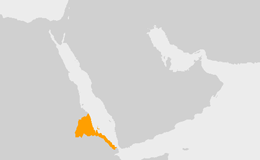
La organización afiliada a la CSI en Eritrea es la National Confederation of Eritrean Workers (NCEW).
Eritrea ratificó el Convenio nº 87 sobre la libertad sindical y la protección del derecho de sindicación (1948) en 2000 y el Convenio nº 98 sobre el derecho de sindicación y de negociación colectiva (1949) en 2000.
según la ley
Libertad sindical / Derecho de sindicalización
Libertad sindical
El derecho a la libertad sindical está consagrado en la Constitución.
El derecho a la libertad sindical está reconocido por la ley, pero estrictamente regulado.
Discriminación antisindical
La ley prohíbe la discriminación antisindical, pero no pevé medidas adecuadas de protección al respecto.
Barreras legales al establecimiento de organizaciones
- Para establecer un sindicato se requiere autorización o aprobación previa por parte de las autoridades
- El Ministerio de Trabajo y Bienestar Humano debe conceder una aprobación especial para las agrupaciones de 20 ó más personas que deseen formar un sindicato aunque, por lo general, el gobierno no se opone a su formación.
Categorías de trabajadores a quienes la ley prohíbe o restringe la posibilidad de formar o afiliarse a sindicatos, o de ocupar cargos sindicales
- Otros funcionarios y empleados públicos
- Los funcionarios públicos no involucrados en la Administración del Estado podrán sindicalizarse una vez se apruebe la Ley sobre el Servicio Civil.
Otras restricciones
- Otras restricciones
- No se permite ninguna organización política o cívica, excepto las controladas por el Frente Popular para la Democracia y la Justicia (PFDJ). No hay libertad de asociación: todos los sindicatos -incluida la Confederación Nacional de Trabajadores Eritreos (NCEW) y sus afiliados- están sometidos a un estrecho escrutinio por parte del gobierno. Están prohibidas las reuniones públicas no gubernamentales de más de siete personas.
Derecho a la negociación colectiva
Derecho a la negociación colectiva
El derecho a la negociación colectiva no está protegido por la ley.
Restricciones o prohibición de negociar colectivamente en algunos sectores
- Otros funcionarios y empleados públicos
- Los funcionarios de la Administración Central de Personal (CPA) no tienen derecho a la negociación colectiva.
- Otras restricciones
- No se permite ninguna organización política o cívica, excepto las controladas por el Frente Popular para la Democracia y la Justicia (PFDJ). No hay libertad de asociación: todos los sindicatos -incluida la Confederación Nacional de Trabajadores Eritreos (NCEW) y sus afiliados- están sometidos a un estrecho escrutinio por parte del gobierno. En la práctica, no existe una negociación colectiva libre.
Derecho de huelga
Derecho de huelga
Está prohibido hacer huelga.
- Otras restricciones
- Están prohibidas las reuniones públicas no gubernamentales de más de siete personas.
En la Práctica
El Tribunal Supremo de Columbia Británica se ha declarado competente para tratar la causa presentada por trabajadores eritreos contra Nevsun Resources Ltd., una empresa minera canadiense propietaria de las minas de Bisha, conjuntamente con el Gobierno de Eritrea. Se acusa a la empresa de complicidad en crímenes contra la humanidad, trabajo forzoso y tortura. La Eritrean National Mining Corp. posee el 40% de Bisha Mine Co. El tribunal canadiense reclamó su competencia teniendo en cuenta la falta de acceso a recursos judiciales en Eritrea. En 2015, la Comisión de Encuesta de la ONU sobre Eritrea estimó que el sistema judicial del país carece de independencia y que la administración de la justicia resulta “totalmente deficiente”.
En el país no se permite la existencia de organizaciones políticas ni sociales, excepto las controladas por el partido del presidente Isaias, el Frente Popular por la Democracia y la Justicia (PFDJ). No existe la libertad sindical: el Gobierno totalitario mantiene bajo riguroso control a todos los sindicatos, incluyendo a la central sindical National Confederation of Eritrean Workers (NCEW) y sus afiliados. Asimismo, están prohibidas las reuniones públicas no-gubernamentales de más de siete personas. En la práctica, tampoco existe la negociación colectiva libre.
Las actividades de la central sindical National Confederation of Eritrean Workers (NCEW) son supervisadas de cerca por el Gobierno. Algunos de sus sindicatos afiliados (como los que representan a los docentes, a las mujeres, a los jóvenes y a los trabajadores en general) están rigurosamente vigilados por el Gobierno y por el partido en el poder, el Frente Popular para la Democracia y la Justicia. En consecuencia, la libre negociación colectiva carece de sentido. En noviembre, la NCEW celebró una conferencia para señalar su 30º aniversario.