
Chad
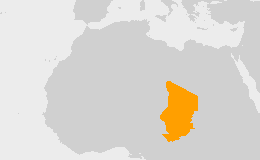
Las afiliadas de la CSI en Chad son la Confédération Libre des Travailleurs du Tchad (CLTT) y la Union des Syndicats du Tchad (UST).
Chad ratificó el Convenio nº 87 sobre la libertad sindical y la protección del derecho de sindicación (1948) en 1960 y el Convenio nº 98 sobre el derecho de sindicación y de negociación colectiva (1949) en 1961.
según la ley
Libertad sindical / Derecho de sindicalización
Libertad sindical
El derecho a la libertad sindical está reconocido por la ley, pero estrictamente regulado.
El derecho a la libertad sindical está consagrado en la Constitución.
Discriminación antisindical
La ley prohíbe la discriminación antisindical, pero no pevé medidas adecuadas de protección al respecto.
Restricciones al derecho de los sindicatos a organizar su administración
- Restricciones a la libertad para organizar libremente actividades y formular programas
- El Código Laboral prevé que la contabilidad y los documentos justificativos relativos a las operaciones financieras de los sindicatos deben presentarse en cuanto la inspección del trabajo lo solicite. Según la OIT, esta disposición puede servir como base para que el Gobierno lleve a cabo actos de injerencia en las actividades sindicales.
Categorías de trabajadores a quienes la ley prohíbe o restringe la posibilidad de formar o afiliarse a sindicatos, o de ocupar cargos sindicales
- Otras categorías
- En virtud del párrafo 3 del artículo 294 del Código del Trabajo, los menores de 16 años pueden afiliarse a un sindicato, a menos que su padre, madre o tutor se oponga.
Derecho a la negociación colectiva
Derecho a la negociación colectiva
El derecho a la negociación colectiva está reconocido por la ley.
Disposiciones que entorpecen el recurso a convenios colectivos y su eficacia
- Ausencia de mecanismos apropiados para fomentar y promover la maquinaria para la negociación colectiva
- No hay ningún mecanismo específico ni medidas adoptadas para promover la negociación colectiva.
Derecho de huelga
Derecho de huelga
El derecho de huelga está consagrado en la Constitución
El derecho de huelga está reconocido en la legislación
Impedimentos legales a acciones de huelga legítimas
- Otras formalidades excesivamente complejas o que llevan mucho tiempo para poder convocar una huelga
- La Ley del 9 de mayo de 2007, que regula el derecho de huelga en los servicios públicos, prevé el establecimiento de un Consejo de Conciliación cuya composición estará determinada por el gobierno y que debe hacerse cargo de cualquier conflicto colectivo. Este procedimiento obligatorio retrasa considerablemente el momento en que puede tener lugar una huelga.
- Otros requisitos previos indebidos, poco razonables o injustificados
- La Ley del 9 de mayo de 2007, que regula el derecho de huelga en los servicios públicos, impone asimismo la obligación de declarar la duración "posible" de una huelga cuando, según la OIT, los sindicatos deberían poder declarar huelgas de duración ilimitada.
Limitaciones o prohibición de hacer huelga en algunos sectores
- Determinación discrecional o lista excesivamente larga de «servicios de utilidad pública» en los que se pueden imponer servicios mínimos en caso de huelga
- Se ha ampliado notablemente la lista de los servicios públicos considerados como esenciales. Los trabajadores y trabajadoras de la prensa audiovisual, de correos, de los mataderos y de las otras nueve categorías de servicios son susceptibles de ser inmovilizados no sólo por las autoridades ministeriales de tutela sino también por las autoridades locales. Conviene señalar que la huelga está permitida en estos servicios siempre y cuando se mantengan unos servicios mínimos, pero son las autoridades públicas las que determinan de manera discrecional los servicios mínimos exigidos, así como el número de funcionarios y agentes que deberán garantizar su mantenimiento.
En la Práctica
Durante el primer día de una huelga general e indefinida, diversas manifestaciones de estudiantes fueron dispersadas por la policía antidisturbios en Yamena. Dos estudiantes serían asimismo detenidos. Según el principal sindicato estudiantil, la Union nationale des étudiants tchadiens (UNET), los estudiantes se manifestaban en todas las universidades del país reclamando la aportación efectiva de servicios universitarios, como un restaurante universitario, un centro de salud, una biblioteca, un servicio de autobuses, así como el pago de las becas pendientes desde 2016.
Con la nueva Constitución promulgada por el presidente Idriss Déby Itno en mayo de 2018, las autoridades chadianas adoptaron una serie de textos legales, incluyendo la ley relativa al régimen de las asociaciones. Esta nueva ley prohíbe formalmente cualquier “asociación con carácter regionalista o comunitaria”, sin aportar ningún fundamento o explicación jurídica. Mantiene asimismo una disposición anterior, según la cual los ciudadanos que creen asociaciones deben obtener una autorización del Ministerio de la Administración Territorial antes de poder iniciar sus actividades. Están previstas penas de prisión de hasta cinco años y multas que pueden elevarse a 3 millones CFA (4.573 EUR) para cualquier persona que cree o administre “asociaciones no autorizadas y no registradas”.
Por otro lado, también se limita el derecho a crear o afiliarse a federaciones, quedando sometido a una autorización previa.
Los manifestantes que tomaron parte en una marcha pacífica organizada el martes 6 de febrero en Yamena, para protestar contra las medidas de austeridad, fueron dispersados apenas 200 metros después de iniciar su recorrido, con gases lacrimógenos y disparos con munición real. Según la oposición, hubo más de 50 heridos por impacto de bala y más de 600 detenciones arbitrarias de manifestantes en todo el territorio nacional. Dichas cifras fueron desmentidas por la policía chadiana. El ministro de Seguridad, por su parte, reiteró durante una conferencia de prensa la prohibición de cualquier manifestación, aduciendo motivos de seguridad en un contexto de la amenaza terrorista vinculada a Boko Haram. Amenazó asimismo con suspender las actividades de todos los partidos políticos o de cualquier grupo de la sociedad civil que intentase desafiar la autoridad del Estado.
Una manifestación pacífica que tuvo lugar en Yamena el 25 de enero de 2018, respondiendo a la convocatoria de varias organizaciones de la sociedad civil, incluyendo al menos tres grandes sindicatos (UST, CIST y SYNECS), fue violentamente dispersada. Las fuerzas de seguridad desplegadas desde primera hora de la mañana dispersaron a los manifestantes empleando gases lacrimógenos y cañones de agua. Se procedió a la detención de al menos tres personas, acusadas de alteración del orden público e infracción de una orden de prohibición. Hubo asimismo numerosos heridos. El día anterior, el ministro de la Administración del Territorio, Seguridad Pública y del Gobierno Local, había prohibido la marcha por motivos de seguridad. En previsión de que no se respetarían las consignas, el Gobierno cortó el acceso a Internet y distribuyó mensajes de advertencia a través de los dos principales operadores de telefonía en el país. La manifestación protestaba contra la mala gobernanza, las injusticias de todo tipo y las medidas anti-sociales adoptadas por el Gobierno.
El ministro de la Seguridad, Bashir Ahamat, prohibió por decreto una marcha pacífica de la coordinadora de maestros comunitarios, Coordination nationale des maîtres communautaires, afiliada a la central Union des syndicats du Tchad (UST), programada para el 26 de mayo de 2017. Los maestros comunitarios exigían el pago de casi 36 meses de atrasos de subsidios.
El 9 de enero de 2017, los miembros de la Agencia Nacional de Seguridad (NSA) irrumpió en el local del sindicato nacional de docentes e investigadores de la educación superior, Syndicat national des enseignants et chercheurs du supérieur (SYNECS), amenazando con la disolución del sindicato si sus miembros no cesaban su movimiento de huelga y suspendían a su presidente, Jérémie Guirayo. Estas amenazas se produjeron a raíz de la participación de SYNECS en la huelga contra las medidas de austeridad, el impago de los salarios, en octubre de 2016, y la adhesión a Jérémie Guirayo al Mouvement d’éveil citoyen (MECI) en diciembre de 2016. Estas exigencias ya habían sido formuladas por el ministro de Educación Superior, quien convocó a los miembros de la ejecutiva de SYNECS el mismo día. Tras estas intimidaciones, SYNECS se retiró de la huelga y anunció en un comunicado de prensa el despido de Jérémie Guirayo. Sin embargo, fue reintegrado en su cargo en una Asamblea General después de anunciar públicamente haberse retirado del MECI.
El 6 de enero de 2017, el ministro de Administración Territorial emitió un comunicado prohibiendo todas las actividades públicas del Mouvement d’éveil citoyen (MECI), que reúne a organizaciones de la sociedad civil, partidos políticos y sindicatos. El movimiento está acusado de ser “contra natura”, de no tener “ninguna base legal” y de “connivencia con aventureros subversivos establecidos en el extranjero”. Cinco días después, el portavoz del movimiento, Dobian Assingar, que durante una entrevista había denunciado el carácter arbitrario de esta prohibición, fue citado por la policía judicial. Después de ser interrogado sobre las actividades del MECI, quedó en libertad. Posteriormente, el 27 de mayo de 2017, la policía intervino durante la Asamblea General del MECI declarando ilegal la reunión. Los miembros del MECI pidieron que se les mostrara un documento oficial disponiendo dicha prohibición, pero no se les proporcionó ninguno.
Entre diciembre de 2016 y enero de 2017, las autoridades de Chad se negaron a emitir visados a varios miembros de organizaciones sindicales, tales como la Organisation de l’unité syndicale africaine (OUSA), la Confederación Sindical Internacional (CSI) y la Confédération générale du travail (CGT), de Francia. Al denegar por segunda vez el visado a los representantes de la CGT que querían dar su apoyo a los huelguistas de Chad, el primer consejero del embajador de Chad en París señaló: “los sindicalistas y los periodistas no son bienvenidos”. Estas decisiones forman parte de un clima social ya muy tenso.
En diciembre de 2016, debiendo hacer frente a un descontento social sin precedentes, las autoridades intensificaron la represión contra los sindicatos. Reunidas en frente común, la UST y otras dos organizaciones sindicales llevaban a cabo desde septiembre una huelga en los sectores de la administración pública, sanidad y educación, para protestar contra las drásticas medidas de austeridad y los atrasos en el pago de salarios, así como contra la mala gobernanza en general.
El 6 de diciembre no pudo tener lugar una manifestación convocada por el Comité de Mujeres de los tres sindicatos, ya que las fuerzas del orden le impidieron acceder a la Bourse du travail. En Moundou, al sur del país, se reprimió igualmente otra manifestación de mujeres y varias manifestantes fueron arrestadas siendo liberadas poco después.
El 26 de diciembre, durante una reunión política a la que asistieron varios periodistas, el jefe del Estado atacó duramente a los sindicatos, advirtiendo que serían disueltos si continuaban oponiéndose al régimen, acusándolos de estar vendidos a la oposición y de querer enriquecerse a costa de los trabajadores. Abochornados por la virulencia de sus declaraciones, el entorno presidencial prohibió su difusión en los medios de comunicación.
En ese mismo período, una misión sindical de la CGT francesa, que tenía la intención de visitar al país para brindar su apoyo a los huelguistas, vio denegada en dos ocasiones la correspondiente visa. El Gobierno adoptó asimismo una reglamentación de emergencia limitando el derecho de huelga. El 30 de diciembre, el Parlamento ratificó la decisión de que los días de huelga dejarían de estar remunerados.
El 22 de marzo de 2016, Younous Mahadjir, secretario general de la Union des syndicats du Tchad (UST), afiliada a la CSI, fue detenido por haber convocado una manifestación pacífica en contra de un quinto mandato del presidente Idriss Deby Itno, que ocupa del poder desde hace 26 años. Otros tres líderes de la sociedad civil fueron encarcelados también por los mismos motivos. El 14 de abril, pocos días antes de su reelección, los cuatro activistas serían liberados tras haber sido condenados a cuatro meses de prisión con suspensión de pena y prohibiéndoles llevar a cabo cualquier acción subversiva. La Internacional de Servicios Públicos (ISP) y Amnistía Internacional hicieron campaña para obtener su liberación.
En febrero, Amnistía Internacional señaló que la libertad sindical y de expresión de los defensores de los derechos humanos, de periodistas y sindicalistas son regularmente vulneradas: “A menudo fueron objeto de intimidación, acoso o detenciones arbitrarias por parte de los servicios de seguridad, así como de sanciones administrativas”. De este modo, la Union des syndicats du Tchad (UST), Radio FM Liberté y la Ligue tchadienne des droits de l’homme (LTDH), que mantienen entre ellas estrechos vínculos, han seguido trabajando en un clima de represión y sospecha.
En enero, en Doba, y posteriormente en marzo, en la capital, las manifestaciones estudiantiles fueron víctimas de una violencia policial muy grave: cuatro muertos en enero, dos en marzo. En la Universidad de Yamena, los profesores/as miembros del sindicato de la enseñanza superior, el Syndicat national des enseignants et chercheurs du supérieur (SYNECS), fueron golpeados por la policía cuando entraron en el recinto universitario. En un informe demoledor sobre los acontecimientos en la capital, Yamena, la Ligue tchadienne des droits de l’homme (LTDH) señaló que había habido dos muertos, 103 heridos y más de 200 detenidos. Entre estos detenidos, 53 fueron torturados o sometidos a tratos degradantes. Cuando el informe se hizo público a finales de marzo, el Gobierno trató de intimidar a la LTDH.
Los ataques continuaron, y el 29 de julio, tres de las principales organizaciones de la coalición Trop c’est trop (Ya basta) cuyo objetivo es defender a los ciudadano contra la arbitrariedad y las violaciones de los derechos humanos, anunciaron que suspendían su participación en dicha coalición. Denunciaron la infiltración de personas y asociaciones próximas al poder. En cuestión de horas, corrió el rumor de que la LTDH, la UST y el SET habían sido recibidos en secreto por el jefe del Estado, quien les habría pagado una importante suma de dinero para que abandonaran la coalición, una flagrante mentira contra tres organizaciones emblemáticas de la sociedad civil.
A finales de julio, la LTDH, la UST y el SET expresaron una vez más su profunda preocupación ante la adopción de un proyecto de ley antiterrorista que prácticamente anula el derecho de huelga y de manifestación. El 30 de julio, a través de su movilización y la de la oposición, se aprobó la ley, pero sumamente enmendada y sin estas disposiciones liberticidas.
Los trabajadores empleados por compañías chinas en la explotación de yacimientos de petróleo en Bongor y Moundou se declararon en huelga para protestar contra la negativa de la dirección a reconocer a los sindicatos. El 18 de enero de 2014 se produjeron violentos enfrentamientos en el yacimiento de Koudalwa, en el área de Bongor. Los trabajadores venían intentando desde abril de 2013 celebrar elecciones sindicales y pedían mejores condiciones de trabajo y la dimisión de la dirección que no les permitía sindicalizarse. En agosto de 2013, el Gobierno ordenó la suspensión de actividades de las compañías por flagrantes daños al medio ambiente.
Eric Topona, Secretario General del sindicato de periodistas, Union des Journalistes Tchadiens (UJT), fue detenido el 6 de mayo de 2013, acusado de alteración del orden constitucional. Moussaye Avenir de la Tchiré, director de publicación del periódico Abba Garde y tesorero de la UJT, fue a su vez arrestado por “incitación al odio y a la sublevación popular”.
El 28 de noviembre de 2012 el Gobierno anuló unilateralmente un convenio sobre el salario mínimo nacional para los trabajadores y las trabajadoras del sector público. El Gobierno y el UST habían firmado un acuerdo y un memorando de entendimiento el 11 de noviembre de 2011.
La central sindical Union des Syndicats du Tchad (UST) escribió una petición criticando al Presidente Idriss Déby por corrupción y el empobrecimiento de la población. François Djondang, Michel Barka y Younous Mahadjir fueron acusados de difamación. Jean-Claude Nékim también fue acusado de difamación cuando reseñó este incidente en el periódico N’Djaména BiHebdo. El 18 de septiembre de 2012 el Tribunal de Primera Instancia condenó a François Djondang, Michel Barka y Younous Mahadjir a 18 meses de cárcel y una multa de 1,5 millones CFA (2.290 EUR) por haber cometido un delito de odio. Tienen pensado apelar la decisión, pero la independencia del tribunal ha sido cuestionada puesto que ahora está constituido por nuevos miembros conforme a un decreto del 17 de septiembre de 2012.
En frente común, las dos principales centrales sindicales han denunciado el desprecio con que el Gobierno ha tratado las reivindicaciones de los trabajadores y trabajadoras. Particularmente en lo concerniente a la revalorización de los salarios de los funcionarios públicos, algo a lo que se comprometiera el Gobierno en 2007, cuando afirmó que se incrementarían en cuanto la situación financiera lo permitiese. Desde entonces, los recursos del Estado se han triplicado o incluso cuadriplicado. El 11 de noviembre, después de que se convocaran tres huelgas, el Jefe del Estado finalmente consintió en reunirse con los dirigentes sindicales y responder en parte a sus reivindicaciones.