
Israel
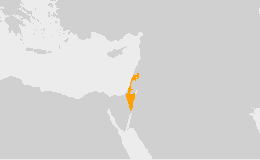
La afiliada de la CSI en Israel es la Federación General del Trabajo de Israel (HISTADRUT).
Israel ratificó el Convenio nº 87 sobre la libertad sindical y la protección del derecho de sindicación (1948) en 1957 y el Convenio nº 98 sobre el derecho de sindicación y de negociación colectiva (1949) en 1957.
según la ley
Libertad sindical / Derecho de sindicalización
Libertad sindical
El derecho a la libertad sindical está regulado por la legislación.
Discriminación antisindical
La ley prohíbe la discriminación antisindical
Barreras legales al establecimiento de organizaciones
- Se requiere un número mínimo de miembros excesivo para establecer un sindicato
- Para formar un sindicato es necesario contar con la afiliación de mínimo una tercera parte de los empleados en un lugar de trabajo.
Restricciones al derecho de los trabajadores y trabajadoras a formar y afiliarse a organizaciones de su elección
- La ley impone un sistema de monopolio sindica y/o un sistema que prohíbe o restringe la sindicalización a ciertos niveles (empresa, industria/sector, regional/territorial, nacional)
- No se puede estar afiliado a dos sindicatos al mismo tiempo.
Categorías de trabajadores a quienes la ley prohíbe o restringe la posibilidad de formar o afiliarse a sindicatos, o de ocupar cargos sindicales
- Otras categorías
- Los trabajadores autónomos no tienen derecho a la libertad de asociación.
Derecho a la negociación colectiva
Derecho a la negociación colectiva
El derecho a la negociación colectiva está reconocido por la ley.
Restricciones o prohibición de negociar colectivamente en algunos sectores
- Otras categorías
- Los trabajadores autónomos no tienen derecho a la negociación colectiva.
Derecho de huelga
Derecho de huelga
El derecho de huelga está reconocido en la legislación
Impedimentos legales a acciones de huelga legítimas
- Otros requisitos previos indebidos, poco razonables o injustificados
- Tras la declaración de una huelga, hay un "período de reflexión" de 14 días durante el cual está prohibido hacer huelga.
Prohibición o restricciones para ciertos tipos de acción de huelga
- Restricciones respecto al objetivo de una huelga (por ej. disputas industriales, cuestiones económicas y sociales, políticas, de simpatía o solidaridad)
- Mientras esté en vigor un convenio colectivo, no se puede hacer huelga respecto a cualquier asunto cubierto por dicho convenio. También está prohibido hacer huelga en relación con cuestiones políticas.
Limitaciones o prohibición de hacer huelga en algunos sectores
- Determinación discrecional o lista excesivamente larga de «servicios esenciales» en los que el derecho de huelga queda prohibido o severamente restringido
- El gobierno o los ministros competentes pueden adoptar medidas de emergencia para "defender el país" y garantizar la seguridad pública y la prestación de "servicios esenciales". Estas medidas, que pueden permanecer en vigor hasta tres meses, permiten al gobierno imponer multas severas si no se cumple con la orden. El gobierno o el empleador público pueden pedir que los tribunales laborales dicten órdenes para obligar a los huelguistas a reanudar el trabajo.
En la Práctica
Según la central sindical Histadrut, retrasar las negociaciones constituye una de las principales tácticas que utilizan los empleadores para intentar debilitar a los sindicatos y a sus representantes. El Movimiento Hebreo de los Scouts utilizó esta táctica y obstaculizó las negociaciones durante casi dos años. Después del primer año, el Movimiento intentó impugnar el rol representativo de la Histadrut y las negociaciones tan solo se pudieron reanudar tras largos procesos judiciales. El Movimiento siguió entablando negociaciones de mala fe y sin ninguna intención de alcanzar un convenio colectivo. La Histadrut denunció que Suny-Samsung utilizó tácticas dilatorias parecidas al negociar un convenio colectivo a nivel empresarial. El sindicato agregó que algunos dueños de restaurantes también participaron en negociaciones de mala fe, sin ninguna intención de alcanzar un convenio con los sindicatos representativos.
Según la central sindical Histadrut, el Tribunal Nacional de Trabajo lleva seis años prohibiendo huelgas legales en los puertos y este año ha prohibido una huelga legal de los trabajadores administrativos de un hospital gubernamental .
Según Histadrut, el retraso de las negociaciones constituye el principal método que utilizan los empleadores para intentar debilitar a los sindicatos y a sus representantes. Por ejemplo, Ness Technologies lleva desde 2014 aplazando las negociaciones. Hace un año, intentó impugnar la representatividad de la Histadrut en las negociaciones colectivas y suspendió dichas negociaciones por iniciativa propia presentando una denuncia falsa ante los tribunales. El sindicato tardó más de medio año en obtener una orden judicial para reanudar las negociaciones. Sin embargo, la empresa sigue negociando de mala fe y sin ninguna intención de alcanzar un convenio colectivo.
La Histadrut denunció dos incidentes de violencia física contra activistas sindicales en 2018, uno de ellos en la fábrica de Soda Stream, ubicada en el desierto del Neguev, donde un representante sindical fue brutalmente agredido mientras varios miembros de la dirección observaban la escena sin intervenir. Asimismo, la Histadrut denunció que en varios lugares los trabajadores sufren discriminación y acoso por parte de sus empleadores, despidos y traslados incluidos, especialmente durante la primera fase de la sindicalización.
La central sindical Histadrut denunció que en la empresa de alimentos Neto, el trabajador que dirigió la organización colectiva de los trabajadores del sindicato fue agredido físicamente el día en que empezó a contactar a sus compañeros de trabajo respecto al sindicato. A pesar de estos ataques, a principios de 2018 Histadrut alcanzó el umbral exigido de representación. Sin embargo, desde entonces la empresa se ha negado persistentemente a reconocer al sindicato y ha interpuesto varias denuncias ante los tribunales para impedir la organización de los trabajadores. Las negociaciones del convenio colectivo todavía están pendientes de celebrarse.
Desde noviembre de 2016 SodaStream, la empresa manufacturera mundialmente conocida por el aparato para hacer refrescos en casa, ha ignorado todas las solicitudes remitidas por la Federación General del Trabajo de Israel (Histadrut) con vistas al inicio de negociaciones de un convenio colectivo. Pese a que Histadrut fue reconocida como la organización representativa en la compañía, la dirección elude la negociación colectiva y prefiere tratar directamente con los trabajadores. La negativa de los empleadores a negociar no es un problema inhabitual en Israel. La dirección de Ness Technologies, empresa de servicios informáticos, también pospuso intencionalmente las negociaciones a lo largo de 2017, intentando desalentar y debilitar la sindicalización en el lugar de trabajo.
La Federación General del Trabajo de Israel (Histadrut) ha denunciado el persistente acoso que sufren las trabajadoras en Nashei Agudat Isral y Me’orot HaMa’ayan Hardi, dos instituciones educativas. Desde octubre de 2017, cuando intentaron establecer un sindicato, estas trabajadoras han venido siendo cotidianamente hostigadas y amenazadas por sus empleadores.
El 9 de enero de 2018, unos 850 empleados de la compañía israelí distribuidora de equipo de telecomunicaciones, ECI Telecom, se declararon en huelga como parte de sus esfuerzos por detener un plan de reducción de plantilla anunciado en diciembre de 2017, que implicaría el despido de 100 trabajadores. El día antes habían recibido ya cartas de despido 63 empleados. En las proximidades de la entrada de la compañía, se produjeron enfrentamientos entre los piquetes de huelga y los agentes de seguridad contratados por ECI Telecom. Los agentes de seguridad agredieron a los huelguistas y lanzaron gases lacrimógenos. “La dirección de ECI ha perdido todo contacto con la realidad y carece por completo de compasión hacia la dignidad humana, al contratar una agencia de seguridad compuesta por matones que no dudan en emplear cualquier medio para atacar a los trabajadores”, afirmó el portavoz de la Federación General del Trabajo de Israel (Histadrut).
En diciembre de 2015, los trabajadores/as de la unidad Bikurei Hashikma (la empresa responsable del marketing y distribución de productos agrícolas a las sucursales de la cadena de supermercados Rami Levy de todo el país) ubicada en el Moshav Timorim creó un comité de empleados afiliado al sindicato Histadrut. La reacción inmediata de la empresa fue cerrar la unidad. Cuando el nuevo sindicato organizó una huelga, la empresa trajo a trabajadores/as contratados para sustituir a los empleados/as en huelga. A los que participaron en la huelga les confiscaron los automóviles de empresa y les amenazaron con el despido. Luego, 180 trabajadores/as fueron trasladados a otra filial de la empresa donde no había sindicatos. El proceso judicial aún está pendiente de resolución.
Desafortunadamente, este no es un caso aislado. Los despidos, la intimidación y el cambio unilateral de las condiciones laborales son prácticas comunes entre los empleadores que pretenden intimidar a los activistas sindicales. En McDonald’s, los empleados/as que participaban en una huelga fueron apartados de sus puestos de trabajo, les redujeron los turnos y les cambiaron las disposiciones laborales en su perjuicio cuando regresaron a sus puestos. A los activistas sindicales les redujeron considerablemente el volumen de trabajo. Asimismo, les borraron de las listas de WhatsApp que la empresa utiliza para las comunicaciones relacionadas con la organización del trabajo, incluida la asignación de turnos. Por tanto, en la práctica, fueron despedidos sin notificación previa. La misma estrategia antisindical se utilizó en Domino’s Pizza. Además, los directores de McDonald’s impedían habitualmente que los trabajadores/as hablaran con los representantes sindicales; a los trabajadores/as les enviaban a la parte cerrada del restaurante (por ejemplo, a la cocina) y a los sindicalistas les amenazaban con avisar a la policía.
El funcionario responsable de las cuestiones laborales se negó a registrar un convenio colectivo del sector de la construcción que protegía los derechos de los trabajadores/as migrantes y que estaba firmado por el sindicato Histadrut. La apelación está pendiente de resolución.
La discriminación antisindical se suele combinar con la negativa a reconocer organizaciones sindicales representativas. Los empleadores solían retrasar las negociaciones colectivas para intentar bloquear un acuerdo o proponían cláusulas incompatibles con los derechos fundamentales de los trabajadores/as. Este fue el caso en McDonalds. Domino’s Pizza primero entabló negociaciones para un convenio colectivo y luego se retiró sin dar ninguna explicación satisfactoria. Más tarde, ambas empresas se empezaron a negar a entablar negociaciones sobre ningún tema con sus respectivas organizaciones sindicales representativas. También se dieron casos de empresas que intentaban crear sindicatos “amarillos” para después imitar la negociación colectiva. Por ejemplo, Amdocs creó un comité falso de empleados/as para imitar la negociación colectiva y eludir a la organización sindical. Esta medida se pudo detener gracias a que el tribunal laboral prohibió las negociaciones con un representante de los trabajadores/as no independiente.
Los trabajadores empleados por McDonald’s sufren regularmente discriminación antisindical: las horas de trabajo de aquellos que participen en huelgas se ven recortadas y los huelguistas pueden ser suspendidos. La dirección reveló información médica confidencial de un miembro activo del comité de empleados a cerca de 4.000 personas. Un gerente que había organizado a otros gerentes en un sindicato fue trasladado a una sucursal distante; sus horas de trabajo se redujeron y se tomaron diversas medidas para intentar despedirlo. Una trabajadora, que había participado en una huelga en su sucursal, descubrió a través de las noticias en TV que habían presentado una denuncia contra ella ante la policía. Fue interrogada durante varias horas, y se le prohibió acercarse a su lugar de trabajo. Tras unas largas negociaciones con Histadrut, el Director Gerente de McDonald’s Israel se negó a firmar un convenio colectivo el 22 de abril de 2014. Desde entonces, la compañía se ha negado a iniciar nuevas negociaciones.
Los trabajadores y trabajadoras también sufren discriminación en cuanto a las promociones, a causa de su membresía sindical. La compañía Dr Gav respondió a una campaña de sindicalización subiendo los requisitos para conceder bonificaciones a aquellos trabajadores/as que fuesen miembros activos del sindicato y que, por consiguiente, tenían salarios más bajos. Desde diciembre de 2014, la compañía se ha venido negando a negociar con los representantes sindicales.
Personal directivo de McDonald’s Israel ha agredido físicamente a jóvenes activistas en el transcurso de huelgas y protestas. Yaron Sar, miembro del comité de empleados, fue empujado por guardias de seguridad y el director regional Moshe Dahan durante una huelga que tuviera lugar en la sucursal de Gan Shmuel. Durante una marcha de protesta el 7 de julio de 2014, el gerente principal lanzó violentamente un cartel contra Vladislav Plahotnik, miembro del comité de empleados, que participaba en una acción de protesta. Directivos arrojaron agua sobre Tom Harari, un activista sindical, participante en una protesta frente a la sucursal donde trabajaba, el 17 de julio de 2014.
En julio de 2013, la dirección de Maariv intentó forzar al comité de los trabajadores a firmar una declaración cancelando un contrato colectivo celebrado seis meses antes. Por otra parte, se envió un correo electrónico a los trabajadores indicando que el comité de los trabajadores había perdido el derecho a representarlos en las negociaciones colectivas. Asimismo, se pidió individualmente a los trabajadores contestar un cuestionario en línea sobre los recortes en la empresa.
En julio de 2013, la empresa de seguridad Modi’in Ezrachi Ltd. amenazó a sus guardias de seguridad presentes en las estaciones de ferrocarril, a través de mensajes de texto de su superior directo, indicando que estaba estrictamente prohibido sindicalizarse bajo la égida de la central Histadrut.
En septiembre de 2013, la dirección de Electra anunció en una carta enviada por correo a unos 30 trabajadores que no se les asignarían horas de trabajo hasta que no firmaran un documento comprometiéndose a no intentar sindicalizarse. Al mismo tiempo, la dirección bloqueó los teléfonos móviles y el subsidio de gasolina de los trabajadores que celebraron una reunión de información sobre sindicalización. Asimismo, la dirección apostó guardias en la entrada del lugar de trabajo para evitar que los trabajadores entraran.
La dirección de la agencia de noticias en línea One despidió a Or Zilberman, uno de los fundadores del Comité de Periodistas. Posteriormente anuló este despido a raíz de una orden del Tribunal Laboral. Además, los trabajadores identificados como miembros sindicales recibieron menos turnos de trabajo y no fueron invitados a participar en las actividades sociales organizadas por la dirección. Por otra parte, se rechazaron las demandas del sindicato para entablar negociaciones colectivas, violando así una orden judicial del Tribunal Laboral, que había decidido que la organización de periodistas es representativa de los trabajadores y que One está obligada a entablar esas negociaciones.
El 9 de noviembre de 2011, la dirección de Pelephone Communications se negó a reconocer a Histradut como organización representativa de los trabajadores, pese a que más de un tercio de sus empleados estaban afiliados a Histradut. Además, la compañía utilizó tácticas discriminatorias contra los miembros del sindicato. Los trabajadores y trabajadoras fueron convocados individualmente por la dirección, que los presionó para que abandonasen el sindicato. La dirección convocó además a varios miembros del comité de organización a responder de supuestas “violaciones disciplinarias”, y extendió falsas alegaciones respecto al sindicato. Por otro lado, los jefes de división convocaron a los trabajadores para anunciarles que la compañía había establecido un “comité de empleados”, invitándoles a afiliarse a dicho “sindicato”.
El 3 de septiembre de 2012 la juez del Tribunal Laboral del Distrito de Tel Aviv, Ornit Agasi, dictaminó que la dirección de Pelephone había amenazado a sus trabajadores/as y actuado para prevenir actividades de organización. Emitió una orden judicial temporal prohibiendo a Pelephone que actuase para reprimir las actividades de sindicalización mediante convocatorias individuales a los trabajadores. Tras la falta de diálogo, las continuas tácticas antisindicales y la persistencia de violaciones de los derechos de los trabajadores, Histadrut remitió una petición al tribunal laboral superior en Israeli, el Tribunal Laboral Nacional, que dictó sentencia a favor de Histradut y ordenó a “Pelephone abstenerse de iniciar contactos personales con sus empleados o con grupos de empleados, en relación con el ejercicio del derecho de asociación; y que la compañía no emplee los medios de comunicación de que dispone y su acceso a los empleados para diseminar mensajes contra la organización, por medio de mensajes de texto a los teléfonos celulares o distribuyendo cartas a los empleados a través del correo electrónico”.
El 6 de junio de 2012, el presidente de Clal Insurance Enterprises Holdings Ltd., Shy Talmon, advirtió a sus empleados/as de que no se afiliasen a un sindicato. Señaló que “un convenio colectivo tiene muchas desventajas: crea uniformidad en las condiciones laborales, lo cual dificulta, y a veces imposibilita, compensar a los empleados a título personal en base al rendimiento”.
El 21 de octubre de 2012, salió a la luz que Tel-O-Fun (el servicio municipal de alquiler de bicicletas de Tel Aviv) rescindió el contrato de un líder sindical e interrogó a sus trabajadores/as sobre si estaban intentando afiliarse a un sindicato.
El 19 de febrero de 2012, Israel Railways firmó un acuerdo de externalización con el fabricante canadiense de material ferroviario Bombardier Inc. sin la aprobación de la federación sindical Histadrut ni del presidente del comité de empresa de Israel Railways.
Los trabajadores migrantes, que representan alrededor del 7% de la población activa, tienen derechos laborales y sindicales restringidos. Con frecuencia son víctimas de malos tratos, son amenazados con la deportación o son deportados por quejarse o intentar organizarse. La detención y deportación de trabajadores migrantes indocumentados ha aumentado tras la aparición de una mano de obra migrante específica y el temor que ha generado la crisis económica con relación a los puestos de trabajo locales. Histadrut abrió hace poco sus puertas a la afiliación de los trabajadores migrantes y ha instado a los empleadores israelíes a que otorguen a los trabajadores/as migrantes los mismos derechos sociales y de empleo que a sus homólogos israelíes. Aun cuando el Tribunal Laboral israelí está de acuerdo con que este principio tiene que aplicarse, en la práctica se siguen produciendo numerosos abusos.
La OIT indica que hay 60.000 palestinos trabajando legal e ilegalmente en Israel, los cuales se ven confrontados a diario a enormes dificultades para cruzar la frontera con Cisjordania y Gaza, y en ocasiones son hostigados y humillados por los guardias fronterizos. Además, unos 20.000 palestinos trabajan en Cisjordania a cambio de salarios muy bajos, y muchos se encuentran entre las personas más marginadas de la sociedad palestina, a menudo viudas o mujeres con familiares enfermos que han quedado al margen de la red de solidaridad social que ha permitido a muchos palestinos sobrevivir a las repercusiones de la ocupación israelí. La situación de estos trabajadores se ve exacerbada porque, con frecuencia, las autoridades israelíes abandonan a los trabajadores palestinos a sus empleadores al no inspeccionar las condiciones en las que trabajan, sobre todo en los asentamientos de Cisjordania.
Según un informe publicado en 2006, el 92% de los empleadores vulnera la legislación laboral. Las principales víctimas son los trabajadores migrantes y las mujeres. En febrero de 2008, el Gobierno acordó incrementar considerablemente el número de inspectores laborales.
El sindicato Histadrut Transport Workers’ Union se ha enfrentado a los empleadores de conductores de camión a raíz de su negativa a subir los salarios de sus empleados, los cuales se ven obligados a trabajar largas horas para compensar la insuficiencia salarial. Aunque el sindicato ha negociado un convenio colectivo que cubre a los conductores de camión que trabajen para la empresa Israel Road Transport Board (ITB), cerca del 80% de los conductores en Israel siguen sin estar sindicalizados por miedo a las represalias de los empleadores. De manera que el Histadrut Transport Workers’ Union está llevando a cabo una campaña de sindicalización.