
Congo, República Democrática del
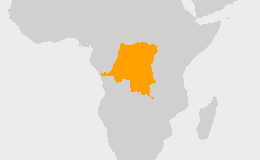
Las afiliadas de la CSI en la República Democrática del Congo son la Confédération Démocratique du Travail (CDT), la Confédération Syndicale du Congo (CSC) y la Union Nationale des Travailleurs du Congo (UNTC).
La República Democrática del Congo ratificó el Convenio nº 87 sobre la libertad sindical y la protección del derecho de sindicación (1948) en 2001 y el Convenio nº 98 sobre el derecho de sindicación y de negociación colectiva (1949) en 1969.
según la ley
Libertad sindical / Derecho de sindicalización
Libertad sindical
El derecho a la libertad sindical está regulado por el Código de Trabajo
El derecho a la libertad sindical está consagrado en la Constitución.
Discriminación antisindical
La ley prohíbe la discriminación antisindical, pero no pevé medidas adecuadas de protección al respecto.
Restricciones al derecho de los sindicatos a organizar su administración
- Restriciones al derecho a elegir representantes y autoadministrarse con plena libertad
- El Código del Trabajo establece como condición de elegibilidad para que los trabajadores extranjeros puedan optar a ocupar cargos en tanto que dirigentes sindicales, que hayan residido en el país durante al menos 20 años (Código del Trabajo, Artículo 241).
- Las autoridades administrativas están capacitadas para tomar unilateralmente la decisión de disolver, suspender o retirar el registro a organizaciones sindicales
- El Código del Trabajo estipula que cualquier sindicato puede ser disuelto legalmente si se ha alcanzado el objetivo con vistas al cual fue constituido o si dos terceras partes de sus miembros reunidos en asamblea general votan solicitando su disolución (Código del Trabajo, Artículo 251).
Categorías de trabajadores a quienes la ley prohíbe o restringe la posibilidad de formar o afiliarse a sindicatos, o de ocupar cargos sindicales
- Otros funcionarios y empleados públicos
- El Código del Trabajo excluye de su ámbito de aplicación a los magistrados, los agentes de carrera de los servicios públicos del Estado regidos por el estatuto general, así como los agentes y funcionarios de carrera de los servicios públicos del Estado regidos por estatutos particulares (Código del Trabajo, Artículo 1).
Derecho a la negociación colectiva
Derecho a la negociación colectiva
El derecho a la negociación colectiva está reconocido por la ley.
Restricciones al principio de negociación libre y voluntaria
- Exclusión de ciertas cuestiones del ámbito de la negociación (por ej. salarios, jornadas laborales)
- En el sector público el Gobierno establece los salarios por decreto. El Gobierno está obligado a consultar previamente a los sindicatos, pero no a negociar con ellos. Puede por tanto ignorar por completo sus recomendaciones (decreto ministerial no 12/CAB.MIN/TPS/ar/NK/054 del 12 de octubre de 2004).
- Prohibición o limitación de la negociación colectiva a ciertos niveles (empresa, industria/sector, regional/territorial, nacional)
- Todavía no se ha aprobado la orden que define el funcionamiento de las comisiones mixtas, prevista en el artículo 284 del Código del Trabajo relativo a la negociación colectiva sectorial.
Disposiciones que entorpecen el recurso a convenios colectivos y su eficacia
- Ausencia de mecanismos apropiados para fomentar y promover la maquinaria para la negociación colectiva
- La Ley Nº 16/013, de 15 de julio de 2016, relativa a las condiciones de servicio de los empleados permanentes de la administración pública, no prevé mecanismos de negociación colectiva sobre las condiciones de empleo.
Restricciones o prohibición de negociar colectivamente en algunos sectores
- Otros funcionarios y empleados públicos
- El Código del Trabajo establece que el personal de las entidades descentralizadas (ciudades, territorios y sectores), que constituye una subcategoría de funcionarios, no disfruta del derecho a la negociación colectiva (Código del Trabajo, Artículo 1).
Derecho de huelga
Derecho de huelga
El derecho de huelga está consagrado en la Constitución
El derecho de huelga está regulado por el Código de Trabajo
Impedimentos legales a acciones de huelga legítimas
- Recurso obligatorio al arbitraje o a largos y complejos procedimientos de conciliación y mediación antes de iniciar una acción de huelga
- Según los términos del Código del Trabajo y de la Ley Nº 016/2002 (respecto a la creación, organización y funcionamiento de los tribunales de trabajo), una de las partes involucradas en el conflicto laboral puede solicitar unilateralmente al Tribunal del Trabajo su intervención para arbitrar al respecto. Esta solicitud tiene por efecto la suspensión inmediata de la huelga.
Prohibición o restricciones para ciertos tipos de acción de huelga
- Restricciones respecto al tipo de acción de huelga (por ej. piquetes, huelgas salvajes, huelgas de celo, sentadas, huelgas de brazos caídos)
- El artículo 11 de la Orden Nº 12/CVAB.MIN/TPS/113/2005, de 26 de octubre de 2005, prohíbe a los trabajadores en huelga entrar y permanecer en los locales de trabajo afectados por la huelga.
Disposiciones que socavan el recurso a acciones de huelga o su eficacia
- Excesivas sanciones civiles o penales contra los trabajadores/as y sindicatos involucrados en acciones de huelga no autorizadas
- El Código del Trabajo establece que puede imponerse una pena de prisión de hasta seis meses a un individuo en caso de infracción de las condiciones impuestas al ejercicio del derecho de (Código del Trabajo, Artículo 326).
- Otras disposiciones legales que socavan el derecho de huelga
- El Decreto Nº 12/CVAB.MIN/TPS/113/2005 del 26 de octubre de 2005 prohíbe a los trabajadores/as en huelga entrar y permanecer en los lugares de trabajo afectados por la acción.
Limitaciones o prohibición de hacer huelga en algunos sectores
- Restricciones injustificadas para los funcionarios públicos
- En virtud del artículo 93 de la ley No. 16/013, el ejercicio del derecho de huelga por parte de los empleados de los servicios públicos sólo puede limitarse en las condiciones establecidas por la ley, en particular, para garantizar la prestación normal de "servicios públicos de interés vital, que no pueden sufrir ningún tipo de interrupción". Un decreto del Primer Ministro establece la lista de los servicios de interés vital, así como los detalles del servicio mínimo en estos servicios. Este Decreto no se ha publicado todavía.
En la Práctica
Desde 2011, la empresa minera Somika Mining se ha opuesto a la organización de elecciones sindicales en la empresa, oponiéndose abiertamente a la libertad sindical. Además, los sindicatos sectoriales de las minas denuncian la injerencia de las autoridades locales en la provincia de Lualaba, quienes intentaron evitar la organización de elecciones sindicales dentro de la empresa Tenke Fungurume Mining en Lualaba para el período 2018-2021.
Aproximadamente 80 periodistas de Télé 50, una estación de televisión privada que transmitía desde Kinshasa, fueron detenidos por la policía y llevados a la Fiscalía General de Kinshasa. Según Eric Lukoki, miembro del comité sindical provisional de Télé 50, los periodistas manifestaban en contra de la negativa del director general de establecer un sindicato dentro de Télé 50. Los periodistas fueron liberados por la noche.
Según la Confédération syndicale du Congo (CSC), algunas empresas favorecen a determinados sindicatos, como ha sido el caso en las Lignes maritimes congolaises (LMC), la cervecería Bracongo y la radio-televisión nacional. Además, el Ministerio de Trabajo ha optado por dejar de lado a la CSC, central sindical nacional mayoritaria, prefiriendo negociar con otra organización minoritaria.
La Confédération syndicale du Congo (CSC) ha informado sobre actos de discriminación hacia sus miembros, como ha sido el caso de Cicéron Pongo Mapondji, delegado sindical en el Fondo de promoción cultural, despedidos a causa de su afiliación a la confederación. Por otro lado, en algunas empresas, como la sociedad Pacific Trading y la radio-televisión nacional congoleña, se ha obligado a los trabajadores a renunciar a su afiliación a la CSC.
Jean-Bosco Puna, Secretario General del Syndicat des écoles conventionnées catholiques (SYNECAT) y secretario permanente de la Sociedad Civil, fue detenido el 18 de septiembre de 2017 en la sede de SYNECAT, en Kinshasa, por cinco elementos vestidos de civil supuestamente pertenecientes a la Agencia Nacional de Inteligencia (ANR) y a la policía. A pesar de que el sindicato lamentó el pánico que se produjo unos días después de su declaración sobre la radicalización de la huelga en una Asamblea General, Jean-Bosco Puna fue acusado de incitar a la violencia. Según Christopher Ngoy Mutamba, presidente de la sociedad civil de la RDC, este arresto serviría para presionar al sindicato después de la intensificación de la huelga de docentes, tres semanas después del comienzo del curso escolar. Jean-Bosco Puna, liberado dos días después, denunció las malas condiciones de detención de las que fue víctima.
Al regresar de una misión, el chófer de Guy Mpembele, Secretario Ejecutivo encargado de asuntos exteriores de la central sindical Union nationale des travailleurs du Congo (UNTC), y responsable de la implementación del proyecto Kananga sobre la organización de las trabajadoras de la economía informal, fue secuestrado el 14 de junio de 2017. Al día siguiente fue encontrado herido e inconsciente. Convocado al día siguiente por la policía, Guy Mpembele pasó tres días completos, de las 8 de la mañana a las 10 de la noche, en la comisaría sin ser interrogado. La seguridad de los activistas de las asociaciones sigue siendo una preocupación en la República Democrática del Congo.
El 10 de abril, Jean-Pierre Muteba, Presidente de la Nouvelle dynamique syndicale, uno de los principales sindicatos de Katanga y ex presidente de la sociedad civil de Katanga, fue brutalmente arrestado en la calle en la ciudad de Lubumbashi por causa de “rebelión” y “desacato contra un agente de policía” cuando se dirigía solo al domicilio de un oponente del Gobierno. El mismo día estaba prevista una manifestación de la oposición, el Rassemblement de l’opposition, para exigir la aplicación del acuerdo del 31 de diciembre de 2016, pese a que las autoridades habían prohibido cualquier reunión pública de carácter político. Jean-Pierre Muteba fue trasladado a la prisión de Kasapa dos días más tarde y tras cuatro días de detención, fue puesto en libertad provisional el 14 de abril mediante una fianza de 65.000 francos congoleños.
Aunque, de acuerdo con el sistema de declaración de la legislación congoleña, no es necesaria una autorización para celebrar una manifestación, muchos de estos eventos organizados por la oposición política han sido decretados sin autorización. Por otro lado, las manifestaciones organizadas por la mayoría presidencial generalmente pueden llevarse a cabo sin problema.
En el marco del proyecto de privatización de la Sociedad Comercial de Transportes y Puertos, (SCTP), los responsables sindicales fueron alejados de las negociaciones en curso y sufrieron amenazas y maniobras intimidatorias. Su único pecado, querer representar los derechos de los trabajadores y trabajadoras puestos en tela de juicio durante el proceso de privatización. El 11 de noviembre, la intersindical Solidarité syndicale des travailleurs et cadres du Congo (SCTP-SA) convocó una huelga. La Federación Internacional de los Trabajadores del Transporte (ITF) sigue este caso desde hace tiempo. El 6 de noviembre, su Secretario General, Stephen Cotton, escribió una carta al Presidente del país, Joseph Kabila, reclamando su intervención y pidiéndole que convenciera a la dirección para entablar un diálogo constructivo con los sindicatos. Así sucedió. Al cabo de unas horas de huelga, el Estado y la SCTP-SA concluyeron un acuerdo.
La Policía Nacional dispersó violentamente una Asamblea General organizada por los sindicatos del sector público el 26 de noviembre de 2014. Las agrupaciones de sindicatos de funcionarios Intersyndicale Nationale du Secteur Public y Syndicats Indépendants de l’Administration Publique habían invitado a sus miembros a tomar parte en una Asamblea General en la plaza Golgotha, frente al Ministerio del Servicio Civil, para tratar una serie de cuestiones, particularmente la negativa del Gobierno a conceder incrementos salariales a los funcionarios, la deducción ilegal de gastos bancarios, y bonificaciones específicas. Ambas organizaciones habían notificado al Ministerio del Servicio civil, al Ministerio del Interior y al Gobernador de Kinshasa sobre su intención de celebrar la reunión, mediante cartas fechadas el 17 y el 26 de noviembre.
Justo cuando iba a dar comienzo la reunión, la Policía Nacional llegó y dispersó a los participantes haciendo un uso excesivo de la fuerza, cumpliendo órdenes del Ministro del Servicio Civil, Jean Claude Kibala. Procedió además a arrestar a dos dirigentes sindicales: Jean Bosco Puna Nsasa, Secretario General del Syndicat National des Enseignants Catholiques (SYNECAT) y Sylvain Kabuya Mwamba, un miembro de la Union des Travailleurs. El Sr. Nsasa fue liberado al día siguiente, mientras que el Sr. Mwamba permaneció detenido.
Doce delegados sindicales que representan a los trabajadores/as en la empresa de correos y telecomunicaciones Société Congolaise de Poste et Télécommunications fueron despedidos sin preaviso el 2 de mayo de 2014. Su despido provocó la indignación entre otros trabajadores del servicio de correos en toda África, que organizaron una campaña pidiendo su liberación, liderada por UNI Global Union. Los 12 fueron readmitidos el 19 de junio.
La Confédération Démocratique du Travail (CDT) indica que el Consejo Nacional del Trabajo no consulta a los sindicatos para establecer el orden del día de las reuniones, lo que limita su capacidad de participación y de influir en los asuntos socioeconómicos. Por otra parte, la discriminación antisindical es un problema generalizado, en particular, en las empresas extranjeras. La dirección de las empresas interviene en las elecciones sindicales con el fin de conseguir la elección del candidato que apoyan. La empresa Khalico rechazó las solicitudes de los sindicatos de entablar negociaciones colectivas, prefiriendo negociar individualmente con los trabajadores a fin de socavar los esfuerzos del sindicato. La empresa minera Tenke Fungurume Mining no se priva de reemplazar a los trabajadores en huelga por trabajadores temporales con el fin de intimidarlos y romper la huelga.
La Union Nationale des Travailleurs du Congo señaló que aun cuando los empleadores acceden a la negociación colectiva ejercen presión sobre los sindicatos para sustituir a los agentes de negociación y amenazan con interrumpir las negociaciones a menos que el sindicato acceda a su demanda.
En julio de 2012 fueron reincorporados a sus puestos de trabajo cinco delegados sindicales que habían sido despedidos de la Société Nationale d’Assurance. La dirección se había negado categóricamente a negociar con los trabajadores y trabajadoras.
En marzo de 2013, Jean Ngandu, Secretario Regional Adjunto de la Confédération Démocratique du Travail fue despedido a causa de sus actividades sindicales.
La Union Nationale des Travailleurs du Congo ha señalado que las autoridades públicas no hacen nada cuando se producen casos de discriminación antisindical.
Fomentando la creación de centenares de sindicatos desde hace varios años, las autoridades han debilitado considerable y voluntariamente el movimiento sindical. Habría cerca de 500 sindicatos oficialmente reconocidos en el Congo, una situación denunciada por las organizaciones más representativas, para las cuales este país es probablemente el peor ejemplo de proliferación sindical en África. Con la excusa del pluralismo político, las autoridades aplican la fórmula de “divide y vencerás”. La creación de sindicatos amarillos y de organizaciones ficticias ha sido promovida por los empleadores y el Estado. Un informe de la OIT de 2010 confirma esta evolución anárquica, juzgada catastrófica para el movimiento sindical. Esta tendencia está motivada por intereses personales, ambiciones políticas y una mala información sobre los valores y objetivos reales del pluralismo sindical. En la mayoría de los casos, estas organizaciones se caracterizan por la corrupción generalizada y la violación a gran escala de los derechos de los trabajadores/as.
El personal de las entidades descentralizadas (ciudades, territorios y sectores) no está sindicalizado y no tiene derecho a la negociación ni a formar sindicatos. Situados en la parte inferior de la escala social de la administración pública, estos trabajadores y trabajadoras constituyen una subcategoría de funcionarios.
En el sector privado, la norma es la ausencia de verdaderos sindicatos. La mayoría de las organizaciones sindicales carecen de miembros activos y más bien han sido creadas por los empleadores para engañar a los trabajadores y desalentar toda iniciativa de organización, particularmente en la explotación de los recursos naturales. Las asociaciones de defensa de los derechos humanos han informado de numerosos casos de violaciones del Código Laboral en las empresas donde no puede desarrollarse el sindicalismo, como en la China Railway Engineering Corporation (CREC), la cual se ocupa, en el marco del acuerdo bilateral entre China y el Congo, de la rehabilitación o construcción de las vías de comunicación. La Asociación Africana pro Defensa de los Derechos Humanos (ASADHO) puso de relieve la impotencia y el temor de los inspectores del trabajo, quienes no se atreven a actuar contra este inversor que goza de la protección de las autoridades. La empresa Société générale industrielle (IMS), con sede en Kasangulu, también fue señalada por las condiciones de trabajo tan lamentables que allí imperan. El 29 de septiembre, Golden Misabiko, Presidente de la sección de ASADHO en Katanga fue condenado a un año de cárcel con remisión condicional de la pena, por denunciar los abusos de poder y negligencia de las autoridades locales en las minas de uranio explotadas de forma industrial y artesanal.
El Estado como empleador a menudo se ha negado a negociar con los sindicatos. La Intersyndicale du secteur public, en particular, denunció las maniobras del Ministro de la Función Pública para bloquear las reformas. El Estado ha ignorado las resoluciones del Marco Permanente de Diálogo Social, una estructura creada en 2008. Las quejas y recursos de los sindicatos han sido vanos. Por ejemplo, en septiembre, la Centrale congolaise du travail presentó una queja ante la OIT en contra del Gobierno porque una grave injerencia del Director de Aduanas del Congo, que databa de 2005 (el despido de activistas sindicales y el nombramiento de nuevos delegados de personal), no había dado lugar a la comparecencia de dicho director, quien ya había sido acusado en el momento de los hechos.