
Qatar
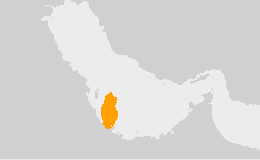
La CSI no tiene ninguna afiliada en Qatar.
Qatar no ha ratificado ni el Convenio nº 87 sobre la libertad sindical y la protección del derecho de sindicación (1948) ni el Convenio nº 98 sobre el derecho de sindicación y de negociación colectiva (1949).
según la ley
Libertad sindical / Derecho de sindicalización
Libertad sindical
El derecho a la libertad sindical está reconocido por la ley, pero estrictamente regulado.
Discriminación antisindical
La ley no protege específicamente a los trabajadores/as frente a la discriminación antisindical
Barreras legales al establecimiento de organizaciones
- Se requiere un número mínimo de miembros excesivo para establecer un sindicato
- Cada uno de los Comités Generales que componen el Sindicato General de Trabajadores de Qatar ha de contar con un mínimo de 100 miembros.
- Restricciones al derecho de los sindicatos a establecer ramas, federaciones y confederaciones o a afiliarse a organizaciones nacionales e internacionales
- En virtud del artículo 123 de la Ley del trabajo Nº 14, "La Unión General de Trabajadores de Qatar podrá, previa aprobación del Ministerio, adherirse a cualquier organización árabe o internacional que trabaje en el ámbito de las organizaciones de trabajadores".
Restricciones al derecho de los trabajadores y trabajadoras a formar y afiliarse a organizaciones de su elección
- La ley impone un sistema de monopolio sindica y/o un sistema que prohíbe o restringe la sindicalización a ciertos niveles (empresa, industria/sector, regional/territorial, nacional)
- El Código Laboral sólo permite la existencia de un sindicato: el Sindicato General de Trabajadores de Qatar, que cubre a los los trabajadores/as en distintos sectores e industrias.
- La ley impone restricciones al derecho de los trabajadores/as a afiliarse al sindicato de su elección
- En virtud del artículo 116 de la Ley del trabajo Nº 14, "No se podrá formar más de un comité en el establecimiento. Los comités de trabajadores de los establecimientos que se dedican a un comercio o industria o a oficios o industrias similares o interrelacionados tienen derecho a formar una comisión general de entre ellos que se denominará Comisión General de Trabajadores del Comercio o la Industria. Los comités generales de los trabajadores de los distintos oficios e industrias pueden formar una unión general que se denominará "Unión General de los Trabajadores de Qatar".
Restricciones al derecho de los sindicatos a organizar su administración
- Restricciones al derecho a establecer libremente sus propios estatutos y reglamentos
- El Decreto Nº 10/2006 dispone que los estatutos de las organizaciones laborales (comités) se ajustarán al modelo de estatuto adjunto.
- Restriciones al derecho a elegir representantes y autoadministrarse con plena libertad
- El artículo 4 del estatuto modelo dispone que los miembros del sindicato serán qataríes y que los trabajadores no qataríes, si bien pueden afiliarse a condición de que posean permisos de trabajo y hayan trabajado en el país durante al menos cinco años, no tendrán derecho a votar, proponer candidatos ni asistir a las asambleas generales, sino sólo a elegir un representante que exprese su punto de vista ante la junta.
- Restricciones a la libertad para organizar libremente actividades y formular programas
- Las organizaciones de trabajadores tienen prohibido participar en cualquier actividad de carácter político, distribuir material que pudiera considerarse ofensivo hacia el Estado o el gobierno, intervenir en cualquier tipo de especulación financiera, y aceptar regalos o donativos sin contar con la aprobación previa del Ministerio.
- Las autoridades administrativas están capacitadas para tomar unilateralmente la decisión de disolver, suspender o retirar el registro a organizaciones sindicales
- El Ministro puede disolver cualquier organización de trabajadores que lleve a cabo actividades prohibidas por la legislación laboral.
Categorías de trabajadores a quienes la ley prohíbe o restringe la posibilidad de formar o afiliarse a sindicatos, o de ocupar cargos sindicales
- Otras categorías
- Los marinos, así como los trabajadores temporales no disfrutan del derecho de sindicalización.
- Otros funcionarios y empleados públicos
- Los empleados del Gobierno no pueden sindicalizarsee.
- Trabajadores/as migrantes o no nacionales
- Los trabajadores migrantes no tienen derecho a organizarse.
- Trabajadores/as agrícolas
- Los trabajadores empleados en la agricultura y la ganadería, aparte de los trabajadores por cuenta propia y aquellos empleados de manera permanente en el manejo o reparación de maquinaria agrícola, no pueden sindicalizarse.
- Trabajadores/as domésticos
- El personal empleado en el servicio doméstico, incluyendo choferes, enfermeros, cocineros y otros trabajadores/as similares no pueden sindicalizarse.
Derecho a la negociación colectiva
Derecho a la negociación colectiva
El derecho a la negociación colectiva está reconocido por la ley, pero no está debidamente fomentado y promovido.
Obstáculos legales para el reconocimiento de los agentes de negociación colectiva
- Requisitos indebidos respecto a la estructura, la composición y la afiliación de sindicatos
- El Código Laboral del país sólo permite un sindicato: la Unión General de Trabajadores de Qatar, compuesta por las Comisiones Generales que abarcan a los trabajadores de diferentes oficios o industrias.
Restricciones al principio de negociación libre y voluntaria
- Exclusión de ciertas cuestiones del ámbito de la negociación (por ej. salarios, jornadas laborales)
- La legislación permite que los sindicatos emprendan negociaciones colectivas, pero restringe considerablemente ese derecho al mantener el control del gobierno sobre las normas y procedimientos de negociación, incluyendo restricciones respecto al contenido, el ámbito de aplicación, la duración y la interpretación de los convenios.
- Procedimiento de arbitraje impuesto en caso de disputa durante una negociación colectiva, no sólo en los servicios esenciales
- El artículo 130 de la Ley del trabajo, Ley Nº 14, dispone que "si la mediación del Departamento no conduce a la solución de la controversia dentro de los 15 días siguientes a la fecha de la respuesta del empleador, el Departamento someterá la controversia a un comité de conciliación para que tome una decisión al respecto [...]". ]La decisión del comité será vinculante para las dos partes en la controversia si éstas han acordado por escrito remitir la controversia al comité antes de su reunión para decidir sobre la misma y, si no hay tal acuerdo a este respecto, la controversia se remitirá a un comité de arbitraje en un plazo de quince días y el arbitraje será obligatorio para las dos partes".
Restricciones respecto al ámbito de aplicación y la efectividad legal de los convenios colectivos negociados
- Restricciones en cuanto a la duración, el ámbito de aplicación o la cobertura de los convenios colectivos
- La legislación permite que los sindicatos emprendan negociaciones colectivas, pero restringe considerablemente ese derecho al mantener el control del gobierno sobre las normas y procedimientos de negociación, incluyendo restricciones respecto al contenido, el ámbito de aplicación, la duración y la interpretación de los convenios.
Restricciones o prohibición de negociar colectivamente en algunos sectores
- Otros funcionarios y empleados públicos
- La Ley del trabajo no se aplica a "los empleados y trabajadores de los ministerios y otros órganos gubernamentales, instituciones públicas, corporaciones y empresas establecidas por Qatar Petroleum por sí mismas o con otros, y a los trabajadores cuyos asuntos laborales estén regulados por leyes especiales" (artículo 3 de la Ley del trabajo Nº 14).
- Otras categorías
- La Ley del trabajo no se aplica a los trabajadores empleados en el mar, los trabajadores agrícolas, los trabajadores domésticos y los trabajadores ocasionales (artículo 3 de la Ley del trabajo Nº 14).
Derecho de huelga
Derecho de huelga
El derecho de huelga está reconocido por la ley pero estrictamente regulado.
Impedimentos legales a acciones de huelga legítimas
- Se requiere autorización o aprobación previa por parte de las autoridades para organizar una huelga legal
- El Ministerio de Trabajo, en coordinación con el Ministerio del Interior, ha de aprobar el lugar y la fecha previstos para una huelga.
- Requisito de un quórum excesivo o de obtener una mayoría excesiva en una votación para poder convocar una huelga
- Para poder convocar una huelga, tres cuartas partes del comité general de trabajadores en el sector o la industria involucrados deberán aprobar la acción.
- Plazo de notificación previa / período de reflexión excesivamente largo
- Los comités de trabajadores deben comunicar al empleador la convocatoria de la huelga al menos dos semanas antes del inicio de la acción.
- Recurso obligatorio al arbitraje o a largos y complejos procedimientos de conciliación y mediación antes de iniciar una acción de huelga
- Es necesario agotar un largo procedimiento de solución de conflictos antes de poder convocar una huelga legal.
- Otros requisitos previos indebidos, poco razonables o injustificados
- Los trabajadores/as del sector privado, que en su mayoría gozan del derecho de huelga, no pueden ejercerlo sino después de que el Departamento de Trabajo del Ministerio del Servicio Civil se haya pronunciado con respecto al conflicto, lo que en realidad anula el propósito mismo de la huelga.
Prohibición o restricciones para ciertos tipos de acción de huelga
- Restricciones respecto al objetivo de una huelga (por ej. disputas industriales, cuestiones económicas y sociales, políticas, de simpatía o solidaridad)
- El objetivo de una huelga se limita a las disputas entre un empleador y sus empleados.
Injerencia indebida por parte de las autoridades o los empleadores durante el transcurso de una huelga
- Las autoridades o los empleadores están capacitados para prevenir o poner fin a una huelga remitiendo el conflicto al arbitraje
- El artículo 130 de la Ley del Trabajo Nº 14 impone un procedimiento de arbitraje obligatorio antes de que se pueda convocar una huelga.
Disposiciones que socavan el recurso a acciones de huelga o su eficacia
- Ausencia de una protección específica para los trabajadores/as involucrados en acciones legítimas de huelga (por ej. frente al despido)
- En condiciones similares a las de los trabajadores en el sector privado, los empleadores están autorizados a decretar un cierre patronal o a despedir a los trabajadores/as.
Limitaciones o prohibición de hacer huelga en algunos sectores
- Restricciones injustificadas para los funcionarios públicos
- Los funcionarios no pueden hacer huelga.
- Determinación discrecional o lista excesivamente larga de «servicios esenciales» en los que el derecho de huelga queda prohibido o severamente restringido
- Los trabajadores/as de una empresa pública, servicio de salud o de seguridad no pueden hacer huelga si ésta ocasiona perjuicios al público o causa daños a la propiedad. Los trabajadores en las industrias del petróleo y el gas, los puertos y todos los medios de transporte entran dentro de esta categoría.
- Otras limitaciones (por ej. en las ZFI)
- Los trabajadores del servicio domésticos no pueden hacer huelga.
Otras restricciones
- Otras restricciones
- La Ley del trabajo no se aplica a los trabajadores empleados en el mar, los trabajadores agrícolas, los trabajadores domésticos y los trabajadores ocasionales (artículo 3 de la Ley del trabajo Nº 14).
En la Práctica
Qatar ha denegado a numerosos trabajadores migrantes de India, Nepal y Bangladesh la posibilidad de regresar libremente a sus países de origen, a pesar de la aprobación de una nueva ley en diciembre de 2016.
Sindicalistas y activistas han denunciado que sigue siendo necesario disponer de un permiso de salida del Gobierno para poder abandonar el país. Según los datos facilitados por la agencia de noticias estatal de Qatar, el recién establecido Comité de Reclamaciones de Permisos de Salida rechazó 213 solicitudes de las 730 presentadas hasta el 15 de febrero de 2017, pero sin aportar ningún motivo por el que se denegaron.
Un caso más que viene a confirmar que no ha cambiado nada en el Estado del Golfo es el de un trabajador migrante nepalí encontrado muerto hace poco por su hermano. Ram Sharan Mandal, de 40 años, estaba enfermo y solicitó un permiso para abandonar Qatar y volver a su país para recibir tratamiento y la asistencia necesaria. El permiso no le fue concedido y el 16 de abril falleció a consecuencia de su enfermedad.
En octubre de 2016, Nadim Shariful, un joven de Bangladesh, interpuso una demanda legal contra la FIFA por no haber hecho uso de su influencia para garantizar los derechos fundamentales de los trabajadores empleados en la construcción de las instalaciones para la Copa del Mundo de Fútbol de 2022. La demanda, presentada en la ciudad donde la FIFA tiene su sede, Zurich, cuenta con el apoyo de la principal central sindical de los Países Bajos, la Federatie Nederlandse Vakbeweging (FNV). Shariful reclamó una indemnización de 11.500 USD por los 4.000 USD que tuvo que pagar a un agente para obtener un empleo en Qatar, donde le sería confiscado su pasaporte y se vio obligado a trabajar durante 18 meses en condiciones tremendamente duras.
Desgraciadamente, no se trata de un caso aislado, ya que numerosas organizaciones internacionales, incluyendo Amnistía Internacional, han denunciado las prácticas de confiscar pasaportes, impago de salarios y amenazas en el lugar de trabajo, que son habituales en este Estado del Golfo que se prepara para acoger la Copa del Mundo a expensas de la explotación de los trabajadores migrantes. Algunos de ellos están tan desesperados que acaban suicidándose, como fuera el caso de un joven indio que se colgó en el sótano del Centro de Convenciones y Exposiciones de Doha, el 29 de septiembre de 2016, mientras que muchos otros mueren a causa de enfermedades, de agotamiento o de desnutrición.
A pesar de las repetidas promesas, el Gobierno de Qatar ha seguido dando muestras de total inercia respecto a la introducción de reformas para mejorar los derechos de los trabajadores migrantes. En marzo de 2015 el Consejo de Administración de la OIT insistió en que Qatar debía reformar el sistema de la Kafala (patronazgo) para noviembre de 2015 a más tardar. Representantes tanto de los trabajadores como de los empleadores en la OIT instaron Qatar a emprender medidas urgentes para abolir el sistema, que permite la explotación extrema y la opresión de los trabajadores/as migrantes. Pidieron además que se adoptasen leyes laborales básicos, incluyendo el derecho a organizarse en sindicatos.
Desde que Qatar obtuvo la organización de la Copa Mundial de la FIFA en 2022, ha venido estando sometido a un intenso escrutinio en relación con las terribles condiciones en que vive y trabaja la mano de obra migrante. Los trabajadores/as están ligados a su empleador inicial en base al sistema de la Kafala y no pueden abandonar el país sin el permiso expreso de su empleador. Obligados a trabajar largas jornadas bajo un calor sofocante, se han venido registrando numerosas muertes de trabajadores migrantes, a menos una cada día. A pesar de la tremenda tasa de mortandad y la indignación internacional respecto a las condiciones de trabajo asimilables a la esclavitud, la FIFA apenas ha tomado medidas significativas, a excepción de ligeras mejoras en el alojamiento de los trabajadores y en el sistema de pago.
Tras repetidos retrasos, el Gobierno anunció en octubre de 2015 que sus reformas no serían introducidas hasta finales de 2016. No obstante, dichas reformas contribuyen muy poco a mejorar la situación de los trabajadores migrantes. La nueva ley no abole los permisos de salida, y los trabajadores siguen teniendo que obtener la autorización de su empleador para abandonar el país. Se supone que los trabajadores podrán apelar al Ministro del Interior, pero en general a la mayoría de ellos dicho Ministro no les inspira sino temor. Los trabajadores migrantes seguirán sin tener derecho a afiliarse a un sindicato ni a tener una voz colectiva a través de comités o representantes en el lugar de trabajo. Los trabajadores/as del hogar continuarán quedando totalmente excluidos de la cobertura de la legislación laboral.
Alrededor de 800 trabajadores de la construcción empleados por dos subcontratistas (Qatar Freelance Trading and Contracting y Qatar Middle East Co.) se declararon en huelga en noviembre de 2014 para protestar contra el incumplimiento de sus contratos laborales y los salarios de miseria. Los trabajadores habían firmado contratos antes de salir de sus países de origen en dirección a Qatar; al llegar a Doha les confiscaron sus pasaportes y rompieron sus contratos. A continuación, les obligaron a trabajar por salarios un tercio inferiores a los que les habían prometido. Varios testigos han corroborado que un supervisor atacó a los trabajadores con una tubería de plástico cuando llegó la policía para iniciar las detenciones. Al parecer, los detenidos han sido trasladados al famoso Centro de Detenciones de Doha, donde suelen mantener a los trabajadores migrantes incomunicados durante largos períodos de tiempo antes de su deportación.
En la actualidad, la mano de obra migrante representa aproximadamente el 94% de la fuerza laboral en Qatar, que se cifra en alrededor de 1,2 millones de trabajadores. Esa cifra sigue aumentando, ya que se continúa reclutando trabajadores en gran número, esencialmente del Sur de Asia, para la construcción de las infraestructuras y los estadios para la Copa Mundial de Fútbol en 2022. Al igual que muchos otros trabajadores migrantes en la región del Golfo, han de hacer frente a políticas y prácticas severas y discriminatorias que vulneran sus derechos humanos y laborales fundamentales, incluyendo la libertad de asociación. Incluso los qataríes disfrutan de derechos limitados al respecto.
Muchos trabajadores tienen prohibido formar o afiliarse a un sindicato a causa de unas exclusiones categóricas establecidas en la ley. En la práctica, el 90% de la mano de obra total no disfruta del derecho a formar o afiliarse a un sindicato.
Los procedimientos judiciales son largos, lo que obliga a los trabajadores/as a esperar su resolución durante meses sin goce de sueldo siempre que intentan obtener reparación a una injusticia. Son muy pocos los trabajadores/as migrantes víctimas de la violación de sus derechos que disponen de los recursos financieros necesarios para sobrevivir durante ese tiempo de espera, por lo que regresan a su país sin haber iniciado un procedimiento.
Además, Qatar dispone de apenas 150 inspectores del trabajo y las inspecciones no incluyen entrevistas con los trabajadores/as. En estas condiciones, resulta difícil creer que las autoridades realmente tienen la intención de hacer cumplir su legislación laboral.
Aproximadamente 132.000 migrantes están empleadas en el servicio doméstico en Qatar. Estas trabajadoras son aún más vulnerables a todo tipo de explotación que las demás categorías de migrantes, ya que el trabajo del hogar está específicamente excluido de la legislación laboral.
Los trabajadores/as migrantes son contratados a través de un sistema de patrocinio, la «kafala». Según este sistema, es preciso que el trabajador/a migrante cuente con un empleador local que sea su garante y para quien deberá trabajar mientras dure su estancia en el país. No pueden cambiar de empleo sin el consentimiento del empleador. La OIT destaca que este sistema puede conducir a situaciones de trabajo forzoso y trata de personas. En 2009, las autoridades indicaron que podría ofrecerse a los trabajadores/as migrantes autorizaciones temporales para trabajar con otros empleadores en caso de conflicto con su garante, pero son pocos los trabajadores/as migrantes que están al tanto de esta posibilidad.
Muy a menudo, los empleadores confiscan los pasaportes de los trabajadores/as migrantes para asegurarse de que no abandonen el país antes de finalizar su contrato, incluso si se han violado los términos del mismo. Esta práctica de retener el pasaporte es ilegal desde 2009, siempre y cuando exceda la duración del proceso de obtención del permiso de residencia. Los medios de comunicación locales publicaron en marzo los resultados de una encuesta entre los trabajadores/as migrantes procedentes de Asia: el 88% afirmó que habían tenido que entregar sus pasaportes a sus empleadores.
En diciembre, los medios locales dieron a conocer la intención de las autoridades de crear un “comité constitutivo del trabajo”, que constituiría la primera fase encaminada a la creación de una confederación sindical, y cuya tarea sería salvaguardar los derechos de los trabajadores/as. Sus 50 miembros deben ser representantes de los trabajadores tanto del sector público como del privado. No hay indicios de que los trabajadores vayan a tener voz ni voto en la designación de estos “representantes”. Todo parece indicar que este comité estará bajo el control del Gobierno.
En mayo, la Federación Internacional de Periodistas (FIP) se negó a asistir a los actos de celebración de la libertad de prensa organizados por la UNESCO y el Gobierno de Qatar: «Estas celebraciones se llevan a cabo en un país que apoya un centro internacional para la libertad de los medios de comunicación, pero que se niega a permitir que los periodistas locales formen su propia organización o sindicato independiente», señaló la FIP.