
Emiratos Árabes Unidos
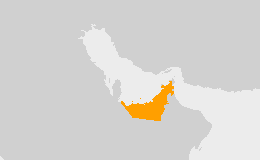
La CSI no tiene ninguna afiliada en los Emiratos Árabes Unidos.
Los Emiratos Árabes Unidos no han ratificado ni el Convenio nº 87 sobre la libertad sindical y la protección del derecho de sindicación (1948) ni el Convenio nº 98 sobre el derecho de sindicación y de negociación colectiva (1949).
según la ley
Libertad sindical / Derecho de sindicalización
Libertad sindical
El derecho a la libertad sindical está consagrado en la Constitución.
Está prohibida la sindicalización.
Discriminación antisindical
La ley no protege específicamente a los trabajadores/as frente a la discriminación antisindical
Restricciones al derecho de los sindicatos a organizar su administración
- Restricciones a la libertad para organizar libremente actividades y formular programas
- La actual Ley del Trabajo no reconoce los sindicatos, pero se permite que los trabajadores se asocien en "sociedades nacionales y asociaciones de bienestar público" para la promoción de objetivos e intereses comunes.
Categorías de trabajadores a quienes la ley prohíbe o restringe la posibilidad de formar o afiliarse a sindicatos, o de ocupar cargos sindicales
- Otros funcionarios y empleados públicos
- La legislación laboral no cubre a los trabajadores del sector público.
- Trabajadores/as de zonas francas industriales (ZFI)
- Aunque las ZFI teóricamente deben cumplir con la legislación laboral, no están reguladas por el Ministerio de Trabajo. Cada zona dispone de su propio departamento de trabajo para tratar las cuestiones relativas a los trabajadores/as.
- Trabajadores/as agrícolas
- La legislación laboral no cubre a los trabajadores agrícolas.
- Trabajadores/as domésticos
- La legislación laboral no cubre a los trabajadores domésticos.
Derecho a la negociación colectiva
Derecho a la negociación colectiva
El derecho a la negociación colectiva no está protegido por la ley.
Restricciones al principio de negociación libre y voluntaria
- Exclusión de ciertas cuestiones del ámbito de la negociación (por ej. salarios, jornadas laborales)
- Los salarios se determinan en contratos individuales que son revisados por el Ministerio de Trabajo y Asuntos Sociales o, en el caso de los empleados/as del servicio doméstico, en su mayoría extranjeros, por el Ministerio de Inmigración.
Disposiciones que entorpecen el recurso a convenios colectivos y su eficacia
- Ausencia de mecanismos apropiados para fomentar y promover la maquinaria para la negociación colectiva
- La ley no reconoce el derecho de negociación colectiva.
Derecho de huelga
Derecho de huelga
El derecho de huelga no está específicamente protegido por la ley, pero tampoco queda explícitamente prohibido a excepción de los trabajadores/as en los servicios esenciales.
Injerencia indebida por parte de las autoridades o los empleadores durante el transcurso de una huelga
- Las autoridades o los empleadores están capacitados para prohibir, limitar, suspender o cesar unilateralmente una acción de huelga
- El Ministerio de Trabajo tiene derecho a intervenir para poner fin a una huelga.
- Requisamiento forzoso de los huelguistas (aparte de ciertos casos en los servicios esenciales)
- El Ministerio de Trabajo puede obligar a los trabajadores a reanudar el trabajo.
Limitaciones o prohibición de hacer huelga en algunos sectores
- Restricciones injustificadas para los funcionarios públicos
- Los trabajadores/as del sector público y los guardias de seguridad nacional no pueden hacer huelga.
- Otras limitaciones (por ej. en las ZFI)
- Los migrantes no pueden hacer huelga. A aquellos que participen en una huelga o que la provoquen “sin un motivo válido” se les podría prohibir trabajar durante un año, y si se ausentan del trabajo durante más de siete días sin una razón válida se les podría anular el permiso de trabajo y ser deportados.
En la Práctica
El 17 de abril de 2016, el Director del Museo Guggenheim anunció que ponía término a las negociaciones con la Gulf Labor Coalition (GLC), un grupo de artistas internacionales que venían trabajando desde 2010 para asegurarse de que los derechos de los trabajadores migrantes se respetasen durante la construcción de los museos en la isla de Saadiyat, en Abu Dhabi. La isla está siendo desarrollada por la Tourism Development & Investment Company (TDIC) para funcionar con un centro de arte regional que incluirá lujosas sucursales del Louvre, el Museo Británico y el Guggenheim.
Más de cinco años después de que Human Rights Watch (HRW) revelase por primera vez las sistemáticas violaciones de los derechos humanos de los trabajadores migrantes en este país, sigue habiendo serias preocupaciones respecto al respeto de los derechos de los trabajadores en la isla. Un informe actualizado publicado en febrero de 2015 revelaba que algunos empleadores continuaban reteniendo salarios y beneficios a los trabajadores, no les reembolsaban las tasas de contratación, confiscaban sus pasaportes, y alojaban a los trabajadores en pésimas condiciones. Conclusiones similares se desprendieron de una reciente auditoría laboral efectuada por Pricewaterhouse Coopers.
Además, el Gobierno ha procedido a la “deportación sumaria de trabajadores de Saadiyat que habían hecho huelga en protesta por los bajos salarios, después de que los empleadores recurrieran a la policía”, según comenta HRW. Los derechos sindicales no están protegidos en la ley para los trabajadores migrantes, y las huelgas están prohibidas.
Guggenheim objetaba la amplia cobertura mediática de las protestas organizadas por la GLC, que consideraba ejercían una presión injusta, afirmando que la coalición no había correspondido a los esfuerzos de cooperación del museo. Las presiones se intensificaron aún más cuando la GLC instó al museo y a TDIC a negociar con otras organizaciones defensoras de los derechos laborales, incluyendo HRW, la OIT, la CSI y la Internacional de Trabajadores de la Construcción y la Madera (ICM). Pero la GLC indicó que “Guggenheim no respondió positivamente a ninguna de estas invitaciones”.
Proposed amendments to the labour law will promote greater participation of Emiratis in the private sector by narrowing the gap in working conditions between the public and private sectors. Protecting workers’ rights and upholding legitimate interests of business owners are principles enshrined in Ministry of Labour tenets, according to state news agency Wam.
Use of a new standard employment contract to ensure greater transparency will soon be mandated.
Often anecdotal evidence and particular cases in which labour standards are not up to the federal standards are used to make unsubstantiated generalisations.
The minister described the Tasheel service centres as a model of public-private sector partnership that has helped contribute to Emiratisation.
Regarding partnerships with other government agencies, the ministry had a tie-in with the judicial system, whereby labour disputes that could not be resolved amicably through arbitration by the labour office are dealt with via public prosecutors.
Las enmiendas propuestas a la legislación laboral fomentarán una mayor participación de los emiratíes en el sector privado mediante la reducción de la brecha que existe en las condiciones laborales entre los sectores público y privado. Proteger los derechos de los trabajadores y defender los intereses legítimos de los empresarios son principios consagrados en los postulados del Ministerio de Trabajo, según ha informado la agencia de noticias estatal Wam.
El uso de un nuevo contrato de empleo estándar para garantizar una mayor transparencia será pronto obligatorio.
Muchas veces se utilizan pruebas anecdóticas y casos particulares en los que las normas del trabajo no están a la altura de las normas federales, para hacer generalizaciones infundadas.
El ministro describió los centros de servicio de Tasheel como un modelo de asociación público-privada que ha contribuido a la “emiratización”.
En lo que respecta a las asociaciones con otros organismos públicos, el ministerio se ha vinculado con el sistema judicial, de manera que los conflictos laborales que la Oficina del Trabajo no pueda resolver amistosamente por arbitraje serán tratados a través de la fiscalía pública.
The Roads and Transport Authority is reviewing working conditions for taxi drivers, who spend dangerously long hours behind the wheel. Almost all drivers approached from the six taxi companies in Dubai say they work seven 12-hour days a week. Some work for 10 months a year.
The UAE Labour Law states adult workers should work a maximum of eight hours a day, six days a week. Any hours above that should be classed as overtime and earn an extra 25 per cent of the basic wage. Drivers are not paid a salary but in commission, and receive no overtime payments.
The RTA is studying working conditions of taxi drivers from different aspects and considering the coordination with the applicable laws to ensure the working conditions of taxi drivers are enhanced.
La Autoridad encargada de la red vial y el transporte (Roads and Transport Authority, RTA) está examinando las condiciones de trabajo de los taxistas, que pasan muchas horas detrás del volante, con el peligro que eso conlleva. Casi todos los conductores entrevistados de las seis empresas de taxi de Dubai dicen que trabajan doce horas diarias, siete días a la semana. Algunos trabajan 10 meses al año.
La legislación laboral de los EAU estipula que los trabajadores adultos deberían trabajar un máximo de ocho horas al día, seis días a la semana. Las horas adicionales deberían considerarse horas extras y pagarse con un recargo del 25% sobre el sueldo básico. Los conductores no reciben un salario sino una comisión, y no se les paga lo estipulado por las horas extras.
La RTA está examinando las condiciones laborales de los taxistas con relación a diversos factores y está considerando la coordinación con la legislación aplicable para garantizar mejoras en las condiciones de trabajo de los taxistas.
Unscrupulous employers are illegally charging staff up to Dh15,000 every two years for the renewal of their employment visas. The practice is common among small-business owners and most of the victims are from India, Pakistan, Bangladesh and Nepal, working in the tailoring industry and in grocery shops. They remain silent out of fear for their jobs.
On some occasions workers were promised far higher pay in their home country only to come to the UAE after having paid thousands for their visa to be on a far lower wage.
Some come in debt; they sell their home, land and other belongings back home to come here. And they don’t get the job they were promised once they reach here. And it’s usually people of their own nationality who trick them and make them pay for their visa and take advantage of their vulnerability. Some pay in full. It depends on the business.
Unos empleadores sin escrúpulos están cobrando ilegalmente a su personal sumas de hasta 15.000 AED cada dos años para cubrir los gastos de renovación de sus visados de trabajo. Esta práctica es habitual entre los propietarios de pequeñas empresas, y la mayoría de las víctimas son de la India, Pakistán, Bangladesh y Nepal, que trabajan en la industria de la confección y en tiendas de comestibles. Los trabajadores guardan silencio por miedo a perder su empleo.
En ocasiones se les prometió a los trabajadores en su país de origen un salario determinado, pero al llegar a los EAU, después de haber pagado importantes sumas de dinero para la obtención del visado, se encontraron con que recibirían sueldos mucho más bajos. Algunos se endeudaron y vendieron sus casas, sus tierras y sus pertenencias para venir aquí, pero al llegar no pudieron desempeñar el trabajo que les habían prometido. Y los que les engañan, les hacen pagar los gastos del visado y se aprovechan de su vulnerabilidad suelen ser personas de su misma nacionalidad. Algunos lo tienen que pagar todo. Depende de la empresa.
New York University has said it will pay compensation to workers at its site on Saadiyat Island who were affected by what an independent report has called a “compliance gap”. The university said in a statement that it welcomed the report, which it said confirmed that NYU and its local partner, Tamkeen, “made good faith efforts” to set standards that protected most of about 30,000 people who worked on the construction of its Abu Dhabi campus.
The gap affected workers servicing small or short-term sub-contracts – about a third of the total workforce, most of whom worked during the final stages of construction. Accordingly, they will provide payment to those workers who were not covered by the compliance monitoring programme to bring their compensation into line with what they should have received under labour standards. NYU and Tamkeen will appoint an independent third party to implement this process, and we commit to ensuring that we will not allow such a compliance gap to occur in the future.
NYUAD adopted a policy of reimbursing those fees where a worker could provide evidence that he had to pay them; it wants to be “part of the solution around the recruitment fees challenge”. It is planning to launch a research initiative through the NYU Abu Dhabi Institute to “develop greater understanding of this issue”.
La Universidad de Nueva York ha dicho que pagará una indemnización a los trabajadores de su obra en la Isla de Saadiyat que se vieron afectados por lo que un informe independiente ha denominado una “laguna de conformidad”. La universidad ha afirmado en una declaración que acogía favorablemente el informe, que según ella confirmaba que la NYU y su asociado local Tamkeen “habían intentado de buena fe” establecer normas que protegieran a la mayor parte de los aproximadamente 30.000 empleados que trabajaban en la construcción de su campus de Abu Dhabi.
La laguna afectó a los empleados que trabajaban con sub-contratos pequeños o a corto plazo (alrededor de una tercera parte de la mano de obra total), la mayoría de los cuales trabajaron durante las últimas fases de construcción. En consecuencia, liquidarán los pagos de los trabajadores que no hubieran estado cubiertos por el programa de supervisión del cumplimiento para ajustar su indemnización a lo que deberían haber recibido con arreglo a las normas del trabajo. La NYU y Tamkeen designarán a una tercera parte independiente para la aplicación de este proceso, y se comprometen a garantizar que no permitirán que esta laguna de conformidad vuelva a producirse en el futuro.
NYUAD ha aprobado una política de reembolso de honorarios cuando el trabajador pueda presentar pruebas de haber tenido que pagarlos. Con ello pretende ser “parte de la solución a la problemática de los honorarios de contratación”. Ahora tiene previsto poner en marcha una iniciativa de investigación a través del NYU Abu Dhabi Institute para “contribuir a una mejor comprensión de esta cuestión”.
Serious concerns about workers’ rights have not been resolved for a high-profile project in Abu Dhabi that will host branches of the Louvre and Guggenheim museums and a campus of New York University (NYU), Human Rights Watch said in a report. These institutions should make their continued engagement with the Saadiyat Island project contingent on the developers’ commitment to more serious enforcement of worker protections and the compensation of workers who suffered abuses, including those arbitrarily deported after they went on strike.
The 82-page report, “Migrant Workers’ Rights on Saadiyat Island in the United Arab Emirates: 2015 Progress Report,” is the third Human Rights Watch report on migrant worker abuses on the Saadiyat Island site. The report details how, five years after Human Rights Watch revealed conditions of forced labor on Saadiyat Island, some employers are withholding workers’ wages and benefits, failing to reimburse them for recruiting fees, confiscating workers’ passports, and housing them in substandard accommodations. In the most serious cases, contractors working for the two government development entities on the NYU and Louvre sites apparently informed United Arab Emirates (UAE) authorities about the strike, leading to the arbitrary deportation of several hundred striking workers.
“The progress in respecting workers’ rights on Saadiyat Island risks being tossed out the window if workers know they can’t protest when things go wrong, and are still getting stuck with recruitment fees and suffering other abuses,” said Sarah Leah Whitson, Middle East and North Africa director. “NYU, the Louvre, and the Guggenheim need to make clear that new laws and codes of conduct are only as good as their enforcement.”
While the abuses concern a small percentage of the workers, the serious problems, which mirror the findings of independent monitors, reveal a gap in enforcement of the UAE development partners’ stated commitments. Workers on the NYU site are supposedly protected by a code of conduct implemented by the Abu Dhabi Executive Affairs Authority and monitored by Mott McDonald. Workers on the Louvre and Guggenheim sites are protected by a code of conduct implemented by the Tourism, Development and Investment Company (TDIC) and monitored by PricewaterhouseCoopers (PwC).
Though the government’s developers have never granted access to the site, Human Rights Watch spoke to 116 present and former employees of contractors on Saadiyat Island projects.
The UAE has changed its labour law to allow workers to change employers without their consent and to revoke the licenses of agents who charge workers recruitment fees. New codes of conduct regulate contractors on the NYU and museum sites. But workers still endure serious abuses, including summary deportation, Human Rights Watch said.
Workers from BK Gulf, a contractor at the NYU site, and Arabtec, a contractor at the Louvre site, told Human Rights Watch that the UAE authorities arbitrarily detained and deported several hundred workers in separate and unrelated strikes in May and October 2013.
“They [the UAE authorities] arrested everyone they could get their hands on,” said one former BK Gulf worker, who described the arrests, which he and others said were led by a group of masked police officers, as “terrifying”. Another worker said Dubai police slapped and pushed him in an interrogation, and demanded to know who had organised the strike, which the men said led to more than 200 deportations. Neither BK Gulf nor the Abu Dhabi Executive Affairs Authority responded to questions about the incident.
An Arabtec worker detained and then deported over a strike in October 2013 said he is still trying to pay back people in Bangladesh who loaned him the money to pay a US$2,600 recruitment fee, for which his employer had not reimbursed him.
In response to letters from Human Rights Watch, Arabtec said that it agreed to some of the workers’ demands but that “a number of employees were not prepared to accept these arrangements and asked to be repatriated.” UAE media reported that the authorities cancelled the visas of 467 Arabtec employees after the strike.
The code of conduct that protects workers on the NYU site does not appear to have any penalty policy associated with it. The Abu Dhabi Executive Affairs Authority did not respond to requests for information in that regard.
Sigue habiendo graves preocupaciones con respecto a los derechos de los trabajadores que están construyendo en Abu Dhabi una filial del Museo del Louvre y otra del Museo Guggenheim, así como un campus de la Universidad de Nueva York (NYU), según un nuevo informe de Human Rights Watch. Estas instituciones no deberían seguir participando en este proyecto de gran envergadura en la Isla de Saadiyat a menos que los promotores se comprometan a garantizar una aplicación más estricta de las cláusulas que protegen a los trabajadores, y que se comprometan también a indemnizar a los trabajadores que hayan sufrido abusos, incluidos los que hayan sido arbitrariamente deportados después de haber hecho huelga.
El informe de 82 páginas, titulado Migrant Workers’ Rights on Saadiyat Island in the United Arab Emirates: 2015 Progress Report (Los derechos de los trabajadores migrantes en la Isla de Saadiyat de los Emiratos Árabes Unidos: Informe de progresos 2015) es el tercer informe que publica Human Rights Watch sobre los abusos que sufren los trabajadores migrantes en la Isla de Saadiyat. El informe detalla cómo, cinco años después de que Human Rights Watch revelara la existencia de condiciones de trabajo forzoso en la Isla de Saadiyat, algunos empleadores retienen los salarios y prestaciones de los trabajadores, no les reembolsan los honorarios de contratación que tuvieron que pagar por adelantado, les confiscan los pasaportes y los alojan en condiciones insalubres. En los casos más graves, los contratistas que trabajan para los dos organismos gubernamentales encargados del desarrollo de las obras de la NYU y del Louvre informaron al parecer a las autoridades de los Emiratos Árabes Unidos (EAU) sobre la convocatoria de una huelga, lo que dio lugar a la deportación arbitraria de cientos de trabajadores en huelga.
“Los progresos logrados hasta ahora en cuanto al respeto de los derechos de los trabajadores en la Isla de Saadiyat no habrán servido de nada si los trabajadores no pueden protestar cuando las cosas van mal, y si siguen teniendo que asumir los gastos de los honorarios de contratación y sufriendo otros abusos”, ha expresado Sarah Leah Whitson, directora para Oriente Medio y Norte de África de Human Right Watch. “El Louvre, el Guggenheim y la NYU deberían indicar claramente que la pertinencia de las nueves leyes y códigos de conducta depende de su aplicación”.
Si bien los abusos no conciernen más que a un pequeño porcentaje de los trabajadores, los problemas graves que reflejan las conclusiones de diversos observadores independientes revelan una laguna en la aplicación de los compromisos contraídos por los asociados para el desarrollo de los EAU. Los trabajadores de la obra de la NYU deberían en principio estar protegidos por un código de conducta establecido por la Autoridad de Asuntos Ejecutivos de Abu Dhabi, cuya aplicación está supervisada por el Grupo Mott McDonald. Los trabajadores de las obras del Louvre y del Guggenheim están protegidos por un código de conducta establecido por la sociedad de inversión, desarrollo y turismo Tourism, Development and Investment Company (TDIC) y su aplicación está supervisada por la sociedad PricewaterhouseCoopers (PwC).
Aunque los promotores del Gobierno nunca han permitido el acceso a las obras, Human Rights Watch pudo entrevistarse con 116 empleados actuales y antiguos de empresas que trabajan en los proyectos de la Isla de Saadiyat.
Los EAU han enmendado su legislación laboral para permitir a los trabajadores cambiar de empleador sin tener que obtener una autorización, y para revocar las licencias de los agentes que facturan los honorarios de contratación a los trabajadores. Los nuevos códigos de conducta regulan a los contratistas de las obras de la NYU y los museos. Pero los trabajadores siguen siendo víctimas de graves abusos, en particular la deportación sumaria, según Human Rights Watch.
Los trabajadores de BK Gulf, un contratista de la obra de la NYU, y Arabtec, de la obra del Louvre, señalaron a Human Rights Watch que las autoridades de los EAU detuvieron y deportaron arbitrariamente a varios centenares de trabajadores durante diversas huelgas independientes que se llevaron a cabo en mayo y octubre de 2013.
“Las autoridades de los EAU arrestaban a todos los que conseguían atrapar”, ha declarado un antiguo trabajador de BK Gulf, que describió como “aterradores” los arrestos que él y otros afirmaron fueron llevados a cabo por un grupo de policías enmascarados. Otro trabajador declaró que la policía de Dubai le golpeó y le empujó durante un interrogatorio, exigiendo saber quién había organizado la huelga, que, según dijeron los trabajadores, condujo a más de 200 deportaciones. Ni BK Gulf ni la Autoridad de Asuntos Ejecutivos de Abu Dhabi respondieron a las preguntas sobre el incidente.
Un trabajador de Arabtec, detenido y posteriormente deportado por motivo de una huelga en octubre de 2013, explicó que todavía está tratando de devolver el dinero que varias personas de Bangladesh le habían prestado para pagar 2.600 USD en concepto de honorarios de contratación que su empleador no le había rembolsado.
En respuesta a las cartas de Human Rights Watch, Arabtec declaró haber accedido a algunas de las reivindicaciones de los trabajadores, pero que “una serie de empleados no estaban dispuestos a aceptar estos acuerdos y habían solicitado ser repatriados”. Los medios de comunicación de los EAU informaron de que las autoridades habían anulado los visados de 467 empleados de Arabtec después de la huelga.
El código de conducta que protege a los trabajadores de la obra de la NYU no parece disponer de una política de sanciones asociada a la misma. La Autoridad de Asuntos Ejecutivos de Abu Dhabi no respondió a las solicitudes de información al respecto.
At least ten migrant workers have been killed in the United Arab Emirates (UAE) by a fire that tore through the warehouse they were sleeping in.
It spread to a two-storey warehouse that had been illegally rented out as accommodation to the workers and gutted the building before firefighters could extinguish the flames.
Eight people were injured, police said, and ten bodies have been found. The victims, who have not been named, were of different nationalities.
Last year, many organisations called on the United Nations to investigate the “international scandal” of migrant work in the UAE, saying human rights abuses were present even others, including the building supervisor.
Al menos diez trabajadores migrantes han muerto en los Emiratos Árabes Unidos (EAU) como consecuencia de un incendio que arrasó el almacén donde se encontraban durmiendo.
El incendio se propagó a un almacén de dos pisos que había sido ilegalmente alquilado como vivienda para los trabajadores, y las llamas devoraron el edificio antes de que los bomberos pudieran extinguirlas.
Ochos personas resultaron heridas, según informó la policía, y se encontraron diez cuerpos sin vida. Las víctimas, que no han sido identificadas, eran de distintas nacionalidades.
El año pasado numerosas organizaciones solicitaron a las Naciones Unidas que investigara el “escándalo internacional” de la situación de los trabajadores migrantes en los EAU, afirmando que los abusos a los derechos humanos pueden observarse incluso en proyectos de alto perfil gestionados por firmas occidentales.
Se está llevando a cabo una investigación sobre el incendio. La policía ha arrestado al propietario del edificio y está en proceso de detener a otras personas, entre ellas el supervisor del edifico.
In March 2015 the Higher Committee for Consumer Protection considered standardising the recruitment contracts for domestic workers. The contract, to be introduced for the first time in the UAE, was drafted by a joint committee of the ministries of health, interior, economy and labour in collaboration with departments of economic development.
The Ministry of Economy has prepared a field study on the domestic help sector after receiving consumer complaints about delays bringing workers into the country, issues with hiring agencies and losing money paid to those agencies.
The contract aims to provide guarantees for both parties to a contract and set obligations for domestic help recruitment agencies.
A new standard contract for domestic staff took effect on Sunday that guarantees the rights of both workers and their employers. Recruitment agencies believe the new deal will ensure that housemaids receive the wages and benefits they have been promised, and therefore reduce the number of runaways.
Domestic workers are not protected by laws enforced by the Ministry of Labour. Their employment is regulated instead by the Ministry of Interior, which has produced the new contract. The new contract would allow the employer and the maid to agree on a salary.
The old contract, provided by Abu Dhabi immigration, does not mention a weekly day off. It states that “the work, including adequate breaks, is required with the agreement of both parties”.
The maids’ working hours should be fixed at eight hours daily; employers will be obligated under the new contract to pay for the full cost of their maids’ medical care.
En marzo de 2015 el Comité Superior para la Protección del Consumidor consideró estandarizar los contratos de trabajo para las trabajadoras del hogar. El contrato, que será introducido por primera vez en los EAU, fue redactado por un comité compuesto por delegados de los Ministerios de Salud, Interior, Economía y Trabajo, en colaboración con diversos departamentos de desarrollo económico.
El Ministerio de Economía ha preparado un estudio de campo sobre el sector del trabajo doméstico tras recibir quejas de diversos consumidores por los retrasos a la hora de traer trabajadores/as al país, por los problemas con las agencias de contratación y por haber perdido el dinero que pagaron a dichas agencias.
El contrato pretende proporcionar una serie de garantías a ambas partes y establecer las obligaciones que las agencias de contratación de trabajadoras del hogar deberán cumplir.
El nuevo contrato estándar para las trabajadoras del hogar garantiza los derechos tanto de los trabajadores como de sus empleadores. Las agencias de contratación creen que el nuevo acuerdo garantizará que las trabajadoras del hogar reciban los salarios y beneficios que se les haya prometido en un principio, reduciendo así el número de empleadas que se escapan del domicilio de su empleador.
Las trabajadoras del hogar no están protegidas por las leyes aplicadas por el Ministerio de Trabajo. Su empleo está regulado por el Ministerio del Interior, que es quien ha elaborado el nuevo contrato. El nuevo contrato permitirá al empleador y al trabajador llegar a un acuerdo en cuanto al salario.
El contrato antiguo, elaborado por el Departamento de Inmigración de Abu Dhabi, no contemplaba un día de descanso laboral. Estipula que “el trabajo, incluidos los correspondientes descansos, requiere el acuerdo de ambas partes”.
Las horas de trabajo de las trabajadoras del hogar deberían fijarse en ocho horas diarias. Por otra parte, con arreglo al nuevo contrato, los empleadores estarán obligados a cubrir todos los gastos médicos de sus trabajadoras del hogar.
Se recurrió a la policía antidisturbios cuando cientos de trabajadores migrantes empleados por Emaar Properties, la empresa encargada de desarrollar el proyecto Fountain Views, organizaron una protesta el 10 de marzo de 2015. Las protestas públicas son ilegales en los EAU y los trabajadores migrantes no disfrutan del derecho de huelga. Protestaban esencialmente por sus salarios extremadamente bajos y el hecho de que se había puesto fin a las horas extraordinarias, con lo que no podían suplementar sus limitados ingresos. En apenas una hora de negociaciones se alcanzó un acuerdo y la protesta se suspendió sin producirse actos de violencia ni detenciones.
Hundreds of workers took to the streets on Tuesday 10 March 2015 in protest at pay rates for overtime. The protesters, employed by the Arabic Construction Company on the Fountain Views development behind The Dubai Mall, blocked traffic on Financial Centre Road in Downtown Dubai. Police formed lines to control the demonstration.
The workers wanted to be paid four hours’ wages for working two hours’ overtime or have an increase in their salaries. The problem was not that the company was not paying workers on time, but about the workers asking for a review of how overtime compensation is calculated.”
The strikes that had taken place before were usually in more remote areas, such as labour camps. It is potentially a criminal offence and can result in prosecution.”
Cientos de trabajadores tomaron las calles el martes para protestar contra el sistema de remuneración de las horas extras. Los manifestantes, empleados por la Arabic Construction Company, en el complejo Fountain Views situado detrás del centro comercial The Dubai Mall, bloquearon el tráfico en la Financial Centre Road, en el centro de Dubai. La policía formó líneas para controlar la manifestación.
Los trabajadores querían que se les pagara el doble por las horas extras, o bien que les subieran el sueldo. El problema no es que la empresa no les estuviera pagando a tiempo; lo que los trabajadores pedían es que se revisara el método de cálculo de la remuneración de las horas extras.
Las huelgas que se habían convocado en otras ocasiones solían ser en lugares más remotos, como los campos de trabajo. Esto constituye potencialmente un delito penal y puede dar origen a una acción judicial.
Nepal has stopped allowing its citizens to move abroad to work as domestic helpers since July 2014 after widespread complaints of exploitation and harassment, particularly in GCC countries. Nepal’s envoy to the UAE clarified his government’s position, saying that although there was no official ban, no Nepalese was allowed to find work overseas in that capacity for the time being.
Nevertheless, it is believed that many Nepalese have moved abroad under false pretences. For instance, some were issued with a foreign visa to work as cleaners by an employment agency before working as housemaids.
At the Nepalese embassy’s safe house in Abu Dhabi, there are 10 Nepalese housemaids who have fled from their sponsors.
The maids are exploited by false lucrative promises, and then fall into the clutches of these unscrupulous employment agents. The embassy blamed registered employment agents in the UAE for luring Nepalese women into the country with false promises of work as cleaners, saleswomen and security jobs, but later forced them to work as maids.
Some maids have to stay at the embassy’s shelter for four to five months, and some leave for home in two weeks’ time, depending on their matter being resolved.
Nepal no autoriza a sus ciudadanas marcharse al extranjero para trabajar como empleadas domésticas desde julio de 2014, después de las numerosas quejas recibidas por casos de explotación y acoso, en particular en los países del Consejo de Cooperación del Golfo (CCG). El Enviado de Nepal en los EAU ha explicado cuál es la posición del Gobierno nepalí, diciendo que, si bien no se había impuesto una prohibición oficial, las nepalíes no están autorizadas por el momento a buscar trabajo en el extranjero en calidad de trabajadoras del hogar.
Sin embargo se sospecha que muchas nepalíes se han desplazado al extranjero con falsos pretextos. Así pues, hubo quienes obtuvieron un visado extranjero para trabajar como limpiadoras a través de una agencia de empleo, pero en realidad terminaron trabajando como asistentas del hogar.
En el centro de acogida de la embajada nepalí en Abu Dhabi hay 10 trabajadoras del hogar que se escaparon del domicilio de sus empleadores.
Las trabajadoras del hogar son engañadas con falsas promesas lucrativas, y después caen en las garras de unos agentes de contratación sin escrúpulos. La embajada culpó a los agentes de contratación registrados en los EAU de traer a mujeres nepalíes al país con falsas promesas de trabajo como limpiadoras, vendedoras y guardas de seguridad, para después forzarlas a trabajar como empleadas del hogar.
Algunas trabajadoras del hogar tienen que quedarse cuatro o cinco meses en el centro de acogida de la embajada, mientras que otras consiguen regresar a su país dos semanas después. Todo depende de lo que tarde en resolverse su situación.
Filipino workers being sent to non-existent jobs in Dubai have highlighted the desire of recruiters to increase profits through deception and circumventing the law. Thirty Filipinas who came to work in Dubai had fled their employers’ homes and sought refuge at a makeshift shelter inside the Philippine overseas labour office in Al Ghusais.
The women were told they would be working in sectors such as the hospitality industry, but ended up as household workers when they arrived in Dubai. They were hired for jobs such as waitresses, front-desk officers, receptionists, pool attendants, cooks, sales clerks and cleaners.
Copies of their sworn statements against their recruiters were sent to Manila, along with a report prepared by Delmer Cruz, the labour attaché in Dubai.
At least 21 Philippine-based agencies were named in Mr Cruz’s report. They resorted to an illegal practice called reprocessing by passing off a domestic worker as some other type of worker to avoid stringent recruitment requirements.
Most of the reprocessing cases happened even before the Philippine labour office in Dubai stopped verifying contracts in June after a new standard contract for domestic staff produced by the Ministry of Interior took effect on June 1 last year. Last week, Manila’s labour department instructed the Philippine Overseas Employment Administration (Poea), which oversees the licensing of recruitment agencies, to investigate the rogue agencies. These agencies now face suspension or cancellation of their licences.
Mr Cruz had also submitted a separate report on the illegal recruitment and human trafficking cases involving nine Filipinas. “In the past two months, we have admitted nine human trafficking victims,” he said. “And just this month, we received four more victims.” The women were issued UAE tourist visas and hired by individuals instead of recruitment agencies licensed by the Poea in Manila. They were made to exit the Philippines either from Kalibo Airport or by boat from Zamboanga to Sandakan in Malaysia. They later used the Kuala Lumpur-Colombo-Dubai route, travelling in batches of five to ten persons per airline, “They were issued dummy return tickets and hotel bookings to show they’re genuine tourists when in fact they came here to work. We need to warn job-seekers not to fall victim to human trafficking and illegal recruitment.”
Los trabajadores filipinos enviados para desempeñar empleos ficticios en Dubai han denunciado el afán de los contratistas por conseguir mayores beneficios engañando y eludiendo la legislación. Treinta filipinas que vinieron a trabajar a Dubai huyeron del domicilio de sus empleadores y buscaron refugio en un albergue improvisado en el interior de la Oficina Filipina para el Trabajo en el Extranjero, en Al Ghusais.
A las mujeres se les dijo que trabajarían en sectores como la industria hotelera, y habían sido contratadas para trabajar de camareras, recepcionistas, encargadas de piscinas, cocineras, dependientas y limpiadoras, pero al llegar a Dubai terminaron trabajando como empleadas del hogar.
Se han enviado a Manila copias de sus declaraciones juradas contra los contratistas, junto con un informe preparado por Delmer Cruz, el agregado laboral en Dubai.
En el informe de Cruz se citaban por lo menos 21 agencias con sede en Filipinas que recurrieron a una práctica ilegal denominada reprocesamiento, haciendo pasar a una trabajadora del hogar por otro tipo de trabajadora para eludir los rigurosos requisitos de contratación.
La mayoría de los casos de reprocesamiento se produjeron incluso antes de que la Oficina Filipina de Trabajo en Dubai dejara de verificar los contratos en junio, tras la entrada en vigor de un nuevo contrato estándar para el personal doméstico establecido por el Ministerio del Interior. La autoridad laboral de Manila ha ordenado a la Administración Filipina de Empleo en el Extranjero (POEA), encargada de supervisar las licencias de las agencias de contratación, que investigue las agencias fraudulentas. Estas agencias se enfrentan ahora a la suspensión o anulación de sus licencias.
Delmer Cruz había presentado asimismo un informe por separado sobre varios casos de contratación ilegal y trata de personas en los que estaban involucradas nueve filipinas. “En los últimos dos meses hemos acogido a nueve víctimas de la trata de personas”, declaró. “Y sólo durante este mes, han llegado cuatro víctimas más”. Las mujeres recibieron visados de turista para los EAU y fueron contratadas por personas individuales en lugar de agencias de contratación reconocidas por la POEA en Manila. Las hicieron salir de Filipinas por el Aeropuerto de Kalibo o por barco, desde Zamboanga a Sandakan en Malasia, y después utilizaron la ruta Kuala Lumpur-Colombo-Dubai, viajando en lotes de cinco a diez personas por aerolínea. “Les entregaron reservas de hotel y billetes de regreso falsos para demostrar que eran turistas, pero en realidad vinieron aquí para trabajar. Tenemos que advertir a las personas que buscan trabajo de que tengan cuidado de no convertirse en víctimas de la trata de personas y de la contratación ilegal”.
Los obreros de la construcción de la compañía Arabtec se declararon en huelga para reclamar el pago de una asignación de 350 AED (92 USD) al mes en concepto de subsidio para alimentación, añadida a sus salarios, en lugar de las tres comidas diarias proporcionadas por la empresa. Los trabajadores ganan entre 650 y 1.200 AED al mes (entre 177 y 327 USD). La compañía se negó a negociar con los trabajadores y en cambio el Ministerio de Trabajo envió a la policía al campo de trabajo para obligar a los trabajadores a reanudar el trabajo. Aunque la dirección indicó que todos los trabajadores se habían reincorporado al trabajo, varios afirmaron haber recibido órdenes de deportación.
Más del 88,5% de la población está integrada por no nacionales, incluyendo un gran número de trabajadores y trabajadoras migrantes. A menudo estos trabajadores/as son víctimas de formas extremas de explotación: impagos salariales, jornadas laborales excesivamente largas, pasaportes confiscados por el empleador, modificación a la llegada al país del contrato que firmaron antes de salir, etc. Dado que el trabajo del hogar no está regido por la legislación laboral, las trabajadoras/es del hogar son aún más vulnerables que los migrantes de otros sectores, muchas se quejan de haber sido víctimas de malos tratos y abusos físicos y sexuales, además de las prácticas de explotación que suelen padecer los trabajadores/as migrantes.
Visto que los trabajadores/as migrantes no tienen derecho a afiliarse a un sindicato y no se les permite hacer huelga, carecen de la posibilidad de denunciar la explotación de que son víctimas. Aquellos que protestan corren el riesgo de ser condenados a penas de prisión y deportados.
El sistema de protección de los salarios establecido por etapas desde el año 2009 obliga a las empresas a pagar los salarios de sus trabajadores/as mediante transferencias bancarias electrónicas que las autoridades pueden comprobar. Esta medida no fue suficiente para poner fin a los retrasos en los pagos de los salarios, en parte porque los recursos de que dispone el Ministerio de Trabajo son ínfimos en comparación con el número de trabajadores migrantes.
Un sistema de tutelaje o patrocinio («kafala») continúa vinculando el visado de los trabajadores/as migrantes a un empleador o «garante», a pesar de que esta medida se relajó en 2011: al cabo de un contrato de dos años las autoridades permiten a los trabajadores/as no calificados cambiar de empleo sin la necesidad de un certificado de no objeción por parte de su empleador. El Subsecretario del Ministerio de Trabajo señaló que en caso de incumplimiento de los términos del contrato, o si los trabajadores/as no percibían debidamente su salario, el Ministerio podría rescindir el contrato en cuestión.
En marzo, el diario “The National” publicó la noticia de que 400 trabajadores procedentes de la India, Pakistán y Bangladesh que viven en las urbanizaciones obreras de Al Faya, en el desierto al este de Abu Dhabi, habían estado a veces hasta diez meses sin recibir sus salarios. Denunciaban que los tribunales hubieran tardado meses en ocuparse de su asunto. Algunos se dieron por vencidos y regresaron a su país sin recibir su salario. Otros tuvieron demasiado miedo de quejarse porque su visado de trabajo había expirado y se exponían a recibir una multa de hasta 10.000 dirhams (2.700 USD).
En febrero, la ONG Anti-Slavery International volvió a constatar la utilización de niños, algunos de apenas 10 años de edad, como jinetes profesionales en una carrera de camellos en Abu Dhabi, si bien la legislación prohíbe que los jinetes sean menores de 18 años. Los niños provenían del sur de Asia. Agentes de la policía y un alto dignatario de la familia real figuraban entre los asistentes a la carrera.