
Paraguay
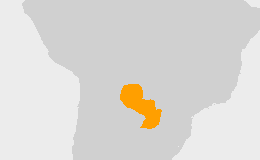
Las afiliadas de la CSI en Paraguay son la Central Unitaria de Trabajadores (CUT), la Central Unitaria de Trabajadores Auténtica (CUT-A) y la Central Sindical de Trabajadores del Paraguay (CESITP).
Paraguay ratificó el Convenio nº 87 sobre la libertad sindical y la protección del derecho de sindicación (1948) en 1962 y el Convenio nº 98 sobre el derecho de sindicación y de negociación colectiva (1949) en 1966.
según la ley
Libertad sindical / Derecho de sindicalización
Libertad sindical
El derecho a la libertad sindical está consagrado en la Constitución.
El derecho a la libertad sindical está regulado por el Código de Trabajo
Discriminación antisindical
La ley prohíbe la discriminación antisindical, pero no pevé medidas adecuadas de protección al respecto.
Barreras legales al establecimiento de organizaciones
- Se requiere un número mínimo de miembros excesivo para establecer un sindicato
- Se requiere un número mínimo de 20 miembros para establecer un sindicato de empresa, 30 si se trata de un sindicato gremial y 300 cuando sea un sindicato de industria ((art.292, Codigo Laboral). En lo que respecta al sector público, el artículo 292 del Código del Trabajo supedita la creación de sindicatos en las instituciones del sector público a la afiliación de porcentajes fijos de trabajadores que varían según el tamaño de la institución (20% de los trabajadores en las instituciones de hasta 500 empleados; 10% en las instituciones que emplean hasta 1.000 trabajadores; y 5% en las que emplean a más de 1.000).
- Otras formalidades o requisitos que retrasan en exceso o impiden considerablemente el libre establecimiento de una organización
- Todos los sindicatos deben estar registrados ante el Ministerio de Justicia y de Trabajo y los procedimientos de registro son engorrosos.
Restricciones al derecho de los trabajadores y trabajadoras a formar y afiliarse a organizaciones de su elección
- La ley impone restricciones al derecho de los trabajadores/as a afiliarse al sindicato de su elección
- Los trabajadores/as no pueden ser miembros de más de un sindicato (art.293(c) del Codigo Laboral).
Restricciones al derecho de los sindicatos a organizar su administración
- Restriciones al derecho a elegir representantes y autoadministrarse con plena libertad
- El Codigo laboral impone excesivos para poder integrar la junta directiva de un sindicato: ser trabajador dependiente de la empresa, industria, profesión o institución, en actividad o con permiso (artículo 298, a), del Código del Trabajo), ser mayor de edad y ser socio activo del sindicato (artículo 293, d), del Código del Trabajo). El artículo 38 del Estatuto del Personal Docente establece que los docentes deben haber estado inscritos durante cinco años para obtener la licencia sindical, lo que infringe el derecho de las organizaciones a redactar sus estatutos y elegir a sus representantes con plena libertad.
- Otras interferencias externas admitidas por la ley
- La ley establece que las organizaciones sindicales tienen la obligación de responder a todas las consultas o solicitudes de informes que les sean dirigidos por las autoridades del trabajo (art. 290(f) y304(c) del Codigo laboral).
Derecho a la negociación colectiva
Derecho a la negociación colectiva
El derecho a la negociación colectiva está recogido en la Constitución
El derecho a la negociación colectiva está reconocido por la ley.
Restricciones al principio de negociación libre y voluntaria
- Procedimiento de arbitraje impuesto en caso de disputa durante una negociación colectiva, no sólo en los servicios esenciales
- Los artículos 284 a 320 del Código de Procedimiento Laboral prevén el sometimiento de los conflictos colectivos a un arbitraje obligatorio.
Derecho de huelga
Derecho de huelga
El derecho de huelga está consagrado en la Constitución
El derecho de huelga está regulado por el Código de Trabajo
Impedimentos legales a acciones de huelga legítimas
- Recurso obligatorio al arbitraje o a largos y complejos procedimientos de conciliación y mediación antes de iniciar una acción de huelga
- Los artículos 284 a 320 del Código de Procedimiento Laboral prevén el sometimiento de los conflictos colectivos a un arbitraje obligatorio.
Prohibición o restricciones para ciertos tipos de acción de huelga
- Restricciones respecto al objetivo de una huelga (por ej. disputas industriales, cuestiones económicas y sociales, políticas, de simpatía o solidaridad)
- La ley establece como requisito para declarar una huelga que ésta tenga por objeto solamente la defensa directa y exclusiva de los intereses profesionales de los trabajadores (art.358 y 376(a), Codigo laboral).
Limitaciones o prohibición de hacer huelga en algunos sectores
- Determinación discrecional o lista excesivamente larga de «servicios de utilidad pública» en los que se pueden imponer servicios mínimos en caso de huelga
- Nach dem Arbeitsgesetz besteht die Verpflichtung, im Falle eines Streiks in öffentlichen Diensten, die für die Gemeinschaft von wesentlicher Bedeutung sind, einen Mindestdienst zu erbringen, ohne dass die betroffenen Arbeitgeber- und Arbeitnehmerorganisationen konsultiert werden müssen (Abschnitt 362 des Arbeitsgesetzes).
En la Práctica
El 18 de septiembre de 2021, la presidenta del Sindicato Nacional de Médicos, Rossana González, fue destituida de su cargo en el Departamento de Salud Ocupacional del Hospital de Barrio Obrero, después de haber participado en una reunión con el gabinete en la que había denunciado irregularidades, incluyendo la intercambiabilidad de vacunas contra la Covid-19. El sindicato está llevando a cabo las acciones judiciales pertinentes para reintegrar a la trabajadora.
Durante el mes de agosto de 2021 tuvieron lugar diversas movilizaciones y peticiones al Gobierno paraguayo de distintos sectores –camioneros, campesinos, educadores del nivel nacional, así como los trabajadores de hospitales de todo el país– reclamando la adopción de medidas que garanticen acceso al trabajo, condiciones laborales dignas, el cumplimiento de los convenios colectivos y la libertad sindical. El Sindicato Nacional de Médicos (Sinamed) se unió a las protestas asegurando que no piden aumento o reajuste de salario, ni subsidio, sino que exista igualdad y una equiparación por las horas trabajadas y el sueldo correspondiente. A lo largo del año, las protestas contra el Gobierno se han mantenido debido a la precaria respuesta estatal a los problemas planteados por las organizaciones sindicales y sociales.
Entre abril y mayo de 2021, el Sindicato de Conductores y Servicios del Alto Paraná (Siconap/s) al que pertenecen muchos trabajadores de salud y administrativos dependientes de la Fundación Tesai (hospitales del convenio social Itaipú/Tesai), llevaron a cabo una huelga por 30 días reclamando mejores condiciones salariales, equiparación y provisión de equipos de seguridad a todo el personal dependiente de la Fundación Tesai, seguro médico y otras garantías previstas en el Contrato Colectivo de Condiciones de Trabajo vigente.
Representantes del Ministerio de Hacienda y de los sindicatos de entidades públicas se volvieron a reunir el 10 de febrero de 2020 para proseguir con las discusiones sobre las limitaciones a los polémicos beneficios salariales extras que reciben los estatales. El encuentro se realizó en la Subsecretaría de Estado de Tributación (SET). Al término, el vocero de los gremios, José Pineda, señaló que las negociaciones estaban bloqueadas y denunció que algunas autoridades incluso se negaron a dialogar con los representantes sindicales. En ese sentido, criticó las posturas tomadas por el Ministerio de Industria y Comercio (MIC), la compañía estatal Petróleos de Paraguay (Petropar) y la Dirección Nacional de Aduanas. Recordó que en la reunión pasada se había acordado un plazo máximo de 15 días para llegar a un consenso sobre el pago de los beneficios, pero el diálogo no avanza.
El 20 de diciembre de 2019, la jueza en lo laboral, Greta Aquino, declaró ilegal la huelga de 14 días que habían realizado los funcionarios judiciales semanas antes para reclamar un aumento salarial en los presupuestos del año próximo. Con esta resolución, los huelguistas se exponen ahora a sanciones, pudiendo incluso ser desvinculados.
Según la magistrada, los convocantes, el Sindicato de Funcionarios de la Dirección General de los Registros Públicos (Sifurep), la Coordinadora de Trabajadores del Registro de Automotores y el Sindicato de Funcionarios Judiciales del Paraguay no habían dado pleno cumplimiento a los requisitos establecidos en el Código del Trabajo.
El Sindicato de Funcionarios Judiciales dijo estar atento a la decisión, ratificada por parte de la Corte Suprema de Justicia, de no pagar el salario a los funcionarios que participaron en la pasada huelga judicial. Dicha medida afectaría a aproximadamente 5.000 funcionarios. A pesar de su preocupación, la secretaria del Sindicato de Funcionarios Judiciales del Paraguay, Porfiria Ocholasky, señaló que el sindicato no presentó ningún pedido de reconsideración para compensar los días no trabajados.
Funcionarios de la Universidad del Norte (UniNorte) denuncian que las autoridades de la institución despidieron a 15 empleados por haber participado en la creación de un gremio dentro de la institución, bajo el nombre de Sindicato de Trabajadores Artísticos, Servicios y Administrativos (Sitrasa). El sindicato se constituyó en agosto del año pasado y obtuvo su reconocimiento transitorio al mes siguiente en el Ministerio de Trabajo, Empleo y Seguridad Social (MTESS).
En enero de 2018, la jueza Lici Sánchez hizo efectivo amparo judicial solicitado por el Ministerio de Obras Públicas y Comunicaciones (MOPC) junto a la Dirección Nacional de Transporte, (Dinatran) para garantizar la libre circulación en todo el territorio nacional. En caso de que los camioneros en huelga incumpliesen la medida podrían ser detenidos por la Policía Nacional y encarcelados. Sánchez decretó como medida cautelar de urgencia la liberación de todo obstáculo de la naturaleza que fuere de las rutas nacionales que impidan y/o obstaculicen el libre tránsito ciudadano, y para su cumplimiento queda facultada la intervención de la Policía Nacional de conformidad al mandato constitucional previsto en el Art. 175 de la Constitución Nacional.
En enero de 2018, los miembros de la Asociación del Personal del Banco Central del Paraguay, del Sindicato de Trabajadores (Sintra-BCP) y del Sindicato de Graduados Universitarios (Singru-BCP) denunciaron que el titular del Banco Central del Paraguay (BCP) no firmó el convenio de contrato colectivo de trabajo como se había comprometido a hacer en septiembre del año anterior, en el marco de una comisión negociadora. Los trabajadores habían suspendido una inminente huelga general tras la promesa de la firma de dicho acuerdo antes de finales de 2017. Según los sindicatos, el presidente del BCP también ha incumplido la Ley 489, cuyo artículo 12 establece que no puede participar en actividades políticas.
En diciembre de 2017, la empresa de seguridad SIT, despidió a cinco trabajadores, miembros de la junta directiva del Sindicato Gremial de Servicios de Seguridad Privada del Paraguay. Los despidos tuvieron lugar pocos días después de la creación del sindicato.
El 13 de octubre de 2017, trabajadores de la Universidad Católica Nuestra Señora de la Asunción (UCA), iniciaron una huelga como medida de protesta por el incumplimiento del contrato colectivo. Juan Abdala, secretario general adjunto del Sindicato de Trabajadores de la UCA, calificó de vergonzosa la medida cautelar adoptada por las autoridades universitarias, consistente en prohibir a los funcionarios acercase a menos de 100 metros de las instalaciones.
La huelga se convocó para denunciar el incumplimiento de varios artículos del contrato colectivo de trabajo, entre los que se encuentran la falta de salas de lactancia para las trabajadoras de la institución. En diciembre, el Consejo de Gobierno General de la Universidad Católica despidió a cuatro sindicalistas que habían participado en la huelga.
La Federación Internacional de Periodistas notificó el despido de 18 trabajadores de diferentes medios de comunicación de Paraguay entre julio y agosto de 2017, en un marco de persecución ante las reclamaciones de mejoras de las condiciones laborales o por disentir con la línea editorial del medio en el que trabajaban. Los trabajadores de distintos medios han denunciado la persecución de aquellos que ejercen su derecho a sindicalizarse. Ese fue el caso de Carmen Ruiz, despedida de Unicanal por haberse postulado para delegada en las elecciones del Sindicato de Periodistas del Paraguay (SPP). Lo mismo sucedió con siete periodistas que fueron despedidos de la agencia Global News después de que notificaran oficialmente la conformación de una base sindical .
El 5 de junio de 2017, miembros del Sindicato de Periodistas del Paraguay (SPP) denunciaron al empresario Antonio Javier Vierci por discriminación laboral y persecución sindical hacia periodistas del diario Última Hora. En una nota enviada por el SPP al Ministerio del Trabajo, piden al ente estatal que convoque una reunión tripartita para que se ponga fin a la discriminación y persecución sindical que se ha registrado en el medio periodístico. La nota explica que fueron discriminados desde el momento de su incorporación al Grupo A. J. Vierci en 2016, por el hecho de estar sindicalizados y cubiertos por un contrato colectivo de condiciones de trabajo.
En diciembre de 2016, el sindicato Trabajadores Sindicalizados del Instituto de Previsión Social (Trasips) inició una huelga en protesta por los constantes incumplimientos del contrato colectivo de condiciones de trabajo, la precarización en los servicios de salud, la falta de insumos médicos, medicamentos y estudios de diagnóstico. La organización sindical ha llamado al Instituto a proveer condiciones decentes de trabajo y presupuesto para atender las necesidades de la población, sin que a la fecha haya solución a la problemática.
En mayo de 2016, el Ministerio del Trabajo, Empleo y Seguridad Social revocó la inscripción provisoria del Sindicato de Choferes y Empleados de la Empresa de Transporte La Limpeña SRL Línea 49, la cual había sido concedida en noviembre de 2015, después de que 51 de sus afiliados fueran despedidos en junio de 2015 por la conformación del sindicato, tras lo cual emprendieron una huelga de hambre para exigir sus derechos.
Los trabajadores venían trabajando desde hacía más de 10 años para la empresa en pésimas condiciones laborales, con jornadas de más de 16 horas diarias, sin salarios ni prestaciones adecuadas. El Ministerio negó la inscripción debido a que el número de afiliados actualmente es menor al requerido para la conformación de un sindicato, lo cual es un atropello nuevamente a la libertad sindical, porque sería justamente el despido antisindical lo que provocó la desafiliación e imposibilidad de tener el número de miembros requerido. Los sindicalistas ejercieron las acciones judiciales sobre esta decisión, la cual se encuentra en manos del Tribunal de Apelación del Trabajo
Desde mediados de 2015 y principios de 2016, los nueve sindicatos presentes en la Dirección Nacional de Aeronáutica Civil (Dinac) han sufrido una intensa campaña de estigmatización, persecución y otras violaciones a la libertad sindical. La Dinac inició el proceso de privatización de la administración del aeropuerto Silvio Pettirossi, ubicado en la ciudad de Luque, Departamento Central.
Para mayo de 2016, todos los miembros de las juntas directivas de los sindicatos habían sido despedidos, en tanto que la Dirección emprendió una fuerte campaña de desafiliación para conseguir disolver los sindicatos y entregar limpia de sindicatos la administración del aeropuerto.
Cientos de sindicatos no obtuvieron a tiempo el registro sindical, lo que tendría graves consecuencias para sus fundadores, como despidos, no renovación de los contratos, persecución y hostigamiento. En 2016, fueron muchos los sindicatos que aún continuaban sin estar registrados en el Ministerio del Trabajo, Empleo y Seguridad Social:
• Organización de Trabajadores de Educadores del Paraguay Auténtico (OTEP-Auténtica)
• Sindicato de Profesionales y Técnicos de la Dirección Nacional de Aeronáutica Civil (SIPROTEC)
• Sindicato de Trabajadores de la Administración Nacional de Electricidad (SITRANDE)
• Federación de Trabajadores Bancarios y Afines del Paraguay (FETRABAN)
• Sindicato de Trabajadores de la Industria de la Construcción Civil e Hidroeléctrica del Alto Paraná (STICCAP)
• Sindicato de Funcionarios Graduados Universitarios de la Contraloría General de la República (SINGRUCOG)
• Sindicato de Arte y Cultura del Paraguay
• Sindicato de Funcionarios de Seguridad de la Entidad Binacional YASYRETA (SIFUSEBY)
• Sindicato de Funcionarios y Empleados del Fondo Ganadero (SINTRAFOG)
• Sindicato Nacional de Trabajadores de la Prensa (SITRAPREN)
• Sindicato de Trabajadores de la Azucarera Iturbe (SITRAAISA)
• Sindicato Auténtico de Trabajadores Municipales (SINATRAM)
• Sindicato Auténtico de Seguridad y Vigilancia de la Administración Nacional de Navegación y Puertos (SINASEVIG-ANNP)
En marzo de 2016, Aceros del Paraguay (ACEPAR), actualmente explotada por la empresa Vetorial SA, despidió injustificadamente a 57 trabajadores después de que hicieran pública a las autoridades de la empresa la demanda interpuesta por el Sindicato de Trabajadores de Acepar (Sitrasa) y la mayoría de los trabajadores, por las pésimas condiciones de salubridad que sufrían en el lugar de trabajo. Los trabajadores iniciaron las acciones judiciales pertinentes debido a que está vigente un acuerdo establecido con el Ministerio de Trabajo, la Procuraduría y la empresa concesionada brasilera, para no despedir trabajadores durante la duración de dicha concesión
Desde 1997, los líderes sindicales Reinaldo Barreto Medina y Florencio Florentin, Presidente y Secretario de la CESITP han sido víctimas de una interminable persecución sindical mediante usos arbitrarios de la justicia. Los dirigentes sindicales fueron condenados en 2007 y para el 2016 pese a haber cumplido la pena y de haberse extinguido el juicio por resolución del juez, continúan en prisión ambulatoria. Después de 19 años de su detención, los líderes sindicales continúan siendo sometidos a arbitrariedades judiciales, obligados a realizar trabajos comunitarios, firmar continuamente el libro en el juzgado, prohibiciones para cambiar de domicilio o salir del país. El caso fue remitido a la OIT (2086 y 12821).
Casos similares a la persecución contra dirigentes sindicales independientes se continúan presentando:
Oscar Rivas Secretario de organización, la CESITP fue destituido por el Gobierno en 2015, a pesar de existir Orden Judicial en contrario.
Valentín Bogarín, dirigente sindical de Villeta detenido e imputado en la ciudad de Villeta durante la huelga general de los días 21 y 22 de diciembre de 2015.
Hugo Caballero, presidente sindical de la Cámara de Senadores y Secretario General adjunto de la CESITP, imputado por la Fiscalía junto con otros 19 líderes sindicales.
De acuerdo a la CESITP la estrategia más utilizada por el Gobierno paraguayo para interferir y obstaculizar las libertades sindicales es la retención de las cuotas sindicales para debilitar o bloquear su accionar.
En diciembre de 2015 se dejó de descontar la cuota sindical del SITRAMIS, causando innumerables problemas de pagos y créditos.
De acuerdo con la Central Sindical de Trabajadores del Paraguay (CESITP), el Gobierno de Paraguay no consulta con las centrales sindicales libres ninguno de los temas laborales y sindicales. Esta actitud excluyente la sostuvo a lo largo del año 2015. La CESITP no fue incluida en la delegación para la conferencia de la OIT en 2015.
El Gobierno, representado por los Ministros del Interior y del Trabajo, en conferencia de prensa conjunta con los propios empleadores amenazaron a los convocantes a la huelga del 21 de diciembre de 2015, declarándola ilegal y amenazando con utilizar la fuerza para impedir la acción y aplicar la ley contra la perturbación de la paz pública. Además de estas intimidaciones, infiltraron sindicatos amarillos y desplegaron multitudinaria fuerza de Policía y de ejército para reprimir la Huelga General, convocada por la Plenaria de Centrales Sindicales integrada por la CESITP, la CUT, la CCT, la CONAT, la CNT–Disidente y la Fenaes.
En Paraguay la negociación colectiva con sindicatos independientes viene siendo bloqueada desde la instauración del Gobierno Horacio Cartes, de acuerdo con la CESITP, las pocas negociaciones que se establecen ocurren con sindicatos alineados con empresas o afines al Gobierno.
Pese a que la legislación laboral en Paraguay permite la negoción colectiva, en la práctica el Gobierno nacional crea sindicatos amarillos o los infiltra y los soborna con cargos o concesiones para entorpecer la libertad en las negociaciones y controlar lo poco que se negocia sindicalmente.
En el año 2015 prácticamente no se negociaron convenios colectivos. El propio Presidente de la República, Horacio Cartes no permite sindicatos en sus empresas y dice en todos sus discursos que “los sindicatos son un gran obstáculo para el desarrollo del país”.
La prohibición a la negociación en el sector público se mantiene. La Secretaria de la Función Pública niega como una política institucional la homologación de los contratos colectivos.
El Presidente Horacio Cartes exhibió a lo largo del año 2015 su actitud antisindical y exigió la derogación de los contratos colectivos de la ANDE.
El 27 de agosto de 2015 una protesta de trabajadores sindicalizados en Asunción se saldó con 30 heridos, cuando agentes antidisturbios utilizaron porras y dispararon balas de goma para dispersar violentamente a los manifestantes que se manifestaban en apoyo a la protesta de los conductores de autobús de “La Limpeña” frente a la sede del Ministerio del Trabajo, exigiendo la renuncia del ministro, Guillermo Sosa.
En junio de 2015, una huelga impulsada por la Coordinadora Sindical de la Dirección Nacional de Aeronáutica Civil (Dinac), fue motivo de medidas de retaliación por parte del Gobierno paraguayo y de las autoridades de la institución aeroportuaria.
El presidente de la Dinac, Luis Aguirre ordenó el despido de tres dirigentes sindicales, amparados por la estabilidad sindical, y dispuso el traslado de más de 20 funcionarios por el hecho de haberse adherido a la huelga.
Sumado a esto, uno de los dirigentes sindicales, Justo Alfonso, fue imputado judicialmente por “obstrucción al tránsito aéreo” y otros 10 trabajadores fueron imputados por “perturbar el orden público”.
Finalmente, una juez laboral declaró ilegal la huelga, vulnerando el debido proceso y autorizando la presentación de pruebas fuera de lo que la propia demanda contemplaba. El fallo estaba plagado de irregularidades, motivo por el cual la defensa de los trabajadores solicitó la nulidad del mismo.
El 19 de Agosto de 2015, la Confederación Sindical de Trabajadores de las Américas (CSA) remitió una carta al presidente Cartes para condenar las acciones ilegales de la empresa de autobuses “La Limpeña”, propiedad del diputado Celso Maldonado.
Para reivindicar sus derechos frente a una situación de explotación laboral y trabajo informal, los choferes establecieron un sindicato el 22 de junio de 2015. Al día siguiente de informar a la empresa sobre su creación, la patronal despidió masivamente y sin causa justificada a 51 conductores integrantes del sindicato recientemente constituido, solicitando además al Ministerio de Trabajo y Seguridad Social que se revocase su registro. El Ministerio accedió a la demanda de no reconocer el sindicato autorizando al empleador a despedir a los sindicalistas.
Algunos días después, varios de los conductores despedidos se crucificaron frente al Ministerio de Trabajo, algunos se cosieron la boca, e iniciaron una huelga de hambre, para exigir que se atendiese a sus reclamos laborales. Pese a estas medidas de presión extremas, no fueron recibidos por las autoridades.
En julio de 2015, la Confederación Sindical de Trabajadores y Trabajadoras de las Américas (CSA), señaló varios atropellos perpetrados por el banco Citibank contra el Sr. Oscar Ricardo Paredes Dürrling, ex funcionario del Citibank N.A. Sucursal Paraguay y ex miembro del Comité Ejecutivo del Sindicato de Empleados del Citibank Paraguay.
Según la CSA, Citibank se empeñó durante varios años en tratar de conseguir por distintos medios ilegales e inconstitucionales la renuncia de Paredes Dürrling. A consecuencia de ello, el sindicalista se encuentra actualmente sin percibir salario y sin jubilación, después de 34 años de servicios, viéndose obligado a entablar un proceso judicial en el ámbito laboral, para hacer valer sus derechos.
En enero de 2014, la empresa Azucarera Iturbe fue denunciada por las constantes violaciones a los derechos de los trabajadores, como impago de salarios, persecución de trabajadores sindicalizados, discriminación a trabajadores de guardia de seguridad, obligándolos a realizar tareas contrarias a las habituales. Todo ello contando con la pasividad del Ministerio del Trabajo, que durante años permitió la violación de los derechos de los trabajadores . En marzo de 2015, el Gobierno nacional decidió asumir la millonaria deuda con los trabajadores .
Durante 2014 y hasta marzo de 2015, continuó la lamentable situación de los indígenas, quienes trabajan en condiciones de esclavitud o semi-esclavitud (servidumbre por deuda) y trabajo forzoso. La total inacción por parte de la Dirección General del Trabajo y de su órgano dependiente, la Sección de Inspección y Vigilancia, argumentando no tener personal ni presupuesto adecuados, hace posible esta situación inaceptable .
El 26 de marzo de 2014, la Federación Nacional Campesina (FNC), la Coordinadora Democrática y la Plenaria de Centrales Sindicales paraguayas llevaron a cabo una huelga general para protestar contra las políticas de privatización de la educación y la salud, que traerán despidos masivos y graves vulneraciones a los derechos laborales de los trabajadores, así como cambios estructurales al modelo agroexportador que perjudica a los campesinos más pobres. El Gobierno ha mantenido su consigna de dialogar pero no negociar las demandas de las organizaciones . Finalmente, el Gobierno descontó los salarios de los trabajadores sindicalizados que se sumaron a la huelga.
El día 5 de marzo de 2015 el Banco Regional entregó una nota de terminación de contrato o despido injustificado a Sonia Espínola Báez, dirigente sindical de la Federación de Trabajadores Bancarios y Afines del Paraguay (FETRABAN), quien justamente asumía este mes de marzo el cargo de delegada ante la entidad bancaria.
El Banco fue comunicado en tiempo y forma de la situación gremial de la sindicalista, así como sobre la función que desempeñaría. Lejos de ser un caso aislado, este despido injustificado se inscribe en una política de persecución y de acoso antisindical contra los trabajadores y trabajadoras del Banco Regional, concretada en la violación flagrante de los derechos laborales y en el hostigamiento y despido de trabajadores/as sindicalizados.
Una huelga de la Liga de Obreros Marítimos del Paraguay (LOMP), organizada en Asunción el 12 de noviembre 2014, con el cierre del Río Paraguay a la altura del puerto Caacupemí, de Zeballos Cué, fue duramente reprimida por la Prefectura Naval.
Mientras los estibadores se manifestaban en botes pequeños impidiendo la salida de un buque a modo de protesta, las lanchas patrulleras y helicópteros de la Prefectura hostigaban a los manifestantes, provocando olas de grandes dimensiones para desestabilizar a los manifestantes provocando incluso que sus embarcaciones se estrellasen contra el barco amarrado.
La Prefectura detuvo a 12 de los trabajadores y los trasladó a la Fiscalía, donde se les imputan condenas de hasta seis años de prisión apelando al artículo 214 del Código Penal, aduciendo que la acción sindical habría puesto en peligro el ámbito acuático.
La LOMP ha intentado establecer una mesa tripartita de negociación con la partes durante el año, para debatir la reactivación del puerto de Asunción frente a la decisión unilateral del gobierno paraguayo de cierre, el reintegro de los estibadores despedidos en el puerto de San Francisco y la negociación del convenio, ante la negativa de las autoridades y de las empresas marítimas del Paraguay.
Se fijaron varias fechas para iniciar un diálogo social como forma de desencallar el conflicto, pero, a excepción de los sindicatos, las otras partes no acudieron a las negociaciones.
Durante 2013 y 2014, el Ministerio del Trabajo se ha negado a registrar al menos a 13 organizaciones sindicales y federaciones en Paraguay. A marzo de 2015 esta situación continúa. Estas son las organizaciones afectadas:
Organización de Trabajadores de la Educación del Paraguay - Auténtica (OTEP-Auténtica)
Sindicato de Profesionales y Técnicos de la Dirección Nacional de Aeronáutica Civil (SIPROTEC)
Sindicato de Trabajadores de la Administración Nacional de Electricidad (SITRANDE)
Federación de Trabajadores Bancarios y Afines del Paraguay (FETRABAN)
Sindicato de Trabajadores de la Industria de la Construcción Civil e Hidroeléctrica del Alto Paraná (STICCAP)
Sindicato de Funcionarios Graduados Universitarios de la Contraloría General de la República (SINGRUCOG)
Sindicato de Arte y Cultura del Paraguay (SINDICARTE)
Sindicato de Funcionarios de Seguridad de la Entidad Binacional Yacyretá (SIFUSEBY)
Sindicato de Funcionarios y Empleados del Fondo Ganadero (SINTRAFOG)
Sindicato Nacional de Trabajadores de la Prensa (SITRAPREN)
Sindicato de Trabajadores de la Azucarera Iturbe (SITRAAISA)
Sindicato Auténtico de Trabajadores Municipales (SINATRAM)
Sindicato Auténtico de Seguridad y Vigilancia de la Administración Nacional de Navegación y Puertos (SINASEVIG-ANNP)
El 8 de julio de 2014, los sindicatos de maestros realizaron una jornada de protesta pacífica contra la persecución sindical que ha desarrollado el Gobierno del presidente Horacio Cartes. Los sindicalistas reclamaron por la eliminación de la licencia sindical que obstaculiza la labor sindical, la negativa a mejorar la jubilación docente, la violencia contra la protesta social, los descuentos salariales aplicados a quienes participaron en la huelga general del 26 de marzo de 2014 y la necesidad urgente de una mayor inversión en el Ministerio de Educación.
Por lo general los trabajadores recurren individualmente a los tribunales porque no se permite una demanda colectiva. Los tribunales son en teoría independientes, pero el nombramiento de sus miembros está vinculado a los partidos políticos dominantes. La justicia es lenta, cara e imprevisible.
El 13 de agosto de 2014, se iniciaron tres días de protesta dirigida por las organizaciones sindicales, campesinas, defensoras del derecho a la tierra y partidos políticos, en oposición a la ley de Asociación Público-Privada, que proyecta privatizaciones de servicios públicos, salud y educación; además del rechazo a la violencia del Estado , la criminalización de la protesta social y el reclamo de una reforma agraria que resuelva el grave problema de concentración de la tierra en pocas manos. Las protestas se repitieron en noviembre de 2014 y febrero de 2015.
Hugo González Chirico, dirigente sindical en la empresa siderúrgica ACEPAR, mantuvo una huelga de hambre desde el 22 de mayo hasta el 3 de agosto de 2014, en protesta por una disputa que se iniciara en 2001 en relación con el incumplimiento de un contrato colectivo.
Entre abril y noviembre de 2010 el Sindicato de Trabajadores de Acepar (SITRAC) realizó una huelga porque no se cumplieron los acuerdos, no se respetaron los derechos humanos de los trabajadores, además de que 325 trabajadores fueron despedidos por ACEPAR S.A., agudizando el conflicto.
La Corte Suprema de Justicia falló a favor SITRAC en julio de 2009, al reconocer el contrato colectivo, sin embargo, la dirección de la siderúrgica no cumplió con el acuerdo.
La Confederación Sindical Internacional condenó la brutal represión sufrida por dirigentes sindicales del sector docente. El 28 de agosto de 2014, los trabajadores y trabajadoras de la educación realizaban una manifestación pacífica reclamando mejoras salariales y que se destine el 7% del PIB a la educación en el presupuesto general de la nación.
Varios dirigentes sindicales fueron heridos por la policía durante la manifestación. Entre otros Silvio Piris, Presidente de la Federación de Educadores del Paraguay; Santiago Ortiz, Secretario General del Sindicato de Periodista del Paraguay; y Juan Gabriel Espínola, Secretario General de la OTEP-Auténtica.
La empresa de cables Alambra S.A. contrató personal para sustituir a los trabajadores en huelga en la ciudad de Capiatá, cerca de la capital Asunción. Los inspectores de trabajo confirmaron que la empresa recurrió a personal sustituto, pero no tomó ninguna otra medida.
Un acto administrativo del Ministerio de Trabajo suspendió el derecho de huelga de los sindicatos en el Ministerio de Hacienda y en el sistema judicial. El Ministerio de Trabajo carece de esta facultad.
La empresa Maehara S.A. despidió a los trabajadores por crear un sindicato. Posteriormente, los sindicalistas fueron detenidos por la policía por protestar frente a las instalaciones de la empresa.
La empresa cárnica IPFSA despidió a líderes y miembros de un sindicato y se negó a negociar un convenio colectivo.
La empresa de seguridad Prosegur despidió a 325 trabajadores tras la creación de un sindicato y se negó a negociar con el sindicato.
La empresa Grupo La Victoria despidió a trabajadores y dirigentes sindicales tras la creación de un sindicato.
El banco regional SAECA se negó a firmar un convenio colectivo con el sindicato.
Más del 90% de los convenios colectivos en el sector público no son reconocidos debido a la injerencia arbitraria de la Secretaría de la Función Pública.
Según la OIT, en Paraguay se ha comprobado la existencia de miles de trabajadores indígenas que laboran en las estancias ganaderas tradicionales muy remotas del Bajo Chaco y del Chaco Central bajo la modalidad de servidumbre por deudas. Los patronos les imponen adquirir a altos precios los bienes de subsistencia en los almacenes de las estancias y les dan saldos monetarios ínfimos a finales de año. Las estancias ganaderas están protegidas por guardias armados que inclusive en algunos casos no permiten el ingreso de inspectores laborales. El gobierno de Paraguay realizó durante el año 2011 inspecciones que comprobaron estas violaciones.
El 13 de septiembre de 2011 los trabajadores de la empresa Esso Standard Paraguay crearon una organización sindical con el fin de firmar un contrato colectivo para pedir un ajuste de su salario, que no había sido modificado desde el año 2007. El grupo empresarial Bridas Corp adquirió la empresa en abril de 2011 y los nuevos dueños han obstaculizado el trámite de la negociación, la cual sigue sin resolverse.