
Panamá
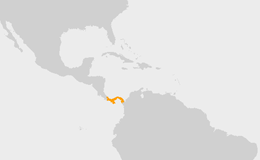
Las afiliadas de la CSI en Panamá son la Confederación de Trabajadores de la República de Panamá (CTRP), la Confederación Nacional de Unidad Sindical Independiente (CONUSI) y Convergencia Sindical (CS).
Panamá ratificó el Convenio nº 87 sobre la libertad sindical y la protección del derecho de sindicación (1948) en 1958 y el Convenio nº 98 sobre el derecho de sindicación y de negociación colectiva (1949) en 1966.
según la ley
Libertad sindical / Derecho de sindicalización
Libertad sindical
El derecho a la libertad sindical está consagrado en la Constitución.
El derecho a la libertad sindical está regulado por la legislación.
Discriminación antisindical
La ley prohíbe la discriminación antisindical, pero no pevé medidas adecuadas de protección al respecto.
Barreras legales al establecimiento de organizaciones
- Se requiere un número mínimo de miembros excesivo para establecer un sindicato
- El Código del Trabajo establece que para constituir una organización de trabajadores a nivel de empresa se necesitan al menos 40 trabajadores (Código del Trabajo, Artículo 344 (modificado por el Artículo 41 de la ley Nº 44 de 1995). Esta exigencia se eleva a 50 para constituir una organización de servidores públicos, de acuerdo a la Ley de la Carrera Administrativa (Ley Nº 9 de la Carrera Administrativa, Artículo 177).
Restricciones al derecho de los trabajadores y trabajadoras a formar y afiliarse a organizaciones de su elección
- La ley impone un sistema de monopolio sindica y/o un sistema que prohíbe o restringe la sindicalización a ciertos niveles (empresa, industria/sector, regional/territorial, nacional)
- En el sector público, la ley establece que no podrá haber más de una asociación en una institución, y que las asociaciones podrán tener sectoriales provinciales o comarcales, pero no más de una sectorial por provincia (Ley Nº 9 de la Carrera Administrativa (modificada por la Ley Nº 43 del 31 de julio de 2009), Artículo 174).
- La ley impone restricciones al derecho de los trabajadores/as a afiliarse al sindicato de su elección
- El Código del Trabajo prevé, tanto para los trabajadores públicos como privados, la obligación de pagar una cuota de solidaridad en concepto de beneficios derivados de la negociación colectiva (Código del Trabajo, Artículo 405).
Restricciones al derecho de los sindicatos a organizar su administración
- Restriciones al derecho a elegir representantes y autoadministrarse con plena libertad
- La Constitución del país establece que todos los miembros de un órgano ejecutivo sindical deben ser panameños (Constitución Política de la República de Panamá, Art. 64).
- Restricciones a la libertad para organizar libremente actividades y formular programas
- El Código del Trabajo establece el cierre de la empresa en caso de huelga y la interdicción de acceso a los trabajadores no huelguistas (Código del Trabajo, Artículos 452.2, 493.4 y 494).
Categorías de trabajadores a quienes la ley prohíbe o restringe la posibilidad de formar o afiliarse a sindicatos, o de ocupar cargos sindicales
- Otros funcionarios y empleados públicos
- La Ley de la Carrera Administrativa establece que los trabajadores del sector público sólo tienen derecho a organizarse en asociaciones y no a formar sindicatos (Ley Nº 9 de la Carrera Administrativa (modificada por la Ley Nº 43 del 31 de julio de 2009), Artículo 179).
Derecho a la negociación colectiva
Derecho a la negociación colectiva
El derecho a la negociación colectiva está reconocido por la ley, pero no está debidamente fomentado y promovido.
Restricciones al principio de negociación libre y voluntaria
- Imposición de requisitos de procedimiento estrictos y poco razonables (por ej. plazos excesivamente cortos para alcanzar un acuerdo)
- El Código del Trabajo obliga a que el número de delegados de las partes en la negociación sea de entre dos y cinco (Código del Trabajo, Artículo 427).
Restricciones o prohibición de negociar colectivamente en algunos sectores
- Otros funcionarios y empleados públicos
- Los servidores públicos, incluso los trabajadores municipales y los de las instituciones descentralizadas, no cuentan con este derecho (Ley Nº 9 de la Carrera Administrativa).
- Otras categorías
- En el sector marítimo, la legislación establece la celebración de convenios colectivos sólo como una posibilidad, dando lugar en la práctica al rechazo por parte de los empleadores de los pliegos de peticiones (Artículo 75 del Decreto-Ley Nº 8, del 26 de febrero de 1998).
Derecho de huelga
Derecho de huelga
El derecho de huelga está consagrado en la Constitución
El derecho de huelga está reconocido por la ley pero estrictamente regulado.
Impedimentos legales a acciones de huelga legítimas
- Requisito de un quórum excesivo o de obtener una mayoría excesiva en una votación para poder convocar una huelga
- Para que una huelga sea legal, el Código del Trabajo establece que la mayoría de los trabajadores de la empresa, negocio o establecimiento debe votar a favor. Cuando sea declarada por un sindicato gremial, debe ser aprobada en Asamblea General y contar con el 60 por ciento de los votos (Código del Trabajo, Artículos 476 y 477).
- Recurso obligatorio al arbitraje o a largos y complejos procedimientos de conciliación y mediación antes de iniciar una acción de huelga
- La Dirección Regional o General del Trabajo pueden ordenar el arbitraje obligatorio en casos de conflictos colectivos en empresas que prestan servicios públicos.
Prohibición o restricciones para ciertos tipos de acción de huelga
- Restricciones respecto al objetivo de una huelga (por ej. disputas industriales, cuestiones económicas y sociales, políticas, de simpatía o solidaridad)
- Las huelgas sólo pueden ser convocadas para exigir una mejora en las condiciones de trabajo, en relación a una convención colectiva o en protesta ante las repetidas violaciones de los derechos legales. No se pueden convocar huelgas para protestar contra la política del Gobierno, exigir un incremento del salario mínimo o solicitar el reconocimiento sindical (Código del Trabajo, Artículo 480).
- Restricciones respecto al nivel o el ámbito de cobertura de una huelga (por ej. empresa, industria/sector, regional/territorial, nacional)
- Las federaciones, confederaciones y centrales nacionales no pueden convocar huelgas (Código del Trabajo, Artículos 476 y 477).
Injerencia indebida por parte de las autoridades o los empleadores durante el transcurso de una huelga
- Las autoridades o los empleadores están capacitados para prohibir, limitar, suspender o cesar unilateralmente una acción de huelga
- El Código del Trabajo autoriza al Gobierno a poner fin a las huelgas en las empresas de servicio público, remitiendo la disputa a un arbitraje obligatorio (Código del Trabajo, Artículos 486 y 452).
Disposiciones que socavan el recurso a acciones de huelga o su eficacia
- Otras disposiciones legales que socavan el derecho de huelga
- El Código del Trabajo prevé que, una vez iniciada la huelga, la Inspección o Dirección Regional o General de Trabajo dará orden inmediata a la autoridad de policía para que garantice o proteja debidamente a las personas o propiedades (Código del Trabajo, Artículo 493, párrafo 1).
Limitaciones o prohibición de hacer huelga en algunos sectores
- Determinación poco razonable o discrecional (sin negociación con los interlocutores sociales o en ausencia de una autoridad independiente en caso de desacuerdo) de los «servicios mínimos» que han de garantizarse en caso de huelga en los servicios públicos
- En caso de huelga en las empresas de servicio público, la Ley impone unos servicios mínimos de hasta el 30 por ciento del total de trabajadores de la empresa, establecimiento o negocio de que se trate o, en el caso de huelga gremial, de los trabajadores de la misma profesión u oficio dentro de cada empresa, establecimiento o negocio. Esto igualmente puede aplicarse al servicio de transporte público aéreo y marítimo de pasajeros (Código del trabajo, Art. 487; Decreto Ejecutivo Nº 25, de junio de 2009, que dispone en su artículo segundo que serán de aplicación al servicio de transporte público aéreo y marítimo de pasajeros las disposiciones previstas en el Código del Trabajo sobre la huelga en los servicios públicos). Igualmente, la Ley de la Carrera Administrativa determina que, para la prestación de los servicios públicos, debe mantenerse en las unidades administrativas correspondientes no menos del 25 por ciento del personal que trabaja normalmente. Este porcentaje puede ser elevado hasta el 50 por ciento cuando se trate de entidades que presten servicios públicos esenciales, tales como suministro de alimentos, transporte, correos y telégrafos, registro civil y público, suministro de agua, electricidad, telecomunicaciones; así como las entidades de recaudación de ingresos públicos de cualquier naturaleza, ya sean de recaudación nacionales o municipales; las de control de navegación aérea y bomberos (Ley Nº 9 de la Carrera Administrativa (modificada por la Ley Nº 43 del 31 de julio de 2009), Art. 185).
Otras restricciones
- Otras restricciones
- La ley que rige la Autoridad del Canal de Panamá, entidad autónoma, no concede a sus empleados el derecho de hacer huelga (Ley Nº 19, del 11 de junio de 1997, por la cual se organiza la Autoridad del Canal de Panamá).
En la Práctica
El 27 de octubre 2021, alrededor de 300 trabajadoras y trabajadores afiliados a la Asociación Nacional de Enfermeras de Panamá (ANEP) marcharon pacíficamente por las principales calles de la capital del país exigiendo mejores garantías de trabajo, en protesta por las malas condiciones laborales agudizadas a raíz de la pandemia, y ante la respuesta negativa del Gobierno a sus demandas. La protesta culminó frente a la sede de la Presidencia, donde una comisión de los manifestantes fue recibida por el presidente del país, el ministro de Salud y el director de la Caja de Seguro Social. Las partes acordaron instalar una mesa técnica de diálogo para dar respuesta a las demandas del gremio, entre las que está el reconocimiento de especialidades, pagos de horas extra y contratación del personal temporal, incluyendo insumos, medicamentos, y las mejoras en edificios en construcción que están parados y deteriorados. El gremio lleva más de un año denunciando su precariedad laboral y reclamando una mejora de las condiciones, así como el cumplimiento de los acuerdos de trabajo con el Gobierno que se habían celebrado en abril del 2021, después de un paro de casi 48 horas a nivel nacional. Para febrero de 2022, el Gobierno seguía incumpliendo los acuerdos en detrimento de los derechos de los trabajadores y trabajadoras, y los usuarios del precario servicio de salud. Las trabajadoras y los trabajadores preparan nuevas jornadas de protesta para que se garantice la estabilidad de las condiciones laborales del personal en el sector de la salud.
El 17 de mayo de 2021, los trabajadores de cinco fincas de la Ilara Holding Inc., afiliados al Sindicato Industrial de Trabajadores de Productores Bananeros Independientes (SITRAPBI) se declararon en huelga para exigir salarios justos y respeto de la libertad sindical en el marco de la negociación colectiva iniciada el 15 de marzo de 2021. Si bien las partes acordaron las cláusulas generales y sociales, no se pudo llegar a un acuerdo sobre las cláusulas operativas, las cuales fijan los salarios de los trabajadores y las trabajadoras para cada labor y que deben incorporar un rendimiento adecuado y una remuneración justa.
24 horas después del inicio de la huelga, con la mediación del Ministerio de Trabajo y Desarrollo Laboral (MITRADEL), sindicato y empresa firmaron un acuerdo que dio por terminada la huelga. Las partes consensuaron el total de las cláusulas del pliego de peticiones de la convención colectiva.
En abril de 2019 los trabajadores del Aeropuerto Internacional de Tocumen de la ciudad de Panamá entraron en huelga ante el incumplimiento de la escala salarial pactada para los inspectores de seguridad AVSEC nivel II y empleados de otros departamentos. También presentaron quejas por la falta de pago de un seguro privado al que afirmaron tenían derecho.
Al menos ocho organizaciones sindicales del sector público han sido creadas en los últimos cinco años. Sin embargo, el Ministerio del Trabajo se niega a reconocerlas y otorgar la respectiva personería jurídica. En el marco de la 19ª Reunión Regional Americana llevada a cabo en Ciudad de Panamá del 2 al 5 de octubre de 2018, el ministro de Trabajo aseguró a los asistentes –altos funcionarios de la OIT y líderes de los gobiernos de la región– que se había dado vía libre al registro formal de las organizaciones. Sin embargo, hasta la fecha no se ha materializado. El Gobierno miente intencionalmente y no respeta los derechos de los trabajadores/as.
En octubre de 2016, los trabajadores de la mina de cobre Donoso, Minera Panamá, afiliados al Sindicato Único de Trabajadores de la Construcción y Similares (Suntracs) realizaron una huelga para protestar por la presión de la empresa para modificar las condiciones de trabajo, al extender los horarios laborales y reducir los salarios y las compensaciones. La empresa mantuvo la posición de impedir la entrada de los dirigentes del sindicato, quienes apoyan la protesta. La empresa ha contratado una gran cantidad de trabajadores extranjeros, manteniendo condiciones laborales inequitativas, muchas veces violando las mínimas condiciones de protección, y en otros casos, beneficiándolos respecto de los trabajadores sindicalizados. A través de la intervención del Ministerio del Trabajo, los trabajadores en huelga llegaron a un acuerdo.
El 27 de abril de 2016, un tribunal arbitral emitió un laudo poniendo fin al conflicto laboral entre la Cervecería Nacional S.A (CNSA), propiedad de la SABMiller, y los dos sindicatos de la empresa –el Sindicato Industrial de Trabajadores de la Fabricación y Comercialización de Refrescos, Bebidas, Gaseosas, Cervezas, Licores y Similares (Sitrafcorebgascelis), y el Sindicato de Trabajadores de la Industria Cervecera de Panamá (STICP). El 1 de junio de 2015, los sindicatos habían iniciado una negociación colectiva uniendo sus fuerzas para celebrar un único convenio colectivo de trabajo. Esta alianza fue rechazada por la empresa, la cual reaccionó duramente contra las pretensiones sindicales y se negó a conciliar. Después de una huelga de 18 días, el Ministerio de Trabajo definió la constitución de un tribunal arbitral, el cual finalmente reconoció el convenio que recogía las principales demandas de los trabajadores.
Durante años, DHL ha mantenido una política de violación a los derechos laborales y sindicales. Hostigamientos, falta de normas de seguridad, reiterados accidentes dentro de la empresa, falta de capacitación, arbitrariedad en la gestión, clientelismo, no respeto de derechos fundamentales y laborales, insultos, montajes y una agresiva y sistemática acción antisindical, han sido revelados por un informe que los sindicatos de esta empresa en Panamá, Colombia y Chile hicieron público en marzo de 2016, , luego de la aceptación de una queja presentada por las Federaciones Sindicales Internacionales ITF y UNI ante la OCDE en 2013.
En el mes de febrero de 2016 en el sector público se registraron dos huelgas la de los trabajadores de Aseo Metropolitanos, quienes a pesar de no llegar a ningún acuerdo concreto levantaron la huelga por intimidación y amenazas del presidente de la República.
Lo mismo ocurrió con otra huelga de custodios del sistema penitenciario quienes luego de dos días de huelga suspendieron la acción sin acuerdos, los dirigentes fueron despedidos y no se ha dado respuesta a las reclamaciones de los trabajadores.
En febrero de 2016, los transportistas panameños organizados en la Cámara Nacional de Transporte de Carga de Panamá (Canatraca) y el Sindicato de Camioneros de Chiriquí (Sicachi) realizaron protestas y bloqueos en la frontera entre Panamá y Costa Rica, para exigir del Gobierno soluciones a la problemática del sector, que pone en alta vulnerabilidad a los trabajadores de la región. Los transportistas no tienen condiciones de seguridad para realizar su labor, requieren de la construcción de espacios adecuados para los descansos nocturnos y no hay una aplicación de las reglamentaciones que impidan en la práctica, abusos y malas prácticas de las relaciones comerciales en la frontera. Tras tres días de bloqueos y pérdidas millonarias, el Gobierno abrió espacios de diálogo para buscar soluciones.
Los transportistas denunciaban, entre otras cosas, que sus colegas centroamericanos reciben un trato beneficiario por parte de las autoridades panameñas, y que incluso llegan a pagar sobornos para poder mover su mercancía con celeridad por la región.
Según la Cámara Nacional de Transporte de Carga de Panamá (Canatraca), el gremio ha perdido cerca de 87 millones de USD en los últimos siete años por la falta de controles aduaneros.
Los camioneros también reclamaban más aparcamientos para descansar a lo largo de la Interamericana, más regulación de peso y mejoras en las carreteras.
El director de Autoridad Nacional de Aduanas de Panamá, Jorge Gómez, señaló que las reclamaciones eran justas, pero hay que sentarse a negociar.
La empresa Panama Ports Company, de origen chino, que opera en el Puerto de Balboa, despidió en enero de 2016 a aproximadamente 300 trabajadores, todos con estabilidad laboral, muchos con más de 10 años de servicio en la empresa, de manera injustificada y sin contar con la autorización del Ministerio de Trabajo. Para los trabajadores el motivo fue su pertenencia a sindicatos clasistas y el hecho de haber participado en una huelga.
La noche del 11 de febrero los trabajadores paralizaron parcialmente las operaciones de dos muelles, en protesta por los despidos irregulares. Unidades policiales intervinieron para desalojar a los manifestantes, deteniendo a tres trabajadores, miembros de Rescate Sindical, que serían liberados poco después, según Ulises Arroyo, secretario de defensa del Sindicato Industrial de Trabajadores del Transporte por Vías Acuáticas y Afines de Panamá (Sitravaap), gracias a las presiones de sus compañeros.
El 19 de enero de 2016, la policía panameña con el auxilio y apoyo del Ministerio Público intervino la huelga de trabajadores de la construcción en la Minera Panamá, filial de la empresa First Quantum Mineral Ltd., de capital australiano.
En el transcurso de 2015, los trabajadores sindicalizados de Mi Bus, empresa dedicada al transporte colectivo en la ciudad de Panamá y San Miguelito, llevaron a cabo por lo menos tres huelgas, todas ellas suspendidas sin llegar a un acuerdo, es decir obligados por las amenazas y las intimidaciones del Gobierno o por la imposición del arbitraje obligatorio, alegando que el transporte es servicio esencial.
En respuesta a las acciones, se ocuparon los centros de trabajo procediendo al arresto sin orden judicial de dirigentes sindicales en huelga y reemplazando a los huelguistas con servidores públicos, miembros de la policía nacional quienes ejercieron las funciones de conductores y prestaron el servicio de transporte de pasajeros, rompiendo así la efectividad de la paralización de las labores.
Algunos trabajadores y dirigentes que participaron de la huelga fueron despedidos u obligado, en otros casos a firmar mutuo acuerdo determinación de la relación laboral.
De acuerdo con los sindicatos, la Corte Suprema y sus magistrados están politizando sus fallos, lo que se refleja en fallos contrarios generalmente contra los trabajadores y los sindicatos y los pocos fallos a favor de los sindicatos no tienen efectividad al no ser implementados, es decir se producen desacatos sin que ocurra nada por esta violación a la ley.
Un caso emblemático en las dilaciones y demoras de los procesos son las investigaciones de los asesinatos contra dirigentes sindicales ocurridos en los años 2007 y 2008. Para finales de 2015 estos casos continuaban en total impunidad.
Los trabajadores del Canal de Panamá reclaman mejores condiciones de trabajo, pero no pueden ejercer el derecho de huelga debido a que la Corte Constitucional les negó el derecho de huelga en 2010, esto significa que sus derechos laborales y sindicales casi no existan en la práctica.
En noviembre de 2014, el Sindicato de Trabajadores de la Industria Eléctrica y Similares de Panamá (SITIESPA) interpuso una petición ante la Comisión Interamericana de Derechos Humanos contra el Estado Panameño debido a que la liquidación de varios miles de trabajadores del entonces Instituto de Recursos Hidráulicos y Electrificación (IRHE) se realizó aplicando un criterio cuya forma de cálculo de prestaciones debidas sería posteriormente declarada nula por la Sala Tercera de Justicia de Panamá, al considerarla ilegal. Desde ese momento SITIESPA formuló un número plural de demandas tendientes a que la Corte Suprema de Justicia ordenara al Estado Panameño indemnizar a los trabajadores del IRHE por los daños y perjuicios causados como consecuencia de la utilización de dicha fórmula de cálculo ilegal. En respuesta a dichas demandas, la Sala Tercera de la Corte Suprema de Justicia resolvió en dos procesos condenar al Estado Panameño a pagar los daños y perjuicios causados a un número plural de trabajadores y en un tercer proceso el Estado Panameño fue absuelto. Como resultado de esta dispar decisión, se espera que la Comisión resuelva definitivamente las violaciones causadas.
En la zona libre de Colón ha tomado un mayor auge la contratación a través de empresas privadas de colocación de empleo y de trabajo en régimen de subcontratación, cuya naturaleza impide la organización de los trabajadores debido a la falta de estabilidad en el empleo o al hecho de que se los considere como trabajadores independientes.
Trabajadores del Canal de Panamá denunciaron que no habían sido entrenados para el paso de barcos por la nueva vía ampliada, lo que consideraron problemático para ellos y su trabajo. Los trabajadores, aglutinados en seis sindicatos, se refirieron también a sus problemas laborales con la Autoridad del Canal de Panamá (ACP) durante el cierre de un seminario mundial de inspectores marítimos de la Federación Internacional de Trabajadores del Transporte (ITF).
El secretario general de la Unión de Prácticos del Canal de Panamá, Rainiero Salas, señaló que la ampliación del canal produce grandes cambios, sin embargo, los trabajadores no han sido participes de ningún proceso, conocimiento o entrenamiento Añadió que los sindicatos se han visto obligados a pagar con sus limitados fondos propios el entrenamiento en el exterior de sus miembros porque, “ni la ACP ni el Canal los están proveyendo”.
Los trabajadores del Canal denunciaron, por otro lado, que la administración de la vía interoceánica no hace caso a las peticiones y aspiraciones salariales y de mejores condiciones laborales que plantean los sindicatos en las negociaciones colectivas. Representantes de los seis sindicatos de trabajadores del Canal entregaron a funcionarios de la Presidencia panameña una carta al presidente, Juan Carlos Varela, exponiendo sus preocupaciones, entre las que están la seguridad del canal actual y el Canal ampliado, la exclusión de los obreros de los procedimientos operativos, la falta de entrenamiento y capacitación para operar la nueva vía, el pésimo estado de los remolcadores y negociaciones de convenciones colectivas que desconocen derechos laborales.
A principios de agosto de 2015 trabajadores miembros del Sindicato Nacional de Trabajadores de la Industria de la Aviación Civil y Similares (SIELAS), afiliado a la ITF, realizaron una manifestación frente a las oficinas de DHL en la ciudad de Panamá, denunciando las acciones antisindicales de la empresa, y pidiendo respeto de los derechos sindicales y la reanudación de las negociaciones del contrato colectivo suspendidas desde hacía seis meses.
Anteriormente, SIELAS había presentado un pliego de demandas al Ministro de Trabajo, incluyendo unas 123 cláusulas que beneficiarían a más de 240 trabajadores en DHL. Se aceptó y comenzó negociaciones. Sin embargo, en enero de 2015, la Corte Suprema de Justicia admitió un amparo por parte de DHL que suspende las negociaciones señalando que SIELAS no tiene relación con las actividades laborales de los trabajadores/as de DHL. El sindicato presentó un recurso legal enfatizando que la relación de actividades con el sindicato es auténtica por las operaciones aéreas que realiza DHL.
El 1 de junio de 2015 se instaló en el Ministerio del Trabajo de Panamá la mesa para iniciar las negociaciones de un nuevo convenio colectivo entre Cervecería Nacional SA - SABMiller y los sindicatos Sitrafcorebgascelis y STICP. Ambas organizaciones, que juntas reúnen a más del 80 por ciento de los trabajadores de Cervecería Nacional, decidieron estrechar una alianza estratégica para negociar y suscribir juntos el nuevo convenio.
Esta decisión fue tajantemente rechazada por la empresa que mantuvo una posición totalmente cerrada, negándose a suscribir el nuevo convenio colectivo con ambos sindicatos, pretendiendo hacerlo sólo con el mayoritario.
Tras varias reuniones fallidas, durante las cuales no se pudo avanzar ni firmar ninguna cláusula, los sindicatos dieron por concluido el proceso de conciliación y convocaron una huelga, que daría comienzo el 10 de julio de 2015.
En el período previo al inicio de la huelga, los directivos presionaron a los trabajadores para que renunciaran a sus derechos y demandas de negociación colectiva y a algunos dirigentes activos se les impidió el acceso a los lugares de trabajo, además de esto la compañía bajo la estrategia de retención de salarios presionó a los trabajadores para que desistieran de la acción.
In November 2014 the Panama Canal Authority (ACP) petitioned the Supreme Court to suspend recognition of the tugboat captains’ union UCOC in what the International Transport Workers’ Union (ITF) described as “a classic case of union busting”. The move came in an ACP appeal against a Labour Relations Board decision. It used the appeal to seek the de-recognition and invalidation of UCOC. In August 2014 the ITF together with the UCOC, the Panama Canal Pilots Union (UPCP) the Marine Engineers Union (UIM) and the Panama Canal and Caribbean Union (SCPC) filed a complaint against the Government of Panama with the ILO Committee on Freedom of Association, for violations of Conventions 87 and 98 on freedom of association and collective bargaining by the ACP. The ITF and the Panamanian trade unions say the ACP has failed to respect labour regulations, decisions by the National Labour Relations Board, compensatory guarantees concerning working conditions on the Panama Canal, good faith collective bargaining and the ILO’s freedom of association principles.
En noviembre de 2014, la Autoridad del Canal de Panamá (ACP) solicitó a la Corte Suprema que suspendiese el reconocimiento de la Unión de Capitanes y Oficiales de Cubierta (UCOC) como organización sindical, en lo que la Federación Internacional de los Trabajadores del Transporte (ITF) ha calificado como “un caso típico de práctica antisindical”. La ACP decidió apelar una decisión de la Junta de Relaciones Laborales del Canal de Panamá con el objetivo de suspender el reconocimiento y paralizar a la UCOC. En agosto de 2014, la ITF junto con la UCOC, la Unión de Prácticos del Canal de Panamá (UPCP), la Unión de Ingenieros Marinos (UIM) y el Sindicato del Canal de Panamá y del Caribe (SCPC), presentaron una queja ante el Comité de Libertad Sindical de la OIT, por violaciones a los Convenios 87 y 98 sobre el derecho de sindicalización y de negociación colectiva, por parte de la ACP.
La ITF y los sindicatos panameños adujeron que la ACP no había respetado las regulaciones laborales, las decisiones de la Junta de Relaciones Laborales, ni las garantías compensatorias en relación con las condiciones de trabajo en el Canal de Panamá, además de no haber negociado de buena fe ni respetado los principios de libertad sindical de la OIT.
El 25 de julio de 2014, el Ministro de Trabajo retiró las demandas interpuestas contra nueve líderes sindicales, presentadas en 2012 por la anterior Ministra de Trabajo, acusando a los dirigentes de un supuesto delito de desfalco, con respecto al manejo del dinero que recibieran del Estado para capacitación sindical. Para marzo de 2015, el proceso jurídico había sido paralizado, pero los nueve dirigentes siguen sometidos a medidas cautelares y restrictivas, sin que el órgano judicial resuelva el caso, a pesar de las gestiones de la OIT y de que los cargos hayan sido retirados.
En marzo de 2015, trabajadores de la mina Cobre Panamá se declararon en huelga ante las sistemáticas violaciones a los derechos laborales y múltiples formas de explotación por parte de la mina. Saúl Méndez, Secretario General del Sindicato Único de Trabajadores de la Construcción y Similares (Suntracs), declaró a la prensa que la paralización de las labores era una consecuencia de lo que calificó como “régimen de terror”, establecido por la compañía propietaria de la mina.
Los trabajadores reclamaban sus derechos laborales más elementales, incluyendo el pago de horas extras, nocturnidad y las jornadas dominicales, que no son reconocidos en el salario, así como un sistema adecuado de atención de salud.
También protestaban por el empleo ilegal de más de 1.000 trabajadores extranjeros como ayudantes generales, desplazando al obrero local. La empresa había retomado esas prácticas de uso indebido de fuerza de trabajo extranjera, a pesar de que el Ministerio de Trabajo y Desarrollo Laboral (Mitradel) había realizado una inspección poco antes, obligando a la empresa minera a despedir a cerca de 300 extranjeros que no cumplían con el reglamento migratorio para laborar.
Por su parte, la empresa calificó de ilegal la huelga, alegando no haber recibido ninguna comunicación oficial.
Ignorando el convenio colectivo vigente, la empresa bananera Grupo San Bosco cerró dos grandes plantaciones, tras declararse en bancarrota, dejando en la calle a más de 70 trabajadores y trabajadoras afiliados al Sindicato Industrial de Trabajadores de Productores Bananeros Independientes (SITRAPBI).
Las protestas que tuvieron lugar en octubre de 2012 contra una ley que permitía privatizar y vender las tierras de la Zona Libre de Colón, desembocaron en la muerte de al menos tres personas, incluyendo un menor de edad. La comunidad estaba profundamente inquieta por el hecho de que esta venta ocasionales la pérdida de una importante fuente de ingresos para la zona. Los residentes formaron un frente unido, incluyendo a varios grupos de la comunidad así como sindicatos. El Gobierno respondió reprimiendo la protesta a sangre y fuego y ocasionando las muertes. En solidaridad, los sindicatos convocaron manifestaciones en todo el país. Una vez más, el Gobierno respondió contratando matones para acabar con la protesta y que saquearon diversos edificios. Varios sindicalistas fueron detenidos. La ley sería finalmente derogada.
En 2012, después de que los trabajadores y trabajadoras en todo el mundo organizasen acciones en protesta por la presencia del Presidente de Panamá, Ricardo Martinelli, en la 101ª Conferencia de la OIT, se dictó una orden judicial para abrir una investigación de los tres dirigentes sindicales presentes en la CIT. Durante el proceso judicial, el Gobierno filtró a la prensa duras acusaciones contra los dirigentes, vulnerando las garantías procesales de los acusados.
Las trabajadoras y los trabajadores del hogar - en su mayoría mujeres, y un número creciente de niños y niñas - se encuentran totalmente desprotegidos. Casi 100.000 personas en este sector son víctimas de la ausencia absoluta de los derechos laborales, del maltrato y abuso de los patronos, en algunos casos laboran hasta 15 horas diarias en situaciones infrahumanas. Muchos de estos trabajadores/as proceden de apartadas comunidades, carecen de seguridad social y cobran salarios miserables, muy por debajo del salario mínimo. Tampoco cuentan con organización sindical. Se mantienen altos índices de informalidad, de trabajo infantil y la situación de discriminación por razón de etnia, género o condición social.
En mayo, el Sindicato de Empleados de Líneas Aéreas y Similares de la República de Panamá (SIELAS) logró concretar la negociación del convenio colectivo entre SIELAS y DHL Aéreo Expreso S.A., lo que constituye un importante logro sindical, ya que se trata del primer convenio colectivo que se ha logrado en la región con DHL.
Sigue la estrategia empresarial de promover la formación de sindicatos paralelos a los existentes y con los que tienen pactadas convenciones colectivas, para neutralizar a las organizaciones sindicales auténticas y negociar condiciones de trabajo inferiores a las existentes, lo cual va deteriorando y eliminando poco a poco los derechos de los trabajadores/as.
Otra estrategia para eludir el cumplimiento de las convenciones colectivas es el despido a trabajadores/as sindicalizados y la contratación de trabajadores/as extranjeros en condiciones inferiores.