
Bélgica
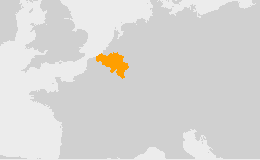
Las afiliadas de la CSI en Bélgica son la Centrale Générale des Syndicats Libéraux de Belgique (CGSLB), la Confédération des Syndicats Chrétiens (CSC-ACV), y la Fédération Générale du Travail de Belgique (FGTB-ABVV).
Bélgica ratificó el Convenio nº 87 sobre la libertad sindical y la protección del derecho de sindicación (1948) en 1951 y el Convenio nº 98 sobre el derecho de sindicación y de negociación colectiva (1949) en 1953.
según la ley
Libertad sindical / Derecho de sindicalización
Libertad sindical
El derecho a la libertad sindical está consagrado en la Constitución.
Discriminación antisindical
La ley prohíbe la discriminación antisindical, pero no pevé medidas adecuadas de protección al respecto.
Derecho a la negociación colectiva
Derecho a la negociación colectiva
El derecho a la negociación colectiva está reconocido por la ley.
Obstáculos legales para el reconocimiento de los agentes de negociación colectiva
- Posibilidad de eludir los sindicatos representativos y negociar directamente con representantes de los trabajadores/as
- Sólo las empresas (entendidas como unidades técnicas de explotación) con más de 50 trabajadores deben organizar elecciones sociales para la designación de los representantes del personal (dentro de un comité de prevención y protección laboral). Si hay más de cien trabajadores, también deben celebrarse elecciones sociales para designar un comité de empresa. Esto implica que los trabajadores empleados en pequeñas empresas se ven privados de la posibilidad de designar a sus representantes. Además, en ausencia de un convenio colectivo sectorial, los trabajadores de las pequeñas empresas pueden verse privados de toda representación sindical.
Restricciones al principio de negociación libre y voluntaria
- Exclusión de ciertas cuestiones del ámbito de la negociación (por ej. salarios, jornadas laborales)
- Las disposiciones de la Ley de 26 de julio de 1996 sobre el fomento del empleo y la salvaguardia preventiva de la competitividad, modificada por la Ley de 19 de marzo de 2017, conducen a la fijación de un margen salarial máximo que limita mucho las posibilidades de negociación colectiva y no permite realmente los aumentos salariales, no solo a nivel nacional, sino también a nivel sectorial y de empresa.
Restricciones o prohibición de negociar colectivamente en algunos sectores
- Otras categorías
- Los trabajadores de la economía de plataforma quedaron excluidos del ámbito de aplicación de la Ley de 5 de diciembre de 1968, por la que se organiza la negociación y celebración de convenios colectivos, lo que implica que no pueden participar en la negociación de convenios colectivos.
Derecho de huelga
Derecho de huelga
El derecho de huelga está reconocido en la legislación
Impedimentos legales a acciones de huelga legítimas
- Otras formalidades excesivamente complejas o que llevan mucho tiempo para poder convocar una huelga
- La Ley de 29 de noviembre de 2017 sobre la continuidad del servicio de transporte de viajeros por ferrocarril en caso de huelga introduce un mecanismo de declaración de intenciones previa a las huelgas para cada miembro del personal perteneciente a una categoría profesional operativa considerada esencial. La ley establece que cada trabajador afectado debe indicar, al menos 72 horas antes del inicio de la jornada de huelga en la que se prevé su presencia, si tiene o no la intención de ir a la huelga. La declaración de un trabajador puede ser modificada como máximo con 48 horas de antelación si finalmente decide trabajar, y como máximo con 72 horas de antelación si finalmente decide participar en la jornada de huelga. Este preaviso individual de 72 horas constituye una restricción del derecho de huelga que expone a los trabajadores afectados a las presiones de su jefe de departamento y de su empleador y puede llevar a la creación de "listas negras" de trabajadores. Además, la Ley de 23 de marzo de 2019 sobre la organización de los servicios penitenciarios y el estatuto del personal penitenciario prevé un mecanismo similar para la declaración individual de intención de huelga.
Disposiciones que socavan el recurso a acciones de huelga o su eficacia
- Excesivas sanciones civiles o penales contra los trabajadores/as y sindicatos involucrados en acciones de huelga no autorizadas
- Cualquier "obstrucción maliciosa del tráfico" puede ser castigada con prisión y/o multa (artículo 406 del Código Penal). Este artículo ha sido utilizado en varias ocasiones por las autoridades para perseguir a los huelguistas que han organizado acciones en la vía pública y socavar su derecho a la huelga.
Limitaciones o prohibición de hacer huelga en algunos sectores
- Determinación poco razonable o discrecional (sin negociación con los interlocutores sociales o en ausencia de una autoridad independiente en caso de desacuerdo) de los «servicios mínimos» que han de garantizarse en caso de huelga en los servicios públicos
- La Ley de 23 de marzo de 2019 establece unos servicios mínimos en los servicios penitenciarios, así como la posibilidad de utilizar un sistema de requisición de personal en caso de huelga de más de dos días. Según el artículo 19 de esta ley, las prestaciones y las medidas que deben adoptarse para garantizar un servicio mínimo son reguladas por el ministerio correspondiente, si el comité de consulta competente no presenta un plan operativo en los tres meses siguientes a la entrada en vigor de la ley, bien porque no haya tomado una decisión o porque no se haya alcanzado un acuerdo en el seno del comité.
En la Práctica
El 29 de junio de 2018, el Tribunal Correccional de Amberes condenó a Bruno Verlaeckt por el delito de obstrucción de la vía pública y creación de grave riesgo para la seguridad del tráfico (código penal art. 406) durante una huelga general. No pudo probarse ningún acto individual, pero el tribunal dio por probado que Bruno, presidente de la sección de Amberes de la Algemene Centrale (rama sectorial de ABVV-FGTB) y presidente de la sección regional de ABVV-FGTB, había organizado la acción sindical el 24 de junio de 2016 y, por consiguiente, era culpable de la obstrucción y creación de grave riesgo para la seguridad del tráfico. No se le impuso ningún castigo ni multa. Tom Devoght, representante sindical de la ABVV-FGTB en Arlanxeo, también fue procesado, pero fue absuelto debido a la falta de pruebas.
El 26 de junio de 2019, el Tribunal de Apelación confirmó su condena e incluso declaró que, en lugar de ser declarado culpable por ser el organizador de la acción sindical, debía ser considerado personalmente culpable de los presuntos actos, ya que la obstrucción y creación de grave riesgo para la seguridad del tráfico no se habría producido, o no de esta manera, sin la preparación individual de Bruno y su presencia durante la acción. El Tribunal de Justicia también declaró que el tráfico no se habría visto obstaculizado si el sindicato se hubiera limitado a llevar a cabo una acción en una plaza pública o al lado de una carretera.
El 7 de enero de 2020, el Tribunal de Casación confirmó la sentencia del Tribunal de Apelación y declaró que desde el momento en que alguien bloqueaba intencionalmente el tráfico, debía considerarse como delito si provoca (o puede provocar) una situación peligrosa. No es preciso probar la intención de crear una situación peligrosa.
El Tribunal concluyó con la afirmación de que la condena de Bruno no impide el ejercicio normal del derecho de huelga. Esta condena constituye un duro revés para el movimiento sindical en Bélgica y una violación del derecho a ejercer actividades sindicales, incluida la huelga, tal como lo establecen los convenios de la OIT y es interpretado por los órganos de control de la OIT. La ABVV-FGTB está analizando si apelar o no ante el Tribunal Europeo de Derechos Humanos sobre este asunto.
Además, el 14 de febrero de 2018, la Sala de Acusación del Tribunal Correccional de Lieja decidió enjuiciar a 17 personas por cargos similares, es decir, obstrucción y creación de grave riesgo para la seguridad del tráfico (art. 406 del código penal). Entre ellos cabe mencionara a Thierry Bodson, secretario general de la FGTB valona; Antonio Fanara, secretario regional del sector metalúrgico de la ABVV-FGTB; y Gianni Angelucci, representante sindical de la ABVV-FGTB en la fábrica de armas FN Herstal. Los hechos se remontan a las acciones sindicales del 19 de octubre de 2015. Por el momento, el procedimiento efectivo ante el Tribunal Correccional aún no ha comenzado.
Los sindicatos belgas señalaron que los empleadores recurren sistemáticamente a los tribunales al anuncio de las huelgas, y que los jueces a menudo las prohíben preventivamente justificando sus decisiones en los intereses y derechos legítimos de los empleadores sin siquiera escuchar a los sindicatos antes de tomar una decisión. Entre los ejemplos recientes de este tipo de prohibiciones judiciales de huelga figuran la de NLMK en Clabecq (4 de febrero de 2019), once empresas en un parque empresarial en Oudenaarde (8 de febrero de 2019), Commscope Connectivity Belgium en Kessel-Lo (12 de febrero de 2019), EDF Luminus en Lieja (26 de junio de 2019) e INBEV Bélgica en Lovaina (4 de diciembre de 2019).
En 2019, los sindicatos belgas enfrentaron con mayor frecuencia la negativa de las autoridades administrativas a registrar y a ampliar los convenios colectivos sobre la base de lo que pueden considerarse detalles insignificantes. La negativa inicial de extender la cobertura del convenio colectivo aplicable a todos a veces pone en riesgo los compromisos cuidadosamente negociados entre el empleador y los sindicatos.
Por ejemplo, la administración rechazó un convenio colectivo firmado en el sector de la metalurgia el 26 de junio de 2019 por una duración de dos años (hasta el 30 de junio de 2021), que asignaba una indemnización adicional a los trabajadores despedidos después de una larga carrera. Motivó el rechazo señalando que el acuerdo no indicaba explícitamente que solo podían beneficiarse de la indemnización adicional los trabajadores despedidos antes del 30 de junio de 2021. Los interlocutores consideraron este detalle innecesario, ya que el acuerdo era por un período limitado de tiempo de dos años. Tuvo que acordarse un nuevo convenio colectivo para poder ampliar el convenio colectivo a todos. Esta situación implicó un retraso significativo, ya que el nuevo convenio se firmó el 23 de octubre de 2019, lo que privó a algunos trabajadores de la posibilidad de beneficiarse de esta disposición.
En NGK Ceramics Europe, en la ciudad de Baudour, los representantes sindicales de ABVV-FGTB dieron a conocer la restricción injusta del tiempo que pueden dedicar a las actividades sindicales, el acoso personal a los representantes sindicales por parte de la dirección, sanciones injustas infligidas a los representantes sindicales e incluso impedir que un representante retomara su mandato sindical al reanudar su trabajo tras una licencia por enfermedad.
Varios tribunales han dictado sentencias que confirman la discriminación antisindical en el lugar de trabajo, entre ellas el Tribunal Laboral de Gante sobre la discriminación contra los representantes sindicales de Volvo (11 de junio de 2019); el Tribunal Laboral de Amberes sobre el despido de un representante sindical (26 de junio de 2019); y el Tribunal Laboral de Dendermonde sobre el acoso y el trato menos favorable de un representante sindical (7 de febrero de 2019).
Sin embargo, hay casos en que los tribunales laborales no han reconocido la discriminación antisindical siendo esta flagrante. Por ejemplo, el Tribunal de Casación dictó una resolución el 9 de septiembre de 2019 confirmando el despido de un trabajador de Claes Machines CBVA, quien había participado en una huelga general y al que se acusó de no haber informado de su participación a su empleador.
Aun cuando el derecho belga no prevé la obligación de los trabajadores de informar individualmente a su empleador de su participación en una huelga, el Tribunal de Casación confirmó la sentencia del Tribunal de Apelación de Amberes del 11 de julio de 2018, en la que estimaba que el despido del trabajador al día siguiente de la huelga no constituía un despido improcedente, ya que se basaba en la ausencia del trabajador y en la grave perturbación que había causado en la organización del trabajo de la empresa.
Los sindicatos belgas señalan que tales decisiones judiciales son una prueba de que la protección jurídica contra la discriminación y las medidas antisindicales no es adecuada en la práctica. Los sindicatos también denuncian la práctica común entre los empleadores de despedir a los representantes de los trabajadores/as justo antes de las elecciones sindicales. En 2019, fueron despedidos en estas circunstancias al menos 96 representantes sindicales.
Las próximas elecciones serán organizadas en mayo de 2020, y los sindicatos ya observaron que varios de sus representantes habían sido despedidos por sus empleadores por motivos que pueden ser cuestionados. De hecho, las empresas tratan de deshacerse de los posibles candidatos/as para las elecciones. Entre los ejemplos recientes de estos «despidos preventivos» figuran el de Laurent Van Haelen, representante principal de ACV-CSC despedido por Econom, en Zaventem, a finales de julio de 2019, y Stijn Timmermans y Bart Van den Steen, dos representantes de BBTK-SETCa (sección de trabajadores no manuales de la ABVV-FGTB) despedidos por Levenslust, un instituto sin fines de lucro, en Lennik, el 8 de enero de 2020.
Otro ejemplo es el de Chris Dewachter, un representante de la ACLVB-CGSLB que fue despedido por Ineos Phenol en Amberes, en enero de 2020, unos días antes de que pudiera celebrar sus 27 años de servicio. A pesar de recibir evaluaciones positivas durante toda su carrera, el empleador afirmó que Dewachter ya no desempeñaba correctamente su trabajo como representante sindical en el comité de empresa. Casualmente, su despido se produjo después de que planteara a la dirección ciertas situaciones en la empresa que presentaban problemas de seguridad.
En agosto de 2019, la compañía aérea Ryanair pidió a sus tripulantes y pilotos belgas que reemplazaran a los miembros de la tripulación y pilotos portugueses que se encontraban en huelga con el fin de romper la huelga.
En el primer semestre de 2019, una sindicalista de la ACLVB-CGSLB fue acosada por su supervisor y sus compañeros después de que denunciara un delito grave. Se volvió imposible una mayor cooperación entre trabajadora y empleador. Después de un intento de mediación, la situación mejoró por un corto tiempo, pero poco después se le comunicó que sería transferida a otra cuenta de cliente. La trabajadora no había solicitado esta transferencia de cuenta y se sintió obligada a dejar la empresa. Este trato injusto afectó de tal manera a sus futuras solicitudes de empleo que tuvo que buscar orientación/terapia personal especial.
Asimismo, un afiliado de la ACLV-CGSLB fue víctima de acoso por un nuevo gerente. Este acoso adoptó como forma ignorarle por completo, no dándole información compartida con otros compañeros, cambiándole a menudo de oficina, acusándole falsamente de errores, etc. Como resultado de esta situación, el trabajador se vio aquejado del síndrome de desgaste profesional (burn-out). Las conversaciones con el empleador y la intervención de la ACLVB-CGSLB no tuvieron éxito. No se dio importancia al acoso y la persona responsable no fue inquietada.
En mayo de 2019, una joven sindicalista afiliada al BBTK-SETCa (la sección de trabajadores no manuales de la ABVV-FGTB) fue intimidada por miembros del movimiento juvenil de extrema derecha (Schild & Vrienden). Le señalaron con toda claridad que tenían los medios para agredirla, ya que sabían dónde trabajaba, y la amenazaron con agredir a los miembros de su familia. Incluso le mostraron un vídeo donde aparecía ella en el trayecto a su trabajo. Fue un claro intento de intimidarla y desestabilizarla.
El 13 de febrero de 2019, durante una acción de huelga, un miembro del ABVV-FGTB resultó herido debido a que un coche aceleró la velocidad en un piquete de huelga en la ciudad de Antoing. Sufrió de dolores en el cuello y el codo. El conductor del automóvil (un notario local) presentó una denuncia contra este miembro sindical ante la comisaría local. Cuando el sindicalista acudió a la comisaría para presentar una denuncia, la policía local se negó rotundamente a registrarla. En una comisaría de policía de la ciudad vecina más cercana, también se negaron a registrar su denuncia debido a que ya había un expediente sobre este asunto abierto por la policía de Antoing, por lo que debía presentar su denuncia en Antoing.
El mismo día, en Gante, a la entrada de una zona industrial, se instaló un piquete que permitía pasar los coches, pero solamente después de explicarles el motivo de la acción. Un conductor de un Mercedes Benz no tuvo la paciencia necesaria y aceleró, lesionando a dos participantes en el piquete (uno de la ABVV-FGTB y otro de la ACV-CSC). La policía, presente durante la acción, detuvo el coche.
Los sindicatos belgas han informado que, en 2018, al menos 50 representantes sindicales fueron despedidos. Denuncian asimismo que, en la práctica, rara vez se readmite a los sindicalistas despedidos. Por ejemplo, el 19 de diciembre de 2018 la compañía Commscope despidió arbitrariamente a Chris Corten, representante de la central sindical ACV-CSC, en base a argumentos bastante dudosos. Pese a la huelga espontánea organizada por los trabajadores en apoyo a su representante, Corten no ha sido reincorporado.
En NGK Ceramics Europe, en Baudour, representantes sindicales de la ABVV-FGTB han dado cuenta de la imposición de limitaciones injustas en el tiempo que pueden dedicar a las actividades sindicales, hostigamiento por parte de la dirección a los representantes sindicales, sanciones improcedentes impuestas a dichos representantes e incluso la utilización de pantallas de la empresa para calificar de inmaduros a los representantes sindicales.
El 7 de junio de 2018, Mounir Tahri, miembro de la central sindical ACV-CSC, fue finalmente liberado luego de haber permanecido detenido durante cuatro meses tras una redada policial en Globe Aroma, una organización sin fines de lucro que trabaja con refugiados y personas indocumentadas.
Durante la noche previa al 1 de mayo de 2018, activistas del movimiento de extrema derecha (pseudo-fascista) Schild & Vrienden penetraron en las oficinas de la ABVV-FGTB en Gante, descolgando del mástil de la fachada la bandera de la ABVV-FGTB.
Los sindicatos belgas denuncian el hecho de que los empleadores siguen pudiendo despedir con enorme facilidad a los representantes sindicales, sencillamente pagando una indemnización. Cuando se infringe el procedimiento especial para el despido de representantes de los trabajadores, la ley prevé la readmisión del representante sindical despedido. No obstante, en la práctica, los representantes sindicales rara vez son readmitidos. Los empleadores prefieren pagar la indemnización correspondiente, incluso importantes sumas, en lugar de respetar el procedimiento legal y readmitir a los representantes sindicales víctimas de despidos improcedentes.
Las centrales sindicales belgas estiman que al menos 58 representantes sindicales fueron despedidos de manera improcedente en 2017. Por ejemplo, la Cruz Roja de Flandes despidió a Melissa Cowpe, una delegada sindical, y a continuación ignoró dos órdenes judiciales requiriendo su readmisión. Vesuvius, empresa metalúrgica en Ostende, pretextó una supuesta restructuración para despedir a cinco representantes sindicales. Pese a que los tribunales laborales ordenaron su readmisión, la compañía nunca acató la orden judicial.
Además, en el marco de una restructuración, la compañía de inspección y certificación Vinçotte despidió al delegado principal del sindicato LBC-NVK, afiliado a la Confédération des Syndicats Chrétiens (CSC-ACV), a pesar de haber concluido un acuerdo con los representantes sindicales con objeto de reducir el número de despidos y en base al cual el puesto del delegado principal supuestamente se mantendría.
Los sindicatos belgas denunciaron el uso abusivo por parte de los empleadores de órdenes judiciales preventivas para impedir la realización de acciones de huelga. Indicaron que los empleadores continúan recurriendo a alegatos unilaterales, que no están sujetos a procedimientos contradictorios, para alegar que una huelga podría potencialmente infringir sus derechos, obteniendo así órdenes judiciales prohibiendo o poniendo término a cualquier acción de huelga. Compañías como CNH Industrial en marzo de 2017 o FN Herstal e Infrabel en octubre 2017 obtuvieron órdenes preventivas de este tipo.
En marzo de 2017 se abrieron nuevas negociaciones sobre las condiciones de trabajo de los pilotos navales. Ben Weyts, Ministro de Trabajo de la región flamenca, se negó a dialogar con la central general de servicios públicos Algemene Centrale der Openbare Diensten (ACOD), que forma parte de la ABVV-FGTB, alegando que ACOD no era uno de los signatarios del convenio anterior por lo que se decidió llegar a un acuerdo únicamente con aquellos sindicatos que formaban parte de dicho convenio.
De manera similar, en 2016 el gobierno había decidido unilateralmente omitir la conclusión de un convenio colectivo en relación con las horas extra en la industria de hoteles, restaurantes y bares, aprobando una ley que incrementa considerablemente el número de horas extra permitidas en el sector. En 2017, el gobierno volvió a demostrar su menosprecio hacia el diálogo social negándose a negociar las modalidades de descanso compensatorio para los trabajadores en la hostelería.
El 18 de enero de 2017, en Clarebout Potatoes en Warneton, un directivo de la empresa prácticamente se lanzó con su vehículo contra el piquete de trabajadores en huelga que bloqueaban la entra de la fábrica. La policía tuvo que intervenir. Uno de los camiones de transporte de productos intentó también romper el piquete. Al término del bloqueo, un responsable sindical fue víctima de brutalidad policial en una acción que más tarde sería calificada como “un malentendido”.
Durante las elecciones sindicales en el sector privado, que tuvieron lugar en 2016, una campaña de los medios de comunicación intentó socavar la libertad sindical y los derechos sindicales al solicitar una simplificación del procedimiento electoral y la posibilidad de conocer claramente los medios financieros de los sindicatos y el acceso a la lista de afiliados. Este clima de campaña antisindical dio lugar a una creciente tendencia a adoptar una actitud negativa hacia los representantes de los trabajadores/as, por lo que hubo menos trabajadores/as dispuestos a presentarse como candidatos en las elecciones.
La agencia de empleo temporal Accent Jobs llegó a prometer a sus empleados un día adicional de licencia y un teléfono inteligente si nadie se postulaba como candidato para representar a los trabajadores/as con el fin de eximir a la empresa de la obligación de celebrar elecciones debido a la ausencia de candidatos.
En una clara violación de la decisión del Comité Europeo de Derechos Sociales, los empleadores continúan recurriendo a alegatos unilaterales (dentro de procedimientos no contradictorios) para prohibir o detener las huelgas.
Cuando los trabajadores (a través de su sindicato) anuncian su intención de declararse en huelga, algunos empleadores acuden inmediatamente a los tribunales. Aun antes de que comience la huelga, los jueces pueden decidir, sin escuchar a los sindicatos, que los derechos del empleador se verán infringidos por la huelga y, por lo tanto, prohibir que la huelga se lleve a cabo.
Ejemplos de esta situación se dieron en Infrabel (26 de mayo de 2016); la ciudad de Andenne (4 de marzo de 2016); TEC (junio de 2016); Sioen Industries (23 de junio de 2016); EDF Luminus (30 de junio de 2016); A. Hartrodt (Bélgica) Airfreight; Geodis Calberson Bélgica, Nippon Express Belgium & Hazgo (6 de octubre de 2016); FN Herstal (24 de octubre de 2016).
El Gobierno introdujo unilateralmente en el sector de hoteles, restaurantes y bares una reforma denominada Ley de Programa II que regula el sistema de trabajo de horas extras. En particular, la nueva ley eleva el número de horas extraordinarias por año a 360 y permite al empleador remunerar dichas horas extraordinarias, pero solamente el importe neto, sin ninguna contribución a la seguridad social y con la posibilidad de que el trabajador opte por la compensación en tiempo. Sin embargo, para que la ley pudiera aplicarse, era necesario firmar un convenio colectivo sectorial. Cuando los sindicatos percibieron este vacío en la legislación se negaron a negociar dicho convenio colectivo sectorial con el fin de evitar la implementación de una ley que erosiona los derechos de los trabajadores/as e impedir de este modo que se hiciera efectivo el nuevo límite de horas extraordinarias. Los empleadores del sector de la restauración denunciaron dicho comportamiento y, en respuesta, el Gobierno enmendó la Ley de Programa II, eliminando la necesidad de un convenio colectivo en el sector, pasando así por encima de los sindicatos y de su derecho a negociar colectivamente.
El 3 de agosto de 2016, el Gobierno promulgó la Ley sobre diversas medidas de movilidad, imponiendo a los sindicatos a nivel de empresa el requisito de celebrar elecciones obligatorias a partir de 2018. La legislación antes mencionada no concede a los candidatos ninguna protección durante el proceso electoral, a diferencia de la legislación “gemela” que regula las elecciones sindicales en el sector privado. Además, esta nueva ley excluye la participación de los sindicatos (particularmente ASTB y OVS) que no están afiliados a una de las tres centrales nacionales representativas en los mecanismos de resolución de conflictos colectivos y en el diálogo social a nivel de empresa. Esta exclusión los expone a posibles sanciones en caso de que deseen convocar una huelga y, naturalmente, afecta de manera negativa el nivel de participación en la acción laboral organizada por dichos sindicatos.
Durante las huelgas que tuvieron lugar tanto en enero como en mayo de 2016, la empresa nacional de ferrocarriles, la NMBS, impuso sanciones a los trabajadores/as en huelga. Cabe mencionar que en la huelga realizada a principios de enero de 2016, un trabajador, Jordan Croeisaerdt, que participaba en un piquete frente al Centro para la gestión del tráfico, recibió una multa de 1.686,89 euros. Solamente después de una acción legal emprendida por el sindicato, la sanción fue declarada ilícita. Los trabajadores que participaron en una huelga salvaje entre el 25 y el 30 de mayo recibieron una multa de 12,50 EUR, la cual fue deducida directamente de su salario, así como una amonestación severa en sus expedientes personales.
Muchos empleadores, particularmente en las escuelas, intentan intimidar a los trabajadores obligándolos a incluir su nombre en una lista de aquellos que participarán en una huelga. Durante recientes huelgas provinciales y generales, algunos empleadores ofrecieron a los trabajadores que no participasen en las huelgas la posibilidad de trabajar en otras oficinas de la empresa para eludir a los huelguistas. Algunos distribuidores utilizaron almacenes “secretos” para suministrar a los comercios, cuando los almacenes normales estuviesen afectados por acciones de huelga.
Sistemáticamente, la patronal prolonga deliberadamente las negociaciones bianuales en relación a las prestaciones de seguridad social, para hacerlas coincidir con las negociaciones relativas al convenio colectivo interprofesional. Esto ha vuelto a ocurrir durante la discusión para el período 2013-2014. En 2013, el Gobierno cambió la legislación para asegurarse de que, de no haberse alcanzado un acuerdo para el 15 de septiembre, los beneficios de la seguridad se adaptarían automáticamente. Pero aunque esta medida habría impedido que los empleadores dilatasen las negociaciones, el nuevo Gobierno se ha negado a aplicar la legislación.
Si una compañía decide aplicar una restructuración o proceder a una reducción de plantilla, la ley impone que se negocie con los sindicatos para que éstos puedan proponer soluciones alternativas. Pero en la práctica, las compañías casi nunca se retractan de su decisión inicial.
Los empleadores siguen pudiendo despedir a los representantes sindicales si les pagan la correspondiente indemnización. Debe respetarse un procedimiento especial para despedir a los representantes de los trabajadores que formen parte de los comités de empresa y los comités de salud y seguridad, de lo contrario los representantes podrían exigir su readmisión. No obstante, en la práctica los representantes de los trabajadores casi nunca son readmitidos. Los empleadores prefieren pagar la indemnización legal, incluso cuando se trate de grandes sumas, en lugar de respetar el procedimiento o readmitir a los representantes sindicales despedidos de manera improcedente. En 2014, al menos 65 representantes sindicales fueron despedidos.
En mayo de 2014, un investigador de la Universidad de Gante publicó los resultados de un estudio en el que se enviaron a diversos empleadores cartas ficticias de solicitud de empleo. Los candidatos que indicaban en su CV estar afiliados a un sindicato tenían aproximadamente un 23 por ciento menos probabilidades de ser convocados para una entrevista de trabajo.
Durante la huelga general del 15 de diciembre de 2014, los sitios web de las centrales sindicales ABVV-FGTB y ACV-CSC intentaron ser pirateadas. Justo antes y justo después de dicha huelga general, militantes de partidos políticos de extrema derecha organizaron piquetes simbólicos a la entrada de la sede central de ABVV-FGTB para protestar contra la huelga general.
El 1 de diciembre de 2014, los trabajadores portuarios que mantenían un piquete de huelga en el puerto de Zeebrugge fueron arrestados por negarse a dispersarse. La policía había pedido dispersar el piquete hacia las 21:30 aduciendo que los agentes de la policía estaban ya cansados después de haber estado de servicio durante más de 14 horas.
Las organizaciones de empleadores prolongan deliberadamente las negociaciones bianuales en relación a las prestaciones de seguridad social. Esto ha ocurrido también durante la discusión para el período 2013-2014. Como resultado de la demora, el Gobierno cambió la legislación estableciendo que los beneficios de la seguridad se adaptarían automáticamente en caso de que los interlocutores sociales no llegasen a un acuerdo para el 15 de septiembre.
Si una compañía decide aplicar una restructuración o proceder a una reducción de plantilla, la ley impone una negociación con los sindicatos para encontrar soluciones alternativas. En la práctica, las compañías nunca aceptan las propuestas de los sindicatos. Algunos ejemplos recientes han sido los despidos en Arcelor Mittal Lieja, Ford Genk, Crown Deurne y Caterpillar Gosselies.
El 24 de septiembre de 2013, 11 sindicalistas fueron declarados culpables de pertenencia a una organización delictiva por haberse introducido en un campo de cultivos modificados genéticamente. Una investigadora que participó en la misma protesta fue despedida de su cargo en KU Leuven y sólo sería readmitida tras la elección de un nuevo rector.
El 26 de marzo de 2014, los trabajadores de una feria anual protestaron contra la decisión de las autoridades municipales de cambiar el lugar en que se instalaría la feria y bloquearon varias calles de Amberes y sus alrededores. La policía cargó violentamente para dispersar a los manifestantes y el alcalde llegó incluso a recurrir al ejército para retirar las caravanas utilizadas por los manifestantes. La acción se suspendió antes de la llegada del ejército.
Se ha registrado una creciente tendencia a criminalizar los movimientos sociales para desalentar las acciones de protesta. El 26 de marzo de 2014, los feriantes protestaron contra la decisión de las autoridades municipales de trasladar el lugar donde se instalaría la feria anual, bloqueando varias calles de Amberes y sus accesos. La policía actuó con extremada violencia para dispersar a los manifestantes, y el alcalde incluso recurrió al ejército para desplazar las caravanas de los manifestantes. Los feriantes pusieron fin a su acción antes de la llegada del ejército.
En julio de 2013, el Gobierno decidió gravar la minuta de los abogados con un 21 por ciento de IVA a partir del 1 de enero de 2014. Teniendo en cuenta el efecto que esto tendría, creando un impedimento para que los trabajadores puedan llevar a sus empleadores ante los tribunales, ABVV-FGTB y otras nueve organizaciones apelaron contra esta medida ante el Tribunal Constitucional. El caso todavía está pendiente (se ha planteado una cuestión de jurisprudencia al Tribunal de Justicia de la Unión Europea).
Los empleadores siguen pudiendo despedir a los representantes sindicales siempre y cuando paguen una compensación. Los representantes sindicales en los comités de empresa o de salud y seguridad pueden reclamar su readmisión mediante un procedimiento especial. No obstante, en la mayoría de los casos, los empleados prefieren pagar la compensación exigida por la ley en lugar de readmitir a los trabajadores despedidos. En 2013, al menos 53 representantes sindicales perdieron sus empleos.
Por ejemplo, Giovanni Caramazza, un representante sindical en la compañía de transporte público TEC, fue despedido en mayo de 2011 tras haber sido falsamente condenado por agresión con lesiones. El 14 de octubre de 2013, el Tribunal de Apelaciones revocó la sentencia, ordenando su readmisión. No obstante, TEC se niega a readmitir a Giovanni Caramazza a pesar de esta decisión judicial.
Los guardias de seguridad de la empresa Arcelor Mittal (Lieja) han estado utilizando bolígrafos cámara para espiar las reuniones sindicales desde 2008.
El Gobierno amenazó a los trabajadores en huelga en el Aeropuerto de Bruselas con la imposición de multas si continuaban con su acción. Los encargados del equipaje en Swissport se declararon en huelga en mayo de 2013. Al quinto día de la huelga, el Gobierno efectuó unas declaraciones públicas sin precedentes para coaccionarlos a poner fin a la huelga.
Los trabajadores de Rossel Printing Company fueron amonestados por haber participado en las manifestaciones de protesta organizadas a escala nacional el 21 de febrero de 2013.
En noviembre de 2012, alrededor de 250 miembros de los sindicatos belgas tomaron parte en una manifestación organizada frente a la sede europea de Ford en Colonia, para protestar por el cierre de su planta en Genk. En octubre de 2013, unos 20 de ellos fueron acusados de “graves alteraciones del orden público”. La fiscalía de Colonia propuso un arreglo económico para evitar penas de hasta 10 años de prisión.
El 7 de febrero de 2013, cerca de 1.000 miembros de los sindicatos belgas participaron en una manifestación en Estrasburgo para protestar por la supresión de 1.300 puestos de trabajo por parte de Arcelor Mittal en Lieja. La policía francesa cargó de forma brutal contra los manifestantes. John David, un joven trabajador de 25 años, perdió un ojo tras recibir el impacto de una bala de goma disparada por la policía.
El 20 de marzo de 2013, 500 trabajadores de Arcelor Mittal Lieja se manifestaron en Namur ante la sede del parlamento regional. La policía utilizó cañones de agua para dispersar a los manifestantes, hiriendo a un trabajador en un ojo.
Como resultado de la presión ejercida por una organización de empleadores, el Gobierno estableció un límite de tiempo para la negociación colectiva en relación con las horas extraordinarias y las horas de trabajo, que debía concluir en enero de 2013.
La policía utilizó cañones de agua para dispersar a los trabajadores que se encontraban en huelga a causa de los despidos masivos anunciados en Arcelor Mittal (Lieja) en enero de 2013.
In November 2012, the government asked the social partners not to agree on wage increases for 2013-2014.
En noviembre de 2012, el Gobierno pidió a los interlocutores sociales no abordar la cuestión de los incrementos salariales para 2013-2014.
Las autoridades públicas interpretan ampliamente la “sanción administrativa municipal” y la utilizan para restringir las actividades sindicales. El 8 de octubre de 2012, veinte sindicalistas se vieron obligados a abandonar la distribución de hojas impresas frente al supermercado Delhaize en Amberes debido a la amenaza de imponerles sanciones administrativas.
En septiembre, las organizaciones de empleadores retrasaron deliberadamente las negociaciones sobre el debate bianual (2013-2014) relativo a las prestaciones de seguridad social.
En lo que se refiere a la transposición de la Directiva europea que regula el trabajo temporal, las organizaciones de empleadores han argumentado que los convenios colectivos que restringen el uso del trabajo temporal no cumplen con esta Directiva. Si el Gobierno apoya su punto de vista, la transposición podría dar lugar a un auge en este sector a expensas de los trabajadores permanentes, y limitar los derechos de los sindicatos a la negociación colectiva, ya que el trabajo temporal no está considerado, de hecho, como un elemento específico de negociación colectiva.
Tras el rechazo, por parte de dos organizaciones sindicales, del texto sobre el acuerdo interprofesional, el Gobierno en funciones fijó por Real Decreto la norma salarial (el límite máximo de evolución de los salarios durante dos años) al 0,0% en 2011 y el 0,3% en 2012. El 1 de julio, la Ministra de Trabajo confirmó el carácter vinculante de esta norma, el control de su aplicación y la sanción de las infracciones. Por lo tanto, los convenios colectivos sectoriales y de empresa no pueden conceder salarios que superen esta norma, so pena de ser invalidados. En mayo, dos nuevos convenios colectivos en el sector de la extracción de piedra fueron rechazadas por este motivo. A juicio de la FGTB de Lieja, que había negociado estos convenios colectivos con los empresarios, esta norma “pisotea la tradición belga de diálogo social”.
Se requiere seguir un procedimiento especial para despedir a representantes de los trabajadores en los comités de empresa y los comités de prevención y protección en el trabajo, de lo contrario éstos pueden solicitar su reincorporación al trabajo. Sin embargo, en la práctica, los representantes de los trabajadores nunca son reintegrados. Los empleadores prefieren pagar las indemnizaciones previstas por la ley, incluso si son cuantiosas, antes que respetar los procedimientos especiales o reincorporar al trabajo a representantes de los trabajadores víctimas de despidos improcedentes.
Pese al acuerdo concluido por los interlocutores sociales en 2002 con objeto de favorecer la conciliación y la mediación frente a otras formas de solucionar los conflictos colectivos, los empleadores siguen solicitando a menudo y de manera abusiva la intervención de los tribunales, pretextando una “urgencia absoluta”. En lugar de emprender negociaciones, las empresas introducen procedimientos judiciales unilaterales, lo que implica que se imponen decisiones de justicia sin dar ocasión a los trabajadores y trabajadoras de defender su causa. Se prevén fuertes sanciones en caso de no acatarse el dictamen judicial. Aunque siempre es posible introducir un recurso, no suele dar resultados positivos.
Por regla general, los tribunales estiman que no debe poder impedirse el acceso a cualquier empleado o tercera persona que desee entrar en un edificio de la empresa, independientemente de si se utiliza o no cualquier tipo de violencia, y algunos jueces han emitido órdenes “preventivas” en ausencia de todo indicio concreto de que puedan cometerse tales actos. Además, en caso de anularse una huelga prevista, la justicia estima que el conflicto ha quedado resuelto y se niega a dictaminar sobre el fondo de la cuestión o la posible violación del derecho de huelga. Estas maniobras, que vulneran el derecho de huelga, motivaron el que la Confederación Europea de Sindicatos (CES) y las tres centrales sindicales nacionales, ACLVB-CGSLB, CSC-ACV y FGTB-ABVV, presentaran una queja ante el Comité Europeo de Derechos Sociales.
Se requiere seguir un procedimiento especial para despedir a representantes de los trabajadores en los comités de empresa y los comités de prevención y protección en el trabajo, de lo contrario éstos pueden solicitar su reincorporación al trabajo. Sin embargo, en la práctica, los representantes de los trabajadores nunca son reintegrados. Los empleadores prefieren liquidar los derechos legítimos, incluso si son cuantiosos, que respetar los procedimientos especiales o reincorporar al trabajo a representantes de los trabajadores despedidos injustificadamente. Por otra parte, la ley establece que durante los trámites legales el contrato de trabajo sólo puede ser suspendido por el tribunal laboral por razones válidas. Los tribunales conceden esta suspensión sin restricciones, por lo que la excepción se convierte en la regla.