
Perú
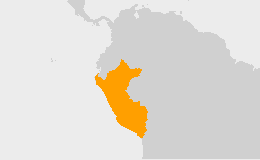
Las afiliadas de la CSI en Perú son la Central Autónoma de Trabajadores del Perú (CATP), la Central Unitaria de Trabajadores del Perú (CUT) y la Confederación Sindical de Trabajadores del Peru (CSP).
Perú ratificó el Convenio nº 87 sobre la libertad sindical y la protección del derecho de sindicación (1948) en 1960 y el Convenio nº 98 sobre el derecho de sindicación y de negociación colectiva (1949) en 1964.
según la ley
Libertad sindical / Derecho de sindicalización
Libertad sindical
El derecho a la libertad sindical está consagrado en la Constitución.
El derecho a la libertad sindical está regulado por la legislación.
Discriminación antisindical
La ley prohíbe la discriminación antisindical, pero no pevé medidas adecuadas de protección al respecto.
Barreras legales al establecimiento de organizaciones
- Se requiere un número mínimo de miembros excesivo para establecer un sindicato
- Se necesitan al menos 20 miembros para formar un sindicato de empresa y hasta 50 para sindicatos de otra naturaleza (Ley de Relaciones Colectivas de Trabajo, Artículo 14) En el caso de las empresas, este requisito sigue siendo excesivo y como consecuencia hay una carencia total de sindicatos en las pequeñas y medianas empresas.
- Restricciones al derecho de los sindicatos a establecer ramas, federaciones y confederaciones o a afiliarse a organizaciones nacionales e internacionales
- La ley (artículo 19 del decreto supremo núm. 003-82-PCM sobre la constitución de federaciones y confederaciones de servidores públicos, y el decreto supremo núm. 003-2004-TR y directiva núm. 001-2004-DNRT) prohíbe que las federaciones y las confederaciones de servidores públicos puedan afiliarse a confederaciones que estén integradas por organizaciones de trabajadores que no sean trabajadores del Estado.
Restricciones al derecho de los sindicatos a organizar su administración
- Restricciones a la libertad para organizar libremente actividades y formular programas
- Los artículos 4 y 5 de las disposiciones complementarias finales del Decreto Supremo Nº 017-2007-ED tipifican como faltas graves de los directores y subdirectores de los centros educativos los actos de puesta a disposición de locales escolares para reuniones sindicales y la realización de actividades de proselitismo político y/o sindical en los centros educativos.
Categorías de trabajadores a quienes la ley prohíbe o restringe la posibilidad de formar o afiliarse a sindicatos, o de ocupar cargos sindicales
- Otras categorías
- Los trabajadores bajo modalidades formativas no tienen derecho de sindicación (ley núm. 28518 y su reglamento, Ley General de Educación)
- Otros funcionarios y empleados públicos
- El artículo 153 de la Constitución peruana impide que los jueces y fiscales participen en la política, establezcan o se unan a un sindicato y hagan huelga.
Derecho a la negociación colectiva
Derecho a la negociación colectiva
El derecho a la negociación colectiva está recogido en la Constitución
El derecho a la negociación colectiva está reconocido por la ley.
Restricciones al principio de negociación libre y voluntaria
- Exclusión de ciertas cuestiones del ámbito de la negociación (por ej. salarios, jornadas laborales)
- La ley que cubre a los trabajadores/as de la administración pública restringe el ámbito de la negociación colectiva excluyendo aspectos salariales.
- Prohibición o limitación de la negociación colectiva a ciertos niveles (empresa, industria/sector, regional/territorial, nacional)
- El artículo 45 del Reglamento de la Ley de Relaciones Laborales Colectivas establece que, cuando no exista un convenio colectivo, y a falta de un acuerdo sobre el nivel del convenio, las negociaciones se llevarán a cabo a nivel de la empresa. También dispone que, cuando exista un acuerdo a algún nivel, para concertar otro acuerdo a un nivel diferente, que sustituya o complemente el primer acuerdo, es esencial que éste sea acordado entre las partes.
- Procedimiento de arbitraje impuesto en caso de disputa durante una negociación colectiva, no sólo en los servicios esenciales
- La Ley dispone que, ante la falta de acuerdo y manifestada la voluntad de una de las partes de acudir al arbitraje, la otra tiene la obligación de aceptar esta fórmula de solución del conflicto (decreto supremo núm. 014-2011-TR cuyo artículo 1º (que modifica el artículo 61 de la Ley de Relaciones Colectivas de Trabajo). Además, la designación del Presidente del Tribunal de arbitraje se realiza por la autoridad administrativa cuando las partes no consiguen ponerse de acuerdo, lo cual puede plantear problemas de confianza en el sistema, particularmente en el sector público.
Restricciones o prohibición de negociar colectivamente en algunos sectores
- Otras categorías
- Los trabajadores bajo modalidades formativas están excluidos de la negociación colectiva (ley núm. 28518 y su reglamento, Ley General de Educación).
Derecho de huelga
Derecho de huelga
El derecho de huelga está consagrado en la Constitución
El derecho de huelga está reconocido en la legislación
Impedimentos legales a acciones de huelga legítimas
- Requisito de un quórum excesivo o de obtener una mayoría excesiva en una votación para poder convocar una huelga
- El artículo 73, b) de la Ley de Relaciones Colectivas de Trabajo requiere la aprobación por votación de la mitad más uno de los trabajadores de una empresa para declarar la huelga.
- Ausencia de un organismo independiente responsable de declarar si una huelga es o no legal
- Corresponde a la Autoridad Administrativa del Trabajo declarar la legalidad o ilegalidad de la huelga (artículo 82 de la Ley de Relaciones Colectivas de Trabajo)
Prohibición o restricciones para ciertos tipos de acción de huelga
- Restricciones respecto al tipo de acción de huelga (por ej. piquetes, huelgas salvajes, huelgas de celo, sentadas, huelgas de brazos caídos)
- Ciertas modalidades de huelga, como el trabajo a desgano, a ritmo lento o a reglamento, reducción deliberada del rendimiento o cualquier paralización en la que los trabajadores permanezcan en el centro de trabajo, están prohibidas (Art. 81 del Reglamento General de la Ley de la Función Pública).
Injerencia indebida por parte de las autoridades o los empleadores durante el transcurso de una huelga
- Las autoridades o los empleadores están capacitados para prohibir, limitar, suspender o cesar unilateralmente una acción de huelga
- El Ministerio de Trabajo está facultado para poner fin a la huelga si ésta compromete gravemente la empresa o el sector productivo o asume características graves por su magnitud o sus consecuencias (Artículo 68 de la Ley de Relaciones Colectivas de Trabajo). Además, en el sector público, la Comisión de Apoyo a la Administración Pública está facultada para decidir si una huelga es inapropiada o ilegal y, en caso de controversia, determinar los servicios mínimos en los servicios esenciales y designar al presidente de un tribunal de arbitraje. Dado que la Comisión de Apoyo a la Administración Pública aún no se ha establecido, el Ministerio de Trabajo y Promoción del Empleo sigue siendo responsable de adoptar las decisiones mencionadas.
Disposiciones que socavan el recurso a acciones de huelga o su eficacia
- Posibilidad de sustituir a trabajadores/as durante acciones legítimas de huelga
- La Resolución Ministerial 080-2007-ED permite la creación de un padrón nacional de docentes alternos para reemplazar a los docentes en huelga.
Limitaciones o prohibición de hacer huelga en algunos sectores
- Determinación poco razonable o discrecional (sin negociación con los interlocutores sociales o en ausencia de una autoridad independiente en caso de desacuerdo) de los «servicios mínimos» que han de garantizarse en caso de huelga en los servicios públicos
- La Autoridad Administrativa del Trabajo tiene la facultad de determinar el alcance de los servicios mínimos durante la huelga en los servicios públicos esenciales, en caso de divergencia entre las partes. De acuerdo con el Art. 83 de la Ley de Relaciones Colectivas de Trabajo, los servicios minimos en tales sectores son fijados por el empleador unilateralmente.
En la Práctica
A lo largo de 2021 Heinz Glas Perú continuó con su política antisindical para desarticular el sindicato y evitar la negociación colectiva. La empresa realiza constantemente una persecución a la organización, ofrece ayuda para la desafiliación de los afiliados, incluso yendo a sus casas, enviándoles la carta de desafiliación, llamándolos uno por uno para incentivar su desafiliación y brinda un puesto con mayor ingreso a quienes se desafilian. En el área de panadería lograron extinguir el sindicato llegando a un acuerdo con dirigentes y afiliados directamente.
Hay cuatro pliegos de peticiones sin resolver, y en 2021 se negaron a tratar otro. La empresa se ha negado a negociar aduciendo que la organización tiene una cantidad mínima de trabajadores en el sindicato. Incluso retrasa los procesos y mandan cartas al Ministerio del Trabajo con excusas para no acudir a las reuniones y retrasar los procesos. Cuando finalmente se presentan aducen que no tienen ganancias y por el contrario han tenido grandes pérdidas.
Durante 2021, el secretario general del Sindicato Único de Trabajadores de Calidda fue injustamente despedido por la empresa. El sindicato y el líder sindical adelantan el proceso laboral de reincorporación, mientras se defiende por la denuncia penal que la empresa interpuso ante el Ministerio Público para llevarlo a la cárcel.
Telefónica del Perú ha implementado el traslado continuo de trabajadores sindicalizados y de mayor antigüedad a un Call Center llamado Centro de Operaciones Movistar (COM). En dicha área, a los trabajadores se les asignan funciones por debajo del nivel de especialización, que no corresponden a su alta calificación ni experiencia. Además, la empresa creó sólo para los trabajadores de esta nueva área COM, una llamada “Política de Compromiso” que busca medir su productividad, sin darles las herramientas, las facilidades, ni la capacitación suficiente y con excesiva carga de trabajo. Pasando a tercerizar los puestos especializados que quedan libres producto de dichos traslados.
El plan también supuso la presentación de dos procesos de ceses colectivos donde más del 50% de los trabajadores involucrados laboraban en COM. En forma paralela aplicaron la suspensión perfecta de labores, donde le suspendieron el pago de remuneraciones y en simultáneo ejercían alta presión contra los trabajadores para forzarlos a acogerse a un “Plan de Retiro Voluntario” con incentivos económicos, que produjo el cese de más de 300 trabajadores, en su casi absoluta mayoría sindicalizados. Producto de acciones en Telefónica del Perú han desaparecido cuatro sindicatos, otros han quedado en serio peligro de desintegración y han cesado importantes líderes sindicales que pertenecían a su vez a la Federación de Trabajadores del Sector Comunicaciones del Perú, provocando masivas renuncias de otros afiliados.
Esta política antisindical busca tercerizar las actividades de Telefónica. Actualmente, la empresa cuenta con empresas contratistas que realizan la gran mayoría de los trabajos y que llegan a sumar más de 23.000 trabajadores, casi todos con contratos temporales desnaturalizados de corta duración, para impedir que organicen sindicatos y exijan sus derechos laborales.
Existen numerosas demandas de los afiliados, quienes luego de pasar años para ganar la primera y segunda instancia, ven que sus casos son llevados por Telefónica a la Corte Suprema como si fuera una tercera instancia abusando del recurso de casación, que de acuerdo a Ley sólo debe usarse en casos excepcionales cuando se vulneran derechos fundamentales o precedentes vinculantes. En estos casos aparte de producirse el excesivo retraso del proceso judicial, los trabajadores sufren reiteradamente de la anulación de las sentencias y el retorno de los expedientes a los juzgados o salas laborales a reiniciar los procesos. Los procesos judiciales laborales son la continuación de la violación de los derechos de los trabajadores. No hay predictibilidad, no hay celeridad procesal, no hay economía procesal, ni sistematización de las demandas laborales que permitan castigar la continua violación de los derechos por parte de las empresas.
El Sindicato de Trabajadores Minero-Metalúrgicos de Andaychagua de Volcan Compañía Minera S.A.A y de empresas especializadas, contratistas y de Intermediación que prestan servicios en Volcan Compañía Minera (Andaychagua) estuvo afiliado mediante convenio colectivo a una Federación de empresa, Federación Volcan, hasta agosto de 2021, y por tanto los afiliados al sindicato aportaban sus cuotas sindicales también a dicha Federación. Sin embargo, el 18 de agosto de 2021, el sindicato decidió desafiliarse de la Federación pero la empresa Volcan ha seguido descontando las cuotas sindicales y a la vez empezó a negar las licencias sindicales a los dirigentes.
Igualmente, desde julio de 2021, La Volcan Compañía Minera ha presentado más de cuatro recursos legales a fin de evitar la negociación con el sindicato. En respuesta a estas acciones judiciales, las autoridades del trabajo han indicado de manera clara y expresa que el sindicato tiene el derecho de negociar colectivamente y la empresa el deber de hacerlo de buena fe. A pesar de ello, la empresa insiste en su negativa. Las conductas sistemáticas antisindicales de la empresa Volcan han sido denunciadas ante la Inspección del Trabajo y ante el Congreso de la República.
Desde el 21 de diciembre de 2021 y principios de 2022, el Sindicato de Trabajadores Minero-Metalúrgicos de Andaychagua de Volcan Compañía Minera S.A.A y de empresas especializadas, contratistas y de intermediación que prestan servicios en Volcan Compañía Minera (Andaychagua) ejerció el derecho de huelga por las constantes violaciones a la libertad sindical de la minera, que han venido siendo denunciadas constantemente ante la Inspección del Trabajo. El 18 de enero de 2022, la empresa despidió a uno de los afiliados y amenazó con despedir a otro más. En enero de 2022, la empresa retuvo a un grupo de trabajadores afiliados para impedir que se sumaran a la huelga.
El 27 de octubre de 2021, el Sindicato de Trabajadores de la Compañía Minera Agregados Calcareos (SITRAMAC) y el Sindicato de Trabajadores Obreros de Mexichem Perú S.A. (STOMPSA), afiliados a la Federación de Trabajadores de la Manufacturera de Perú (FETRIMAP-CGTP) se declararon en huelga en protesta por las constantes dilaciones y prácticas antisindicales de la empresa.
Desde agosto de 2021, el sindicato STOMPSA viene manteniendo negociaciones con la empresa Mexichem, ahora subsidiaria de Orbia Advance Corporation SAB de la marca PAVCO – Wavin, empresa trasnacional con presencia en 40 países, ganancias millonarias y líder en el sector. Las negociaciones llegaron a un punto muerto dado que la actual gerencia ignora al sindicato, se niega a mantener una negociación colectiva de buena fe y lleva a cabo una política antisindical discriminando a los trabajadores sindicalizados e intimidando a los miembros del sindicato a la hora de ejercer su derecho a la huelga, al mandar cartas notariales a las casas de los trabajadores sindicalizados.
El 1 de septiembre de 2021, el Sindicato Único de Trabajadores de la Empresa Farmindustria en Perú, afiliado a la Federación de Trabajadores de la Industria Manufacturera de Perú (FETRIMAP), a su vez afiliada a IndustriALL, inició una huelga reclamando incrementos salariales y mejoras en las condiciones de trabajo.
La empresa Farmindustria, filial de la empresa estadounidense ABBOTT, mantiene una política a nivel internacional de no discutir ni negociar los incrementos salariales con los sindicatos. Durante el periodo 2020-2021 la empresa introdujo algunos aumentos mínimos, sin negociar con los sindicatos y manteniendo al margen y discriminando a los trabajadores sindicalizados. Pese a que la empresa se benefició económicamente en el marco de la COVID-19, al tener el monopolio internacional para la producción de varios medicamentos utilizados para controlar la pandemia, la farmacéutica ejerció una política antisindical negándose continuamente a llegar a acuerdos con sus trabajadores.
Tras la huelga que se extendió por 30 días, el 4 de octubre de 2021, con mediación del Ministerio del Trabajo, finalmente la empresa concluyó con la organización sindical el primer convenio colectivo por dos años. Aunque el convenio no incluye un aumento salarial directo, dado que la empresa ya había aprobado incrementos para esos dos años, la empresa se mostró dispuesta en diversos puntos que benefician a los trabajadores.
Desde 2017 y a lo largo de 2021, la empresa AB InBev Perú ha desarrollado una política antisindical y sistemáticamente viene reduciendo la participación de las utilidades de los trabajadores y del pago de impuesto al Estado. AB InBev aplica desde entonces procesos de reestructuración de personal sin consulta con las organizaciones sindicales. En el proceso de restructuración, la empresa ha despedido a tres secretarios generales del sindicato: Luis Samán, José Gayoso y José Leiva, así como a 15 trabajadores y trabajadoras en la planta norte de Motupe, Perú, todos miembros en huelga del Sindicato Nacional de Backus. En el curso del año 2021, la situación no ha sido remediada por la empresa.
Desde 2017 AB InBev Perú ha despedido a tres Secretarios Generales del sindicato (Luis Samán, José Gayoso y José Leiva) así como a 15 trabajadores y trabajadoras en la planta norte de Motupe, Perú, todos miembros en huelga del Sindicato Nacional de Backus; la UITA exige que la empresa cumpla con las leyes nacionales y respete plenamente la libertad de asociación
Jaime Briceño, Secretario General del Sindicato de Trabajadores de la Empresa Nacional de Coca (ENACO) denunció un caso de hostigamiento laboral en su contra después de interponer una denuncia contra al gerente general de la entidad pública, Rafael Cánovas, por peculado en agravio del Estado. En la segunda semana de diciembre se abrió un proceso de despido sobre el sindicalista argumentando faltas graves, entre las cuales está haber dirigido dos huelgas en contra de la administración por malos manejos fiscales que suman un déficit de tres millones de soles desde hace tres años, y por la pérdida de terrenos que eran propiedad de la entidad.
Luego del tercer día de la huelga decretada por el sindicato de trabajadores de la minera Miski Mayu, el Ministerio de Trabajo declaró su ilegalidad al tiempo que la compañía también emitió un comunicado persuadiendo a sus empleados para reincorporarse y así evitar ser despedidos. Los trabajadores consiguieron detener la totalidad de las operaciones por medio de bloqueos reafirmando la huelga indefinida mientras que la municipalidad de Sechura invitó a la mediación entre las partes.
La Corte Suprema de Justicia anunció su concepto de ilegalidad sobre la huelga de 24 horas convocada por el Comité Nacional de Lucha Judicial para el 21 de noviembre y que se complementaría con una huelga nacional indefinida desde el 26 de noviembre. La Corte amenazó con aplicar descuentos sobre los salarios de quienes no cumplan sus labores. Ambas huelgas fueron convocadas para exigir que trabajadores de todo el poder judicial fuesen vinculados por medio de empleos de carrera y que se garantizara la sostenibilidad de los acuerdos al respecto en el presupuesto de 2020.
Tras 15 días de una huelga liderada por el Sindicato de Obreros de Chiclayo a la que mayoritariamente se vincularon trabajadores administrativos y asistenciales de la alcaldía, la Gerencia Regional del Trabajo declaró su ilegalidad y el alcalde amenazó con despidos masivos argumentando riesgos en la salud pública y tras considerar que estos trabajadores ya cuentan con suficientes beneficios. Los trabajadores reclamaron su vinculación formal y directa al sector público con las mejoras que implicaría acogerse a un pacto colectivo como el resto del sector, asimismo, denunciaron que el alcalde declaró en medios la existencia de salarios suficientemente altos mientras que los sindicalistas alegaron tener pruebas de lo contrario.
El secretario general de la Federación de Mineros, así como dos integrantes del Comité de Mujeres de la Base Minera (MARSA), una periodista y otros 13 líderes sindicales fueron detenidos sin orden judicial a la salida de una reunión en el Ministerio del Trabajo y en la que esperaron sin respuesta la presencia de la Sociedad de la Minería, la cual representa a las empresas nacionales y extranjeras que extraen riquezas en Perú. La huelga se inició el 10 de septiembre tras un llamado nacional para presionar a las compañías mineras a acatar la resolución del Tribunal Constitucional que las obligaba a vincular, mediante contratos laborales definidos o indefinidos, a quienes hasta ahora trabajan por horas, prestación de servicios o por medio de subcontratación. La huelga fue suspendida luego de una semana tras la instalación de una mesa de concertación entre Gobierno, mineras y trabajadores; estos últimos con el respaldo de la bancada de congresistas de la oposición.
El Ministerio de Economía y Finanzas anunció el incumplimiento de la segunda y mayor nivelación salarial acordada en 2018 con el Sindicato de Trabajadores del Poder Judicial (SITRAPOJ), después de interponer una demanda de inconstitucionalidad contra el acuerdo colectivo. Los trabajadores llevaron a cabo una huelga general de 24 horas mientras seguían convocando a la negociación.
La municipalidad de Arequipa hizo efectivos los descuentos en el salario de 240 obreros que participaron en la huelga realizada desde el cinco de agosto durante la cual 200 trabajadores paralizaron sus acciones por tres días mientras que otros 40 acataron el llamado a huelga indefinida en la región en contra del proyecto minero Tía María. En los días siguientes los obreros del sindicato anunciaron su adhesión a la huelga general.
Los 620 trabajadores de la Agroindustrial Cayalti iniciaron una huelga indefinida desde la primera semana del mes de junio, reclamando el pago de salarios de los últimos cinco meses y que la empresa cese la venta de los terrenos productivos que posee, en los que los trabajadores esperan encontrar respaldo financiero con miras a los pagos adeudados, por ser considerados los terrenos más fértiles de la región. La empresa, por su parte, despidió a seis de sus trabajadores cuando comenzaron la reclamación mientras demandaban la intervención del Ministerio Público y de las autoridades locales.
Los 195 sindicatos agrupados en la Federación Médica Peruana anunciaron una huelga general de 48 horas, con posibilidad de volverse indefinida, tras el incumplimiento de los acuerdos firmados en 2017 y 2018 con el Ministerio de Salud, y de los plazos otorgados a éste desde enero de 2019. Los acuerdos incluían mejoras salariales a sus trabajadores, solución a la carencia de insumos y refuerzo a la infraestructura y laboratorios, junto con aumento progresivo del presupuesto para todo el sector de la salud.
El Ministerio de Economía y Finanzas declaró como ilegales las negociaciones colectivas entre el Registro Nacional de Identificación (RENIEC) y el sindicato de la entidad, a la vez que invalidó los cinco mandatos judiciales posteriores a 2011 que significaron aumentos y nivelaciones salariales para los trabajadores desde entonces. Como consecuencia, los salarios de todo el RENIEC disminuirían significativamente a partir del mes de abril. El sindicato anunció una huelga nacional de 24 horas, con la posibilidad de volverse indefinida si el Ministerio continuaba sin instalar las mesas de negociación, que también formaban parte de los acuerdos incumplidos. La huelga se desarrolló sin contratiempos durante su primer día y al segundo fue levantada cuando la administración del RENIEC garantizó temporalmente el cumplimiento de los acuerdos.
Luego de que trabajadores sindicalizados entraran en huelga reclamando el reintegro de un grupo de obreros despedidos por los contratistas que operan la mina Yauricocha, provincia de Lima, el Ministerio de Trabajo comunicó a la dirección de Sierra Metals que esta vía de hecho sería improcedente según la legislación actual, dado que se produjo cuando los huelguistas y la empresa habían iniciado negociaciones. La minera, por su parte, suspendió las operaciones por completo en la mina con el argumento de proteger las instalaciones y al resto de trabajadores que no acataron el llamado sindical.
La huelga se levantó el 12 de abril luego de 20 días, gracias al avance en las negociaciones entre la minera y sus trabajadores. Sin embargo, no se consiguió la reincorporación de los obreros retirados puesto que estos eran competencia de terceros subcontratados.
El alcalde de Trujillo declaró que la huelga convocada para la última semana de marzo perseguía intereses ocultos y agregó que la función pública no puede detenerse y que la Ley de Presupuesto prohíbe el aumento salarial demandado por los trabajadores de seguridad ciudadana, obras públicas y servicios generales. Las medidas anunciadas por el alcalde contemplan descuentos en el salario de los huelguistas y contratación de funcionarios temporales. La administración de la ciudad quedó a la espera del veredicto de La Gerencia de Trabajo y Promoción de Empleo sobre la legalidad de la huelga. Más tarde, el 27 de marzo inició la huelga convocada a pesar de que la Gerencia Regional de Trabajo declaró su improcedencia por incumplir con requisitos legales.
El sindicato Red Nacional de Trabajadores y Trabajadoras Autoempleados del Perú, que cubre la economía informal, denunció diversas maniobras y acciones antisindicales durante el año 2017.
Los trabajadores no obtuvieron permiso para trabajar en las vías públicas, argumentando los gobiernos locales que requerían el registro de asociación regulado por el Código Civil. Así pues, los municipios no reconocen la organización sindical, por lo que no tienen convenios colectivos y cuando realizan protestas y plantones son rápidamente disueltos por los miembros del serenazgo con apoyo de la Policía Nacional del Perú.
El sindicato de estibadores, vendedores de productos hidrobiológicos y actividades conexas de Villa Maria del Triunfo denunció que, a lo largo de 2017, los propietarios del terminal pesquero, Ángel y Edilberto Canales Pillaca, hostigaron y discriminaron a los afiliados al sindicato e impidieron el acceso al mercado a los dirigentes sindicales.
Durante el año 2017, el convenio colectivo que rige entre la embotelladora Lindley y el Sindicato Nacional de Trabajadores de Embotelladora Latinoamericana (Sinatrel) contempla una rotación de turnos cada semana, sin embargo, la empresa ha estado imponiendo rotación cada 15 días.
El Ministerio de Educación del Perú contrató a una serie de docentes suplentes para remplazar a los maestros que para el 28 de agosto llevaban más de 60 días en huelga (había comenzado el 15 de junio). También descontó los salarios a los más de 20.000 profesores que se sumaron a la huelga para exigir unas condiciones laborales dignas, que vienen reclamando en vano desde hace años.
De acuerdo con el Sindicato Nacional de Obreros de UCP Backus y Johnston, la empresa AB InBev, nueva propietaria de Unión de Cervecerías Peruanas Backus y Johnston S.A.A., empezó a impulsar una fuerte ofensiva antisindical para lograr implementar un plan de subcontratación de diferentes áreas de operación de la empresa, y acabar así con la organización de los trabajadores. La primera semana de agosto de 2017, la empresa suspendió durante cuatro días al secretario general del sindicato, Julio Eyzaguirre, al secretario de prensa y propaganda, Jonathan Cruz, y al secretario de defensa, Luis Damán.
El 31 de julio tuvo lugar una huelga de todo el sector del cemento convocada por la Federación de trabajadores del cemento y premezclado del Perú. En el marco de esta jornada de huelga y manifestaciones se produjeron diversos incidentes.
El Sindicato de Trabajadores de Unión Andina de Cementos (UNACEM), denunció que una manifestación sindical organizada ese día fue reprimida por la policía en la zona de Villa María del Triunfo a pesar de contar con los correspondientes permisos. El sindicato se vio obligado a poner fin a la huelga en UNACEM para evitar posibles despidos, al haber sido declarada como improcedente la acción. Además, denuncian que durante la huelga fueron contratados nuevos trabajadores/as para reemplazar a los huelguistas y que, por otro lado, la empresa UNACEM entregó un bono de 800 nuevos soles a los trabajadores que no acataron la huelga. El Ministerio de Trabajo sancionó a la empresa con una multa por haber vulnerado el derecho a huelga, mientras que en la demanda iniciada por el sindicato el tribunal le dio la razón a la empresa.
En el caso del sindicato de trabajadores de Cementos Pacasmayo, la empresa sancionó a los huelguistas despidiendo a: Juan Carlos Mendo Valerio, Víctor Hugo Goycochea Chávez, Víctor Gerardo Paz Portilla, Rolando Ernesto Palacios Puitiza, Telmo Roldan Sagastegui Gil y Hebert Carrasco Quezada, por portar pancartas durante la movilización, vulnerando la libertad sindical.
La Federación Nacional de Trabajadores Mineros, Metalúrgicos y Siderúrgicos del Perú (FNTMMSP) denunció las prácticas antisindicales de la empresa Southern Perú Cooper Corporation (propiedad del Grupo México) a raíz de una serie de despidos antisindicales. Los despidos se llevaron a cabo como represalia por la participación de los trabajadores en la huelga nacional convocada por la FNTMMSP en julio de 2017. El viceministro de Minas de Perú ha expresado su apoyo a los trabajadores, aduciendo que los despidos son ilegales.
A partir de junio de 2017, el Gobierno declaró sucesivos estados de emergencia en distintas localidades del país para acabar con las múltiples protestas que los trabajadores estaban llevando a cabo. Los estados de emergencia permitieron la presencia de la policía y el uso de gases lacrimógenos y otras prácticas violentas contra los manifestantes. Como resultado de los enfrentamientos varios trabajadores resultaron heridos.
En febrero de 2017 la empresa Owens Illinois de Perú despidió injustamente a José Másquez, secretario de defensa del Sindicato de trabajadores de Owens Illinois de Perú “SITRA-OISA”, en un momento clave de las negociaciones colectivas. SITRA-OISA argumenta que se trata de un despido con motivación antisindical, por lo que solicitó una inspección del trabajo. El 27 de junio de 2017 interpuso una demanda por despido nulo.
El 7 de junio la policía de Perú detuvo a cinco trabajadores de SiderPerú Gerdau por participar en una huelga convocada para protestar contra la intransigencia de la empresa en las negociaciones colectivas. El Sindicato de Empleados de SiderPerú también denunció la política antisindical de la misma durante los años 2016 y 2017. A fecha de junio de 2017 se habían llevado a cabo 180 despidos de afiliados y dirigentes sindicales.
A lo largo de 2016, miembros del Sindicato de Trabajadores Rimac (Sintrarimac) fueron víctimas de despidos antisindicales, persecuciones, amenazas laborales, acoso y tratos discriminatorios por parte de la empresa. Del área de tecnología seis afiliados y fundadores del sindicato fueron despedidos arbitrariamente, después de haberlos forzado a cambiar su sede de Lima a diferentes provincias. Trabajadores despedidos en 2014 iniciaron un juicio exigiendo su reincorporación, pero este ha sido dilatado por Rimac y la próxima audiencia está programada para junio 2017.
Adicionalmente, han mandado cartas notariales a la junta directiva, solicitando conocer la identidad del administrador de la página en Facebook del sindicato bajo la amenaza de realizar una denuncia penal. De la misma manera los trabajadores que se relacionan o se afilian al sindicato tienen la más baja evaluación anual de desempeño y no tienen acceso a promociones, licencias ni permisos, lo cual es una clara muestra de acoso y discriminación. Hay una injerencia de la empresa a través de comunicaciones y correos falsos que desinforman a los empleados
Los miembros de la junta son amonestados por asistir a reuniones de conciliación y para solicitar Licencia Sindical hay grandes dificultades.
Rimac Seguros y Rimac EPS, siempre se mostraron reacios a reconocer el sindicato y por lo tanto las negociaciones. Aunque la negociación colectiva fue presentada en abril de 2015, siguen atrasando y atrasando con recursos el proceso de trato directo, conciliación y de arbitraje potestativo.
Finalmente, los trabajadores denuncian que la empresa no cumple con los mandatos de las resoluciones de la Superintendencia Nacional de Fiscalización del Trabajo (Sunafil) y cuando se les imponen multas las pagan, pero no se subsana el abuso.
El 3 de marzo de 2017, la empresa Medifarma despidió a tres trabajadores y envió carta de preaviso de despido a otros 17, por haber conformado el Sindicato Único de Trabajadores de Medifarma (Sutramed) que fuera reconocido por el Ministerio de Trabajo y Promoción del Empleo (MTPE) el 5 de febrero de 2017. Los trabajadores y trabajadoras de la transnacional, con capital peruano, organizaron una protesta frente al MTPE, exigiendo que se reintegre a los despedidos y se detenga el ataque contra su sindicato.
Durante 2016, los trabajadores del sindicato Peruana de Perforación SAC, fueron objeto de discriminación por el hecho de participar en el sindicato y de transgresiones en contra de su derecho de huelga y de negociación colectiva.
En cuanto al trato discriminatorio estos se expresan en despidos, transferencias e incentivos a los no afiliados. De igual manera, se señala que algunos dirigentes son utilizados por la empresa para manipular a los afiliados a cambio de ciertos beneficios.
Para los trabajadores, el mismo Ministerio de trabajo los ha coaccionado para no realizar manifestaciones ni huelgas a través de la declaratoria de ilegalidad de las mismas a lo cual se suma que generalmente son reprimidos por la fuerza pública. La empresa por su parte impide las huelgas mediante amenazas de despido si paralizan labores y entrega cartas de amonestación a los trabajadores que participen en ellas.
En el contexto de la crisis de los precios del petróleo y en lo referido a la negociación colectiva, el sindicato ha recibido amenazas de parte de las asesorías legales de la empresa, aduciendo que si no aceptan sus ofertas para renunciar, cerrarán sus instalaciones.
Durante el transcurso de 2016, los miembros del Centro Federado de Empleados del Banco Continental fueron víctimas de tratos discriminatorios y de ataques que han transgredido el derecho a la sindicalización. La empresa no ha mostrado voluntad de negociación de las solicitudes legítimas y realistas del sindicato, lo cual obstaculiza sus actividades. Por el hecho de pertenecer al sindicato, los trabajadores han sido objeto de discriminación. Los trabajadores tienen miedo a afiliarse porque si lo hacen, la empresa los margina, no tienen acceso a ascensos, son estigmatizados y objeto de ataques hostiles.
Durante 2016, los trabajadores del sindicato Nacional de Trabajadores de la Empresa MT INDUSTRIAL SAC fueron víctimas de acciones que transgredieron su derecho a la libertad sindical y a la negociación colectiva, así como discriminación por razón de ser sindicalizados.
Los trabajadores tienen miedo a afiliarse al sindicato porque, si lo hacen, la empresa los margina, son estigmatizados y son objetos de hostilización, no obtienen ascensos y la empresa solo realiza aumentos de salarios a los no sindicalizados. La empresa ha recurrido a despidos y a transferencias de lugar de trabajo como parte de una estrategia antisindical de la empresa. Dos dirigentes sindicales fueron despedidos al momento de formar el sindicato y posteriormente se abrieron procesos disciplinarios en contra de los miembros del sindicato. El representante Josué Calderón Valdez fue despedido el 3 de marzo del 2016 y la conciliación se programó para julio de 2017 lo cual demuestra las demoras de los procesos judiciales.
La empresa además no muestra voluntad alguna para negociar el pliego de reclamos, luego de dos años de haberle sido presentado y remitido al Ministerio. Permanentemente la empresa recurre a la mala fe para apelar a los requerimientos.
Durante 2016, miembros del Sindicato de Trabajadores y Trabajadoras de la Empresa Monsanto fueron víctimas de diferentes tipos de acoso, discriminación, agresiones y ataques por parte de la empresa.
La empresa ha amenazado a los trabajadores con no contratarlos en las próximas campañas de cosecha o transferirlos a otras líneas de producción si se relacionan con los dirigentes sindicales. Este trato discriminatorio es permitido debido a la temporalidad e intermitencia de los contratos. Igualmente, los tratos discriminatorios a los miembros del sindicato incluyen la no aceptación de licencias y permisos, bajas evaluaciones, asignación de trabajo adicional y el impago de horas extras.
Los trabajadores denunciaron la injerencia indebida de la empresa, al implementar una campaña de desinformación sobre las actividades de los dirigentes y de la forma como el sindicato realiza sus reuniones, para disminuir la confianza de los trabajadores. De la misma manera, han impedido y dilatado las negociaciones colectivas.
Finalmente, la empresa envió cartas notariales a toda la junta directiva, amenazando con proceder a denunciarlos si no daban a conocer el nombre del administrador de su página en Facebook y adicionalmente censurando el contenido de la misma.
Aunque se han impuesto a la empresa multas por parte de la Superintendencia Nacional de Fiscalización del Trabajo (Sunafil), los abusos continúan.
En diciembre de 2016, la multinacional Telefónica cerró sus empresas tercerizadoras (subcontratistas) LARI, COBRA, ESENTIZ y DOMINION, para eludir mandatos judiciales y obligaciones sindicales. Aunque Telefónica y las empresas tercerizadoras mantienen el vínculo contractual, éstas se cambian de región para desvincular a los trabajadores, evadir sus obligaciones laborales y buscar desestabilizar las bases sindicales.
Durante 2016, cientos de trabajadores fueron desvinculados de sus puestos de trabajo en todas las regiones del país, especialmente en la ciudad de Trujillo Cajamarca, Lima y Tacna.
La empresa Telefónica del Perú decidió trasladar las tercerizadoras de región justo cuando que la Corte Suprema exhortó a la empresa al cumplimiento del laudo arbitral del pliego impulsado por el Sindicato de las Empresas de Telefónica en el Perú y de las del Sector Telecomunicaciones (SITENTEL), en relación con las empresas contratistas tercerizadas de Telefónica, para el periodo 2010- 2011. Telefónica aseguró que el despido de los trabajadores es una decisión exclusiva de las empresas contratistas en las que la empresa española no tiene intervención alguna.
Durante 2016, los trabajadores del Poder Judicial fueron objeto de obstrucción a la libertad sindical y a la negociación colectiva, de tratos discriminatorios por el hecho de pertenecer al sindicato y de detenciones arbitrarias que se presentaron durante ejercicios de huelga.
En diciembre de 2016, la Federación de Sindicatos del Poder Judicial (Fenasipoj) convocó una huelga frente a la Corte de Justicia de Lima Sur, que sería violentamente reprimida por la Policía Nacional, pasando del uso de gas lacrimógeno al empleo de armas de fuego contra los trabajadores, aunque afortunadamente no hubo que lamentar ningún herido. Durante esta intervención, la policía detuvo a tres trabajadores, uno de ellos líder sindical.
En el poder judicial existen campañas para generar la desafiliación de trabajadores al sindicato y se promueven las represalias contra los sindicalistas como la no renovación de contratos y la rotación de personal. Además, en cuanto a las negociaciones colectivas, no existe una verdadera voluntad por parte del empleador, de manera que, cuando se solicitan documentos necesarios conforme lo señala la norma, siempre hay renuencia y demoras.
El 28 de noviembre de 2016, los trabajadores de la empresa de acero Gerdau ubicada en Chimbote, Perú, marcharon para pronunciarse en contra de la violación de sus derechos, los despidos, el desconocimiento a los sindicatos y la campaña a favor de tercerización por parte de la empresa.
En junio del 2016 la empresa despidió trabajadores en Lima, y a quienes se negaron a renunciar los trasladaron a la planta de la empresa en Chimbote. Con la reducción de personal, la compañía buscaba entregar el trabajo a una empresa contratista. Además, la empresa cambió la duración de la jornada laboral de 8 a 10 horas. Por estas razones y porque la empresa se resistía a reconocer a la organización sindical como interlocutor válido para la búsqueda de consensos y soluciones al conflicto, los trabajadores decidieron movilizarse junto a otras organizaciones sindicales, vecinales y políticas.
El 12 de noviembre de 2016, los trabajadores de las agroindustriales de la región Lambayeque anunciaron que conformarían un Frente de Defensa de los Intereses de la Industria Azucarera para reivindicar sus derechos laborales y sindicales. El nuevo gremio está integrado por los sindicatos de las agroindustriales de Pomalca, Tumán, Cayaltí, Pucalá y Úcupe y sus anexos.
En principio el Frente buscó resolver los conflictos de la azucarera Pomalca generados porque la empresa, manejada por el grupo Oviedo, no habría cumplido con los pagos a más de 460 trabajadores. Por este motivo se realizaron protestas contra la gestión que provocarían el despido de 17 trabajadores. Durante las protestas el trabajador Manuel Saavedra Romero resultó herido por arma de fuego. Su madre Domitila Romero López responsabilizó del ataque a Rosendo Fernández Coronel, empleado de seguridad de la azucarera.
En septiembre de 2016, 19 trabajadores de la línea de prensado de Nestlé Perú, 12 de los cuales estaban afiliados al Sindicato Único Nacional de Trabajadores Nestle Perú (SUNTRANEP), fueron informados de que serían separados de la empresa en base a la figura jurídica del ‘cese por mutuo disenso’. No obstante, los trabajadores aseguran que la decisión fue tomada unilateralmente. Los despidos se producen en medio del proceso de negociación colectiva iniciado hace siete meses.
La empresa decidió cerrar la línea de prensado, donde se hacen tapas y fondos de los envases de leche evaporada porque resulta más rentable comprarlos a otras fábricas de hojalatería que seguir produciéndolos. Los trabajadores buscan una reubicación en otras áreas o en las nuevas empresas tercerizadoras, pero la empresa aseguró que no sería posible.
El 28 de junio de 2016, el Sindicato Unificado de Trabajadores de la Minera Chinalco de Perú exigió a la empresa de origen chino la readmisión de los principales dirigentes de la organización, que fueran despedidos en represalia por una huelga que paralizó las operaciones de la mina de cobre de Toromocho. De esta manera se violó el derecho sindical que protegía a estos trabajadores.
El conflicto dio comienzo el 31 de mayo del 2016, cuando 800.000 trabajadores sindicalizados de la minera china Chinalco, ubicada en el distrito de Morococha en la provincia de Yauli (Región Junín) realizaron una huelga de cuatro días exigiendo que la empresa cumpliera con el pago de los bonos acordados y la mejora de las condiciones laborales. Después de esta manifestación la empresa envió notificaciones de despido al secretario general adjunto y a los secretarios de defensa y de prensa, bajo el argumento de que habían falsificado documentación sobre la asistencia de los trabajadores a la asamblea en la que el sindicato decidió ir a huelga.
El sindicato trató de llegar a un acuerdo con Chinalco Mining Corp., pero la empresa no se mostró dispuesta a negociar. Por esta razón el sindicato pidió la intervención de la Dirección General de Trabajo del Ministerio de Trabajo y Promoción del Empleo (MTPE) y el Gobierno Regional de Junín. Aunque se programó una reunión entre las partes, los representantes estatales no asistieron, por lo que la conciliación no se pudo realizar.
En mayo de 2016, el Sindicato de Trabajadores de la Superintendencia Nacional de Fiscalización Laboral (SI-Sunafil) anunciaron una huelga nacional indefinida debido a que el Gobierno violó de manera sistemática los derechos laborales y la libertad sindical de los inspectores de trabajo.
Sunafil no brinda las condiciones ni garantías mínimas para el desarrollo de las labores de los inspectores del trabajo, como movilidad, uniformes y un adecuado ambiente laboral, de manera que no se facilita permite una adecuada verificación del cumplimiento de las normas laborales. Adicionalmente se adujo el incumplimiento de algunos de los compromisos acordados en pliegos de peticiones.
La Dirección General de Trabajo del Ministerio de Trabajo y Promoción del Empleo (MTPE) declaró la improcedencia de la huelga convocada por el sindicato, y citó a Sunafil y al SI-Sunafil a una reunión de conciliación. El superintendente aceptó que no se había cumplido con proveer a los inspectores de trabajo ropa de trabajo y equipos de protección personal. Aceptó además que el proceso de cumplimiento de las normas de Seguridad y Salud en el Trabajo había sido lento, aunque afirmó que se estaba adelantando.
Tras el despido de la directiva del Sindicato de Trabajadores de la Empresa Talsa (SITETSA) junto a otros dos antiguos miembros, la empresa ha contestado la legalidad del sindicato y de la Federación Nacional de Trabajadores del Sector Agrario, Industria, Riego y Similares del Perú (FENTRAIR) a la que pertenece. Además de impulsar una campaña de presión y amenazas contra los trabajadores para que se desafiliasen, la empresa quiso conformar un nuevo sindicato afín a sus intereses, para después negociar un nuevo Convenio Colectivo.
FENTRAIR y SITETSA iniciaron una campaña internacional de denuncia contra las prácticas antisindicales de TALSA y llevaron a los tribunales el caso de los despidos. El Segundo Juzgado Laboral de La Libertad admitió la demanda por nulidad de los despidos, solicitando medidas cautelares para que los dirigentes sean reintegrados a sus puestos de trabajo.
En marzo de 2016, la empresa agroindustrial TALSA, integrante del grupo Rocío – una de las empresas agroexportadoras más grandes del Perú especializada en la producción de espárragos, arándanos, alcachofas y aguacates – despidió arbitrariamente a toda la junta directiva del Sindicato de Trabajadores de Empresa Talsa (SITETSA), a quienes además acusó penalmente por una supuesta falsificación de firmas en un acta de asamblea que se realizó en 2013 para cambio de junta directiva. Para desacreditar y enjuiciar a los dirigentes sindicales, la empresa contrato a uno de los abogados defensores del ex presidente Alberto Fujimori.
Los directivos sindicales despedidos señalaron que fueron despedidos en represalia por haber denunciado repetidamente las malas condiciones de salud y seguridad laboral en la empresa. De acuerdo con el sindicato, tras el despido, la empresa impulsó una fuerte campaña de presión y amenazas contra los trabajadores para que se desafiliaran del sindicato.
El Secretariado Ejecutivo Nacional de la Confederación General de Trabajadores del Perú (CGTP), condenó la violencia y los atentados criminales en contra de trabajadores y dirigentes de la Federación de Trabajadores en Construcción Civil del Perú (FTCCP).
Manuel Coronado Lino, Secretario General de la CGTP Loreto y dirigente nacional de la Confederación General de Trabajadores del Perú (CGTP) fue víctima en febrero de 2016 de un atentado, cuando un artefacto explosivo estalló frente a su domicilio, poniendo en riesgo su vida y su salud, así como las de toda su familia.
Según la CGTP, ese mismo mes, Wilmer Zegarra Bonilla, Secretario de Organización de la CGTP Lambayeque y Secretario del Sindicato Regional de Construcción Civil, fue amenazado de muerte y ha sido continuamente hostigado y perseguido por desconocidos.
Durante el año 2015, continuó el conflicto laboral sindical con las empresas contratistas de Telefónica en el Perú: ITETE, CALATEL, consorcio Antonio Lari Mantto. Dichas empresas, además de discriminar a sus trabajadores negándose a negociar colectivamente, se oponen administrativa y judicialmente a las reclamaciones de las organizaciones sindicales.
Estas contratistas continuamente desconocen la representación sindical y se niegan a realizar los correspondientes descuentos sindicales, perjudicando a las organizaciones sindicales en su sostenibilidad.
One worker was killed and some 200 reported injured when police fired on striking miners blocking a highway near the Shougang Hierro Perú iron mine at Marcona, Nazca province, in Peru’s coastal region of Ica on May 25. At least one other worker suffered a bullet wound. Videos aired on media in Peru show workers chanting «no disparen, no disparen» (don’t shoot, don’t shoot) at the National Police troops. The strike was called by the FNTMMSP union federation to oppose the layoff of more than 80 workers by subcontractor Coopsol. Strikers were also pressing community demands for reduced electricity rates and a potable water project. All 963 workers at the mine took part in the strike, and the company has not brought contract workers to replace them while talks with the FNTMMSP are ongoing. The FNTMMSP on May 18 called a national strike to protest government decrees that allow greater use of subcontractors in the mining sector. The FNTMMSP called off the national strike on May 27. The Marcona complex, Peru’s biggest iron mine, is owned by China’s biggest iron producer, Shougang Group. The mine was also paralysed by strikes in 2009 and 2007.
Un trabajador perdió la vida y se registraron cerca de 200 heridos cuando la policía disparó contra los mineros en huelga que bloqueaban la carretera de acceso a la mina de Shougang Hierro Perú en Marcona, provincia de Nazca, en la región costera de Ica, Perú, el 25 de mayo. Al menos otro minero sufrió una herida de bala. En varios vídeos publicados en diversos medios de comunicación peruanos se escucha a los trabajadores gritar “no disparen, no disparen” a los efectivos de la Policía Nacional. La huelga había sido convocada por la Federación Nacional de Trabajadores Mineros, Metalúrgicos y Siderúrgicos del Perú (FNTMMSP) en protesta por el despido de más de 80 trabajadores por parte de la subcontratista Coopsol. Los huelguistas también querían hacer presión respecto a demandas comunitarias para obtener una reducción de las tarifas de electricidad y un proyecto de agua potable. Los 963 trabajadores de la mina se sumaron a la huelga, y la compañía no recurrió a la contratación de trabajadores de reemplazo para sustituirlos mientras mantenía negociaciones con la FNTMMSP. El 18 de mayo, la FNTMMSP convocó una huelga nacional en protesta contra los decretos del Gobierno que permiten un mayor recurso a empresas contratistas en el sector minero. La FNTMMSP suspendería la huelga nacional el 27 de mayo. El complejo Marcona, la mayor mina de hierro en Perú, es propiedad del mayor productor de hierro chino, el Grupo Shougang. La mina quedó ya paralizada por huelgas en 2009 y 2007.
El Secretario General del Sindicato de Trabajadores de Nestlé Perú (SUNTRANEP), Alexander Caballero, denuncio que la empresa se niega a ofrecer la categoría de supervisor de producción a aquellos trabajadores que hace una década se desempeñan como tales, violando de esta forma una cláusula del convenio colectivo vigente.
La compañía transnacional por su parte manifiesta que para llegar a esa medida los trabajadores deberán realizar algunos exámenes que los habiliten a desempeñar el cargo que hace diez años ya desempeñan.
Caballero insiste en que se trata de una estrategia de Nestlé para poder despedir a estos operarios, cambiándolos por otros a quienes pagará sustancialmente menos. Hasta la fecha la empresa continúa desconociendo el convenio colectivo negándose a promover a los trabajadores con más de diez años de experiencia, como figura en el acuerdo.
El 12 de mayo de 2015 en la región de Arequipa se inició un paro general de 72 horas, convocado por sindicatos y organizaciones sociales en solidaridad con la huelga del valle del Tambo, como respuesta a un controvertido proyecto minero de la multinacional Southern. De acuerdo con los sindicatos, el paro también se realizó en rechazo al despliegue militar ordenando por el Gobierno para reforzar a la policía a fin de contrarrestar las protestas surgidas en la huelga de trabajadores, iniciada en el mes de marzo de 2015. La CGTP expresó su solidaridad y solicito al Gobierno cancelar el proyecto minero denominado Tía María al señalar su preocupación por los nocivos efectos ambientales y la manera represiva en que se imponen a las comunidades estos proyectos sin consultar con la población.
En abril de 2015, durante las negociaciones de un nuevo convenio colectivo, la empresa Topy Top despidió a Huber Amed Albújar, Secretario del sindicato SINTOTTSA.
La empresa también despidió a otros 12 miembros del sindicato, cinco de los cuales gozan de inmunidad contra el despido.
Albújar ha criticado abiertamente el mal uso de los contratos a corto plazo, y es un firme defensor de los derechos de los trabajadores en la empresa. No es la primera vez que Topy Top ha tratado de deshacerse de él.
Ahora se enfrenta a acusaciones de haber cometido cuatro presuntos delitos; Albújar ha rechazado todas las acusaciones.
El 24 de marzo de 2015, fue despedido arbitrariamente el dirigente sindical Julio Rodríguez La Chira, Secretario General de la Federación Nacional de Hidrocarburos del Perú (FENANHID Perú). De acuerdo con la Central Autónoma de Trabajadores del Perú (CATP) el despido del dirigente constituye un acto antisindical por parte de la empresa SAVIA Perú S.A., dedicada a la exploración y producción de hidrocarburos.
A pesar de que la empresa conocía con claridad la situación de representación sindical de Julio Rodríguez, no dudo en despedirlo arbitrariamente como estrategia antisindical para reducir la afiliación sindical e intimidar a los demás trabajadores.
En noviembre de 2014, el Congreso peruano aprobó una ley que favorece el cese de hasta el 5 por ciento de los trabajadores de empresas que argumenten que esté en riesgo su sostenibilidad económica. Un mes después se aprobaría la Ley 30.288 sobre trabajo juvenil, permitiendo nuevos recortes.
A lo largo de enero de 2015, sindicatos obreros y estudiantes realizaron movilizaciones y protestas contra estas iniciativas que precarizan y retroceden en los derechos laborales. El 15 de enero de 2015, la movilización sindical y estudiantil fue reprimida violentamente por la policía, la represión dejó como saldo varios heridos y detenidos.
A finales de enero de 2015, los trabajadores peruanos celebraron la derogación en el Congreso de la ley sobre trabajo juvenil, aunque continuaron movilizados contra otra norma igualmente violatoria de los derechos laborales.
El 25 de noviembre de 2014, fue asesinado el dirigente sindical Carlos Malásquez Bastante, miembro de un sindicato afiliado a la Federación de Trabajadores de Construcción Civil del Perú. De acuerdo con José Villanueva Carbajal, dirigente de la FTCCP, el líder sindical fue asesinado a tiros en el puerto de Callao, de la ciudad de Lima, por desconocidos. Según Villanueva, su federación denunció que Malásquez era objeto de amenazantes seguimientos, sin obtener la protección que habían solicitado para el dirigente.
Denunció que el asesinato se debe a represalias por las continuas denuncias que había realizado Carlos Malásquez sobre las actividades delincuenciales extorsivas por parte de los pseudo sindicatos del sector, creados para acabar con las organizaciones sindicales legítimas durante el Gobierno de Alan García.
El secretario general de la Confederación General de Trabajadores del Perú (CGTP), Mario Huamán, ha denunciado reiteradamente que el pasado Gobierno de Alan García, al fomentar el paralelismo sindical, facilitó el registro de sindicatos sin representatividad, incluyendo a los delincuenciales.
Según la CGTP en los últimos años han sido asesinados 15 dirigentes sindicales del gremio de construcción civil.
En septiembre de 2014, Luis Cárdenas, un dirigente sindical en Prosegur, fue víctima de un brutal y violento ataque cerca de su domicilio, en Perú. Cárdenas, un trabajador de la firma española de seguridad que no estaba de servicio, tuvo que ser hospitalizado tras sufrir un ataque cuando un cobarde y anónimo criminal lo golpeó en la cabeza con una piedra.
El asaltante huyó sin llevarse ninguna de las pertenencias personales de Cárdenas, lo que sugiere que la agresión se produjo simplemente por ser un dirigente sindical. Apenas un mes antes, se habían distribuido entre el personal de Prosegur folletos identificando a Cárdenas como dirigente sindical y vertiendo en su contra falsas acusaciones de robar fondos sindicales.
On 21 June 2014, Juan Carlos Talavera Flores, the press secretary of the SITALANPE union of Peru, reported that he was detained. Leader in the international solidarity campaign to protect aviation standards in South America, his detention was made while he was distributing information in the Jorge Chavez Airport in Lima and answering questions from passengers about the upcoming industrial actions and strikes in LAN and TAM airlines.
El 21 de junio de 2014, Juan Carlos Talavera Flores, secretario de prensa del Sindicato Único de Técnicos Aeronáuticos de LAN Perú (SITALANPE), denunció haber sido detenido. El dirigente sindical lidera la campaña de solidaridad internacional para proteger los estándares de la aviación en Sudamérica y su detención se produjo mientras distribuía información en el aeropuerto Jorge Chávez de Lima y respondía preguntas de los pasajeros sobre las próximas movilizaciones y huelgas en las aerolíneas LAN y TAM.
En abril de 2014, el Sindicato de Trabajadores de la Empresa Risk Control, del sector petrolero, denunció agresiones físicas y atentados contra la vida y la salud de compañeros de trabajo. Estos hechos sucedieron mientras brindaban servicios de vigilancia en los oleoductos de la empresa Savia Perú.
El sindicato también denunció la ausencia de inspectores de trabajo en la ciudad de Talara y la negativa de la empresa a entregar las valorizaciones de los pliegos de reclamos de los años 2012 y 2013.
Según el sindicato, los administradores de la empresa no han cumplido con realizar los procedimientos legales establecidos en la medida que no han denunciado los hechos ante la Policía Nacional y las demás autoridades pertinentes.
Por su parte, funcionarios del Gobierno Regional de Piura se negaron a dar las órdenes para solicitar la presencia de inspectores de trabajo.
En octubre de 2013, el Sindicato General de Trabajadores de la Empresa PETREX S.A. (SIGETRAPETREX), afiliado a la Central Autónoma de Trabajadores del Perú (CATP), entró en la etapa de trato directo en el marco de la negociación colectiva y solicitó a la empresa los documentos contables necesarios para conocer el estado de pérdidas y ganancias. Sin embargo, hasta abril de 2014 la Autoridad Administrativa de Trabajo aún no había emitido el respectivo informe de valorización.
En abril de 2014 se sostuvo una reunión entre el SIGETRAPETREX y la empresa, la cual no aceptó ninguna de las cláusulas presentadas por los trabajadores. Los directivos de la empresa sabían que el sindicato no disponía de los balances y otros documentos contables durante la negociación. PETREX pertenece al grupo económico SAIPEM GROUP, conformado por PETREX S.A. ENI GROUP, de capitales italianos.
Camposol es una de las principales empresas agroindustriales de Perú. Es también una de las más consecuentemente antisindicales. El 13 de marzo 2014, un día después del comienzo de una movilización por reivindicaciones laborales, los trabajadores de la firma fueron brutalmente agredidos por la policía, 18 de ellos serían detenidos y una dirigente gremial tuvo que ser internada con severas heridas en la cabeza.
El Sindicato de Trabajadores de la Empresa Camposol S.A. (SITECASA) había decidido movilizarse tras haber agotado todas las instancias de negociación, “cansado por las promesas incumplidas, el mal trato, los despidos y la política represiva” de la dirección de la compañía.
En la tarde del jueves 13, un grupo de trabajadores estaba sentado a la entrada de la planta industrial de la empresa, en la localidad de Chao, en aplicación de una medida sindical. De improvisto, contingentes de la Policía Nacional, respondiendo al llamado de los empresarios, desembarcaron dispuestos a despejar el ingreso a toda costa.
Según testimonios, la actitud de la policía fue “salvaje”. Golpeada en la cabeza, la dirigente sindical Carmen Silvestre fue internada en un principio en la Posta Medica de Chao para luego ser trasladada al Hospital de Essalud de Viru. Otros 18 trabajadores fueron detenidos, entre ellos el Secretario General de SITECASA, Felipe Arteaga Saavedra, su predecesor en el cargo, Santos Garro Rojas, y los ex dirigentes Elmer Riveros Escobal y Teresa Cóndor Cotrina.
En Saturno, una empresa agroindustrial ubicada en el distrito de Chulucanas, la dirección de la firma expulsó a los dirigentes sindicales Mercedes Camacho Juárez y Luis Alberto Manrique Santos, quienes desde noviembre de 2013 se desempeñaban como Secretaria de la Mujer y Secretario de Organización del Sindicato de Trabajadores Agrarios del Perú (SITAG). La compañía encubrió los despidos bajo la fachada del término de los contratos de trabajo de ambos empleados.
En Talsa, una exportadora de espárragos, alcachofas y arándanos perteneciente al Grupo Rocío y emplazada en la región de La Libertad, el 25 de enero de 2014 el dirigente sindical Felipe Román Rodríguez Moreno, que acababa de ser elegido Secretario de Actas y Archivo del sindicato de la firma, fue convocado a la oficina del Gerente de Relaciones Humanas, Manuel Razzeto Chauca.
El motivo de la convocatoria era simple y directo: un chantaje. O Rodríguez Moreno renunciaba a su cargo en la estructura gremial y al propio sindicato o era despedido. Según un comunicado de la Federación Nacional de Trabajadores de la Agroindustria y Afines (FENTAGRO), el jerarca le dijo al sindicalista que con su pertenencia al gremio estaba dando un “mal ejemplo a los trabajadores”.
El lunes siguiente, 27 de enero, a Rodríguez Moreno no se le permitió ingresar a la fábrica. Razzeto Chauca le notificó que había sido despedido y que se le comunicaría esa decisión vía notarial.
En su intento por llegar a un acuerdo de negociación colectiva con el gobierno peruano, tres confederaciones sindicales del sector público presentaron una petición conjunta a las autoridades públicas competentes en febrero de 2014. La propuesta de negociación incluye la libertad de los trabajadores y de las trabajadoras para formar sindicatos y subraya que los derechos laborales no deben denegarse aun cuando el servicio en la administración pública sea una “vocación y llamado”.
La propuesta de negociación colectiva a nivel de la industria “es una oportunidad para avanzar en el respeto a la libertad sindical y la negociación colectiva en el sector público, las cuales se encuentran actualmente amenazadas”, afirmó Jorge García Villa, Secretario General Adjunto de la Federación Nacional de Trabajadores Administrativos del Sector Educación (FENTASE) . “Tenemos la oportunidad de negociar salarios justos y establecer convenios que eviten los conflictos y ayuden a desarrollar un mejor servicio público peruano”. Villa García también es coordinador de la Internacional de Servicios Públicos (ISP) para el Perú.
En diciembre de 2013, IndustriAll denunció que Glencore Xstrata estaba utilizando despidos injustificados, intimidación e injerencia en asuntos sindicales para evitar la sindicalización de trabajadores técnicos de Antapaccay, empresa de minería de cobre situada en la región del Cuzco, en Perú.
El 24 de marzo de 2014, los trabajadores de la empresa Antapaccay, filial de Glencore Xstrata, iniciaron un paro de dos días en protesta por el fallo del pago del reparto legalmente vinculante de utilidades; violación del convenio colectivo; uso de contratos de duración determinada; y despido ilegal de los trabajadores por haber creado un sindicato de técnicos y personal administrativo.
El 16 de octubre de 2013, la Corporación Lindley despidió arbitrariamente a 32 trabajadores/as afiliados al Sindicato de Trabajadores de la Corporación Lindley S.A. (SITRACORLINSA), ignorando el mandato del Ministerio de Trabajo de darles estabilidad, según denunció Pedro Huapaya, Secretario General de SITRACORLINSA.
Huapaya explicó que el sindicato solicitó una inspección por desnaturalización de contratos a plazo por motivos de innovación tecnológica de 35 trabajadores, quienes después de venir trabajando desde hacía más de dos años bajo esta modalidad tenían derecho a la estabilidad.
La inspección concluyó que 294 trabajadores, entre empleados y obreros, se encontraban bajo contrato desnaturalizado.
En defensa de sus derechos 127 trabajadores decidieron afiliarse al sindicato, decisión que disgustó a la empresa y como acto de represalia despidió el 16 de octubre a 32 compañeros.
En 2012 se fundó el sindicato en la empresa San Miguel Industrias PET, fabricante de envases de plástico. En agosto de 2013, la empresa cerró el sector Almacén e “invitó” a todos los trabajadores a “una mutua desvinculación con incentivos económicos”. Si no aceptaban la propuesta, serían reubicados a la ciudad de Arequipa, que dista 17 horas de viaje por tierra hacia el sur de la capital.
La empresa de bebidas AJE no reconoció al sindicato nacional del sector (SINTRABVA) para entablar la negociación colectiva. La empresa se negó a asistir a las reuniones convocadas por la Autoridad Nacional para la Prevención y Resolución de Conflictos. Como resultado, el sindicato convocó una huelga nacional, la cual fue considerada inadmisible por el Ministro de Trabajo.
Telefónica, la empresa española de telecomunicaciones despidió sistemáticamente a los trabajadores y trabajadoras que intentaron formar un sindicato en varios de sus subcontratistas. Uno de los principales casos tuvo lugar con la empresa de subcontratación de Telefónica, ITETE S.A., la cual despidió a todos los trabajadores/as afiliados al sindicato SITENTEL.
Fidel Polo, Secretario de defensa jurídica del Sindicato de Trabajadores de Sociedad Agrícola Virú y Secretario General Adjunto de la Federación de Trabajadores de la Agroindustria y Afines del Perú, fue despedido tras aparecer en un programa de televisión local criticando las condiciones laborales que imperan en la industria de exportación agrícola peruana.
El 29 de julio de 2013, los trabajadores de Saga Falabella, Perú, realizaron un plantón frente a la Tienda de Plaza San Miguel, Lima, en defensa de sus derechos laborales y de libre sindicalización. El sindicato exige el cese de la persecución antisindical de ejecutivos y jefes contra trabajadores y dirigentes del Sindicato Unitario de Trabajadores de Saga Falabella (SUTRASAF).
En junio de 2013, después de innumerables apelaciones, sentencias y resoluciones, la empresa Texpop Corporation se sigue negando obstinadamente a acatar la decisión de los tribunales y a readmitir a los 129 trabajadores/as que fueran despedidos en 2009, en flagrante violación del derecho a la libertad sindical.
Durante tres meses, Juan Flores Haro debió sufrir las represalias de su empleador, la empresa Redondos Alimentos, que se había visto obligada por la justicia peruana a reponerlo por despido abusivo. Finalmente, el 5 de abril de 2013 volvió a despedirlo.
El Estado tiene poca o ninguna voluntad de fomentar la negociación colectiva por rama de actividad. No existe actualmente una legislación en materia laboral que señale específicamente los alcances de la negociación colectiva por rama de actividad. La ley no fomenta ni garantiza la negociación colectiva, al no señalar específicamente reglas que la hagan viable.
Telefónica del Perú, una de las empresas más solventes del país, continúa con su política de negar la negociación colectiva por rama de actividad, negando sistemáticamente la posibilidad de negociación colectiva a los trabajadores y trabajadoras de las empresas que forman parte del grupo Telefónica del Perú. Esto implica una discriminación en cuanto a condiciones de trabajo, respecto a los trabajadores/as de otras empresas que no son propiedad directa de Telefónica del Perú, pero que realizan actividades para ella y pertenecen al sector de telecomunicaciones.
Hasta agosto de 2011, la empresa chilena Ripley se negó a negociar colectivamente el pliego de peticiones que había sido presentado en 2010 por el Sindicato Único de Trabajadores del Grupo Ripley (Sutragisa), cuyo objetivo era mejorar las condiciones salariales y laborales de 5.000 trabajadores/as. Finalmente, en octubre de 2011, se llegó a un acuerdo tras la intervención del Ministerio del Trabajo instando a la empresa a discutir las peticiones del sindicato.
En el mes de diciembre de 2011, el Ministerio de Trabajo registró 18 conflictos colectivos a escala nacional, que aún no habían llegado a resolverse. De las 18 empresas con conflictos laborales, 11 se referían a falta de reconocimiento de la negociación colectiva con la organización sindical, en empresas del sector eléctrico y la aeronáutica; tres a conflictos sobre salarios y condiciones laborales en empresas de la construcción; uno al incumplimiento del acuerdo colectivo y otros tres por otros asuntos relativos a los derechos laborales.
Las empresas han mantenido la práctica de usar fraudulentamente los contratos temporales y otras formas precarias de contratación para evitar el pago de los derechos laborales y la sindicalización de los trabajadores. Así por ejemplo, las cifras sobre intermediación laboral se concentran especialmente en el sector de las actividades inmobiliarias, empresariales y de alquiler, en donde actúan cerca del 80% de las empresas de intermediación. En este sector de actividad, más del 50% de los trabajadores registran contratos temporales y la tasa de sindicalización no llega siquiera al 1%.
Persiste la tendencia a subcontratar muchos servicios gubernamentales, generando menos puestos de trabajo en las empresas estatales y en la administración pública, además de dificultar la sindicalización de los trabajadores/as.
Las empresas industriales han generalizado el uso fraudulento de contratos de empleo temporales para evitar el reconocimiento y pago de los derechos laborales y la sindicalización de los trabajadores/as. Los contratos a corto plazo niegan a los trabajadores/as el derecho a organizarse y los someten a largas jornadas, bajos salarios, malas condiciones, tratamiento abusivo y acceso limitado a la cobertura de pensiones y cuidados de salud, como resultado de no contar con una relación de empleo permanente.