
Haití
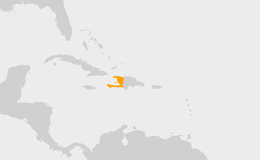
Las afiliadas de la CSI en Haití son la Confédération des Travailleurs des Secteurs Public et Privé (CTSP), la Confédération des Travailleurs Haïtiens (CTH) y la Coordination Syndicale Haïtienne (CSH).
Haití ratificó el Convenio nº 87 sobre la libertad sindical y la protección del derecho de sindicación (1948) en 1979 y el Convenio nº 98 sobre el derecho de sindicación y de negociación colectiva (1949) en 1957.
según la ley
Libertad sindical / Derecho de sindicalización
Libertad sindical
El derecho a la libertad sindical está regulado por el Código de Trabajo
El derecho a la libertad sindical está consagrado en la Constitución.
Discriminación antisindical
La ley prohíbe la discriminación antisindical, pero no pevé medidas adecuadas de protección al respecto.
Barreras legales al establecimiento de organizaciones
- Para establecer un sindicato se requiere autorización o aprobación previa por parte de las autoridades
- El artículo 34 del decreto de 4 de noviembre de 1983 confiere facultades excesivas al Servicio de Organizaciones Sociales de la Dirección de Trabajo del Ministerio de Asuntos Sociales y Trabajo para crear y dirigir sindicatos.
Restricciones al derecho de los trabajadores y trabajadoras a formar y afiliarse a organizaciones de su elección
- La ley impone restricciones al derecho de los trabajadores/as a afiliarse al sindicato de su elección
Restricciones al derecho de los sindicatos a organizar su administración
- Restricciones al derecho a establecer libremente sus propios estatutos y reglamentos
- El artículo 34 del decreto de 4 de noviembre de 1983 confiere facultades excesivas al Servicio de Organizaciones Sociales de la Dirección de Trabajo del Ministerio de Asuntos Sociales y Trabajo para crear y dirigir sindicatos.
- Restriciones al derecho a elegir representantes y autoadministrarse con plena libertad
- El artículo 239 del Código del Trabajo prohíbe que los trabajadores extranjeros actúen como funcionarios sindicales.
- Restricciones a la libertad para organizar libremente actividades y formular programas
- El artículo 34 del decreto de 4 de noviembre de 1983 confiere facultades excesivas al Servicio de Organizaciones Sociales de la Dirección de Trabajo del Ministerio de Asuntos Sociales y Trabajo para crear y dirigir sindicatos.
Categorías de trabajadores a quienes la ley prohíbe o restringe la posibilidad de formar o afiliarse a sindicatos, o de ocupar cargos sindicales
- Otras categorías
- Los menores que han alcanzado la edad legal de admisión al empleo no pueden ejercer sus derechos sindicales sin la autorización de sus padres (artículos 229 y 233 del Código del Trabajo).
- Otros funcionarios y empleados públicos
- No está claro si los empleados de los servicios públicos disfrutan del derecho a la libertad de asociación y en qué medida. El artículo 151 del Decreto de 17 de mayo de 2005 por el que se modifica la Ley de 1982 por la que se establece el Reglamento de la Administración Pública establece que "se garantiza a los funcionarios públicos la libertad de asociación y el derecho de sindicación para la defensa de sus derechos y en las condiciones establecidas por la ley".
- Trabajadores/as de zonas francas industriales (ZFI)
- Los intentos de organizarse en las zonas francas se topan con graves obstáculos administrativos y prácticos, dejando a los trabajadores sin representación.
- Trabajadores/as domésticos
- El artículo 257 del Código Laboral establece que el trabajo doméstico no se rige por el Código Laboral.
Derecho a la negociación colectiva
Derecho a la negociación colectiva
El derecho a la negociación colectiva está reconocido por la ley.
Restricciones al principio de negociación libre y voluntaria
- Procedimiento de arbitraje impuesto en caso de disputa durante una negociación colectiva, no sólo en los servicios esenciales
- El Código Laboral dispone que las partes deben intentar resolver sus diferencias a través de procesos de mediación, conciliación y arbitraje bajo la tutela del Ministerio de Asuntos Sociales y del Trabajo. Los conflictos se someten en primer lugar a la Dirección del Trabajo; si las partes no llegan a un acuerdo, se remitirán a un Comité de Arbitraje Tripartito. En caso de seguir sin alcanzarse un acuerdo, la Comisión Tripartita de Consulta y Arbitraje dictaminará sobre el conflicto en última instancia. Así pues, la decisión de la Comisión es inapelable. Varios abogados especialistas en legislación laboral han subrayado el peligro que entraña esta disposición, puesto que el hecho de crear una nueva jurisdicción fuera de cualquier sistema jurídico aumenta la posibilidad de un conflicto entre el estado de derecho y el papel judicial que desempeña la Comisión en la resolución de un conflicto laboral.
- Las autoridades pueden intervenir en la conclusión de convenios colectivos
- El artículo 34 del decreto de 4 de noviembre de 1983 faculta a la Subdirección de Organizaciones Sindicales de la Dirección del Trabajo del MAST a "intervenir en la redacción de los convenios colectivos y en los conflictos colectivos de trabajo en todo lo relativo a la libertad de asociación".
Restricciones o prohibición de negociar colectivamente en algunos sectores
- Otros funcionarios y empleados públicos
- No está claro si los empleados de los servicios públicos disfrutan del derecho a la negociación colectiva y en qué medida. El artículo 151 del Decreto de 17 de mayo de 2005 por el que se modifica la Ley de 1982 por la que se establece el Reglamento de la Administración Pública establece que "se garantiza a los funcionarios públicos la libertad de asociación y el derecho de sindicación para la defensa de sus derechos y en las condiciones establecidas por la ley".
Derecho de huelga
Derecho de huelga
El derecho de huelga está regulado por el Código de Trabajo
Impedimentos legales a acciones de huelga legítimas
- Recurso obligatorio al arbitraje o a largos y complejos procedimientos de conciliación y mediación antes de iniciar una acción de huelga
- Los artículos 171 a 205 del Código del Trabajo prevén un procedimiento engorroso para resolver los conflictos colectivos que impide a los sindicatos convocar una huelga mientras el asunto esté todavía ante los poderes públicos.
Limitaciones o prohibición de hacer huelga en algunos sectores
- Restricciones injustificadas para los funcionarios públicos
- Las huelgas en las empresas del sector público son ilegales. La única medida prevista en caso de conflicto es la mediación y si de todos modos se convocase una huelga, el Código Laboral acuerda al Estado el poder de intervenir y de imponer por la fuerza la reapertura de la empresa.
En la Práctica
La Compagnie de développement industriel (CODEVI), perteneciente al Grupo M, decidió proceder al despido de prácticamente todos los dirigentes sindicales, después de que hubieran reclamado mejores condiciones de trabajo, así como que se les dejase de deducir impuestos sobre sus ingresos.
El nombre de Jean Bonald Golinsky Fatal, presidente de la Confédération des travailleurs/euses des secteurs public et privé (CTSP) en Haití, estaría en una lista en la que se amenazaba a cinco personas, una de ellas presuntamente asesinada.
Lionel Alain Dougé, director ejecutivo de la Comisión Tripartita de Aplicación de la Ley HOPE, fue asesinado en diciembre de 2018 en su casa de Pétion-Ville, Haití. Fue responsable de garantizar que las empresas textiles cumplan con las leyes haitianas, las normas laborales de la Organización Internacional del Trabajo y la ley HOPE.
La Confederación Sindical de Trabajadores de las Américas (CSA) y la Confederación Sindical Internacional (CSI) piden a la comunidad internacional que presione al Gobierno haitiano para que tome medidas para identificar a los culpables y llevarlos ante la justicia. Durante una misión sindical conjunta a Haití en 2018, la CSA y la CSI observaron un antisindicalismo endémico que se traduce en «campañas de persecución y criminalización de miembros y líderes sindicales».
El 18 de noviembre, miles de ciudadanos/as marcharon en las principales ciudades del país para denunciar la corrupción y, especialmente, para exigir la renuncia inmediata del presidente del país. Según la oposición, once manifestantes fueron asesinados, tres según la policía. La situación se mantuvo tensa al día siguiente, particularmente en el área metropolitana de Puerto Príncipe, desierta tras una convocatoria de huelga lanzada por la oposición.
Un año después de su despido injustificado tras una huelga que exigía un aumento del salario mínimo, los dirigentes y activistas sindicales, incluidos 13 miembros del sindicato GOSTTRA, aún no han sido reincorporados al trabajo por el proveedor de Gildan. Por el contrario, estas personas incluso han sido incluidas en una lista negra, lo que significa que no les es posible encontrar trabajo nuevamente.
A pesar de una misión sindical de IndustriALL en septiembre y reuniones con el mediador de relaciones sociales, Gildan se niega categóricamente a reincorporar a los sindicalistas.
En junio, el movimiento sindical de los trabajadores/as subcontratados anunció cuatro días de protesta para exigir un aumento del salario mínimo y la reincorporación de los trabajadores despedidos ilegalmente. Más de mil trabajadores/as se reunieron pacíficamente el 11 de junio frente al Parque Industrial en Puerto Príncipe. Tenían planeado dirigirse después al Parlamento para presentar un pliego de reivindicaciones que recordaban las promesas y compromisos del Gobierno, sin resultados hasta el momento. A pesar de la autorización para manifestar concedida por la Dirección Departamental del Oeste de la Policía Nacional, intervinieron las fuerzas de intervención y de la policía CIMO. Algunos manifestantes fueron golpeados con porras por la policía.
Las centrales sindicales haitianas (Confédération des travailleurs-euses des secteurs public et privé y la Coordination syndicale haïtienne) denuncian la position de algunos empleadores, que rechazan sistemáticamente cualquier negociación colectiva. Indican que apenas se han firmado cuatro convenios colectivos en Haití y, en general, no son sino acuerdos de conveniencia.
La Confédération des travailleurs-euses des secteurs public et privé (CTSP) denuncia la lentitud y el elevado costo de los procesos judiciales, que constituyen un freno importante al recurso a los tribunales por parte de las víctimas de discriminación sindical; así como los métodos dilatorios empleados por los empleadores para retrasar los procesos, que pueden llegar a durar varios años, teniendo en cuenta los recursos de apelación a los que recurren de manera abusiva los empleadores, lo que desanima a muchos trabajadores.
En el sector bancario, los trabajadores tienen prohibido sindicalizarse. La Confédération des travailleurs-euses des secteurs public et privé (CTSP) indica que, en el proceso de contratación, los candidatos deben incluso completar un formulario jurando no ser miembros de ningún sindicato y comprometiéndose a no afiliarse. Los candidatos que no se sometan a este requisito son implacablemente rechazados.
En respuesta a una acción de huelga convocada por el Syndicat des fonctionnaires de la Cour supérieure des comptes et du contentieux administratif (CSC/CA), 22 miembros del sindicato fueron suspendidos tras un período de excedencia forzosa y sin respetar el proceso disciplinario previsto por la ley.
Por otro lado, tras numerosas violaciones de los derechos de los trabajadores y trabajadoras por parte de la Oficina Nacional de Identificación (ONI), particularmente el impago de salarios desde hacía varios meses, el Syndicat des employés de l’Office national d’identification (SEONI) organizó diversas acciones de protesta exigiendo a apertura de un diálogo constructivo para resolver los problemas.
Desgraciadamente, en lugar de una respuesta favorable al diálogo, la dirección de la ONI optó por la vía del conflicto, cerrando las oficinas el 5 de marzo de 2017 sin informar previamente al personal, ni a los usuarios. Este hecho constituye una grave infracción no sólo de los derechos de los trabajadores, sino del cumplimiento de la misión de servicio público que ofrece la ONI.
Tras varias semanas de silencio, las autoridades abrirían “kioscos” para garantizar una atención al público con nuevos empleados recién contratados. Paralelamente, el 10 de abril de 2017, la ONI remitió cartas de suspensión arbitraria a siete de los 15 miembros del Comité Ejecutivo del sindicato: el coordinador general, Evens Jean; el secretario de conflictos, Patrick Leon; la secretaria general, Jeanette François; el administrador, Junior Cherilan Chery; los miembros Baudelaire Balthazar, Ronald Blot y Arlee Ludgie Dorsainvil. A estos se sumarían otros 40 afiliados activos del sindicato. Estas suspensiones representan una vulneración de los compromisos internacionales suscritos por Haití con la ratificación de los Convenios 87 y 98 de la OIT.
Desde su creación, el Syndicat des Travailleurs de la Brasserie de la Couronne - Coca-Cola (SYTBRACOUR-CTSP), ha venido siendo objeto de continuos ataques por parte de la dirección de la empresa. Un mes después de crearse el sindicato, sus dirigentes, algunos de los cuales llevaban años trabajando en la empresa, empezaron a recibir cartas de amonestación sin fundamentos válidos. Estas medidas disciplinarias injustificadas desembocarían en el despido de cinco dirigentes, incluido el Secretario General del sindicato. Frente a las continuas denuncias y las demandas de readmisión de los líderes despedidos, la dirección exigió a los trabajadores que convocasen elecciones para elegir nuevos dirigentes y poner fin al conflicto. Los trabajadores se negaron de plano a esta injerencia patronal en los asuntos sindicales, que supone una clara violación del Convenio No. 98 de la OIT.
La Brasserie de la Couronne SA (Coca-Cola-Haití) se ha empeñado en disolver el sindicato despidiendo a sus principales dirigentes. De hecho, la planta embotelladora anunció el despido de 400 empleados, para luego hacerles firmar un nuevo contrato de trabajo. Esta práctica ilegal no es sino una estrategia más para librarse de todos los dirigentes, miembros y simpatizantes del sindicato. No obstante, la táctica escandalosa sería avalada por los inspectores del trabajo, en un informe de conveniencia que le fue remitido al empleador.
Tras las denuncias del presidente de la Confédération des Travailleurs des secteurs pubic et privé (CTSP) sobre el desmantelamiento de la Oficina Nacional del Seguro de Vejez (ONA), con lal complicidad de miembros del Consejo de Administración de los Organismos de la Seguridad Social (CAOSS), un órgano tripartito de diálogo social, y después de que la CTSP hubiese enviado observaciones a la OIT respecto a las violaciones de los Convenios sobre el tiempo de trabajo y el trabajo nocturno, ratificados por Haití, el presidente de la CTSP recibió amenazas telefónicas y fue objeto de una campaña de calumnias y denigración por parte de las asociaciones patronales, por medio de declaraciones irónicas acusándolo de “lavar los trapos sucios fuera de la familia”.
El 1 de mayo de 2017, GOSTTRA-CTSP, CNOHA, y PLASIT-BO juntaron sus fuerzas con vistas a convocar una huelga para el 8 de mayo. El objetivo principal de la huelga era reclamar un incremento del salario mínimo, de 300 a 800 gourdes al día. El 19 de mayo de 2017, los trabajadores de la mayoría de las fábricas de vestuario en Puerto Príncipe se sumaron a la huelga pidiendo un aumento del salario mínimo. La Association des industries d’Haïti reaccionó anunciando un cierre total de la fábrica los días 20 y 22 de mayo.
Nuevas huelgas se organizaron a nivel sectorial el 26 de junio y el 10 de julio de 2017 en las fábricas Interamerican Wovens, Fairway Apparel, Premium Apparel, Sewing International S.A. SISA y H & H Textiles.
Durante la movilización, numerosos huelguistas fueron agredidos y resultaron heridos. En las empresas Interamerican Wovens, Sewing International S.A. SISA y Premium Apparel, los empleadores recurrieron a la policía, que reprimió violentamente las manifestaciones golpeando a numerosos trabajadores y trabajadoras. En la empresa MBI, al menos 16 mujeres fueron brutalmente agredidas por la policía dentro de la propia fábrica, por haberse negado a reanudar el trabajo. Algunas incluso fueron desvestidas y filmadas por la policía.
Tras las huelgas, algunos dirigentes sindicales y varios trabajadores de cinco fábricas serían despedidos. Fairway et Premium dieron marcha atrás y procedieron a readmitir a los huelguistas. Las otras tres fábricas, que emplean a 5.746 personas en total, es decir 12,5 % de la mano de obra total del sector, siguen negándose a reintegrar a los trabajadores despedidos ilegalmente.
De hecho, durante los meses de junio, julio y agosto de 2017, la administración despidió a otros 104 trabajadores, incluidos 25 sindicalistas, aduciendo una supuesta reducción de pedidos en el sector. Una investigación detallada, encargada por Better Work, un programa de la OIT, reveló que los despidos masivos no tenían otro motivo que la participación de los asalariados en actividades sindicales. Los despedidos siguen sin haber sido readmitidos. Las centrales sindicales denuncian la existencia de listas negras en el sector textil. Hasta la fecha, todos los trabajadores despedidos durante las huelgas de 2017 han visto rechazadas sus solicitudes para obtener un nuevo empleo en otra empresa del sector.
En una comunicación enviada en 2016 a la CSI, la organización sindical Confédération des travailleurs des secteurs public et privé (CTSP) denunció la connivencia entre el Gobierno y el sindicato Front syndical haïtien (FSH). Según Jean Bonald Golinsky, responsable de la CSTP, las autoridades están detrás de la creación de este supuesto frente, para sofocar la voz de los sindicatos genuinos. En la huelga de transportistas de febrero de 2015, Joseph Montes, Coordinador del FSH, criticó enérgicamente esta movilización convocada por una plataforma de sindicatos del sector del transporte, afirmando que la huelga se convocó por motivaciones políticas. Joseph Montes es, además, Director de la compañía estatal de transportes Service Plus, donde en el pasado despidió a un gran número de trabajadores, todos ellos delegados sindicales. El responsable de la CSTP criticó también que los nueve miembros del comité de empresa de la Oficina de Correos, despedidos en 2012, no hayan sido reincorporados aún, a pesar de la exigencia en este sentido de la Oficina de Protección del Ciudadano, una institución independiente establecida por el Estado. En su opinión, la discriminación antisindical es moneda común en Haití, sobre todo en el sector privado —como en la compañía cervecera BRANA—, en el sector de la banca y en las zonas francas, donde los empleadores suelen crear comités de empresa a pesar de la presencia de sindicatos.
En agosto de 2015, varios dirigentes del sindicato de la cervecera BRANA, Syndicat des travailleurs et travailleuses de la Brasserie Nationale d’Haïti (SYTBRANA), recibieron amenazas y dos sus militantes fueron despedidos. El 1 de septiembre, otro empleado, Wilson Celiné, sufrió la misma suerte: A pesar de que a principios de 2015 había recibido autorización para participar en un seminario sindical organizado por el sindicato canadiense Teamsters, un responsable profirió amenazas apenas veladas contra su integridad física. De hecho, al poco tiempo, escapó por poco de un accidente grave después de que un jefe reiniciara una lavadora de botellas de la que se estaba ocupando. El 1 de septiembre, Wilson fue despedido. Dos responsables justificaron la decisión explicando que su perfil no correspondía a las necesidades de la empresa (en la que, no obstante, trabajaba desde hacía diez años) y que, sin duda, la queja que presentó contra su jefe después del incidente en la fábrica no había contribuido a nada. En el plano internacional, la Unión Internacional de Trabajadores de la Alimentación, Agrícolas, Hoteles, Restaurantes, Tabaco y Afines (UITA) envió una misión de investigación sobre el terreno. El sindicato canadiense Teamsters, entre otros, ejerció presión sobre la multinacional cervecera Heineken para que hiciera respetar los derechos sindicales en su filial haitiana BRANA.
Agentes antidisturbios del cuerpo de intervención y mantenimiento del orden (CIMO) bloquearon el acceso a los participantes en una manifestación con ocasión del Primero de Mayo, a su llegada al centro de Puerto Príncipe para concluir su marcha con un mitin ante la estatua de un héroe revolucionario. La policía lanzó gases lacrimógenos contra los manifestantes, cargó contra ellos y arrestó a dos estudiantes. El grueso de los participantes en la marcha eran trabajadores del sector de la confección de Haití, que marcaban así el Día Internacional del Trabajo poniendo de relieve su campaña por un salario mínimo de 500 gourdes (12,96 USD) al día. La acción fue convocada por Batay Ouvriye y el Syndicat des Ouvriers du Textile et de l’Habillement (SOTA), con el apoyo del Mouvement démocratique populaire (MODEP).
La empresa cervecera BRANA intentó obligar al Syndicat des travailleurs et travailleuses de la Brasserie Nationale d’Haïti (SYTBRANA) a firmar un acuerdo según el cual las negociaciones entre el sindicato y el empleador se limitarían a cuestiones generales “destinadas a mejorar el rendimiento de la empresa”. Ninguna demanda individual podría tratarse en el marco del proyecto de acuerdo. Además de intentar reducir los derechos de negociación del sindicato hasta prácticamente anularlos, BRANA hacía referencia en el proyecto de texto a una norma de la empresa prohibiendo la distribución de material impreso por parte del sindicato a menos de obtener permiso de la dirección. Por otro lado, en una carta con fecha 5 de marzo de 2015, BRANA trató incluso de impedir que el sindicato se denominase SYTBRANA.
El gobierno haitiano no consulta con los sindicatos respecto a la legislación laboral y reformas políticas. Aunque la independencia del sistema judicial está consagrada en la Constitución de Haití y en otros instrumentos legales, en la práctica se registran importantes deficiencias. Por ejemplo, en un caso relativo al despido de funcionarios públicos, el Tribunal Laboral dictaminó no tener jurisdicción sobre el caso y lo remitió al Tribunal Administrativo, que también decretó no tener jurisdicción. Los miembros de los sindicatos muchas veces son víctimas de discriminación y despidos improcedentes. Por ejemplo, todos los directivos sindicales que trabajaban para la Oficina de Correos de Haití fueron despedidos. Otras compañías que identifican a líderes sindicatos para despedirlos son el Archivo nacional de Haití, la Prensa Nacional de Haití, la Oficina Nacional del Seguro de Pensiones y el Servicio de Transportes.
La Oficina Nacional del Seguro de Pensiones (ONA), institución encargada de gestionar el capital de los pensionistas del sector privado, está en crisis desde el 25 de marzo de 2014. Los empleados de la ONA fueron objeto de una suspensión totalmente arbitraria por parte del director general.
Las víctimas organizaron una huelga exigiendo la dimisión del director de la ONA. Este último decidió por su parte cerrar las puestas de la institución, mientras que fuerzas especializadas de la policía ocuparon los locales de la institución. La presencia policial no tiene otra misión que la de arrestar a los empleados que reivindiquen sus derechos.
Seis trabajadores de la planta de manufactura de vestuario One World Apparel S.A. situada al norte de Puerto Príncipe, la capital haitiana, recibieron cartas de despido el 8 de enero de 2014, cuatro semanas después de que la plantilla hubiera parado la producción del sector de vestuario de la capital durante las protestas organizadas los días 10 y 11 de diciembre reivindicando un salario mínimo de 500 gourdes (unos 12,08 USD) al día. Los trabajadores despedidos –Jude Pierre, Luckner Louis, Deroy Jean Baptiste, Paul René Pierre, Jean Luvard Exavier y Rubin Mucial– formaban parte del Comité Ejecutivo del Sindicato de Obreros del Textil y Vestuario (SOTA), afiliado al Colectivo de Organizaciones Sindicales de la Industria Textil (KOSIT), la alianza laboral que encabezó las protestas en diciembre.
El 9 de septiembre de 2013, la CSI protestó por el despido de 10 miembros y líderes sindicales de SYNOTRA-GWH/CATH por parte de la empresa WILLBES. Toda la directiva sindical sería suspendida, así como dos miembros del sindicato.
Miembros de la Fédération nationale des travailleurs en constructions (FENATCO) denunciaron el hecho de que los trabajadores sindicalizados haitianos son discriminados en el proceso de contratación para grandes proyectos de reconstrucción de edificios, a favor de mano de obra no sindicalizada procedente de la República Dominicana.
La fábrica de confección Modas Gloria Apparel S.A. (MGA) tuvo noticia sobre la formación de un sindicato el 27 de enero de 2013 en el transcurso de una sesión de formación sobre negociación colectiva organizada por Better Work, a la que asistieron representantes tanto del sindicato como de la dirección. El 4 de febrero, 11 trabajadores y trabajadoras con un promedio de dos años de antigüedad fueron despedidos sin causa justificada. Más adelante se justificaron los despidos achacándolos a un pobre rendimiento y calidad, pese a que esos mismos trabajadores y trabajadoras habían sido felicitados el 20 de diciembre anterior por su excelente productividad.
El sector formal emplea apenas al 2% de la población activa. En las zonas francas, cualquier intento de crear una organización sindical debe hacer frente a enormes obstáculos, y no existe más que un convenio colectivo. En las obras de construcción, los obreros trabajan sin ningún equipo de protección. La gran mayoría de los trabajadores y trabajadoras disponen de empleos precarios en la economía informal y muchos de ellos siguen viviendo en refugios improvisados. En tales condiciones, el trabajo decente y los convenios internacionales no son sino nociones virtuales. La sindicalización, la defensa de los derechos de los trabajadores y el refuerzo de las organizaciones sindicales siguen representando un enorme reto.
Encargados de que se cumpla la legislación, los inspectores del trabajo suelen ser pocos, estar mal equipados y mal formados, o incluso se ven directamente amenazados por los empleadores.
Los organismos creados para la resolución de conflictos laborales son completamente disfuncionales. El Comité Tripartito responsable de la mediación y arbitraje de los conflictos ha sido un fracaso, puesto que los casos que se le presentan nunca son resueltos. El sistema de tribunales laborales es también defectuoso, dado que los juicios raramente son justos, los jueces tienen poca formación y los plazos no se respetan. Recurrir a un abogado suele ser prohibitivo, así que los trabajadores casi nunca acuden a los tribunales laborales. Y aun cuando los tribunales se pronuncian a favor de los trabajadores, sus decisiones no llegan a implementarse.
El Gobierno no ha multado jamás a un empleador por injerir en los asuntos internos de un sindicato, a pesar de que este tipo de intervenciones están prohibidas por el Código Laboral. Las investigaciones con relación a los abusos cometidos contra sindicalistas rara vez conducen a algún resultado.
Como resultado de la confusión política, el clima de violencia, un desempleo récord y la connivencia de un Estado endeble, los empleadores han disfrutado de una libertad total. Los que intentan sindicalizar a los trabajadores/as se ven continuamente acosados o son despedidos, por lo general infringiéndose la legislación laboral. Y además, para impedir que los trabajadores se afilien a un sindicato, los empleadores dan bonificaciones a los que no son miembros sindicales.