
Marruecos
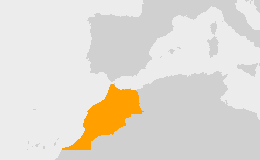
Las afiliadas de la CSI en Marruecos son la Confédération Démocratique du Travail (CDT), la Union Générale des Travailleurs du Maroc (UGTM) y la Union Marocaine du Travail (UMT).
Marruecos ratificó el Convenio nº 98 sobre el derecho de sindicación y de negociación colectiva (1949) en 1957, pero no ha ratificado el Convenio nº 87 sobre la libertad sindical y la protección del derecho de sindicación.
según la ley
Libertad sindical / Derecho de sindicalización
Libertad sindical
El derecho a la libertad sindical está consagrado en la Constitución.
El derecho a la libertad sindical está regulado por el Código de Trabajo
Discriminación antisindical
La ley permite la discriminación antisindical.
Barreras legales al establecimiento de organizaciones
- Otras formalidades o requisitos que retrasan en exceso o impiden considerablemente el libre establecimiento de una organización
- Artículo 398 del Código de Trabajo, Dahir nº 1-03-194, 14 rejeb 1424 (11 de septiembre de 2003): “Pueden constituirse libremente sindicatos profesionales por parte de personas que ejerzan la misma profesión o el mismo oficio, profesiones u oficios similares o conexos relacionados con la fabricación de productos o la prestación de determinados servicios, en las condiciones previstas por la presente ley, y ello con independencia del número de asalariados presentes en la empresa o en el establecimiento. Los empleados y asalariados pueden afiliarse libremente al sindicato profesional de su elección”. Artículo 426 del Código de Trabajo, Dahir nº 1-03-194, 14 rejeb 1424 (11 de septiembre de 2003): “En caso de que cometerse una infracción a las disposiciones del presente artículo o un incumplimiento de sus estatutos, que justifique la disolución del sindicato profesional, dicha disolución puede ser pronunciada únicamente por vía judicial, a petición del ministerio público. Pueden dar lugar a la disolución del sindicato profesional las siguientes infracciones: - la constitución de un sindicato entre personas que no ejerzan la misma profesión o el mismo oficio, o de profesiones u oficios similares o conexos relacionados con la fabricación de productos o la prestación de determinados servicios, tal como se estipula en el artículo 398 [...]”.
Restricciones al derecho de los sindicatos a organizar su administración
- Restriciones al derecho a elegir representantes y autoadministrarse con plena libertad
- Artículo 5, Dahir 1-58-376, 3 yumada I 1378 (15 de noviembre de 1958): “(…) Los fundadores y dirigentes de las asociaciones no podrán haber sido condenados por cometer crímenes o delitos infamantes (…)” Artículo 416 del Código de Trabajo, Dahir nº 1-03-194, 14 rejeb 1424 (11 de septiembre de 2003): “Los miembros encargados de la administración y la dirección del sindicato profesional deberán tener la nacionalidad marroquí y disfrutar de sus derechos civiles y políticos, y no habérseles impuesto ninguna condena definitiva de reclusión o prisión firme por alguno de los siguientes delitos: robo, fraude, abuso de confianza, falsificación y uso de documentos falsificados, corrupción de menores, colaboración en actos depravados, tráfico o consumo de estupefacientes, así como por infracciones a la legislación sobre sociedades y uso indebido de bienes sociales”.
- Las autoridades administrativas están capacitadas para tomar unilateralmente la decisión de disolver, suspender o retirar el registro a organizaciones sindicales
- Artículo 7, Dahir 1-58-376, 3 yumada I 1378 (15 de noviembre de 1958): “(…) En caso de infracción a lo dispuesto en el artículo 5 [declaración previa], la disolución puede pronunciarse a petición de cualquier parte interesada o del ministerio público”. Artículo 36, Dahir 1-58-376, 3 yumada I 1378 (15 de noviembre de 1958): “Toda asociación que se dedique a cualquier otra actividad a la prevista en sus estatutos puede ser disuelta aplicando las condiciones previstas en el artículo 7. Los dirigentes de dicha asociación serán castigados con una multa de entre 12.000 y 100.000 francos”. Artículo 426 del Código de Trabajo, Dahir nº 1-03-194, 14 rejeb 1424 (11 de septiembre de 2003): “En caso de que cometerse una infracción a las disposiciones del presente artículo o un incumplimiento de sus estatutos, que justifique la disolución del sindicato profesional, dicha disolución puede ser pronunciada únicamente por vía judicial, a petición del ministerio público. Pueden dar lugar a la disolución del sindicato profesional las siguientes infracciones: - la constitución de un sindicato entre personas que no ejerzan la misma profesión o el mismo oficio, o de profesiones u oficios similares o conexos relacionados con la fabricación de productos o la prestación de determinados servicios, tal como se estipula en el artículo 398; - el incumplimiento de los estatutos tal como se estipula en el artículo 414 de la presente ley o el hecho de admitir entre las personas a cargo de la administración de sus asuntos profesionales o de su dirección a personas que no cumplan las condiciones previstas en el artículo 416”.
- Otras interferencias externas admitidas por la ley
- Artículo 37, Dahir 1-58-376, 3 yumada I 1378 (15 de noviembre de 1958): “En caso de disolución,se procederá a la liquidación de los bienes de la asociación, de conformidad con los estatutos o, de no contar con disposiciones estatutarias al respecto, siguiendo las reglas determinadas en asamblea general. En caso de disolución por dahir o por decreto, en los casos previstos en los artículos 19 (párrafo 2), 27 (párrafo 2) y 29, el dahir o el decreto donde se pronuncie la disolución establecerá, pese a las posibles disposiciones estatutarias, las modalidades de liquidación. No obstante, en cuanto a las asociaciones que se han beneficiado periódicamente de subvenciones del Estado, las municipalidades u otras colectividades públicas, oficinas y establecimientos públicos y de asistencia mutua nacional, sus bienes serán atribuidos al Gobierno para destinarse a obras de asistencia, benéficas o de previsión”.
Categorías de trabajadores a quienes la ley prohíbe o restringe la posibilidad de formar o afiliarse a sindicatos, o de ocupar cargos sindicales
- Otras categorías
- Los funcionarios y agentes que en el ejercicio de sus funciones deban utilizar armas, además de los policías y miembros de las fuerzas armadas, no disfrutan del derecho de sindicalización. Incluyen por ejemplo el personal de la administración penitenciaria, de faros y de recursos hídricos y forestales, así como a agentes y funcionarios que en el ejercicio de sus funciones tengan derecho a utilizar armas.
- Otros funcionarios y empleados públicos
- Los miembros de la magistratura carecen del derecho a formar sindicatos.
- Trabajadores/as agrícolas
- El Código Laboral no cubre a los trabajadores/as agrícolas, privándolos así del derecho a formar sindicatos.
- Trabajadores/as domésticos
- El Código Laboral no cubre a los trabajadores/as domésticos, privándolos así del derecho a formar sindicatos.
Derecho a la negociación colectiva
Derecho a la negociación colectiva
El derecho a la negociación colectiva está reconocido por la ley.
El derecho a la negociación colectiva está reconocido por la ley, pero no está debidamente fomentado y promovido.
Obstáculos legales para el reconocimiento de los agentes de negociación colectiva
- Se requiere una representatividad excesiva o un número mínimo de miembros para poder negociar colectivamente
- El Código Laboral reconoce el derecho de negociación colectiva, pero sólo puede participar en las negociaciones el sindicato "más representativo", que deberá tener por lo menos el 35% del número total de delegados de los trabajadores/as elegidos a nivel de la empresa o lugar de trabajo.
Restricciones o prohibición de negociar colectivamente en algunos sectores
- Otros funcionarios y empleados públicos
- Los funcionarios y agentes que en el ejercicio de sus funciones deban utilizar armas, además de los policías y miembros de las fuerzas armadas, no disfrutan del derecho de sindicalización. Incluyen por ejemplo el personal de la administración penitenciaria, de faros y de recursos hídricos y forestales, así como a agentes y funcionarios que en el ejercicio de sus funciones tengan derecho a utilizar armas.
Derecho de huelga
Derecho de huelga
El derecho de huelga está consagrado en la Constitución
El derecho de huelga está reconocido por la ley pero estrictamente regulado.
Prohibición o restricciones para ciertos tipos de acción de huelga
- Restricciones respecto al tipo de acción de huelga (por ej. piquetes, huelgas salvajes, huelgas de celo, sentadas, huelgas de brazos caídos)
- Los paros laborales están prohibidos y los empleadores pueden suspender durante siete días a todo trabajador o trabajadora que impida a los trabajadores que no se hayan sumado a la huelga volver al trabajo. Un segundo delito durante el mismo año puede comportar 15 días de suspensión. Según el Código Laboral, los empleadores tienen derecho a entablar un proceso legal contra todo huelguista que haya organizado una sentada, ocasionado daños a la propiedad u organizado piquetes de huelga.
Injerencia indebida por parte de las autoridades o los empleadores durante el transcurso de una huelga
- Las autoridades o los empleadores están capacitados para prohibir, limitar, suspender o cesar unilateralmente una acción de huelga
- El gobierno puede disolver cualquier manifestación que tenga lugar en lugares públicas y sin la debida autorización gubernamental, y puede evitar que se ocupen fábricas.
Disposiciones que socavan el recurso a acciones de huelga o su eficacia
- Excesivas sanciones civiles o penales contra los trabajadores/as y sindicatos involucrados en acciones de huelga no autorizadas
- Artículo 288 del Código de Trabajo, Dahir nº 1-58-413, 28 yumada 11 1382 (26 de noviembre de 1962): “Será castigado con una pena de un mes a dos años de prisión y una multa de 200 a 5.000 dirhams, o con una de esas dos penas solamente, todo aquel que mediante violencia, vías de hecho, amenazas o maniobras fraudulentas haya iniciado o mantenido, o intentado iniciar o mantener, un paro concertado, a fin de forzar un aumento o una disminución salarial o de atentar al libre ejercicio de la profesión o del trabajo. Cuando se cometan actos de violencia, vías de hecho, amenazas o maniobras derivadas de un plan concertado, podría decretarse la prohibición de residencia a los culpables por una duración de dos a cinco años”.
- Otras disposiciones legales que socavan el derecho de huelga
- Artículo 5, Dahir 2-57-1465, 15 yumada I 1377 (5 de febrero de 1958): “Para todo el personal, todo cese concertado de servicios, todo acto colectivo de indisciplina caracterizada, podrá ser sancionado independientemente de las garantías disciplinarias”.
En la Práctica
La Confédération Démocratique du Travail (CDT) y la Union Marocaine du Travail (UMT) emprendieron en enero campañas destinadas a obligar al Gobierno a respetar sus compromisos en materia de diálogo social. Ambas centrales sindicales anunciaron una serie de protestas, incluyendo marchas, huelgas y manifestaciones, del 10 al 20 de enero. Su principal reivindicación es exigir que el Gobierno institucionalice el diálogo social tripartito, respete los derechos sindicales y cumpla con los Convenios de la OIT, tal como se acordó con los sindicatos el 26 de abril de 2011. A pesar de ese acuerdo, en Marruecos se violan frecuentemente los derechos sindicales.
La dirección de la empresa Delphi, establecida en la zona franca de exportación (ZFE) de Tánger, despidió a los miembros de la ejecutiva sindical en el momento mismo de su creación. Se amenazó al resto de los trabajadores con el despido si se afiliaban al sindicato.
En esa misma ZFE, trabajadores de la empresa Sofia fueron despedidos por haber establecido una oficina sindical en la empresa. La Confédération démocratique du travail (CDT) denunció esta represión sistemática de los derechos sindicales en la zona, así como el silencio cómplice de las autoridades gubernamentales.
En enero de 2017, Abdalah Rahmoun, miembro del Comité Ejecutivo de la Confédération démocratique du travail (CDT), afiliada a la CSI, y secretario regional de la CDT en Agadir, fue condenado por un Tribunal de Apelación al pago de 3 millones MAD (279.000 EUR) en concepto de daños y perjuicios a la dirección de la empresa de conservas DOHA. La empresa había recurrido a la justicia para impedir la movilización de trabajadores y trabajadoras (la plantilla es mayoritariamente femenina) que se declararon en huelga en marzo de 2015, tras el despido de 51 personas incluyendo la mitad de los integrantes del sindicato. La empresa intentó ahogar la protesta recurriendo a la contratación masiva de mano de obra temporal, violando el Código del Trabajo. El juicio fue duramente criticado por las organizaciones de la sociedad civil y fue objeto de una campaña de la UITA.
En Casablanca, centenares de trabajadores y trabajadoras de Maghreb Steel continuaron en 2016 luchando por sus derechos. En mayo se organizaron tres sentadas, durante las cuales la policía cargó violentamente contra los huelguistas, dejando un saldo de varios heridos.
Desde su creación en 2015, el sindicato de esta empresa siderúrgica ha sido blanco de acciones por parte de la dirección para reprimir sus actividades y acciones. Siete sindicalistas fueron despedidos en diciembre, incluyendo dos de los líderes del sindicato. El sindicato y todos los trabajadores recibieron el apoyo de IndustriALL.
A principios de 2016 en Casablanca, Saïd El Hairech, secretario general del sindicato de transportes de la UMT (afiliada a la CSI), fue despedido por la dirección local del grupo CMA-CGM. Un conflicto social acababa de estallar en la terminal Somaport tras los intentos por parte de la sociedad de imponer un nuevo sistema de organización vulnerando el convenio colectivo y las normas profesionales. La dirección calificó a Saïd El Hairech de “molesto”. No era la primera vez que esta sociedad intentó acallar al sindicalista. En 2012 pasó tres meses en prisión a causa de sus actividades sindicales. Fue puesto en libertad luego de una campaña internacional de apoyo organizada por la Federación Internacional de los Trabajadores del Transporte (ITF).
En cuanto a la privatización de la Oficina Nacional de Electricidad y Agua Potable (ONEE), el Gobierno ha demostrado en varias ocasiones su desprecio por el diálogo social. Alrededor de 9000 trabajadores/as de la Fédération nationale des travailleurs de l’énergie (FNTE, afiliada a la UMT) llevaron a cabo una huelga nacional para denunciar la forma en que las autoridades han vulnerado un acuerdo marco difícilmente obtenido después de maratónicas negociaciones con la FNTE. IndustriALL apoya a su afiliado marroquí y señala estar “muy preocupada por la escalada de la situación y la ausencia de diálogo social y negociaciones con los representantes de los trabajadores/as”.
Por lo menos en dos empresas, el establecimiento de sindicatos de la UMT provocó reacciones muy hostiles por parte de los empleadores. En agosto, en Mahgreb Steel, cerca de Casablanca, la dirección reprimió una huelga suspendiendo a 13 huelguistas. También en agosto, en Med Paper, cerca de Tánger, después de despedir a los líderes del nuevo sindicato, el empleador despidió sin contemplaciones a todos los trabajadores/as que habían participado en una huelga en apoyo de sus representantes sindicales. Una delegación de la internacional UNI (Union Network International), de paso por Marruecos, pudo dar testimonio de las dificultades experimentadas por los trabajadores/as despedidos de Med Paper. En diciembre, se reanudó la huelga en Maghreb Steel, y la dirección recurrió a la policía para evacuar a los huelguistas que ocupaban la planta. En ambos casos, los empleadores justificaron las sanciones por las amenazas que supuestamente habrían ejercido los huelguistas hacia los demás trabajadores, así como los daños y el sabotaje a las herramientas de trabajo. En un comunicado, la dirección de Magreb Steel anunció su intención de castigar estos “actos criminales”, mencionando también una “manipulación exterior”.
Cabe notar también que, en julio, la Organisation démocratique du travail (ODT) señaló un caso de represión hacia un sindicato afiliado en Honda-Seat, en Rabat. Su secretario general fue despedido y otros dos dirigentes fueron molestados.
A lo largo del año, la Union marocaine du travail (UMT), la Union générale des travailleurs du Maroc (UGTM) y la Confédération démocratique du travail (CDT), organizaciones afiliadas a la CSI, criticaron la ausencia de diálogo social con los empleadores y el Gobierno. El acuerdo del 26 de abril de 2011 fue el último avance social centrado en las libertades sindicales y en la necesidad de que Marruecos ratifique el Convenio núm. 87 de la OIT. Sin embargo, las disposiciones de este acuerdo no se aplicaron, ni con mucho, en su totalidad. Desde entonces, las reuniones organizadas por el Gobierno suelen ser unilaterales, donde nunca se toma en cuenta la opinión de los sindicatos, Un ejemplo de esta situación es el proyecto de reforma de las pensiones, que el Gobierno quiso aprobar a toda costa.
La cólera de los sindicatos se manifestó a través del boicot histórico de las celebraciones del 1 de mayo. Esta cólera culminó con la organización, el 10 de diciembre, de una huelga general de los servicios públicos convocada por las tres centrales sindicales afiliadas a la CSI, a la que se sumó la FDT y que fue masivamente seguida por los trabajadores/as. Además de las reivindicaciones en materia de aumentos salariales y las pensiones, las declaraciones de los dirigentes de las centrales sindicales abordaron la necesidad de diálogo social, el respeto de las libertades sindicales y la supresión del artículo 288 del Código del Trabajo, que criminaliza la huelga.
Después de años de luchas, de acoso y despidos (véase el artículo de 2014 sobre Total Call) decenas de sindicalistas, entre ellos numerosas mujeres, consiguieron hacerse elegir en las elecciones profesionales celebradas en junio en el sector de los centros de llamadas. Para la central sindical Union marocaine du travail, que encabezó la campaña, esta elección representó una gran victoria. Se sindicalizaron 11 empresas y cerca de 20 000 trabajadores/as, de los 70 000 con los que cuenta el sector, ahora están cubiertos por la negociación colectiva. Sin embargo, en estas unidades deslocalizadas la precariedad sigue siendo, por definición, la misma. El 11 de junio, los empleados de los subcontratistas de SFR, el operador francés de telefonía, se declararon en huelga para protestar contra los rumores de deslocalización a Madagascar de la línea directa marroquí de SFR.
El 22 de enero, en la nueva zona franca de Tánger, la Tanger Automotive City, Mohammed Charki, empleado y activista sindical de la empresa estadounidense de cables para automóviles Electrical Components International (ECI), fue insultado y golpeado por agentes de seguridad de la empresa Colinco, una subcontratista. El Sr. Charki deseaba, con algunos compañeros, organizar un sindicato. El empleador respondió despidiendo alrededor de diez activistas por motivos falaces. Unos días más tarde, durante un plantón fuera de la empresa, los manifestantes fueron golpeados de nuevo por los agentes de seguridad. El empleador también habría amenazado con despedir a todo trabajador que apoye la creación de un sindicato.
In January 2015 ten workers were dismissed by Electrical Components International (ECI) for trying to set up a branch union at the workplace. ECI manufactures cables and electrical components and is based in the Tangiers export processing zone (EPZ). The company dismissed the union’s members as soon as it learnt of its creation, as well as other employees who were former trade unionists. One of the union founders, Mohamed Charki, explained they were sacked for fictitious reasons, such as incompetence, despite having worked there for ten years, or for allegedly inciting violence. ECI also hired private security guards to prevent the dismissed workers from approaching the workplace. The security guards savagely attacked the workers concerned, who had to be hospitalised. The other workers at the company were warned not to have anything to do with the union. Yet they urgently needed a union to defend their rights, with particular concerns about pay and health and health and safety standards, Mohamed Charki explained. The violation of union rights is rife in Morocco’s export processing zones, as a 2012 report by the ILO noted. Those who are sacked for trying to form a trade union are blacklisted and prevented from getting another job.
En enero de 2015, la empresa Electrical Components International (ECI) despidió a 10 trabajadores/as por haber intentado establecer un sindicato local en su centro de trabajo. ECI fabrica cables y componentes electrónicos y está establecida en la zona franca industrial (ZFI) de Tánger. La empresa despidió a los miembros del sindicato apenas tuvo conocimiento de la creación del mismo, así como a otros empleados que eran antiguos sindicalistas. Uno de los fundadores del sindicato, Mohamed Charki, explicó que para justificar el despido esgrimieron motivos ficticios, como por ejemplo acusarlos de incompetencia, pese a llevar empleados 10 años, o supuesta incitación a la violencia. ECI contrató además a guardias de seguridad privados para impedir que los trabajadores despedidos pudiesen acercarse al lugar de trabajo. Los guardias de seguridad agredieron brutalmente a los trabajadores en cuestión, que tuvieron que ser hospitalizados. Se advirtió al resto de los trabajadores de la empresa que no tuvieran nada que ver con el sindicato. No obstante, realmente necesitan urgentemente un sindicato que defienda sus derechos, al tener problemas particulares sobre su salario, su salud y seguridad y las normas de seguridad, según explicó Mohamed Charki. La violación de los derechos sindicales es algo común en las zonas francas de Marruecos, tal como constatara un informe de la OIT de 2012. Aquellos que son despedidos por intentar formar un sindicato se incluyen en una lista negra, de manera que no pueden encontrar otro empleo.
TheTotal Call call centre in Casablanca, a subsidiary of the Iliad Group, continued to refuse to allow the holding of worker delegate elections, Mostapha Berrchid, the general secretary of the Total Call union local, told Labour Start’s Global Solidarity Conference in Berlin May 2014. Workers had been trying since 2009 to set up a union, but the company always retaliated by dismissing the founding members before the union could be registered. Finally, in 2013, the Moroccan national centre UMT created the National Commission for Call Centre Organising (CNOC), and took great care to protect the employees by working effectively and clandestinely until they obtained their official government certificate attesting to the union local’s legal existence. On the 13 February 2014, the day after having received the official government certification, management did not hesitate and proceeded to dismiss five members of the union local. Before doing so, management had attempted to get them to renounce their union affiliation, by offering material advantages. The CNOC, with the support of the UMT, organised a sit-in in front of the regional headquarters of the Ministry of Labour, as well as in front of the employer, to denounce their illegal decision. There was no response, and the leaders of the UMT lodged a complaint with the local and national authorities, who also failed to act. Total Call continues to refuse to recognise the union.
El centro de llamadas Total Call en Casablanca, subsidiario de Iliad Group, continuó negándose a permitir la celebración de elecciones para designar a los delegados de los trabajadores, según informó Mustafa Berrchid, secretario general del sindicato local de Total Call, durante la Conferencia de Solidaridad Global de LabourStart celebrada en Berlín, en mayo de 2014. Los trabajadores venían intentando establecer un sindicato desde 2009, pero la empresa siempre tomaba represalias, despidiendo a los miembros fundadores antes de que el sindicato pudiese ser registrado. Finalmente, en 2013, la central sindical Union Marocaine du Travail (UMT) creó la Comisión Nacional para Organizar Centros de Llamadas (CNOC), teniendo mucho cuidado de proteger a los empleados, trabajando de manera efectiva y clandestina hasta haber obtenido el certificado oficial del Gobierno atestiguando la existencia legal del sindicato local. El 13 de febrero de 2014, al día siguiente de recibir el registro oficial por parte del Gobierno, la dirección no dudó y procedió a despedir a cinco miembros del sindicato de empresa. Antes de hacerlo, intentó obligarlos a renunciar a su afiliación sindical ofreciéndoles ventajas materiales. La CNOC, con el apoyo de la UMT, organizó una sentada ante la sede regional del Ministerio de Trabajo, así como frente a las oficinas del empleador, denunciando su decisión ilegal. No hubo respuesta alguna, y los líderes de la UMT remitieron una queja a las autoridades locales y nacionales, que tampoco daría resultado. Total Call sigue negándose a reconocer el sindicato.
La dirección de la empresa de centros de llamadas Total Call se niega a reconocer a los sindicatos para entablar negociaciones colectivas. Además, 13 miembros del sindicato fueron despedidos después de haber anunciado la creación de un sindicato en la empresa, incluyendo a Mustafa Berrchid, El Mehdi Nasseur, y Kamal Souker.
La Confédération Démocratique du Travail (CDT) indica que la distribución de material informativo y la organización de protestas por parte de los trabajadores son prohibidas con frecuencia. La empresa de refinería Samir ha utilizado medidas discriminatorias en contra de los sindicalistas, tales como traslados, suspensiones y despidos. Las empresas controladas por el Estado y los gobiernos locales a menudo tratan de falsificar los resultados de las elecciones sindicales. Por otra parte, Danone se niega a negociar de buena fe con los trabajadores retrasando las negociaciones para evitar concluir un convenio. Asimismo, la empresa no proporciona información precisa y completa sobre su situación financiera. También revelan la colusión entre el Gobierno y los empleadores para romper las huelgas. La CDT señaló que los empleadores contratan a trabajadores de reemplazo y el Gobierno utiliza sanciones para disuadir a los trabajadores de participar en huelgas.
Desde la atribución a City Bus del contrato de gestión del transporte urbano en Fez, en septiembre de 2012, se constataron numerosas actividades antisindicales: la negativa de las autoridades locales a reconocer la oficina sindical establecida en el seno de la UMT, el empleo de trabajadores externos a la empresa para romper la huelga convocada en mayo de 2013, y el recurso a la policía para dispersar a los trabajadores/as que participaban en acciones de protesta.
En febrero de 2013, Said Elhairech, Secretario General del sindicato de trabajadores portuarios, Syndicat national des travailleurs des ports du Maroc, fue condenado a un año de cárcel por el Tribunal Penal de Primera Instancia de Rabat, acusado de participar en actividades de obstrucción a la libertad de acción en virtud del artículo 288 del Código Penal marroquí. Mohamed Chamchati, Secretario General del sindicato de trabajadores de la marina mercante marroquí, también fue detenido en junio de 2012 con cargos relacionados con el cese de operaciones de la empresa Comarit-Comanav.
El 12 de enero de 2013 la policía acometió contra miembros de la Confédération Démocratique du Travail (CDT) que protestaban contra 300 despidos injustificados en los hoteles Beler Karam Palace e Iminish Karak, así como en la explotación minera Ozagar. La intervención policial se saldó con varios heridos, entre los que figuraba Omar Ouboho, Secretario General del sindicato local.
On the 3rd of September, the teachers and support workers from Notre Dame de la Paix, a private elementary school in Rabat, were met with security staff, who prevented the teachers from returning to their classrooms. These actions were taken because they formed a union: the Moroccan Catholic Schools union which is affiliated with the Moroccan Labour Union (UMT-ECAM) and represents three schools in Rabat. School authorities retaliated to the union creation by illegally firing 21 teachers for their union activities.
According to the union, the school wants them to sign short-term contracts containing a no-union clause before they will be allowed back to work.
El 3 de septiembre, los docentes y el personal de apoyo de Notre Dame de la Paix, una escuela elemental privada de Rabat, se encontraron con agentes de seguridad que les impidieron acceder a las aulas. El motivo del cierre patronal era el establecimiento de un sindicato, el Syndicat de l’Enseignement Catholique au Maroc (ECAM), afiliado a la Union Marocaine du Travail (UMT) y que representa a tres establecimientos escolares en Rabat. Las autoridades escolares respondieron a la creación del sindicato despidiendo ilegalmente a 21 docentes a causa de sus actividades sindicales.
Según el sindicato, la escuela pretendía que firmasen contratos de duración determinada incluyendo una cláusula de no sindicalización, para readmitirlos en sus puestos de trabajo.
La organización sindical en las zonas francas industriales de Marruecos resulta sumamente difícil, ya que éstas se extienden de forma impresionante por varias regiones de Marruecos y sectores de actividad. La más importante es la de Tánger y su objetivo es transformar el puerto en un centro de logística internacional. Además, las actividades en las zonas francas industriales son cada vez más diversas, y abarca también el sector servicios (centros de atención telefónica, banca extraterritorial, informática, etc.) o la aeronáutica.
Existen importantes limitaciones a la entrada de sindicalistas en el sitio de la zona franca, lo que hace que el ejercicio de la libertad sindical sea prácticamente imposible.
Los trabajadores tienen miedo de formar sindicatos por temor a ser despedidos.
Los servicios de inspección del trabajo indican que hay pocos problemas de inobservancia de los derechos de los trabajadores/as en la zona, pero no proporcionan estadísticas para apoyar sus aseveraciones.
Las repetidas huelgas en muchos sectores económicos reflejan la falta de voluntad del Gobierno y de los empleadores para dialogar con los sindicatos y tener más en cuenta las reivindicaciones de los trabajadores y trabajadoras. El bajo porcentaje de sindicalización y los requisitos legales para permitir la negociación colectiva han bloqueado todo progreso social en varias empresas. La agitación social culminó con dos huelgas generales bastante bien seguidas en la función pública, en marzo y en noviembre, convocadas por varias centrales sindicales importantes. Sin embargo, la mayoría de las protestas y paros laborales que han tenido lugar en el país han provocado la censura o la represión de las autoridades. Los empleadores, por su parte, se apoyan a veces arbitrariamente en el Código Laboral, el cual considera como falta grave todo obstáculo a la libertad de trabajo. Asimismo, el Gobierno persistió en su deseo de controlar mejor el derecho de huelga, en particular al reservarlo exclusivamente a los sindicatos más representativos.
Las centrales sindicales han lamentado el endurecimiento por parte del gobierno en materia del derecho de huelga, concretamente la decisión de generalizar las retenciones salariales durante las huelgas de los trabajadores del sector público. La decisión fue tomada el 9 de febrero, víspera de un paro organizado por las centrales sindicales – el segundo del año después del que tuvo lugar el 27 de enero. Los sindicatos han denunciado una decisión arbitraria, estimando que sus acciones de protesta estaban vinculadas al bloqueo del diálogo social. En octubre, los sindicatos solicitaron la reducción del plazo de preaviso de huelga, además de reformas legislativas que lo fijen en 10 días. El Gobierno se ha negado, por otro lado, a negociar con los sindicatos la más mínima subida salarial antes de 2011.