
Gabón
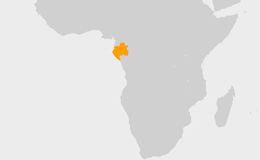
Las afiliadas de la CSI en Gabón son la Confédération Gabonaise des Syndicats Libres (CGSL) y la Confédération Syndicale Gabonaise (COSYGA).
Gabón ratificó el Convenio nº 87 sobre la libertad sindical y la protección del derecho de sindicación (1948) en 1960 y el Convenio nº 98 sobre el derecho de sindicación y de negociación colectiva (1949) en 1961.
según la ley
Libertad sindical / Derecho de sindicalización
Libertad sindical
El derecho a la libertad sindical está consagrado en la Constitución.
Discriminación antisindical
La ley no protege específicamente a los trabajadores/as frente a la discriminación antisindical
Derecho a la negociación colectiva
Derecho a la negociación colectiva
El derecho a la negociación colectiva no está protegido por la ley.
Derecho de huelga
Derecho de huelga
El derecho de huelga está consagrado en la Constitución
Impedimentos legales a acciones de huelga legítimas
- Recurso obligatorio al arbitraje o a largos y complejos procedimientos de conciliación y mediación antes de iniciar una acción de huelga
- Sólo puede recurrirse a la huelga tras haber fracasado el proceso de arbitraje.
Limitaciones o prohibición de hacer huelga en algunos sectores
- Restricciones injustificadas para los funcionarios públicos
- Los trabajadores del sector público pueden sindicalizarse y disfrutan del derecho de huelga, aunque ese derecho se ve limitado si se considera que la huelga representa una amenaza para la seguridad pública.
En la Práctica
Jean- Chrysostome Mondzo Bisme, secretario general adjunto y portavoz del Syndicat des agents de l’assistance aéroportuaire (SYAAAP), fue presuntamente arrestado la noche del miércoles 11 de septiembre alrededor de las 11 de la noche a la entrada de su casa acusado de expresar comentarios difamatorios. Su arresto ha sido juzgado arbitrario e injusto por la coalición de centrales de empresas de transporte y por la sociedad civil.
La confederación sindical Dynamique unitaire denuncia una serie de intimidaciones y detenciones contra varios de sus líderes y miembros.
Así, el 3 de julio, el ministro del Interior de Gabón anunció en un comunicado de prensa su intención de enjuiciar al presidente de la confederación sindical, Jean Rémy Yama, por difundir información falsa después de que este último afirmara, en una asamblea general a principios de julio, que el presidente Ali Bongo Ondimba, víctima de un derrame cerebral a finales de octubre de 2018, estaba muerto. Su domicilio también fue allanado por orden de la Dirección General de Investigación (DGR).
La confederación también denuncia el arresto los 11 y 12 de julio por la policía de cuatro de sus dirigentes: Simon Ndong edzo (primer vicepresidente de la confederación sindical Dynamique unitaire), Sylvie Nkogue Mbot (presidenta del sindicato HIPPOCRATE y secretaria confederal de Dynamique unitaire), Jean Bosco Boungoumou Boulanda (presidente del sindicato ONPESE) y Ghislain Malanda (presidente del sindicato SAMTAC). Según los informes, uno de ellos fue hospitalizado debido a las palizas de que fue víctima. Todos fueron liberados el 19 de julio.
Otros miembros de la oficina confederal también han sido víctimas de seguimiento y vigilancia, escuchas telefónicas e intentos de secuestro.
La policía impidió la celebración de la asamblea general de la confederación sindical Dynamique unitaire, programada para el 27 de abril de 2019 en Libreville. Se señaló que la policía había ocupado la zona alrededor del lugar de la reunión a las cinco en punto y utilizó gases lacrimógenos para dispersar a los miembros que acudían a la reunión.
A finales de agosto, los funcionarios afiliados a la confederación sindical Dynamique Unitaire intentaron por segunda vez organizar una marcha pacífica en protesta contra las medidas de austeridad impuestas por el Gobierno. Pero tal como había ocurrido ya el 13 de agosto, el Ministerio del Interior prohibió su celebración un día antes, desplegando agentes de las fuerzas del orden desde primera hora de la mañana. Veintiocho manifestantes, incluidos los responsables sindicales y políticos que acudieron para apoyar a los trabajadores movilizados, así como Morel Mondjo, periodista y redactor en jefe de Gabonmediatime.com, que cubría el evento, fueron arrestados, permaneciendo detenidos varias horas en comisaría antes de ser liberados.
Diversos sindicatos, como la Confédération générale du travail (CGT) de Francia, condenaron la prohibición, decretada en el último momento, pese a que los organizadores habían elevado un ‘recurso gracioso’ y presentado la debida solicitud para enmarcar la acción dentro de los plazos previstos.
Las centrales sindicales Dynamique Unitaire, Syprocom, Samtac y Synafopra denunciaron la agresión por parte de las fuerzas de seguridad y defensa contra agentes de Gabon Télévision, durante una conferencia organizada el viernes 10 de agosto en la sede de Dynamique Unitaire. El vicepresidente de Syprocom, Edgard Nziembi Douckaga, tuvo que ser hospitalizado con varias costillas rotas. Según las cuatro organizaciones sindicales, los agentes de las fuerzas de seguridad y defensa irrumpieron en el evento, vulnerando así sus derechos sindicales y su libertad de expresión.
El 5 de septiembre, la policía gabonesa dispersó con granadas de gases lacrimógenos a agentes del Ministerio del Petróleo que estaban en huelga en la ciudad de Libreville para reclamar cuatro meses de salarios atrasados y la vuelta al régimen de fondos comunes.
Marcel Libama, líder sindical, asesor estratégico de Conasysed y de la confederación sindical Dynamique unitaire (DU), fue puesto en detención preventiva el 15 de junio por difamación en la prensa y desacato a los tribunales. La acusación fue instruida por el mismo fiscal que había presentado una denuncia contra Cyprien Mougouli. El fiscal lo acusa de difamarlo en una entrevista realizada al final del juicio del sindicalista Cyprien Mougouli, quien fue condenado el mismo día por los mismos cargos. En esta entrevista, Marcel Libama había denunciado efectivamente la arbitrariedad del juicio. El periodista que lo entrevistó también fue arrestado por negarse a censurar la entrevista. Esta decisión, que viola, entre otros derechos, el derecho a la información y la libertad de prensa también se hace eco de la prohibición de las actividades de Conasysed. Condenados el 15 de julio por el Tribunal de Tchibanga a 184 días de sentencia suspendida con 45 días de prisión y una multa de 300.000 francos CFA, el periodista y el dirigente sindical comparecieron de nuevo en un procedimiento de apelación el 26 de julio. Fueron liberados el mismo día tras pasar más de dos meses en prisión.
El 18 de mayo detuvieron, por desacato al tribunal tras una denuncia presentada contra él por el fiscal del Tribunal de Primera Instancia de Tchibanga, a Cipriano Moungouli, delegado provincial de la Convention nationale des syndicats du secteur éducation (Conasysed), quien fue condenado el 15 de junio a seis meses de prisión, incluyendo uno de prisión y cinco de libertad vigilada, y una multa de 150.000 francos CFA. Según Conasysed Cipriano Moungouli simplemente deseaba tener información sobre la evolución de su queja contra el comité de sabios de Nyanga, que Conasysed había introducido por haber amenazado de muerte a sindicalistas en la última huelga nacional. El sindicalista fue liberado después de purgar una pena de un mes de cárcel. Conasysed denuncia un ensañamiento contra sus sindicatos desde enero.
El sindicato de trabajadores del petróleo, Organisation nationale des employés du pétrole (ONEP), presentó una queja el 29 de mayo contra el Estado de Gabón ante la Organización Internacional del Trabajo (OIT). El sindicato considera que el Estado ha socavado las libertades sindicales al excluirla de un procedimiento de negociación colectiva iniciado en marzo de 2017 por el grupo petrolero Maurel et Prom. Esta exclusión tendría como objetivo poner fin a la serie de huelgas que se venían produciendo desde octubre de 2016. La OIT pidió una explicación a las autoridades gabonesas en una carta enviada en julio.
Casi doscientos miembros del sindicato Dynamique unitaire (DU), una coalición de sindicatos de varios sectores, fueron dispersados por la policía con gases lacrimógenos, humo de gas, porras y persecuciones durante una marcha organizada en Libreville con motivo del 1 de mayo bajo el lema “Alto a las violaciones de los derechos humanos y sindicales”. Según la policía, que invocó la ley que prohíbe las concentraciones, esta manifestación no estaba autorizada. Por otro lado, la confederación sindical señala que el ministro del Interior habría sido previamente informado de la reunión por carta.
Ante las acciones de huelga de los miembros docentes de los sindicatos del sector educativo desde octubre de 2016, el ministro de Educación anunció en una circular publicada el 30 de enero de 2017 sanciones contra los sindicalistas y otros colectivos en huelga. En esta circular, el ministro pedía a los miembros de la administración y otros directores escolares proceder a la “suspensión inmediata de la remuneración del personal ausente de su puesto de trabajo sin justificación”, pero también “para los docentes que no impartan efectivamente sus cursos”. Asimismo, anunció “el establecimiento de consejos disciplinarios” y la “radiación sin consultar a los órganos disciplinarios en caso de negligencia en el cumplimiento del deber sin motivo válido durante tres meses”. De ahora en adelante los docentes deberán registrar su hora de entrada y de salida todos los días, y deberá proporcionarse una lista semanal de refractarios al ministro de la Función pública y al ministro del Presupuesto. El Gobierno, que reconoció la legitimidad de las reivindicaciones sindicales desde finales de 2016, dijo que no tenía dinero suficiente para satisfacerlas. En marzo, se suspendió la remuneración de más de 800 docentes.
El Ministerio del Interior, tras dictamen del ministro de Educación, prohibió por decreto ministerial publicado el 17 de marzo de 2017, y sin previo aviso, todas las actividades de la plataforma de sindicatos de la educación del país, la Convention nationale des syndicats du système éducatif (Conasysed), de la que forman parte siete sindicatos (SAEG, SEENA, SYNETECPRO, FESEENA, FNSE, SNEEPS y SYNAJES). Las razones alegadas fueron disturbios al orden público, obstaculización a la libertad de trabajo, violencias y agresión. Según el Gobierno, la Conasysed habría amenazado a los no huelguistas y a los docentes expatriados, mientras que otros habían sido sorprendidos cometiendo el delito de destruir el equipo. Los responsables de la organización, legalizada en 2012, niegan estos hechos considerados como infundados y denunciaron una “decisión injusta y arbitraria”, que viola los acuerdos internacionales que establecen que los sindicatos pueden ser disueltos o suspendidos por vía administrativa. Esta prohibición se debe principalmente a la huelga general que los docentes han estado observando desde octubre de 2016 y las sanciones anunciadas por el Gobierno en enero. La Conasysed reconoce que la huelga perturba seriamente a la escuela gabonesa, pero critica al Gobierno por no entablar negociaciones. Hicieron un llamamiento a todo el movimiento sindical para que siguiera movilizándose.
Rain Forest Management, compañía maderera originaria de Malasia, se negó a negociar con la organización sindical Entente Syndicale des Travailleurs du Gabon (EN.SY.TG). Dirigentes del sindicato visitaron la compañía entre el 25 y el 30 de septiembre de 2013, pero los trabajadores que tenían previsto participar en las reuniones sindicales fueron amenazados e intimidados. EN.SY.TG fue informada de que cerca de 50 miembros del sindicato fueron convocados por el director de recursos humanos y amenazados con ser despedidos sin persistían en continuar en el sindicato. El 10 de octubre de 2013, el líder del sindicato en la empresa fue falsamente acusado de robo y arrestado.
La Organisation nationale des employés du pétrole (ONEP) anunció el inicio de una huelga ilimitada para exigir la aplicación de un convenio colectivo que data de 2010, firmado por el Gobierno, sobre mejores condiciones de trabajo y mayor recurso a mano de obra gabonesa. Trabajadores de cerca del 90% de las compañías en el sector petrolero participaron en la huelga. El 17 de mazo de 2013, el Gobierno accedió a tener en cuenta las demandas de los trabajadores.
Temida por las autoridades a causa de su capacidad para asfixiar la economía gabonesa, altamente dependiente de los ingresos provenientes de la explotación de hidrocarburos, la Organisation nationale des employés du pétrole (ONEP) justificó las acciones organizadas durante todo el año por la enorme precariedad del empleo en el sector, una utilización abusiva e ilegal de los contratos de duración determinada, la proliferación de empresas subcontratistas y unos convenios colectivos caducos que no responden a la realidad socio-económica. Una de las principales reivindicaciones de la ONEP, como de hecho de muchos otros sindicatos, guarda relación con el recurso abusivo e ilegal a mano de obra extranjera, que en ocasiones cobra hasta veinte veces más que los trabajadores nacionales con competencias similares. En abril, una huelga de cuatro días prácticamente paralizó el país, costando al Estado gabonés el equivalente de 90 millones de euros, según la ONEP.