
Madagascar
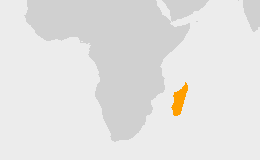
Las afiliadas de la CSI en Madagascar son la Confédération des Syndicats des Travailleurs Malagasy Révolutionnaires (FISEMARE), la Firaisan’ny Sendikan’ny Mpiasan’ny Madagasikara (FI.SE.MA.), la Fivondronamben’ny Mpiasa Malagasy - Confédération des Travailleurs Malgaches (FMM), la Sendika Krisitianina Malgasy – Confédération Chrétienne des Syndicats Malgaches (SEKRIMA) y la Union des Syndicats Autonomes du Madagascar (USAM).
Madegasgar ratificó el Convenio nº 87 sobre la libertad sindical y la protección del derecho de sindicación (1948) en 1960 y el Convenio nº 98 sobre el derecho de sindicación y de negociación colectiva (1949) en 1998.
según la ley
Libertad sindical / Derecho de sindicalización
Libertad sindical
El derecho a la libertad sindical está consagrado en la Constitución.
El derecho a la libertad sindical está regulado por el Código de Trabajo
Discriminación antisindical
La ley prohíbe la discriminación antisindical, pero no pevé medidas adecuadas de protección al respecto.
Restricciones al derecho de los sindicatos a organizar su administración
- Restricciones al derecho a establecer libremente sus propios estatutos y reglamentos
- Según el actual Código Laboral, el establecimiento de sindicatos ha de determinarse mediante un decreto.
- Restriciones al derecho a elegir representantes y autoadministrarse con plena libertad
- Según el actual Código Laboral, el reclutamiento de los miembros de un sindicato se determina mediante un decreto.
- Restricciones a la libertad para organizar libremente actividades y formular programas
- Según el actual Código Laboral, las actividades de un sindicato se determinan mediante un decreto.
Categorías de trabajadores a quienes la ley prohíbe o restringe la posibilidad de formar o afiliarse a sindicatos, o de ocupar cargos sindicales
- Otras categorías
- La Constitución de abril de 2007 garantiza a los trabajadores, a excepción de la gente de mar y los empleados de los llamados servicios esenciales, el derecho a formar sindicatos y afiliarse a ellos, tanto en el sector público como en el privado. Los trabajadores de la radio y la televisión, así como los empleados del sector bancario, están incluidos en la categoría de servicios esenciales, excediendo los límites establecidos en la definición de la OIT.
Derecho a la negociación colectiva
Derecho a la negociación colectiva
El derecho a la negociación colectiva está reconocido por la ley.
Restricciones al principio de negociación libre y voluntaria
- Procedimiento de arbitraje impuesto en caso de disputa durante una negociación colectiva, no sólo en los servicios esenciales
- Los trabajadores/as deben agotar los procedimientos de conciliación, mediación y arbitraje impuestos por las autoridades.
Restricciones o prohibición de negociar colectivamente en algunos sectores
- Otras categorías
- La gente de mar no está cubierta por el Código Laboral. El Código Marítimo incluye su derecho a concluir convenios colectivos pero el derecho a sindicalizarse no está específicamente reconocido por la ley.
Derecho de huelga
Derecho de huelga
El derecho de huelga está consagrado en la Constitución
El derecho de huelga está reconocido por la ley pero estrictamente regulado.
Impedimentos legales a acciones de huelga legítimas
- Recurso obligatorio al arbitraje o a largos y complejos procedimientos de conciliación y mediación antes de iniciar una acción de huelga
- Los artículos 220 y 225 del Código del Trabajo disponen que si la mediación fracasa, el conflicto colectivo es remitido por el Ministro de Trabajo y Legislación Social a un proceso de arbitraje y que el laudo arbitral pone fin al conflicto y a la huelga.
Disposiciones que socavan el recurso a acciones de huelga o su eficacia
- Posibilidad de sustituir a trabajadores/as durante acciones legítimas de huelga
- La Comisión de Expertos de la OIT ha pedido repetidamente al Gobierno que adopte las medidas necesarias para enmendar el artículo 228 del Código del Trabajo relativo a la requisición de los empleados en huelga, a fin de sustituir el concepto de perturbación del orden público por el concepto de crisis nacional aguda.
Limitaciones o prohibición de hacer huelga en algunos sectores
- Restricciones injustificadas para los funcionarios públicos
- El artículo 33 de la Constitución de abril de 2007 estipula que "se reconoce el derecho de huelga sin perjuicio del principio de continuidad del servicio público ni de las necesidades básicas y de seguridad de la Nación". Esta disposición es demasiado amplia, ya que abarca a todos los funcionarios públicos y tampoco excluye expresamente a los trabajadores del sector privado.
- Determinación discrecional o lista excesivamente larga de «servicios esenciales» en los que el derecho de huelga queda prohibido o severamente restringido
- Teniendo en cuenta la amplia definición que se hace de los servicios esenciales, el gobierno puede exigir a los empleados públicos que vuelvan al trabajo, disponiendo así de facultades para evitar o poner fin a una huelga. .
En la Práctica
Desde que se constituyó en ACCORD KNITS un sindicato de empresa afiliado a la Confédération des Syndicats des Travailleurs Malagasy Révolutionnaires (FISEMARE), y se presentaron las candidaturas para la elección de los representantes de los trabajadores, los directivos de la empresa han venido ejerciendo todo tipo de presiones contra los miembros del sindicato. En particular, anularon la lista de los candidatos presentados por la confederación FISEMARE, aludiendo que, al no haber estado representada en la reunión de preparación para la votación, no podía presentar una lista. Pero lo cierto es que cuando FISEMARE presentó sus candidaturas, la fecha límite establecida todavía no había vencido.
Tras la intervención de la representante del Buró Nacional de la FISEMARE durante una reunión de todos los representantes sindicales existentes, convocada por la sociedad ACCORD KNITS, el director de Recursos Humanos tomó la iniciativa de aplazar la votación con el fin de asesorarse en la Inspección de Trabajo. Mientras tanto, la dirección de la empresa impuso severas sanciones contra los candidatos de la FISEMARE, como por ejemplo una suspensión de ocho días.
La votación de los delegados del personal no se llevó a cabo hasta tres meses más tarde y después de que la FISEMARE hubiera presentado ante la Inspección de Trabajo una queja contra la sociedad ACCORD KNITS por vulneración de la libertad sindical. La FISEMARE obtuvo en la votación cuatro de los ocho puestos de delegados.
El 28 de noviembre de 2018, ante la negativa de la dirección de ACCORD KNITS a discutir una serie de reivindicaciones relacionadas con el pago de las cotizaciones sociales que habían sido presentadas por los delegados del personal recién elegidos, los trabajadores organizaron una huelga habiendo respetado las formalidades reglamentarias, como es la presentación de un preaviso. Pero, contrariamente a las leyes en vigor, la huelga fue declarada ilegal por una delegación de la Inspección de Trabajo que había sido invitada a la misma en calidad de observadora. Basándose en esta decisión arbitraria, el empleador suspendió a todos los delegados de la FISEMARE, en espera de su despido. La FISEMARE presentó un recurso ante el ministro de Trabajo, pero sin éxito. A día de hoy, los delegados de los trabajadores de la FISEMARE siguen estando suspendidos.
Los trabajadores en huelga de la empresa minera QIT Madagascar Minerals (QMM), propiedad del grupo Rio Tinto, interrumpieron sus actividades dos veces en cinco días para protestar contra el incumplimiento, por parte de la dirección, de la aplicación de las subidas salariales previstas en su convenio colectivo. Los sindicatos Sendika Kristanina Malagasy – Confédération Chrétienne des Syndicats Malgaches (Sekrima) y Syndicalisme et vie des sociétés (SVS) suspendieron la huelga el jueves 8 de marzo por la tarde, después de que la dirección local les prometiera poner en marcha al día siguiente un proceso de mediación dirigido por la Inspección de Trabajo. Sin embargo, según Sekrima, cuando los trabajadores regresaron a su trabajo el viernes, la empresa les amenazó con el despido y la pérdida de beneficios, intimidaciones a raíz de las cuales sólo 200 trabajadores participaron en la huelga que se retomó el lunes 12 de marzo. El 13 de marzo las partes consiguieron finalmente llegar a un acuerdo.
En 2017, el caso de los estibadores despedidos por ser miembros del sindicato seguía sin resolver. Despedidos en 2012 por intentar, a través de su sindicato, de mejorar sus condiciones de trabajo, que son muy peligrosas, y sus salarios, que se encuentran entre los más bajos del mundo, los 43 trabajadores de los muelles aún no han sido reintegrados a su puesto de trabajo. Ante la negativa del Gobierno de cumplir una decisión judicial a su favor, la Federación Internacional de Trabajadores del Transporte (ITF) presentó, en abril de 2017, una queja ante la Organización Internacional del Trabajo (OIT) contra el Gobierno en nombre de los trabajadores del puerto de Toamasina y de su sindicato SYGMMA. Los afiliados de la ITF de todo el mundo también llevaron a cabo una semana de acciones legales en octubre de 2017 para dar un nuevo ímpetu internacional a la campaña contra las violaciones de los derechos sindicales.
El 28 de septiembre, durante su segundo día de huelga indefinida, los miembros del sindicato de magistrados, Syndicat des magistrats de Madagascar (SMM), y el de secretarios de juzgado, Syndicat des greffiers de Madagascar (SGM), cerraron las puertas de entrada del Tribunal de primera instancia de Anosy con candado, una práctica que afirman ya haber utilizado en huelgas anteriores. Sin embargo, esta vez las autoridades usaron la fuerza para obligar a los huelguistas a regresar al trabajo. La policía, requisada por el fiscal de la República, Razafimelisoa Odette Balsama y acompañada de agentes judiciales, forzó la puerta de entrada cerrada con candado por los huelguistas. También se utilizaron polvos lacrimógenos para dispersar a los sindicalistas en huelga. Acusado de haber cometido un delito al cerrar con candado la puerta de entrada al tribunal, Fanirisoa Ernaivo, presidenta del SMM, fue amenazada de arresto.
En mayo, Fanirisoa Ernaivo, Presidenta del sindicato de los magistrados de Madagascar (SMM), quien había denunciado los reiterados obstáculos y la injerencia del gobierno en los procesos judiciales del caso Claudine Razaimamonjy, asesora especial del presidente de la República acusada de malversación de fondos, fue blanco de ataques. Después de una visita de seguimiento al hospital con Claudine Razaimamonjy, el Ministerio de Comunicaciones amenazó con tomar medidas disciplinarias y/o judiciales en contra de la presidenta del sindicato SMM. Asimismo, se profirieron amenazas de traslado contra los miembros del SMM.
Los ataques contra los derechos sindicales por parte de las multinacionales Sherritt y Rio Tinto continuaron en 2016. No obstante, los sindicatos se mostraron muy combativos, como por ejemplo la organización Syndicalisme et vie des sociétés (SVS), afiliada de IndustriAll, que obtuvo una importante victoria frente al gigante minero Sherritt. Tras una larga batalla legal, la Corte Suprema (Conseil d’État) falló a favor de uno de sus dirigentes, Barson Rakotomanga, miembro del comité de empresa en la mina de níquel Ambatovy, que fuera despedido en junio de 2015 junto con otros 900 trabajadores, alegando que había dañado la reputación de la empresa, a nivel nacional e internacional. Esta decisión da esperanza a otros 15 dirigentes sindicales electos que fueran igualmente despedidos. En mayo de 2016, dos mineros fueron amenazados con ser despedidos, tras haber denunciado las terribles condiciones de trabajo en la mina QMM de Río Tinto en Fort-Dauphin.
El 18 de septiembre, en la capital, las autoridades arrestaron y encarcelaron a Oliva Andrianalimanana, presidente de la Union des syndicats autonomes de Madagascar (USAM) afiliada a la CSI y presidente de la Intersindical de la compañía de agua y electricidad, JIRAMA. Parte de los 5800 trabajadores/as de JIRAMA estaban en huelga desde el 10 de agosto, y contaban con el apoyo de la CSI-África y la IndustriALL Global Union.
El dirigente sindical fue acusado de falsificación y uso de documentos falsificados en un antiguo asunto ya dirimido y sin relación con el conflicto social. Para los huelguistas, los sindicatos y numerosos observadores habituados a este tipo de maniobras, el hecho de desenterrar un asunto antiguo es una maniobra de las autoridades para silenciar al dirigente sindical y romper la huelga. Por otra parte, la dirección de JIRAMA también prohibió las manifestaciones en el interior de los locales de la empresa con el pretexto de que unas semanas antes se habría encontrado un artefacto explosivo casero en su sede de Ambohijatovo Avaratra. El 23 de septiembre, la Intersindical, agotada, tuvo que resignarse a poner fin a la huelga. El 11 de noviembre, Oliva Andrianalimanana y otro huelguista implicado en el mismo asunto fueron condenados a una pena de 14 meses de prisión condicional. También fueron despedidos.
El 5 de noviembre, tras una huelga de tres semanas, más de 100 agentes de seguridad de Rio Tinto consiguieron ganar la partida en un conflicto que los oponía a su empleador, Pro’Tech Security. Su principal reivindicación era la readmisión de dos de sus representantes, también dirigentes de la Confederación general de sindicatos de trabajadores de Madagascar, la FISEMA. Eugène Chrétien, Secretario General de la FISEMA, destacó tras la victoria el poder de la solidaridad. También rindió homenaje a la dirección de Pro’Tech Security por la corrección de su comportamiento para escuchar sus reivindicaciones y en la negociación. IndustriALL, que apoyó a su afiliado, hizo hincapié en la urgencia de una campaña a escala mundial contra el uso excesivo de subcontratistas por parte de Rio Tinto y los malos tratos que se derivan de esta situación.
El 3 de junio, la empresa minera Sherritt International, que emplea a 3.000 trabajadores/as directos y otros 6.000 a través de subcontratistas, suspendió durante seis meses a 900 trabajadores/as de su mina de Ambatovy (níquel y cobalto). Entre ellos se encontraban 15 delegados sindicales pese a la protección que su función debía garantizarles. Esta decisión fue tomada de repente y sin consultar al comité de empresa. Muchos de los trabajadores/as en paro técnico sin goce de sueldo se enteraron de la noticia el 5 de junio por la mañana, cuando se les negó la entrada a la mina. Desesperada, una de las trabajadoras suspendidas prefirió suicidarse. Además de la caída del precio del níquel, la dirección motivó su decisión por la pérdida de beneficios que había implicado una huelga de dos semanas que había tenido lugar ese mismo año. Con la ayuda de la Federación Sindical Internacional IndustriALL, los sindicatos demostraron inmediatamente la falsedad de estos pretextos. Los resultados financieros de 2014 y del primer trimestre 2015 habían sido considerados excelentes. Asimismo, Sherry acababa de donar unos pocos meses antes un millón de dólares al ministerio de Defensa, un gesto que IndustriALL juzgó poco ético. Los sindicatos afiliados a IndustriALL (FESATI, FSTEM, SVS y SEKRIMA) vieron este recorte masivo de personal como una manera de Sherritt de aplastar a los sindicatos con la complicidad del Gobierno, con mayor razón porque el grupo minero se negó posteriormente a dar pruebas de que esta suspensión se justificaba desde el punto de vista económico. Se sospecha que el empleador infiltró los sindicatos dando lugar a luchas internas, creando la desunión y un clima de sospecha que debilitó a los sindicatos, una estrategia que también produjo tensiones, miedos y resentimientos entre los trabajadores/as y la población local. En diciembre, IndustriALL condenó “la arrogancia absoluta” del grupo minero, que negó una mediación con los dirigentes sindicales a invitación de las autoridades y que suspendió al comité de empresa. Cabe mencionar también que Sherry no ha dejado de contratar a trabajadores/as extranjeros, migrantes y trabajadores/as locales por contrato, y que el grupo anunció a finales del año que solamente el 10% de los trabajadores/as suspendidos en junio podrían reanudar el trabajo.
El malestar social que reinaba en Air Madagascar debido principalmente a la mala gestión de la empresa, la discriminación salarial (entre nacionales y extranjeros) y el hecho de no conceder las vacaciones restantes a las que tienen derecho los trabajadores/as se intensificó a principios de junio, cuando el empleador inició un procedimiento disciplinario contra los activistas sindicales culpables de haber expuesto públicamente sus quejas. El 15 de junio, reunidos en intersindical, los sindicatos iniciaron una huelga de conformidad con el Código del Trabajo. En lugar de escuchar las quejas del sindicato, la dirección respondió declarando ilegal la huelga y pidiendo la requisición de personal, lo que solamente provocó el reforzamiento de la huelga. El 27 de junio, siete huelguistas fueron convocados a la policía económica a raíz de una denuncia por parte del Ministerio de Turismo por “sabotaje económico, desestabilización del Estado y conspiración criminal”. Rado Rabarilala, el sindicalista a la cabeza del movimiento que había sido detenido brevemente mientras que la policía procedía al registro de su domicilio, se enteró posteriormente de su despido conjuntamente con el de otros tres representantes del personal. Finalmente la situación logró desbloquearse tras la dimisión del director y el nombramiento de un nuevo consejo de administración por parte del Gobierno. El 17 de julio la huelga se levantó con la promesa de la reincorporación de los cuatro militantes despedidos. Sin embargo, a finales de 2015, todavía no habían sido reintegrados.
A principios de abril, la Federación cristiana de docentes y trabajadores de la educación (FEKRIMPAMA) denunció un acuerdo entre el Ministerio de Educación y 15 sindicatos del sector educativo que prevé reuniones mensuales. El texto del acuerdo, sin ningún valor jurídico real, contiene algunas formulaciones vagas que dan pie a interrogarse sobre sus objetivos: “Los sindicatos y asociaciones firmantes del presente Memorando de Entendimiento se comprometen a respetar la jerarquía administrativa”. La FEKRIMPAMA, único sindicato de Madagascar afiliado a la Internacional de la Educación, no fue invitada a participar en el acuerdo. Esta federación ha condenado la excesiva politización del sector educativo y la forma de poner mordaza a los sindicatos, especialmente mediante este acuerdo. Sobre el terreno, el derecho a organizarse suele ser puesto en cuestión: la distribución de octavillas a la salida de un centro escolar, o pegar un cartel puede poner en peligro al activista que lo hace. Evidentemente, una convocatoria a huelga o a una manifestación representa un peligro aún mayor.
Un sindicalista empleado en la empresa DM Internacional fue despedido sin justificación alguna en su cargo. Presentó una denuncia ante el Servicio Regional de Empleo y Asuntos Sociales, gracias a lo cual fue reinstalado en su puesto. Sin embargo, en noviembre de 2013, fue arrestado y detenido por acusaciones de robo. La dirección lo acuso de robar piezas de hierro de la empresa y amenazó con pedir la prisión preventiva mientras el trabajador no dimitiera de su cargo.
La compañía La Hutte Canadienne practica también medidas de discriminación antisindical. Uno de sus trabajadores se afilió a un sindicato en agosto de 2013 y desde entonces no dejó de ser acosado continuamente y lo cambiaron de puesto varias veces hasta que finalmente fue destituido en noviembre de 2013 con el pretexto de que no era lo suficientemente competente para ocupar ese puesto.
La representante sindical Sylvie Rakotoarivelo que está trabajando para la empresa Initiatives fue reprendido el 11 de enero de 2014 por participar en una actividad sindical el 23 de diciembre de 2013. La dirección primero le había permitido participar en la actividad, pero luego se lo retiró, la acusaron de no cumplir con sus tareas y fue amenazado con el despido.
Después de que el Consejo de Arbitraje dictó un laudo en marzo de 2013 a favor de los trabajadores, el representante sindical Avohaja Radanielina envió un correo electrónico a los miembros del sindicato explicando los detalles de la sentencia. El Banco BFV/SG emitió una advertencia disciplinaria en su contra por el uso de las instalaciones de la empresa para fines sindicales a pesar de que el laudo ordenaba que ningún sindicalista debía ser objeto de discriminación a causa de este conflicto. El sindicato recurrió de nuevo al Consejo de Arbitraje, el cual pidió a la empresa retirar la advertencia.
En una reunión tripartita organizada por la OIT en diciembre de 2013 en Antananarivo, el portavoz del empleador Entreprises Franches et similaires declaró que los empleadores no firmarían un convenio colectivo que cubriera las zonas francas de exportación.
Con ocasión de un seminario sobre las zonas francas industriales organizado por la CSI, los sindicatos dejaron constancia de la persistencia de las graves dificultados a las que se enfrentan los trabajadores de este sector: objetivos de producción demasiado altos fijados unilateralmente por los empleadores, violaciones de la legislación relativa a las horas suplementarias, el no ingreso de las cotizaciones a la seguridad social y diversos problemas de salud y de seguridad que no están siendo abordados. Los trabajadores se han quejado de los contratos precarios que se ven obligados a firmar y de despidos arbitrarios. Fetra Lovasoa, Secretaria General de la Fédération des syndicats des travailleurs des entreprises franches, ha comparado las condiciones de trabajo a la esclavitud moderna. Los sindicatos están activos en unas 60 empresas francas, mayoritariamente en el sector textil. La tasa de adhesión sigue siendo limitada, entre el 10% y el 14% de la mano de obra (en su mayoría mujeres), lo que suma un total de en torno a 5.000 trabajadores. El Gobierno anunció en julio su intención de crear 100.000 puestos de trabajo más en las zonas francas a lo largo de un período de cinco años.
La preponderancia de las actividades agrícolas de subsistencia y del sector informal, y el desprecio de los empleadores con respecto a las actividades sindicales, contribuyen a que la legislación laboral no se aplique más que a una escasa minoría de trabajadores/as. Estos últimos años los sindicatos han denunciado la opacidad de los acuerdos concluidos entre las autoridades y las empresas mineras, así como la creciente exportación ilegal de madera de palo de rosa. Según un informe reciente de la Conférence des Travailleurs de Madagascar (CTM) y de la fundación alemana Friedrich-Ebert-Stiftung (FES), era sobre todo en las empresas públicas donde se firmaban convenios colectivos. Sin embargo, con el proceso de privatización, la mayoría son ahora obsoletos (ferrocarril, telecomunicaciones, energía, etc.).