
Omán
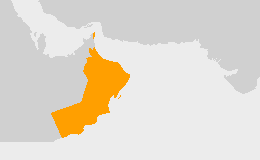
La afiliada de la CSI en Omán es la General Federation of Oman Trade Unions (GFOTU).
Omán no ha ratificado ni el Convenio nº 87 sobre la libertad sindical y la protección del derecho de sindicación (1948) ni el Convenio nº 98 sobre el derecho de sindicación y de negociación colectiva (1949).
según la ley
Libertad sindical / Derecho de sindicalización
Libertad sindical
El derecho a la libertad sindical está consagrado en la Constitución.
El derecho a la libertad sindical está reconocido por la ley, pero estrictamente regulado.
Discriminación antisindical
La ley no protege específicamente a los trabajadores/as frente a la discriminación antisindical
Barreras legales al establecimiento de organizaciones
- Poderes para rechazar el registro oficial por motivos arbitrarios, injustificados o ambiguos
- De conformidad con el artículo 6 de la Decisión Ministerial No. 570/2012, el Ministerio de Trabajo puede solicitar, dentro de los 30 días siguientes a la fecha de recepción del registro, toda la información adicional que considere necesaria para depositar la solicitud y su anexo y para completar el registro. Además, en virtud del artículo 7, tras la publicación del anuncio de la inscripción del sindicato en el Boletín Oficial, las partes interesadas pueden formular una objeción contra la solicitud de inscripción en un plazo de 30 días a partir de la fecha de publicación. La reclamación es dirigida por un comité independiente cuya formación, facultades y procedimientos de trabajo están regulados en virtud de una decisión emitida por el Ministro. En caso de que no exista ninguna objeción a la solicitud de registro, el Ministerio expedirá el certificado de registro dentro de los 60 días siguientes a la fecha de publicación.
- Se requiere un número mínimo de miembros excesivo para establecer un sindicato
- Para formar un sindicato hacen falta un mínimo de 25 trabajadores/as, independientemente del tamaño de la empresa (artículo 2 (D) de la Orden Ministerial nº 311/2006).
- Restricciones al derecho de los sindicatos a establecer ramas, federaciones y confederaciones o a afiliarse a organizaciones nacionales e internacionales
- Artículo 14 (6) de la Orden Ministerial nº 311/2006: la federación debe aprobar la afiliación a organizaciones internacionales.
Restricciones al derecho de los trabajadores y trabajadoras a formar y afiliarse a organizaciones de su elección
- La ley impone un sistema de monopolio sindica y/o un sistema que prohíbe o restringe la sindicalización a ciertos niveles (empresa, industria/sector, regional/territorial, nacional)
- El capítulo 4 de la Orden Ministerial nº 311/2006 establece la Federación General de los Trabajadores del Sultanato de Omán. Esto implica un monopolio sindical con una única federación nacional. Puede haber más de un sindicato en cada empresa.
- La ley impone restricciones al derecho de los trabajadores/as a afiliarse al sindicato de su elección
- El miembro de un sindicato debe cumplir las siguientes condiciones: debe ser un trabajador/a de la empresa; no debe ser menor de 18 años en la fecha del envío de la solicitud de afiliación y debe gozar de plenas facultades; no debe haber sido declarado culpable de ningún delito menor ni grave que limite la libertad contra la honestidad y confianza a menos que haya sido perdonado; no debe tener ningún préstamo ni ser delegado o miembro de otro sindicato ni empleador en el lugar de trabajo. Asimismo, no debe demostrarse que cometió acciones que amenazaran a la seguridad del país, la unidad nacional ni los intereses del Sultanato (artículo 4 de la Orden Ministerial nº 570/2012). Un lugar de trabajo no puede tener más de un sindicato y un sindicato no puede ser miembro de más de una federación (artículo 49 de la Orden Ministerial nº 570/2012).
Restricciones al derecho de los sindicatos a organizar su administración
- Restricciones al derecho a establecer libremente sus propios estatutos y reglamentos
- La Decisión ministerial Nº 570/2012 del Ministerio de Trabajo impone normas restrictivas en la redacción de los estatutos de los sindicatos, entre las que se incluyen las siguientes: la Asamblea General del sindicato estará formada por todos los miembros; el Órgano Administrativo del sindicato se elegirá entre los miembros de su Asamblea General en un plazo de 30 días a partir de la fecha de registro en el Ministerio; los mandatos del Órgano Administrativo se limitan a cuatro años; y los miembros del Órgano Consultivo pierden automáticamente su condición de miembros si no asisten a cuatro reuniones consecutivas (Decisión ministerial, Nº 570/2012). 570/2012, artículos 12, 18, 27, 30, 40, 42 y 45).
- Restriciones al derecho a elegir representantes y autoadministrarse con plena libertad
- Los candidatos a ser miembros del Órgano Administrativo del sindicato deben cumplir con las siguientes condiciones: Deben ser miembros de la Junta General del sindicato; Deben ser ciudadanos omaníes; Sus responsabilidades y misiones en el lugar de trabajo no deben contradecir a sus responsabilidades y misiones en el sindicato (artículo 11 de la Orden Ministerial nº 570/2012). El número de miembros del Órgano Administrativo del sindicato debe fijarse de la siguiente manera: Cinco miembros para un sindicato con no más de (500) quinientos miembros; Siete miembros para un sindicato con más de (500) quinientos miembros y menos de (1.500) mil quinientos miembros; Nueve miembros para un sindicato con más de (1.500) mil quinientos miembros (artículo 13 de la Orden Ministerial nº 570/2012). El Órgano Administrativo del sindicato debe tener prohibido: Invertir los fondos del sindicato en especulaciones financieras, inversiones inseguras o inversiones que contravengan sus objetivos o propósitos; Llevar a cabo actividades políticas o cualquier actividad no especificada en su Estatuto; Aceptar regalos y donativos, a menos que lo apruebe el Ministerio, en cuyo caso dichos regalos y donativos deben ser incondicionales y no contravenir los objetivos y propósitos de la actividad sindical ni las leyes en vigor en el Sultanato; Asignar los activos, ya sea en derechos o en efectivo (artículo 17 de la Orden Ministerial nº 570/2012).
- Restricciones a la libertad para organizar libremente actividades y formular programas
- Los sindicatos, federaciones y la Federación General deben atenerse en sus actividades, trabajos, normas, decisiones, estatutos y otros a las disposiciones de todas las leyes, normas y decisiones aplicables en el Sultanato, así como al orden público y la moralidad (artículo 48 de la Orden Ministerial nº 570/2012).
- Las autoridades administrativas están capacitadas para tomar unilateralmente la decisión de disolver, suspender o retirar el registro a organizaciones sindicales
- El art. 50, Decisión Ministerial del Ministerio de Trabajo Nº 570/2012: "El sindicato o la federación se disolverá en virtud de la decisión del Ministro en cualquiera de los siguientes casos: 1- Si el número de miembros de la Asamblea General es inferior al mínimo establecido por la ley, a menos que dicho número se alcance en un plazo de tres meses; 2- Si la Asamblea General no se ha celebrado durante dos años consecutivos; 3- En los casos especificados por los Estatutos del sindicato o la federación, siempre que el tercio de los miembros de la Asamblea General apruebe esta disolución. La decisión ministerial que ordene la disolución deberá ser publicada en el Boletín Oficial dentro de los quince (15) días siguientes a la fecha de emisión de la decisión o a la fecha en que la decisión sea definitiva".
Categorías de trabajadores a quienes la ley prohíbe o restringe la posibilidad de formar o afiliarse a sindicatos, o de ocupar cargos sindicales
- Otras categorías
- Los empleados/as solo están cubiertos por el Código Laboral si trabajan en el marco de un contrato laboral con un empleador. Esto significa que los trabajadores/as informales están excluidos del mismo (artículo 1 del Código Laboral). Los miembros de la familia del empleador que dependen del mismo también están excluidos del Código Laboral (artículo 2).
- Otros funcionarios y empleados públicos
- Los empleados/as del aparato administrativo del Estado y otras instituciones gubernamentales están excluidos del Código Laboral (artículo 2).
- Trabajadores/as domésticos
- El artículo 2 del Código Laboral excluye a 'los empleados/as del hogar que trabajan dentro o fuera de las casas, como el chófer, la empleada doméstica, el cocinero y todos aquellos con trabajos similares'.
Derecho a la negociación colectiva
Derecho a la negociación colectiva
El derecho a la negociación colectiva está reconocido por la ley.
Obstáculos legales para el reconocimiento de los agentes de negociación colectiva
- Posibilidad de eludir los sindicatos representativos y negociar directamente con representantes de los trabajadores/as
- Si no hay un sindicato, la negociación colectiva se llevará a cabo entre el empleador y cinco representantes elegidos por los trabajadores/as de la empresa. Al empleador no se le permite oponerse a ninguno de los representantes elegidos. Mientras las negociaciones estén en curso, el empleador tiene prohibido tomar decisiones sobre cualquier asunto que esté sobre la mesa de negociaciones.
Restricciones o prohibición de negociar colectivamente en algunos sectores
- Otros funcionarios y empleados públicos
- Los empleados del aparato administrativo del Estado y de otras dependencias gubernamentales están excluidos del ámbito de aplicación de la Ley del trabajo (artículo 2).
- Otras categorías
- Los trabajadores domésticos y los trabajadores sin contrato de trabajo están excluidos del ámbito de aplicación de la Ley del trabajo (artículo 2).
Derecho de huelga
Derecho de huelga
El derecho de huelga está reconocido por la ley pero estrictamente regulado.
Impedimentos legales a acciones de huelga legítimas
- Requisito de un quórum excesivo o de obtener una mayoría excesiva en una votación para poder convocar una huelga
- Las huelgas deben ser respaldadas por la mayoría absoluta de la plantilla de trabajadores/as (Decreto Ministerial nº 17/2007).
- Plazo de notificación previa / período de reflexión excesivamente largo
- El empleador debe recibir una notificación de la huelga por escrito con al menos tres semanas de antelación (artículo 19 del Decreto Ministerial nº 17/2007).
Prohibición o restricciones para ciertos tipos de acción de huelga
- Restricciones respecto al objetivo de una huelga (por ej. disputas industriales, cuestiones económicas y sociales, políticas, de simpatía o solidaridad)
- Los objetivos de las huelgas se limitan a "mejorar las condiciones y circunstancias de trabajo" en el establecimiento (artículo 18 de la decisión ministerial 294/2006).
Injerencia indebida por parte de las autoridades o los empleadores durante el transcurso de una huelga
- Las autoridades o los empleadores están capacitados para prevenir o poner fin a una huelga remitiendo el conflicto al arbitraje
- Se pondrá fin a la acción de huelga si las partes deciden iniciar el procedimiento de resolución de conflictos. A tal efecto, el Ministerio formará un comité, tras consultar con los trabajadores/as y el empleador. Si el comité no consigue resolver el conflicto en el plazo de cuatro semanas, éste será remitido a los tribunales (artículo 23 del Decreto Ministerial nº 17/2007).
Limitaciones o prohibición de hacer huelga en algunos sectores
- Restricciones injustificadas para los funcionarios públicos
- Artículo 20 de la Orden Ministerial nº 294/2006: las huelgas están prohibidas en lugares de trabajo que ofrecen servicios básicos al público.
- Determinación discrecional o lista excesivamente larga de «servicios esenciales» en los que el derecho de huelga queda prohibido o severamente restringido
- Artículo 1 del Decreto Ministerial nº 17/2007: entre los servicios básicos generales se encuentran la educación, las prisiones y la aviación civil.
En la Práctica
La central sindical General Federation of Oman Trade Unions informó que se producen violaciones generalizadas de los derechos de los trabajadores y persisten serios obstáculos al ejercicio de la libertad sindical y la negociación colectiva. Subraya que muchos trabajadores se enfrentan a discriminación en el empleo a causa de su pertenencia a un sindicato, incluyendo despidos, traslados y acoso. La central denuncia asimismo la injerencia indebida de los empleadores en los procesos de elecciones sindicales: muchas veces recurren a transferir a los directivos o a miembros del comité electoral a otro centro de trabajo; amenazas verbales directas al presidente o los miembros del comité; y represalias disciplinarias incluyendo amonestaciones y deducciones salariales.
Los empleadores obstaculizan además las negociaciones colectivas negándose a asistir a las reuniones previstas o retrasando indebidamente dichas reuniones, ignorando las reivindicaciones sindicales y, para bloquear las negociaciones, enviando a las reuniones a representantes que no están investidos de ningún poder negociador o de decisión.
Por último, la General Federation of Oman Trade Unions subraya que, aunque las huelgas están autorizadas en la legislación, algunas categorías de trabajadores tienen prohibido organizar huelgas, incluyendo el personal en aeropuertos, compañías eléctricas, petroleras, refinerías y puertos. Además, la organización de una huelga queda sometida a la mediación por parte de una comisión integrada por el ministro de Trabajo, la Cámara de Comercio e Industria de Omán y la central sindical General Federation of Oman Trade Unions. Si, tras un período de tres semanas, la comisión no llega a un acuerdo, la cuestión se remite a los tribunales. Durante el tiempo que duren la mediación y el proceso judicial no se podrá hacer huelga.
La General Federation of Oman Trade Unions (GFOTU) ha informado sobre buen número de prácticas frecuentes por parte de los empleadores que socavan los derechos de negociación colectiva en el país. Por ejemplo, GFOTU registró varios casos en que los empleadores intentaron manipular las elecciones sindicales imponiendo a sus propios candidatos o bien ofreciendo compensaciones en efectivo a los representantes electos para influir en sus decisiones y actividades. También es frecuente que los empleadores se nieguen a negociar con representantes de los trabajadores y creen sus propios comités de trabajadores alternativos, eludiendo así una genuina negociación colectiva.
GFOTU ha recibido además numerosas quejas de representantes sindicales en relación con medidas antisindicales discriminatorias, como por ejemplo traslados injustificados. Los trabajadores que participan en acciones de huelga se enfrentan asimismo a medidas de represalia, como traslados o exclusión de posibles ascensos profesionales.
El 26 de febrero de 2014, los trabajadores de la empresa petroquímica Octal Petrochemicals iniciaron una huelga para exigir la reincorporación de su representante sindical, Faisal Al Masahali, quien había sido arbitrariamente despedido tras solicitar una baja no remunerada urgente para acompañar a su hermano para que recibiera tratamiento médico fuera de Omán. Los trabajadores también exigieron un aumento salarial debido al incremento del coste de la vida. La Federación General de Sindicatos del Sultanato de Omán se reunió con representantes del Ministerio de Trabajo y con la dirección de Octal Petrochemicals para debatir las demandas de los trabajadores, pero desde entonces la empresa ha estado paralizando sistemáticamente el acuerdo aprobado por todas las partes. El Gobierno ha prohibido las huelgas en los servicios esenciales, entre los que se incluyen las empresas petroleras, refinerías, puertos y aeropuertos.
Petroleum Development Oman, principal productor de petróleo en Omán, despidió a 400 trabajadores que habían emprendido una huelga para reclamar el pago de contribuciones de jubilación y seguro de enfermedad. Los trabajadores serían readmitidos tras las negociaciones mantenidas bajo los auspicios del Consejo Shura.
Los trabajadores de Oman Methanol Company (OMC) en Sohar y Dalma Energy en Muscat se declararon en huelga para protestar por la negativa de la dirección a aplicar los incrementos salariales anuales estipulados en una decisión del Ministro de Trabajo. La decisión ministerial No. 32/2012 adoptada en enero de 2012 requiere que las compañías del sector privado apliquen un incremento salarial del 3% anual. La dirección de OMC se niega además a respetar el convenio colectivo negociado con el sindicato.
Más de un centenar de inspectores del trabajo se declararon en huelga en marzo, exigiendo entre otras cosas tener más posibilidades de adoptar decisiones directamente sobre el terreno. Los inspectores subrayaron que el buen funcionamiento de sus servicios se veía frenado por una excesiva centralización administrativa.
El Congreso Constituyente de la Federación General de Sindicatos de Omán, la única central sindical del país, ha sido aplazado varias veces. Finalmente debía celebrarse en febrero de 2010. A finales de 2008, el Ministerio de Mano de Obra había registrado la existencia en el país de 58 sindicatos de empresa.