
Sri Lanka
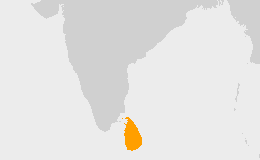
Las afiliadas de la CSI en Sri Lanka son Ceylon Workers’ Congress (CWC), National Trade Union Federation (NTUF), National Workers’ Congress (NWC) y Sri Lanka Nidahas Sevaka Sangamaya (SLNSS).
según la ley
Libertad sindical / Derecho de sindicalización
Libertad sindical
El derecho a la libertad sindical figura consagrado en la Constitución, pero está estrictamente regulado.
Discriminación antisindical
La ley prohíbe la discriminación antisindical, pero no pevé medidas adecuadas de protección al respecto.
Barreras legales al establecimiento de organizaciones
- Restricciones al derecho de los sindicatos a establecer ramas, federaciones y confederaciones o a afiliarse a organizaciones nacionales e internacionales
- Los sindicatos del sector público y del sector privado no pueden federarse en una misma organización (una vez más, porque los empleados del sector público no están cubiertos por las normas que rigen las federaciones en virtud de la Ley sobre Conflictos Laborales).
Restricciones al derecho de los trabajadores y trabajadoras a formar y afiliarse a organizaciones de su elección
- La ley impone restricciones al derecho de los trabajadores/as a afiliarse al sindicato de su elección
- Los empleados del sector público no pueden afiliarse a sindicatos del sector privado (no están cubiertos por la Ley sobre Conflictos Laborales, sino por un régimen separado denominado Código de Establecimiento).
Restricciones al derecho de los sindicatos a organizar su administración
- Las autoridades administrativas están capacitadas para tomar unilateralmente la decisión de disolver, suspender o retirar el registro a organizaciones sindicales
- Se puede retirar el registro a un sindicato en virtud de una legislación de emergencia si se considera que obstaculiza o retrasa la prestación de servicios esenciales (Ordenanza sobre Seguridad Pública y Regulación de Emergencia No. 01 de 2005).
Categorías de trabajadores a quienes la ley prohíbe o restringe la posibilidad de formar o afiliarse a sindicatos, o de ocupar cargos sindicales
- Otras categorías
- Funcionarios de prisiones y funcionarios de la magistratura. Los miembros de la unidad denominada “Cuerpo Agrícola” no pueden formar sindicatos (artículo 20, Ordenanza sobre los Sindicatos, 1935). Los menores pueden trabajar a partir de los 14 años pero no pueden afiliarse a sindicatos hasta los 16 años. Tampoco pueden ocupar un cargo directivo en el sindicato hasta haber cumplido los 21 (artículo 31 Ordenanza sobre los Sindicatos, 1935).
Derecho a la negociación colectiva
Derecho a la negociación colectiva
NO SE DISPONE DE INFORMACIÓN
Obstáculos legales para el reconocimiento de los agentes de negociación colectiva
- Se requiere una representatividad excesiva o un número mínimo de miembros para poder negociar colectivamente
- Un sindicato tiene derecho a ser reconocido si representa a más del 40 por ciento de la plantilla (artículo 32A Ley sobre Conflictos Laborales 1951), aunque esto resulta muy complicado en la práctica, en parte debido a la fragmentación del movimiento sindical, que implica que es difícil que un solo sindicato tenga una proporción tan elevada de miembros.
- Posibilidad de eludir los sindicatos representativos y negociar directamente con representantes de los trabajadores/as
- La legislación sobre el establecimiento de consejos de empleados crea unos foros de trabajadores no sindicalizados. La Ley sobre los Consejo de Empleados obliga al empleador a conceder tiempo a los trabajadores para asistir a las reuniones de dichos consejos, pero no a las reuniones sindicales (artículo 32, Ley sobre los Consejos de Empleados, 1979).
Restricciones al principio de negociación libre y voluntaria
- Procedimiento de arbitraje impuesto en caso de disputa durante una negociación colectiva, no sólo en los servicios esenciales
- El Ministro de Trabajo puede remitir conflictos ‘menores’ al arbitraje sin consentimiento de las partes implicadas (artículo 4, Ley sobre Conflictos Laborales 1951).
- Las autoridades o los empleadores pueden anular, modificar o ampliar unilateralmente las disposiciones o la cobertura de los convenios colectivos
- El Ministro puede extender la cobertura de un convenio colectivo a una industria o a un distrito si las partes del convenio son suficientemente representativas (artículo 10 Ley sobre Conflictos Laborales, 1951).
Disposiciones que entorpecen el recurso a convenios colectivos y su eficacia
- Ausencia de mecanismos apropiados para fomentar y promover la maquinaria para la negociación colectiva
- Faltan medidas que promuevan la negociación colectiva en las zonas francas. Los procedimientos relativos al derecho a la negociación colectiva de los trabajadores del sector público no prevén una verdadera negociación colectiva, sino que establecen un mecanismo consultivo.
Restricciones o prohibición de negociar colectivamente en algunos sectores
- Otras categorías
- Funcionarios de prisiones y funcionarios de la magistratura. Los miembros de la unidad denominada “Cuerpo Agrícola” no pueden formar sindicatos (artículo 20, Ordenanza sobre los Sindicatos, 1935). Los menores pueden trabajar a partir de los 14 años pero no pueden afiliarse a sindicatos hasta los 16 años. Tampoco pueden ocupar un cargo directivo en el sindicato hasta haber cumplido los 21 (artículo 31 Ordenanza sobre los Sindicatos, 1935).
Derecho de huelga
Derecho de huelga
El derecho de huelga está reconocido por la ley pero estrictamente regulado.
Impedimentos legales a acciones de huelga legítimas
- Plazo de notificación previa / período de reflexión excesivamente largo
- Preaviso de 21 días en las industrias esenciales (artículo 32 Ley sobre Conflictos Laborales 1951).
- Recurso obligatorio al arbitraje o a largos y complejos procedimientos de conciliación y mediación antes de iniciar una acción de huelga
- El Ministro de Trabajo está capacitado para obligar a las partes a entablar un proceso de conciliación o arbitraje (artículo 4, Ley sobre Conflictos Laborales, 1951).
Disposiciones que socavan el recurso a acciones de huelga o su eficacia
- Excesivas sanciones civiles o penales contra los trabajadores/as y sindicatos involucrados en acciones de huelga no autorizadas
- El artículo 43 1) de la Ley de conflictos laborales dispone que toda persona que cometa un delito en virtud de la presente Ley podrá ser condenada, tras un juicio sumario ante un magistrado, a una multa no superior a 5.000 rupias de Sri Lanka, a una pena de prisión no superior a 12 meses, o a ambas cosas.
Limitaciones o prohibición de hacer huelga en algunos sectores
- Determinación discrecional o lista excesivamente larga de «servicios esenciales» en los que el derecho de huelga queda prohibido o severamente restringido
- El 3 de agosto de 2006, la Ordenanza y las Regulaciones de Emergencia fueron enmendadas para ampliar el número de servicios definidos como esenciales. Tras las protestas de los sindicatos, una nueva enmienda promulgada el 29 de septiembre de 2006, sustituyó la larga lista de servicios esenciales por una definición amplia y sin restricciones. Las Regulaciones permiten que el Presidente/a designe como "esencial" todo servicio "que sea de utilidad pública, o esencial para la seguridad nacional o la preservación del orden público, o la vida de la comunidad e incluye todo ministerio u oficina gubernamental o secciones de éstos." Para declarar un servicio esencial, basta con que el Presidente pida que la restricción sea publicada en el Boletín Oficial del Estado.
En la Práctica
A principios de julio de 2019, el Gobierno de Sri Lanka presentó un proyecto de ley para una nueva ley laboral unificada, denominada Ley Laboral Única, para la consideración del Consejo Nacional Consultivo Tripartito sobre Trabajo. El objetivo era modificar y reemplazar numerosas leyes laborales vigentes. El proyecto de ley se redactó sin la participación de los sindicatos.
Cuando los sindicatos tuvieron finalmente acceso el proyecto de ley, descubrieron que los cambios propuestos afectaban en gran medida a los trabajadores del sector privado, socavando muchos de sus derechos.
Anton Marcus, líder del sindicato de empleados de Zonas Francas y servicios generales Free Trade Zones and General Services Employees’ Union (FTZ&GSEU) describió el proyecto de ley como un ataque sin precedentes a los derechos de los trabajadores, y advirtió que “los cambios propuestos afectarán a las condiciones de trabajo básicas de cerca de 8 millones de trabajadores del sector privado y harán que la jornada laboral de un máximo de ocho horas sea cosa del pasado”. Señaló que la nueva propuesta otorgaba al empleador el derecho a decidir las condiciones de trabajo, lo que ponía a los trabajadores en una situación de desprotección y vulnerabilidad, a merced de los empleadores. La supresión de la Junta de Salarios, por ejemplo, dejaba en manos del empleador el derecho a decidir el salario mínimo.
El 21 de agosto, los sindicatos celebraron una manifestación de protesta masiva en Colombo, frente al Ministerio de Trabajo, para exigir la retirada del proyecto de ley.
El 18 de marzo de 2019, la emisora Sri Lanka Swarnavahini TV despidió a 15 empleados por motivo de las actividades sindicales que desempeñaban. Aquel día, aproximadamente 270 empleados de Swarnavahini TV participaron en una reunión organizada en el aparcamiento de la empresa con el objetivo de formar un sindicato para conseguir mejores condiciones de trabajo. La reunión se programó durante la hora del almuerzo del personal.
Al final de la reunión, los directivos cerraron con llave las puertas de las oficinas de la empresa y los empleados no pudieron acceder al edificio. Estos denunciaron el incidente a la policía y, cuando finalmente pudieron entrar en las oficinas, 15 miembros del personal recibieron una carta en la que se les informaba de su despido por “perturbar deliberadamente los negocios y las operaciones” de la empresa y por utilizar el sistema de sonido de la empresa durante una reunión no autorizada.
El sindicato se formó para tratar de conseguir mejores condiciones de trabajo. El personal informó que no se había aplicado ningún aumento salarial desde hacía más de 12 meses, que los sueldos se habían pagado con retraso y que los ascensos no habían sido imparciales.
Otros movimientos de trabajadores de los medios de comunicación se manifestaron para apoyarles y pidieron que se respetara el derecho de los trabajadores a organizarse y la reincorporación inmediata de los trabajadores despedidos.
Los miembros del sindicato de empleados de Zonas Francas y servicios generales Free Trade Zones and General Services Employees’ Union (FTZ&GSEU) notificaron que ATG Ceylon Pvt Ltd., un fabricante británico-ceilandés de guantes industriales, se negó a discutir los problemas de los trabajadores planteados por el sindicato y recurrió a una serie de tácticas antisindicales, en particular intimidación, acoso y despidos improcedentes. Los trabajadores habían estado organizando protestas desde 2018 debido a los abusos laborales que se venían produciendo en las dos fábricas de la empresa situadas en la Zona Franca de Katunayake.
El 11 de enero de 2019, la empresa despidió a cinco trabajadores y miembros del sindicato que estaban participando en un proceso de arbitraje, todavía inconcluso, con la empresa. El arbitraje estaba relacionado con un incidente ocurrido en septiembre de 2015, cuando se colocaron sin permiso unos folletos en el tablón de anuncios de la empresa en los que se informaba acerca de un campamento de donación de sangre organizado por el sindicato y el ministro de Sanidad. Tras el incidente, la dirección de ATG presentó cargos formales contra 30 empleados. Posteriormente, siete empleados, entre ellos los delegados sindicales, fueron sometidos a procedimientos disciplinarios, y otros empleados recibieron una carta de amonestación. A partir de ese momento, ATG orquestó una implacable campaña de discriminación contra el sindicato.
Los trabajadores reanudaron su protesta inmediatamente después de los despidos del 11 de enero, exigiendo la reincorporación de los trabajadores despedidos y el cese de la represión sindical, denunciando asimismo la violencia y el acoso sexual sufridos por una trabajadora que fue presionada para que abandonara tanto las protestas como el sindicato.
La dirección de ATG Ceylon negó las acusaciones y siguió haciendo caso omiso de las recomendaciones derivadas de las negociaciones de conciliación, primero, el 16 de febrero, por parte del subcomisionado de Trabajo de la división de Negambo, y después, del 21 al 24 de enero, por parte del comisionado General de Trabajo durante los procedimientos de mediación.
Además, la dirección recurrió a una orden judicial para impedir que los delegados y dirigentes sindicales de FTZ&GSEU se reunieran y hablaran con los trabajadores que protestaban, restringiendo así el derecho de los dirigentes sindicales a interactuar con sus miembros. En el momento de redactar este artículo, la huelga proseguía.
La dirección de ATG Ceylon, fabricante britano-esrilanqués de guantes de trabajo, despidió a cinco dirigentes y miembros del sindicato con efecto inmediato a partir del 11 de enero, pese a que todos ellos estaban implicados en un procedimiento de arbitraje con la empresa, que todavía no había concluido.
El arbitraje guarda relación con un incidente acaecido en septiembre de 2015, cuando se colocaron panfletos en el tablón de anuncios sobre una campaña de donación de sangre organizada por el sindicato con el ministro de salud, para conmemorar el segundo aniversario del sindicato. Como resultado, la dirección de ATG abrió expedientes a 30 empleados. Siete empleados, incluyendo dirigentes sindicales, fueron sometidos a medidas disciplinarias y se envió una carta de advertencia a otros empleados.
Según el sindicato Free Trade Zones & General Services Employees Union (FTZ & GSEU), la dirección de ATG actuó de manera discriminatoria. Por ejemplo, en febrero de 2017, la empresa obligó al sindicato a realizar una votación para representar a los trabajadores, pese a que disponía ya de un mandato para hacerlo. Además, se negó a entregar medallas de oro a los miembros sindicales que llevaban trabajando más de cinco años en la empresa, mientras que se las concedió a los trabajadores no sindicalizados, como parte de las celebraciones de las bodas de plata de la empresa. En cambio, un trabajador que renunció al sindicato recibió su medalla.
Los trabajadores en la planta afiliados a FTZ & GSEU iniciaron una protesta exigiendo la inmediata readmisión de los cinco trabajadores despedidos y pidiendo a la dirección de ATG una colaboración constructiva con el sindicato para resolver el conflicto lo antes posible.
La dirección de Mainettech Lanka (Pvt) Ltd, filial del mayor fabricante mundial de perchas para ropa, se ha negado reiteradamente a reconocer como interlocutor en la negociación colectiva al Free Trade Zones and General Services Employees Union (FTZ & GSEU). La compañía adujo que el sindicato no superaba el 40% de representación necesario para ser reconocido como agente en la negociación colectiva. Sin embargo, FTZ & GSEU señala que su membresía representa el 60% de los trabajadores/as manuales con contratos permanentes en Mainettech Lanka.
En febrero de 2018, Mainettech suspendió al encargado de organización, al vicepresidente y al secretario de la seccional sindical, argumentando que habían organizado reuniones sindicales durante horas de trabajo, interrumpiendo la producción. Sin embargo, el sindicato señala que tales reuniones nunca tuvieron lugar. Después de una investigación interna, el encargado de organización de la seccional sindical, el Sr. G.G. Mahinda, fue despedido en mayo de 2018. El sindicato ha indicado además que algunos de sus miembros habían sido intimidados por la dirección. Temiendo temer su empleo, algunos miembros renunciaron a su membresía sindical.
En junio de 2018, Mainettech amenazó al presidente del sindicato con abrir un expediente disciplinario en base a cargos falsos que él rechazó enérgicamente. No obstante, bajo una presión cada vez mayor, terminó por disolver el sindicato y la empresa retiró las acusaciones.
Durante la segunda semana de una huelga, en junio de 2018, el Director General de Correos, Rohana Abeyratne, declaró en un comunicado que se habían cancelado todos los permisos en el Servicio Postal y advirtió que se consideraría que todos aquellos empleados que no se reincorporasen a sus puestos de trabajo al día siguiente habían abandonado el servicio. Subrayó además que la administración no se responsabilizaría de la seguridad del personal temporal, casual, de reemplazo, en funciones y permanente que no volviese al trabajo al día siguiente.
El 1 de febrero de 2017, se recurrió a la policía antidisturbios de Sri Lanka para dispersar una protesta que realizaban unos 1.000 trabajadores del puerto de Colombo manifestando su oposición a los planes del Gobierno para privatizar la terminal oriental del puerto.
La policía levantó barricadas para impedir que los manifestantes se desplazasen hacia la Secretaría Presidencial. El partido de la oposición Janatha Vimukthi Peramuna (JVP) y los sindicatos que organizaron la manifestación, tenían previsto entregar una petición solicitando la intervención del presidente Maithripala Sirisena para detener la privatización de la terminal.
Cuando la policía bloqueó la marcha, la Secretaría Presidencial prometió enviar a alguien para recoger la petición. Pero 40 minutos, sin que hubiese signo alguno de la llegada de un representante oficial, algunos trabajadores intentaron saltarse las barricadas. La policía respondió de inmediato utilizando cañones de agua y gases lacrimógenos para dispersar a los manifestantes. Se registraron algunos heridos leves y cientos abandonaron el lugar.
Muchos de los trabajadores estaban empleados con contratos temporales a través de agencias de empleo, pese a venir realizando el mismo trabajo que los trabajadores permanentes, pero por un salario inferior, menos beneficios y sin seguridad en el empleo. Temían que su situación empeorase aún más con la privatización.
El 29 de enero de 2017, Sujeewa Mangala, vicepresidente del All-Ceylon Telecommunication Employees Union (ACTU), fue secuestrado por hombres armados, siendo mantenido en cautividad y amenazado para obligarle a poner fin a una huelga organizada por trabajadores temporales en la empresa Sri Lanka Telecom (SLT), en la que Mangala tenía un destacado papel.
Mangala sería liberado tres días después, el 1 de febrero, con los ojos vendados y siendo abandonado junto a la carretera en Ingiriya, a 60 kilómetros de Colombo. ACTU se quejó de que la policía había sido particularmente lenta y poco minuciosa en su búsqueda del Sr. Mangala y que cuando su hijo acudió a la comisaría de policía a preguntar por el avance de la investigación, en lugar de ofrecerle ayuda la policía le preguntó al joven si su padre no estaría “escondido para darle publicidad a la acción de huelga”.
Unos 2.100 de los cerca de 8.000 trabajadores que tiene SLT están clasificados como “temprales”, pese a que algunos llevan trabajando para SLT desde hace más de una década. Los trabajadores “temporales” son empleados a través de SLT Human Capital Solutions, una empresa de empleo temporal que es a su vez subsidiaria de SLT; estos trabajadores reciben un salario inferior y peores condiciones que los trabajadores permanentes. La compañía ha venido ignorándolas recomendaciones del Ministro de Trabajo, realizadas en julio de 2016, para que los trabajadores temporales se conviertan en permanentes. La huelga objeto de las amenazas contra Managala se inició el 26 de enero, reclamando contratos permanentes para los trabajadores.
El 24 de enero de 2017, en Colombo, la policía arrestó a 37 trabajadores del consejo de la energía, Ceylon Electricity Board (CEB) por haber violado una orden judicial prohibiendo las manifestaciones en el exterior del edificio. Los trabajadores fueron puestos en libertad el miércoles, después de pagar 100.000 rupias (665 USD) de fianza cada uno.
Cerca de 200 trabajadores iniciaron las protestas el 1 de enero para exigir su reincorporación. Estos trabajadores, empleados como lectores de los contadores de electricidad, fueron cesados cuando exigieron empleos permanentes después de 180 días de servicio. El CEN señaló que no habían completado el servicio requerido de 180 días, por lo que no podían pretender ser contratados como permanentes.
La compañía de transporte Global Transportation and Logistics (Pvt) Ltd (Global Park) anunció súbitamente el despido de 66 trabajadores el 13 de enero de 2017. Todos ellos eran miembros del sindicato Free Trade Zones and General Services Employees Union (FTZGSEU), que intentó interceder ante la dirección respecto a los despidos, pero en vano.
Poco antes de producirse los despidos, el sindicato de zonas francas había remitido una queja por escrito al Primer Ministro respecto al estilo de gestión prepotente y las amenazas contra los trabajadores en Global Park, muy particularmente contra los sindicalistas. Los despidos se asemejan sospechosamente a una represalia.
Global Park es propiedad del Ministro de Finanzas, Ravi Karunanayake, quien sigue siendo el principal responsable a la hora de tomar decisiones y tiene la reputación de ser abiertamente antisindical.
Los sindicatos se muestran cada vez más preocupados por la actitud de los propietarios de las empresas establecidas en las zonas francas industriales (ZFI) y especialmente en la ZFI de Katunayake, donde se acusa a la asociación de empresas manufactureras de llevar a cabo colectivamente acciones encaminadas a destruir los sindicatos, y de recurrir a menudo a mano de obra temporal contratada a través de agencias de trabajo temporal y a la que pagan por día.
Los sindicatos en el National Labour Advisory Council (NLAC) solicitaron conjuntamente al Ministro de Trabajo que retirase a la Asociación de Empresas Manufactureras de Katunayake su membresía al NLAC, a causa de sus actividades antisindicales y contra los trabajadores.
El 23 de noviembre de 2016, la dirección de Tri Star Apparel Exports (Pvt) Ltd suspendió tanto al presidente de la sección sindical como al principal organizador del sindicato de trabajadores del comercio y la industria, Commerce and Industrial Workers Union (CIWU), por organizar una huelga.
Los casi 200 trabajadores/as de la fábrica, de los cuales 140 eran miembros del sindicato, experimentaban problemas desde octubre, tales como el retraso en el pago de los salarios, gratificaciones no pagadas a los trabajadores jubilados, la no contribución de la empresa al fondo de seguridad social, como lo exige la ley, y otras dificultades. La fábrica, que ya no surte pedidos de exportación y ahora produce esencialmente para el mercado local, permanece bajo la jurisdicción del Consejo de Inversión, una autoridad de Sri Lanka responsable de las zonas francas de exportación.
La huelga fue convocada el 18 de noviembre, tras el impago de los salarios de octubre de 2016. El personal de oficina, por su parte, no había recibido su sueldo desde hacía tres meses. Vista la situación, la dirección pagó solamente el 30 por ciento de los salarios.
El 25 de noviembre de 2016, la dirección dio licencia a todos los trabajadores hasta el 5 de diciembre sin pagarles el resto de los salarios adeudados. El 5 de diciembre, la fábrica permaneció cerrada y se pidió a los trabajadores que regresaran diez días más tarde para cobrar sus salarios. Sin embargo, el 15 de diciembre la fábrica seguía cerrada. El gerente general de la fábrica informó a los trabajadores que los salarios no podrían pagarse ese día y que la fábrica permanecería cerrada.
El 10 de diciembre de 2016, el Gobierno de Sri Lanka organizó una brutal operación militar desplegando a cientos de infantes de marina para dispersar a los trabajadores en huelga que habían ocupado el puerto de Magampura en Hambantota. Los trabajadores en huelga fueron atacados por los infantes de marina con porras y rifles de asalto, además de agredirlos a patadas. Cuatro trabajadores tuvieron que ser hospitalizados.
El 7 de diciembre de 2016 casi 500 trabajadores se declararon en huelga para oponerse a los planes gubernamentales de privatizar el puerto y exigir que la Autoridad Portuaria estatal los contratara como permanentes. El Gobierno acababa de firmar un acuerdo para vender el 80 por ciento de las acciones de la empresa portuaria a la empresa estatal china Merchants Port Holdings Company.
El Ministro de Puertos de Sri Lanka, Arjuna Ranatunga, advirtió a los huelguistas que perderían su empleo si no ponían fin a sus protestas y retomaban el trabajo inmediatamente. Les dijo que si no se presentaban a su puesto de trabajo al día siguiente: “Había miles de solicitantes esperando ocupar sus puestos”.
El objetivo del Gobierno al aplicar medidas tan violentas era romper la huelga. Desplegó fuerzas militares, policiales y de seguridad, contrató rompehuelgas y amenazó con tomar medidas legales contra los huelguistas.
El 12 de diciembre, la policía retiró por la fuerza las barricadas que los trabajadores habían levantado para impedir la entrada de vehículos al puerto. Al día siguiente, la dirección portuaria trajo trabajadores de una agencia de empleo para cargar un barco con vehículos. Sin embargo, estos trabajadores se negaron a trabajar y abandonaron el lugar en apoyo de los huelguistas. Más tarde se vio a los infantes de marina efectuar las actividades portuarias.
Los trabajadores en huelga fueron contratados bajo el Gobierno de Rajapakse como aprendices. Sin embargo, después de su período de formación no fueron contratados como trabajadores permanentes. En cambio, se les contrató en una nueva empresa de gestión de puertos, la Magampura Port Management Company, en 2013. Temen que con la privatización sus probabilidades de ser contratados como trabajadores permanentes sean aun menores.
El 23 de marzo de 2016 el presidente de la central sindical National Trade Union Centre (NTUC), K.D. Lal Kantha, participó en una manifestación organizada por el sindicato de trabajadores del Estado, All Ceylon Estate Workers’ Union, para exigir que las autoridades firmaran su convenio colectivo. La firma de este convenio se había retrasado durante más de un año y su aplicación implicaría el aumento de su salario diario de 620 Rs a 1000 RS. (6,86 USD).
El sindicato lamentaba que el Gobierno no mostrara ninguna intención de cumplir con su promesa de presionar a los empleadores para que aceleraran la firma del convenio colectivo.
El Gobierno y los empleadores acordaron posteriormente un salario diario de 730 rupias, vinculado a un mayor rendimiento diario, lo que provocó nuevas protestas de los trabajadores y las trabajadoras en varias plantaciones en el mes de octubre.
El 22 de junio de 2016, una alianza sindical independiente, integrada por seis sindicatos, organizó una protesta frente a la puerta principal de la Zona Franca de Katunayake, la más grande de Sri Lanka, para protestar por la discriminación antisindical y las violaciones a los derechos del trabajo. El colectivo de sindicatos independientes estaba integrado por el sindicato de las zonas francas y servicios, FTZ and General Services Employees Union (FTZ&GSEU), el sindicato de comerciales, Ceylon Mercantile and General Workers Union (CMU) y el de empleados bancarios, United Federation of Labour Ceylon Bank Employees Union, el de correos y telecomunicaciones Union of Postal and Telecommunication Employees, y el sindicato de las mujeres Women’s Solidarity Union.
Los empleadores de las zonas francas han intensificado la presión contra los sindicatos y sus miembros, que se ha traducido en la negativa a reconocer a los sindicatos, a entablar una campaña pública de denuncias, prácticas discriminatorias en los talleres, intimidación, amenazas de agresiones físicas, suspensiones y despidos. Muchos empleadores de las zonas francas aún no habían procedido a pagar el aumento salarial de Rs 2000 (13 USD), anunciado por el Gobierno a principios de año.
El 14 de diciembre, un tribunal de Sri Lanka dictó una orden judicial provisional contra el sindicato Lanka Bank Employees Union para prohibirle que se declarase en huelga hasta el 28 de diciembre.
El juez del distrito de Colombo, Rashmi Singappuli, amplió la orden hasta el 20 de enero, cuando se iba a admitir a trámite una solicitud de nulidad presentada por tres bancos (el Bank of Ceylon, el National Savings Bank y el People’s Bank).
El colectivo sindical había planeado iniciar una huelga en toda la isla para el 15 de diciembre.
En agosto de 2015 se interpuso una demanda en el Tribunal Supremo de Sri Lanka para lograr la reincorporación e indemnización de los trabajadores/as despedidos por el fabricante australiano de látex Ansell. En diciembre de 2013, la empresa despidió a 289 de sus trabajadores/as, en su mayoría mujeres, en el contexto de un conflicto relacionado con los salarios. En un principio, despidieron a 11 trabajadores/as por intentar organizar una acción industrial para protestar por los bajos salarios (que la empresa de alta rentabilidad quería reducir aún más), las largas jornadas laborales y las terribles condiciones laborales, después de que fracasaran los intentos de negociación. Estos despidos impulsaron al resto de los trabajadores/as a declararse en huelga. Los que no acataron la orden de vuelta al trabajo fueron despedidos inmediatamente y muchos/as de ellos todavía no han encontrado trabajo.
Samantha Koralearachchi, presidente del sindicato All Ceylon Health Services Union, fue detenido el 30 de julio en el hospital de Chilaw, acusado de haber accedido ilícitamente al hospital y de haber organizado un acto político. El sindicato presentó una demanda ante la comisión de derechos humanos. En ella alegaba que se había producido un arresto improcedente, que Koralearachchi había accedido al hospital con el permiso del director del mismo y que no se distribuyeron panfletos políticos. Dos meses antes, Koralearachchi y el sindicato de los servicios de salud habían organizado una huelga, durante la cual se celebró una manifestación de 40.000 trabajadores/as para exigir el pago de los salarios atrasados.
El 14 de junio, el presidente del sindicato Inter Company Employees’ Union, Wasantha Samarasinghe, denunció en una conferencia de prensa que Lanka Hospitals, una organización semi-gubernamental, había despedido a numerosos empleados/as y no reconocía a este sindicato de más de 1.300 trabajadores/as. Asimismo, declaró que los despidos tenían como objetivo destruir el sindicato, que estaba exigiendo un aumento salarial para los trabajadores/as del sector privado.
The Foreign and Commonwealth Office (FCO) of the UK has listed Sri Lanka as a country of concern in the field of workers’ rights.
In its report Sri Lanka - country of concern: update 31 December 2014, as published 21 January 2015, the FCO reported that groups exercising their right of assembly continue to face challenges. Protesting fishermen were pelted with stones, resulting in three being hospitalised. Two union leaders were allegedly subjected to assault by unidentified groups on 25 October. The Free Trade Zone and General Employees Services Union, in a letter to the Inspector General of Police, noted “it is clear that our trade union leaders are being suppressed systematically”.
Posters vilifying leading civil society figures organising an event to commemorate the disappeared were discovered on 25 October, and stones were thrown at the residence of Brito Fernando, the chief organiser of this event.
On 22 December 2014, students protesting over education rights were reportedly attacked by police. The students attempted to storm the University Grants Commission gates, and were initially dispersed with water cannons and tear gas, but were allegedly seriously assaulted, with 28 students being hospitalised. Student unions claim that it was “a disproportionate response”.
La Oficina de Relaciones Exteriores y de la Commonwealth (FCO) del Reino Unido ha incluido a Sri Lanka en la lista de países preocupantes en cuestión de derechos de los trabajadores.
En su informe Sri Lanka – país preocupante: actualización al 31 de diciembre de 2014, publicado el 21 de enero de 2015, la FCO indica que grupos que intentan ejercer su derecho de reunión siguen encontrando dificultades. Pescadores que protestaban fueron apedreados, y tres de los manifestantes tuvieron que ser hospitalizados. Dos líderes sindicales afirmaron haber sido víctimas de un asalto por parte de grupos no identificados el 25 de octubre de 2014. El sindicato Free Trade Zone and General Employees Services Union, en una carta dirigida al Inspector General de Policía, indicaba: “está claro que nuestros dirigentes sindicales están siendo suprimidos sistemáticamente”.
El 25 de octubre se encontraron carteles vilipendiando a figuras destacadas de la sociedad civil que organizaban un evento conmemorativo de los desaparecidos, y se lanzaron piedras contra la residencia de Brito Fernando, el principal organizador del evento.
El 22 de diciembre de 2014, estudiantes que se manifestaban a favor del derecho a la educación fueron agredidos por la policía. Los estudiantes intentaron forzar las puertas de la Comisión de Becas de la Universidad, siendo inicialmente dispersados utilizando cañones de agua y gases lacrimógenos, pero al parecer fueron además brutalmente golpeados, de manera que 28 estudiantes tuvieron que ser hospitalizados. Los estudiantes afirman que fue una “respuesta desproporcionada”.
On 1 June 2014, a group of men attacked a group of striking union members, assaulting them with swords and throwing a sleeping child from his bed. Five people, including the child, were hospitalised.
The general secretary of the Inter Company Employees’ Union, comrade Janaka Adikari, reported that the police had refused to accept a complaint regarding a group of armed men loitering in the village, lodged by several employees and villagers earlier on 1 June.
That night, the men attacked the employees. Comrade Janaka Adikari stated that even though the police were informed of the possibility of an attack, and were advised immediately of the actual attack, the police failed to arrest the group responsible.
Moreover, while the attackers have not been arrested, a Puttalam district judge has ordered the arrest of the employees who were admitted to hospital.
El 1 de junio de 2014, un grupo de hombres armados con machetes atacó a varios sindicalistas en huelga, llegando incluso a agredir a un niño que dormía. Cinco personas, incluido el niño, tuvieron que ser hospitalizadas.
Janaka Adikari, Secretario General del Inter Company Employees’ Union, informó que la policía se había negado a considerar una queja presentada ese mismo día sobre un grupo de hombres armados que rondaban por el pueblo, presentada por varios empleados y residentes.
Esa noche se produjo el ataque. Janaka Adikari indicó que aunque la policía fue informada previamente sobre la posibilidad de dicho ataque, y prevenida de inmediato en cuanto se produjo el mismo, nunca se detuvo al grupo responsable.
Pero mientras que los atacantes no fueron detenidos, un juez del distrito de Puttalam dictó órdenes de arresto contra los empleados que fueron admitidos en el hospital.
On 22 April 2014, Sri Lankan police violently assaulted dozens of protesting substitute railway workers at Colombo’s Fort Railway Station. Five workers were arrested.
The railway workers had begun a “fast until death” protest on 21 April 2014 outside the railway station to demand job permanency.
The Sri Lanka Freedom Railway Employees’ Union (SLFRE), which is affiliated to President Mahinda Rajapakse’s ruling Sri Lanka Freedom Party, called the protest to try and deflect rising anger among the more than 3,000 railway workers who have been employed as temporary hands for about six years and fear that they could lose their jobs at any time. The Railway Department recently terminated the employment of 15 technical assistants.
Sri Lankan Transport Minister Kumara Welgama visited the protest, just before the police attack, promising to grant permanency to all workers and calling on them to end their action. While SLFRE officials promptly obeyed and called-off the “fasting” protest, the substitute railway workers did not trust the Minister’s undertaking. At about 3:30 p.m. on Tuesday, hundreds of angry workers, chanting their demands, gathered inside the station and blocked the coastal railway line.
Within minutes, hundreds of riot police equipped with automatic rifles, batons, tear gas and water cannons stormed the station and attacked the protestors. Some workers were beaten and dragged along the railway platforms.
El 22 de abril de 2014, la policía de Sri Lanka cargó violentamente contra docenas de trabajadores ferroviarios sustitutos que protestaban en la estación de ferrocarril Colombo Fort. Cinco trabajadores fueron detenidos.
Los trabajadores ferroviarios habían emprendido una huelga de hambre el día anterior frente a la estación, reclamando puestos de trabajo permanentes.
El sindicato Sri Lanka Freedom Railway Employees’ Union (SLFRE), afiliado al partido gobernante del Presidente Mahinda Rajapakse, convocó la protesta para intentar calmar el descontento creciente de los más de 3.000 ferroviarios que llevaban empleados como mano de obra temporal desde hacía unos seis años y temían perder su puesto de trabajo en cualquier momento. El Departamento de Ferrocarriles había despedido recientemente a 15 asistentes del servicio técnico.
El Ministro de Transportes de Sri Lanka, Kumara Welgama, visitó el lugar de la protesta justo antes del ataque policial, prometiendo a todos los trabajadores que obtendrían puestos permanentes y pidiéndoles que pusiesen fin a su acción. Aunque los responsables del SLFRE obedecieron de inmediato, terminando su huelga de hambre, los trabajadores no se fiaron del compromiso del Ministro. Hacia las 3:30 p.m. del martes, cientos de trabajadores encolerizados, coreando sus demandas, se congregaron frente a la estación, bloqueando el acceso a la línea de tren costera.
En apenas unos minutos, cientos de agentes antidisturbios equipados con rifles automáticos, porras, gases lacrimógenos y cañones de agua irrumpieron en la estación cargando contra los manifestantes. Algunos trabajadores fueron golpeados y arrastrados por los andenes de la estación.
Palla & Co, a supplier of Swiss shoe company Bata, sacked almost 200 workers for organising a trade union and seeking to bargain collectively in December 2013.
The workers involved were also added to a blacklist of union agitators, making it impossible for them to find another job.
As a consequence, 100 of the sacked workers were still seeking reinstatement at Palla as at 11 December 2014.
Contrary to its corporate code of conduct, Bata pulled out completely from Palla in late 2013. The appropriate action would have been to ensure that the factory reinstated the sacked workers, recognised the union, and paid the wage increases that were due.
Palla & Co, empresa proveedora de la marca suiza Bata, despidió a cerca de 200 trabajadores y trabajadoras por haber organizado un sindicato e intentar negociar colectivamente en diciembre de 2013.
Las personas implicadas fueron además incluidas en una lista negra, calificándolos de agitadores, con lo que les resultará imposible encontrar otro empleo.
Por consiguiente, 100 de los trabajadores/as despedidos seguían intentando conseguir ser readmitidos por Palla al 11 de diciembre de 2014.
A finales de 2013, incumpliendo su código de conducta empresarial, Bata simplemente dejó de trabajar con Palla, cuando la acción más apropiada hubiera sido procurar que la fábrica reincorporara a los trabajadores despedidos, reconociese al sindicato, y pagase los aumentos salariales que se debían.
Ansell Lanka Pvt. situada en la Zona Franca Industrial de Biyagama se niega a reconocer al Free Trade Zones and General Services Employees Union como agente de negociación. Desde principios de 2013 los sindicalistas vienen siendo objeto de prácticas de discriminación antisindical por parte de la dirección. El 22 de marzo de 2013 la dirección dedujo la mitad del salario de una jornada de trabajo a los trabajadores que se hubieran quejado por el hecho de que la empresa no les proporcionara el almuerzo. El 10 de abril de 2013, el dirigente de la sección sindical Athula Kamal fue agredido en Kiribathgoda por dos motoristas no identificados. Seis meses después, el 10 de octubre de 2013, la dirección suspendió a Ahula Kamal por haber denunciado dicha agresión a la policía. Los trabajadores se quejaron contra esta decisión convocando una huelga el 14 de octubre de 2013. El Comisionado Adjunto de Trabajo de Colombo Central arbitró una reunión entre las dos partes y solicitó a la dirección que readmitiera a Athula Kamal. No obstante la dirección decidió despedirle, junto a otros diez líderes sindicales y dos sindicalistas que habían participado en la huelga.
El 2 de mayo de 2013, Ansell Lanka despidió a dos miembros del comité de la sección sindical y a otro sindicalista activo sin darles la oportunidad de responder a las acusaciones disciplinarias que se les habían imputado. Una mujer miembro del comité también fue suspendida el 9 de abril de 2013. El 29 de mayo de 2013 los trabajadores fueron coaccionados para firmar una carta de consentimiento aceptando un aumento de la meta de producción sin poder consultarlo con el sindicato. Tras varias protestas y una queja por escrito presentada al Ministro de Trabajo, la dirección permitió finalmente el acceso de inspectores a la empresa el 16 de julio de 2013.
Los casos de prácticas laborales injustas, como la discriminación antisindical, son juzgados en el tribunal de primera instancia; sin embargo, únicamente el Ministerio de Trabajo puede presentar una queja ante dicho tribunal. Para acelerar el proceso los sindicatos no tienen más remedio que intentar obtener un mandato judicial de un tribunal superior – una práctica jurídica lenta y costosa. El Ministerio de Trabajo ha presentado pocos casos ante el tribunal de primera instancia desde que se introdujo la ley. La OIT ha reiterado que los sindicatos han de tener acceso directo a los tribunales.
Se ha informado de que el Gobierno está utilizando diversas tácticas con el fin de impedir a los trabajadores hacer huelga para reclamar la retirada del aumento de la tarifa de electricidad. Por ejemplo, varios departamentos estatales y órganos estatutarios han recibido cartas de secretarios de ministerios solicitándoles que cancelen el permiso de ausencia de los empleados y se aseguren de que vayan a trabajar el día en que se ha convocado la huelga. El Gobierno ha enviado asimismo varias circulares dirigidas a los directores de diversas escuelas para solicitar a los docentes que firmen el registro de presencia tres veces a lo largo del curso del día para asegurarse de que no participen en la huelga.
Ansell Lanka Pvt. located in the Biyagama Export Promotion Zone (BEPZ) refuses to recognise the Free Trade Zones and General Services Employees Union as a bargaining agent. Branch leaders have been attacked and dismissed and members have been prejudiced for seeking to defend their rights. In October 2013, Ansell sacked almost 300 workers for protesting against the company’s decision to discriminate against union leaders and members. The workers remained out of work four months after having been sacked.
Trade unionists have faced anti-union discrimination by management since early 2013. For example, on 22 March 2013, management deducted half a day’s wage of workers who had complained about the fact that they were not provided with meals.
On 10 April 2013, two unknown motorcycle riders attacked the union branch president, Athula Kamal, in Kiribathgoda.
On 2 May 2013, Ansell Lanka dismissed two committee members of the branch union and another active union member without giving them the opportunity to respond to the disciplinary charges that had been laid against them. A female committee member was also suspended from work on 9 April 2013. On 29 May 2013, workers were coerced to sign a letter of consent accepting an increased production target without being able to consult with the union. After protests and a written complaint to the Minister of Labour, management finally permitted inspectors to the company on 16 July 2013.
On 10 October 2013, management suspended Athula Kamal for having complained to police about the assault on him in April. When workers protested against management’s decision by going on strike 14 October 2013, the Assistant Commissioner of Labour of Colombo Central tried to arrange a mediation meeting between the two parties and asked management to reinstate Athula Kamal.
Instead, management decided to dismiss Athula Kamal and ten union leaders and two union members who had gone on strike.
The Labour Ministry called for compulsory arbitration on 29 November 2013.
While the arbitration order the workers to return to work, Ansell Lanka refused to allow them to do so. Instead, Ansell required the workers to apply for employment.
En noviembre de 2012, el Ceylon Teachers’ Union (CTU) declaró que el Ministerio de Educación se negaba a negociar con los trabajadores los salarios y las asignaciones presupuestarias para el sector educativo.
La Joint Trade Union Organisation en el Ceylon Electricity Board convocó una huelga a raíz de un conflicto sobre un incremento salarial para los empleados de nivel ejecutivo, como consecuencia de lo cual 10 trabajadores que habían participado en la misma fueron despedidos. En agosto de 2012, la dirección publicó un aviso diciendo que todos los trabajadores que hicieran huelga serían despedidos.
En enero de 2012, Ranjan Jayalal, líder sindical vinculado al sector energético de Sri Lanka, fue supuestamente objeto de amenazas de muerte. Recibió llamadas anónimas en su teléfono móvil, amenazando de muerte a él y a su familia si no se ponía fin a la acción sindical en el Ceylon Electricity Board.
La Comisión de Inversiones fomenta el establecimiento de consejos de empleados como sustitutos de los sindicatos en las Zonas Francas Industriales (ZFI). No obstante, los consejos de empleados, unas estructuras financiadas por los empleadores y que funcionan bajo su égida, pueden influenciar las decisiones de los trabajadores con mucha más facilidad que un sindicato (donde los trabajadores eligen a sus dirigentes y pueden actuar de forma independiente ya que sus propias cotizaciones garantizan el funcionamiento de la organización). En algunos casos la dirección se niega a reconocer a un nuevo sindicato y “negocia” directamente con el consejo de empleados como si se tratara de un organismo de representación legítima de los trabajadores y trabajadoras. En otros casos, los miembros del consejo de empleados reciben determinadas ventajas si no se afilian a un sindicato, o determinadas amenazas si lo hacen.
Un estudio de la FITTVC (Federación Internacional de Trabajadores del Textil, Vestuario y Cuero) en las zonas francas industriales encontró que al menos seis fábricas de las ZFI prohíben toda representación sindical y no respetan siquiera las directivas de la Comisión de Inversiones sobre el establecimiento de consejos de empleados.
La inspección de trabajo es sumamente deficiente en las Zonas Francas Industriales (ZFI). Los inspectores del trabajo del Gobierno no tienen derecho a realizar visitas no anunciadas. Por otro lado, cuando se presentan quejas por violación de los derechos, raro es el empleador que se presenta a las audiencias, y, cuando lo hacen, suelen infringir los términos de los acuerdos o arbitrajes. El Gobierno ha demostrado ser incapaz de hacer que se apliquen las sentencias
Labour inspection labour inspection An authority responsible for ensuring compliance with labour laws and legal provisions relating to protection of workers through the inspection of workplaces. is clearly inadequate in the Export Processing Zones (EPZs), as government inspectors are not allowed to carry out unannounced visits to EPZ factories. In addition, when complaints are received by the competent government body, employers rarely turn up to the hearings, and, when they do so, they often flout the rulings with impunity. The government has proved incapable of enforcing these rulings.
A trade union in Sri Lanka has called on the new government to release the report compiled by former High Court Judge Mahanama Tillekeratne after probing the killing of free trade zone (FTZ) worker Roshen Chanaka.
Roshen Chanaka was killed on May 31, 2011 during a protest by FTZ workers against the proposed private sector pension plan, which they alleged would result in the former government plundering into funds of the Employees Provident Fund (EPF).
Head of the FTZ workers’ union, Anton Marcus, has told the media that a letter has already been written to the office of President Maithripala Sirisena about the matter, since the earlier administration had apparently kept the report in limbo for the past several years.
He has added that while Chanaka was killed, some 260 other factory workers were injured following the assault on protestors by police personnel in 2011.
Los casos de discriminación antisindical son numerosos. Al igual que las demás prácticas laborales injustas, estos casos son juzgados en el Tribunal de Primera Instancia, pero únicamente el Comisario General del Trabajo puede presentar una queja. Los sindicatos pueden intentar también obtener una citación judicial de un tribunal superior, pero eso sigue siendo un procedimiento lento y costoso. La ausencia de un plazo máximo para presentar una queja ante el Tribunal de Primera Instancia a partir del momento en el que un sindicato señala una violación, hace que la legislación relativa a las infracciones en materia de prácticas laborales injustas sea prácticamente inútil. Desde 1999, el Comisario General no ha iniciado más que dos procesos.
La inspección de trabajo es sumamente deficiente en las Zonas Francas Industriales (ZFI). Los inspectores del trabajo del Gobierno no tienen derecho a realizar visitas no anunciadas. Por otro lado, cuando se presentan quejas por violación de los derechos, raro es el empleador que se presenta a las audiencias, y, cuando lo hacen, suelen infringir los términos de los acuerdos o arbitrajes. El Gobierno ha demostrado ser incapaz de hacer que se apliquen las sentencias, tal como sucedió con las decisiones del Comisario General del Trabajo relativas a las empresas New Design Manufacturing Ltd. y Ceyenergy Electronic (PVT) Ltd.
La excesiva lentitud de los procedimientos administrativos tiene una incidencia negativa en la aplicación de la legislación relativa al reconocimiento de los sindicatos como agentes de negociación colectiva. Los empleadores se procuran que se aplacen las votaciones sindicales y aprovechan ese tiempo para identificar, tomar represalias y, a menudo, despedir a los activistas sindicales. Por miedo a ser identificados como sindicalistas, los trabajadores/as terminan cediendo y deciden no votar, con lo que el sindicato se ve privado de los votos necesarios para obtener el reconocimiento. Los empleadores falsifican hasta sus propios registros de personal para que así resulte más difícil alcanzar el mínimo del 40% de representación necesario para obtener el reconocimiento (lo cual es excesivo, según la OIT).
Cuando un empleador se niega a reconocer a un sindicato a efectos de la negociación colectiva, el sindicato puede presentar una queja ante el Comisionado General del Trabajo, el cual organiza entonces un referéndum en el lugar de trabajo. Pero el plazo previo a la celebración del referéndum suele ser muy largo.
La multa máxima para los empleadores acusados de discriminación antisindical es de 20.000 rupias (aproximadamente 187 USD), lo cual es demasiado poco como para ser disuasiva.
Las Zonas Francas Industriales (ZFI) están regidas por el Consejo de Inversiones (BOI), el cual establece los salarios y las condiciones de trabajo. En muchos casos, los miembros o dirigentes sindicales son suspendidos, despedidos, bajados de categoría o despedidos. Por otra parte, a los nuevos empleados (a menudo mujeres) les ponen en guardia contra la afiliación sindical. Si los activistas sindicales no trabajan en alguna de las empresas situadas en una ZFI, no tienen derecho a entrar en la zona, a menos que cuenten con el acuerdo expreso del empleador. Esta prohibición representa uno de los principales obstáculos para el sindicalismo en las ZFI.
El 25 de octubre la asociación de enfermeros/as Governement Nursing Officers Association (GNOA) convocó un paro laboral de tres horas, en protesta por la falta de respuesta del Ministerio de Trabajo con relación a sus reivindicaciones. La GNOA tomó todas las medidas necesarias para que los servicios de emergencia estuvieran garantizados durante la interrupción del trabajo. Sin embargo, el 26 de octubre, el Director de los servicios de salud ordenó a todos los directores de hospitales que compilaran una lista de los enfermeros y enfermeras que habían participado en la acción sindical y les obligaran a exponer las razones de su acción, considerando que los trabajadores habían cometido una infracción y que podría iniciarse un procedimiento disciplinario en su contra. La GNOA presentó el 22 de noviembre una queja ante la OIT para denunciar estas intimidaciones contra los trabajadores que ejercen su derecho de huelga.
Discriminación antisindical en la fábrica nacional de papel
El 23 de octubre G.L. Jonshon, Secretario del Free Trade Zones & General Services Employees Union (FTZ&GSEU) en la fábrica nacional de papel en Valachechana, perdió su empleo por negarse a ser trasladado a Colombo. El traslado se imponía como sanción por razones disciplinarias pero, según el FTZ&GSEU, el Sr. Jonshon no había infringido ninguna regla disciplinaria. El sindicato presentó una queja ante el Comisario General del Trabajo, el cual, después de una investigación, recomendó la reincorporación de G.L. Jonshon en la fábrica de Valachechana.
Pese a que la ley prohíbe el establecimiento de federaciones sindicales en el sector público, existen algunas federaciones que operan abiertamente, tales como la Public Service National Trade Union Federation (PSNTUF) y la Ceylon Trade Union Federation (CTUF). No obstante, estas organizaciones no pueden entablar negociaciones colectivas, al no estar legalmente reconocidas como entidades sindicales.
Los casos de discriminación antisindical y de no reconocimiento de sindicatos son numerosos, y estos delitos son juzgados ante los Tribunales de Primera Instancia. Los trabajadores y los sindicatos también pueden presentar una queja ante la Comisión de Derechos Humanos. No existe sin embargo ningún plazo límite para juzgar las causas, lo que permite a los empleadores demorar indefinidamente los procedimientos, en ocasiones hasta que el sindicato se debilite o disuelva.
Para guardar conformidad con los convenios fundamentales de la OIT, el Gobierno de Sri Lanka debe tomar medidas en consulta con los interlocutores sociales, a fin de garantizar unos procedimientos rápidos y más apropiados en los casos de discriminación antisindical, en particular fijando plazos breves para el examen de los casos por las autoridades.
A mediados de noviembre el Gobierno declaró que cuatro nuevos servicios serían considerados como servicios esenciales: los servicios de distribución de agua y de electricidad, las actividades portuarias y el sector petrolero. Esta decisión es consecuencia de las huelgas de celo vinculadas a las solicitudes de aumentos salariales.
La inspección de trabajo es sumamente deficiente en las Zonas Francas Industriales (ZFI). Los inspectores del trabajo de la autoridad pública no tienen derecho a realizar visitas no anunciadas. Por otro lado, cuando se presentan quejas por violaciones de los derechos, raro es el empleador que se presenta a las audiencias, y cuando lo hacen, suelen infringir los términos de los acuerdos o de los arbitrajes. El Gobierno ha demostrado ser incapaz de hacer que se apliquen las sentencias, tal como sucedió con las decisiones del Comisario General del Trabajo relativas a las empresas New Design Manufacturing Ltd. y Ceyenergy Electronic (PVT) Ltd. En otros casos, las autoridades públicas no tienen para nada en cuenta las demandas de mediación de los sindicatos, como ocurrió en Smart Shirts Lanka Ltd.
Según los sindicatos de Sri Lanka, muchos empleadores utilizan la crisis económica como pretexto para endurecer su posición en las negociaciones colectivas. Además, los trabajadores confrontados a la negativa de sus empleadores a entablar un diálogo social, no cuentan realmente con el apoyo por las autoridades. Al contrario, en sectores como la confección y la construcción, las autoridades favorecen la flexibilidad en las relaciones de empleo.
Según el Free Trade Zones & General Services Employees Union (FTZ&GSEU), algunos empleados utilizan el pretexto de la crisis económica para cerrar fábricas sindicalizadas. El FTZ&GSEU cita el caso de Sinotex Lanka, una fábrica de ropa, propiedad del grupo Cristal-Martin, de Hong Kong, que en enero cerró sus dos fábricas, después de 27 años de actividad en Sri Lanka, sin respetar la legislación concerniente a las indemnizaciones que le corresponde pagar a los 2.500 trabajadores (en su gran mayoría mujeres).
La excesiva lentitud de los procedimientos administrativos tiene una incidencia negativa en la aplicación de la legislación relativa al reconocimiento de los sindicatos como agentes de negociación colectiva. Los empleadores tienden a aplazar demasiado las votaciones sindicales y aprovechan este tiempo para identificar, tomar represalias y, a menudo, despedir a los activistas sindicales. En los casos más graves, los sindicalistas han sido agredidos físicamente y amenazados de muerte. Con el tiempo, por temor a ser identificados como sindicalistas, los trabajadores/as terminan cediendo y deciden no votar, con lo que el sindicato se ve privado de los votos necesarios para obtener el reconocimiento. Para evitar estas situaciones, los sindicatos solicitan que las elecciones sindicales se celebren en un plazo de cuatro semanas a partir de la solicitud de reconocimiento.
Por su parte, los empleadores falsifican hasta sus propios registros del personal para que así resulte más difícil alcanzar el mínimo del 40% de representación necesario para obtener el reconocimiento (excesivo, según la OIT). Cuando un empleador se niega a reconocer a un sindicato a efectos de la negociación colectiva, el sindicato puede presentar una queja ante el Comisionado General del Trabajo, quien organiza entonces un referéndum en el lugar de trabajo (aunque el plazo antes de que se celebre suele ser muy largo). Si se cumple el requisito del 40% mínimo, el Comisionado ordena al empleador que reconozca al sindicato.