
Guinea
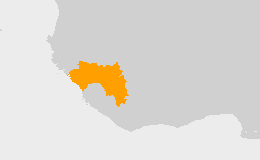
Las afiliadas de la CSI en Guinea son la Confédération Nationale de Travailleurs de Guinée (CNTG), la Organisation Nationale des Syndicats Libres de Guinée (ONSLG) y la Union Syndicale des Travailleurs de Guinée (USTG).
Guinea ratificó el Convenio nº 87 sobre la libertad sindical y la protección del derecho de sindicación (1948) en 1959 y el Convenio nº 98 sobre el derecho de sindicación y de negociación colectiva (1949) en 1959.
según la ley
Libertad sindical / Derecho de sindicalización
Libertad sindical
El derecho a la libertad sindical está consagrado en la Constitución.
Discriminación antisindical
La ley prohíbe la discriminación antisindical, pero no pevé medidas adecuadas de protección al respecto.
Derecho a la negociación colectiva
Derecho a la negociación colectiva
El derecho a la negociación colectiva está reconocido por la ley.
Derecho de huelga
Derecho de huelga
El derecho de huelga está consagrado en la Constitución
Prohibición o restricciones para ciertos tipos de acción de huelga
- Restricciones respecto al objetivo de una huelga (por ej. disputas industriales, cuestiones económicas y sociales, políticas, de simpatía o solidaridad)
- El Código del Trabajo define la huelga como un cese completo de las actividades laborales, con objeto de lograr reivindicaciones profesionales. Esta definición excluye el principio cualquier huelga convocada para protestar contra medidas económicas o sociales del gobierno.
Injerencia indebida por parte de las autoridades o los empleadores durante el transcurso de una huelga
- Las autoridades o los empleadores están capacitados para prevenir o poner fin a una huelga remitiendo el conflicto al arbitraje
- Los empleadores tienen derecho a imponer el arbitraje obligatorio.
Limitaciones o prohibición de hacer huelga en algunos sectores
- Determinación discrecional o lista excesivamente larga de «servicios esenciales» en los que el derecho de huelga queda prohibido o severamente restringido
- Puede imponerse el arbitraje obligatorio en los servicios esenciales, cuya definición es excesivamente amplia, incluyendo los transportes, hospitales, radio y televisión, y las comunicaciones.
En la Práctica
Desde julio de 2015 el Comité de Libertad Sindical de la OIT está estudiando una queja contra el Gobierno de Guinea, presentada por seis centrales sindicales guineanas (ONSLG, COSATREG, UGTG, CGSL, CGTG y UDTG) por violación de la libertad sindical.
Las organizaciones querellantes alegan que el Gobierno ha emprendido un proceso encaminado a determinar la representatividad de los sindicatos en los sectores público y privado, en parte, a través de elecciones sindicales, en contravención de las disposiciones legislativas y sin su participación. Del 30 de marzo al 7 de julio de 2015 el Gobierno, por conducto de la Inspección General del Trabajo y la Inspección General de la Administración Pública, emprendió el proceso de organización de las elecciones sindicales y/o las evaluaciones de las organizaciones de trabajadores de los sectores público, paraestatal y privado. El Ministerio responsable del trabajo remitió a la Presidencia de la República los resultados impugnados, con miras al nombramiento de los representantes de los trabajadores ante el Consejo Económico y Social. Estas maniobras no tienen otro objetivo que acabar con 10 de las 12 centrales sindicales existentes y debilitar la acción sindical en Guinea.
El lunes 12 de noviembre, las fuerzas del orden emplearon gases lacrimógenos para dispersar las manifestaciones y la sentada que los maestros se disponían a mantener ante la Dirección municipal de educación (DCE) en Conakry, distrito de Matoto. La acción fue iniciada por el Syndicat libre des enseignants et chercheurs de Guinée (SLECG), que tenía previsto organizar una sentada frente a las distintas direcciones municipales y las prefecturas de la educación en Conakry y en el interior del país, denunciando “la congelación de salarios de los maestros, la detención de algunos sindicalistas”, pero también “los traslados arbitrarios”.
Cuatro de los docentes detenidos durante la sentada en Conakry fueron juzgados y condenados por el Tribunal de Primera Instancia (TPI) de Kindia el 28 de noviembre de 2018. Al término del proceso, Mohamed Lamine Mouctar Diallo, Ibrahima Sory Mara, Abdoul Karim Sylla y Sadialiou Bah, acusados de concentración ilegal en la vía pública, fueron condenados cada uno a seis meses de prisión condicional.
En Labe, 16 docentes fueron condenados por los mismos hechos a seis meses de prisión condicional y a una multa de 500.000 francos guineanos, por el TPI de la localidad.
Cinco sindicalistas en huelga, incluyendo a Ibrahima Kalil Condé, secretario general del Syndicat libre des enseignants et chercheurs de Guinée (SLECG), fueron arrestados por orden del prefecto de Kankan, por intentar organizar una marcha pacífica no autorizada. Varios alumnos serían también detenidos en el marco de la manifestación organizada por los docentes para protestar contra la congelación de sus salarios. Todos los detenidos fueron liberados el mismo día de su detención, a altas horas de la noche.
El 10 de septiembre de 2018, las fuerzas del orden impidieron la organización de una reunión entre el mediador de la República y la delegación sindical del puerto. En el momento de informar a los trabajadores, las fuerzas del orden irrumpieron en los locales y atacaron a los sindicalistas con gases lacrimógenos.
Además, el lunes 17 de septiembre de 2018, el secretario general del sindicato de trabajadores del puerto autónomo de Conakry, Cheick Touré, fue detenido acusado de “declaraciones calumniosas y difamación contra el Jefe del Estado y su hijo”. Desde la firma de un convenio entre el Estado guineano y la empresa turca Albayrack, los trabajadores del puerto han venido organizando regularmente manifestaciones de protesta contra la concesión de una parte del puerto. El líder sindical detenido afirmó que, si el jefe del Estado insistió tanto en firmar ese contrato, es porque su hijo cobraría una comisión del 30% en el contrato adjudicado a Albayrak. El Tribunal de Primera Instancia de Kaloum declaró a Cheick Chérif Touré no culpable en relación con las declaraciones calumniosas que se le imputaban. Sin embargo, fue declarado culpable de las acusaciones de difamación y condenado a una pena de prisión de 13 días, además de imponerle una multa de 500.000 GNF. Dado que había permanecido ya 13 días detenido, Cheick Touré sería liberado el lunes 1 de octubre.
Amara Mansa Doumbouya, miembro del Comité Ejecutivo y responsable de comunicación del Syndicat libre des enseignants et chercheurs de Guinée (SLECG), fue detenido el lunes 3 de septiembre de 2018, acusado de fraude durante las pruebas de bachillerato en la sesión 2018. El secretario general del SLECG, Aboubacar Soumah, denunció una caza de brujas. La reanudación de negociaciones entre el SLECG y el Gobierno quedaría suspendida hasta la liberación provisional de Amara Mansa Doumbouya el 4 de septiembre.
La manifestación convocada por varios sindicatos, unidos para exigir la rescisión del contrato de concesión del puerto de Conakry, fue rápidamente disuelta por las fuerzas del orden que utilizaron gases lacrimógenos para dispersar a los manifestantes. Al parecer, el Ministro de la Administración Territorial había prohibido toda manifestación hasta nuevo aviso.
El lunes 23 de julio, la policía guineana hizo uso de porras, cañones de agua y gases lacrimógenos para dispersar dos marchas convocadas por las “fuerzas sociales”, una nueva coalición de la sociedad civil, reclamando la anulación de la subida del precio del combustible. La manifestación, que había sido prohibida por el Gobernador de Conakry, se saldó con la detención de 10 personas, incluidos tres sindicalistas empleados en el transporte del municipio de Matoto. Tras comparecer ante la fiscalía de la República, fueron liberados en el transcurso de la tarde. Sindicatos y miembros de la sociedad civil intentan movilizarse desde comienzos de julio contra el incremento del 25% en el precio del combustible.
Cuatro sindicalistas fueron detenidos el 12 de julio en Conakry a raíz de las manifestaciones y una huelga del movimiento sindical contra la subida del precio de los combustibles. Según las autoridades, los sindicalistas habían sido detenidos por bloquear la circulación en algunos barrios de Conakry. La intersindical organizó una marcha pacífica el martes 17, exigiendo, además de la disminución en el precio del combustible, la liberación de los sindicalistas detenidos.
En la noche del sábado 5 al domingo 6 de mayo de 2018 a las 3:00 am, el secretario general adjunto de la Union générale des travailleurs de Guinée (UGTG), Aboubacar Sidiki Mara, fue detenido en su habitación de hotel en Boke, donde se encontraba en una misión de observación de las condiciones de trabajo y para establecer estructuras de la UGTG en algunas empresas mineras.
Pocas horas antes de la detención, el presidente de la República Alpha Condé anunció haber dado “instrucciones al gobernador de Boké para proceder a la detención de un sindicalista que había venido a desestabilizar crear conflictos en la región minera”. El 21 de junio, un mes y medio después de su detención, Aboubacar Sidiki Mara compareció ante el Tribunal de Primera Instancia de Dixinn. El sindicalista se declaró inocente de las acusaciones de incitación a la revuelta, manifestación ilícita y reunión ilegal en las instalaciones de una empresa minera o portuario. El 28 de junio fue condenado a seis meses de prisión, con cuatro meses de suspensión, por “provocar una manifestación ilegal en las zonas mineras”.
Ocho centrales sindicales (ONLS, CGSL, UGTG, CGTG, COSATREG, UDTG, UNTG y CGFOG) condenaron la “flagrante injerencia” del Gobierno en asuntos sindicales.
Desde julio de 2015 el Comité de Libertad Sindical de la OIT está estudiando una queja contra el Gobierno de Guinea, presentada por seis centrales sindicales guineanas (ONSLG, COSATREG, UGTG, CGSL, CGTG y UDTG) por violación de la libertad sindical.
Las organizaciones querellantes alegan que el Gobierno ha emprendido un proceso encaminado a determinar la representatividad de los sindicatos en los sectores público y privado, en parte, a través de elecciones sindicales, en contravención de las disposiciones legislativas y sin su participación. Del 30 de marzo al 7 de julio de 2015 el Gobierno, por conducto de la Inspección General del Trabajo y la Inspección General de la Administración Pública, emprendió el proceso de organización de las elecciones sindicales y/o las evaluaciones de las organizaciones de trabajadores de los sectores público, paraestatal y privado. El Ministerio responsable del trabajo remitió a la Presidencia de la República los resultados impugnados, con miras al nombramiento de los representantes de los trabajadores ante el Consejo Económico y Social. Estas maniobras no tienen otro objetivo que acabar con 10 de las 12 centrales sindicales existentes y debilitar la acción sindical en Guinea.
El Syndicat libre des enseignants et chercheurs de Guinée (SLECG) tenía previsto celebrar su Congreso en el recinto de la Gran Mezquita de Faisal, pero al empezar a congregarse los asistentes, agentes de las fuerzas de seguridad irrumpieron procediendo a detener a varios sindicalistas, incluidos Manssa Keita, Mohamed Bangoura Romeo, Alain Bilivogui (secretario general del SLECG de Faranah) y Momo Touré del SLECG de Forécariah. El resto de los sindicalistas presentes fueron desalojados.
A principios de diciembre, en el marco de una nueva huelga iniciada por los docentes el 13 de noviembre, dos adolescentes de 15 y 17 años fueron asesinados a tiros en enfrentamientos con la policía. Miles de estudiantes de la enseñanza secundaria de Guinea salieron a protestar para exigir el regreso a clase de los docentes en huelga durante varias semanas. Los estudiantes que intentaron acercarse al Palacio Presidencial y las oficinas del primer ministro fueron bloqueados y dispersados con matracas por miembros de la Compañía móvil de intervención seguridad (CMIS). En los barrios de Hamdallaye y Bambéto, la fuerza policial utilizó también gases lacrimógenos.
El acceso a la sede del sindicato de docentes e investigadores, Syndicat libre des enseignants et chercheurs de la Guinée (SLECG) en Donka resultó imposible el 1 de diciembre 2017 debido al gran despliegue de policías en el lugar. Los sindicalistas iban a celebrar una reunión para discutir el levantamiento de la huelga. El derecho a celebrar reuniones en los locales del sindicato sin autorización previa ni injerencia de parte de las autoridades es un elemento esencial de la libertad sindical.
El 25 de noviembre, el presidente Alpha Condé amenazó públicamente con cerrar cualquier medio de comunicación que cubriera las actividades de Aboubacar Soumah, Secretario General Adjunto del sindicato de docentes e investigadores, el Syndicat libre des enseignants et chercheurs de la Guinée (SLECG). Esta amenaza, que representa un ataque a la libertad de prensa y a la libertad de expresión de los sindicatos, forma parte de una serie de violaciones contra las estaciones de radio en Guinea.
Tres dirigentes del sindicato de docentes e investigadores, Syndicat libre des enseignants et chercheurs de Guinée (SLECG), Fode Abass Camara, Amara Mansa Doumbouya y Aboubacar Kaba, fueron detenidos en Conakry la tarde del 18 de noviembre a la salida de una reunión de negociación en la oficina del antiguo secretario general de la central sindical CNTG (Confédération nationale des travailleurs de Guinée) y presidente del Consejo Económico y Social. Encarcelados en un lugar secreto, fueron liberados el 20 de noviembre gracias a la mediación del Consejo Económico y Social (CES). En un comunicado de prensa, el ministro de Empleo, Formación Profesional y portavoz del Gobierno, Albert Damantang Camara, los acusó de perturbar el orden público y convocar una huelga ilegal el 13 de noviembre sin haber presentado previo aviso, como lo estipula la ley. El Ministerio de Educación y Alfabetización introdujo una queja.
El 20 de febrero al menos cinco personas resultaron muertas por disparos, 30 resultaron heridas y 12 fueron arrestadas tras estallar la violencia durante las protestas en Conakry. Estas manifestaciones, organizadas por los docentes de la enseñanza pública en huelga, tenían como fin exigir la reapertura de las escuelas, cerradas por el Gobierno desde el 1 de febrero tras las manifestaciones. Aunque el Gobierno anunció el domingo por la noche que había llegado a un acuerdo con los sindicatos, que sería firmado al día siguiente, los sindicatos, por su parte, anunciaron mantener la huelga hasta la total satisfacción de sus reivindicaciones. El Gobierno condenó estos acontecimientos y la huelga finalmente se suspendió el 21 de febrero.
El 19 de febrero, en el cuarto día de una huelga de transportistas y tras el estallido de enfrentamientos en varios barrios de la capital, la policía arrestó y detuvo brevemente a una quincena de huelguistas en Conakry. La Union syndicale des travailleurs de Guinée (USTG) condenó la contundente intervención de las fuerzas del orden en varias barricadas montadas para impedir el paso a transportistas que no se habían sumado a la huelga. Uno de los responsables de la policía justificó el lanzamiento de gases lacrimógenos y la dispersión de los manifestantes diciendo que no se trataba de sindicalistas. Pero la USTG hizo saber que los detenidos eran responsables de secciones sindicales. Las dos centrales convocantes de la movilización –USTG y la Confédération nationale des travailleurs de Guinée (CNTG)– concluyeron ese mismo día un acuerdo con el Gobierno que puso fin a la huelga. La Federación Internacional de Trabajadores del Transporte (ITF), que apoyó a los huelguistas, acogió con satisfacción el acuerdo alcanzado, pero criticó a las autoridades por haber esperado a que estallara la confrontación para entenderse con los sindicatos.
En 2006 los trabajadores de Conakry organizaron una manifestación para reclamar reformas a favor de la democracia y del trabajo decente. La manifestación fue violentamente reprimida por el ejército, provocando centenares de muertos y miles de heridos. En mayo de 2014, el tribunal de Conakry convocó a 45 dirigentes sindicales vinculados con esta manifestación. La CFDT y la CGT estiman que se trata de una tentativa para intimidar al movimiento sindical. Las personas que cometieron graves violaciones de los derechos humanos durante la manifestación no han sido castigadas, mientras que los sindicatos que están activamente implicados en el proceso democrático se han convertido en blanco de la justicia.
El 22 de marzo de 2013, los locales sindicales situados en N’Zérékoré fueron allanados por desconocidos. Se registraron daños materiales considerables así como la sustracción de una cantidad considerable de dinero en efectivo y diversos bienes.
La compañía Rusal Friguia respondió a una huelga convocada en abril de 2012 paralizando su producción, con lo que dejaría a 1.030 empleados permanentes y 2.000 trabajadores subcontratados sin cobrar su paga desde abril de 2012. Los trabajadores se habían declarado en huelga en las ciudades de Fria y Conakry para protestar por la negativa de la dirección a emprender negociaciones colectivas.
Desde 2011, la dirección se ha venido negando a la negociación colectiva, empleando en su lugar una táctica de intimidación y provocación hacia los trabajadores y representantes sindicales a nivel de planta.
En junio de 2012, los trabajadores pusieron fin a la huelga tras las negociaciones arbitradas por el Gobierno. Sin embargo, Rusal se niega a terminar su cierre patronal e insiste en que los sindicatos acepten la responsabilidad por las pérdidas ocasionadas a la empresa durante la huelga, algo a lo que los trabajadores se niegan de plano.
El 19 de marzo de 2012, el Secretario General Adjunto de la Confédération Nationale des Travailleurs de Guinée (CNTG), Kader Aziz Camara, y su familia fueron víctimas de un ataque armado en su casa en Conakry. Los atacantes vestían uniformes militares e iban fuertemente armados.
En abril, en una conferencia organizada por la Federación Internacional de Trabajadores de la Química, Energía, Minas e Industrias Diversas (ICEM), los mineros, apoyados por sus sindicatos, dieron testimonio de las terribles condiciones de trabajo existentes en la Compagnie des bauxitas de Kindia, del gigante minero RUSAL. Las prácticas de externalización instauradas por la dirección con la complicidad de personas allegadas al antiguo Presidente Lansana Conté no sólo han debilitado a los sindicatos sino que también han agravado gradualmente la pobreza entre los trabajadores, sus familias y la población local. Varios de los 120 subcontratistas con los que cuentan han recurrido al trabajo infantil. La junta militar se comprometió ante los sindicatos a acelerar la revisión del Código de Minería, escandalosamente favorable a los inversores extranjeros. El director principal del grupo RUSAL fue expulsado del país.