
Malawi
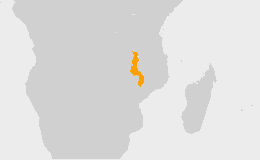
La organización afiliada a la CSI en Malawi es el Malawi Congress of Trade Unions (MCTU).
Malawi ratificó el Convenio nº 87 sobre la libertad sindical y la protección del derecho de sindicación (1948) en 1999 y el Convenio nº 98 sobre el derecho de sindicación y de negociación colectiva (1949) en 1965.
según la ley
Libertad sindical / Derecho de sindicalización
Libertad sindical
El derecho a la libertad sindical está regulado por la legislación.
Discriminación antisindical
La ley prohíbe la discriminación antisindical
Restricciones al derecho de los sindicatos a organizar su administración
- Restricciones al derecho a establecer libremente sus propios estatutos y reglamentos
- Restriciones al derecho a elegir representantes y autoadministrarse con plena libertad
Categorías de trabajadores a quienes la ley prohíbe o restringe la posibilidad de formar o afiliarse a sindicatos, o de ocupar cargos sindicales
- Otras categorías
- Funcionarios de prisiones
Derecho a la negociación colectiva
Derecho a la negociación colectiva
El derecho a la negociación colectiva está reconocido por la ley.
Obstáculos legales para el reconocimiento de los agentes de negociación colectiva
- Se requiere autorización o aprobación previa por parte de las autoridades para poder negociar colectivamente
- El registro es un prerrequisito para poder negociar (artículo 11, Ley de Relaciones Laborales, 1996), pero es una simple formalidad y el proceso resulta claro y no oneroso.
- Se requiere una representatividad excesiva o un número mínimo de miembros para poder negociar colectivamente
- El sindicato debe afiliar al menos al 20% de los empleados en la empresa o la categoría de empleados para poder representarlos en una negociación (artículo 25, Ley de Relaciones Laborales, 1996).
- Requisitos indebidos respecto a la estructura, la composición y la afiliación de sindicatos
- Existe una lista considerablemente extensa de requisitos que deben incluirse en el reglamento de un sindicato para poder ser registrado (artículo 13, Ley de Relaciones Laborales, 1996), pero aunque la lista es larga los requisitos en cuestión se basan en general en las buenas prácticas y resultan razonables.
Restricciones o prohibición de negociar colectivamente en algunos sectores
- Otras categorías
- Funcionarios de prisiones (artículo 3, Ley de Relaciones Laborales, 1996).
Derecho de huelga
Derecho de huelga
No se dispone de información .
Impedimentos legales a acciones de huelga legítimas
- Plazo de notificación previa / período de reflexión excesivamente largo
- Se prevé un preaviso de 7 días, que sumado a los 21 días para el proceso de conciliación, podría considerarse excesivamente largo como período mínimo (artículos 43-44, Ley de Relaciones Laborales, 1996).
- Otras formalidades excesivamente complejas o que llevan mucho tiempo para poder convocar una huelga
- El artículo 46 (3) de la Ley de Relaciones Laborales establece que "una parte en un conflicto que tenga intención de hacer huelga o cierre patronal, deberá notificarlo por escrito a la otra parte y al Secretario Principal responsable del trabajo al menos siete días antes de emprender dicha acción".
- Recurso obligatorio al arbitraje o a largos y complejos procedimientos de conciliación y mediación antes de iniciar una acción de huelga
- Tal como se indica más arriba, el período de conciliación y de notificación podría considerarse excesivamente largo.
Limitaciones o prohibición de hacer huelga en algunos sectores
- Determinación discrecional o lista excesivamente larga de «servicios esenciales» en los que el derecho de huelga queda prohibido o severamente restringido
- El Proyecto de Ley de Relaciones Laborales (Enmienda) de 2021 establece que "el artículo 47 se ha modificado para eliminar el requisito de que el Tribunal de Relaciones Laborales determine si un servicio es esencial. El Ministro publicará una lista de servicios esenciales que no pueden ir a la huelga o al cierre y proporcionará garantías compensatorias para los servicios esenciales enumerados; (...)". Sustituye el apartado (2) de la siguiente manera: "El Ministro publicará, mediante aviso publicado en el Boletín Oficial, la lista de servicios esenciales a los que se aplica este artículo".
- Determinación discrecional o lista excesivamente larga de «servicios de utilidad pública» en los que se pueden imponer servicios mínimos en caso de huelga
En la Práctica
El 19 de septiembre de 2017, la ministra del Interior ordenó el arresto de 14 trabajadores de la Oficina Nacional de Registro que habían celebrado una reunión en Mzuzu relativa a sus quejas por el impago de los atrasos salariales que datan de mayo de 2017. Por orden de la ministra, los trabajadores fueron acusados de asamblea ilegal y de conspiración para cometer un delito. La Policía les concedió posteriormente la libertad bajo fianza. El 25 de septiembre el Malawi Congress of Trade Unions (MCTU) condenó los arrestos y pidió que la ministra se disculpara públicamente. Los trabajadores han presentado una demanda por daños y perjuicios con relación al arresto ilegal.
El Mimosa Court Hotel, propiedad del Ministro de Agricultura, Peter Mwanza, despidió a 21 trabajadores/as por haber solicitado un aumento de sueldo. Además, los trabajadores se quejaron de que el hotel no paga las horas extras aun cuando muchos de ellos realizan turnos de 11 horas diarias. Los trabajadores comunicaron sus reivindicaciones a la dirección por escrito el 25 de mayo de 2013, amenazando con recurrir a la huelga si no se respondía a sus demandas.
Los sindicatos no están incluidos en los comités establecidos por el Gobierno para formular observaciones sobre cuestiones sociales y económicas. La membresía sindical es escasa y muchos trabajadores y trabajadoras, en particular los de la lucrativa industria del tabaco, son analfabetos e ignoran sus derechos. No obstante, el MCTI fue integrado al diálogo facilitado por las Naciones Unidas y establecido tras las protestas de julio.
Los trabajadores del sector informal se han organizado en un sindicato, el Malawi Union for the Informal Sector (MUFIS), estando desde entonces afiliados al Malawi Congress of Trade Unions (MCTU). Pero les ha llevado más de dos años conseguir registrarse en el Ministerio de Trabajo porque, según indican, el sindicato no tenía agente de negociación. Durante los últimos años, el MCTU ha informado sobre varios casos en los que los trabajadores son víctimas de malos tratos y en los que la patronal parece ignorar que los trabajadores tienen, por ley, determinados derechos laborales.
Apenas el 12% de los trabajadores tiene un empleo formal. En el caso de la pequeña minoría de personas con empleo formal, la resistencia de algunos empleadores y del Gobierno al respeto de sus derechos limita la libertad sindical y la negociación colectiva. Hablando con la prensa en junio de 2009, Ronald Mbewe, Secretario General del sindicato Transport and General Workers Union (TGWU) declaró que la mayoría de los empleadores se mostraban reticentes a colaborar con los sindicatos. Su opinión fue reiterada por Mary Dzinyemba, Secretaria General del Commercial Industrial and Allied Workers Union (CIAWU), quien afirmó que los empleadores preferían que sus trabajadores desconocían sus derechos. Numerosas empresas de las Zonas Francas Industriales (ZFI) también se oponen a la actividad sindical, mientras que los sindicatos se quejan por el limitado acceso que tienen a los trabajadores y trabajadoras de las ZFI.
Las ambigüedades legales que existen para la aplicación del derecho de huelga dificultan mucho su ejercicio. Por ejemplo, la ley no especifica con exactitud qué servicios son esenciales, lo cual permite a las autoridades declarar las huelgas ilegales. La duración del proceso es también problemática.