
Letonia
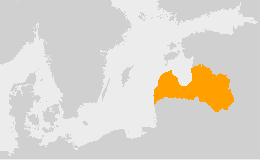
La afiliada de la CSI en Letonia es la Confederación de Sindicatos Libres de Letonia (LBAS).
La Lettonie a ratifié la convention n° 87 sur la liberté syndicale et la protection du droit syndical (1948) en 1992 et la convention n° 98 sur le droit d’organisation et de négociation collective (1949) en 1992.
según la ley
Libertad sindical / Derecho de sindicalización
Libertad sindical
El derecho a la libertad sindical está consagrado en la Constitución.
El derecho a la libertad sindical está regulado por la legislación.
Discriminación antisindical
La ley prohíbe la discriminación antisindical
Categorías de trabajadores a quienes la ley prohíbe o restringe la posibilidad de formar o afiliarse a sindicatos, o de ocupar cargos sindicales
- Otros funcionarios y empleados públicos
- Las fuerzas de seguridad del Estado y los guardias fronterizos no pueden formar ni afiliarse a sindicatos.
Derecho a la negociación colectiva
Derecho a la negociación colectiva
El derecho a la negociación colectiva está recogido en la Constitución
El derecho a la negociación colectiva está reconocido por la ley.
Restricciones al principio de negociación libre y voluntaria
- Exclusión de ciertas cuestiones del ámbito de la negociación (por ej. salarios, jornadas laborales)
- Los trabajadores/as pagados a partir del presupuesto del Estado pueden negociar colectivamente, pero los compromisos financieros establecidos en sus convenios (como los índices salariales) no pueden exceder las cantidades estipuladas por las normativas del Gabinete de Ministros. La negociación colectiva en la administración pública es un trámite formal sin verdadera sustancia, dado que todas las condiciones de empleo vienen fijadas por la ley.
Restricciones o prohibición de negociar colectivamente en algunos sectores
- Otros funcionarios y empleados públicos
- Algunas categorías de servicios especiales en el Ministerio del Interior y los funcionarios de la administración de prisiones no pueden negociar colectivamente.
Derecho de huelga
Derecho de huelga
El derecho de huelga está consagrado en la Constitución
El derecho de huelga está reconocido en la legislación
Prohibición o restricciones para ciertos tipos de acción de huelga
- Restricciones respecto al objetivo de una huelga (por ej. disputas industriales, cuestiones económicas y sociales, políticas, de simpatía o solidaridad)
- Las huelgas de solidaridad se consideran ilegales a menos que la disputa guarde relación con un “convenio general”, es decir, un convenio colectivo a nivel sectorial. Las huelgas políticas están prohibidas.
Limitaciones o prohibición de hacer huelga en algunos sectores
- Restricciones injustificadas para los funcionarios públicos
- El derecho de huelga no se acuerda a jueces, fiscales públicos, agentes de la policía, bomberos y empleados de otros servicios de salvamento, guardias fronterizos, empleados de las instituciones de seguridad del Estado, vigilantes de prisiones y miembros de las fuerzas armadas.
- Determinación discrecional o lista excesivamente larga de «servicios esenciales» en los que el derecho de huelga queda prohibido o severamente restringido
- Según la Ley de Huelgas, durante una huelga debe garantizarse una cantidad mínima de “servicios esenciales”, cuya discontinuación podría poner en peligro la seguridad, la salud y la persistencia del Estado, de toda la sociedad, de parte de la población o de algunos individuos, en las empresas o empresas conjuntas, organizaciones e instituciones. Los servicios esenciales incluyen: asistencia médica y servicios de primeros auxilios; transporte público; servicios de suministro de agua potable; servicios de producción y suministro de energía eléctrica y gas; servicios de comunicaciones; control aéreo y servicio que proporciona información meteorológica a los servicios de control aéreo; servicios relacionados con la seguridad de todo tipo de transportes; recolección y tratamiento de basuras y aguas residuales y purificación del agua; servicios de almacenamiento, utilización y control de productos y desechos radioactivos; y servicios de protección civil.
En la Práctica
La central sindical letona Latvijas Brīvo arodbiedrību savienība (LBAS) informó que, en 2019, la compañía de transportes JSC Liepājas Autobusu Parks, en Liepaja, prohibió al sindicato de empresa LAKRS que publicase importante información sobre una asamblea general que tenía previsto organizar. Cada vez que el sindicato intentó colgar una comunicación, el empleador la rompía. Además, la compañía prohibió la celebración de cualquier reunión sindical que no estuviese “coordinada” con la dirección.
Por otro lado, LBAS indicó que los trabajadores afiliados a LAKRS fueron penalizados por haber emprendido una acción de huelga. El sindicato LAKRS anunció la convocatoria de una huelga el 30 de mayo, pidiendo un incremento del salario mínimo a 7 euros por hora. El 28 de mayo la empresa remitió una reclamación al tribunal solicitando que la huelga se declarase ilegal y, en efecto, el tribunal dictaminó el 17 de junio que la solicitud de huelga era improcedente, por lo que los trabajadores no pudieron ejercer su derecho.
Tras esos eventos, los sindicalistas activos no cobraron su bonificación, mientras que otros empleados no sindicalizados sí la recibieron. Los miembros del sindicato no recibieron su bono anual para 2019, mientras que otros trabajadores cobraron 50 euros. Además, desde 2018 la dirección viene asignando a los trabajadores que pertenecen a LAKRS rutas “peores” y autobuses más antiguos, en lo que el sindicato considera un trato discriminatorio.
Finalmente, en 2019 LAKRS emprendió negociaciones colectivas, pero la dirección se ha negado categóricamente a aceptar cualquiera de las propuestas del sindicato sin realizar contrapropuestas para poder avanzar las negociaciones. Como resultado de ello, las negociaciones no concluyeron con la firma de un convenio colectivo.
La empresa proveedora de servicios de navegación aérea SJSC Tráfico Aéreo Letón invitó a sus controladores del tráfico aéreo en pequeños grupos al despacho de la dirección y les preguntó a todos y cada uno de ellos sobre su afiliación al sindicato y si estaban de acuerdo con la queja enviada al ministro de Transporte y firmada por Ausra Straume, la presidenta del sindicato.
Los directores del puerto de Liepāja despidieron a 10 miembros de la Organización Profesional de Personal del Puerto de Liepāja, acusándolos de robo. Los despidos y la acusación se produjeron después de fracasar en sus intentos por violar el convenio colectivo del sindicato, mediante presiones para que los trabajadores aceptaran diferentes niveles salariales. Sin embargo, según la legislación laboral letona, no se puede despedir a ningún trabajador sindicalizado sin el consentimiento previo del sindicato. Para septiembre de 2012, la justicia había denegado siete solicitudes de despido del empleador y declarado ilegal uno de los despidos.
En abril de 2012, el Sindicato Letón de Trabajadores de Correos y Telecomunicaciones (LSAB) eligió a su representante en la junta de fondos de pensiones privadas, tal y como está dispuesto en el párrafo 109 del convenio colectivo entre el LSAB y Lattelecom. Sin embargo, el 24 de mayo de 2012, durante la reunión de accionistas del Primer Fondo de Pensiones Cerrado JSC, Lattelecom designó a dos representantes patronales. Así, el representante del LSAB quedó excluido de participar en otras juntas.
Extraoficialmente se registraron numerosos casos de empleadores que difunden propaganda antisindical y casos de despido y de descenso de categoría, o reubicación de activistas que planean la creación de un sindicato en una empresa, o de los representantes sindicales ya existentes, con el fin de acabar con la actividad sindical. Sin embargo, no se tienen pruebas de carácter oficial de estos casos, y el despido o la reubicación de los trabajadores siempre se contrarrestan con pruebas que demuestran la culpabilidad de los trabajadores. Visto el elevado desempleo en la actual coyuntura económica, los trabajadores/as optan por guardar silencio para no perder su puesto de trabajo. Estos casos se registran principalmente en las secciones sindicales en la manufactura de productos de madera, la aviación civil y los sectores industriales.
La ley “de la remuneración de los funcionarios y trabajadores del Estado y de las instituciones del Gobierno local” ha creado problemas para los agentes de la negociación colectiva en el sector público, ya que prohíbe toda prestación monetaria en virtud de los convenios colectivos a menos que sea directamente establecida por ley. Algunos empleadores del sector público también se niegan a entablar negociaciones colectivas.
De acuerdo con estimaciones de la Confederación de Sindicatos Libres de Letonia (LBAS), hay menos acuerdos de negociación colectiva en las multinacionales que en otras empresas del sector privado. Las empresas extranjeras en general y las multinacionales en particular se muestran renuentes a aplicar los convenios colectivos en sus filiales de Letonia. Los servicios comerciales, bancarios y personales son los sectores más difíciles. Por otra parte, la LBAS informa que si una multinacional llega a concluir un acuerdo, lo observa mejor que otras empresas.