
Polonia
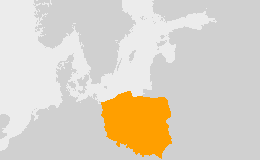
Las afiliadas de la CSI en Polonia son Niezalezny Samorzadny Zwiazek Zawodowy “Solidarność” (NSZZ) y Ogólnopolskie Porozumienie Zwiazków Zawodowych (OPZZ).
Polonia ratificó el Convenio nº 87 sobre la libertad sindical y la protección del derecho de sindicación (1948) en 1957 y el Convenio nº 98 sobre el derecho de sindicación y de negociación colectiva (1949) en 1957.
según la ley
Libertad sindical / Derecho de sindicalización
Libertad sindical
El derecho a la libertad sindical está consagrado en la Constitución.
El derecho a la libertad sindical está regulado por la legislación.
Discriminación antisindical
La ley prohíbe la discriminación antisindical, pero no pevé medidas adecuadas de protección al respecto.
Restricciones al derecho de los trabajadores y trabajadoras a formar y afiliarse a organizaciones de su elección
- La ley impone un sistema de monopolio sindica y/o un sistema que prohíbe o restringe la sindicalización a ciertos niveles (empresa, industria/sector, regional/territorial, nacional)
- El sistema de sindicato único se aplica a los policías, guardias fronterizos, vigilantes en instituciones penitenciarias, agentes del Cuerpo General de Bomberos y los empleados de la Cámara Suprema de Control. Los bomberos pertenecientes al Servicio Estatal de Bomberos pueden afiliarse a un sindicato en base al reglamento general, pero los bomberos nominados para un puesto determinado no podrán ocupar cargos sindicales.
Categorías de trabajadores a quienes la ley prohíbe o restringe la posibilidad de formar o afiliarse a sindicatos, o de ocupar cargos sindicales
- Otros funcionarios y empleados públicos
- Las personas que ocupan “altos cargos” en el servicio civil, incluyendo directores y directores adjuntos de instituciones del servicio civil o en ministerios, no pueden ocupar cargos en la directiva sindical. Pueden, no obstante, afiliarse a un sindicato.
Derecho a la negociación colectiva
Derecho a la negociación colectiva
El derecho a la negociación colectiva está recogido en la Constitución
El derecho a la negociación colectiva está reconocido por la ley.
Restricciones o prohibición de negociar colectivamente en algunos sectores
- Otros funcionarios y empleados públicos
- Ciertos funcionarios civiles destacados, los empleados que han sido nombrados o elegidos para desempeñar sus labores en los organismos estatales o municipales, los jueces de los tribunales y los fiscales no tienen derecho a negociar colectivamente.
Derecho de huelga
Derecho de huelga
El derecho de huelga está consagrado en la Constitución
El derecho de huelga está reconocido en la legislación
Impedimentos legales a acciones de huelga legítimas
- Requisito de un quórum excesivo o de obtener una mayoría excesiva en una votación para poder convocar una huelga
- Para hacer huelga a nivel de empresa, al menos el 50% de los empleados debe votar a favor de la acción. A escala industrial, el 50% de los empleados en las empresas afectadas por la acción propuesta ha de manifestarse a favor. Antes de poder convocar una huelga legal, el sindicato deberá organizar una votación en la que tomarán parte todos los trabajadores implicados, y no únicamente los miembros del sindicato.
- Recurso obligatorio al arbitraje o a largos y complejos procedimientos de conciliación y mediación antes de iniciar una acción de huelga
- Deben agotarse los procedimientos obligatorios de conciliación y mediación durante al menos 14 días antes de poder convocar una huelga legal. No obstante, podrá declararse una huelga de advertencia de máximo dos horas de duración durante el tiempo que dure la solución de la disputa, si se considera de forma justificada que no podrá alcanzarse un acuerdo. También puede organizarse una huelga regular sin necesidad de cumplir los procedimientos descritos, cuando la conciliación y mediación resulten imposibles a causa de un comportamiento ilegal por parte del empleador, o si el empleador despide al delegado sindical que represente a los trabajadores en la disputa. El sindicato deberá además anunciar la huelga con cinco días de antelación.
Prohibición o restricciones para ciertos tipos de acción de huelga
- Restricciones respecto al objetivo de una huelga (por ej. disputas industriales, cuestiones económicas y sociales, políticas, de simpatía o solidaridad)
- La Ley sobre Disputas Laborales Colectivas define una huelga como un paro laboral colectivo por parte de los empleados con objeto de resolver una disputa relacionada con sus intereses, como condiciones de trabajo, salarios o beneficios sociales, así como derechos sindicales y libertades de los empleados o de otras personas que tengan derecho a establecer sindicatos. Las huelgas de advertencia y las huelgas de solidaridad también están definidas en la Ley. Las acciones de naturaleza puramente política no se consideran huelgas, sino una forma de manifestación pública, por lo que quedan fuera del ámbito de cobertura de la Ley.
Limitaciones o prohibición de hacer huelga en algunos sectores
- Restricciones injustificadas para los funcionarios públicos
- Las personas empleadas en la administración del Estado y los gobiernos locales, en los tribunales y la fiscalía, así como en la Agencia de Seguridad Interna, la Agencia de Inteligencia, en unidades de la policía, las fuerzas armadas, los servicios penitenciarios, las autoridades fronterizas, el servicio de aduanas y el cuerpo de bomberos, no pueden hacer huelga. Estos grupos de trabajadores deben recurrir a formas alternativa de protesta.
En la Práctica
Desde septiembre de 2018, Castorama, una multinacional británica de mejoramiento del hogar que emplea a 12.000 trabajadoras y trabajadores en 80 tiendas en Polonia, ha intensificado sus actividades antisindicales y recientemente despidió a los diez líderes sindicales de su sucursal polaca, entre los que se encontraba Wojciech Kasprzyk, presidente del sindicato Solidarność en Castorama Polonia.
El empleador intentó justificar los despidos dando como motivo que «llevaban a cabo actividades en detrimento de la empresa» y «dañaban la imagen del empleador». Sin embargo, los líderes sindicales simplemente estaban utilizando plataformas de Internet y redes sociales para ayudar a los trabajadores/as y organizarlos. También quisieron expresar sus opiniones sobre la actitud hostil del empleador hacia los sindicatos y su voluntad de evitar el diálogo social.
El sindicato y los trabajadores están en pie de lucha. La solidaridad internacional podría dar mayor dimensión a la lucha de los trabajadores y trabajadoras de Castorama en Polonia y presionar al empleador a reconsiderar su decisión.
En Poczta Polska S.A., ocho miembros de NSZZ «Solidarność” fueron víctimas de trato discriminatorio por parte del empleador, quien decidió unilateralmente cambiar sus condiciones de trabajo. Según los sindicalistas, este incidente estuvo relacionado con el conflicto colectivo: mientras que otros sindicatos habían firmado un acuerdo que suspendía el conflicto con la dirección, el único sindicato que seguía manteniendo sus reivindicaciones era NSZZ»Solidarność". Además, en el Instituto de Biopolímeros y Fibras Químicas, el empleador concede un trato desigual a los trabajadores en función de su afiliación sindical. La administración aplica salarios más bajos y los excluye de primas y premios.
Genpact Poland Ltd, con sede en Cracovia, puso fin a la relación laboral de tres activistas sindicales por motivos disciplinarios, a raíz de un conflicto colectivo que iniciaron y a pesar de que están sujetos a una protección especial de la relación laboral. La protección especial significa que la ejecutiva de NSZZ «Solidarność» y el comité de empresa deben aceptar la terminación del contrato. Ninguno de los dos dio su consentimiento, pero aun así el empleador rescindió los contratos, en grave violación de la ley. Los activistas despedidos apelaron ante el tribunal laboral solicitando su reincorporación. Los procedimientos judiciales seguían pendientes.
Del mismo modo, la Sra. Beata Dahn, presidenta del Comité Interprofesional y presidenta adjunta de NSZZ «Solidarność» en Jeronimo Martins Polska Ltd, fue rescindida por motivos disciplinarios sin la aprobación requerida de la ejecutiva de la organización sindical de la empresa. La Sra. Dahn recurrió ante el tribunal laboral para obtener su readmisión.
El 16 de febrero de 2019, tres trabajadores de Chroma Ltd, en Żary, formaron en su empresa un sindicato afiliado a NSZZ «Solidarność». El 18 de febrero de 2019, se registró la organización y se envió una notificación al empleador. El 20 de febrero de 2019, al recibir esta información, se avisó a dos trabajadores la rescisión de sus contratos de trabajo sin el consentimiento de la ejecutiva de la organización sindical.
El empleador esgrimió como pretexto cambios organizacionales en la empresa. El tercer trabajador, presidente del sindicato, fue despedido por motivos disciplinarios. Se le acusó de hacer uso de su licencia de enfermedad para otros propósitos. El 23 de febrero de 2019, se celebró otra reunión sindical en Chroma Ltd, y el 25 de febrero de 2019, tres trabajadores más, miembros regulares de NSZZ «Solidarność», fueron despedidos. Se tomaron medidas para que los trabajadores despedidos fueran reintegrados a su trabajo. Se notificó a la Inspección Nacional de Trabajo y se presentó una comunicación de presunto delito a la fiscalía. Los trabajadores despedidos presentaron demandas para obtener su reincorporación.
En octubre de 2019, el contrato del presidente de un sindicato de empresa de productos lácteos fue rescindido por motivos disciplinarios sin que se respetara el procedimiento de protección especial previsto por la ley. El trabajador apeló ante el tribunal laboral. En la primera vista de diciembre de 2019, se celebró un acuerdo, que consistió en cambiar la forma de rescindir el contrato de empleo por motivos disciplinarios para llegar a un acuerdo entre las partes y estar sujeta al pago de una indemnización.
La dirección de Jeronimo Martins Polska S.A. obstruyó un referéndum de huelga solicitado por el sindicato de la empresa, afiliado a NSZZ «Solidarność». Para que una huelga sea legal, el sindicato debe obtener el acuerdo de la mayoría de los trabajadores con derecho a voto. El empleador prohibió celebrar un referéndum en el lugar de trabajo. Además, Jeronimo Martins ordenó a sus gerentes de tiendas que retuvieran la lista de trabajadores/as por unidad y la fecha del referéndum en cada unidad; que se negaran a tramitar la organización de la votación; negaran el tiempo libre para que los trabajadores participaran en el referéndum; y persuadieran y prohibieran a los trabajadores/as participar en un referéndum después del horario de trabajo y fuera del lugar de trabajo.
El 8 de agosto de 2019, el presidente de la Oficina de protección de datos de carácter personal ordenó a la empresa Jeronimo Martins comunicar los datos personales necesarios para llevar a cabo el referéndum. El empleador recurrió la decisión ante el tribunal administrativo y el 4 de diciembre de 2019 obtuvo la decisión de suspender la ejecución de la orden de la Oficina.
En mayo de 2019, otra empresa, Fresenius Nepfrocare, cuyo sindicato está afiliado a NSZZ «Solidarność», pidió al empleador una lista de las personas con derecho de voto en las elecciones sociales de inspección laboral. En el momento de redactar estas líneas, el empleador todavía no había proporcionado la lista de trabajadores, imposibilitando así la celebración de elecciones.
En noviembre de 2019, la organización NSZZ «Solidarność» a nivel de empresa se estableció en KAN Ltd, Kleosin, cerca de Biaystok. En noviembre de 2019, la autoridad de registro de la región Podlaski de NSZZ «Solidarność» comunicó al empleador el registro y el inicio de las actividades de la organización. Tras recibir esta información, el empleador rescindió los contratos de trabajo de cinco trabajadores, miembros de NSZZ «Solidarność». Inmediatamente se les retiró la obligación de trabajar y fueron obligados a abandonar el lugar de trabajo, además de prohibirseles volver, a pesar de que la relación laboral ha de mantenerse hasta el final del período de notificación. Estos trabajadores tenían contratos de trabajo de duración determinada, lo que significa que el empleador no tenía la obligación, de conformidad con el Código de Trabajo polaco, de indicar el motivo de la rescisión del contrato. De acuerdo con la información obtenida de los miembros del sindicato, los encargados de la planta revisaron el sistema de vigilancia y controlaron a quién se habían entregado declaraciones de afiliación, y el empleador despidió a los miembros del sindicato o a las personas que recibieron dichas declaraciones. Al mismo tiempo, se observó que el empleador publicó anuncios de trabajo para los puestos de trabajadores de almacén, es decir, exactamente los mismos puestos antes ocupados por los sindicalistas despedidos.
En septiembre de 2019, el centro polaco de investigaciones sociológicas (Public Opinion Research Centre) llevó a cabo una investigación sobre las violaciones de los derechos de los trabajadores y las trabajadoras. El alcance del estudio incluyó la cuestión de la libertad sindical en los lugares de trabajo. Reveló que desde 2012, el porcentaje de trabajadores/as que declaran que en sus empresas/lugares de trabajo son libres de establecer sindicatos o de afiliarse a los sindicatos existentes es estable. Actualmente se sitúa en el 53%. Sin embargo, el estudio también destacó que, según uno de cada cuatro trabajadores/as, es imposible formar o afiliarse a un sindicato en su lugar de trabajo o empresa.
Desde abril de 2019 existe un conflicto colectivo en el puerto de Gdynia. El empleador se niega a participar en conversaciones sobre la falta de formación de las personas recién admitidas (en el puerto de Gdynia existen alrededor de 30 procesos tecnológicos, y cada uno debe conllevar una capacitación de ocho horas) y sobre la especial peligrosidad del trabajo.
El 1 de enero de 2019 entró en vigor una importante modificación de la Ley de Sindicatos. El 5 de julio de 2018, la Cámara Baja del Parlamento adoptó un acto por el que se modifica la Ley de Sindicatos para prever una cobertura más amplia del derecho de libertad sindical. A partir del 1 de enero de 2019, tiene derecho a formar y afiliarse a sindicatos toda persona que trabaje por una remuneración en calidad de asalariado, o una persona que trabaje a cambio de una remuneración sobre una base distinta a la de un contrato de trabajo si no emplea a otra persona para efectuar dicho tipo de trabajo, independientemente de la base del empleo, y si dicha persona tiene derechos e intereses en relación con la realización del trabajo que puedan ser representados y defendidos por un sindicato (artículo 11 párr. 1(1) de la Ley de Sindicatos). Hasta entonces, solo podía ser miembro de un sindicato una persona que tuviera la situación de asalariado en el sentido del artículo 2 del Código de Trabajo.
La definición de empleador también ha cambiado. En el sentido del artículo 3 del Código de Trabajo ahora se considera empleador, o unidad organizacional, a toda persona física, aunque carezca de personalidad jurídica, que emplee a una persona que ejerce una actividad remunerada, independientemente de la base de su empleo (artículo 11, párrafo 1, apartado 2, de la Ley de Sindicatos).
El presidente de la organización sindical en Gdynia Container Terminal S.A. fue acusado de soborno. La empresa promovió a miembros del personal que testificaron en el tribunal en su contra y distribuyeron folletos en la empresa donde se deducía que las actividades sindicales llevaban la empresa a la ruina.
Los sindicatos nacionales a menudo no reciben los proyectos de ley, o los reciben cuando ya están siendo examinados en el parlamento, o bien el plazo para emitir su dictamen es tan breve que no es posible preparar un dictamen motivado. El Gobierno a menudo impone unilateralmente como norma que «el no envío de comentarios se considerará como una aceptación del proyecto». Según Solidarność, más del 79% de las solicitudes de consulta en 2018 se vieron empañadas por al menos una de las violaciones mencionadas. Se enviaron a Solidarność desde la Oficina del Parlamento 21 proyectos de ley sin información previa, lo que significa que se omitió a los sindicatos en el proceso de consulta social. Entre ellos se encontraban importantes leyes tales como: el Proyecto de ley que modifica la Ley de ordenación tributaria y algunos otros actos, el Proyecto de ley que modifica la Ley de pensiones sociales o el Proyecto de ley que modifica la Ley de servicios de salud de financiación pública y algunos otros actos. La nueva Ley del 15 de diciembre de 2017 que modifica la Ley sobre el sistema de seguro social fue remitida al Tribunal Constitucional por el presidente, debido, entre otros motivos, por la falta de una consulta adecuada con los interlocutores sociales. El Tribunal, sin embargo, no encontró ninguna violación de la Constitución.
La dirección de AstraZeneca Pharma Poland Ltd emprendió varias iniciativas para socavar las elecciones sindicales. El sindicato no recibió los correos electrónicos de contacto del personal. La empresa rechazó la solicitud de los sindicatos de hacer uso de una de las salas para celebrar la elección. La empresa envió correos electrónicos a todo el personal en los que cuestionaba la validez de las elecciones y envió mensajes amenazadores a la delegación sindical. Después de las elecciones, la dirección de la empresa se negó a reconocer a los miembros del personal elegidos como inspectores/as sociales del trabajo e inmediatamente despidió a uno de ellos por «motivos disciplinarios».
Los empleadores suelen discriminar a los activistas sindicales. En septiembre, el Centro de Asistencia Infantil y Familiar de Będzin concedió a todos los trabajadores/as un aumento incondicional de 200 PLN (alrededor de 50 EUR), excepto el líder sindical, para quien el aumento estaba condicionado a aceptar responsabilidades adicionales en otra dependencia en una ciudad diferente. La promoción de sindicalistas a menudo se ve obstaculizada por razones no objetivas, como sucedió en el Centro de Asistencia Infantil y Familiar de Będzin y en AstraZeneca Pharma Poland Ltd., con sede en Varsovia, o bien, no se renuevan sus contratos, por ejemplo, en Preciso Ltd. También suelen modificar unilateralmente las condiciones de empleo para imponer unas más difíciles, como ocurrió en la Escuela Pública Primaria núm. 2 en Zagan, el Centro de Bienestar Social en Świętochłowice, la Guardia Municipal en Bialystok. Los empleadores también violan la protección especial contra el despido de dirigentes sindicales y los despiden sin el consentimiento requerido de la junta sindical, por ejemplo, en el Complejo de Escuelas Secundarias y Vocacionales en Ciężkowice.
Agata Strzałkowska, presidenta del comité de la sección del sindicato de la empresa, señaló a la dirección de una tienda de TESCO el comportamiento reprensible hacia los trabajadores/as de uno de los coordinadores de las cajas. La dirección incitó al coordinador a demandar al sindicato por difamación. Aunque el caso terminó con una absolución, la dirección continuó el acoso en contra de Strzalkowska. Una semana después de la decisión del tribunal, recibió un aviso trasladándola a un puesto de trabajo físico, pese a su estado de salud. La empresa pudo justificar este trato con el pretexto de los despidos colectivos.
Un miembro sindical fue despedido y otro recibió una reprimenda por asistir a una reunión del comité de huelga y de la junta directiva de la organización. A un sindicalista despedido se le propuso volver temporalmente al trabajo, pero a una filial de la empresa. El sindicalista no aceptó la oferta. El caso de su reintegración está en curso en los tribunales.
Slawa Kolonko, presidenta de una junta directiva sindical, y Maria Adamowicz, secretaria de la junta directiva del sindicato de la empresa, fueron despedidas por motivos disciplinarios por criticar a la empresa. Kolonko fue despedida por criticar el hospital ante los medios de comunicación al revelar que hubo turnos con un número insuficiente de enfermeras para atender a los pacientes. Adamowicz fue despedida por dar un «Me gusta» a un post en Facebook que criticaba al empleador.
Los empleadores a menudo conceden un trato favorable al sindicato de su elección. Esta es la situación en el caso del sector de servicios públicos, incluidas las instalaciones educativas, donde se concede un trato preferencial al sindicato profesional de docentes, el ZNP. Lo mismo se produjo en la Escuela Primaria núm. 3 en Będzin y en el Kindergarten Municipal núm. 6, también en Będzin. Del mismo modo, en el sector policial y en el sector sanitario, el ministro del interior y el ministro de salud, respectivamente, negocian con los sindicatos profesionales y no incluyen plenamente a las organizaciones representativas a nivel nacional que organizan a los trabajadores/as del sector correspondiente.
En Zagan, la Empresa Municipal de Transporte (MZK) exigió una tarifa exorbitante por el uso de los locales sindicales. El complejo de la central hidroeléctrica Porąbka-Żar en Międzybrodzie Bialskie discrimina a un sindicato al solicitarle el pago por el uso de los locales, mientras que a otras organizaciones se les concede el uso del local de forma gratuita.
Los empleadores a menudo prohíben la distribución de folletos sindicales o la divulgación de información en las juntas sindicales. Así ocurrió en Auchan Polska Ltd, Jerónimo Martins Polska S.A. - Biedronka, Fresenius Nephrocare Polska Ltd, Castorama donde tenía actividades el sindicato MOZ NSZZ Solidarność POiW en Trzebiatów. La dirección del Centro de Oncología de la provincia de Lubelskie demandó a los sindicatos por desplegar sus pancartas en la valla del Centro. El jefe principal de los bomberos prohibió usar banderas nacionales durante la acción de protesta de los bomberos.
Una firma de abogados que representa a Astra Zeneca Ltd contrató a una agencia de detectives que instaló ilegalmente un rastreador GPS en el coche de la presidenta de la organización sindical de la empresa. Es decir, que estuvo vigilada las 24 horas del día hasta que su esposo encontró el rastreador en el coche. La investigación policial está en curso. De manera similar, la dirección de la Guardia Municipal en Bialystok utilizó sistemáticamente datos de televigilancia, lectores de tarjetas magnéticas de empleados y grabaciones de localizadores de GPS con el fin de iniciar procedimientos disciplinarios y de despido contra líderes y miembros sindicales.
Los empleadores a menudo utilizan amenazas para desalentar al personal y evitar su afiliación sindical. Este fue el caso en Auchan Polska Ltd, donde los miembros del personal fueron amenazados con la interrupción de sus contratos si se ponían en contacto con los sindicatos. En Castorama, los representantes de la dirección en el comité de empresa desacreditaron notoriamente al sindicato de la empresa y dieron a entender que la dirección no aprobaba la afiliación sindical. Los miembros del sindicato estaban tan amenazados que decidieron pagar sus cuotas sindicales individualmente, para evitar que la dirección les identificara.
Miembros de la Comisión Inter-empresarial de los Trabajadores en Gdynia Container Terminal S.A. (GCT) no han podido entrar en los locales de la compañía desde mayo de 2017, pese a disponer de pases permanentes concedidos por GCT. El actual presidente de la Comisión debe remitir una solicitud de acceso al sitio con al menos 24 horas de antelación. No se les permite reunirse con miembros del sindicato durante las horas de trabajo. Según Solidarność, este tipo de interferencia es un problema común, al igual que la negativa a conceder permisos a los sindicalistas para poder llevar a cabo actividades sindicales.
Solidarność informó que, en un mensaje enviado a todos los empleados por correo electrónico, el director de la Ópera de Cámara de Varsovia amenazó con despedir por motivos disciplinarios a cualquier trabajador que organizase o participase en alguna acción colectiva. Solidarność convocó una protesta para denunciar las amenazas.
Solidarność ha denunciado las reiteradas violaciones de las consultas tripartitas a nivel nacional, en el marco del proceso legislativo. Incluyen la aplicación de una base legal errónea para las modalidades de consulta, fijar deliberadamente un plazo excesivamente breve para las consultas, la ausencia de documentación anexa a la solicitud de consulta y la inclusión de una cláusula ilegal en base a la cual el hecho de no responder implicaría la aprobación del borrador propuesto.
Solidarność observó que, en 2017, el Gobierno fijo plazos aún más breves para remitir comentarios de los sindicatos a los proyectos de leyes en el 47 por ciento de los casos, sin aportar ninguna explicación respecto a la urgencia de los temas. En la mayoría de los casos (el 94 por ciento), los sindicatos tenían apenas 21 días para enviar sus comentarios.
Solidarność informó de numerosos casos de despido de líderes o miembros de los sindicatos durante 2017.
El 3 de abril de 2017 la central eléctrica Pątnów-Adamów-Konin S.A. en Konin despidió al presidente de Solidarność Inter-empresarial, sin previo aviso, a pesar de contar con protección especial. El 3 de enero de 2018 el Tribunal del Distrito de Konin dictaminó a favor de su readmisión. En la sentencia, el tribunal apuntaba que los motivos aludidos para su despido (motivos disciplinarios) no eran sino un pretexto y que la causa real del despido habían sido sus actividades sindicales.
A principios de 2017, 20 sindicalistas fueron despedidos arbitrariamente por la Oficina Municipal. Todos ellos serían readmitidos por orden del tribunal ese mismo año, o llegaron a acuerdos favorable con el empleador.
Otros casos denunciados incluyeron los despidos de:
 el vicepresidente del sindicato en la Escuela Superior Profesional Estatal en Konin, pese a la protección especial aplicable a su contrato;
el presidente del sindicato de base de Solidarność en Nord Glass Sp z o. o.;
secretario sindical en el Centro Deportivo Municipal de Ząbki, empleado como salvavidas y cuyo contrato se suspendió alegando que no disponía de una licencia de navegación, pese a ser totalmente innecesaria para el ejercicio de sus funciones;
un inspector social del trabajo, por motivos disciplinarios, sin el consentimiento de la organización sindical, tal como requiere la ley; y
el presidente de la organización de base de Solidarność en la Oficina Municipal de la ciudad de Radomsko, sin la aprobación de la organización sindical, tal como requiere la ley.
el vicepresidente del sindicato en la Escuela Superior Profesional Estatal en Konin, pese a la protección especial aplicable a su contrato;
el presidente del sindicato de base de Solidarność en Nord Glass Sp z o. o.;
secretario sindical en el Centro Deportivo Municipal de Ząbki, empleado como salvavidas y cuyo contrato se suspendió alegando que no disponía de una licencia de navegación, pese a ser totalmente innecesaria para el ejercicio de sus funciones;
un inspector social del trabajo, por motivos disciplinarios, sin el consentimiento de la organización sindical, tal como requiere la ley; y
el presidente de la organización de base de Solidarność en la Oficina Municipal de la ciudad de Radomsko, sin la aprobación de la organización sindical, tal como requiere la ley.
Otros casos de discriminación antisindical incluyen traslados y descensos de categoría, como sería el caso del presidente del sindicato de base de Solidarność en JYSK, minorista de artículos para el hogar. El sindicalista, empleado como responsable del control de existencias en el centro de distribución en Radomsko, no había recibido ningún incremento salarial desde septiembre de 2011, a pesar de haber recibido numerosos comentarios satisfactorios por parte del empleador.
En 2017 se impidió al sindicato de la Ópera Báltica que utilizase las oficinas para cuya ocupación habían firmado un acuerdo de alquiler. El director de la ópera se negó a entregar las llaves a los representantes del sindicato e incluso empezó a sacar documentos de las oficinas. Pese a que este acto supone una flagrante violación del principio de inviolabilidad de los locales sindicales, la policía se negó a actuar.
Además, el director denegó reiteradamente al representante sindical la posibilidad de asistir a las reuniones organizadas con los empleados.
El presidente de Automatyka Miedź Ltd. en Głogów se niega a negociar con el sindicato local de NSZZ Solidarność establecido en la empresa y que representa a sus trabajadores.
Solicitudes similares de consulta con la Agencia Polaca de Información e Inversión Extranjera, por parte de NSZZ Solidarność también quedaron sin respuesta.
Miembros de NSZZ Solidarność en el Centro Cultural Municipal de Głogów han venido siendo víctimas de discriminación desde que establecieron su sindicato en diciembre de 2014. El director ha criticado abiertamente el sindicato en reuniones de personal, se redujeron las bonificaciones a los miembros del sindicato y se aplicaron medidas disciplinarias contra la presidenta del sindicato de base, Bożena Rudzińska. Su caso estaba siendo estudiado en el Tribunal del Trabajo en el momento de redactar esta nota.
El representante de la Comisión Electoral Regional de NSZZ Solidarność no pudo estar presente en la elección de la presidencia sindica en Deepwater Container Terminal (DCT) en Gdansk. Las elecciones tuvieron lugar entre el 17 y el 21 de febrero de 2016, y únicamente se permitió la presencia del representante regional el domingo 21 de febrero. La dirección había sido debidamente informada. La urna con las papeletas de la votación tuvo que ser trasladada a la oficina del Consejo Regional de NSZZ Solidarność en Gdansk para efectuar allí el recuento.
Nuevas regulaciones adoptadas por el Gobierno polaco, concretamente la Regulación sobre condiciones de contratos para la aportación de sanidad del 8 de septiembre de 2015, y la Regulación del Ministerio de Sanidad enmendando la Regulación sobre los términos generales para la aportación de sanidad del 15 de octubre de 2015, directamente excluyen a muchos sindicatos. Conceden el derecho a participar en un acuerdo respecto a la asignación mensual de fondos para servicios sanitarios proporcionados por enfermeros/as y comadronas únicamente a representantes de sindicatos que agrupen exclusivamente a dichos trabajadores, excluyendo por tanto a cualquier otro sindicato que cubra la sanidad. NSZZ Solidarność denunció el trato discriminatorio a los sindicatos en este documento, durante la fase de elaboración del borrador, indicando una posible contradicción con la Constitución de la República de Polonia. Sus comentarios no serían tomados en cuenta.
El 2 de noviembre de 2015, la Comisión Nacional de NSZZ Solidarność se dirigió al Tribunal Constitucional, solicitando que se examinase la compatibilidad de las disposiciones relevantes de esas regulaciones con la Constitución polaca, el Convenio No. 87 de la OIT y la Ley de Sindicatos. El caso está aún pendiente.
El 18 de enero de 2016 NSZZ Solidarność se puso en contacto con el Ministro de Sanidad, solicitando una revisión de las regulaciones, explicando que además de los argumentos constitucionales, las disposiciones acordaban privilegios exclusivos a un sindicato, el Sindicato de Enfermeros/as y Comadronas, estableciendo un peligroso precedente para el diálogo social en el futuro.
Un miembro de la directiva de un sindicato de empresa afiliado a OPZZ en Centrum Projektów Polska Cyfrowa en Varsovia dejó de recibir las prestaciones que le habrían correspondido en base a las normas internas de la empresa, luego de convertirse en representante sindical. En enero de 2016, incluso fue penalizado por haber llevado a cabo actividades sindicales. Otros miembros y representantes sindicales también serían discriminados al finalizar sus contratos de duración determinada. Pese a excelentes informes sobre su rendimiento, los contratos de los trabajadores sindicalizados no fueron renovados. El sindicato local OPZZ Konfederacja Pracy No. 07-086 informó que a menudo se recomienda a los trabajadores/as que no se afilien al sindicato durante las entrevistas de empleo. Los líderes sindicales han sido víctimas de recortes salariales e intimidación por parte de la dirección.
El sindicato afiliado a OPZZ informó que los empleadores tratan muchas veces directamente con los trabajadores individualmente, comunicándoles información engañosa para socavar las negociaciones colectivas y desalentar su afiliación. La dirección de OSiR Dzielnicy Śródmieście ha prohibido que se realicen reuniones y elecciones sindicales en el lugar de trabajo. Antes de esto, la compañía registró los nombres de todos los trabajadores que tomaban parte en las reuniones del sindicato, infundiendo el temor de que se estuviese elaborando una lista negra. El empleador en Centrum Projektów Polska Cyfrowa se negó a negociar el convenio colectivo salarial a nivel de empresa en octubre de 2015.
En 2011, Budimex adquirió la compañía de reparación de infraestructuras Przedsiębiorstwo Naprawy Infrastruktury en un proceso de privatización. Una de las condiciones de la venta fue el compromiso del inversor en mantener negociaciones colectivas con sus empleados, así como la conclusión de un acuerdo garantizando la seguridad de los puestos de trabajo hasta 2016. No obstante, un año después la compañía inició un programa de bajas laborales voluntarias, ofreciendo a aquellos empleados que dimitiesen una indemnización por despido. Pero en septiembre de 2012, la compañía se declaró en bancarrota y se exigió a los trabajadores que dimitieron acogiéndose al programa de bajas voluntarias la devolución de la indemnización de despido en enero de 2015.
La Ley de Sindicatos requiere que los empleadores deduzcan las cotizaciones sindicales del salario de los trabajadores sindicalizados y se las remitan al sindicato. Sin embargo, varias compañías no han cumplido con este requisito. Por ejemplo, Gniewczyna Wagon Factory SA no aplicó las deducciones de las cotizaciones sindicales entre junio y octubre de 2014. El sindicato presentó una queja ante la fiscalía el 29 de diciembre de 2014. El caso sigue pendiente en el Tribunal Regional de Przeworsk.
En la central térmica de Zduńska Wola, se negoció un convenio colectivo en 2014. Cuando las negociaciones estaban ya en la etapa final, en junio de 2014, el presidente del sindicato afiliado a NSZZ Solidarność en la planta y el inspector laboral recibieron un preaviso de tres meses respecto a cambios en las condiciones de trabajo. Sus puestos habían cambiado pasando de técnicos de laboratorio, que venían ocupando desde hacía más de 30 años, a guardias de seguridad. De hecho, el 1 de octubre les encargaron limpiar las instalaciones administrativas y sanitarias de la planta. Ambos empleados recurrieron a los tribunales pidiendo que se examinase la validez de las notificaciones.
El 13 de septiembre de 2013, una sindicalista colocó una bandera con el eslogan “basta de ignorar a la sociedad” en el edificio de la Cooperativa de Viviendas de Rzeszów. La dirección de la cooperativa pidió al sindicato que retirase la bandera y amenazó con amonestar a la representante sindical, Janina Mroczek, de no hacerlo. El 24 de septiembre de 2013, la bandera desapareció, pero Janina Mroczek recibió una carta comunicándole la amonestación. El 22 de octubre de 2013, presentó una reclamación ante el tribunal de Rzeszów contra la amonestación y el tribunal falló a su favor. La compañía apeló ante el Tribunal Regional, que el 24 de abril de 2014 también consideró que la amonestación no estaba justificada.
Cuatro sindicalistas se enfrentaron a causas penales por haber colocado banderas sindicales en el edificio de la Compañía de Energía Térmica Municipal en Olsztyn. Las negociaciones entre el sindicato y la dirección derivaron en una disputa en relación con las bonificaciones legales, los niveles de empleo y las escalas salariales. Cuando el sindicato colocó las banderas en el edificio, la dirección informó a la fiscalía, que abrió una causa contra los líderes del sindicato. El caso sigue pendiente en el Tribunal de Distrito.
El 9 de febrero de 2015, la policía intervino violentamente en una manifestación frente a la empresa Jastrzębska Spółka Węglowa. Resultaron heridas alrededor de 20 personas debido al uso de cañones de agua y gases lacrimógenos por parte de la policía en contra de los trabajadores/as que protestaban contra las medidas de austeridad.
En 2013, la oficina central de Lidl Polonia se negó a negociar con los sindicatos dando como motivo que las negociaciones debían tener lugar únicamente con la dirección de cada tienda Lidl.
Cada vez es más frecuente que los empleadores se nieguen a negociar la reestructuración con los sindicatos. Por ejemplo, la fusión de dos empresas municipales en Varsovia dio lugar a 14 despidos. Infringiendo sus obligaciones legales, la dirección se negó a consultar con los sindicatos 30 días antes de la fusión.
En febrero de 2014, se organizó una acción de información a nivel nacional sobre la situación en la cadena de tiendas Lidl. Durante los piquetes en las puertas de las tiendas, o en los estacionamientos, se entregaron folletos que describían esta infracción a la legislación laboral. El empleador llamó a la policía, que prohibió la acción de los sindicalistas por motivos de allanamiento de propiedad privada.
En marzo de 2013, Michael Schroeiber, Vicepresidente de la fábrica de cortinas de encaje ADO, en la zona económica especial de Legnica, despidió a la delegada sindical adjunta del sindicato local por haber exhibido la bandera del sindicato en la puerta de la fábrica. La dirigente sindical (legalmente protegida contra tales despidos) presentó una demanda ante el tribunal pidiendo su reincorporación. El sindicato organizó varios piquetes a las puertas de la fábrica y presentó el caso a la Fiscalía, que abrió un procedimiento relativo a la violación de la ley sindical y el derecho laboral. El proceso tuvo lugar en el tribunal regional de Legnica y terminó con un acuerdo: se ofreció a la trabajadora 6 meses de salario y anular el despido disciplinario.
En la empresa Cooper Standard Automotive Piotrków Ltd., la dirección prohibió la información “anónima” en el tablón de información del sindicato. Hubo casos en los que este tipo de información fue retirada por el director de Recursos Humanos.
En 2014, cuando la Sección Nacional de Trabajadores Forestales inició una acción de protesta en todas las divisiones de la empresa Forestal Nacional de Polonia, el empleador prohibió, por carta, que se mostraran las banderas.
El sindicato Niezalezny Samorzadny Zwiazek Zawodowy Solidarnosc (NSZZ Solidarnosc) ha dado a conocer el despido de un delegado sindical en la fábrica ADO, ubicada en la zona económica especial de Legnica, en marzo de 2013, por haber colgado una bandera del sindicato en la puerta de la fábrica. La empresa Polish National Forest también envió una carta a Solidarnosc para prohibir el despliegue de banderas durante las protestas.
Ha habido numerosas denuncias sobre el despido discriminatorio de sindicalistas. En diciembre de 2013, Adam Guzy fue despedido de Fakos Ltd debido a sus actividades sindicales. Se interpuso una queja ante los tribunales solicitando su reintegración e indemnización. El sindicalista Robert Kluga, que trabaja para CCP PREMA SA en Kielce fue despedido durante la negociación de un convenio colectivo en marzo de 2014 con el fin de socavar el proceso de negociación colectiva. LG Electronics Wroclaw se atacó a miembros del sindicato en la empresa para socavar la existencia del sindicato al no renovar los contratos de trabajo de activistas y dirigentes sindicales. En noviembre de 2013, Leszek Rudzinski, delegado sindical en Lubelskich Liniach Autobusowych y presidente del sindicato, fue despedido durante un conflicto colectivo. Tanto la Inspección Nacional del Trabajo y el Tribunal han considerado el despido improcedente, y el Sr. Rudzinski ha sido reintegrado e indemnizado.
El despido ilegal de dirigentes y activistas sindicales es una estrategia común utilizada por los empleadores para debilitar y destruir la presencia sindical. Hay casos en que una promoción o aumento de sueldo dependen, oficiosamente, de que se abandone la afiliación al sindicato. Hubo un caso en el que las regulaciones relativas a las gratificaciones significaban efectivamente que los miembros del sindicato no podían beneficiarse de ellas. El empleador cambió estas regulaciones tras un recurso presentado por Solidarnosc.
Un dirigente sindical fue despedido por la empresa Teleskop Ltd. en Kostrzyn. A raíz de la orden de un tribunal dictando su reincorporación, la empresa le trasladó a una filial que se encontraba a 100 kilómetros de su antiguo lugar de trabajo. De hecho, todos los sindicalistas fueron trasladados a este nuevo sitio, el cual parece haber sido creado para este fin. Por tanto, los miembros del sindicato se vieron obligados a renunciar a la empresa, donde ya no queda representado ningún sindicato.
El 12 de febrero de 2014, la empresa Leroy Merlin despidió al delegado sindical Pawel Bednarek inmediatamente después de la creación de un sindicato. La dirección argumentó que su rendimiento en el trabajo no era satisfactorio y le negó la entrada al supermercado donde trabajaba.
DINO Polska SA despidió a la delegada sindical Mariola Bielak por “anarquía en las relaciones sociales” y crear “malestar entre los trabajadores”.
En diciembre de 2013, Justyna Chrapowicz, delegada sindical en uno de los supermercados Lidl de Polonia, fue despedida debido a la “falsificación de firmas en el correo sindical”.
En diciembre de 2013, Adam Guzy, delegado sindical en Fakos Ltd., fue despedido debido a su actividad sindical. Introdujo una demanda ante los tribunales pidiendo su reincorporación.
En marzo de 2014, CCP “PREMA” SA despidió al delegado sindical Robert Kluga durante el proceso de negociación colectiva. Esta es la segunda vez que la empresa trata de destituirlo por ejercer sus derechos como sindicalista. Ha presentado una denuncia ante el tribunal.
El 5 de febrero de 2014, Arkadiusz Leczyk fue despedido por motivos disciplinarios en represalia por sus actividades sindicales. La dirección declaró que no iba a reintegrarlo ni siquiera si se lo exigía una orden judicial. Posteriormente, la dirección llamó a cada miembro sindical a una reunión individual para pedirle que renunciara al sindicato. Un gran número de trabajadores de la empresa están empleados con contratos de duración determinada, lo cual los hace especialmente vulnerables visto que el empleador tiene la posibilidad de no renovar sus contratos a causa de su afiliación sindical.
El 12 de marzo de 2014, la oficina central de la guardia municipal en Bialystok exigió que Solidarnosc divulgara todas sus resoluciones, decisiones y movimientos, así como sus informes financieros e informes de actividades. El motivo formal que dieron para explicar esta exigencia es que el acceso a esta información era de interés público. Sin embargo, el sindicato cree que se trataba de un intento de injerencia en los asuntos internos legales de los sindicatos.
Los trabajadores/as tienen derecho a la reparación cuando sus derechos son violados y también tienen derecho a reclamar una indemnización por discriminación motivada por su actividad sindical. Los tribunales de justicia son independientes en Polonia, pero los procesos son muy largos, con una duración media de dos a tres años. En ciertos casos la justificación de los juicios puede plantear dudas sobre la imparcialidad del tribunal. Por ejemplo, Malgorzata Sokalska fue despedida en 2011 por sus actividades como sindicalista. Por este motivo presentó una demanda ante los tribunales pidiendo su reincorporación o indemnización por despido ilegal. En 2013, después de 27 meses de litigio, el tribunal de primera instancia falló en su contra sobre la base de que su sindicato había organizado manifestaciones en el hotel donde ella había trabajado para apoyarla. Esta decisión fue confirmada en apelación y se dictaminó que el sindicato había actuado en contra de los intereses del empleador. La Inspección Nacional del Trabajo inició un procedimiento penal contra el director del hotel, y como resultado, el gerente fue castigado por el despido ilegal de un dirigente sindical protegido. El fiscal decide con frecuencia suspender el proceso argumentando que las actividades sindicales son obstructiva y socialmente perjudiciales.
Los trabajadores/as a menudo son intimidados durante una acción de huelga por las empresas. La empresa afirma a los trabajadores que la huelga es ilegal y que son personalmente responsables de las pérdidas económicas de la empresa. En noviembre de 2013, la empresa de transporte Bus Lines despidió a un delegado sindical durante un conflicto colectivo en curso, en un intento por intimidar a los miembros del sindicato. La Inspección Nacional del Trabajo declaró el despido improcedente y la empresa lo reincorporó y pagó una indemnización. La firma Steinpol, con sede en Witnica, despidió “por razones económicas” a miembros sindicales que habían participado en una huelga. El sindicato presentó una denuncia que actualmente está siendo atendida en segunda instancia.
En enero de 2012, los miembros de la confederación sindical NSZZ “Solidarność” organizaron una huelga a nivel de empresa reclamando mejores salarios y condiciones laborales con el apoyo de la central sindical, la Federación Europea y la Federación Internacional de los Trabajadores del Transporte (ETF e ITF). Sin embargo, después de que se llegara a un acuerdo en febrero de 2012, el empleador puso la mira en los miembros de la NSZZ “Solidarność”.
La mayoría de los miembros del sindicato están empleados como conductores en rutas internacionales. Su remuneración está formada por dos componentes principales: el salario básico y las dietas diarias por los viajes de negocios al extranjero. La suma de las dietas diarias constituye alrededor de dos tercios del salario mensual total. Por tanto, el sueldo base de los conductores en las rutas internacionales se fijó en un nivel más bajo que el de los conductores en las rutas nacionales, pues el componente salarial de las dietas constituye un considerable aumento de los ingresos mensuales. Cuando a los miembros del sindicato les trasladaban a puestos administrativos o les asignaban rutas dentro del territorio nacional, sufrían enormes pérdidas económicas que ascendían a dos tercios de su salario total.
Esto ha provocado una división en el sindicato. Por ahora hay dos sindicatos representados en la empresa ND Polska Ltd. La dirección firmó un convenio colectivo con el nuevo sindicato que afectó a las escalas salariales. Algunos trabajadores han interpuesto demandas contra la empresa en el Tribunal Laboral.
Asimismo, el sindicato recibió una notificación de que uno de sus miembros iba a ser despedido sin previo aviso porque había participado en una reunión sindical durante una baja por enfermedad.
A otro miembro le trasladaron a un puesto ubicado a 300 km de su lugar de residencia. Cuando el trabajador se negó a aceptar el traslado, le despidieron sin previo aviso. El sindicato interpuso una demanda ante el Tribunal Laboral solicitando su reincorporación.
Además, la dirección impide que los miembros del sindicato ejerzan sus funciones como inspectores de trabajo de sección para los conductores en rutas internacionales. Al impedirles que acepten destinos internacionales, la dirección garantiza que no puedan llevar a cabo una inspección de las condiciones laborales de los conductores en rutas internacionales, quienes en su mayoría desempeñan sus funciones en el extranjero.
EuroBank S.A. prohibió a los responsables sindicales de Solidarność que eligieran libremente a expertos y usaran la red privada de la empresa para divulgar información. La oficina que ofreció al sindicato se encuentra a 168 km. de distancia del lugar en que se llevan a cabo las actividades sindicales y está gestionada por el empleador, quien tiene pleno acceso a la misma.
Eurobank S.A. se negó a facilitar sus informes de gastos a Solidarność, por lo que resulta imposible que el sindicato evalúe la situación económica del banco para la negociación.
En junio de 2012, los guardias de seguridad del Centro Médico Independiente “Amicus” agredieron físicamente a Tomasz Ziolkowski (vicepresidente de la NSZZ Solidarnośćen la región de Czestochowa) cuando intentaba entregar una petición.
El Slowinski Park Narodowy (Parque Nacional de Slowinski) se negó a aceptar a Tadeusz Pietkun (vicepresidente de la NSZZ Solidarność en la región de Slupsk) en la comisión social, aunque el sindicato le había nombrado para el cargo.
En octubre de 2012, Plati Polska S.A. rescindió el contrato de Danuta Lipinska (líder sindical y miembro del comité de empresa de la NSZZ Solidarność) por razones disciplinarias. Asimismo, la empresa prohibió al enlace sindical que contactara con los miembros del sindicato durante el horario de trabajo, incluso cuando no interfiriera con la producción.
En junio de 2012, el director de la oficina de inspecciones fiscales en Varsovia pidió al ministro de economía que despidiera a Tomasz Ludwinski (presidente del Consejo de la Sección Nacional de Empleados Fiscales de la NSZZ Solidarność) por sus actividades sindicales legítimas, consideradas una violación de los deberes fundamentales del funcionariado.
A Ewa Kazanecka, enlace sindical de la NSZZ Solidarność en la empresa de tratamiento de aguas de la ciudad de Bydgoszcz, le ofrecieron un ascenso para que redujera o abandonara sus actividades sindicales. Asimismo, en octubre de 2012, la dirección de la empresa contrató a un detective privado para que investigara al sindicato.
Los empleadores utilizan argumentos legales para circunscribir el derecho de huelga de los trabajadores. Las huelgas suelen ser declaradas ilegales si los procedimientos no se siguen al pie de la letra, a veces con consecuencias trágicas. Por ejemplo, el 14 de diciembre el tribunal ordenó a los miembros del Sindicato Unido de Enfermeras y Matronas del Hospital Barlicki, en Lodz, pagar al empleador entre 1.500 y 4.000 zlotys (más de EUR 900) en concepto de daños y perjuicios por haber participado en una huelga en 2008. Las enfermeras anunciaron que la huelga iba a durar cuatro días, pero la fiscalía utilizó un método diferente para contar los días y consideró que la huelga había sobrepasado la duración autorizada.
El hecho de formar un sindicato, pedir la negociación colectiva o defender los derechos de los trabajadores y trabajadoras a menudo conduce al despido arbitrario de los dirigentes sindicales. Las víctimas pueden solicitar su reincorporación, pero el proceso legal puede tardar hasta dos años. Por otra parte, en lugar de la readmisión, los tribunales tienden a conceder solamente una indemnización equivalente al sueldo de tres meses independientemente del período durante el cual el activista estuvo sin trabajo. Los empleadores sostienen que los trabajadores no pueden ser readmitidos porque la víctima del despido y la dirección no podrían seguir colaborando, y un número creciente de jueces está convencido de que los empleadores no deberían verse obligados a readmitir a los sindicalistas injustamente despedidos porque es una situación que podría crear un “conflicto”.