
Singapur
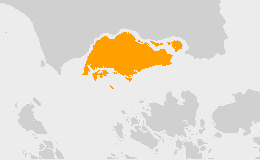
La afiliada de la CSI en Singapur es el National Trades Union Congress (NTUC).
según la ley
Libertad sindical / Derecho de sindicalización
Libertad sindical
El derecho a la libertad sindical está consagrado en la Constitución.
El derecho a la libertad sindical está reconocido por la ley, pero estrictamente regulado.
Discriminación antisindical
La ley prohíbe la discriminación antisindical
Barreras legales al establecimiento de organizaciones
- Para establecer un sindicato se requiere autorización o aprobación previa por parte de las autoridades
- La formación de un sindicato está supeditada a la aprobación del Registro de Sindicatos, que dispone de amplios poderes para rechazar o cancelar el registro, en particular cuando ya haya un sindicato en una ocupación o sector en particular. El Parlamento puede imponer restricciones aduciendo motivos de seguridad, orden público o moralidad.
Restricciones al derecho de los sindicatos a organizar su administración
- Restricciones al derecho a establecer libremente sus propios estatutos y reglamentos
- Los sindicatos deben someter sus nuevos estatutos, o cualquier enmienda a los estatutos existentes, para ser aprobados por el Registro en el plazo de siete días desde su adopción. El Registro tiene derecho a rechazar la enmienda si considera que el cambio previsto es ilegal o pudiera resultar "opresivo o poco razonable".
- Restriciones al derecho a elegir representantes y autoadministrarse con plena libertad
- La Ley de Sindicatos limita en qué pueden gastar sus fondos los sindicatos y prohíbe pagos a partidos políticos o el uso de fondos con fines políticos.
Categorías de trabajadores a quienes la ley prohíbe o restringe la posibilidad de formar o afiliarse a sindicatos, o de ocupar cargos sindicales
- Otras categorías
- Los miembros del sindicato menores de 21 años necesitan contar con la aprobación por escrito del Ministro para actuar como representantes o ejecutivos sindicales.
- Otros funcionarios y empleados públicos
- Aunque la Ley de Sindicatos prohíbe que los empleados/as del gobierno se afilien a sindicatos, autoriza al Presidente/a de Singapur a aceptar excepciones a esta disposición. Se aplicó dicha excepción al Amalgamated Union of Public Employees, y actualmente cubre a todos los funcionarios del sector público, salvo a los más altos cargos. Además de AUPE, están exentos otros 15 sindicatos del sector público. El personal uniformado encargado de mantener la seguridad y el orden públicos constituye el principal grupo de trabajadores que no pueden sindicalizarse.
- Trabajadores/as migrantes o no nacionales
- La Ley de Sindicatos prohíbe que cualquier persona que "no sea ciudadano de Singapur" pueda convertirse en responsable nacional o sectorial de un sindicato, a menos que se reciba una aprobación previa por escrito del Ministro. La Ley estipula además que un extranjero no puede ser contratado como empleado de un sindicato sin consentimiento previo del Ministro. Del mismo modo, un extranjero no podrá servir como representante de un sindicato sin el consentimiento por escrito del Ministro.
Derecho a la negociación colectiva
Derecho a la negociación colectiva
El derecho a la negociación colectiva está reconocido por la ley, pero no está debidamente fomentado y promovido.
Restricciones al principio de negociación libre y voluntaria
- Exclusión de ciertas cuestiones del ámbito de la negociación (por ej. salarios, jornadas laborales)
- Las transferencias y los despidos quedan excluidos de la cobertura de la negociación colectiva, aunque los sindicatos tienen derecho a ser informados de los motivos de los despidos y a negociar compensaciones para los trabajadores en tales casos.
- Procedimiento de arbitraje impuesto en caso de disputa durante una negociación colectiva, no sólo en los servicios esenciales
- Los conflictos pueden resolverse mediante negociaciones a través del Ministerio de Mano de Obra, utilizando los procedimientos establecidos en la Ley de Relaciones Industriales. Si fracasa la conciliación, las partes pueden remitir su caso al Tribunal de Arbitraje Laboral. En ciertas situaciones, la ley prevé un sistema de recurso al arbitraje obligatorio, que puede poner fin a la negociación colectiva a petición de sólo una de las partes.
Restricciones respecto al ámbito de aplicación y la efectividad legal de los convenios colectivos negociados
- Requisitos excesivos en cuanto a la mayoría necesaria para autorizar la adopción de un borrador de convenio colectivo
- Una enmienda a la Ley de Sindicatos, adoptada en 2004, implica que los miembros del sindicato ya no están capacitados para aceptar o rechazar los convenios colectivos negociados entre sus representantes sindicales y el empleador.
- Restricciones en cuanto a la duración, el ámbito de aplicación o la cobertura de los convenios colectivos
- Todos los convenios colectivos tienen una validez de no menos de 2 años y no más de 3 años.
- Se requiere la aprobación de las autoridades respecto a convenios colectivos concluídos libremente
- Antes de entrar en vigor, los convenios colectivos deben ser certificados por un Tribunal de Arbitraje Laboral tripartito. Este tribunal puede negar la certificación aduciendo motivos de interés público. Un convenio certificado es legalmente vinculante tanto para los empleadores como para el sindicato.
Derecho de huelga
Derecho de huelga
El derecho de huelga está reconocido en la legislación
Impedimentos legales a acciones de huelga legítimas
- Requisito de un quórum excesivo o de obtener una mayoría excesiva en una votación para poder convocar una huelga
- Para convocar una huelga se requiere que el 50% más uno de todos los miembros del sindicato voten a favor.
- Recurso obligatorio al arbitraje o a largos y complejos procedimientos de conciliación y mediación antes de iniciar una acción de huelga
Disposiciones que socavan el recurso a acciones de huelga o su eficacia
- Ausencia de una protección específica para los trabajadores/as involucrados en acciones legítimas de huelga (por ej. frente al despido)
- No existe ninguna legislación específica para impedir que se tomen medidas de represalia contra los huelguistas.
En la Práctica
El 26 de noviembre de 2012, 100 conductores de autobús chinos organizaron una huelga para exigir igualdad salarial y el pago de las horas extras. Las autoridades de Singapur decidieron deportar a 29 de ellos e iniciar acciones judiciales contra otros cinco. A cuatro les pusieron en libertad bajo fianza, pero uno acabó condenado a seis semanas de prisión. Los cuatro conductores en libertad bajo fianza, así como los activistas de los derechos humanos que les ayudaron, han denunciado que, durante los dos meses siguientes, miembros del departamento de seguridad interna de Singapur les han seguido en varias ocasiones. En enero de 2013 presentaron una denuncia al respecto ante la policía, pero no se tomó ninguna medida para acabar con el acoso. Asimismo, dos de ellos denunciaron malos tratos. El Gobierno adujo que el paro laboral equivalía a una huelga ilegal en un servicio público esencial. No obstante, la OIT determinó que los servicios de autobuses no son un servicio esencial.
Los extranjeros empleados en el servicio doméstico tienen pocas posibilidades para organizarse a fin de defenderse o pedir que se mejoren sus condiciones de trabajo. La legislación laboral excluye a aproximadamente 180.000 empleados/as del servicio doméstico de las protecciones esenciales garantizadas a otros trabajadores y trabajadoras, como un día de descanso semanal, limitaciones a la jornada laboral, permisos anuales, vacaciones pagadas y topes en las deducciones salariales.
Las restricciones en los derechos de los trabajadores y trabajadoras migrantes a ser delegados, miembros del personal o dirigentes de un sindicato (sin previo acuerdo por escrito del Ministro) afectan a un porcentaje significativo de la mano de obra del país. Según el Ministerio de Mano de Obra, a finales de 2007 la población activa del país ascendía a 2.730.000 personas, con 900.800 extranjeros (33%).
El estricto control del Gobierno sobre las acciones laborales y la tradición de mantener unas relaciones que evitan todo enfrentamiento, ha hecho que únicamente se hayan registrado oficialmente dos días de acción de huelga desde 1978. No obstante, ocasionalmente tienen lugar acciones colectivas. En 2009 no se llevó a cabo ninguna huelga.
A excepción de seis sindicatos, los otros 61 sindicatos del país están afiliados al National Trade Union Congress (NTUC), una central sindical que mantiene un relación estrecha con el Partido de Acción del Pueblo (PAP), en el Gobierno. El Secretario General del NTUC es miembro del Comité Ejecutivo Central del PAP y ocupa además un cargo ministerial en el Gabinete del Primer Ministro. Los sindicatos no pueden participar en los partidos políticos, y el NTUC no permite que miembros a favor de las políticas de la oposición ocupen cargos dirigentes. Las relaciones entre el NTUC y el PAP, que datan de la fundación del NTUC en 1961, se describen como «simbióticas» y han quedado formalmente reconocidas en 1980 durante la Conferencia Ordinaria de Delegados del NTUC. En diciembre de 2004 se reconfirmaron públicamente. Actualmente hay 16 parlamentarios del PAP que tienen o han tenido vínculos directos con el NTUC.
La práctica demuestra que muchas de estas leyes están obsoletas y en realidad la mayoría de las posibles restricciones sobre los derechos sindicales no se aplican.
Los sindicatos han pedido que se eliminen de la legislación del país estas restricciones obsoletas.