
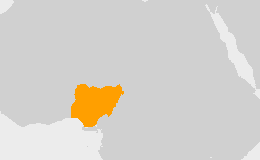
Nigeria
Las organizaciones afiliadas a la CSI en Nigeria son el Nigeria Labour Congress (NLC) y el Trade Union Congress of Nigeria (TUC).
Nigeria ratificó el Convenio nº 87 sobre la libertad sindical y la protección del derecho de sindicación (1948) en 1960 y el Convenio nº 98 sobre el derecho de sindicación y de negociación colectiva (1949) en 1960.
según la ley
Libertad sindical / Derecho de sindicalización
Libertad sindical
El derecho a la libertad sindical está consagrado en la Constitución.
El derecho a la libertad sindical está reconocido por la ley, pero estrictamente regulado.
Discriminación antisindical
La ley prohíbe la discriminación antisindical, pero no pevé medidas adecuadas de protección al respecto.
Barreras legales al establecimiento de organizaciones
- Para establecer un sindicato se requiere autorización o aprobación previa por parte de las autoridades
- Todas las solicitudes de registro deben ser aprobadas por el ministerio (artículo 3(2) de la Ley de Sindicatos).
- Poderes para rechazar el registro oficial por motivos arbitrarios, injustificados o ambiguos
- La aprobación del ministerio debe basarse en que 'pueda confirmar que el registro del sindicato es conveniente ' (artículo 3(2) de la Ley de Sindicatos). Asimismo, el registrador tiene poderes para negar un registro en base a que se ha planteado una objeción adecuada o a que un objetivo del sindicato es ilegal (artículo 5(3) de la Ley de Sindicatos). La ley no explica qué puede ser una objeción adecuada ni un objetivo ilegal.
- Se requiere un número mínimo de miembros excesivo para establecer un sindicato
- Para el registro de un sindicato se requieren 50 miembros (artículo 3(1) de la Ley de Conflictos Sindicales).
- Otras formalidades o requisitos que retrasan en exceso o impiden considerablemente el libre establecimiento de una organización
- Antes de poder registrar un sindicato debe transcurrir un período de notificación de tres meses. El período de notificación solo comienza en la fecha en que el registrador publique la notificación de una solicitud de registro en el boletín oficial del Estado. Después de los tres meses, el registrador dispone de un período indefinido de tiempo durante el cual puede determinar si se han cumplido los prerrequisitos del registro (es decir, que no se ha planteado ninguna objeción apropiada, no existe ningún fin ilegal y se han cumplido los requisitos de la ley y la normativa) (artículo 5 de la Ley de Sindicatos).
- Se imponen sanciones por organizar o afiliarse a una organización que no esté oficialmente reconocida
- Cualquier sindicato no registrado y cualquier funcionario o miembro del mismo implicado en un acto de sindicalización será culpable de un delito (artículo 2(3 de la Ley de Sindicatos).
- Restricciones al derecho de los sindicatos a establecer ramas, federaciones y confederaciones o a afiliarse a organizaciones nacionales e internacionales
- El artículo 8 a) 1), b) y g) de la Ley de sindicatos (enmendada) de 2005 y el artículo 1 de la Ley de sindicatos (afiliación internacional) de 1996 exigen que las federaciones estén compuestas por 12 o más sindicatos para poder inscribirse y que la solicitud de un sindicato para la afiliación internacional se presente al Ministro para su aprobación.
Restricciones al derecho de los trabajadores y trabajadoras a formar y afiliarse a organizaciones de su elección
- La ley impone un sistema de monopolio sindica y/o un sistema que prohíbe o restringe la sindicalización a ciertos niveles (empresa, industria/sector, regional/territorial, nacional)
- La Ley de Sindicatos prohíbe el registro de un sindicato en un lugar en el que ya exista uno (artículos 3(2) y 5(4) de la Ley de Sindicatos).
- La ley impone restricciones al derecho de los trabajadores/as a afiliarse al sindicato de su elección
- La Ley de Sindicatos prohíbe el registro de un sindicato en un lugar en el que ya exista uno (artículo 3(2) y 5(4) de la Ley de Sindicatos).
Restricciones al derecho de los sindicatos a organizar su administración
- Restricciones al derecho a establecer libremente sus propios estatutos y reglamentos
- La lista de asuntos que se incluirán en las normas de un sindicato incluye varios requisitos fundamentales que van más allá de la estipulación de los detalles diseñados para promover los principios democráticos. Entre ellos se encuentran los requisitos relacionados con la afiliación de los altos cargos del comité general de dirección y con afiliación sindical del comité general de dirección; la prohibición de designar a personas analfabetas para los altos cargos; la obligación de mantener un registro nominal de los miembros, su actividad sindical, su ocupación habitual y su empleador; y una disposición que estipule que ningún miembro del sindicato pueda participar en una huelga a menos que una mayoría de sus miembros hayan votado a favor de la misma (párrafos 7, 9, 10 y 14 del anexo primero de la Ley de Sindicatos).
- Restriciones al derecho a elegir representantes y autoadministrarse con plena libertad
- El registrador dispone de amplios poderes para controlar las cuentas de los sindicatos, incluido el derecho a solicitar las cuentas en cualquier momento y a investigar cualquier cuenta que considere poco satisfactoria (artículos 39 y 40 de la Ley de Sindicatos). Además, la Ley de Sindicatos impone restricciones sobre quién puede ocupar cargos (incluye a personas que ocupen cargos en otro sindicato, a menores de 21 años y a analfabetos) (artículos 14 y 19 y primer anexo de la Ley de Sindicatos).
- Restricciones a la libertad para organizar libremente actividades y formular programas
- Asimismo, impone restricciones a los fines para los que se pueden usar los fondos sindicales. Por ejemplo, no se pueden utilizar para 'objetivos políticos' específicos, incluidas las contribuciones a un partido político, los gastos de un candidato a elecciones, las reuniones o distribución de documentos en apoyo a un candidato, el mantenimiento de un registro de electores de un político elegido y las reuniones políticas o distribución de literatura política de cualquier tipo, a menos que el objetivo principal de la reunión o distribución sea promover la regulación de los términos y condiciones de empleo de los trabajadores/as (artículo 15 de la Ley de Sindicatos). Además, todos los sindicatos están obligados por ley a efectuar pagos a la federación sindical pertinente (artículo 17 de la Ley enmendada de Sindicatos). Por último, la Ley de Sindicatos impone varias restricciones al derecho de huelga, como los límites a los tipos de conflicto por los que se puede hacer huelga y las onerosas obligaciones de procedimiento tal y como se establece en dicha ley.
- Las autoridades administrativas están capacitadas para tomar unilateralmente la decisión de disolver, suspender o retirar el registro a organizaciones sindicales
- El registrador cancelará el registro de un sindicato si confirma que éste se obtuvo mediante fraude o por error; que cualquier objetivo del sindicato es ilegal; que el sindicato ha infringido deliberadamente o sigue infringiendo cualquier disposición de la Ley de Sindicatos o de las normativas pertinentes; que el objetivo principal del sindicato no es el de regular los términos y condiciones de empleo de los trabajadores/as; o que el sindicato ya no existe o no funciona (artículo 7(1) de la Ley de Sindicatos). Sin embargo, el registro de un sindicato no se puede cancelar antes de que haya finalizado el período para apelar contra la propuesta de cancelación o de que el proceso de apelación se haya abandonado o ya se haya determinado mediante la confirmación de la propuesta de cancelación (artículo 7(4) de la Ley de Sindicatos). Si la solicitud de registro de un sindicato acaba siendo denegada o el registro de un sindicato se cancela, dicho sindicato deberá disolverse de acuerdo con lo dispuesto en su normativa dentro de un plazo de 3 meses (artículo 9 de la Ley de Sindicatos).
- Otras interferencias externas admitidas por la ley
- Si el registrador sospecha que un sindicato o cualquier persona ha cometido un delito o que no ha pagado una suma adeudada al sindicato, puede entablar una acción judicial penal o civil en nombre del sindicato (artículo 41 de la Ley de Sindicatos).
Categorías de trabajadores a quienes la ley prohíbe o restringe la posibilidad de formar o afiliarse a sindicatos, o de ocupar cargos sindicales
- Otros funcionarios y empleados públicos
- Los empleados/as del Departamento de Aduanas y Servicios Especiales, del Departamento de Inmigración, del Servicio Penitenciario, del Servicio de Aduanas, de la Empresa de Moneda y Timbre de Nigeria, del Banco Central de Nigeria y de la Empresa de Telecomunicaciones Externas de Nigeria tienen prohibido unirse, organizarse y afiliarse a un sindicato para fines laborales (artículo 11 de la Ley de Sindicatos).
- Trabajadores/as de zonas francas industriales (ZFI)
- No existe ninguna prohibición explícita para que los trabajadores/as de las Zonas Francas Industriales (ZFI) formen o se afilien a un sindicato o formen una rama sindical. Sin embargo, la Ley Nigeriana para las Zonas de Procesamiento para la Exportación de 1992 pone freno a la afiliación sindical de los trabajadores/as de dichas zonas, pues prohíbe la entrada a las ZFI sin el permiso de las autoridades pertinentes y convierte a dicha autoridad en la responsable de la resolución de los conflictos laborales entre los empleadores y los trabajadores/as de estas zonas (artículos 4 y 13 de la Ley Nigeriana para las Zonas de Procesamiento para la Exportación de 1992).
- Personal directivo y de supervisión
- La afiliación sindical o la ocupación de un cargo en un sindicato están prohibidas para el personal directivo y de supervisión si van a provocar un conflicto de lealtades en el sindicato o la dirección (artículo 3(3) de la Ley de Sindicatos).
Derecho a la negociación colectiva
Derecho a la negociación colectiva
El derecho a la negociación colectiva no está protegido por la ley.
Restricciones al principio de negociación libre y voluntaria
- Procedimiento de arbitraje impuesto en caso de disputa durante una negociación colectiva, no sólo en los servicios esenciales
- El ministerio puede detener cualquier conflicto laboral y remitirlo para su conciliación o arbitraje (artículo 5 de la Ley de Conflictos Sindicales). Si el ministerio aprueba el laudo arbitral y ninguna parte del conflicto se opone al mismo en el plazo pertinente, éste será vinculante para las partes mediante una notificación del ministerio (artículo 13 de la Ley de Conflictos Sindicales). Si el ministerio no lo aprueba, puede volver a remitirlo al tribunal de arbitraje para un nuevo examen. Si una parte del conflicto se opone al laudo arbitral, el ministerio remitirá el asunto al Tribunal Laboral Nacional y cualquier fallo de dicho tribunal será vinculante para las partes (artículo 14 de la Ley de Conflictos Sindicales).
- Las autoridades pueden intervenir en la conclusión de convenios colectivos
- Ningún empleador puede otorgar un aumento salarial a un grupo de empleados/as sin la aprobación del ministerio. La infracción de este requisito se puede castigar con penas de prisión de hasta tres años (artículo 19 de la Ley de Conflictos Sindicales).
- Las autoridades o los empleadores pueden anular, modificar o ampliar unilateralmente las disposiciones o la cobertura de los convenios colectivos
- Al enviar un nuevo convenio colectivo al ministerio, éste puede ordenar que solo algunas de las disposiciones de dicho convenio sean vinculantes (artículo 3 de la Ley de Conflictos Sindicales).
- Authorities’ approval of freely concluded collective agreements
- Al enviar un nuevo convenio colectivo al ministerio, éste puede ordenar que solo algunas de las disposiciones de dicho convenio sean vinculantes (artículo 3 de la Ley de Conflictos Sindicales).
Restricciones respecto al ámbito de aplicación y la efectividad legal de los convenios colectivos negociados
- Los convenios colectivos adoptados no se consideran legalmente vinculantes o aplicables
- Un convenio colectivo solo será vinculante por orden del ministerio (artículo 3 de la Ley de Conflictos Sindicales).
- Se requiere la aprobación de las autoridades respecto a convenios colectivos concluídos libremente
- Los convenios colectivos deben enviarse al ministerio dentro de los 14 días siguientes a su ejecución. El convenio colectivo solo será vinculante por orden del ministerio (artículo 3 de la Ley de Conflictos Sindicales).
Disposiciones que entorpecen el recurso a convenios colectivos y su eficacia
- Ausencia de mecanismos apropiados para fomentar y promover la maquinaria para la negociación colectiva
- Aunque la Ley de Conflictos Sindicales contempla la existencia de convenios colectivos para resolver un conflicto laboral (artículo 3), no establece ningún mecanismo para fomentar la negociación colectiva.
Restricciones o prohibición de negociar colectivamente en algunos sectores
- Otros funcionarios y empleados públicos
- La Ley de Conflictos Sindicales no se aplica a ningún funcionario designado para desempeñar funciones con arreglo a la Ley de Aduanas y Gestión de Impuestos Internos, la Ley de Inmigración y la Ley de Prisiones ni a ningún miembro del Servicio de Prevención de Aduanas (artículo 49 de la Ley de Conflictos Sindicales). Hasta ahora, no se ha identificado ningún marco de la negociación colectiva que contemple a estos trabajadores/as.
Derecho de huelga
Derecho de huelga
El derecho de huelga está reconocido por la ley pero estrictamente regulado.
Impedimentos legales a acciones de huelga legítimas
- Requisito de un quórum excesivo o de obtener una mayoría excesiva en una votación para poder convocar una huelga
- Para llevar a cabo una huelga, debe realizarse una votación en la que una mayoría simple de todos los miembros registrados voten a favor de la misma (artículo 30(6) de la Ley enmendada de Sindicatos de 2005).
- Recurso obligatorio al arbitraje o a largos y complejos procedimientos de conciliación y mediación antes de iniciar una acción de huelga
- Ninguna parte de un conflicto puede hacer huelga a menos que todas las partes hayan cumplido con los procedimientos acordados de resolución de conflictos y/o hayan intentado resolver el asunto a través de la mediación. Además, participar en una huelga constituye un delito si: se ha designado un conciliador; el conflicto se ha remitido al Panel de Arbitraje Laboral para su resolución; el ministerio ha declarado vinculante el laudo arbitral de un tribunal; el conflicto se ha remitido al Tribunal Laboral Nacional; o dicho tribunal ha dictado una sentencia (artículo 18 de la Ley de Conflictos Sindicales).
Prohibición o restricciones para ciertos tipos de acción de huelga
- Restricciones respecto al objetivo de una huelga (por ej. disputas industriales, cuestiones económicas y sociales, políticas, de simpatía o solidaridad)
- Ninguna persona, sindicato o federación sindical puede participar en conductas que contemplen o promuevan una huelga a menos que ésta tenga que ver con un conflicto de derecho o con uno que surja a raíz de la violación colectiva y fundamental de un contrato de trabajo o un convenio colectivo por parte del empleador. Un 'conflicto de derecho' se define como cualquier conflicto laboral que surja a raíz de la negociación, aplicación o interpretación de un contrato de derecho o convenio colectivo en virtud de esta ley o de cualquier otra promulgación o ley que regule los asuntos relacionados con los términos y condiciones del empleo (artículos 30(6) y (9) de la Ley enmendada de Sindicatos).
- Restricciones respecto al tipo de acción de huelga (por ej. piquetes, huelgas salvajes, huelgas de celo, sentadas, huelgas de brazos caídos)
- Las reuniones o huelgas que impidan volar a aviones o que obstruyan autopistas, instituciones o edificios públicos de cualquier tipo son ilegales (artículo 42 de la Ley enmendada de Sindicatos).
Injerencia indebida por parte de las autoridades o los empleadores durante el transcurso de una huelga
- Las autoridades o los empleadores están capacitados para prohibir, limitar, suspender o cesar unilateralmente una acción de huelga
- El ministerio puede detener cualquier conflicto laboral y remitirlo para su conciliación o arbitraje (artículo 5 de la Ley de Conflictos Sindicales). Hacer huelga después de que se haya designado un conciliador o se haya remitido el conflicto para su arbitraje constituye un delito (artículo 18 de la Ley de Conflictos Sindicales).
- Las autoridades o los empleadores están capacitados para prevenir o poner fin a una huelga remitiendo el conflicto al arbitraje
- El ministerio puede detener cualquier conflicto laboral y remitirlo para su conciliación o arbitraje (artículo 5 de la Ley de Conflictos Sindicales). Si el ministerio aprueba el laudo arbitral y ninguna parte del conflicto se opone al mismo en el plazo pertinente, este será vinculante para las partes mediante una notificación del ministerio (artículo 13 de la Ley de Conflictos Sindicales). Si una parte del conflicto se opone al laudo arbitral dictado por un tribunal de arbitraje, el ministerio remitirá el asunto al Tribunal Laboral Nacional y cualquier fallo de dicho tribunal será vinculante para las partes (artículo 14 de la Ley de Conflictos Sindicales).
Disposiciones que socavan el recurso a acciones de huelga o su eficacia
- Excesivas sanciones civiles o penales contra los trabajadores/as y sindicatos involucrados en acciones de huelga no autorizadas
- Cualquier persona o sindicato que no cumpla con los requisitos fundamentales y de procedimiento de una huelga con arreglo al artículo 30 de la Ley de Sindicatos (enmendada) estará cometiendo un delito y puede ser condenado a una multa de 10.000 nairas, a 6 meses de prisión o a ambos (artículo 30(7) de la Ley enmendada de Sindicatos).
Limitaciones o prohibición de hacer huelga en algunos sectores
- Determinación discrecional o lista excesivamente larga de «servicios esenciales» en los que el derecho de huelga queda prohibido o severamente restringido
- El primer anexo de la Ley de Conflictos Sindicales define los servicios esenciales para que incluyan a todos los servicios de los puertos, muelles y aeródromos, el transporte por carretera, ferrocarril, mar o río, la radiodifusión y los servicios de correos, los servicios de limpieza de carreteras y la gestión de residuos, el Banco Central y la Empresa de Moneda y Timbre de Nigeria, así como a las empresas con licencia en virtud de la Ley de Bancos y Otras Instituciones Financieras y a todos los servicios relacionados con ellos. Además, incluye a las personas empleadas en una industria o empresa que se dedique o esté relacionada con la manufactura o producción de artículos que se vayan a usar en las fuerzas armadas o en cualquier parte de las mismas.
En la Práctica
El sindicato del personal académico de escuelas politécnicas, Academic Staff Union of Polytechnics (ASUP) condenó la suspensión de diez de sus responsables por parte de la administración del politécnico federal de Bida. Los diez dirigentes sindicales son Umar Sarganuwan (presidente de la sección Bida de ASUP), Ndako Mohammed (vicepresidente), Ukagha Laretu Nnena (tesorero), Yusuf Yakubu (secretario general), Owoeye David (secretario adjunto), Yaman Mohammed (responsable de bienestar), Dodo Alhaji (auditor), Baba Mohammed (secretario financiero), Chikezie Enyeazu (PRO) y Gbate Mohammed (miembro de oficio). Según la dirección de la escuela, los responsables sindicales han sido suspendidos por publicar información falsa sobre el politécnico en los medios de comunicación. Según el sindicato, los diez responsables sindicales fueron interrogados sin mediar una investigación y posteriormente fueron suspendidos. La verdadera razón de su suspensión sería un conflicto entre el sindicato y la dirección del politécnico sobre la contratación ilegal de personal. Se produjo un incidente similar en la escuela politécnica Rufus Giwa Owo, en el IMT Enugu y en la escuela politécnica federal Mubi. A juicio del sindicato, estos incidentes son un intento del Gobierno de continuar sofocando las actividades sindicales en estas instituciones.
El Nigeria Union of Petroleum and Natural Gas Workers (NUPENG) ha solicitado una intervención urgente del Ministerio Federal de Trabajo, de la Nigerian National Petroleum Corporation (NNPC) y del Departamento de Seguridad del Estado (DSS) para hacer frente a las que considera “prácticas laborales injustas” por parte de la dirección de Nexen Petroleum que, desde 2010, se ha negado a negociar el convenio colectivo con el sindicato.
Aun cuando Shell y otras tres empresas petroleras se han comprometido a establecer un marco común para vigilar la aplicación de los derechos de los trabajadores/as en sus cadenas de suministro, este mecanismo sigue siendo opaco y todavía impide la participación sindical en Nigeria. De hecho, según una misión de IndustriALL a Port Harcourt, la mayoría, si no todos, los trabajadores de Shell en el país están empleados por una compleja red de empresas de contratación en nombre de Shell, lo que hace que sea extremadamente difícil para los trabajadores/as sindicalizarse y defender sus derechos. Además, los trabajadores subcontratados no pueden afiliarse a un sindicato ni solicitar un aumento salarial so pena de ser despedidos. Después de que los sindicatos presentaran sus quejas ante organismos internacionales, incluyendo el Consejo de Derechos Humanos de la ONU, el director general de Shell accedió a estudiar la cuestión al tiempo que afirmaba que Shell no tiene ningún control sobre la forma en que sus proveedores pagan o negocian con los trabajadores/as.
La coalición Joint Action Front (JAF) condenó el arresto de ocho dirigentes sindicales de la escuela politécnica del estado de Lagos (LASPOTECH): Salami Olugbenga, Seye Ero-Phillips, Muinat Ogunbmbi-Ibrahim, Alawada Abimbola, Semiu Fasasi, Abiodun Awoyemi, Tobi Oremule et Ayanda Rauf. La policía los detuvo por orden del rector de este politécnico. Los detenidos son miembros de los sindicatos del personal no académico, Non-Academic Staff Union (NASU), el personal directivo de escuelas politécnicas, Staff Association of Nigeria Polytechnics (SSANIP), y el personal académico de las escuelas politécnicas, Academic Staff Union of Polytechnics (ASUP). El presidente del JAF, Oladipo Fashina, calificó su arresto de acto de intimidación y brutalidad y exigió su liberación inmediata. También instó al Gobierno del estado de Lagos a pedir que se ordene a la dirección de LASPOTECH y a la central sindical Nigeria Labour Congress (NLC) que tome cartas en el asunto para que la institución respete los derechos de cada miembro del personal.
El sindicato del personal judicial del estado de Nasarawa, Judicial Staff Union of Nigeria (JUSUN) acusó a la Comisión del Servicio Judicial (JSC) de este mismo Estado de chantaje e intimidación debido a que pagó un anuncio público, emitido por el Servicio de Radiodifusión de Nasarawa (NBS), denunciando como ilegal la huelga legítima y convocada por el sindicato. En su declaración pública emitida el 19 de noviembre de 2018, la Comisión negó la existencia de un conflicto laboral y declaró que no había necesidad de una huelga por parte del personal del servicio judicial. Hizo esta declaración pese al hecho de que, confirma el presidente de JUSUN, Jimoh Musa, se había enviado un aviso y cartas de recordatorio al JSC para notificarles de la huelga. Este tipo de medidas de las autoridades públicas destinadas a negar los conflictos colectivos se han vuelto cada vez más frecuentes en los últimos años.
En varios incidentes ocurridos de este año, los tribunales de Nigeria han negado a los trabajadores/as el derecho de huelga.
El jueves 17 de mayo de 2018, la División de Abuja del Tribunal Laboral Nacional ordenó a los trabajadores/as en huelga del sindicato del sector sanitario, Joint Health Sector Union (JOHESU) que suspendieran la huelga en curso y volvieran al trabajo en el plazo de 24 horas. El tribunal ordenó a los ministros de Salud y Trabajo que establecieran un comité para abordar las cuestiones planteadas por los trabajadores. El juez también ordenó al Presidente y al Vicepresidente de JOHESU asistir a las negociaciones, que han de realizarse en el marco de la Ley Nacional de Salarios, Ingresos y Remuneraciones. La huelga se había iniciado el 17 de abril de 2018 para exigir un ajuste de aumento salarial.
De manera similar, en agosto de 2018, el National Union of Electricity Employees formó un piquete en las oficinas de la empresa de electricidad Ikeja Electric Plc a causa del despido de 40 trabajadores. Según el sindicato, el piquete era una protesta por los despidos aleatorios de trabajadores sin haber seguido el debido procedimiento, incluidas las consultas con el sindicato, así como por las malas condiciones de trabajo, las prácticas antisindicales y la no implementación de las condiciones de servicio.
La empresa presentó una solicitud ex parte ante la División de Lagos del Tribunal Laboral Nacional para impedir que el sindicato formara piquetes. El tribunal laboral dictó su fallo el jueves 9 de agosto de 2018 en el que se impedía que el sindicato hiciera piquetes en las oficinas de la compañía eléctrica.
Por último, en noviembre de 2018, el Nigerian Labour Congress (NLC), el Trades Union Congress of Nigeria (TUC) y el United Labour Congress planearon una huelga el 6 de noviembre para denunciar la no implementación del salario mínimo nacional convenido de 30.000 NGN. Sin embargo, el 2 de noviembre de 2018, el tribunal concedió el requerimiento solicitado por la empresa para impedir, sin previo aviso a los sindicatos, que continuaran con sus planes de huelga.
El 18 de octubre de 2018, el Consejo Ejecutivo Federal (FEC) del Gobierno de Nigeria aprobó un borrador del Libro Blanco sobre las relaciones laborales en la administración pública federal. Según el ministro de trabajo y productividad, Chris Ngige, el Libro Blanco cubre, entre otras cuestiones, la aplicación de una política de «si no trabaja, no hay paga» contra los trabajadores/as federales que hagan huelga.
El ministro declaró: “Primero se es un servidor público antes que sindicalista. Por lo tanto, si se ocupa un puesto en el servicio público, también deben aplicarse las reglas del servicio público«. Refiriéndose a la sección 43 de la Ley de conflictos sindicales de 2004, el ministro señaló que a los funcionarios que recurran a la huelga sin pasar por el “canal normal” se les aplicará el principio de»si no trabaja, no hay paga", es decir, que no recibirán todas las retribuciones, subsidios y prestaciones que les correspondan, independientemente de la legalidad de la naturaleza pacífica de la huelga.
El ministro también defendió la introducción de límites de tiempo para ocupar cargos dirigentes sindicales en la función pública. Tales disposiciones constituirían una injerencia en el derecho de las organizaciones sindicales a organizarse libremente.
Los sindicatos del sector de la aviación, que comprende la Air Transport Services Senior Staff Association of Nigeria (ATSSSAN), National Union of Air Transport Employees (NUATE) y la National Association of Aircraft Pilots and Engineers (NAAPE), protestaron por el despido de 62 trabajadores/as de Bi-Courtney supuestamente por participar en actividades sindicales.
Saheed Hakeem, uno de los trabajadores despedidos, perteneciente al personal de seguridad de Bi-Courtney hasta su despido, señaló que la organización «despidió ilegalmente a los 62 trabajadores por participar en actividades sindicales como la realizada en mayo de 2018». La Autoridad de la Aviación Civil de Nigeria ha intervenido para que este problema pueda resolverse de manera amigable, pero la empresa se ha negado.
Estos despidos se produjeron inmediatamente después de una decisión del Tribunal Superior Federal del martes 9 de octubre de 2018, que dictó una orden para impedir a los sindicatos el cierre de actividades en el aeropuerto tras una demanda presentada por Bi-Courtney Aviation Services Limited (BASL)
En Jos, capital del estado de Plateau, los dirigentes sindicales, encabezados por el presidente Jibrin Bancir, hicieron una marcha al centro regional de llamadas de MTN ubicado en Jos para montar un piquete ante la oficina debido a la negativa de la dirección de MTN de permitir que sus trabajadores/as se afiliaran a organizaciones sindicales de conformidad con la legislación laboral y la Constitución de Nigeria. La protesta tuvo lugar el miércoles 11 de julio de 2018 con los dirigentes marchando hacia las oficinas de MTN en la región. En sus comentarios a periodistas en la entrada del centro de llamadas de MTN, a lo largo de Rayfield Road, el compañero Jibrin Bancir dio a la dirección de MTN tres semanas para finalizar las negociaciones con la central sindical Nigeria Labour Congress (NCL).
El 10 de enero de 2018, el gobernador del estado de Kaduna y el comisario de la Policía Estatal aprovecharon varias ruedas de prensa para amenazar con sancionar al Nigeria Labour Congress (NLC) si organizaba manifestaciones solidarias en el estado de Kaduna. Ese mismo día, el Gobierno estatal declaró que invocaría la política de “sin trabajo no hay salario” para todos los trabajadores que participaran en la huelga. El NLC tenía previsto apoyar al consejo del NLC de Kaduna, que había emprendido una huelga indefinida para protestar por el despido de más de 21.000 docentes de enseñanza primaria que habían suspendido supuestamente unas pruebas de competencia organizadas en el marco del denominado Proyecto de revitalización y renovación de los servicios públicos, aprobado por el Gobierno estatal en 2017. Según el NLC, las pruebas se llevaron a cabo sin la participación de órganos profesionales relevantes, como el Consejo de Registro de Docentes de Nigeria y el Instituto Nacional de Docentes. Los sindicatos, en particular el Nigeria Union of Teachers y el Nigeria Union of Local Government Employees, tampoco participaron en la organización de las pruebas. Según el NLC, las pruebas fueron organizadas por el Gobierno del estado de Kaduna como una acción premeditada para llevar a cabo una reducción del personal del sector público con vistas a solicitar un préstamo del Banco Mundial. La política de reestructuración estatal afectaría no solo a los docentes sino también a cerca de 4.000 trabajadores de gobiernos locales y a 8.000 trabajadores de diversos ministerios, departamentos y organismos estatales.
El personal del Hospital Universitario de la universidad Ladoke Akintola University of Technology (LAUTECH), en Ogbomoso (estado de Oyo), organizó una manifestación para protestar por el despido de 256 miembros del personal y la reubicación de otros 300 trabajadores del hospital. En agosto de 2017 los trabajadores organizaron una huelga a la que se unieron los médicos residentes en noviembre de 2017, una situación por la que el Gobierno del estado de Oyo decidió dejarles sin sueldo. La sectorial de Ogbomoso de la Nurses and Midwives Association of Nigeria informó a la prensa de que LAUTECH no consultó con el sindicato los despidos ni los traslados y que los nombres de los miembros del personal afectados se comunicaron al departamento de administración sin que se intentara mantener una reunión con el sindicato. En su respuesta, el Gobierno estatal declaró que los despidos y traslados formaban parte de un plan integral de reestructuración del hospital.
El 13 de noviembre de 2017, la asociación nacional de pilotos e ingenieros aeronáuticos National Association of Aircraft Pilots and Engineers (NAAPE) interrumpió las operaciones de Dana Air Limited en la terminal nacional del Aeropuerto de Murtala Muhammed en respuesta a la negativa de la dirección a permitir que el personal técnico, incluidos ingenieros y pilotos, se afilien a sindicatos. Todas las organizaciones afiliadas al United Labour Congress (UCL) participaron en el piquete de la NAAPE. La reacción de la dirección de Dana Air fue publicar una declaración negando el empleo de trabajadores ocasionales y las prácticas antisindicales y acusó al sindicato de llevar a cabo una acción ilegal.
El 1 de noviembre de 2017, Abdulmumuni Yakubu, presidente de la sectorial del Non-Academic Staff Union (NASU) en el estado de Kogi, fue asesinado por varios hombres armados no identificados en su domicilio de Okene, distrito senatorial de Kogi Central. El asesinato se produjo durante las negociaciones con el Gobierno de Kogi sobre la huelga en curso que habían convocado en dicho estado los sindicatos de personal universitario no académico. Desde principios de 2017 tanto el personal académico como el no académico estaban participando en huelgas nacionales organizadas por el NASU, la National Association of Academic Technologists (NAAT) y la Senior Staff Association of Nigerian Universities (SSANU) para protestar contra los prolongados impagos salariales. En respuesta al asesinato de Yakubu, los presidentes estatales del Nigeria Labour Congress (NLC) y el Trade Union Congress (TUC) publicaron una declaración en la que solicitaban a las autoridades que garantizaran una investigación inmediata, además de condenar la protección insuficiente de los líderes sindicales contra la violencia y tomar una decisión sobre la suspensión de las negociaciones con el Gobierno de Kogi.
El 19 de julio de 2017, el gobernador del estado de Kogi anunció su decisión de prohibir las actividades del Academic Staff Union of Universities (ASUU) en la Universidad del estado de Kogi, tras la negativa del sindicato a suspender una huelga que se había iniciado hacía seis meses. El gobernador ordenó a los profesores en huelga que regresaran inmediatamente al trabajo y que, de lo contrario, perderían su trabajo, y ordenó a las autoridades de la universidad que comprobaran que los profesores cumplían la directiva.
El 21 de junio de 2017, el Gobierno del estado de Kogi confirmó la contratación de otros 230 trabajadores de la sanidad, incluyendo médicos. La Nigerian Medical Association (NMA) ha condenado la decisión de la empresa, puesto que el Gobierno estatal estaba en conflicto con la NMA desde principios de mayo, tras anunciar esta la convocatoria de una huelga indefinida.
El 8 de junio de 2017, a Adewunmi Olorunfemi, encargado de bienestar del sindicato Academic Staff Union of Polytechnics (ASUP), le rompieron la muñeca, mientras que a su mujer la azotaron con un látigo durante el ataque del ejército contra una manifestación de trabajadores y estudiantes del Lagos State Polytechnic (LASPOTECH) en Ikorodu (estado de Lagos). El ASUP y el Non-Academic Staff Union (NASU) retomaron la huelga por el impago de salarios y organizaron una manifestación en el campus de LASPOTECH. Los soldados llegaron cuando los trabajadores y estudiantes se disponían a marchar hacia el centro ciudad. La dirección de LASPOTECH ha negado haber solicitado la intervención del ejército contra los trabajadores que se manifestaban y ha justificado la presencia de los soldados en el campus por la proximidad del cuartel del Batallón 174 del Ejército de Nigeria. La dirección también ha negado que se hubiera recurrido a la violencia contra los trabajadores que participaban en la manifestación. Según declaraciones de manifestantes anónimos a la prensa, muchos de ellos resultaron heridos por los soldados cuando trataban de huir buscando un lugar seguro.
El 16 de mayo de 2017, el gobernador del estado de Nasarawa, Tanko Al-Makura, emitió una declaración ordenando la prohibición de las actividades del sindicato de personal académico de enseñanza secundaria Academic Staff Union of Secondary Schools (ASUSS) en el estado y tachándolo de sindicato no registrado. En la declaración se acusaba al ASUSS de incitar a los docentes a declararse en contra del Gobierno estatal en sus actividades de comunicación, de plantear una grave amenaza para la paz y el orden en el estado y de impedir a los docentes desempeñar sus funciones.
El 6 de mayo de 2017, el Gobierno del estado de Kogi amenazó con rescindir los contratos de todos los miembros del personal del sector sanitario que no retomaran su trabajo, y con aplicar la política de “sin trabajo no hay salario” a los miembros del personal en huelga. La sectorial de la Nigerian Medical Association (NMA) del estado de Kogi había aconsejado a sus miembros convocar una huelga indefinida para protestar por el impago de sus salarios. La NMA ha indicado a sus miembros que ignoren las amenazas del Gobierno y prosigan con la huelga.
El 26 de abril de 2017, los dirigentes del Nigeria Labour Congress (NLC) del estado de Ogun instaron al gobernador del estado a que reincorporara a cuatro líderes sindicales que habían sido despedidos por supuestas infracciones de las normas de servicio público durante la celebración del Día Mundial de los Docentes en octubre de 2016. El Gobierno estatal había despedido a 16 líderes sindicales y había suspendido a otros 19 por su supuesta política partidista en el transcurso de dicha celebración. Los 19 trabajadores suspendidos y 12 de los 16 despedidos fueron reincorporados a sus puestos de servicio tras diversos llamamientos de partes interesadas. Según el NLC, los cuatro líderes sindicales restantes –Akeem Ambali, Dare Ilekoya, Nola Balogun y Eniola Atiku– deben ser reincorporados por el Gobierno estatal.
A principios de diciembre de 2016, los sindicatos de la Universidad Federal de Tecnología de Akure (FUTA) –Senior Staff Association of Nigerian Universities (SSANU), National Association of Academic Technologists (NAAT) y Non Academic Staff Union of Universities (NASU)– organizaron una huelga para reclamar a la universidad que despidiera a su rector, tras alegaciones de su implicación en la apropiación indebida de los fondos de la escuela. Los sindicatos habían presentado anteriormente ante la Economic and Financial Crimes Commission (EFCC) una petición alegando fraude en la gestión de la universidad. La respuesta de la misma fue despedir a 23 de los sindicalistas en huelga, entre ellos tres líderes sindicales, por una supuesta perturbación de las actividades académicas en el campus. Los despidos fueron revocados el 6 de diciembre, cuanto el Consejo de Administración de la FUTA anunció la reincorporación de todos los trabajadores despedidos, así como un plan para establecer, con la participación de representantes de los sindicatos afectados, una comisión conjunta encargada de estudiar detenidamente la situación en la FUTA.
El 31 de octubre, 11 días después de que los trabajadores del estado de Ogun se embarcaran en una huelga indefinida que dio comienzo el 20 de octubre para protestar por el impago de las deducciones salariales que se les habían aplicado durante 12 meses, el Gobierno decidió despedir a 16 líderes sindicales, entre ellos el presidente estatal del Nigeria Labour Congress (NLC) y el presidente estatal del Nigeria Union of Teachers (NUT). Los líderes fueron acusados de conducta indebida durante las celebraciones del Día Mundial de los Docentes de 2016 que tuvieron lugar el 5 de octubre y, más concretamente, de expresar públicamente su apoyo a uno de los políticos, llevando por tanto a cabo un “mitin de campaña política” durante dicha celebración. El Gobierno negó que la acción hubiera tenido relación alguna con la huelga en curso. Los líderes fueron no obstante reincorporados a sus puestos una semana después.
Se han denunciado varios ataques contra líderes sindicales perpetrados durante la huelga del Nigeria Labour Congress (NLC) en el estado de Ogun. El conflicto ha tenido lugar tras los agravios que se estuvieron produciendo en 2014 y en 2015 con relación a los retrasos de hasta tres años en el pago de salarios, primas, bonificaciones y pensiones. El NLC del estado de Ogun ha denunciado varios ataques por parte de agentes del Gobierno, uno de ellos contra el Secretariado del NLC en Abeokuta, así como amenazas públicas contra líderes sindicales, y ataques y palizas a líderes sindicales y sindicalistas a manos de la policía y de agresores no identificados. Estos actos ya han obligado a una serie de líderes sindicales a esconderse en paradero desconocido, algo que ha repercutido considerablemente en las actividades sindicales.
El 9 de julio, Al-Makura amenazó con reemplazar a los trabajadores en huelga con graduados recién contratados si los primeros no retomaban su trabajo el lunes, 11 de julio. El 4 de julio, con el apoyo del Nigeria Labour Congress (NLC), los trabajadores, se declararon en huelga indefinida para protestar por la decisión del Gobierno del estado de Nasarawa de aplicarles unos recortes salariales del 50%. El conflicto se resolvió dos meses después, cuando el sindicato accedió a suspender la huelga el 9 de septiembre, tras el anuncio del Gobierno de volver a aplicar la antigua estructura salarial.
El 16 de junio, el Nigeria Labour Congress (NLC) dio un ultimátum de 14 días a seis bancos –Fidelity Bank, Diamond Bank, First City Monument Bank, First Bank, Ecobank y Skye Bank– para que reincorporaran a todos los trabajadores despedidos, indicando que, de lo contrario, convocarían una huelga nacional. Estos bancos habían despedido en 2016 a más de 2.000 trabajadores cuando el sector bancario se vio afectado por la actual crisis económica. Sin embargo, los sindicatos no fueron consultados en lo que respecta a estos despidos masivos. El 29 de junio el NLC retiró su convocatoria de huelga, tras el acuerdo de aguardar un nuevo diálogo que se organizaría bajo los auspicios del Ministerio Federal de Trabajo.
El 20 de junio, los médicos residentes convocaron una huelga nacional bajos los auspicios de la National Association of Resident Doctors (NARD). Los trabajadores protestaban por los retrasos salariales de entre seis y ocho meses, la falta de una ubicación adecuada en hospitales estatales y federales y las deficiencias en la financiación de programas de formación de médicos residentes. El 21 de junio, el Gobierno respondió con una circular dirigida a todos los directores médicos jefes y directores médicos de instituciones sanitarias del Gobierno, informando que reemplazaría a los médicos residentes que no se presentaran al servicio y que hubieran por tanto “abandonado” el programa de formación. Ante la negativa del Gobierno a negociar, la NARD se vio obligada a suspender la huelga el 22 de junio.
Según el Trade Union Congress, la mayoría de las empresas de telecomunicaciones del país privan a sus trabajadores de la libertad de afiliarse a un sindicato. Los trabajadores son contratados a condición de firmar previamente una declaración por la cual se excluye el derecho a organizarse. Al parecer se trata de una práctica generalizada entre los operadores del sector de las telecomunicaciones del país, incluyendo empresas como MTN, Glo, Airtel, Etisalat, Spectranet, Huawei, Smile, Miicon Wire and Cable, Haier Thermocool, LG Electronics, Samsung, Philips, Panasonic y Nokia.
Ocho líderes del Nigeria Labour Congress (NLC) del estado de Oyo fueron arrestados por la policía, acusados de alterar el orden público y de vandalismo contra la propiedad privada por haber organizado una huelga contra la privatización de las escuelas públicas que está previsto se lleve a cabo en dicho estado. La fianza requerida ascendía a 200.000 NGN (casi 600 EUR), de manera que ninguno de los arrestados pudo satisfacer esta condición. A pesar de las protestas, el gobierno estatal mantuvo la intención de seguir estudiando el desarrollo de asociaciones público-privadas en el sector educativo.
El Gobierno del estado de Kogi rescindió unilateralmente los contratos de cerca de 9.000 trabajadores, entre ellos el presidente estatal del Nigeria Labour Congress (NLC), Onuh Edoka, por haber suspendido supuestamente un ejercicio de “control” diseñado por el Gobierno para identificar a personas que se estuvieran beneficiando ilegalmente de pensiones o salarios de la función pública. Edoka fue despedido por haber presentado un extracto bancario “erróneo”. Algunos de los trabajadores tampoco pasaron el control por no presentar un número de verificación bancaria. Aunque el Gobierno sostiene que el proceso de control fue transparente, se negó no obstante a publicar una lista completa de las razones por las que había decidido llevar a cabo dicho control.
En marzo de 2016, el gobernador del estado de Kaduna, Malam Nasir el-Rufai, emitió una directiva dirigida a los funcionarios públicos pidiéndoles rellenar formularios rechazando la afiliación sindical. El Consejo nacional mixto de negociación del Servicio Público se apresuró a protestar e instó a los funcionarios públicos a ignorar la directiva. La central sindical del país, Nigeria Trade Union Congress , amenazó con extender la huelga a menos que la directiva fuera retirada.
El 24 de marzo de 2016 apareció un anuncio en un diario nacional del país, The Guardian, en el que TATA Africa Services Nigeria comunicaba que Joseph Ogunyemi, antiguo presidente del sindicato Automobile Union, sección TATA, había dejado de trabajar para la empresa. Ogunyemi no había recibido ninguna carta notificándole su despido. En un comunicado, la central sindical Trade Union Congress (TUC) protestó ante el anuncio, el cual cree que fue motivado exclusivamente por sus actividades sindicales. Joseph Ogunyemi había sido víctima de represalias en repetidas ocasiones por parte de la empresa, por ejemplo, negándole prestaciones o promociones, transfiriéndole arbitrariamente e interrogándole en varias ocasiones.
La policía detuvo y esposó a dos trabajadores en el estado de Ogun el 8 de marzo de 2016, segundo día de huelga de los funcionarios públicos del Estado. Los trabajadores fueron detenidos cuando llegaron, en su calidad de dirigentes sindicales, a vigilar el acatamiento de la huelga a la entrada de la secretaría de Oke-Mosa, sede de la oficina del gobernador y de la asamblea estatal. Los líderes sindicales fueron interceptados por la policía. El Secretario de Gobierno del Estado, Adeoluwa Taiwo, que llegó posteriormente al lugar y se dirigió a los trabajadores/as, ordenó la liberación de los trabajadores detenidos.
Los trabajadores/as se declararon en huelga en protesta por las deducciones salariales aplicadas a los trabajadores y el impago del Gobierno de las pensiones y las gratificaciones a los jubilados. En respuesta, el Gobierno había amenazado con sancionar a los trabajadores que no reanudaran el trabajo. La huelga duró diez días, y se llegó a un acuerdo para el pago de las deducciones salariales en marzo.
La policía arrestó a dos delegados sindicales del Joint National Public Service Negotiation Council que habían sido nombrados para supervisar el cumplimiento de la normativa durante la huelga de funcionarios del estado de Ogun. Más tarde fueron puestos en libertad por orden del secretario del Gobierno estatal, que publicó al mismo tiempo una declaración amenazando con penalizar a los trabajadores en huelga que se negaran a reincorporarse a sus funciones.
La policía utilizó gases lacrimógenos contra los trabajadores que protestaban en la Linda Manufacturing Company. Una trabajadora resultó herida como consecuencia de una granada de gases lacrimógenos que la golpeó en la cara y le dañó el tabique nasal.
Los trabajadores protestaban contra el despido de 10 empleados, entre los que se encontraban varios líderes sindicales, tras un conflicto que había comenzado la semana anterior cuando una serie de trabajadores se declararon en huelga para protestar por los planes de producción diaria completamente irrealistas que había impuesto la empresa. Según el National Union of Chemical, Footwear, Rubber, Leather and Non-Metallic Products Employees, los planes de producción diaria de la empresa habían pasado de 160 unidades por trabajador en 2015 a 350 unidades en 2016, y el bajo rendimiento era la razón de los despidos sin prestaciones.
El 1 de febrero de 2016 la policía utilizó gases lacrimógenos para dispersar a los trabajadores/as que protestaban en la Linda Manufacturing Company, en el que una trabajadora fue alcanzada por un proyectil de gas lacrimógeno en la cara. Le lesionó el tabique nasal y tuvo que ser trasladada al hospital para recibir tratamiento.
La protesta había comenzado a las 8 de la mañana por los trabajadores/as de la empresa en respuesta al despido de diez trabajadores durante el fin de semana, incluidos los miembros de la ejecutiva sindical. El Secretario General del sindicato National Union of Chemical, Footwear, Rubber, Leather and Non-Metallic Products Employees (NUCFRLANMPE), Douglas Adiele, explicó que el conflicto con la dirección había comenzado la semana anterior, cuando los trabajadores se declararon en huelga y exigieron que la empresa dejara de imponerles objetivos poco realistas. El número de tareas a realizar cada día había aumentado de manera constante de 160 a 350, y los trabajadores/as que no lograban cumplir los objetivos recibían puntos negativos. Un total de 27 puntos negativos eran motivo de despido.
En el estado de Ríos, miembros de los sindicatos National Union of Petroleum and Natural Gas Workers (NUPENG) y la Petroleum and Natural Gas Senior Staff Association of Nigeria (PENGASSAN) fueron agredidos por la policía nacional con gases lacrimógenos y disparos.
Los trabajadores de la empresa Weather Fold Nigeria Ltd. organizaron un piquete tras el despido de sus compañeros sin seguir el debido procedimiento. La empresa alegó que había llevado el asunto a los tribunales, y el presidente de la zona de NUPENG en Puerto Harcourt, Godwin Eruba, señaló que el sindicato había estado intentando entablar conversaciones sobre este asunto con la dirección de la empresa para tratar de resolver la situación. No obstante, a las tres de la mañana del 12 de octubre, el centro de mando de la policía del estado de Ríos envió más de 10 vehículos tipo Hilux repletos de policías fuertemente armados. Dispararon contra los trabajadores presentes en el piquete tanto con armas de fuego como con gas lacrimógeno. Cuatro miembros del sindicato fueron trasladados al hospital y el parte médico señala que su estado es grave.
El 14 de septiembre de 2015, la empresa de bebidas La Casera, en Lagos, despidió a más de 700 trabajadores por haberse afiliado al sindicato. Los trabajadores se enteraron de su despido al llegar a su lugar de trabajo y encontrar las puertas cerradas y un aviso de la empresa indicando: “Lamentamos informar a todo nuestro personal de su despido con efecto inmediato”. La empresa atribuyó su decisión a los “trastornos de las actividades” causadas por los miembros del sindicato nacional del sector, National Union of Food, Beverages and Tobacco of Employees (NUFBTE).
Mike Olanrewaju, Secretario Auxiliar Superior del NUFBTE y Jefe del Departamento de Educación, señaló que la empresa se había negado en varias ocasiones a permitir que sus trabajadores/as se sindicalizaran. El sindicato había escrito a la empresa en relación con la sindicalización de sus trabajadores/as en varias ocasiones, sin éxito.
El Ministerio de Trabajo había intervenido en algún momento, pero la empresa se había resistido a todos los intentos para conseguir que accediera a la sindicalización de sus trabajadores/as. Con el propósito de bloquear el proceso, incluso llevó al sindicato ante el tribunal laboral. Anteriormente, la empresa ya había despedido también a todos los miembros del comité de dirección de sindicalización de los trabajadores.
Como último recurso, la empresa retomó sus antiguas tácticas despidiendo al presidente del comité que estaba a punto de formar el sindicato entre los trabajadores de la empresa. Por este motivo, los responsables del sindicato nacional NUFBTE visitaron la empresa el 11 de septiembre llevando los formularios de afiliación. La dirección de la empresa describió su visita como una “irrupción injustificada e invasión de nuestros locales comerciales”.
El 17 de agosto de 2015, el personal académico escribió a la administración de la Universidad del Estado de Kwara (KWASU) para comunicarle que habían formado la sección sindical KWASU del sindicato Academic Staff Union of Universities (ASUU). En su carta, firmada por el presidente del comité de vigilancia, Dr. Dauda Adeshola, los miembros del sindicato recién formado declaraban lo siguiente “Prometemos la lealtad del sindicato a las autoridades universitarias y al Gobierno del Estado de Kwara. La universidad KWASU, establecida en 2009, va a contar con actividades sindicales tras el período de espera de cinco años estipulado por la Comisión Nacional de Universidades (NUC) y las Condiciones de servicio y reglamentos de la Universidad KWASU”.
La respuesta de la universidad fue emitir una circular denunciando el sindicato como ilegal y clandestino: “La presente tiene por objeto informar a la comunidad universitaria que la administración está enterada de que grupos de trabajadores de la universidad KWASU celebran reuniones clandestinas en extraños lugares de Malete en nombre de una secta o sindicalismo combativo... La universidad advierte a todos los interesados que estas actividades son ilegales de conformidad con las normas de la universidad KWASU. Ningún grupo nefasto y clandestino, sin importar el nombre con el que se disfrace, será reconocido por la universidad”. La carta afirma incluso que “en el momento oportuno” anunciaría “un sindicalismo pacífico” con la participación de la administración universitaria.
El 30 de mayo de 2014, el sindicato Nigeria Union of Petroleum and Natural Gas Workers (NUPENG) instó al Gobierno federal a que interviniera en la prolongada crisis de liderazgo de la Asociación Independiente de Productores de Petróleo de Nigeria (IPMAN). El presidente del NUPENG, Igwe Achese, destacó que el convenio colectivo firmado con la IPMAN y la Independent Marketers Branch diez años antes todavía no se había aplicado debido a la crisis de liderazgo en la IPMAN. La anterior dirección de la IPMAN había frustrado los esfuerzos del sindicato por sindicalizar a los trabajadores/as de los almacenes de la asociación.
El sindicato había escrito varias cartas al Gobierno federal, a la empresa estatal de petróleo Nigerian National Petroleum Corporation (NNPC) y a la agencia de inteligencia estatal (SSS) pidiéndoles que intervinieran, sin lograr ningún resultado positivo. Asimismo, acusó a la ministra de Petróleo, Diezani Allison-Madueke, de no tomarse en serio el asunto. La SSS intervino y el Tribunal Federal Supremo en Port Harcourt declaró a Obasi Lawson presidente de la IPMAN, aunque las facciones adversarias se negaron a reconocer la sentencia.
La sección de trabajadores/as de gasolineras del NUPENG se sumó a la protesta, señalando que no había sido capaz de negociar las condiciones de servicio para sus miembros como resultado de la prolongada crisis en la IPMAN.
Aunque la crisis de liderazgo en la IPMAN se resolvió, todavía persistían numerosos problemas que provocaron huelgas en septiembre y diciembre de 2014 por muchos asuntos, incluidas las condiciones laborales peligrosas, la precarización y las prácticas laborales injustas, en particular la transferencia y el despido de líderes sindicales.
La Association of Senior Staff of Bank and Financial Institutions (ASSBIFI), que organiza al personal bancario de alto nivel, señaló que en junio de 2015 Alfa-Beta Consulting Limited despidió a más de 300 de sus 375 trabajadores/as debido a que anunciaron su intención de afiliarse al sindicato para mejorar sus condiciones de trabajo.
A finales de abril de 2015, la dirección de la empresa Skyway Aviation Handling Company (SAHCOL) despidió al presidente de la organización sindical Air Transport Services Senior Staff Association of Nigeria (ATSSSAN) Aminu S. Kolawole y al secretario, Lawson Imotto. Asimismo, despidió al presidente y secretario del National Union of Air Transport Employees (NUATE), Chukwu Jude y Kingsley Ejiogu. Lawson Imotto fue detenido y se ignora su paradero.
Desde junio de 2014, los sindicatos habían estado tratando de revisar sus condiciones de servicio, sin ningún resultado. Cuando los trabajadores se reunieron a mediados de abril para discutir sus reivindicaciones, el Director General intervino para dispersarlos, aduciendo como motivo que habían sobrepasado el tiempo asignado. La dirección de SAHCOL señaló que los cuatro dirigentes sindicales fueron despedidos por negarse a asistir a una reunión con la dirección y a presentarse posteriormente ante una comisión disciplinaria.
En marzo de 2015, la acería Abuja Steel Mill Ltd., en Sabon Wuse, estado de Níger, despidió a 400 trabajadores por hacer huelga. La huelga comenzó el 4 de marzo tras la expiración de la semana de ultimátum a la dirección para aplicar un convenio colectivo de 2013. La empresa no había cumplido parte del acuerdo firmado, incluido el ascenso del personal temporal a permanente. Poco después de la firma del convenio colectivo se confirmaron las plazas de 76 trabajadores, pero después de esta medida no se hizo nada más. La empresa tampoco aumentó las prestaciones, tales como el complemento por peligrosidad y los subsidios alimentarios, según lo previsto en el convenio. Los trabajadores se presentaron a su puesto de trabajo en la acería durante la huelga, pero no trabajaron. El 9 de marzo, cuando llegaron a su lugar de trabajo se encontraron con la policía armada, que les impidió la entrada al local, y un aviso en la puerta indicando que habían sido despedidos por hacer huelga, según explicó la sección local del sindicato Steel Engineering Workers Union.
Over 400 members of staff at the Radison Blu Hotel were sacked on Tuesday 27 January 2015 by the chairman of the Hotel, Oba Otudeko, following their attempts to join the Trade Union Congress (TUC) and the Nigerian Labour Congress (NLC). According to the spokesperson of the sacked hotel staff, Abe Makojuola Daramola, a housekeeping supervisor, they had informed the hotel the week before of their intention of joining trade unions, but management objected. The staff went ahead and invited officials from the TUC and NLC to visit the staff in Lagos on 27 January to affiliate them to their unions. Management promptly sacked the staff concerned before the meeting could take place and on the night of Monday 26 January, on the orders of Mr. Otudeko, called in a technician to tamper with the power, plunging the entire hotel into darkness. Guests staying at the hotel were checked into other hotels, thereby paving the way for the over 400 members of staff to be issued termination letters, while the hotel premises was locked up and all activities suspended.
El martes 27 de enero de 2015, Oba Otudeko, director del Hotel Radison Blu, despidió a más de 400 miembros del personal de su hotel por haber intentado afiliarse al Trade Union Congress (TUC) y el Nigerian Labour Congress (NLC). Según el portavoz de los trabajadores/as despedidos, Abe Makojuola Daramola, una semana antes ya habían informado al hotel acerca de su intención de afiliarse a los sindicatos, pero la dirección se había opuesto. Los trabajadores/as siguieron adelante e invitaron a representantes del TUC y el NLC a que les visitaran en Lagos el 27 de enero para afiliarles a sus sindicatos. La dirección del hotel despidió inmediatamente a los trabajadores/as involucrados antes de que pudiera celebrarse la reunión y en la noche del lunes 26 de enero, por orden del Sr. Otudeko, se llamó a un técnico para que cortara la electricidad y dejara el hotel a oscuras. Los huéspedes se trasladaron a otros hoteles, allanando el camino para que los más de 400 miembros del personal recibieran sus respectivas cartas de despido mientras se cerraban las instalaciones del hotel y se suspendían todas las actividades.
In an interview given in January 2015, Jonathan Abimbola explained how he was forced out of his job as safety officer at the Indian owned and run company African Fertilizers and Chemicals Nigeria Ltd. because of his union activities. When he arrived at the company in 2011, he was appalled to see the hazardous conditions there and the lack of investment in safety equipment. Any attempt at reporting hazardous incidents, such as making a man work very close to molten sulphur with no protection, merely resulted in abuse and threats from management. Mr Abimbola soon realised he had only been appointed safety officer for the company to look good on paper. There was clearly no intention of introducing real safety measures. Mr Abimbola turned to the unions, initially the National Union of Chemical Footwear, Rubber, Leather and Non-Metallic Products Employees, NUCFRLANMPE, which wrote to the company and asked the workers form a union. The company’s response was to begin the mass victimisation of workers and union members, threatening them and warning them to withdraw from union activities. Then the company began to sack workers who were union members.
Mr Abimbola tried again, this time contacting the Agriculture and Allied Union of Nigeria (AAEUN), an affiliate of the Nigerian Labour Congress. He founded a branch union of the AAEUN at the company and became its chair. Trouble started very quickly, beginning with management making it very difficult for Mr Abimbola to carry out his work by demanding a gate pass for every part of the company. Then pay rises were given to non-union members, the highest going to those workers who spied on union members for the company. Union members did not get pay rises.
Victimisation of union members continued and the company continued to ignore safety procedures. An 18-year-old man, Mr Onyebuchi, died after falling into a water container. Even dealing with the police and the lawyers after the incident proved a struggle. Eventually Mr Abimbola left because his position had become impossible.
En una entrevista concedida en enero de 2015, Jonathan Abimbola explicaba que fue obligado a abandonar su empleo como responsable de seguridad en la empresa de origen indio African Fertilizers and Chemicals Nigeria Ltd. a causa de sus actividades sindicales. Cuando llegó a la empresa en 2011, quedó consternado por las peligrosas condiciones de trabajo y la falta de inversión en equipo de seguridad. Cada vez que intentaba informar sobre determinados riesgos, como que alguien trabajase a proximidad de azufre fundido sin protección, lo único que conseguía eran amenazas y represalias por parte de la dirección. El Sr. Abimbola pronto se dio cuenta de que únicamente había sido designado como responsable de seguridad para que la compañía quedase bien sobre el papel. Claramente no tenía ninguna intención de introducir auténticas medidas de seguridad. El Sr. Abimbola recurrió entonces a los sindicatos, en un principio el National Union of Chemical Footwear, Rubber, Leather and Non-Metallic Products Employees (NUCFRLANMPE), que escribió a la compañía y sugirió a los trabajadores que formasen un sindicato. La respuesta de la compañía fue empezar a atacar directamente a los trabajadores miembros del sindicato, amenazándolos y advirtiéndoles que se abstuviesen de realizar actividades sindicales. A continuación procedió a despedir a los trabajadores sindicalizados.
El Sr. Abimbola volvió a intentarlo, esta vez contactando al Agriculture and Allied Union of Nigeria (AAEUN), afiliado a la central sindical Nigerian Labour Congress. Estableció un sindicato local del AAEUN en la compañía, convirtiéndose en su presidente. Rápidamente empezaron los problemas, primero la dirección le hizo extremadamente difícil al Sr. Abimbola realizar su trabajo, exigiéndole un pase distinto para acceder a cada sección de la empresa. Luego se concedieron incrementos salariales únicamente a los trabajadores no sindicalizados, acordando aumentos más importantes a aquellos trabajadores que aceptaron espiar a los sindicalistas para la empresa. Los miembros del sindicato no tuvieron ningún aumento salarial.
Las represalias contra los trabajadores sindicalizados continuó y la compañía siguió ignorando los procedimientos de seguridad. Un joven de 18 años, Onyebuchi, falleció tras caer dentro de un contenedor de agua. Hasta los contactos con la policía y los abogados tras el incidente resultaron problemáticos. Finalmente, el Sr. Abimbola dimitió considerando que le resultaba imposible realizar adecuadamente su trabajo.
Nigerian unions have repeatedly expressed their growing concerns over the casualisation of labour in Chinese-owned companies, with workers not able to stand up for their rights or join trade unions. The issue came to a head following the death of a 25-year-old worker, Nnamdi Solomon, at the end of September 2014. Solomon worked without a permanent contract for the Linda Manufacturing company, a Chinese firm that makes hair attachments. He was refused permission to take time off work to seek treatment for a stomach complaint, and did not dare do so for fear of losing his job. He was later found dead at the company premises. His fellow workers went on strike in protest at his death.
Following the incident, the president of the National Union of Textile Garment Workers of Nigeria (NUTGWN), Oladele Hunsu condemned the widespread practice of casualisation by Chinese firms and urged the Nigeria Labour Congress (NLC) to set up a committee to examine what he considered to be one of the biggest problems facing workers and the unions. Casual workers dare not protest at the violation of their rights or join a union for fear of losing their jobs. The head of the Trade Union Congress (TUC), Bobboi Bala Kaigama described casualisation as a serious issue, and reported that the TUC had met with the Chinese embassy in Nigeria to discuss the matter.
The president of the National Union of Civil Engineering Construction, Furniture and Wood Workers (NUCECFWW), Amechi Asugwuni, called a press conference on 22 October 2014, also warning of unfair labour practices, notably casualisation, by Chinese construction firms. He accused the government of failing to enforce Chinese companies’ compliance with the terms of the contract for capital projects. “Casualisation has denied our members the right to permanent jobs, to freedom of association, and the government is not putting in place the right policies and programmes that will promote a good working environment for workers in the country,” he said.
Los sindicatos nigerianos han manifestado en repetidas ocasiones su creciente preocupación sobre la precarización del empleo en las compañías de origen chino, donde los trabajadores/as no pueden reivindicar sus derechos o afiliarse a sindicatos. La cuestión llegó a un punto crítico con la muerte de un trabajador de 25 años, Nnamdi Solomon, a finales de septiembre de 2014. Solomon trabajaba sin contrato permanente para la compañía Linda Manufacturing, una firma china que fabrica accesorios para el cabello. Le denegaron la posibilidad de ausentarse del trabajo para tratar un problema de estómago, y no se atrevió a hacerlo sin permiso por miedo a perder su empleo. Más tarde sería encontrado sin vida en los locales de la empresa. Sus compañeros iniciaron una huelga en protesta por su muerte.
Tras el incidente, el Presidente del National Union of Textile Garment Workers of Nigeria (NUTGWN), Oladele Hunsu, condenó la práctica generalizada de precarización laboral en las firmas chinas, e instó a la central sindical Nigeria Labour Congress (NLC) a establecer un comité para examinar lo que consideraba como uno de los mayores problemas a los que se enfrentan los trabajadores y sus sindicatos. Los trabajadores temporales no se atreven a protestar por la violación de sus derechos ni a afiliarse a un sindicato por miedo a perder su empleo. El líder del Trade Union Congress (TUC), Bobboi Bala Kaigama, describió la precarización como un serio problema y comentó que el TUC se había reunido con representantes de la embajada china en Nigeria para tratar el tema.
El Presidente del National Union of Civil Engineering Construction, Furniture and Wood Workers (NUCECFWW), Amechi Asugwuni, convocó una conferencia de prensa el 22 de octubre de 2014, también advirtiendo de prácticas laborales injustas, particularmente la precariedad laboral, por parte de las firmas de construcción chinas. Acusó al Gobierno de no obligar a las compañías chinas a cumplir los términos de los contratos contraídos para proyectos importantes. “La precarización ha despojado a nuestros miembros del derecho a puestos de trabajo permanentes, a la libertad sindical, y el Gobierno no aplica las políticas o los programas adecuados para promover un entorno de trabajo adecuado para los trabajadores y trabajadoras en el país”, afirmó.
Two representatives of the Medical and Health Workers’ Union of Nigeria (MHWUN) at the Abia State Universi¬ty Teaching Hospital (ABSUTH), Aba, were arrested in October 2014 for organising a strike. The workers had been on strike because they had not been paid since May and were going hungry. The union had written to the government and made several protests on paper. Nothing was done to resolve their situation, however, and so they applied to the police to be given permission to organise a demonstration. Instead of being given permission, the chairman and secretary of the union were arrested.
En octubre de 2014, dos representantes del sindicato Medical and Health Workers’ Union of Nigeria (MHWUN) en el Hospital Universitario del Estado de Abia, ubicado en la localidad de Aba, fueron detenidos por organizar una huelga. Los trabajadores/as estaban en huelga porque no les habían pagado desde mayo y estaban pasando hambre. El sindicato había escrito al Gobierno y protestado en varias ocasiones por escrito. Sin embargo, no se hizo nada para resolver la situación y, por tanto, decidió solicitar un permiso a la policía para organizar una manifestación. En vez de otorgarles el permiso, detuvieron al presidente y al secretario del sindicato.
The Edo State Government threatened to sack all striking workers at state-owned tertiary institutions if they fail to return to work on Monday 22 September 2014.
The Coalition of Unions of the State-Owed Tertiary Institutions had declared an indefinite strike on 17 September to demand their unpaid salaries, harmonisation arrears and other entitlements. In a separate circular signed on behalf of the Acting Registrar of the Edo State College of Agriculture dated 18 September 2014 and addressed to the chairman and members of the union of the institution, the school authority warned that any worker who failed to resume duties by 22 September should consider him or herself sacked. The strike went ahead and 34 lecturers at one of the institutions concerned, the Institute of Management and Technology, were sacked.
El Gobierno del estado de Edo amenazó con despedir a los huelguistas en las instituciones estatales de educación superior, si no se reincorporaban al trabajo el lunes 22 de septiembre de 2014.
La Coalition of Unions of the State-Owed Tertiary Institutions había declarado una huelga indefinida el 17 de septiembre, exigiendo el pago de los salarios adeudados, la aplicación de la armonización pendiente y otros beneficios. En una circular separada firmada en nombre del Registrador en funciones del Colegio de Agricultura del estado de Edo, fechada el 18 de septiembre de 2014 y dirigida al presidente y los miembros del sindicato en la institución, la autoridad escolar advirtió que cualquier trabajador(a) que no se hubiese reincorporado a sus funciones para el 22 de septiembre debería considerarse despedido/a. La huelga continuó y 34 profesores en una de las instituciones implicadas, el Instituto de Gestión y Tecnología, fueron despedidos.
Over 16,000 resident doctors, about 70 per cent of the workforce in government hospitals, were sacked by the government on 13 August 2014 for taking strike action. The Nigerian Medical Association (NMA) had called the strike on 1 July over pay and working conditions, in particular the suspension of their residency training programme that would allow them to become consultants. They were reinstated, however, as part of the agreement that led to the lifting of the strike on 24 August.
Más de 16.000 médicos residentes, que representan cerca del 70 por ciento de la mano de obra total en los hospitales estatales, fueron despedidos por el Gobierno el 13 de agosto de 2014 por haber participado en una acción de huelga. El sindicato Nigerian Medical Association (NMA) había convocado la huelga el 1 de julio para protestar respecto a sus salarios y condiciones de trabajo, en particular la suspensión del programa de formación en residencia, que les permitiría convertirse en consultores. Serían readmitidos, como parte de un acuerdo que desembocó en la anulación de la huelga el 24 de agosto.
Según Joint Action Front, Volkswagen Nigeria despidió a 25 empleados después de una huelga para protestar contra las pésimas condiciones de trabajo y la nueva política de la empresa, que no garantiza los derechos de los trabajadores/as previstos por la legislación laboral de mayo de 2014. Según esta nueva política, los trabajadores deben dar un preaviso de seis meses antes de presentar su dimisión, mientras que la legislación laboral estipula un preaviso de un mes. Los trabajadores también se quejaron de no haber recibido sus prestaciones médicas ni sus bonificaciones.
En abril de 2014, los nuevos directivos de las empresas de distribución de electricidad amenazaron con despedir a 5.357 trabajadores por haber participado en una huelga contra la subcontratación de mano de obra y unas condiciones laborales inadecuadas. Las empresas de electricidad en Ibadan y Jos alegaron que necesitaban una restructuración e insistieron en que no tolerarían la presencia de los sindicatos. La confederación sindical del país, la NLC, solicitó la intervención del Gobierno para que se ponga fin al hostigamiento de que son objeto los dirigentes y miembros sindicales, conforme al acuerdo tripartito alcanzado el 13 de enero de 2014.
On 23 April 2014, the Nigeria Labour Congress (NLC) and leaders of the National Union of Electricity Employees (NUEE) warned the federal government and electricity operators that they would take industrial action unless anti-labour practices in the sector and the regular interruptions to the power supply were addressed. They were protesting in particular at de-unionisation practices and the victimisation of union leaders in the newly-privatised electricity industry. New management at the electricity distribution companies had threatened to dismiss 5357 workers for participating in strike actions against the outsourcing of jobs and inadequate working conditions.
When the leaders of NLC state councils met with the NUEE leadership on 23 April, they discussed the attempts by investors in the power sector to de-unionise the workers. The meeting also discussed the failure of the federal government to call the investors in the power sector to order and urge them to respect the tripartite agreement reached with the organised labour on 13 January 2014. The NLC and the NUEE called on the federal government and the Bureau of Public Enterprises (BPE) to urgently order the reinstatement of all the union leaders who lost their jobs following the transfer of ownership. Over 50 per cent of workers lost their jobs in the privatisation process, and union leaders were among those targeted. The companies concerned included Ibadan Electricity Distribution Company (IBEDC), Benin Electricity Distribution Company (BEDC), Port Harcourt Electricity Distribution Company (PHEDC), Ikeja Electricity Distribution Company (IEDC), Eko Electricity Distribution Company (EEDC), Jos Electricity Distribution Company (JEDC), Transcorp Electricity Ugheli, Egbin Power Plc-Kerl, Geregu Power Plc and Olorunshogo Power Plc.
El 23 de abril de 2014, la central sindical Nigeria Labour Congress (NLC) y líderes del sindicato de electricidad National Union of Electricity Employees (NUEE) advirtieron al Gobierno federal y a los operadores de electricidad que emprenderían una acción de protesta a menos que se resolviesen las prácticas antisindicales den el sector y las interrupciones regulares en el suministro eléctrico. Protestaban en especial por las prácticas antisindicales y la discriminación contra los dirigentes sindicales en la industria eléctrica recién privatizada. Los nuevos directivos de las compañías de suministro eléctrico habían amenazado con despedir a 5.357 trabajadores y trabajadoras por tomar parte en acciones de huelga contra la subcontratación de puestos de trabajo y las condiciones de trabajo inadecuadas.
Cuando los líderes de los consejos estatales del NLC se reunieron con la directiva de NUEE el 23 de abril, discutieron sobre los intentos por parte de inversores en el sector eléctrico de eliminar la sindicalización. La reunión trató asimismo sobre el fracaso del Gobierno federal a la hora de imponer el orden y obligar a los inversores a respetar el acuerdo tripartito alcanzado con los trabajadores sindicalizados el 13 de enero de 2014. NLC y NUEE instaron al Gobierno federal y a la Oficina de las Empresas Públicas (Bureau of Public Enterprises - BPE) a exigir cuanto antes la readmisión de todos los dirigentes sindicales que se quedaron sin trabajo tras el paso a manos privadas. Más del 50 por ciento de los trabajadores perdieron su empleo en el proceso de privatización, y los dirigentes sindicales fueron los principales afectados. Entre las compañías en cuestión figuran Electricity Distribution Company (IBEDC), Benin Electricity Distribution Company (BEDC), Port Harcourt Electricity Distribution Company (PHEDC), Ikeja Electricity Distribution Company (IEDC), Eko Electricity Distribution Company (EEDC), Jos Electricity Distribution Company (JEDC), Transcorp Electricity Ugheli, Egbin Power Plc-Kerl, Geregu Power Plc y Olorunshogo Power Plc.
La policía agredió, arrestó y detuvo ilegalmente a los huelguistas aduciendo cargos falsos. Los trabajadores llevaban en huelga desde el 13 de marzo en protesta por las malas condiciones de trabajo y un plan de la dirección para subcontratar puestos de trabajo.
La compañía despidió a 642 trabajadores in respetar el procedimiento de despido.
El National Union of Petroleum and Natural Gas Workers (NUPENG) y la Petroleum and Natural Gas Senior Staff Association of Nigeria (PENGASSAN) comunicaron que, de las 123 empresas de las zonas francas industriales, sólo cinco habían permitido que los sindicatos organizaran a los trabajadores, y que en esas cinco empresas los líderes sindicales habían sido objeto de represalias y despedidos.
En enero de 2013 NUPENG y PENGASSAN publicaron un aviso de convocatoria de una huelga de tres días que daría comienzo el 13 febrero si los líderes sindicales despedidos no eran readmitidos y si no se establecían derechos sindicales en todas las empresas de la zona franca. El Ministro de Trabajo y Productividad, Emeka Wogu llegó a un acuerdo con la Autoridad de la Zona Franca del Petróleo y el Gas (OGFZA) y los sindicatos, concediendo a las empresas un plazo de 90 días para cumplir con las disposiciones previstas por la ley, según las cuales las empresas deben permitir el establecimiento de sindicatos.
El Consejo de Administración del Hospital Universitario de la Universidad Estatal de Lagos y la Comisión de Servicios Sanitarios del Estado (State’s Health Service Commission - HSC) despidieron a 788 médicos que llevaban en huelga desde el 16 de abril de 2012. Cada uno de los médicos recibió una carta de despido con fecha 4 de mayo de 2012, acusándolos de falta de ética laboral, por haberse ausentado de sus puestos sin autorización y sin aducir un motivo válido. De los despedidos, 316 ejercían en el Hospital Universitario de la Universidad Estatal de Lagos y los otros 472 trabajaban en otros hospitales del estado.
En marzo de 2012, el líder sindical Bayo Akende fue detenido por las autoridades estatales de Oyo, acusado de movilizar a los trabajadores en contra del Gobierno. El Comisario de Policía Tambari Yabo Mohammed consideró que sus actividades sindicales perturbaban el orden público.
Un informe basado en investigaciones de la CSI y del Nigeria Labour Congress (NLC) sobre el estado del sindicalismo y la práctica de las relaciones laborales en las Zonas Francas Industriales de Nigeria, publicado en enero de 2011, describe como “ínfimo” el respeto que se profesa por los derechos de los trabajadores/as en estas zonas. El estudio encontró que los intentos de diversos sindicatos para operar en las 11 ZFI actualmente operativas en Nigeria se vieron en gran medida rechazados por los empleadores antisindicales y por el temor de los trabajadores a perder su empleo, y apenas se lograron éxitos mínimos después de largas y enconadas batallas. Así pues, los intentos de los organizadores sindicales en la ZFI de Calabar, por ejemplo, terminaron con el acoso, arresto y breve detención de los mismos.
El informe señala asimismo que las autoridades de las ZFI y la mayoría de las firmas que operan en su interior, hacen todo lo que pueden para frustrar cualquier intento de diálogo social significativo. Como consecuencia, en las ZFI no existen estructuras ni convenios de negociación colectiva definidos. Algunos empleadores, como los de la industria de calzado deportivo, están técnicamente vinculados por acuerdos sectoriales, pero no está claro si éstos llegan a implementarse en las ZFI – y tampoco es algo que pueda verificarse fácilmente al no haber una inspección del trabajo efectiva de las zonas. El Ministerio de Trabajo y Productividad había enviado en 2008 inspectores a la zona de Calabar, tras prolongadas negociaciones y el reticente consentimiento de la autoridad de la ZFI, y se encontró que las prácticas laborales injustas eran lo habitual. No obstante, tras ser advertido muy seriamente de que si los resultados se hacían públicos las empresas se marcharían, y que llevar a cabo más inspecciones no haría sino disuadir a los inversores, el Ministerio decidió no volver a intervenir, y desde entonces ha evitado las ZFI.
Un estudio titulado “Oil and Casualisation of Labor in the Niger Delta” (Petróleo y precarización de la mano de obra en el Delta del Níger), del Centro de Solidaridad de EE.UU., describe la erosión social que está repercutiendo en la vida de los trabajadores nigerianos del sector petrolero debido a la precarización, o el trabajo contractual o subcontratado. “Se está produciendo un cambio en todo el sector, pasando del trabajo regular y a tiempo completo a formas de trabajo temporal más barato y contratación a corto plazo”, señala la síntesis del documento. El estudio de 36 páginas afirma que menos de la mitad de los trabajadores del petróleo y el gas del país están sindicalizados, lo que supone una disminución frente al 60% registrado en 2003. “El modelo de precarización permite a los empleadores ignorar las normas laborales y las necesidades sociales de los trabajadores y crear una sólida barrera contra la sindicalización del lugar de trabajo”, afirma el estudio. El sector petrolero ha acumulado todo un historial de actitudes antisindicales, entre ellas el reemplazo de sindicalistas por trabajadores contractuales.
Los días 3 y 4 de febrero, miembros de la Petroleum and Natural Gas Senior Staff Association of Nigeria (PENGASSAN) y del National Union of Petroleum and National Gas Workers (NUPENG) cerraron dos lugares de trabajo operados por la empresa Mobil Producing Nigeria (MPN), filial de ExxonMobil en Nigeria. Los paros laborales se organizaron en protesta por los despidos de una serie de trabajadores temporales, llevados a cabo por los contratistas de Mobil, y por el hecho que la empresa no tratara primero el tema con los sindicatos. Desde septiembre de 2009, al menos 100 ciudadanos nigerianos han sido despedidos por contratistas al servicio de MPN después de que participaran en una protesta colectiva organizada para exigir una remuneración justa. Otros contratistas despidieron a trabajadores nigerianos a tiempo completo, reemplazándolos por trabajadores temporales. No sólo se ha despedido a personal más joven sino también a trabajadores altamente cualificados y con mucha experiencia, que ocupan puestos técnicos, de ingeniería, administrativos y comerciales.
En marzo, la Federación Internacional de Sindicatos de Trabajadores de la Química, Energía, Minas e Industrias Diversas (ICEM) informó que muchas empresas se habían deshecho de personal joven que trabajaba a tiempo completo, entre ellas MPN, la cual sustituyó gradualmente a los miembros de NUPENG por personal contractual. La ICEM informó que después de la huelga de febrero convocada por NUPENG y PENGASSAN, MPN convirtió a un 10% de todos los trabajadores temporales en personal a tiempo completo. No obstante, en noviembre, 66 miembros de NUPENG y 18 miembros de PENGASSAN fueron despedidos por MPN, aparentemente como medida para recortar gastos. Los sindicatos lo consideran como un acto de discriminación contra los miembros sindicales y contra los trabajadores nigerianos, siguiendo la tendencia de reemplazar a los trabajadores nacionales por trabajadores migrantes.
PENGASSAN y NUPENG también informaron que las destacadas empresas de petróleo y gas Baker Hughes Nigeria Ltd., BJ Services y Mak Mera Nigeria Limited (Shell Nigeria) se han estado oponiendo sistemáticamente a los intentos de los sindicatos para obtener el reconocimiento de sus respectivos sindicatos con vistas a negociar convenios colectivos.
En una petición presentada en febrero ante el Comité del Senado sobre instituciones financieras, la Association of Bank, Insurance and Financial Institutions (ASSBIFI) dio parte de las actitudes antisindicales en el sector de finanzas, como por ejemplo la inclusión de cláusulas no sindicales en el contrato de trabajo de los empleados.
Aunque el gobierno y algunos empleadores puedan aceptan negociar colectivamente, por lo general no llegan a cumplir con los acuerdos que se pactan, lo que conduce a numerosas huelgas. En septiembre de 2009, los profesores de la Universidad de Agricultura de Abeokuta, en el estado de Ogun State, tomaron las calles en protesta por la constante negativa del gobierno a firmar el acuerdo alcanzado con el sindicato de personal académico Academic Staff Union of Universities (ASUU) en 2001. Antes de organizar una huelga se requiere el permiso de la policía, pero raramente es concedido. El uso de las Fuerzas de seguridad para intimidar, acosar y arrestar a huelguistas, al que con frecuencia se suma el uso de violencia contra sindicalistas antes o durante las huelgas o protestas, socava gravemente el derecho de huelga. Los médicos de hospitales públicos de Lagos que hicieron huelga en mayo de 2009 para protestar por los bajos salarios y las malas condiciones laborales, fueron objeto de salvajes agresiones, según informa su portavoz, Ibrahim Olaifa. Un médico quedó en estado de gravedad después de haber sido agredido físicamente.