
Colombia
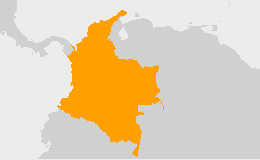
Las afiliadas de la CSI en Colombia son la Central Unitaria de Trabajadores (CUT) y la Confederación de Trabajadores de Colombia (CTC).
Colombia ratificó el Convenio nº 87 sobre la libertad sindical y la protección del derecho de sindicación (1948) en 1976 y el Convenio nº 98 sobre el derecho de sindicación y de negociación colectiva (1949) en 1976.
según la ley
Libertad sindical / Derecho de sindicalización
Libertad sindical
El derecho a la libertad sindical está consagrado en la Constitución.
El derecho a la libertad sindical está regulado por el Código de Trabajo
Discriminación antisindical
La ley prohíbe la discriminación antisindical
Restricciones al derecho de los sindicatos a organizar su administración
- Otras interferencias externas admitidas por la ley
- Se recurre a diversas figuras contractuales, tales como las cooperativas de trabajo asociado, los contratos de prestación de servicios y los contratos civiles o mercantiles, que encubren verdaderas relaciones de trabajo, para no permitir la sindicalización a los trabajadores. Una nueva ley de julio de 2008, relativa a las cooperativas de trabajo asociado, no ha dado, según los sindicatos, solución a este problema. En 2011, el Gobierno adoptó un decreto que prevé que ningún trabajador, incluidos los trabajadores asociados de las cooperativas, podrá contratarse sin los derechos laborales establecidos en la ley, e impone severas sanciones a las cooperativas que realicen intermediación laboral (Decreto 2025 de 2011, art. 3 y sgtes).
Derecho a la negociación colectiva
Derecho a la negociación colectiva
El derecho a la negociación colectiva está recogido en la Constitución
El derecho a la negociación colectiva está reconocido por la ley.
Restricciones al principio de negociación libre y voluntaria
- Exclusión de ciertas cuestiones del ámbito de la negociación (por ej. salarios, jornadas laborales)
- El régimen de pensiones no puede ser objeto de negociación colectiva (ley núm 100 de 1993).
Disposiciones que entorpecen el recurso a convenios colectivos y su eficacia
- Otras disposiciones legales que socavan la negociación colectiva
- La OIT había planteado la necesidad de garantizar que los "pactos colectivos" celebrados directamente con los trabajadores no sean utilizados para menoscabar la posición de las organizaciones sindicales ni la posibilidad en la práctica de celebrar convenciones colectivas con éstas. A este respecto, la Ley No. 1453 de 2011 sanciona con pena de uno (1) a dos (2) años y multa de cien (100) a trescientos (300) salarios mínimos legales mensuales vigentes a quien celebre pactos colectivos en los que, en su conjunto, se otorguen mejores condiciones a los trabajadores no sindicalizados, respecto de aquellas condiciones convenidas en convenciones colectivas con los trabajadores sindicalizados de una misma empresa. No obstante, según algunos afiliados, la aplicación de esta ley es compleja y en muchos casos dependerá de la valoración que haga el juez sobre los beneficios "en su conjunto".
Derecho de huelga
Derecho de huelga
El derecho de huelga está consagrado en la Constitución
El derecho de huelga está regulado por el Código de Trabajo
Prohibición o restricciones para ciertos tipos de acción de huelga
- Restricciones respecto al nivel o el ámbito de cobertura de una huelga (por ej. empresa, industria/sector, regional/territorial, nacional)
- El artículo 417, inciso i), del Código del Trabajo mantiene la prohibición de convocar huelgas para las federaciones y confederaciones..
Disposiciones que socavan el recurso a acciones de huelga o su eficacia
- Excesivas sanciones civiles o penales contra los trabajadores/as y sindicatos involucrados en acciones de huelga no autorizadas
- El artículo 450, párrafo 2, del Código del Trabajo posibilita el despido de trabajadores que hayan participado en una huelga declarada ilegal, incluso cuando la ilegalidad resulte de exigencias contrarias a los principios de libertad sindical.
Limitaciones o prohibición de hacer huelga en algunos sectores
- Determinación discrecional o lista excesivamente larga de «servicios esenciales» en los que el derecho de huelga queda prohibido o severamente restringido
- Continúan vigentes en la legislación normas que prohíben la huelga en una gama muy amplia de servicios públicos que no son necesariamente esenciales (artículo 430, incisos b), d), f), g) y h); artículo 450, párrafo 1), inciso a), del Código del Trabajo. Ley Tributaria núm. 633/00 y decretos núms. 414 y 437 de 1952; 1543 de 1955; 1593 de 1959; 1167 de 1963; 57 y 534 de 1967).
En la Práctica
En los tres primeros meses del año 2020, se han registrado siete asesinatos de dirigentes sindicales. El 26 de julio, el representante del gremio agrario y miembro de la guardia campesina del municipio de Corinto, en el Departamento del Cauca, José Gustavo Arcila Rivera, fue asesinado por un individuo que le disparó mientras trabajaba en su parcela, y luego huyó. Arcila fue trasladado hasta el hospital del casco urbano de Corinto, donde fallecería poco después a consecuencia de la gravedad de las heridas recibidas.
El 18 de febrero, el dirigente de la Unión Nacional de Trabajadores del Estado y los Servicios Públicos de Colombia (UTRADEC), William Manrique, fue víctima de un atentado cuando se dirigía a Bogotá luego de reunirse con gremios sindicales en la ciudad de Tunja. En el camino de regreso, fue interceptado por motociclistas que efectuaron varios disparos contra el vehículo en el que viajaba, uno de los cuales lo alcanzó en el pecho. Manrique sobrevivió al ataque gracias a que portaba un chaleco antibalas. El dirigente sindical ya había sido víctima de una serie de amenazas e intimidaciones debido a que realizó una serie de denuncias y acusaciones sobre hechos de corrupción en el sistema de salud en diversos hospitales de la ciudad de Bogotá.
El presidente de la subdirectiva de la USO en Puerto Gaitán, Jonathan Urbano, fue blanco de un atentado el 17 de febrero. Se dirigía a participar del taller de derechos humanos y paz de la Comisión nacional de derechos humanos de la USO. Viajaba en un vehículo de la Unidad Nacional de Protección (UNP), una entidad de protección y escolta adscrita al Ministerio del Interior de Colombia. Fue entonces cuando dos hombres en moto dispararon reiteradas veces contra la camioneta donde viajaban Urbano y tres acompañantes, incluido su equipo de seguridad. Afortunadamente no hubo que lamentar ningún herido.
Se trata del segundo episodio de violencia que experimenta un dirigente sindical de la USO en lo que va de año. David Ramírez, tesorero de la organización en Puerto Gaitán, sufrió un ataque con arma blanca el 13 de febrero, resultando herido en una mano; al mismo tiempo fue atacada su residencia. Los asaltantes fueron detenidos, pero la Policía Nacional los dejó en libertad, supuestamente por no portar en ese momento ninguna arma y a pesar de las evidencias que los involucraban en los hechos.
La USO ha informado asimismo que tres integrantes de la Junta subdirectiva de Puerto Gaitán fueron víctimas de agresiones y hostigamientos por parte de desconocidos. Otros cinco dirigentes de la Subdirectiva Meta también recibieron amenazas.
El 16 de febrero, el secretario de Prensa y Propaganda sindical de SUTIMAC en Cartagena, Turbaco Edgardo Puello Castro, recibió una llamada telefónica amenazante donde le advertían que si en 20 minutos no salía del Centro Recreacional La Locura, donde se encontraba con su familia, lo asesinaban; el compañero no dudó en abandonar el lugar de inmediato.
La multinacional Brinks de Colombia está aprovechando la pandemia para incrementar el despido de trabajadores y el acoso al sindicato. En efecto, desde marzo ha despedido a 15 trabajadores, casi todos sindicalizados, y ha incrementado los procesos disciplinarios, la antesala del despido, todo ello sin respetar el derecho al debido proceso.
Las relaciones entre el sindicato y Brinks se deterioraron desde mediados del año pasado, cuando la multinacional inició un proceso para levantamiento de fuero al presidente de la subdirectiva Bogotá, Rommel Enrique Díaz. Ese fue el comienzo de una campaña para deshacerse de trabajadores sindicalizados.
Desde entonces, en total ha solicitado 19 levantamientos de fuero a directivos sindicales en las diferentes subdirectivas. Uno de ellos es el propio presidente nacional del sindicato, Frank Gualdrón. Y en el mismo lapso se abrieron más de 80 procesos disciplinarios.
Lo que está sucediendo en Brinks obedece a una estrategia para liberase de la carga laboral de los trabajadores convencionados, haciendo una traslación a las pequeñas subsidiarias de Brinks, adquiridas por ésta en los últimos años, empresas que no tienen sindicato y por tanto concede menos beneficios a los trabajadores y sus condiciones de trabajo y salariales son precarias.
Entre febrero y diciembre de 2019, unidades del Ejército de Colombia realizaron seguimiento a más de 130 personas, incluidos dirigentes sindicales y defensores de derechos humanos. El vicepresidente de la Unión Nacional de Trabajadores del Estado y los Servicios Públicos de Colombia (UTRADEC), Humberto Correa, confirmó haber sido víctima de persecución a causa de su labor como secretario de Derechos Humanos de la CGT y en tanto que promotor del informe a la Comisión de la Verdad respecto del asesinato de dirigentes sindicales.
Yordan Tovar, directivo del Sindicato de Trabajadores Campesinos Fronterizos del Putumayo (SINTCAFROMAYO), filial de FENSUAGRO, fue asesinado el jueves 16 de enero a última hora de la tarde en la localidad de Teteyé, municipio de Puerto Asís.
De acuerdo con testigos del hecho, Tovar se encontraba en la tienda comunitaria del sindicato cuando hombres armados llegaron hasta el lugar y efectuaron varios disparos.
Durante 2019, la CUT Colombia denunció 12 homicidios, 198 casos de amenazas de muerte, 11 hostigamientos, cuatro atentados y una desaparición forzada, para un total de 226 incidentes violentos que afectaron de manera directa a trabajadores y líderes sindicales.
Por ejemplo, el 29 de enero de 2019 fue asesinado Dilio Corpus Guetio, miembro activo de la asociación campesina de base ASOCORDILLERA, afiliada a la Federación Nacional Unitaria Agropecuaria (FENSUAGRO). Viajaba junto con su hermana por una vía interveredal a bordo de una motocicleta cuando fueron golpeados por un automóvil del que descendieron varios hombres armados que efectuaron varios disparos a Corpus Guetio en la cabeza, causándole la muerte de manera instantánea. Corpus Guetio era miembro activo del comité veredal donde realizaba labores de verificación con respecto a la sustitución de cultivos ilícitos en la zona, condición que hace inferir a los líderes y demás miembros de dichas organizaciones que el homicidio fue un crimen social derivado de su labor como protector territorial y de comunidades.
La CUT indica que los sectores más afectados por esta violencia son el sector educativo, el sector del transporte y el sector minero y energético. La mayoría de los crímenes fueron cometidos por fuerzas paramilitares o matones contratados.
Cabe resaltar que la mayor parte de los casos no han sido resueltos por el Gobierno Nacional, que sigue sin asignar los medios necesarios para llevar a cabo investigaciones oportunas, concluyentes y con procesamiento judicial de responsables. De acuerdo con lo anterior, puede afirmarse que continúa existiendo una deficiente estructura de protección para la vida de los sindicalistas y sus familias manteniéndolos en un constante estado de amenaza.
Teniendo en cuenta la solicitud de Huawei ante el Ministerio de Trabajo para despedir a 289 trabajadores y la posterior autorización obtenida para el despido de 61 de ellos, la Unión Sindical de Trabajadores de las Tecnologías de la Información y Comunicación, Actividades Conexas y Complementarias (UNITRATEL) presentó apelación al Ministerio de Trabajo para que reconsiderara la autorización de despido masivo, reclamando así la aplicación del debido proceso y la corrección de anomalías laborales en Huawei.
El Sindicato Nacional de Trabajadores de la Industria Agropecuaria (SINTRAINAGRO) ha venido desarrollando una estrategia para promover la formalización de trabajadores tercerizados en la empresa agropecuaria Agrounión. Esos esfuerzos generaron represalias como el despido colectivo de la totalidad de los trabajadores tercerizados y un aumento significativo de relaciones comerciales con proveedores externos; además los empleadores han utilizado como estrategia jurídica la negación de la negociación bajo el amparo de supuestos vicios en la presentación de los pliegos.
Pese a los requerimientos del sindicato al Ministerio Público y ante la Defensoría del Pueblo, informando sobre la violación de derechos humanos y laborales, la inoperancia de las autoridades genera la percepción de que una falta de protección por el orden legal y constitucional, por lo que sindicalizarse implica el riesgo de ser despedido.
La Oficina en Colombia de la Alta Comisionada de las Naciones Unidas para los Derechos Humanos manifestó su preocupación por las medidas que adoptaron las autoridades antes de la huelga general en contra de las políticas gubernamentales programada para el 21 de noviembre de 2019.
En dicho contexto, la representante de las Naciones Unidas se refirió a la cuestión de los numerosos decretos, circulares e instrucciones que contemplaban la posibilidad de que los alcaldes y gobernadores aplicaran medidas como la declaración de toques de queda y el apoyo militar para el control del orden público en el marco del día de la protesta.
El organismo de la ONU recordó que los Estados deben limitar y condicionar al máximo el uso de las fuerzas militares para controlar los disturbios internos, ya que el adiestramiento, el equipo y las perspectivas de carácter militar no son los adecuados para garantizar la protección ni el control de los civiles. Las autoridades policiales están mejor preparadas para dichas tareas.
Según la normativa internacional, los límites y condiciones para la intervención de las fuerzas militares son las siguientes: la intervención debe ser temporal y limitada y estar subordinada y supervisada por las autoridades civiles. Asimismo, según destaca, debe regularse mediante protocolos diseñados para limitar el uso de la fuerza.
El organismo de la ONU recordó que las protestas pacíficas constituyen un derecho humano cuyo ejercicio refuerza a la democracia. Además instó a los manifestantes a ejercer sus derechos de manera responsable, de acuerdo con los derechos de reunión pacífica, libertad de expresión y libertad sindical.
Asimismo, dicho organismo explicó que ha seguido con preocupación los persistentes mensajes de origen no identificado que se han publicado en las redes sociales y en los medios de comunicación y que estigmatizan la protesta social, así como otros que solicitan el uso de la violencia contra las movilizaciones de múltiples sectores de la sociedad.
En este contexto de tensión creciente, las Naciones Unidas han recibido informes sobre registros de residencias particulares y oficinas (27 en Bogotá, cinco en Cali y cuatro en Medellín), algunos de ellos contra organizaciones de la sociedad civil y medios de comunicación alternativos.
Según destaca la ONU, al parecer dichos registros derivan de diferentes investigaciones que se iniciaron en diferentes fechas y que tienen relación con hechos ocurridos en diferentes períodos. Su orden de ejecución coincidió con las 48 horas anteriores al inicio de las manifestaciones.
La Central Unitaria de Trabajadores (CUT) emitió un comunicado de rechazo hacia las medidas policiales de allanamiento aplicadas en Bogotá, Cali y Medellín a organizaciones sociales días antes de la jornada de paro nacional anunciado para el 21 de noviembre. La posición de la CUT se dio como resultado de la acción coercitiva de la fuerza pública, que desvirtúa las garantías del Estado colombiano al derecho a la protesta.
El Sindicato Nacional del Transporte (SNTT) consideró ilegales e improcedentes los despidos de 11 operarios que laboraban en la Empresa Portuaria de Cartagena manejando el sistema de cámaras de seguridad del puerto. La empresa portuaria justificó estas desvinculaciones
aludiendo al abandono y daño que presentan los equipos de seguridad, situación ajena en gran medida a los empleados y que no puede comprometer la evaluación de su desempeño.
Miembros del Sindicato de Trabajadores de Brinks (SINTRABRINKS) recibieron amenazas de muerte dirigidas a los directivos y sus familias por parte del grupo ilegal denominado Águilas Negras. Dichas amenazas obedecieron a las acciones que el sindicato ha desarrollado en pro de las condiciones laborales de los trabajadores. La Secretaría General de UNI Global Union anunció que el movimiento sindical global continuará trabajando para que se respeten los derechos humanos y laborales y exhortó a la Ministra de Trabajo colombiana para que se garanticen espacios laborales libres de temor hacia la práctica de los derechos sindicales.
Tras 20 años de intentos de creación por parte del Sindicato Nacional de Trabajadores del Banco Agrario (SINTRABANAGRARIO), finalmente logró constituirse en octubre de 2019 con la participación de 34 trabajadores de la regional Santander, que presentaron pliego de peticiones. Este último escenario ha conllevado al despido de varios de los trabajadores fundadores y la presentación de una demanda que persigue la cancelación de la personería jurídica de SINTRABANAGRARIO. El naciente sindicato anunció que perseverará en existir, más aún ante una advertida restructuración organizacional que supondría la cesación de alrededor de 1.500 contratos laborales.
Miembros del Sindicato Nacional de Trabajadores del Sistema Agroalimentario (SINALTRAINAL) se encadenaron frente a la embotelladora de Coca Cola Bucaramanga como medio de protesta por el despido colectivo de 60 trabajadores que gozan de fuero sindical, condición que no puede ser desconocida por la empresa ya que solo un juez tiene la potestad de autorizar la terminación de contratos de trabajo amparados por este derecho. De igual manera, se requirió a la embotelladora para que dé soluciones a los pliegos de peticiones y así se termine la judicialización a la protesta y las amenazas de las que son víctimas los trabajadores.
El Sindicato Nacional de Trabajadores del Vidrio y Afines (SINTRAVIDRICOL) denunció que las empresas antioqueñas Moldes Medellín y Andes Cast Metals, que forman parte de la multinacional Grupo Ross, efectuaron 20 despidos directos y retiros masivos, catalogados de voluntarios, como resultado de un comportamiento arbitrario de la multinacional. El sindicato considera que el Grupo Ross viene implementando acciones antiobreras y antisindicales periódicas, a pesar de los diferentes requerimientos de revisión hechos por los trabajadores,
situación que conllevó a establecer acciones legales por parte de SINDRAVIDICOL en aras de proteger a sus sindicados.
La Unión Sindical Obrera de la Industrial del Petróleo (USO), en carta abierta suscrita por la Junta Directiva y dirigida a la Empresa Colombiana de Petróleos (ECOPETROL), manifestó su inconformidad ante la decisión de despedir, por segunda vez en menos de ocho meses, al Fiscal de la Junta Nacional, Ariel Corzo. El sindicato considera que la empresa actúa al margen de la ley laboral e incumpliendo decisiones judiciales que prohíben expresamente tomar esa decisión. Es por ello que la USO decidió elevar pliego de cargos contra ECOPETROL a través del Ministerio de Trabajo.
Trabajadores afiliados al Sindicato Nacional de Trabajadores del Sistema Agroalimentario (SINALTRAINAL) rechazaron la suspensión de contratos laborales que la Comercial NUTRESA ejecutó a trabajadores que ostentan la calidad de líder sindical, así como el acoso laboral al que fue sometida la practicante del Servicio Nacional de Aprendizaje (SENA) y los distintos problemas a que se enfrentan los cacaocultores y caficultores derivados de contratos leoninos que la empresa aplica a los campesinos del municipio de Girón. En este orden de ideas, SINALTRAINAL buscó que la jornada de protesta generara soluciones corporativas que propendieran por la protección de los trabajadores, el no maltrato a la mujer y el fin de la persecución sindical.
Igor Kareld Díaz, dirigente nacional del Sindicato de Trabajadores de la Industria del Carbón (Sintracarbón), y Juan Carlos Rojas, Dairo Mosquera, Gustavo Benjumea y Jairo Córdoba, miembros del Sindicato Nacional de Trabajadores de la Industria Minera, Petroquímica, Agrocombustibles y Energética (Sintramienergética), recibieron a través de las redes sociales un panfleto con amenazas de muerte firmado por las “Águilas Negras”, el 11 de mayo.
El grupo paramilitar amenaza con matar a los dirigentes por ser “guerrilleros disfrazados de trabajadores” que quieren imponer un nuevo socialismo en el país. Les dan 48 horas para salir del país o “sufrir las consecuencias”. Las amenazas se produjeron después de una reunión oficial que tuvo lugar el 6 de mayo, convocada por la Embajada de los Países Bajos y la central sindical neerlandesa CNV, con la participación de un grupo de parlamentarios neerlandeses, líderes sindicales, comunitarios y altos ejecutivos de las multinacionales Prodeco-Glencore,
Cerrejon y Drummond. Los parlamentarios querían conocer la situación de la minería del carbón y de los trabajadores en Colombia.
Tampoco es casualidad que tres de los sindicalistas amenazados estuviesen participando en la mesa de negociaciones con la empresa Drummond.
Los sindicatos del sector minero y energético de Colombia afiliados a IndustriALL –USO, Sintracarbón y Sintraelecol– publicaron un comunicado para rechazar y denunciar la intimidación. Aseguran que lo ocurrido forma parte de un proceso sistemático de exterminio de la oposición y de los líderes sociales en Colombia, afirmando que se han producido ya 262 asesinatos desde que Iván Duque asumió la Presidencia. Denuncian que el Gobierno desestimó estos hechos y no efectúa ninguna acción de protección, prevención y juzgamiento
Entre el 1 de enero y el 30 de noviembre de 2018 se registraron 194 violaciones a la vida, la libertad y la integridad física cometidas contra sindicalistas en Colombia, 82% de ellos eran líderes sindicales. De los casos registrados, 28 fueron homicidios, tres desapariciones forzadas, siete atentados contra la vida, un caso de tortura, 146 amenazas, dos desplazamientos forzados, seis hostigamientos a líderes sindicales y un allanamiento ilegal. De acuerdo a la información disponible, en un 52,06% de los casos los presuntos autores fueron los paramilitares, en el 41,7% de los casos los responsables no fueron identificados o mencionados, y en el 6,24% restante fueron agentes del Estado y la guerrilla. En la mayoría de los casos, los motivos de la violencia antisindical siguen estando relacionados con el rol social del movimiento sindical en los procesos de defensa de derechos humanos y laborales a nivel individual y colectivo, y la construcción de la paz a nivel local. Adicionalmente, se presentó un incremento en las acciones contra las organizaciones sindicales como colectivo (la violencia se dirige indiscriminadamente al grupo) pasando de nueve casos en el año 2017 a 36 casos en 2018. Colombia tiene una arraigada historia de violencia antisindical, entre 1973 y 2018, se han producido más de 14.804 violaciones contra sindicalistas, entre ellos 3.180 homicidios y 242 desapariciones forzadas.
Desde septiembre y hasta el final de 2018, ESIMED, empresa privada que se dedica a la prestación de servicios de salud, prohibió a los trabajadores de su sede en la ciudad de Ibague, departamento de Tolima, ingresar a sus puestos de trabajo, dejándoles a deber salarios y prestaciones. El sindicato SINTRASALUDCOL promovió a nivel nacional la movilización de sus afiliadas debido al continuo proceso de debilitamiento de las empresas del Grupo SaludCoop como consecuencia de la intervención del Estado en 2011. Esta situación se originó por la omisión del Gobierno en la vigilancia de los recursos públicos de la salud que eran administrados por el grupo, y la falta de transparencia en el consiguiente proceso de reestructuración, liquidación y venta de las empresas. Durante este proceso, las empresas del grupo han venido aplicando una política de persecución antisindical y se han negado sistemáticamente a establecer una mesa de concertación para garantizar los derechos laborales y sindicales de los trabajadores y la mejor forma para la prestación del servicio de salud a miles de personas a nivel nacional.
Durante el 2018, la empresa Cartón de Colombia S.A., perteneciente a la trasnacional Smurfit Kappa, se negó a cumplir los acuerdos de negociación colectiva y desarrolló una fuerte política antisindical a través de presión constante por parte de la gerencia para evitar que los trabajadores se afilien al sindicato de su elección. Asimismo, a los miembros del sindicato se les ha venido denegando sistemáticamente la licencia sindical para asistir a reuniones y otros asuntos sindicales, se llevaron a cabo maniobras para despedir injustamente dirigentes sindicales, y a menudo a los dirigentes les ofrecieron beneficios a cambio de información o la interposición de acciones legales contra el gremio, o dinero para que se desafilien. El 8 de octubre de 2018, el sindicato inició una semana de protestas frente a las instalaciones de la empresa en Medellín, departamento de Antioquia. Sin embargo, la empresa continua con su política de persecución.
En julio de 2018, la Corte Suprema de Justicia confirmó la ilegalidad de la huelga en la empresa privada de transporte aéreo Avianca, contraviniendo el Convenio 87 y los comentarios de la Comisión de Expertos de la OIT, y autorizó el despido de 107 pilotos, entre ellos miembros de la junta directiva del sindicato Asociación Colombiana de Aviadores Civiles (Acdac). El sindicato había iniciado en septiembre de 2017 una huelga de 51 días, exigiendo mejores condiciones económicas, horarios de trabajo dignos y otras medidas que garantizaran la seguridad aérea. El 20 de septiembre de 2017, la empresa abandonó las negociaciones con el sindicato y solicitó al Ministerio del Trabajo el establecimiento de un tribunal de arbitramento obligatorio. El 6 de octubre, el Tribunal Superior de Bogotá, que no debía haber intervenido hasta que la huelga alcanzara los 60 días, declaró ilegal la huelga alegando que el transporte aéreo es un servicio público esencial.
La multinacional Glencore, empresa explotadora y transportadora de carbón, lleva a cabo una política constante de violaciones del medio ambiente y contra los derechos laborales y sindicales en Colombia. A través de su filial Prodeco, maneja cinco entidades comerciales diferentes para llevar a cabo las operaciones de explotación de dos minas de carbón, un ferrocarril y la terminal portuaria. Los trabajadores, agrupados en Sintracarbón, han denunciado los abusos a los que están sometidos los trabajadores de las distintas minas, sujetos a diferentes términos y condiciones de trabajo, y a quienes se les niega la posibilidad de mantener negociaciones conjuntas como sindicato con un empleador común. Esta separación de la propiedad hace que sea mucho más difícil para el sindicato resolver problemas e identificar a un interlocutor responsable en las negociaciones. Además, en el transcurso de 2018, mantuvo su política de impedir que los trabajadores pudiesen elegir libremente el sindicato al que afiliarse, además de iniciar procesos disciplinarios para promover la desafiliación. Empleando una combinación de amenazas e incentivos, Glencore ha logrado que muchos sindicalistas renuncien al sindicato. Esta situación no es nueva ni desconocida para el Gobierno. Prodeco ha tenido que pagar casi 500.000 USD en multas por sus malas prácticas laborales en los últimos años, sin embargo, mantiene su posición contra los derechos de los trabajadores.
En la empresa Sociedad Portuaria Barranquilla, la convención colectiva es aplicada a todos los trabajadores de la empresa porque el sindicato tiene afiliados a más de la tercera parte de los trabajadores de la empresa. No obstante, la empresa no ha entregado al sindicato las cuotas sindicales de quienes se benefician de la convención, a pesar de que la legislación colombiana así lo establece (artículo 471 Código Sustantivo del Trabajo, artículo 69 Ley 50 de 1990).
La empresa Movilizamos S.A, no transfiere al Sindicato Nacional de Trabajadores de Rama, Servicios de la Industria del Transporte y Logística de Colombia (SNTT) el valor de las cuotas sindicales de los trabajadores afiliados. La organización sindical, solicitó en 2017 a la empresa información detallada sobre la totalidad de los descuentos realizados, pero la empresa no suministró la información ni transfirió las cuotas sindicales.
Algunos casos evidencian que el empleador interfiere en la libertad de elección de los trabajadores sindicalizados en el 2017. Los actos de injerencia de los empleadores comprenden, a manera de ejemplo, la conformación de sindicatos que controlan ellos mismos, cuyos afiliados ocupan lugares que deberían ocupar los trabajadores en espacios representativos. Entre otros espacios de representación, los empleadores en Colombia, en muchos casos, lograron interferir en la elección del Comité de Convivencia Laboral, encargado de prevenir el acoso laboral (Resolución 652 de 2012) y del Comité Paritario en Seguridad y Salud en el Trabajo (COPASST), encargado de vigilar y contribuir en el control de factores de riesgo en el trabajo, para prevenir accidentes de trabajo y enfermedades laborales.
A los trabajadores de la Unión General de Trabajadores Tercerizados de la Agroindustria (UGTTA) en la empresa Industrial Agraria la Palma Limitada (Indupalma) les han tratado de prohibir y controlar su acción sindical en el 2017, a través de comunicados públicos que denuncian el “carácter ilegal e ilegitimo” de dichas acciones. Entre otras conductas, el empleador no permitió decidir la huelga a los afiliados al sindicato y les impide entrar a las oficinas de la empresa para ejercer actividades sindicales.
La empresa ha favorecido además a la organización sindical de trabajadores contratados directamente, desconociendo por otro lado la existencia y vínculo de la UGTTA en la empresa.
En algunas empresas del sector público y privado en las que coexisten varios sindicatos, es notoria la preferencia que el empleador muestra respecto a alguno de ellos, bien porque no se opone a sus decisiones o porque el empleador tenga un interés particular en fortalecer una organización sindical sobre las demás para desincentivar la afiliación sindical a las organizaciones autónomas.
Algunos ejemplos notorios durante 2017 fueron:
En la empresa Bancamía, coexisten las organizaciones sindicales SINTRAMIA, OTRAMIC, y ASEFINCO. La empresa favoreció a la organización sindical SINTRAMIA otorgando a los trabajadores afiliados a este sindicato beneficios convencionales, sin tener convención colectiva, y la empresa les concede permisos con mayor facilidad que a los trabajadores afiliados a los otros dos sindicatos. Por otro lado, a los trabajadores afiliados a ASEFINCO les han desmejorado sus condiciones laborales y los someten a procesos disciplinarios, que terminan en sanciones, sin razones que lo justifiquen.
En la Sociedad Portuaria Buenaventura se ofrecieron mejores condiciones laborales y mejores beneficios sindicales a los trabajadores afiliados a Unión Portuaria, discriminando a los trabajadores afiliados a SNTT.
A los trabajadores afiliados a SINTRALAB en la empresa ALPINA S.A, les negaron sistemáticamente los permisos sindicales durante el año 2017, aduciendo que los permisos deben ser solicitados a través del otro sindicato que existe en la empresa, denominado SINTRALPINA.
En la empresa CHM minería, los trabajadores afiliados a la organización sindical SINTRACHANEME, son sometidos a trabajos pesados aún teniendo restricciones médicas, por lo que su salud se empeora aún más, según lo denuncia el sindicato durante el año 2017. Además, los jefes directos agreden verbalmente a los trabajadores sindicalizados, manifestándoles que no los respetaran hasta que no se desafilien del sindicato.
En la empresa Recaudo Bogotá, los trabajadores afiliados al sindicato SINTRARECAUDO, constantemente son llamados a descargos, con violación al debido proceso, y han sido sancionados e incluso despedidos a lo largo de 2017. En esta entidad los trabajadores sindicalizados son acosados, viéndose obligados a realizar funciones que no corresponden a su cargo.
En la empresa DHL zona franca, en la ciudad de Bogotá, a los pocos trabajadores afiliados a la organización sindical SNTT, que tienen como función transportar envíos y encomiendas, les imponen rutas de entrega más largas que a los demás trabajadores de la empresa y les fijan un límite de envíos superior al límite establecido por la empresa. Además, son llamados a descargos de forma constante, sancionados y despedidos.
En la empresa SMITCO en la ciudad de Santa Marta, durante el año 2017, los trabajadores afiliados a la organización sindical SNTT, son llamados a descargos de manera constante sin motivos reales, se les violenta el debido proceso disciplinario y los sancionan y despiden. Algunos trabajadores sindicalizados acumulan hasta cinco sanciones por varios días.
En la empresa CIAMSA, Azúcares y Mieles S.A, los trabajadores afiliados a SNTT Buenaventura fueron desmejorados en sus condiciones laborales, ya que no se les aplicó el mismo incremento salarial que a los demás trabajadores de la empresa. En 2017, la empresa despidió a cuatro trabajadores, uno perteneciente a comisión de quejas y reclamos.
La empresa BIMBO de Colombia, ofreció a lo largo del año mejores beneficios laborales y económicos a los trabajadores no sindicalizados, por medio de un pacto colectivo. En esta empresa los trabajadores sindicalizados son víctimas de acoso laboral, mediante llamados de atención injustificados y procedimientos disciplinarios que terminan en sanciones y despidos. Los trabajadores sindicalizados en la empresa tienen inconvenientes a la hora de acceder a beneficios de vivienda, mientras que los trabajadores no sindicalizados no tienen los mismos inconvenientes.
En Colombia es frecuente que las empresas, ante la creación de un sindicato, se nieguen a recibir la notificación formal que se los informa, y reaccionen con el despido de trabajadores afiliados, para desestabilizar la organización y para enviar un mensaje a quienes no se han sindicalizado, de las represalias que la empresa puede tomar en caso de que decidan afiliarse.
Fue lo que ocurrió en la empresa Buenaventura Medio Ambiente, donde se creó en 2016 el sindicato SINTRABMA e inmediatamente después de su establecimiento serían despedidos tres miembros de la junta directiva. Para 2017, los despidos ascendieron a nueve trabajadores en esta empresa.
La empresa Profamilia estableció unilateralmente un “plan de beneficios”, vigente durante el año 2017, concediendo mejores derechos que los contenidos en la convención colectiva de trabajo y discriminando a los trabajadores sindicalizados. En esta misma empresa, se realizan capacitaciones a los jefes del personal, para desalentar las afiliaciones a la organización sindical y se ofrece dinero a los trabajadores sindicalizados, para que se desafilien del sindicato.
Se presentan conductas frecuentes de acoso laboral y despiden sin justa causa a los trabajadores sindicalizados. Ha sido el caso del administrador de la clínica Profamilia de Bogotá, quien se afilió al sindicato en el año 2017 y el mismo día en que la organización sindical informó la afiliación del trabajador, este fue llamado a descargos para la terminación de su contrato de trabajo. A pesar de que el trabajador solicitó las pruebas que la empresa tenía en su contra y pidió un plazo para defenderse, la empresa lo sacó de su lugar de trabajo pagándole su salario y un mes después fue despedido presuntamente con justa causa.
Omar Arango Jiménez, fiscal de la Asociación de Institutores de Antioquía (ADIDA) fue víctima de un atentado el 21 de diciembre de 2017. El hecho se presenta cerca a la sede del sindicato mientras se encontraba en una actividad con varios integrantes de la organización, sujetos desconocidos se acercaron, le robaron el celular y realizaron unos disparos que afortunadamente no alcanzaron a impactar al dirigente.
Orlando de Jesús Caicedo Madroñero era docente en el Centro Educativo El Cancino y afiliado desde hacia 23 años al Sindicato del Magisterio de Nariño (Simana). El docente, que había participado en el Movimiento de Integración Regional (MIR) y en diversos procesos con organizaciones sindicales y campesinas, fue asesinado por hombres armados que se desplazaban en motocicletas, el 17 de noviembre de 2017 en el municipio de Samaniego, Nariño.
José Luis López Vela quien era parte de la Junta Directiva de la Unión de Trabajadores Penitenciarios – UTP-, fue asesinado el 14 de noviembre del 2017. Los hechos ocurrieron cuando salía de la Cárcel Municipal de Jamundí, fue abordado por unos sujetos con armas de fuego en el sector de Las Veraneras, en el caserío El Guabal.
Alfonso Viafara Caicedo, presidente del Sindicato Nacional de Trabajadores de la Industria Agropecuaria (Sintrainagro) Seccional Pradera, recibió amenazas a través de su celular el 30 de octubre de 2017. El 10 de noviembre del mismo año, mientras Alfonso se encontraba en su domicilio con su familia, efectuaron seis disparos en dirección a su casa.
El 23 de octubre de 2017 fue convocado un cese de actividades por parte de los conductores de taxi pertenecientes al Sindicato Nacional de Taxistas y Conductores del Servicio Público de Transporte (Sinaltax-Bogotá). En represalia, las autoridades de tránsito decidieron imponer un gran número de comparendos (110 sanciones en total) por obstrucción de vías de la ciudad a taxistas que habían llevado su taxi a la protesta. Durante el cese, en varias ocasiones el Escuadrón Móvil Antidisturbios (ESMAD) trató de repeler a los taxistas haciendo uso desmedido de la fuerza, sobre la Avenida de las Américas.
Yuli Higuera, presidenta del Sindicato de los trabajadores de Claro y del sector de las TIC (Utraclaro) fue amenazada a través de un panfleto y un arreglo floral el 20 de octubre de 2017 en Bogotá. La amenaza se produjo cuando se habían efectuado denuncias por la violación de derechos laborales y sindicales, extendiéndose asimismo a toda la junta directiva y a miembros de su familia.
Omar Romero Díaz, dirigente sindical de Sindicato Unitario de Trabajadores de la Industria de Materiales para Construcción (SUTIMAC) sufrió un atentado el 20 de octubre de 2017 en el municipio de Yumbo, Valle. Mientras se dirigía a su residencia, su vehículo fue abordado por dos hombres que desde una motocicleta dispararon contra el sindicalista. Gracias a la rápida y oportuna reacción de uno de los escoltas, el dirigente salió ileso.
El 13 de octubre de 2017 Gabriel Becerra, Nixon Padilla y Andrés Álvarez, afiliados al Sindicato de Trabajadores y Empleados Universitarios de Colombia (Sintraunicol) en la Universidad Cooperativa de Colombia, sede Bogotá, fueron amenazados junto a otros líderes sociales, mediante un panfleto de las Autodefensas Gaitanistas de Colombia
Luis Alberto Galvis Martínez, dirigente de la Unión Sindical Obrera (USO) fue víctima de un atentado el 11 de octubre de 2017. Un sujeto con un arma punzante causó daños a las llantas de su vehículo, rompió el espejo retrovisor y un ventanal de la casa donde se aloja el líder sindical. La policía capturó este individuo quien dirigiéndose al dirigente y a su cuñado les expresó que a los dos los mataría gratis.
El Ministerio de Trabajo de la Territorial Funza, se negó a realizar la inscripción de la junta directiva nacional del Sindicato Nacional de Trabajadores de Rama y Servicios de la Industria del Transporte de Colombia (SNTT), electa el 27 de septiembre del 2017, justificando la inspectora Andrea Isabel Carillo Blanco su negativa en que sólo se pueden inscribir 10 miembros.
El sindicato interpuso acción de tutela y, por orden judicial, la inspectora se vio obligada a realizar la inscripción de los 18 miembros electos. Se ordenó asimismo realizar una investigación disciplinaria a la inspectora por injerencia arbitraria en la libertad sindical.
El 23 de septiembre de 2017, mientras Pedro Emilio Guerra presidente de la Asociación de Trabajadores Campesinos de Nariño (ASTRACAN), filial de Fensuagro, se encontraba en la plaza principal del municipio del Peñol, Nariño, organizando con algunos líderes de la región, un sujeto desconocido se acerca y lo amenaza públicamente.
El Sindicato de Trabajadores de la Fundación sin ánimo de lucro Pascual Bravo (Sintraplús), se ha interesado en hacer veeduría a los procesos de contratación y los recursos del transporte público y, al identificar ciertas irregularidades efectuó las denuncias pertinentes, algunas de ellas en acción conjunta con el Sindicato de Trabajadores y Empleados del Sistema de Transporte del Valle de Aburra (Sintrametro). Conviene señalar que los trabajadores han venido sufriendo persecución, acoso laboral y amenazas entre los meses de julio y agosto del 2017 contra su presidente John Fredy Pulgarín y otro de sus directivos John Fredy Zabala.
Richard Monterroza es el presidente del Sindicato Nacional de Trabajadores de la Agroindustria de Colombia (Sintracol), filial de Fensuagro, con sede en Apartadó subregión del Urabá Antioqueño. El dirigente sindical fue víctima de amenazas por parte de grupos paramilitares en mayo y agosto de 2017.
Juan José Argumero Campo, docente, educador y activista afiliado a la Asociación de Institutores y Trabajadores de la Educación del Cauca (Asoinca), fue asesinado el 15 de agosto de 2017 por unos desconocidos que lo interceptaron camino a la Institución Educativa Indígena del resguardo de Quintana donde laboraba, ubicada al norte de la ciudad de Popayán.
El 09 de agosto de 2017 en el municipio de Piamonte, Cauca, fue asesinado Fernando Asprilla, integrante de la Asociación de Trabajadores Campesinos de Piamonte Cauca (Asintracampic), filial de la Federación Nacional Sindical Unitaria Agropecuaria (Fensuagro). El líder campesino y sindical era ex presidente de la Junta Comunal de la Vereda la Tigrera, coordinaba y representaba el Movimiento Social y Político Marcha Patriótica.
El 6 de agosto de 2017, en el municipio de El Rosario, Nariño, fue asesinado Nidio Dávila quien era líder campesino, defensor de derechos humanos e integrante de la Asociación de Trabajadores Campesinos de Nariño (ASTRACAN) subdirectiva Rosario, filial de la Federación Nacional Sindical Unitaria Agropecuaria (Fensuagro). Se amenazó además a todas las personas que estuvieran de acuerdo y continuaran trabajando en pro de la sustitución voluntaria de cultivos de uso ilícito en este municipio, como parte de la implementación de los acuerdos firmados entre el Gobierno y las FARC. Según residentes locales, quienes realizaron estos hechos fueron las “Autodefensas Gaitanistas de Colombia AGC”.
En agosto de 2017, en el transcurso del proceso de negociación colectiva, la empresa Bancamía impidió que se publicara información en los carteles colocados a tal efecto dentro de la empresa, y retiró los documentos fijados en las diferentes sucursales del banco. La entidad bancaria no permitió publicidad sobre el sindicato ni reparto de boletines dentro de la entidad. Tampoco ha permitido poner carteles sindicales dentro de las oficinas.
José Socimo Erazo, presidente de la Unión Sindical Obrera (USO) Subdirectiva Orito, fue víctima de una amenaza el 31 de julio de 2017. Un hombre llegó a las instalaciones de la Subdirectiva USO-Orito y le informó que le han puesto precio a su cabeza porque el dirigente viene haciendo denuncias sobre irregularidades en la rotación laboral.
Manuel Jaime Arango Maya era rector de la Institución Educativa Rafael Uribe Uribe en Medellín y estaba afiliado a la Asociación de Institutores de Antioquía (ADIDA). Manuel fue asesinado el 27 de julio de 2017 frente a la Institución Educativa San Juan Bosco ubicada en el barrio Campo Valdés.
El 1 de julio de 2017, en el municipio de El Cerrito, Valle, dos sicarios en moto disparan y matan a Alberto Román Acosta, presidente del Sindicato Nacional de Trabajadores de la Industria Agropecuaria (Sintrainagro) seccional Guacarí, según denunció la CUT.
En julio de 2017 la empresa Bimbo de Colombia prohibió al Sindicato de Trabajadores repartir boletines y entregar información a los trabajadores, en el momento en que se requería tomar la decisión de la huelga.
El 21 de junio, en el municipio de Buenos Aires, Cauca, fue asesinado Mauricio Vélez López quien se desempeñaba como Vicepresidente Nacional de Sintraunal. Según el comunicado de denuncia del sindicato, entre 10 y 12 hombres vestidos de negro, encapuchados, con guantes y botas pantaneras, sin ningún tipo de identificación, ingresaron a la casa donde se encontraba y se lo llevaron, su cuerpo sin vida fue encontrado en la madrugada del día siguiente.
El 6 de junio de 2017 aparecieron grafitis con amenazas en las paredes de la sede de la Asociación Sindical de Profesores de la Universidad del Tolima (ASPU-UT), ubicada dentro del campus de la Universidad del Tolima. Dichas amenazas fueron realizadas por un grupo de encapuchados. ASPU-UT denunció además que el 13 de junio de 2017 su sede fue asaltada, se reportó el robo de un computador portátil que contenía información de la asociación y sus afiliados, los archivos físicos se encontraban violentados, mostrando evidencia de que se buscaba alguna información determinada.
La Federación Colombiana de Trabajadores de la Educación (Fecode) denunció varios crímenes contra docentes cometidos en el marco del paro nacional del magisterio.
Washington Otero Cedeño, docente afiliado a la Asociación de Maestros de Córdoba (Ademacor), fue asesinado el 6 de junio de 2017 cuando salía de la Institución Educativa Sabalito ubicada en zona rural del municipio de Puerto Escondido, Córdoba.
Juan Artunduaga se desempeñaba como docente de la Institución Educativa José Eustasio Rivera ubicada en el corregimiento Bruselas del municipio de Pitalito y era afiliado de la Asociación de Institutores Huilenses (ADIH). Luego de permanecer desaparecido durante varios días su cuerpo sin vida fue encontrado el 7 de junio de 2017 en el municipio de Paletara, Cauca.
El 8 de junio de 2017 fue asesinada Johana Alarcón docente de la Institución Educativa Gabriela Mistral y afiliada al SUTEV. La docente fue asesinada en Cali, Valle, al llegar a su casa sujetos desconocidos le propinaron cuatro impactos de bala.
El 7 de junio de 2017, Joel Riaño Quimbaya, docente y miembro de la Asociación de Institutores Huilenses (ADIH), sufrió un atentado con arma de fuego en el municipio de Pitalito, Huila.
Según la CUT Antioquia, un dirigente sindical del sector minero, quien además participaba en plataformas de derechos humanos del Valle de Aburrá, venía siendo amenazado durante los últimos años y se vio obligado a exilarse en el primer semestre del año 2017.
El 22 de mayo de 2017, 40 trabajadores de la multinacional Mansarovar, entre los que se encontraban 5 sindicalistas de la Unión Sindical Obrera (USO), fueron detenidos por la policía y retenidos hasta el día siguiente.
Cuando llevaban más de 50 días haciendo huelga, el 21 de abril de 2017 fueron amenazados 12 afiliados del Sindicato de Trabajadores y Empleados de la Empresa Big Group Salinas Colombia (Sintrasale) y del Sindicato Nacional de Trabajadores de Big Group Salinas de Manaure (Sintrabgsalinas). El 22 de mayo de 2017 fue víctima de un atentado el presidente de esta última organización, Carlos Andrés Gómez Galván.
Cesar Augusto Leguizamon Frankis era trabajador del sistema penitenciario y estaba afiliado a la Unión de Trabajadores Penitenciarios (UTP) en Tolima. El 15 de mayo de 2017 cuando salía del establecimiento carcelario “Picaleña” en Ibagué-Tolima, fue alcanzado por tres disparos efectuados por desconocidos quienes se movilizaban en una motocicleta. En un panfleto amenazante el grupo armado El Clan del Golfo se atribuye su asesinato.
El 14 de mayo del 2017 fueron asesinados Calet Morales y Diomar Valverde, dos campesinos del municipio de Puerto Asís en Putumayo, afiliados a Fensuagro.
El 13 de mayo de 2017 fue asesinado tras recibir tres impactos de arma de fuego Mario Andrés Calle Correa, quien era presidente de la Asociación de Trabajadores Campesinos del Valle del Cauca (Astracava), filial de Fensuagro. El crimen ocurrió en el Corregimiento Santa Rosa de Tapias, vereda Alto Pomares, del municipio de Guacarí, Valle
Enrique Albeiro Franco Valderrama y Luis Alberto Pinzón Zamora, dirigentes de la Confederación General del Trabajo (CGT) subdirectiva Antioquia fueron amenazados por las Autodefensas Gaitanistas de Colombia el 12 de mayo de 2017.
El 11 de mayo de 2017, miembros del Sindicato Nacional de Trabajadores del Sistema Agroalimentario (Sinaltrainal) realizaron una reunión informativa sobre el pliego de peticiones que presentarían a la empresa Colombina S.A, en el municipio de Cota, Cundinamarca. Según comunicado de Sinaltrainal, dos agentes de la Policía Nacional se presentaron en el lugar con pasamontañas y sin placas de identificación y, de manera violenta, dispersaron a los asistentes y quitaron los pasacalles de la organización. Posteriormente llegaron Luego, al lugar llegaron, 13 policías que afirmaron haber sido llamados porque las directivas de COLOMBINA S.A. señalaron que un grupo no identificado estaba evitando el ingreso y la salida de los trabajadores, lo cual, según el sindicato, no estaba ocurriendo.
El 10 de mayo de 2017, un grupo de 16 sindicalistas pertenecientes a la Asociación de Trabajadores Enfermos y Afectados por la Industria Minero-energética (Asotrasdimene) que habían sido despedidos por ECOPETROL en Barrancabermeja, Santander, se encadenaron frente a las instalaciones de la empresa con el propósito de protestar contra los despidos injustificados de trabajadores con problemas de salud. El mismo día que se inició la protesta, los manifestantes fueron desalojados de manera violenta del lugar.
El 9 de mayo de 2017, llegó a las oficinas de la Confederación Sindical CUT Valle un documento con amenazas de las “Autodefensas Gaitanistas de Colombia”, grupo armado paramilitar, en el que se declaraba objetivo militar a diferentes organizaciones sociales y sindicales de la región.
El 9 de mayo de 2017, Liseth Muñoz y Mauricio Naranjo, afiliados al Sindicato de Empleados Unidos Penitenciarios (SEUP-S.I), fueron víctimas de un atentado en el cual resultaron heridos en el municipio de Caucasia, Antioquia. Los hechos ocurrieron mientras realizaban un traslado de dos internos hacia la ciudad de Medellín.
Enrique José Arévalo presidente de Sinaltrainal seccional Barranquilla fue víctima de una amenaza el 28 de abril de 2017. En la puerta de la sede sindical fue encontrada una caja de cartón que contenía una corona fúnebre, la foto de Enrique José y fotos de sus dos hijas y su madre, junto con una amenaza de muerte.
Eric de Jesús Amador Toro y Rodrigo Medina, directivos del Sindicato Nacional de Trabajadores de Salud en Colombia (Sintrasaludcol), quienes venían presentado denuncias contra Saludcoop/Cafesalud, han recibido varias amenazas en el transcurso del año 2017. Eric de Jesús, directivo de la seccional de Barranquilla fue amenazado el 16 de marzo de 2017 presuntamente por el grupo guerrillero Ejército de Liberación Nacional (ELN). Rodrigo Medina, directivo de la subdirectiva Cali, recibió asimismo amenazas el 25 de abril de 2017.
Mientras se encontraban en una huelga de más de 50 días, el 21 de abril de 2017 fueron amenazados 12 afiliados del Sindicato de Trabajadores y Empleados de la Empresa Big Group Salinas Colombia (Sintrasales) y del Sindicato Nacional de Trabajadores de Big Group Salinas de Manaure (Sintrabgsalinas). Entre los amenazados se encuentran Luis Eduardo Porras Deluque, Robin Ramos Julio, Ricardo Francisco Barliza Gamarra, Oneida Mejía Iguarán y José Marquez, afiliados a Sintrabgsalinas; así como Carlos Humberto Fernández Manjarrés, Carlos Andrés Gómez Galván, José Damián Ducand, Jary Bolaños Blanco, Alex Eloy Martínez Pinedo, Amilcar Rafael Aldana Mendoza y Carmen Alfaro Fonseca Mendoza, todos ellos afiliados a Sintrasales.
Francisco Ramírez Cuellar, dirigente de la Federación Unitaria de Trabajadores Mineros, Energéticos, Metalúrgicos, Químicos, de las Industrias Extractivas, Transportadoras y Similares de Colombia (Funtramiexco), fue víctima de un atentado en su propia oficina el 21 de abril de 2017.
Carlos Arturo Molina, dirigente del Sindicato de Trabajadores y Empleados Universitarios de Colombia (Sintraunicol) seccional Quindío, fue amenazado el 18 de abril de 2017. A raíz de la amenaza por el apoyo de la organización al proceso de paz, el dirigente decidió abandonar la presidencia del sindicato.
El 17 de abril de 2017, en la Institución Educativa Distrital Benjamín Herrera ubicada en Bogotá, fueron encontradas tres misivas firmadas por el grupo paramilitar las “Águilas Negras”. En los comunicados se expresan amenazas a la vida e integridad de los dirigentes de la Asociación Distrital de Educadores (ADE). Según David Cerero Chitiva, afiliado a la asociación, los profesores amenazados habían estado participando en cátedras e investigaciones sobre los acuerdos de paz junto a los estudiantes.
Huber de Jesús Ballesteros, dirigente nacional de la Federación Nacional Sindical Unitaria Agropecuaria (Fensuagro) y actualmente integrante del Movimiento Social y Político Marcha Patriótica, recibió una amenaza del grupo paramilitar “Autodefensas Unidas de Colombia” el 17 de abril de 2017. Unas semanas más tarde, el 8 de mayo, varios desconocidos irrumpieron en su domicilio en Cauca, dejando abiertas puertas y ventanas, pero no robaron nada. Al día siguiente recibió otra nota amenazando con violar a su esposa y su hija, confirmando además haber entrado a su vivienda el día anterior. El 7 de junio nuevamente Huber y su hija fueron amenazados por las “Autodefensas Unidas de Colombia”, le señalan que los Acuerdos de Paz no se implementarán, y lo declaran objetivo militar. Le indican que no les importa que tenga protecciones y además dicen saber que su hija y esposa no cuentan con seguridad alguna. Por último, le sentencian que volverá a la cárcel, de donde según ellos, nunca debió salir.
Edinson Montenegro trabajaba en la cárcel de Tuluá y era activista de la Unión de Trabajadores Penitenciarios (UTP). El líder sindical había denunciado casos de corrupción dentro del centro penitenciario. Fue asesinado el 12 de abril de 2017 por un individuo que sería capturado minutos después en Tuluá.
El 7 de abril de 2017, una amenaza por parte de las Autodefensas Gaitanistas de Colombia (AGC) llegó a los correos electrónicos de líderes y defensores de derechos humanos del Cesar. Entre los dirigentes sindicales amenazados se encuentran Javier Martínez Cabello, presidente del sindicato del metal Sintraime y secretario de Derechos Humanos de la Central Unitaria de Trabajadores (CUT) subdirectiva Cesar, así como Elvia Jiménez, dirigente de la Federación Nacional Sindical Unitaria Agropecuaria (Fensuagro).
Gerardo Barona Avirama, Luis Elmer Fernández y María Elena Gómez, miembros a la Asociación de Trabajadores pro Constitución Zonas de Reserva Campesina de Caloto (Astrazonacal), filial de Fensuagro, y defensores de derechos humanos, fueron amenazados por parte de las “Águilas Negras” el 6 de abril de 2017, siendo calificados de “corruptos y líderes bandidos que se reúnen con las FARC-EP”.
El 30 de marzo de 2017, cuando las centrales obreras y las federaciones de empleados públicos presentaron el tercer pliego nacional estatal al Gobierno Nacional, los trabajadores del Estado realizaron una manifestación en Bogotá en protesta por el hecho de que en la mesa de negociación no estuviera presente el Ministro de Hacienda Mauricio Cárdenas. La acción de protesta fue reprimida por el Escuadrón Móvil Antidisturbios (ESMAD), cuyos agentes irrumpieron y disolvieron la manifestación, agrediendo a los trabajadores que se encontraban allí.
El 2 de marzo de 2017, afiliados al Sindicato de Trabajadores del Hospital San Francisco (SINTRASANFRANCISCO), realizaron una manifestación pública frente a las oficinas de la alcaldía en la ciudad de Ibagué. Según Yesid Camacho, presidente del sindicato ANTHOC, durante el transcurso de la protesta, llegaron agentes del Escuadrón Móvil Antidisturbios (ESMAD) a la zona de concentración para desalojar por la fuerza a los manifestantes que en su mayoría eran mujeres; incluso hubo intentos de detener a algunos de los manifestantes.
El 23 de marzo de 2017 aparece un mensaje amenazante en las redes sociales: “@JuanpTello: @Las2Orillas gracias a seguridad democrática, guerrilleros sindicalizados como @PalmaEdwin, se dan el lujo de quedarse en casa y no en fosa”. Conviene señalar que Edwin Palma Egea, vicepresidente de la Unión Sindical Obrera (USO) había realizado un artículo desde el portal las 2Orillas por la fecha de la amenaza.
Víctor Manuel Muñoz Córdoba, integrante de la Asociación de Trabajadores Campesinos del Municipio de Balboa (ASTCABAL), filial de la Federación Nacional Sindical Unitaria Agropecuaria (Fensuagro-CUT), fue víctima de un atentado el 14 de marzo de 2017 en el corregimiento La Planada, municipio de Balboa- Cauca. El vehículo público en el que viajaba fue detenido por sujetos con el rostro cubierto con pasamontañas que amenazaron con arma de fuego a los ocupantes. Cuando Víctor decide tirarse del vehículo y huir, los sujetos efectúan tres disparos y uno de los proyectiles le impactó el brazo derecho. Consiguió lanzarse por un costado de la montaña cayendo al rio Turbio que lo arrastró hasta que encontró ayuda para trasladarse a un hospital.
La legislación colombiana consagra la posibilidad de negociación entre empleador y trabajadores no sindicalizados, mediante la figura de Pactos Colectivos (artículo 481 Código Sustantivo del Trabajo). Sin embargo, la práctica ha demostrado que cuando son utilizados en las empresas donde hay sindicato, se convierte en una estrategia antisindical, que atenta contra la posibilidad de negociación colectiva.
El modus operandi es que se finge o simplemente no existe, una negociación con los trabajadores no sindicalizados, y se otorgan iguales o superiores beneficios a los contemplados en la Convención Colectiva. Para ser beneficiario de tales ventajas el trabajador debe ser no sindicalizado. Se ha demostrado que el número de afiliados a un sindicato sufre una caída, estancamiento o hasta desaparición, cuando se imponen Pactos Colectivos.
Durante el año 2016, los siguientes 37 sindicatos tenían querellas ante el Ministerio de Trabajo por el uso ilegal de Pactos Colectivos, las cuales siguen activas en este momento ante instancias administrativas:
1. Sinaltrainbec vs. Cervecería del Valle S.A.
2. SINALTRACEBA vs. BAVARIA
3. SINTHOL vs. Club Campestre el Rodeo
4. Sindicato de trabajadores de cajas de compensación familiar (SINALTRACAF) vs. Comfenalco Cartagena
5. Sinaltradihitexco vs. Tejidos de punto Linda Lana
6. SINALTRAINBEC subdirectiva Cartagena vs. Maltería Tropical S.A.
7. SINALTRAINBEC subdirectiva Tocancipá vs. Bavaria S.A.
8. SINTRACORPAUL vs. Corporación de Fomento Asistencial del Hospital Universitario San Vicente de Paul (Corpaul)
9. Sindicato de trabajadores de empresas de servicios públicos domiciliarios de Norte de Santander (SINTRAEMSPDNS) vs. Aguas Kpital Cúcuta S.A. E.S.P.
10. Sindicato Nacional de la Industria Lechera (SINTRAINDULECHE) vs. Proleche S.A.
11. Sindicato Nacional de Trabajadores del Sistema Alimentario (SINTRALIMENTICIA) vs. Comercial Nutresa S.A.S.
12. SINTRALIMENTICIA vs. Industrias de alimentos ZENÚ S.A.S.
13. SINTRANUTRESA vs. Comercial Nutresa S.A.
14. Sindicato Nacional de Trabajadores de la Promotora Turística del Caribe S.A. (SINTRAPROTUCARIBE) vs. Promotora Turística del Caribe S.A. (PROTUCARIBE)
15. Sindicato Nacional de la Industria Química y/o Farmacéutica de Colombia Seccional Cartagena (SINTRAQUIM) vs. Abocol S.A.
16. Sindicato de Trabajadores de la industria textil (SINTRATEXTIL) seccional Medellín vs. Leonisa S.A.
17. ASEFINCO vs. Bancamía
18. SINPRISA vs. Caracol
19. SINPROSEG vs. Seguridad Atlas
20. SINTRALPLA vs. Alpla
21. SINTRABRINKS vs. Brinks
22. SINTRAIMAGRA vs. Sociedad Mejía
23. SINTRAPULCAR vs. Protisa
24. UNTRAEMIS vs. Grupo Emi
25. SINTRAOSI vs. Medisanitas
26. UNITRAPELPAK vs. Pelpak S.A.
27. UNISINTRAGAL vs. Gaseosas Lux
28. SINTRABRINSA vs. Brinsa S.A.
29. SNTT vs. Sociedad Portuaria Regional de Buenaventura S.A.
30. SNTT vs. DHL
31. USTI vs. ALPLA S.A.
32. USTI vs. Simens
33. USTI vs. Fiberglass
34. SINALTRABIMBO vs. Bimbo de Colombia S.A.
35. SINTRAIME vs. Dimantec Ltda.
36. SINTRAPROF vs. Profamilia
37. UTIBAC vs. AJE de Colombia
El 8 de marzo de 2017 se produjo un atentado frente a la sede del Sindicato Nacional de Trabajadores de la Industria Agropecuaria (Sintrainagro) seccional Ciénaga, en el departamento de Magdalena, ocasionando diversos daños en su infraestructura. Se encontraban reunidos allí directivos sindicales nacionales y de la seccional. El artefacto explosivo impactó bajo el vehículo del dirigente de Sintrainagro, Medardo Cuesta Quejada, estacionado frente a la sede sindical.
Los hermanos José Antonio y Luz Ángela Anzola Tejedor, trabajadores agrícolas afiliados al Sindicato de Trabajadores Agrícolas Independientes del Meta (Sintragrim), filial de la Federación Nacional Sindical Unitaria Agropecuaria (Fensuagro), fueron asesinados el 5 de marzo de 2017 en su domicilio el municipio de Mesetas, Meta. Según el presidente del sindicato, David Martínez “Las personas que llegaron a la casa estaban encapuchadas y armadas. Llegaron en la noche se identificaron como grupos ilegales”.
Los días 4 y 5 de marzo, unos desconocidos tomaron fotos a la residencia de Daniel Sosa, presidente de la USO Subdirectiva Barrancabermeja. Desde el mes de agosto de 2016 se habían denunciado las amenazas que él y otros dirigentes de la USO recibieron en esa misma ciudad.
El 4 de marzo de 2017, dirigentes de la Unión Sindical Obrera (USO) seccional Huila, Rudesindo Charry, José Orlando Salazar, Nelson Molano y Antonio Celis, recibieron una amenaza que llegó a sus teléfonos móviles. En la misma amenaza, se decreta objetivo militar a todos los miembros de la USO.
Cristóbal Guamanga se desempeña como directivo del Sindicato de Pequeños Agricultores del Departamento del Cauca (Sinpeagric), filial de Fensuagro. Este líder social y campesino ha sido víctima de seguimientos y amenazas. Durante el mes de enero de 2017, Cristóbal y otros líderes sociales fueron retenidos por miembros del Ejército Nacional. El 3 de marzo de 2017 se recibió una amenaza de muerte contra él y otras organizaciones sociales y políticas.
El 3 de marzo de 2017, un correo electrónico cuyo asunto decía “Sentencia de muerte a guerrilleros” llegó a varios correos electrónicos de líderes sociales, líderes sindicales y organizaciones, entre las que se encuentra la Federación Nacional Sindical Unitaria Agropecuaria (Fensuagro). La amenaza provino de un grupo armado al margen de la ley llamado “Águilas Negras”.
Durante el segundo semestre de 2016 y el primer trimestre de 2017, se han reducido los esquemas de seguridad de algunos dirigentes sindicales de la CGT subdirectiva Antioquia, quienes realizan su trabajo en Medellín, Rionegro y Bello, entre ellos el presidente Rubén Darío Gómez Hurtado, el secretario general Jorge Iván Diez Vélez, el secretario de derechos humanos y presidente de la UTP seccional Bello Luis Alberto Pinzón, y el secretario adjunto Gerardo de Jesús Sánchez Zapata. También se retiraron parcialmente las medidas de protección al presidente de la CGT Urabá Albeiro Franco Valderrama. Esta situación se presenta pese a que a lo largo del año 2016 y en mayo de 2017 se recibieron amenazas contra directivos de la CGT Antioquia.
El 28 de febrero de 2017, la Unión Sindical obrera (USO) realizó un cese de actividades en los municipios de Barrancabermeja, Bucaramanga, Cartagena, Casabe, Canta Gallo, Putumayo, Meta y Sabana de Torres, con la participación de 1.500 trabajadores que protestaban contra la política de tercerización laboral de la empresa ECOPETROL S.A. Según dirigentes de la USO, algunas zonas donde se llevaba a cabo la protesta fueron militarizadas.
En Cartagena, la acción de represión corrió a cargo del Escuadrón Móvil Antidisturbios (ESMAD) y la Infantería de Marina, y dejaría como resultado tres trabajadores heridos y cuatro detenidos. Wilmer Hernández, dirigente de la USO fue golpeado con la culata de un fusil. En Bucaramanga, en las oficinas del Instituto Colombiano del Petróleo, hubo agresiones por parte del ESMAD y la policía contra los manifestantes.
El 27 de febrero de 2017, la secretaria de la Asociación Agraria de Santander (Asogras) recibió una amenaza por parte del grupo paramilitar “Los Urabeños”, a través de la cual se declaraba objetivo militar a Cesar Augusto Tamayo, presidente de la organización sindical, así como a todos sus miembros. En la amenazan señalan que es por su participación en reuniones y foros por la paz.
El 27 de febrero del 2017, durante la jornada de protesta contra la falta de garantías en la contratación laboral y la reducción de sus salarios, cinco trabajadores afiliados a la Unión Sindical Obrera (USO), seccional Cartagena, fueron detenidos por el Escuadrón Móvil Antidisturbios (ESMAD), siendo acusados de agresión a servidor público, obstrucción de la vía pública y daño al bien ajeno, posteriormente serían puestos en libertad.
El día 27 de febrero de 2017, mientras los trabajadores tercerizados de la industria petrolera se encontraban adelantando una jornada de protesta por la contratación laboral ausente de garantías y la reducción arbitraria de salarios, se impidió el ingreso a las instalaciones de la refinería de Cartagena a Alexander Escobar, Wilmar Hernández y Rodolfo Vecino, dirigentes de la Unión Sindical Obrera (USO) seccional Cartagena, y fueron agredidos por el ESMAD.
El 26 de febrero de 2017 fue dejado en las residencias de los dirigentes de la junta directiva de la Unión Sindical Obrera (USO) seccional Sabana de Torres un panfleto con amenazas en razón a su actividad sindical en el Magdalena Medio. Fueron amenazados Eduen Orlando Mitchell, presidente de la USO seccional Sabana de Torres; así como Deiver Parra y José Daniel Pérez González, dirigentes de la CUT subdirectiva Santander.
Over Fuentes, presidente del Sindicato de Trabajadores de la Agroindustria (Sinatra) subdirectiva Apartadó fue víctima de un atentado el 23 de febrero de 2017 cuando se dirigía a una reunión con los trabajadores de una finca en el corregimiento Río Grande de Turbo. La oportuna reacción de uno de los escoltas consiguió que Over saliera ileso del ataque perpetrado con arma de fuego por dos desconocidos. Este dirigente ha sido víctima de cuatro ataques en los últimos dos años.
Edwin Jair Solís Muñoz, afiliado a la Federación Nacional Sindical Unitaria Agropecuaria (Fensuagro) fue víctima de un atentado el 16 de febrero de 2017 cerca de su residencia ubicada en zona rural del municipio de Sucre, Cauca. Hombres vestidos con prendas oscuras y encapuchados, armados con fusiles, efectuaron varios disparos. Edwin logró escapar hasta llegar a un lugar seguro.
El 9 de febrero de 2017 se recibió por correo electrónico una amenaza colectiva firmada por las Águilas Negras y dirigida a diversas organizaciones sindicales y sociales de Popayán y el departamento de Cauca, entre ellas, ASOINCA, ASPU, CIMA, ACIN, Ruta Pacífica de las Mujeres, ACIT, COCOCAUCA y Junta Patriótica. Señalan que van a erradicar las y los defensores de derechos humanos y líderes sociales que han apoyado el proceso de paz. En la amenaza se señala a la junta directiva de la Asociación Sindical de Profesores Universitarios (ASPU) seccional Cauca la cual está conformada por su presidente Diego Cáceres, el vicepresidente Luis Reinel Vásquez, el tesorero José Omar Zúñiga, el fiscal Luis Evelio Zúñiga, la secretaria Olga Lucia Sanabria, y los vocales Mario Delgado, Stella Pino y Cesar Alfaro Mosquera.
El 9 de febrero de 2017, Alfonso Barón Sánchez, presidente del Sindicato Nacional de Trabajadores del Sistema Agroalimentario (Sinaltrainal) Seccional Cesar, fue víctima de un atentado cuando llegaba a su vivienda ubicada en el barrio La Popa en la ciudad de Valledupar. El activista social y sindical fue abordado por cuatro sujetos quienes se movilizaban en dos motocicletas y lo atacaron con arma de fuego.
El 9 de febrero de 2017 fueron amenazados Alfonso Mendoza Álvarez y José Borja Escalante, dirigentes del Sindicato Nacional de Trabajadores de la Industria Agropecuaria (Sintrainagro) subdirectiva Ciénaga. Por medio de un texto escrito, el grupo paramilitar Comando Urbano “Los Rastrojos” los amenazó de muerte exigiéndoles que abandonaran la zona.
El 3 de febrero de 2017 fueron amenazados nueve dirigentes sindicales del Sindicato Nacional de Trabajadores de la Vigilancia, Escoltas y Similares (Sintraviescols), en el Valle del Cauca, así como un dirigente de la CUT subdirectiva Valle. Por esas fechas, Sintraviescols se encontraba en proceso de negociación colectiva y había presentado una querella (queja ante el Ministerio de Trabajo) contra una de las empresas empleadoras. La amenaza fue dejada en la residencia del presidente del sindicato. Entre los dirigentes amenazados se encuentran Jhonson Torres, vicepresidente de la CUT Valle; Oscar Montaño, Carlos Gómez, Julián Rocha y Silvio Sánchez, miembros de la CUT Valle; y los dirigentes de Sintraviescols Jaime Cárdenas (presidente), Eduard Lenis (fiscal), Carlos Zúñiga (vicepresidente), John Paz (secretario general) y Omar Caicedo (comisión hospitalaria).
El 1 de febrero de 2017 Augusto Almeida, Secretario de Organización del Sindicato Nacional de Trabajadores de la Industria Minera, Petroquímica, Agrocombustibles y Energética (Sintramienergética) Seccional El Paso, fue víctima de un atentado contra su vida cuando salía de su casa para dirigirse a su lugar de trabajo en la mina El Descanso de la empresa Drummond. El dirigente sindical se percató de la presencia de unos sujetos extraños, quienes empezaron a dispararle, afortunadamente consiguió refugiarse en su casa y los proyectiles perforaron la puerta de entrada. La organización sindical denuncia que este hecho tuvo lugar tras haberse reducido las medidas de protección para dirigentes de Sintramienergética, Sintraime y Funtramiexco.
El 26 de enero de 2017, en la ciudad de Barrancabermeja, unos desconocidos entraron en la vivienda de Ludwing Gómez Almeida, secretario de usuarios y beneficiarios de la Junta Nacional de la Unión Sindical Obrera (USO). De allí sustrajeron un computador portátil y una cámara fotográfica profesional que contenían importantes registros de soportes a denuncias en curso.
Andrés Felipe Bonilla Maya, dirigente de la Unión Sindical de Trabajadores de las Comunicaciones, fue amenazado el 22 de enero de 2017 en Cali, Valle. La amenaza se produjo luego de que el 19 de enero el dirigente sindical publicara un vídeo invitando a los trabajadores a formar parte del sindicato. Incluso le mencionan que saben dónde viven sus hijos.
Lucia Patricia Hidalgo Bastidas, docente y dirigente del Sindicato del Magisterio de Nariño (Simana) fue amenazada en Pasto, Nariño, el 16 de enero de 2017. En la sede sindical de la Central Unitaria de Trabajadores (CUT) seccional Nariño fue dejado un sobre que contenía amenaza de muerte.
El 10 de enero de 2017, en la residencia del secretario nacional del Comité Paritario de Salud Ocupacional USO-Ecopetrol y ex dirigente sindical de la Unión Sindical Obrera (USO) Subdirectiva Cartagena, se encontró un sobre de manila que contenía amenazas de muerte al dirigente de la USO, Luis Eduardo Cervantes Martínez. Simultáneamente, fue hallado en el domicilio de los hijos de Luis Eduardo un sobre con contenido similar. La amenaza estaba firmada por las Águilas Negras.
Aldemar Parra García quien era líder social, defensor de derechos humanos y activista afiliado al Sindicato Nacional de Trabajadores de la Industria Minera, Petroquímica, Agrocombustibles y Energética (Sintramienergética) seccional El Paso, Cesar, fue asesinado el 7 de enero de 2017 por dos sujetos que se desplazaban en motocicleta y efectuaron varios disparos.
El 6 de enero de 2017 fueron amenazadas diversas organizaciones defensoras de derechos humanos en el departamento del Tolima, entre las que se encuentra la Asociación de Trabajadores Campesinos del Tolima (Astracatol). Las amenazas fueron dirigidas a varios dirigentes de esta organización sindical: Antonio García, Jailer González, Maribel Oviedo, Luis Eduardo Olaya; también recibieron la amenaza algunos afiliados de base: Elmer García, Jorge Eliécer Ramírez, Luis Carlos Forero Murcia, Hernán Torres Rueda, Ernesto Soto, Edwin Leguizamón, Gustavo Yanguma, y el directivo de la Central Unitaria de Trabajadores subdirectiva Tolima, Nelson Moreno. La amenaza fue realizada por parte de las Autodefensas Unidas de Colombia, grupo paramilitar de la zona, acusándolos de guerrilleros y comunistas que hacen daño al país y ofreciendo una recompensa de 5.000.000 pesos por su cabeza.
Oscar Gerardo Salazar Muñoz es defensor de derechos humanos, dirigente agrario, sindical, social y político. También es docente integrante del Sindicato Unitario de Trabajadores de la Educación del Cauca (SUTEC) y vicepresidente de la subdirectiva de la Central Unitaria de Trabajadores (CUT) Cauca. El 3 de enero de 2017 fue amenazado a través de su celular donde señalan que van a acabar con su propósito de hacer la paz, declarándolo objetivo militar.
Entre el 1 de enero y el 31 de diciembre de 2016, se presentaron al menos 266 casos de violaciones a la vida, libertad e integridad de sindicalistas en Colombia, incluyendo 19 asesinatos, 17 atentados con o sin lesiones y 186 amenazas. Pese a las medidas implementadas para la superación de la violencia antisindical, este fenómeno sigue afectando las organizaciones sindicales. Durante el año 2016 permanece la tendencia decreciente de la violencia antisindical que se ha venido registrando durante los últimos años, sin embargo, se presenta un incremento del 31% respecto al año anterior y siguen siendo muchos y preocupantes los casos documentados. Un análisis preliminar sobre estos casos indica que algunas de las amenazas se enmarcaron en contextos donde los sindicatos estaban liderando procesos de pedagogía por la paz y campañas de apoyo al Acuerdo entre el Gobierno Colombiano y las Farc-EP.
Durante 2016, en la planta de la empresa de alimentos Ramo en Mosquera, Departamento de Cundinamarca, existía una subdirectiva del sindicato de la industria panificadora Sinaltrabimbo. La empresa realizó diversas maniobras antisindicales buscando disolver la subdirectiva, la presidenta fue acosada constantemente, con repercusiones en su salud mental, lo que llevo finalmente a su salida de la empresa y, por ende, del sindicato. Una vez debilitado el sindicato, la empresa inició un proceso judicial de disolución de la personería jurídica de Sinaltrabimbo Mosquera. Aunque el juez mantuvo la personería jurídica de la subdirectiva, ya se había logrado el efecto deseado. Los trabajadores se desafiliaron casi en su totalidad, por lo cual en la práctica ya no hay presencia de sindicato. Esto se suma a las acciones que la empresa realizó en el año 2015, cuando fingió una quiebra para sacar a todos los trabajadores sindicalizados.
In 2016, there was a branch of the Colombian baking industry union SINALTRABIMBO at the factory of Ramo, a food company operating in Mosquera in the department of Cundinamarca. The company undertook various anti-union activities in an attempt to break up the branch. Its president was subject to continuous harassment, affecting his mental health and forcing him to leave the company and, as such, the union. After weakening the union, the company undertook legal proceedings to dissolve the legal status of SINALTRABIMBO Mosquera. Although the judge permitted the legal status of the branch to remain, the company’s actions had already had the desired effect. Almost all workers had left the union, meaning that it had effectively ceased to exist. This is in addition to the company’s actions in 2015, when it feigned bankruptcy in an attempt to eliminate unionised workers.
Durante 2016, en Bancamía, una central bancaria de pequeños comerciantes, se aplicó el descuento automático de la cuota sindical a los trabajadores afiliados a la Asociación Sindical de Empleados Bancarios del Sector Financiero Colombiano (Asefinco), pero remitiendo al sindicato apenas el 70% del valor. El sindicato ha solicitado las planillas y los desprendibles de las deducciones para probar judicialmente esa retención ilegal, pero la empresa se ha negado a facilitar dicha información.
El 28 de febrero de 2017, la Unión Sindical obrera (USO) realizó un cese de actividades en los municipios de Barrancabermeja, Bucaramanga, Cartagena, Casabe, Canta Gallo, Putumayo, Meta y Sabana de Torres, con la participación de 1.500 trabajadores que protestaban contra la política de tercerización laboral de la empresa ECOPETROL S.A. Según dirigentes de la USO, algunas zonas donde se llevaba a cabo la protesta fueron militarizadas.
En Cartagena, la acción de represión corrió a cargo del Escuadrón Móvil Antidisturbios (ESMAD) y la Infantería de Marina, y dejaría como resultado tres trabajadores heridos y cuatro detenidos. Wilmer Hernández, dirigente de la USO fue golpeado con la culata de un fusil. En Bucaramanga, en las oficinas del Instituto Colombiano del Petróleo, hubo agresiones por parte del ESMAD y la policía contra los manifestantes.
En Cali, Valle, el 12 de diciembre de 2016 fueron amenazadas varias organizaciones sociales y sindicales, entre ellas la CUT, Sintraunicol, Sintrahospiclinicas, CGT y Sintraemcali a través de un mensaje escrito por parte de las Autodefensas Gaitanistas de Colombia. En la amenaza se señala la labor que estas organizaciones han venido realizando respecto a la pedagogía y apoyo al proceso de paz entre el Gobierno y las Farc-EP.
Diez trabajadores de la multinacional Petromil en El Crucero, municipio de Sahagún, Córdoba, que decidieron afiliarse a la Unión Sindical Obrera de la Industria del Petróleo (USO) fueron despedidos de inmediato, violando todos los procedimientos legales; algunos incluso fueron informados del despido por teléfono. Este hecho desembocaría en una acción de protesta que tuvo una duración de 51 días de constantes movilizaciones. El 3 de diciembre de 2016, la comunidad y los trabajadores que participaban en dicha acción fueron desalojados por agentes del Escuadrón Móvil Antidisturbios (ESMAD), a instancias del alcalde de Sahagún, de la inspectora municipal y el comandante de la policía.
En noviembre de 2016, la empresa Sparta Minerals SAS, propietaria de la mina Nechí, en límites entre Amagá y Fredonia (Antioquia), despidió a siete trabajadores que crearon la Unión Sindical Minera del Suroeste Antioqueño (Usmis), precisamente para defenderse de los atropellos de esta empresa, presente en la región desde diciembre de 2014, cuando se compró la mina a Sator, filial de la multi-latina Grupo Argos. Los siete trabajadores recibieron una carta en la que la empresa les notificaba que ya no necesitaba sus servicios, por lo que procedía a su despido sin justa causa, pagándoles la indemnización que la ley estipula, apenas tres días después de haber creado el sindicato. Resulta evidente que se trata de una acción selectiva de retaliación, dado que seis de los siete despedidos forman parte de la junta directiva del sindicato, entre ellos su presidente.
En noviembre de 2016, la editorial mexicana Fondo de Cultura Económica (FCE) en su sede de Bogotá, despidió a seis empleados un día después de que se afiliaran al Sindicato de Trabajadoras y Trabajadores de las Organizaciones No Gubernamentales y Sociales (Sintraongs). Los trabajadores del FCE empezaron a sentir acoso laboral tras la llegada del nuevo gerente enviado desde México, quien impuso cambios de funcionamiento e implementó una política laboral que se traduce en mayor presión a los trabajadores para que aumenten su rendimiento y las ventas, lo que ha generado zozobra y un mal clima laboral, además, eliminó la bonificación de fin de año establecida de tiempo atrás. Al día siguiente los seis trabajadores sindicalizados recibieron cartas de la gerencia notificándoles la terminación de su contrato, debido a una supuesta reorganización de la empresa. Para Sintraongs no hay duda de que se trató de una acción claramente antisindical, pues los únicos despedidos en la supuesta reorganización de la empresa fueron esos seis que se sindicalizaron. Además, se publicaron las seis vacantes para ser ocupadas por otras personas. Lo irónico es que el código de conducta y ética del FCE obliga a sus funcionarios a respetar y promover los derechos humanos.
El 26 de octubre de 2016 las comunidades de San Martín, Cesar se declararon en Paro Cívico como acción de protesta contra la aplicación de la tecnología de fractura hidráulica o fracking, método de explotación de hidrocarburos nocivo para la salud y el medio ambiente. Para dispersar la protesta, el Escuadrón Móvil Antidisturbios (ESMAD) arremetió contra los participantes dejando varios heridos. Se realizaron además 10 detenciones arbitrarias, entre ellas la del dirigente sindical de la USO seccional Meta, Moisés Barón, que sería liberado al día siguiente.
En el mes de octubre de 2016, la Asociación Santandereana de Servidores Públicos (ASTDEMP) denunció los malos manejos en los recursos públicos, actos de acoso laboral y persecución sindical. El 21 de octubre de 2016, el presidente de ASTDEMP Subdirectiva Barrancabermeja, César Pabón, recibió en su celular un mensaje de texto amenazando de muerte a los sindicalistas a causa de sus denuncias e indicando que han sido declarados objetivo militar.
El 22 de septiembre de 2016 Libaniel Franco Castañeda, Fiscal del Sindicato Nacional de la Salud y la Seguridad Social (SINDESS), Dagua, fue víctima de un atentado, cuando hombres armados dispararon contra el vehículo en el que se desplazaba. El sindicalista estaba inscrito en un programa de seguridad, ya que había sido objeto de amenazas, al igual que otros compañeros del centro médico.
El 13 de septiembre de 2016, Alexander Castro Peñaloza, dirigente de la Unión Sindical Obrera de la Industria del Petróleo (USO), Seccional Centro, fue víctima de un atentado cuando se encontraba en una reunión con trabajadores de una firma contratista. Poco antes tanto él como John Alexander Rodríguez Quintero, dirigente de la USO directiva nacional, habían recibido amenazas.
En agosto 2016, 7.000 integrantes de la Asociación de Institutores del Cauca (ASOINCA), iniciaron un cese de actividades indefinido, debido al deficiente servicio de salud que los cobija. En el marco de este paro que tuvo una duración de 27 días, se realizaron diferentes movilizaciones en donde participaron estudiantes e integrantes de la comunidad en general. Durante dichas movilizaciones se registraron ataques de la fuerza pública. Los manifestantes denunciaron el uso desmedido de la fuerza por parte de agentes de la policía nacional y del Escuadrón Móvil Antidisturbios (ESMAD).
En Cartagena, Bolívar, el 9 de agosto de 2016, la Unión Sindical Obrera de la Industria del Petróleo (USO) recibió una amenaza colectiva por parte de las Autodefensas Gaitanistas de Colombia, declarando a los sindicalistas objetivo militar, a causa de su labor a favor de la paz.
In Cartagena, Bolívar, on 9 August 2016, the Unión Sindical Obrera de la Industria del Petróleo (USO) received a collective threat from the paramilitary group Autodefensas Gaitanistas de Colombia, declaring union members a military target because of their work to promote peace.
Postobon, empresa perteneciente a la Organización Ardila Lülle, en asociación con la multinacional PEPSICO, aplica en Colombia una política de exterminio contra las organizaciones sindicales. Hasta el mes de agosto de 2016, la empresa había despedido a más de 3.000 trabajadores/as sindicalizados en 27 centros de producción de todo el país. Una vez eliminadas las convenciones colectivas y acabados los sindicatos, la empresa procedió a reestructurar sus sociedades creando cuatro grandes “inter sociedades” lo que le permitiría continuar sus operaciones contratando personal por bolsa de empleo, sin prestaciones sociales y bajo malas condiciones de salud y seguridad.
En julio de 2016, 700 trabajadores de la empresa SACYR Colombia E.U, con ayuda de la Unión Sindical Obrera de la Industria del Petróleo (USO) en Puerto Cayao, Cartagena, se encontraban realizando un paro contra la empresa debido a la reivindicación de los derechos laborales. Cinco días después se decide realizar una movilización en compañía de otros trabajadores de la región y que tenía como punto de llegada un lugar donde se encontraban situados otro grupo de trabajadores esperando su arribo para realizar un plantón. Pero a escasos 500 metros fueron arremetidos y reprimidos por agentes del Escuadrón Móvil Antidisturbios (ESMAD) y de la Policía Nacional, con gases lacrimógenos, bombas aturdidoras y disparos.
El 16 de mayo de 2016, 400 afiliados al Sindicato Nacional de Trabajadores de la Industria de la Alimentación (SINALTRAINAL) empleados en la multinacional Compass Group, empresa británica que presta servicios de alimentación a la carbonera Drummond Ltd., iniciaron una huelga debido al incumplimiento de los acuerdos convencionales suscritos con anterioridad. A su vez exigían el cese de la represión y a los llamados a descargos excesivos por actividades de defensa de derechos. Cuatro días después Drummond Ltd. solicitó la intervención policial para sacar a la fuerza a los trabajadores que se mantenían en sus puestos de trabajo.
El 17 de febrero de 2016, Aristides Hernández Duarte quien se desempeña como presidente de la Asociación Nacional Sindical de Trabajadores (Anthoc), subdirectiva Norte de Santander, fue amenazado por parte del grupo paramilitar Los Rastrojos Comando Urbanos. El 11 de abril recibe una amenaza proveniente del grupo armado Clan Usuga. Esta amenaza sucede precisamente en el marco de una serie de denuncias que Arístides había realizado frente a la corrupción asociada a la contratación de nuevos gerentes y personal de prestación de servicios en diversas Empresas Sociales del Estado. El 9 de mayo de 2016, Arístides y Germán Orlando González Gelves, también dirigente de Anthoc en la seccional Norte de Santander volvieron a recibir amenazas.
El 6 de mayo de 2016 tuvo lugar un ataque armado dentro de la sede del Sindicato Único de Trabajadores de la Industria de los Materiales de Construcción (Sutimac), en el Barrio Nuevo Bosque de Cartagena de Indias. En ese momento participaban de una reunión intersindical Manuel Fernández Leguia, secretario general de Sutimac, presidente de la seccional Cartagena y vicepresidente de la CUT Bolívar; Ricardo Escobar, directivo de Sutimac Cartagena; y Jorge Álvarez, presidente seccional Cartagena y tesorero nacional de Sintrasodexo. En la sede del sindicato se encontraba igualmente la dirigente política de la Unión Patriótica, Imelda Cotes Daza, realizando pedagogía para la paz con un grupo de jóvenes. En el ataque resultó herido el escolta de Manuel Fernández, Donaldo Chisica Franco, quien también es sindicalista afiliado a Sinproseg y Unsintraseg.
El día 20 de abril de 2016 se recibieron amenazas contra la Junta Directiva del Sindicato Nacional de Trabajadores de la Industria Minera, Petroquímica, Agrocombustibles y Energética (Sintramienergética), seccional La Jagua de Ibirico, así como contra miembros de la directiva nacional del sindicato e integrantes del Comité Ejecutivo de Funtramiexco, entre ellos Alfredo Tovar, Ricardo Machado, Gustavo Benjumea, Álvaro Rincón y Wilder Martínez. Las amenazas se produjeron en medio de un proceso de negociación colectiva, cuando el sindicato había aprobado el pliego de peticiones para presentar a la trasnacional Glencore, representada en Carbones de la Jagua, quien explota el proyecto carbonífero en esta zona del país, junto a Consorcio Minero del Cesar C.M.U.
En Bugalagrande, Valle, el 20 de abril de 2016 distribuyeron un panfleto en el que las Autodefensas Gaitanistas de Colombia declararon objetivo militar a varias organizaciones sindicales y dirigentes sindicales, entre ellas Sinaltrainal y a varios de sus miembros: Javier Correa, Edgar Páez, Diego Rodríguez, Rafael Esquivel, Onofre Esquivel, Mauricio Valencia Tamayo Wilson Riaño, Álvaro Varela. En el panfleto se menciona asimismo a la CUT Valle, Anthoc, Sutep, Wilson Sáenz y José Sánchez.
El día 12 de abril de 2016, la Central Unitaria de Trabajadores de Colombia (CUT) denunció el asesinato de Oswaldo Hernández Gutiérrez, Presidente del Sindicato Nacional de la Salud y Seguridad Social (Sindess), Seccional San Sebastián de Buenavista, Departamento del Magdalena.
Los hechos ocurrieron la noche del día jueves 7 de abril, cuando el sindicalista se disponía a entrar en su domicilio y fue atacado recibiendo varios disparos de arma de fuego en la cabeza y el cuello. Gravemente herido, fue trasladado a una clínica en la ciudad de Valledupar, donde tuvo que ser intervenido quirúrgicamente, falleciendo a consecuencia de sus heridas en la madrugada del domingo 10 de abril.
El sindicalista se desempeñaba como técnico de saneamiento en la E.S.E. Hospital Rafael Paba Manjarrez del Municipio de San Sebastián. En su condición de dirigente sindical se preocupó siempre por la defensa de los derechos e intereses de los trabajadores y empleados de la salud en el Magdalena.
El 4 de abril de 2016, la Universidad del Tolima recibió una carta del Senador de la República Guillermo Santos Marín, solicitando al rector Herman Muñoz Ñungo información detallada de las personas que integran el sindicato de la Universidad, así como los nombres de quienes, año por año, se ha adherido al mismo durante los últimos cinco años. El Senador Guillermo Santos Marín no ha tenido ningún tipo de actitud de defensa y promoción de la entidad educativa, por lo que no se entiende su inusitado interés por obtener información sindical.
En enero de 2016, el Sindicato de Trabajadores de la Salud y la Seguridad Social (SINTRASASS) inició proceso de negociación colectiva con la Clínica Las Vegas. En la etapa de arreglo directo entre empleador y trabajadores/as no se consiguió llegar a algún acuerdo, por lo que antes de votar los trabajadores huelga o arbitraje, la Clínica Las Vegas repartió un documento entre el personal, concediendo un aumento salarial a quienes no estuvieran sindicalizados o quienes renunciaran al sindicato. A partir de ese momento y durante los tres meses siguientes, el sindicato perdió el 20% de sus miembros, pasando de 135 afiliados en enero de 2016 a 108 afiliados en abril de 2016. No pasó desapercibido el hecho de que todas las renuncias tuvieran el mismo formato y que no fueran entregadas al sindicato, sino todas radicadas en el Centro Documental de la Clínica.
El 1 de marzo de 2016 los directivos sindicales de la Asociación Nacional Sindical de Trabajadores (Anthoc) en Barranquilla, Héctor Alvis, Heriberto Tovar, Alberto Marquez, Osiris Fernández, Juan de la Torre, Esquide Sandoval, Victor Dirruyeiro y Napoleón Nugo recibieron en la sede del sindicato una caja que contenía la cabeza de un perro y un mensaje amenazante. Para Heriberto Tovar, presidente de la subdirectiva sindical, cuyo nombre también figura en el panfleto, no hay duda de que las amenazas son una respuesta a la lucha que el sindicato viene librando por la formalización laboral en el sector salud del Atlántico, mediante denuncias y querellas ante despachos judiciales y el Ministerio de Trabajo. Son denuncias contra la tercerización laboral, concretamente en 24 hospitales de la red pública de los municipios del departamento, donde persiste la contratación laboral mediante el uso ilegal de SAS y cooperativas de trabajo asociado. Como también denuncias penales por hechos de corrupción que han menoscabado los recursos de la salud.
El 1 de febrero de 2016, unos 300 hombres del Escuadrón Móvil Antidisturbios (Esmad) arremetieron violentamente contra trabajadores judiciales que realizaban una protesta laboral frente a los edificios de los juzgados civiles y de familia en el centro de Bogotá.
Los funcionarios protestaban contra el acuerdo 10445 del Consejo Superior de la Judicatura (CSJ) que creó los Centros de Servicios para los juzgados civiles y de familia.
Durante la intervención del Esmad hubo golpes y ataques con pistolas eléctricas que dejaron varias personas lesionadas, entre ellas, una mujer embarazada.
Durante el año 2015, 22 dirigentes sindicales de la CTC fueron amenazados por medio de panfletos, llamadas telefónicas, disparos a una sede sindical y mensajes de WhatsApp. Anteriormente había sido atacado en la ciudad de Cali el vehículo donde viajaban el presidente y otros miembros de la CTC, que recibió varios impactos de bala.
La Confederación de Trabajadores de Colombia (CTC) fue atacada dos veces durante el año 2015, la primera con una bomba que afecto el frente y la estructura del edificio de la sede nacional de la Confederación en la ciudad de Bogotá. La segunda, con un robo de dos computadores con información valiosa de la CTC, las copias de seguridad del contenido de los computadores y otros elementos de trabajo de suma importancia.
Anteriormente, la sede del sindicato de Sintradrummond, afiliado de la CTC en la ciudad de Santa Marta, fue atacada en el mes de septiembre de 2014, recibiendo varios impactos de bala.
Durante el año 2015 las centrales sindicales reportaron el tratamiento desigual y discriminatorio por parte de las empresas contra los siguientes sindicatos:
Sintradem, (Sindicato Nacional de Trabajadores Enfermos y Discapacitados del Sector Minero). Desde su creación la empresa solicitó la liquidación del sindicato y han sido objeto de tratos discriminatorios respecto de otras organizaciones de la empresa Drummon.
Sintrachalber, la empresa no hace descuentos sindicales y los beneficios adquiridos por el sindicato se los extienden a todos los trabajadores buscando la desafiliación y no afiliación sindical.
Los trabajadores afiliados a Aspeclum vienen siendo objeto de múltiples presiones desde el 14 de diciembre de 2015, para obligarlos a renunciar al sindicato, además es continuo el traslado de cargo como forma de presión e intimidación a los miembros del sindicato. Desde el momento de la constitución del sindicato a varios dirigentes del sindicato los han trasladado más de cinco veces
En agosto de 2015 se creó el sindicato Sidicerpucom, y una vez creada la organización sindical la Presidenta del Consejo interpuso levantamiento de fuero sindical a casi todos los directivos del sindicato.
Durante el año 2015, en las empresas de seguridad, Honor Services, Seguridad Atempi, Smart Security Ltda., se presentaron continuos hechos de discriminación, intimidación y persecución contra los trabajadores afiliados a sindicatos. Principalmente estas empresas buscaron dar mayores beneficios a trabajadores no sindicalizados, negaron permisos sindicales, incumplieron la convención y ejecutaron continuamente tratos desiguales con los miembros del sindicato.
En 2015 Sinaltradihitexco interpone querella administrativa ante el Ministerio de Trabajo por el uso de pactos colectivos como instrumento de discriminación antisindical y violación a la libertad sindical, y porque las violaciones a los derechos colectivos de este grupo de trabajadores siguen siendo vigentes en tanto no se han resuelto.
Los trabajadores sindicalizados de las empresas Corporación Hato Grande y Tenis Country Club han venido siendo víctimas de una serie de estrategias de intimidación, acoso laboral y persecución como medidas de presión para obligarlos a renunciar al sindicato. Desde el momento en que los trabajadores de la Corporación Hato Grande Golf y Tenis Country Club – Sopó- se afiliaron al Sindicato Nacional de Trabajadores del sector Gastronómico y Hotelero, Hocar, se inició una persecución sindical. Los trabajadores están siendo citados a descargos imputándoles toda clase de supuestas irregularidades; les cambian de lugar de trabajo para que no tengan contacto con los socios del club; les aumentan la carga laboral; los sancionan sin justa causa y les condicionan su permanencia en el trabajo a que renuncien al sindicato. El sindicato viene denunciando ante las instituciones competentes sin que hasta el momento las mismas tomen medidas sobre el tema. La organización sindical presento además una queja ante la OIT por la decisión del tribunal superior del distrito Judicial de Cundinamarca de cancelar el registro sindical de la subdirectiva Sopo del sindicato HOCAR
En Colombia todos los sindicatos son representativos, en tanto la limitación de un único sindicato por empresa fue eliminada por mandato de la Corte Constitucional. Sin embargo, en el 2015 se presentaron casos en los que sindicatos con importante número de afiliados encontraron negativa de negociar con sus empleadores:
Durante el año 2015, el Sindicato de trabajadores de la Organización Sanitas Internacional (SINTRAOSI), al no tener elegidos delegados para la Asamblea Nacional del sindicato no logró aprobar el pliego de peticiones y con esto frenaron el proceso de negociación colectiva, el sindicato solicitó de manera verbal y escrita a la Organización Sanitas Internacional que permitiera la instalación de urnas para llevar a cabo esta votación, pero la empresa no lo permitió. Actualmente el sindicato está a la espera del fallo de segunda instancia de una acción de tutela que promovió.
La Corporación de Fomento Asistencial del Hospital Universitario San Vicente de Paúl “CORPAÚL”, se negó por más de un año a descontar las cuotas sindicales de los afiliados a SINTRACORPAÚL, derecho que recobró la organización solo a través de la acción de tutela.
Los trabajadores del Metro de Medellín afiliados a SINTRAMETRO, intentaron durante varios meses negociar y solo después de soportar distintas formas de acoso e intimidación por parte de la empresa, los 640 empleados públicos lograron un convenio colectivo desde abril del año 2015, mientras que sobre los trabajadores oficiales, que suman 760 y quienes también pertenecen a SINTRAMETRO, la empresa se negó a negociar mejores condiciones laborales, por lo que el conflicto colectivo pasó a tribunal de arbitramento.
En 2015 los siguientes sindicatos tuvieron problemas para negociar con su empleador, pues este demostró mala fe, y la no intención de negociar o de no hacerlo en los puntos fundamentales:
- Sintravalores
- Sintrasodimac
- Comercial y Servicios Larco con sindicato USTI
Las materias en las que más se han negado los empleadores colombianos a cumplir, a pesar de que queden consignadas en la convención colectiva, son las que tienen que ver con partidas económicas a favor del sindicato, y lo tendiente al debido proceso disciplinario con el que las empresas ejercen su poder de subordinación.
El 20 de noviembre de 2015, la Central Unitaria de Trabajadores de Colombia denunció el asesinato de Marceli Méndez Bertel, Presidenta de la Asociación de Educadores de Sucre (ADES), Subdirectiva Sincelejo. Los hechos ocurrieron el 17 de noviembre en horas de la tarde, cuando Marceli ingresaba a su vivienda en el Municipio de Sincelejo, fue atacada por sujetos armados, recibiendo varios disparos.
El 23 de noviembre de 2015, Jorge Andrés Vargas bueno, presidente de Sintrainagro seccional Carepa y director del departamento de educación de la CUT subdirectiva Antioquia fue víctima de un atentado contra su vida en la vía que conduce del municipio de Turbo a Apartadó.
El 30 de octubre de 2015, la empresa atunera Seatech International paró su producción y cerró durante dos semanas su planta de Cartagena, Colombia, dejando durante ese tiempo sin empleo y sin ingresos a más de mil personas, en su gran mayoría mujeres cabeza de familia.
Ante esta situación, y como acto de protesta, un grupo de 125 mujeres afiliadas a la Unión Sindical de Trabajadores de la Industria Alimenticia (USTRIAL) decidió permanecer dentro de la planta en toma pacífica. Tres días después, a solicitud de la gerencia de la empresa, el Escuadrón Móvil Antidisturbios desalojó a las trabajadoras violentamente, empleando gases lacrimógenos.
En octubre de 2015, el grupo paramilitar denominado “Águilas Negras” mediante un panfleto amenazaron de muerte a las centrales obreras, sindicatos y ONG por estar apoyando los diálogos de paz de la Habana- Cuba acusándolos de apoyo a la guerrilla de las Farc. En el panfleto, el grupo paramilitar afirma que asesinarán, sin importar que cuenten con escoltas, a los dirigentes sindicales: Javier Betancourt; Andrés Gil; Carlos Ancízar Rico Álvarez; Guevara Robert Daza; Jaime Cortés Suárez; Eberto Díaz; los miembros de la Guardia Indígena; prensa rural; Julio Roberto Gómez, presidente de la Confederación General del Trabajo, CGT; Jesús Elkin Rodríguez Moya y en general a la CGT Colombia.
El 20 de septiembre del 2015, alrededor de 140 trabajadores de la empresa Tejidos Sintéticos de Colombia S.A., Tesicol, afiliados al Sindicato de trabajadores de la industria textil de Colombia, Sintratextil, seccional Bucaramanga iniciaron una huelga. Por su parte, la empresa cerró con vallas, rejas metálicas, cadenas y candados el lugar donde tenían previsto instalar la carpa. Además, luego de conocer la decisión de los trabajadores, la administración de la empresa desocupó las bodegas y continuó comercializando sus productos desde otro lugar, de lo cual tiene conocimiento el Ministerio de Trabajo.
El 27 de septiembre de 2015 fueron amenazados a través de un panfleto dejado en la sede de la CUT, Juan Carlos Cardona y Héctor García, miembros del comité ejecutivo de la CUT subdirectiva Risaralda. Posteriormente, se presentaron una serie de hostigamientos tales como la toma de fotografías en mítines, fue dejada una maleta vacía en la casa de la madre del presidente Juan Carlos Cardona, así como la presencia de individuos sospechosos alrededor de su vivienda. En el momento de recibir las amenazas de muerte los sindicalistas se encontraban apoyando la defensa de los derechos de los trabajadores corteros de caña y de los servicios públicos.
El 12 de septiembre de 2015, Armando de Oro Ibañez, presidente de la CGT Atlántico recibió amenazas de muerte por parte del grupo armado ilegal “Los Rastrojos” cuyos integrantes dejaron un ramo de flores acompañado de un panfleto en donde se declara objetivo militar al dirigente sindical pro la actividad sindical que viene desarrollando.
Ovidio Quiroz presidente de la directiva nacional del Sindicato de Trabajadores de la Compañía Transportadora de Valores Prosegur, Sintravalores, ha sido perseguido, amenazado y judicializado desde el año 2010, momento en el que se presentaron dificultades en medio de una negociación colectiva entre los trabajadores y la empresa, en la cual él fue el negociador principal. Una vez más, el 4 de septiembre de 2015 Ovidio fue amenazado a través de una llamada telefónica a su esposa.
De acuerdo a información de las tres centrales sindicales y la Escuela Nacional Sindical hasta agosto de 2015 en Colombia se habían registrado 18 asesinatos de sindicalistas:
El 19 de febrero de 2015 en la ciudad de Armenia, departamento del Quindío fue asesinado el sindicalista Juan Esteban Preciado Valencia afiliado a la UTP.
El 7 de marzo de 2015 fue asesinado en el municipio de Supía, departamento de Caldas, el dirigente sindical Raúl Ancizar Guevara Arango, presidente del Sindicato de Educadores Unidos por Caldas, Educal subdirectiva Marmato.
El 17 de marzo de 2015 fue asesinado en el municipio de Saravena, departamento de Arauca, el sindicalista Dulver Hoyos Uchima, afiliado a Sidems.
El 8 de abril de 2015 fue asesinado en la ciudad de Cúcuta, departamento de Norte de Santander el dirigente sindical de la UTP, Edward Alexis Granados Flores.
El 13 de abril de 2015 fue asesinado en la ciudad de Cúcuta, departamento de Norte de Santander el sindicalista Alexis Lizarazo Carvajal, afiliado a Sintragasolina.
El 15 de abril de 2015 en el municipio de Cucutilla, departamento de Norte de Santander fue asesinada Viviana Barbosa Parada sindicalista afiliada a Sintragasolina
El 4 de mayo de 2015 en el municipio de Yopal departamento de Casanare fue asesinado el dirigente sindical Álvaro Ramírez Montaña, Dirigente sindical de SINTRADECARE
El 12 de mayo de 2015 en el municipio de Fusagasugá, departamento de Cundinamarca fue asesinado el activista sindical Carlos Alberto Rodríguez Chacón, afiliado a ADEC
El 30 de mayo de 2015 en el municipio de la Unión departamento de Nariño fue asesinado Over Libardo Rivera Rodríguez, activista sindical de la UTP
El 30 de mayo de 2015 en la ciudad de Cúcuta, departamento de Norte de Santander, fue asesinado el dirigente sindical Alex Fabián Espinosa Carvajalino, tesorero de la Asociación Nacional de Funcionarios y Empleados de la Rama Judicial, Asonal Judicial directiva nacional y er Coordinador de Derechos Humanos de la Central Unitaria de Trabajadores, CUT, subdirectiva Norte de Santander. Pese a las denuncias permanentes en espacios de Derechos Humanos, le había sido denegada su solicitud de medidas de protección.
El 15 de junio de 2015 en el municipio de Jamundí departamento del Valle del Cauca fue asesinado Julián Alberto Tocuma, afiliado a la UTP.
El 25 de junio de 2015 en la ciudad de Cali, departamento del Valle del Cauca fue asesinado Wilmer Vidal Angulo, afiliado a la UTP.
El 4 de julio de 2015 en la ciudad de Cali, departamento del Valle del Cauca fue asesinado Carlos Héctor Viveros Ríos, sindicalista afiliado a SINTRAEMCALI.
El 6 de julio de 2015 en la ciudad de Cúcuta, departamento de Norte de Santander fue asesinado Pedro Cuadro Herrera, activista sindical de ASINORT.
El 13 de julio de 2015 fue asesinado en la ciudad de Bogotá, Luis Miguel Antonio Claros Marín, afiliado a SINTRASERPUCOL.
El 13 de julio de 2015 fue asesinado en la ciudad de Bogotá, Gabriel Antonio Padilla Jiménez, dirigente sindical de SINTRASERPUCOL.
El 28 de julio de 2015 en la ciudad de Cali, departamento del Valle del Cauca fue asesinado Francisco Antonio Estrada Rojas, afiliado a SINTRAEMCALI.
El 28 de agosto de 2015 fue asesinado en la ciudad de Cali, departamento del Valle del Cauca el sindicalista Alexander Orozco Bolaños, afiliado a SINTRAEMCALI.
El 26 de julio de 2015, trabajadores afiliados al Sindicato de Columbia Coal Company, Sintracoala, quienes se encontraban realizando una huelga, bloquearon una de las salidas de la mina en la Vereda Vachetá del municipio de Ubaté (Cundinamarca), en señal de protesta para pedir unas mejores condiciones de trabajo. Como resultado de la negociación entre los trabajadores y la empresa, luego de 11 días se llegó a un acuerdo con la empresa, quien se comprometió a mejorar los salarios de los trabajadores. Durante la protesta, la empresa llamó a la fuerza pública argumentado que los trabajadores estaban obstaculizando la salida, sin embargo, una funcionaria del ministerio constató que no había obstaculización ni de las salidas ni de las vías. No obstante, luego de un mes de haber establecido el acuerdo, la empresa solicitó ante el Tribunal de Cundinamarca la declaratoria de ilegalidad de la huelga, la cancelación del contrato laboral de 64 trabajadores y denunció penalmente a 16 de ellos.
En agosto de 2015, la CSI recibió información sobre el continuo hostigamiento y las amenazas de que fuera víctima el líder sindical Héctor Sánchez Gómez, vicepresidente de la Junta de Acción Comunal de la vereda Rubiales (Municipio de Puerto Gaitán, departamento del Meta), e integrante afiliado a la Unión Sindical Obrera (USO).
Según la información recibida, a las 17:30 del día 1 de junio de 2015, el Sr. Sánchez se encontraba de visita en las oficinas del Colectivo de Abogados “José Alvear Restrepo” (CAJAR) cuando recibió una llamada de un miembro de la comunidad de Santa Helena, zona rural de Puerto Gaitán, advirtiéndole que le habían ofrecido nueve millones de pesos para que lo asesinara. El mismo hombre aconsejó al Sr. Sánchez que no regresara a su región de origen por el peligro que corría.
Además, en los meses de abril y mayo de 2015, el Sr. Sánchez fue en varias ocasiones seguido y fotografiado durante su trabajo como líder sindical por parte de sujetos vestidos de civil que fueron reconocidos por parte de la comunidad como agentes de la Seccional de Investigación Criminal de la Policía Nacional (SIJIN).
La Confederación General del Trabajo (CGT) expresó su preocupación por la decisión del Tribunal Superior de Villavicencio, que declaró ilegal y no pacífico un paro realizado el 26 de mayo de 2015 por los trabajadores del Hospital Departamental de Villavicencio, para reclamar el pago de tres meses de salarios atrasados.
De acuerdo con la decisión judicial, el sindicato de trabajadores del centro hospitalario estaría obligado a pagar a la administración del hospital cerca de 4.000 millones de pesos por supuestos daños económicos ocasionados por la parálisis.
Los dirigentes de la CGT denunciaron que el dictamen del Tribunal de Villavicencio busca intimidar a los sindicatos cuando pretendan reclamar el cumplimiento de sus derechos, como es el pago oportuno de sus salarios.
El 14 de mayo de 2015 tuvo lugar un enfrentamiento armado entre el Ejército Nacional y las Farc en zona rural del municipio de Corinto, Cauca. Posteriormente, militares retuvieron de manera injustificada a Lorena Castro Capaz y José Irne Solarte Henao, miembros de la Federación Nacional Sindical Unitaria Agropecuaria, Fensuagro quienes se encontraban desarrollando labores agrícolas. Durante las cuatro horas que permanecieron retenidos, los sindicalistas fueron víctimas de agresiones verbales y torturas.
El 14 de abril de 2015, se realizaron fuertes agresiones físicas en contra de “pimpineros” afiliados a Sintragasolina en el Norte de Santander, a las que se le sumó el asesinato del sindicalista José Álvaro Flórez de 36 años de edad, apuñalado a primeras horas de la noche del 14 de abril por un sujeto no identificado.
El 7 de abril de 2015, Ingrid Katherine Puertas, Presidenta de la Unión de Trabajadores y Trabajadoras de Grandes Superficies del Comercio en Colombia, Unión Comercio subdirectiva Municipal de Tunja, fue víctima de una amenaza contra su integridad física a través de mensajes de texto. En el transcurso de los últimos dos años, esta situación también se ha presentado contra dirigentes en Bucaramanga y Fontibón, donde Claudia Yanibe Pinzón fue amenazada en abril de 2014, a través de llamadas telefónicas. Se presentó una denuncia ante la fiscalía, pero fue tal la presión que Claudia renunció a la empresa.
El 4 de abril de 2015, los sindicalistas Robet Julio Pacheco, Adalfredo Teran Martinez, Luis Fernando Castro Diaz, Juan Carlos Camargo Ricardo, Yonnis Alberto de Aguas Osorio fueron detenidos por realizar una manifestación en contra de las políticas laborales del Hotel Decamerón Barú. Los trabajadores afiliados al sindicato HOCAR, realizaban una protesta pacífica para exigir: derecho a la libertad que tienen de constituir o afiliarse a un sindicato, estabilidad laboral, mejores salarios, no discriminación al trabajo, y a la seguridad social, la cual se desarrollaba en una vía destapada que da a la entrada del hotel, el ESMAD llego a la manifestación con tomo amenazante y los detuvo arbitrariamente. Los sindicalistas fueron puestos a disposición de la Fiscalía General de la Nación. Pasadas 28 horas de detención se realizó una audiencia de imputación de cargos bajo los señalamientos de obstrucción en vía pública, daño en bien ajeno y agresión a servidor público, no obstante, la juez de garantías al observar la debilidad de las pruebas resolvió dejar a los sindicalistas en libertad.
El día 30 de marzo del 2015, la empresa Productos Ramo S.A, por medio de los supervisores de las diferentes zonas hicieron entrega de una citación a una reunión obligatoria en el Serrezuela Country Club del municipio de Mosquera. El día de la reunión se encontraban las personas que fueron citadas, en su mayoría afiliadas al sindicato y algunas personas con algún tipo de discapacidad física. En los alrededores de la reunión se encontraba un escuadrón antidisturbios (ESMAD) a fin de intimidar a los trabajadores. Para la reunión forzada, la empresa dispuso de diez abogados y seis psicólogos con la tarea de “convencer” a los trabajadores a una negociación de mutuo acuerdo bajo el supuesto de que la empresa estaba en problemas económicos. De los 400 trabajadores que fueron citados 325 trabajadores firmaron los acuerdos transaccionales, 75 no aceptaron, y de estos 115 estaban afiliados a la organización sindical Sinaltrabimbo. A los trabajadores que no aceptaron la desvinculación por medio de contratos transaccionales se les terminó el contrato sin justa causa, 9 de ellos eran miembros de la junta directiva de la organización sindical. La empresa continuó funcionando de manera normal después de acabar con el sindicato.
El 27 de marzo de 2015 la administración de la empresa multinacional de servicios petroleros Weatherford Colombia Limited despidió a más de 60 trabajadores, razón por la cual los trabajadores de varias partes del país reaccionaron frente a lo que consideraron una medida arbitraria porque no se contó con el permiso del ministerio del trabajo. En medio de dicha problemática, el 11 de abril de 2015 mientras Felix Alberto Thomas Rueda afiliado a la Unión Sindical Obrera se encontraba protestando en defensa de los derechos laborales y las libertades de cientos de trabajadores de la empresa Weatherford, el líder sindical fue detenido arbitrariamente por la policía en Barrancabermeja, Santander.
El 19 de marzo de 2015 fueron amenazados de muerte los miembros de los sindicatos de docentes Sintraunicol, Aspu y la Asociación de pensionados de la Universidad de Córdoba. La amenaza de muerte ocurre en momentos que estas organizaciones sindicales vienen adelantando un proceso de reparación colectiva frente a las múltiples violaciones a los derechos humanos y sindicales de las cuales han sido víctimas. Las amenazas citaban explícitamente a Diógenes Ayazo, Ferly Negrete, Daniel Acosta, José Gabriel Flórez, Miguel Palomino y Stefan Romero.
El 11 de marzo de 2015 fueron amenazados mediante una llamada telefónica varios directivos del Sindicato Nacional de Trabajadores del Sistema Agroalimentario, Sinaltrainal subdirectiva Cartagena. La amenaza se produjo luego de que el sindicato interpusiera una denuncia contra la empresa A tiempo-Servicios Temporales, SAS, debido a la cantidad de violaciones que esta empresa venía cometiendo contra los derechos de los trabajadores: desvinculación de trabajadores sin autorización del Ministerio del Trabajo, retención de salarios, el no pago de incapacidades, el incumplimiento de las reubicaciones emitidas por los médicos por salud laboral, retención indebida de las cuotas sindicales, entre otras.
El 23 de febrero de 2015, Lucedi Pabón presidenta del Sindicato de Trabajadores del Departamento del Valle, Sintragobernaciones recibió amenazas de muerte mediante panfletos, posterior a esta amenaza la dirigente sindical fue víctima de un atentado contra su vida el 26 de febrero de 2015. De acuerdo con el sindicato al momento de las amenazas y atentados de muerte, la organización sindical venia impulsando la defensa de la imprenta y de varios temas culturales.
El 24 de febrero de 2015 el presidente nacional de Sintrainagro y miembro del ejecutivo nacional de la CUT Guillermo Rivera Zapata y el dirigente sindical de Sintrainagro Medardo Cuesta, fueron víctimas de un atentado contra sus vidas. El hecho ocurrió en el municipio Florida, Valle del Cauca, luego de que los dirigentes participaran en una reunión sindical de una de las seccionales de Sintrainagro del sector Azucarero en esa región. Aunque Guillermo Rivera tiene asignadas medidas de protección por parte de la UNP un vehículo, un conductor y un escolta, estos no fueron autorizados para viajar de Apartadó a Florida, bajo el argumento de la falta de recursos. Razón por la cual los dirigentes sindicales se movilizaban en el esquema de seguridad de Medardo Cuesta.
En enero de 2015 varios dirigentes sindicales de la USO y sus familias recibieron amenazas. El 6 de enero, en Tame, Arauca, el dirigente sindical de la USO Oscar García Granados fue víctima de un atentado. El vehículo en el que se movilizaba y que hace parte de su esquema de protección recibió 3 impactos de bala.
Carlos Emilio Rodríguez, activista sindical de la USO recibió un sufragio con amenazas, el 9 de enero, en Villavicencio, Meta.
El día 11 de enero, Rafael Cabarcas, asesor de la USO subdirectiva Cartagena, y otros líderes sindicales y sociales recibieron un panfleto que los declaraba objetivo militar.
Marco Antonio Montes, dirigente de la USO seccional Magdalena Medio, recibió una amenaza de muerte el 12 de enero, en Puerto Boyacá, Boyacá.
Ariel Corzo y Libardo Hernández, dirigentes de la directiva nacional de la USO, y Jhon Rodríguez, presidente de la USO seccional Centro, fueron declarados objetivo militar el 13 de enero en Barrancabermeja, Santander.
El 23 de enero, Rodolfo Valentino Prada, vicepresidente de la USO seccional Cartagena, fue víctima de un atentado. Además, había denunciado hechos persecución en varias ocasiones, incluso en medio de reuniones sindicales.
El día 25 de enero Alexander Castro, dirigente de la USO seccional Centro, recibió una amenaza. Además, David Mauricio Gómez, tesorero de la USO directiva Nacional, fue amenazado por parte de las Autodefensas Gaitanistas. El 26 de enero fue amenazado Luis Carlos López quien se desempeña como presidente encargado de la USO seccional Centro, mientras que el 27 de enero las amenazas se dirigieron contra el dirigente Iván Guerrero.
El 24 de enero de 2015, fueron amenazados varios dirigentes sindicales de la CUT subdirectiva Valle, entre ellos el presidente Wilson Sáenz Manchola, el secretario general Antonio de la Cruz Gutiérrez y el director del departamento de derechos humanos Hernán Arciniegas Ladino. Estos directivos fueron señalados de ser auxiliadores de la guerrilla y se les exigió salir del departamento. La amenaza fue firmada por las Bacrin y las Águilas Negras. Estos hechos se presentaron en momentos en que la subdirectiva CUT Valle estaba asesorando varios procesos de negociación colectiva con Sintraemcali, Sintraunicol y Sintrainac. Además, parte del trabajo sindical de la subdirectiva de la CUT en el Valle ha sido el acompañamiento y la defensa de los derechos de comunidades vulnerables.
El 21 de julio de 2014, en el aeropuerto Yariguíes de la ciudad de Barrancabermeja, fue detenido el compañero Rafael Rodríguez, fiscal de la subdirectiva de la Unión Sindical Obrera (USO) y negociador por parte de la organización sindical en la negociación que se estaba llevando a cabo con la empresa de petróleos Ecopetrol. Rafael Rodríguez señaló que, en el momento de pasar los objetos por el escáner para abordar el avión hacia la ciudad de Bogotá, para asistir a la mesa de negociación, encontraron dentro de su maletín de mano una granada de fragmentación, situación que dejó perplejo al compañero, quien no se explica cómo llegó ese artefacto al maletín. El compañero dice que manos criminales que pretenden inculparlo, realizaron este montaje aprovechando algún descuido de su parte. En 2013, Rafael fue víctima de un atentado criminal perpetrado por sicarios y como no lograron su objetivo en esa ocasión nuevamente atentan, mediante este montaje criminal, contra su integridad y su buen nombre al querer hacerlo aparecer como un delincuente, deslegitimar su accionar sindical y entorpecer la negociación colectiva que se llevaba a cabo
Cuando en el año 2005 la empresa privada Aguas Capital adquirió el sistema de acueducto y alcantarillado público de Cúcuta, entre los trabajadores se generó la esperanza de que mejorarían sus condiciones laborales. Pero ocurrió lo contrario, disminuyeron entre el 10 y el 15%. Y en esa tónica continúo su situación en los años siguientes.
Después vendrían los líos judiciales de los hermanos Nule, accionistas mayoritarios de Aguas Capital, que a raíz de eso tuvo muchas dificultades, de las cuales logró salir pero precarizando aún más las condiciones de sus trabajadores. Por eso 25 de ellos se organizaron en sindicato para luchar por sus reivindicaciones. Crearon la subdirectiva del Sindicato de Trabajadores y Empleados de Servicios Públicos Domiciliarios de Norte de Santander, filial de CTC, que en poco tiempo llegó a tener 100 afiliados.
Presentaron pliego, pero la empresa, no solo se negó a negociarlo sino que les cerró las puertas, no les permitió dar información ni colocar carteleras, los estigmatizó, cuenta Jonathan Díaz, vicepresidente del sindicato. Y aparte de eso despidió a 20 trabajadores con contrato temporal, por el solo hecho de relacionarse con la gente del sindicato.
Por ser servicio público no podían hacer huelga, optaron entonces por llevar el conflicto ante el Tribunal de Arbitramento, que la empresa se encargó de dilatar. Ante esto presentaron el caso ante el CETCOIT, que es una instancia de solución de conflictos avalada por la OIT. Así lograron que la empresa aceptara negociar el pliego y firmar una convención colectiva para los 110 trabajadores sindicalizados, en noviembre de 2013. Logro principal de esta convención fue la eliminación del salario mínimo legal en Aguas Capital Cúcuta.
Pero a los pocos días la empresa hizo una gran campaña a favor de un pacto colectivo para los no sindicalizados, arguyendo que gozarían de los mismos beneficios de la convención, pero con la ventaja de no tener que pagar cuota sindical. En efecto, el pacto fue exactamente la transcripción de la convención colectiva, solo le cambiaron algunos títulos.
El sindicato dio un compás de espera para ver la reacción frente al pacto y así evitar enfrentamientos entre los propios trabajadores. Lo que ocurrió fue que la empresa incumplió algunos puntos del pacto, y ello generó inconformidad, que el sindicato aprovechó para convencer a uno de los líderes del pacto, quien públicamente renunció a éste y adhirió al sindicato, pese a las presiones que recibió. Incluso recibió llamadas amenazantes al teléfono corporativo de la empresa, que lo conminaban a retirarse del sindicato. Como también fue objeto de amenazas y seguimientos el fiscal del sindicato.
A partir de ese momento la correlación de fuerzas cambió, tras una fuerte campaña el sindicato logró que muchos del pacto se afiliaran al sindicato, que hoy ya cuenta con 295 miembros, o sea más de la tercera parte de los trabajadores de la empresa. De esta manera logró derrotar el pacto colectivo y hacer extensiva la convención a todos los trabajadores. Además logró acabar con los contratos a término fijo, ahora en Aguas Capital Cúcuta todos los contratos son a término indefinido.
El banco español BBVA heredó el pacto colectivo que tenía Gran Ahorrar, tras su fusión con éste en 2005. También heredó la convención colectiva cuya titularidad manejaban, y aún manejan, tres sindicatos: ACEB (el más antiguo y mayoritario), UNEB y SintraBBWA (de empresa), que en ese entonces tenían unos 2.500 afiliados, de una nómina de 5.200 trabajadores. De tal suerte que la convención se aplicaba a todo el personal del banco.
Tras la fusión el banco se modernizó y mejoró su plataforma tecnológica, lo que dio vía libre a recortes de personal y a un cambio en la política laboral. Aumentan las cargas laborales y se generaliza los arreglos “voluntarios” para librarse de trabajadores antiguos, aparte de los que despide por procesos disciplinarios endurecidos. Así logró desprenderse de unos 600 trabajadores, en su mayoría sindicalizados, según cuenta María Consuelo Bautista, de la Junta Directiva Nacional de ACEB.
“A los trabajadores sindicalizados se les presentaban dos opciones: les regalaban el 20% más de liquidación para que se fueran del banco, o de todas maneras los despedían apenas con la liquidación de ley. Así que muchos prefirieron arreglar e irse. Es más, a los administradores de las oficinas se les bonifica si logran sacar gente del sindicato”, anota Bautista.
Y paralelamente arranca una política de tercerización mediante empresas temporales, que ha hecho que hoy, ocho años después, el BBVA tenga subcontratada casi la tercera parte de la nómina en las diferentes áreas de su negocio financiero.
Como resultado de todo esto los sindicatos quedaron con menos de la tercera parte de los trabajadores, lo que permitió a la empresa montar un pacto colectivo. Esto ocurrió en abril de 2006, cuando se convocó a un grupo de trabajadores haciéndoles firmar actas con el fin de renovar el pacto, con un propósito claramente antisindical, según María Consuelo Bautista.
En efecto, unos sindicatos que hace unos años, sumados, eran mayoritarios, ahora son minoritarios. El 80% del personal del banco está cubierto por el pacto colectivo, y el resto por convención, con el agravante de que tienen menos beneficios los primeros que los segundos. Previa evaluación, el banco otorga bonificaciones por diferentes conceptos, que pueden sumar $3 millones al año. Pero son evaluaciones subjetivas y sesgadas, porque quienes pertenecen al sindicato son mal calificados y nunca bonifican, dice Bautista. Además para los del pacto son superiores los auxilios educativo y de maternidad.
La gente sigue en el sindicato por su compromiso de lucha, y porque la convención tiene un punto que no tiene el pacto: la estabilidad, que data desde ante de 1990, punto que establece que el despido por justa causa debe ser probado ante un juez. En la negociación de la convención en el 2009 el banco quiso suprimir este punto, pero los tres sindicatos se unieron para defenderlo.
“Sin embargo —acota la señora Bautista— en algunos casos los jueces han fallado despidos a favor de la empresa. O sea que el punto de la estabilidad no lo están quitando por la vía judicial, a rajatabla”.
De todas maneras entre los afiliados al pacto hay mucha zozobra, porque cada vez se les exige mayor rendimiento laboral, deben cumplir metas más altas, so pena de ser sancionados o despedidos. En cambio los afiliados al sindicato tienen menos presión en ese sentido, lo cual es una buena razón para renunciar al pacto y afiliarse al sindicato.
Otro asunto denunciado por los sindicatos es que para la renovación del pacto colectivo (período 2013-2015) el proceso no se ajustó a la norma establecida en el CST. La empresa pagó a una firma encuestadora para que determinara la viabilidad del pacto, pero no hizo la denuncia previa. Simplemente convocaron a los trabajadores para que eligieran sus delegados y con ellos firmaron el nuevo pacto.
‘Acuerdo 01 de 1977’ es el nombre de un plan de beneficios que desde hace 37 años rige en Ecopetrol para los trabajadores no sindicalizados, y que de hecho se asimila a un pacto colectivo, como quiera que es un régimen prestacional diferente al establecido en la convención colectiva.
“Yo lo he denominado un pacto de facto —afirma Edwin Palma, vicepresidente de la USO—, porque nunca ha sido negociado con los trabajadores, y no se surtieron los procedimientos que el Código Sustantivo de Trabajo fija para esta figura. Fue un acuerdo de la Junta Directiva de Ecopetrol que fija condiciones laborales más benéficas a cambio de que los trabajadores no se sindicalicen. Por eso la USO no ha crecido dentro de Ecopetrol. Los afiliados al sindicato somos menos de la tercera parte del total de trabajadores. Si ahora somos fuertes es porque de los 30.000 tercerizados que tiene Ecopetrol en sus diferentes filiales, a la USO están hoy afiliados unos 20.000”.
El Acuerdo 01 cobija a más de 6.000 trabajadores, mientras que la convención abarca a apenas 3.000. “Pero lo curioso es que los 6.000 son supuestamente de confianza y manejo, lo que quiere decir que éstos duplican a los trabajadores operativos, lo cual es un absurdo”, agrega Palma.
Por lo regular los beneficios contenidos en el Acuerdo se cambian cada vez que hay negociación colectiva con la USO, afirma el directivo. Lo que la empresa negocia con la USO lo incluye en el Acuerdo, en ocasiones mejorándolo para que esté por encima de lo convencional. Por ejemplo, algunas prestaciones son más atractivas en el Acuerdo, como cursos en el exterior, becas para trabajadores, subsidios, entre otros. “Es un instrumento que afecta seriamente la tasa de sindicalización en Ecopetrol”, agrega.
Por eso este año la Dirección nacional de la USO tomó la decisión política de emprender acciones jurídicas para acabar con el Acuerdo 01 y así garantizar el ejercicio de la libertad sindical en Ecopetrol; lucha que pasa por la necesidad de lograr la sindicalización de más de la tercera parte de los trabajadores.
El reto es convencer a los 6.000 trabajadores no sindicalizados que, bajo la fachada de ser empleados de confianza y manejo, hoy ven vulnerados toda una serie de derechos laborales, incluyendo acoso laboral, sobrecarga de trabajo, etc. “En los últimos cuatro meses hemos acompañado a estos trabajadores y logramos tasas de sindicalización importantes”, concluye Palma Egea, quien señaló que la USO también está interesada en promover querellas contra otras dos empresas de la industria del petróleo que tienen pacto colectivo: Terpel y Wadford, ambas con afiliados de la USO.
Ave Colombiana es una empresa que fabrica artículos electrónicos. Fue fundada hace 50 años por un italiano y actualmente es propiedad de sus hijos. Su planta se ubica en la vía Zipaquirá-Nemocón, donde opera con 150 trabajadores, 28 de ellos afiliados a Sintramental seccional Zipaquirá, sindicato de industria, y a la vez a Sintrabel, sindicato de base.
En el año 2005, cuando la empresa se vio en dificultades y entró en quiebra, los trabajadores sindicalizados tuvieron un gesto encomiable: congelaron los beneficios de la convención para salvar la empresa y sus empleos. No obstante, aprovechando la división interna que en 2009 partía al sindicato, la empresa impuso un pacto colectivo a los no sindicalizados, que contempla los mismos beneficios que la convención colectiva.
Esto representó un duro golpe para la organización sindical, afirma John Fredy González, presidente de la Sintrametal Zipaquirá, pues muchos afiliados renunciaron para plegarse al pacto, ya que con éste gozan de los mismos beneficios de la convención, pero sin pago de cuota sindical.
Y al mismo tiempo empezó la presión y el acoso sobre los sindicalizados. Quien se quedaba sin fuero era despedido, y ese fue otro motivo que desestimuló la afiliación al sindicato. El mismo González fue víctima de persecución y acoso cuando asumió la presidencia de la organización.
“A los compañeros les da miedo asumir la dirección del sindicato, pero a mí no. Para eso estoy estudiando derecho, conozco las leyes y ya tengo más herramientas para defenderme y defender al sindicato”, dice.
La negociación de la convención colectiva terminó en febrero, sin acuerdo, por lo que actualmente cursa por Tribual de Arbitramento.
Colpensiones es una empresa industrial y comercial del Estado adscrita a los Ministerios de Trabajo y Hacienda, creada en el año 2011 para administrar el sistema de pensiones que antes correspondía al Seguro Social. Se inició con 60 empleados, pero un año después vinculó a 1.100 trabajadores en todo el país, en su mayoría ex empleados del Seguro Social y de la Caja Nacional de Previsión Social (Cajanal).
Fue entonces cuando se estableció el pacto colectivo, pero sin los correspondientes trámites legales, o sea sin asamblea previa de trabajadores ni negociación de un pliego. Simplemente a cada trabajador que ingresaba le hacían firmar el pacto colectivo como un acuerdo voluntario entre el empleador y el trabajador, con una nota que taxativamente dice que si se afilia al sindicato pierde los beneficios del pacto, que consisten en media prima en junio, una prima de productividad y dos días adicionales de vacaciones.
Los 1.100 empleados no dieron abasto para atender la inmensa carga laboral que desde el principio ha tenido Colpensiones, toda vez que no se cumplieron sus previsiones: esperaba recibir entre 80.000 y 100.000 expedientes (solicitudes pensionales) y recibió cerca de 300.000. Además no funcionó debidamente la aplicación informática implementada. En consecuencia, se incrementó la carga laboral y las horas extras de los empleados (que aún no se les ha cancelado), se extendió la jornada a los sábados e incluso a domingos, con amenaza de despido para quien no acudiera. Además, con contrato por obra a través de una empresa temporal, vinculó a 600 empleados nuevos para realizar las mismas funciones que el resto de la plantilla pero sin estabilidad laboral.
Ante tal situación, en julio de 2013 un grupo de 30 trabajadores, en su mayoría jóvenes, se reunió en secreto para conformar Sintracolpensiones, sindicato de base, que con la asesoría de la CUT ha logrado ampliar su membresía: hoy tiene 99 afiliados, según informa Johnny Erazo, un estudiante de derecho laboral que forma parte de la Junta Directiva.
La empresa reconoció el sindicato y ha mantenido el diálogo, cambió su posición frente a la obligatoriedad de horas extras y trabajo los sábados, y ha mermado el acoso laboral y los despidos, pero no avanza en la negociación del pliego de peticiones que el sindicato presentó en febrero de este año, y que tiene como primera reivindicación que los sindicalizados tengan los mismos beneficios del pacto colectivo, así como una nivelación salarial, pues hay trabajadores que realizan la misma labor pero tienen diferencias cercanas al millón de pesos.
El pacto colectivo aún no ha sido revisado porque los trabajadores cubiertos por el mismo no tienen oportunidad de reunirse a discutirlo, simplemente aceptan lo que el empleador les imponga. “La meta es que en unos dos o tres años seamos sindicato mayoritario y podamos derrotar el pacto. Pero eso dependerá de lo que pase en la negociación que estamos negociando”, agregó Johnny Erazo.
Bimbo es una panificadora multinacional mexicana que llegó a Colombia hace 18 años. Tiene plantas en Tenjo (Cundinamarca), Cali, y Soledad (Atlántico).
El sindicato de base, Sintrabimbo, se creó en 2005 con 25 de los 400 trabajadores que en ese entonces tenía la empresa (hoy tiene 3.300). Según Máximo Zamora Ruiz, presidente del sindicato, se creó en respuesta a la política laboral implementada por la empresa para reducir costos: horarios extendidos obligatorios y sin pago de horas extras, enganche de nuevos trabajadores con salario mínimo, cuando los antiguos ganaban más, despido de trabajadores que tenían 5 o más años de antigüedad, sin previo llamado a descargos, entre otras irregularidades.
En pocos meses el sindicato llegó a tener 90 afiliados, pero la empresa ofreció gabelas y convenció a la mitad de ellos para que se retiraran, y a quienes no tenían fuero sindical los despidió. Fue tan fuerte el acoso que, temiendo quedar con menos de 25 afiliados (el mínimo con que puede funcionar un sindicato de base), se agremiaron en el sindicato de la industria hotelera, turismo y alimentación de la CGT.
Un mes después de creado el sindicato, y cuando éste apenas estaba en trámites de negociación de la primera convención colectiva, la empresa montó un plan de beneficios para los no afiliados al sindicato, por el cual les concedía regalos, básicamente electrodomésticos, lo que desmotivó a los trabajadores a afiliarse al sindicato. Seis meses después, sin haber concluido aún la negociación de la convención, reunió a los trabajadores no sindicalizados y los hizo firmar un pacto colectivo otorgándoles ciertos beneficios, pero a condición de que no se afiliaran al sindicato.
Finalmente la convención se firmó, pero quedó igual al pacto colectivo, lo que significó un duro golpe para el sindicato, que vio perdió a 34 afiliados, quedando con apenas 19 miembros. Buscaron entonces la protección de otro sindicato de industria, porque con el de la CGT hubo dificultades. Se afiliaron a UTA (Unión Trabajadora de Alpina), sindicato con el que presentaron pliego de peticiones, que terminó en Tribunal de Arbitramento porque la empresa se negó a negociarlo. Mientras se definía el laudo arbitral, a los 19 sindicalizados se les retiraron los beneficios del Pacto y se les congeló el aumento salarial. Esta situación duró dos años, tras los cuales el sindicato solo quedó con siete afiliados, totalmente discriminados por la empresa y el resto de trabajadores.
Por estos hechos se interpuso tutela para reclamar derecho a la igualdad y el de asociación, que un juzgado de Tenjo falló a favor del sindicato. La segunda instancia también salió favorable, lo que obligó a Bimbo a nivelar los derechos del pacto y a cancelarles a los sindicalizados todo lo que les había dejado de pagar. Este triunfo atrajo más afiliados: ya eran más de 25, que deciden “resucitar” el sindicato de empresa. En septiembre de 2011 crean a Sinaltrabimbo y presentan pliego petitorio, que la empresa acepta negociar pero poniendo el pacto como techo de la convención.
Hoy Sinaltrabimbo cuenta con 200 afiliados y se dispone a presentar pliego, cuya negociación no será fácil estando de por medio el “techo” del pacto.
Los pactos colectivos son utilizados por las empresas para debilitar a los sindicatos, o para impedir su formación en la empresa. En 2013 se depositaron en el Ministerio de Trabajo 204 pactos colectivos, y a lo largo de la última década se negociaron un promedio de 190 pactos por año.
En el 20% de las empresas que en 2013 adoptaron pactos colectivos, simultáneamente se estaba negociando una convención colectiva por parte de un sindicato. En este contexto es muy difícil que prosperen los sindicatos, pues se acosa y discrimina a sus miembros y, en el mejor de los casos, a través de la negociación colectiva obtienen exactamente los mismos beneficios que se conceden a los trabajadores del pacto, con la diferencia de que los sindicalizados cotizan al sindicato y los beneficiados por el pacto no.
Aunque en tres años (2010-2013) del Gobierno de Juan Manuel Santos aumentó el número de convenios colectivos firmados y de trabajadores beneficiados, la negociación colectiva sigue siendo absolutamente marginal en el sistema de relaciones laborales del país, apenas el 9,3% de los trabajadores afiliados a las cajas de compensación se benefician de algún convenio colectivo.
Y respecto al número de empresas donde existe algún convenio colectivo (1.449), la tasa es de apenas el 0,4%, con el agravante de que apenas en la mitad de ellas el convenio colectivo de trabajo se negocia con sindicatos auténticos y con trabajadores que cuentan con alguna autonomía en estas negociaciones.
In December 2014, William de Jesús Muñoz Zea and Lina Marcela González López, members of the trade union ASOTRAEMTELCO, representing workers at Emtelco S.A., applied for protection under the constitution after being dismissed by the company without due process. Protection was not granted and the union had to appeal against the dismissals through the ordinary channels. On 29 June 2014, the SINTRATABLEMAC trade union was formed and on 1 July its president and several of its founding members were unfairly dismissed. The company, Tablemac MDF S.A.S., claimed it was unaware that a union had been formed. It was ruled that the dismissed workers were entitled to constitutional protection and should be reinstated. In June 2014, an application for protection was filed against Sodimac Colombia S.A., on grounds of anti-union persecution, following the pressure placed on Juliana Ramírez after she joined the trade union SINTRASODIMAC.
En diciembre de 2014 William de Jesús Muñoz Zea y Lina Marcela González López, miembros del sindicato ASOTRAEMTELCO, emprendieron acciones constitucionales por haber sido despedidos por la empresa Emtelco S.A. vulnerando el debido proceso. La tutela no fue concedida, por lo cual el sindicato recurre a la vía ordinaria.
El 29 de junio de 2014 se constituyó el sindicato SINTRATABLEMAC y el 1 de julio fueron despedidos sin justa causa varios miembros fundadores y el presidente. La empresa Tablemac MDF S.A.S. argumentó que no conocía de la conformación del sindicato. La tutela constitucional fue amparada a favor de los trabajadores despedidos y se ordenó su reintegro.
En junio de 2014, se emprende acción de tutela contra Sodimac Colombia S.A., por haber estado presionando a Juliana Ramírez Moreno por su reciente afiliación al sindicato SINTRASODIMAC, constituyéndose en una persecución antisindical.
José Onofre Esquivel Luna, Vicepresidente de Sinaltrainal, seccional Bugalagrande, fue blanco de un ataque de sicarios motorizados el 17 de junio de 2014 en Medellín, evento del cual salió ileso.
En la acción, y gracias a la reacción del escolta asignado al esquema de seguridad del dirigente sindical, resultó muerto uno de los atacantes y herido un segundo, que fue capturado, y dos más lograron huir. Además el conductor de un bus que casualmente pasaba recibió un tiro en una pierna.
La oportuna intervención de un escolta evitó la muerte del dirigente sindical Luis Alberto Plazas Vélez, víctima de un atentado en Cartagena, del cual salió ileso.
Plazas Vélez es profesor, afiliado al Sindicato Único de Educadores de Bolívar, Secretario General de la CUT Bolívar desde hace 6 años. Además se ha caracterizado por liderar la organización y movilización de los trabajadores informales de Cartagena, agremiados en la UGTI Bolívar.
El hecho se registró el 16 de mayo de 2014 y en el mismo murió uno de los dos sicarios que perpetraron el ataque desde una moto, quien recibiera un impacto en el pecho por un disparo defensivo del escolta.
La Junta Directiva Nacional del Sindicato de Trabajadores de la Industria Agropecuaria (SINTRAINAGRO) denunció el asesinato, el 9 de mayo de 2014, de Tomás Rodríguez Cantillo, del comité obrero y negociador de la finca palmera Candelaria y Arrocera de la empresa Emma Perfecta Lacouture. Este asesinato se produjo cuando los trabajadores agrupados en SINTRAINAGRO llevaban adelante un proceso de negociación colectiva de su pliego de peticiones.
En abril de 2014, el Sindicato Nacional de Trabajadores de la Industria Agropecuaria (SINTRAINAGRO) decidió iniciar una huelga en la empresa Agroban, en la región de Urabá, luego de que la dirección de la compañía firmara un convenio colectivo con un gremio minoritario, desconociendo uno anterior suscrito por el auténtico representante laboral.
En un comunicado, el sindicato denuncia la actitud irresponsable de la señora Claudia Argotes, representante legal de la Agroban SAS, finca Las Chelas, de firmar una convención colectiva con un sindicato denominado SINTRACOL, teniendo una convención vigente con SINTRAINAGRO, organización que tiene la representación mayoritaria de los trabajadores en esta empresa.
Según SINTRAINAGRO lo que busca Agroban es rebajar los términos de la convención vigente, violando el sistema de contratación estipulado y el decreto gubernamental 89 de 2014.
Jesús Adán Quintó era líder reclamante de tierras de las comunidades negras del Medio y Bajo Atrato, integrante de la mesa departamental de derechos humanos y secretario de derechos humanos de la CGT, subdirectiva Chocó. Pese a que se conocían amenazas contra Jesús Adán, la Unidad Nacional de Protección (UNP) le redujo el esquema de protección.
En varias ocasiones la CGT extendió la solicitud ante esta entidad para que le fueran restablecidas tales medidas, sin obtener respuesta. El líder social y sindical fue asesinado el 9 de abril de 2014 en el municipio de Turbo, ubicado en la región de Urabá en Antioquia.
En una entrevista concedida cinco días antes de su deceso, Jesús Adán Quinto dijo sentirse amenazado y temer por su vida, habiendo sufrido ya varios atentados, e hizo graves denuncias sobre el negocio del narcotráfico en la región Urabá.
El 16 de abril de 2014, se lanzaron bombas incendiarias contra la sede de SINTRAEMCALI, el sindicato del sector público en Cali, Colombia. El ataque se produjo pocos días después de la importante decisión judicial del 11 de abril ordenando al presidente colombiano Juan Manuel Santos y al vicepresidente Angelino Garzón que pidieran perdón por los crímenes cometidos en contra de los sindicatos SINTRAEMCALI, SINTRAUNICOL y SINTRATELEFONOS durante el gobierno del ex presidente Álvaro Uribe.
En la madrugada del 21 de mayo de 2014 resultó incinerado el vehículo de José Reyes, Vicepresidente de SINTRAEMCALI. Al percatarse de lo ocurrido, el directivo sindical intentó apagar las llamas de su vehículo, sufriendo quemaduras de segundo grado en varias extremidades
SINTRAEMCALI ha venido siendo objeto de amenazas y ataques por parte de grupos paramilitares, a causa de su oposición al despido masivo de trabajadores del sector público caleño en 2004. En la última década, al menos 15 miembros de SINTRAEMCALI se vieron obligados a exilarse, ocho han sido asesinados y más de 100 recibieron amenazas. El sindicato también fue el blanco de la “Operación Dragón”, un intento de asesinato respaldado por el gobierno contra el entonces presidente de SINTRAEMCALI y actual senador, Alexander López Maya, y otros defensores de los derechos humanos en la región. El juicio contra varios miembros de las fuerzas armadas de Colombia se encuentra actualmente en curso.
En marzo de 2014, la multinacional española Prosegur volvió a imponer un pacto colectivo “comprando” y amenazando a trabajadores/as. Dos millones de pesos es la suma que esta vez ofrece a cada trabajador sindicalizado para que renuncie al sindicato y a la convención colectiva, y se acoja al pacto colectivo que renovó en diciembre pasado.
Tal denuncia la hizo Fidel Hugo Alfonso, presidente de Sintravalores, sindicato de base de Prosegur, quien por tal motivo interpuso ante la Fiscalía una denuncia penal contra el representante legal de la compañía, por violación del derecho de asociación sindical, algo que está tipificado como delito en el Código Penal. Asimismo, entabló querella administrativa ante el Ministerio de Trabajo, por trato discriminatorio, trabas al derecho de asociación y violación de la convención colectiva.
El 2 de marzo 2014, los trabajadores de Worldtex Caribe, empresa textil con más de 400 trabajadores ubicada en Zona Franca de La Candelaria, en Mamonal, Cartagena, agrupados en SINTRATEXTIL y ASTRATEC denunciaron amenazas de muerte de que fueron víctimas los presidentes y tres miembros más de los dos sindicatos.
Un panfleto fue dejado en el casillero de uno de los amenazados, ubicado en las instalaciones de la empresa. Las amenazas se produjeron después de que los trabajadores realizaran una actividad pacífica de protesta ante la negativa de la empresa a darle solución a un pliego de peticiones que le fuera presentado en el mes de marzo de 2013 y ante el aumento salarial de apenas un 1,94% para el año 2014.
El 10 de febrero 2014, la Confederación General del Trabajo (CGT) condenó el atentado del que fue víctima la compañera Elsa María Páez, quien se desempeña como miembro del Comité Ejecutivo de la CGT e integrante de la junta directiva de la Unión de Trabajadores Penitenciarios del Inpec (UTP).
El acto de violencia ocurrió a las 10:00 pm del 9 de febrero, cuando su esquema de seguridad halló en el techo de su vehículo una granada de alto impacto, camuflada en el interior de un pollo. En ese instante, la compañera se disponía a descansar junto a su hijo menor de edad, en su lugar de residencia en el centro de la ciudad. Gracias a la precisión y rapidez con la que actuaron los especialistas de la Unidad Nacional de Protección, el artefacto no causó daños ni ocasionó heridos.
Cabe resaltar que la compañera Páez ha sido amenazada en diferentes ocasiones, hace más de un año recibió serias amenazas contra su integridad física.
Entre julio de 2012 y enero de 2013, el presidente y el tesorero de la Junta Directiva Nacional del Sindicato Nacional de Trabajadores de la Industria del Carbón (SINTRACARBON) en el municipio de Riohacha, departamento de La Guajira, recibieron amenazas extendidas contra sus familias. Los dirigentes integraban la comisión que representó al sindicato en la negociación colectiva que se llevó a cabo con la empresa Carbones del Cerrejón Limited. Según el sindicato, estas presiones tenían como objetivo limitar las acciones de SINTRACARBON en el marco de sus reivindicaciones en la defensa de los derechos de los trabajadores y el desarrollo de la región. Tras la solicitud de medidas de protección, no obtuvieron una respuesta oportuna, coherente y eficaz frente a sus necesidades particulares.
La presidenta departamental de la Asociación Santandereana de Servidores Públicos (ASTDEMP) en el municipio de Bucaramanga, departamento de Santander, ha venido siendo víctima de amenazas.
El 8 de abril de 2013, en la sede del sindicato se encontró un sobre que contenía un panfleto declarándola objetivo militar y enemiga pública. Además, le enviaron dos muñecas, representando a sus dos hijas, una sin un brazo y otra sin una pierna y salpicadas de esmalte rojo en la cara y el cuerpo. La amenaza estaba firmada por el Comando Urbano de los Rastrojos. Aunque la dirigente sindical cuenta con un esquema de protección, ha pedido ahora también medidas de protección para sus hijas frente a lo cual no ha tenido respuesta.
Narciso Beltrán, miembro de la Asociación de Trabajadores del Campo (Asotracampo), organización campesina afiliada a la Federación Agraria Nacional (FANAL), a su vez afiliada a la CGT, fue asesinado el 12 de abril de 2013 en el municipio de Galapa, Atlántico.
Beltrán había sido víctima de un desplazamiento forzado y parte de su trabajo se había enfocado en la lucha por la restitución de tierras. Narciso presuntamente fue asesinado por el autodenominado Ejército Anti Restitución de Tierras (grupo armado ilegal) que está conformado por terratenientes vinculados al narcotráfico y al paramilitarismo. Su padre se desempeña como vicepresidente de Asotracampo.
Esta asociación tiene dentro de su proyecto colectivo la representación de más de 130 familias que llevan desde 2001 ocupando parte de la finca El Tamarindo y la defensa del derecho a la tierra a través de una restitución justa.
De acuerdo con Amnistía Internacional, estos campesinos han recibido amenazas por parte de grupos paramilitares, entre ellas una del 9 de abril mediante la cual a un campesino le dijeron: “Saldrán de aquí a las buenas o a las malas, estas tierras tienen su dueño”.
Leonardo García Morera, docente afiliado al Sindicato Único de Trabajadores de la Educación del Valle (SUTEV), fue asesinado el 13 de febrero de 2013 en el municipio de Bolívar, Valle del Cauca.
Leonardo había ingresado en los últimos años al sector educativo estatal y daba clases de primaria en la Institución Educativa El Naranjal, sede Benjamín Agredo del Municipio de Bolívar-Valle, corregimiento El Catre.
El día 13 de febrero a mediodía desapareció y en horas de la noche fue encontrado sin vida. El docente realizaba trabajo social con la comunidad indígena Embera y recientemente había gestionado recursos con una organización internacional para continuar esta labor. Tras su asesinato, una directiva de la institución educativa donde laboraba manifestó que se conocían amenazas contra Leonardo y otros docentes más, hecho que había sido denunciado ante la fiscalía.
El Ingenio azucarero La Cabaña se opuso a la formalización de sus relaciones laborales y, mediante la vinculación de trabajadores a través de contratistas, se negó a reconocer la seccional del Sindicato Nacional de Trabajadores de la Industria Agropecuaria (Sintrainagro) y a discutir el pliego de peticiones presentado por éste en el mes de diciembre de 2012. Además, las presiones se extendieron a las familias de los trabajadores. El 3 de enero de 2013, 86 trabajadores del ingenio La Cabaña fueron despedidos, incluida la junta directiva del sindicato. Trabajadores afiliados al sindicato recibieron amenazas y el día 28 del mismo mes, Juan Carlos Pérez Muñoz activista sindical fue asesinado en el municipio de Corinto, Cauca. En marzo de 2013, alrededor de 400 trabajadores azucareros afiliados a Sintrainagro se declararon en huelga en el Ingenio La Cabaña.
In 2012, workers at Dimantec and Trateccol, companies subcontracted by Gecolsa, which is, in turn, a contractor for the mining multinational Drummond, formed a branch of the SINTRAIMEM union in Valledupar, as show in the registration filed with the Labour Ministry on 28 March 2012. On reaching the deadline set for the first collective bargaining agreement (2012 – 2013), the union presented its list of demands, in November 2013. Negotiations were initiated but no agreement was reached. The union decided in a general meeting that arbitration would not take place and consequently decided to convene its members to vote on strike action. The list of demands had been presented to Trateccol and Dimantec, which were working for Gecolsa as subcontractors. Gecolsa went on to absorb Trateccol, prompting the union to withdraw its initial list of demands and to present it to Dimantec alone, so that the negotiations would be held with a single company. Dimantec responded by saying that the union’s action was “an abuse of the right” and used this argument to delay the start of collective bargaining throughout 2013. These incidents took place during 2013, and at the beginning of 2014 Dimantec arbitrarily decided that since no collective agreement was in place, the pay rise for the 2014/2015 period would not be the same for unionised and non-unionised workers. The pay rise for the former was set at 3.6% while the non-unionised employees would receive the 4.5% rise stipulated by the national government. This clear and open act of discrimination against unionised workers is a blatant violation of the most basic trade union and labour rights, as well as the right to “equal pay for work of equal value”.
En el año 2012 los trabajadores de las empresas Dimantec y Trateccol, subcontratistas de Gecolsa, que a su vez es contratista de la multinacional Drummond, conformaron la subdirectiva de SINTRAIMEM seccional Valledupar, tal como se evidencia en el registro depositado ante el Ministerio del Trabajo con fecha 28 de marzo de 2012. Una vez cumplido el plazo estipulado en la primera convención colectiva de trabajo (2012 – 2013) se presenta pliego de peticiones en el mes de noviembre de 2013, como consecuencia se instaura la mesa de negociación sin que se llegue a ningún acuerdo, en reunión, la asamblea general del sindicato decide que no se instalara tribunal de arbitramento, por lo cual se determina convocar a las bases para decidir la votación de una huelga. Se resalta que el pliego de peticiones se presentó a Trateccol y Dimantec, subcontratistas de Gecolsa. Esta última empresa absorbe a Trateccol, ante lo cual el sindicato decide retirar el pliego de peticiones presentado inicialmente y volver a presentarlo únicamente a Dimantec, para que la negociación se diera en una sola empresa; una vez realizada esta actuación por parte del sindicato, la empresa Dimantec Ltda. responde que “este acto por parte del sindicato es un abuso del derecho”, argumento que usaron para dilatar el inicio de la negociación colectiva a lo largo del año 2013. Los hechos narrados con anterioridad tuvieron lugar a lo largo del año 2013, motivo por el cual al inicio del año 2014 la empresa Dimantec, de manera arbitraria, asume que al no existir una convención colectiva de trabajo en vigor, el alza salarial sea desigual para los trabajadores sindicalizados en el periodo 2014 y 2015; correspondiente al 3,6% y para los trabajares no sindicalizados el alza salarial fue el estipulado por el Gobierno nacional, correspondiente al 4,5%, constituyéndose una clara y abierta discriminación para los trabajadores sindicalizados, violando evidentemente el mínimo de los derechos y garantías en material laboral y sindical al igual que el principio “a trabajo igual, salario igual”
El 10 de enero de 2014, trabajadores de la hidroeléctrica Caldas (CHEC-Central Hidroeléctrica de Caldas) pertenecientes a SINTRAELECOL-CUT, sindicato afiliado a IndustriALL, organizaron una manifestación para exigir el derecho a que se aplique el convenio colectivo. Los manifestantes denunciaron también los abusos cometidos por las Empresas Públicas de Medellín (EPM) contra las comunidades en Caldas.
Los manifestantes fueron atacados violentamente y golpeados por el Escuadrón Móvil Antidisturbios, que utilizó artefactos explosivos, uno de los cuales hirió gravemente a varios trabajadores y sus familias. Entre ellos, el presidente de la CUT y SINTRAELECOL-Caldas, Arturo Oscar Orozco, todavía hospitalizado en estado muy grave con serias lesiones en los ojos. Según los informes, Arturo Orozco ha perdido el ojo izquierdo, y los médicos están luchando para salvarle el ojo derecho y reconstruir su cara.
Este es el cuarto ataque contra la vida de Oscar Orozco, que ha sido perseguido por los organismos de seguridad y justicia del Estado colombiano, y en particular la Procuraduría General. Ignorando deliberadamente su papel como líder sindical y de la comunidad, la Procuraduría General ha tratado de procesar a Oscar Orozco alegando que ha procedido a “autoataques”.
Ever Luis Marín Rolong, dirigente regional del Sindicato Nacional de Trabajadores Cerveceros de Bavaria (SINALTRACEBA), fue asesinado el 4 de enero de 2014 por pistoleros sin identificar, que le dispararon seis veces cuando esperaba un autobús en la ciudad de Soledad.
Al día siguiente, el Presidente de SINALTRACEBA, Rafael Maldonado Gamboa, recibió amenazas de muerte de los paramilitares durante la Asamblea General del sindicato.
El 2 de noviembre de 2013 fue detenido en Villavicencio, Meta, Colombia, el vicepresidente de la Unión Sindical Obrera (USO), Darío Cárdenas Pachón, tras una orden judicial acusándolo de obstrucción a las vías públicas, daños en recursos naturales y daño en bien ajeno agravado.
La USO reiteró que su detención fue un montaje judicial contra el ejercicio de la actividad sindical, la cual se combina con una campaña de panfletos, calumnias y amenazas contra los dirigentes y sus familias.
El 9 de noviembre de 2013, la organización sindical SINTRABIOFILM denunció el proceso sistemático de persecución, obstaculización y constreñimiento de la actividad y representación sindical dentro de la empresa BIOFILM S.A. El sindicato afirmó que la empresa se ha negado a negociar el pliego de peticiones y que sus dirigentes sindicales fueron el blanco de amenazas por parte de grupos criminales.
IndustriALL Global Union condena el atentado de que fue víctima Óscar Arturo Orozco, presidente de la Central Unitaria de Trabajadores de Colombia (CUT) y del Sindicato de Trabajadores de la Energía de Colombia (SINTRAELECOL) en Caldas.
El atentado fue cometido cuando Óscar Orozco circulaba en un vehículo la noche del 13 de noviembre, el cual sufrió un impacto en uno de los vidrios. El compañero sufrió cortes en su rostro y mano izquierda. Luego del impacto Orozco presentó la denuncia ante la Fiscalía General de la Nación y solicitó un informe de balística.
Óscar Orozco señaló que “este lamentable hecho se suma a otros ya denunciados en los últimos meses y hoy responsabilizamos al Estado de nuestra integridad y nuestra vida. Exigimos claridad a todos los hechos denunciados y pronta justicia”.
El dirigente es un reconocido luchador de causa sociales y sindicales en el departamento de Caldas, y se ha informado que sufrió cuatro atentados en los últimos años, incluidos sobres bomba. El 4 de agosto de 2012 el Presidente y secretarios de CUT Caldas, habían sido víctimas de un atentado cuando se dirigían a una asamblea con pescadores y mineros en el corregimiento de Arauca, no hubo cadena de custodia sobre el vehículo y menos aún una reconstrucción de manera pronta de los hechos. “Un año después la fiscalía encargada de la investigación modifica su comportamiento judicial y termina imputando cargos a los denunciantes, todo apunta a un falso positivo judicial y demandamos todo el acompañamiento en este proceso de Procuraduría y Defensoría del Pueblo, pues a falta de no poder acabar con nuestras vidas pretenden acallarnos en una cárcel”, declara el sindicato.
En octubre de 2013, la Escuela Nacional Sindical de Colombia denunció amenazas contra el presidente del Sindicato Nacional de Trabajadores de la Industria Minera, Petroquímica, Agrocombustibles y Energética (Sintramienergética), Seccional Zaragoza, Fredy Urrutia. Las amenazas comenzaron a principios de junio, en medio de la huelga que el sindicato decretó tras no lograr un acuerdo con la Operadora Minera SAS, del Grupo Colpatria, en materia de aumento salarial y mejoras en las condiciones de salud y transporte.
El 10 de octubre de 2013, trabajadores de Nestlé afiliados al Sindicato Nacional de Trabajadores del Sistema Agroalimentario (Sinaltrainal) se encadenaron en la portería de la fábrica en Bugalagrande e iniciaron una huelga de hambre, reclamando de la multinacional el cumplimiento de los acuerdos convencionales y el respeto por la dignidad de los trabajadores y el sindicato.
El viernes 27 de septiembre fue asesinado Fernando Flórez Viveros, cuando se encontraba en su lugar de residencia en el barrio Simón Bolívar de la ciudad de Cali. Viveros era presidente del sindicato SINDOEPAL, filial de la CTC Valle.
La Unión Sindical Obrera (USO) ha iniciado acciones legales contra la multinacional petrolera Pacific Rubiales Energy. Según el sindicato, la empresa viene violentando sistemáticamente los derechos de asociación sindical de los trabajadores de la industria petrolera en el municipio de Puerto Gaitán. Más de 3.000 trabajadores afiliados a la USO fueron despedidos por haber organizado una huelga para exigir mejores condiciones de trabajo.
Además, según varios testimonios, a los trabajadores se les exige la renuncia a la USO para poder ser contratados en las empresas petroleras que operan esta zona de Puerto Gaitán.
En agosto de 2013, la multinacional Prosegur denunció penalmente por injuria a ocho trabajadores sindicalizados, exigiéndoles 500.000 USD en concepto de indemnización. Los trabajadores judicializados son Fidel Alfonso, presidente de Sintravalores, y siete directivos de la seccional de este sindicato en Medellín, a quienes dos ejecutivos de Prosegur acusan de injurias por algunas expresiones que emplearon durante un mitin. Además a dos de ellos los acusan de daños en bien ajeno, supuestamente por haber pintado consignas en las paredes.
El 25 de agosto de 2013 fue detenido el dirigente Hubert de Jesús Ballesteros Gómez. El líder sindical es integrante del Comité Ejecutivo de la Central Unitaria de Trabajadores de Colombia (CUT), afiliada a la CSI y a la CSA, y fue detenido en el marco del paro agrario nacional.
El 19 agosto de 2013, la Central Unitaria de Trabajadores de Colombia (CUT) rechazó las intenciones de la multinacional Drummond de romper la huelga que llevan a cabo sus trabajadores, en especial los reunidos en el sindicato Sindicato Nacional de Trabajadores de la Industria Minera, Petroquímica, Agrocombustibles y Energética (Sintramienergética), y condenaron “la complicidad” de las autoridades laborales con la empresa. Dos altos funcionarios de la transnacional convocaron a una votación para levantar la huelga, con la anuencia del Ministerio del Trabajo, sin tener en consideración que la medida fue convocada por los sindicatos de Drummond y se desarrolla en el marco de la Constitución, de las leyes laborales y los convenios internacionales, señala el texto sindical.
El 13 de agosto de 2013, la Confederación General del Trabajo (CGT) denunció los atropellos de la Empresa Mutual para el Desarrollo Integral de la Salud ESS (EmdiSalud EPS-S) de Tunja, por el despido masivo de trabajadores y directivos sindicales en represalia por la presentación de un pliego de peticiones.
El Metro de la ciudad de Medellín se demoró mes y medio para aceptar negociar con el recién creado sindicato. En julio de 2013, de los 48 puntos del pliego de peticiones que el Sindicato de Trabajadores del Sistema de Transporte Masivo del Valle de Aburrá (SINTRAMETRO) presentó para negociación, la empresa sólo aceptó negociar dos puntos, relacionados ambos con temas de ley que estaba incumpliendo. La dirección infló las cifras del costo del pliego para descalificarlo.
En julio 2013 el Ingenio Risaralda, perteneciente al mismo grupo económico que los ingenios Incauca y Providencia, inició una persecución sindical contra más de 400 corteros de caña, amenazándolos con perder su trabajo. Haciendo uso de su posición dominante, el ingenio instiga a los contratistas PROCAÑA SAS, MATECAÑA SAS y a la organización sindical SINTRAIDUBAL para que obliguen a los trabajadores tercerizados a afiliarse a ese sindicato o de lo contrario no les sería renovado el contrato.
El 26 de julio de 2013, la Embotelladora de Coca Cola en Medellín despidió a 132 trabajadores tercerizados,18 de los cuales eran sindicalizados. El sindicato Sinaltrainal denunció que los despidos pretendían evitar que los trabajadores negociasen el pliego de peticiones y continuar precarizando los salarios.
El 3 de julio de 2013, 16 taxistas miembros del Sindicato Nacional de Trabajadores del Transporte (SNTT) fueron agredidos y detenidos por la policía durante una manifestación pacífica en Cartagena, Colombia.
En junio de 2013, tras agotarse la etapa de arreglo directo en la negociación entre el recién creado sindicato Sintrapulcar-Tocancipá y la multinacional estadounidense Colpapel Kimberly, los trabajadores votaron por recurrir al Tribunal de Arbitramento. La votación se efectuó en cuatro plantas que la empresa tiene en el país, siendo notoria la presión de la empresa para que los trabajadores votaran por el Tribunal, como estrategia para apabullar al sindicato.
En Colombia, el gigante de la telefonía, CLARO, se caracteriza por su anti-sindicalismo. En Comcel, una de las empresas del grupo, no está presente ninguna organización sindical y en Telmel-Colombia, también parte del mismo grupo, el Sindicato Nacional de Trabajadores de Telmex (Sintratelmex) apenas cuenta con 190 trabajadores afiliados. Pero pese a la fragilidad de Sintratelmex, la compañía ha implementado una serie de medidas antisindicales para llevarlo a su desaparición, incluyendo el despido de dirigentes sindicales.
Tras habérsele ordenado la readmisión de los trabajadores víctimas de un despido improcedente por haber constituido un sindicato, la Fundación Universitaria San Martín los readmitió, pero asignándoles puestos de trabajo inferiores y separados unos de otros en el campus universitario.
En marzo de 2013, la Federación Nacional de Trabajadores de la Industria de las Artes Gráficas, Papeleros y Afines (Fenalgrap) denunció la persecución antisindical de que es víctima el Sindicato de Trabajadores de Flexo Spring S.A.S. (Sintraflexospring). Fenalgrap informa que desde la creación de la organización, la empresa emprendió acciones de persecución y de presión contra los trabajadores sindicalizados y para evitar que sumen afiliados a la organización.
En enero 2013, cuando los trabajadores de la empresa distribuidora de materiales de construcción, Sodimac, decidieron establecer un sindicato (Sintrasodimac), la empresa empezó inmediatamente una política de hostigamiento, además de imponer a los trabajadores una especie de pacto colectivo paralelo con el fin de hacerlos desistir de su afiliación al sindicato.
En el municipio de Pereira, en noviembre de 2012, seis trabajadores de Multiservicios, empresa municipal en liquidación, iniciaron una huelga de hambre para impedir que el municipio despidiese a 200 trabajadores, vulnerando el convenio colectivo vigente.
En agosto de 2012, en el Puerto de Buenaventura, Tecsa, empresa contratista de la Sociedad Portuaria, se negó a negociar el pliego de peticiones presentado por el sindicato Unión Portuaria, reclamando igualdad de derechos en temas salariales y contratación directa de los trabajadores que llevan más de cinco años empleados a través de empresas intermediarias. Tecsa despidió a 117 trabajadores tercerizados que habían exigido la contratación directa, todos ellos afrodescendientes y sindicalizados.
Al menos 18 sindicalistas fueron asesinados y 359 recibieron amenazas de muerte en 2012.
En julio de 2012, Eder Tomás Cárdenas Chitiva, líder sindical de SINDISPETROL, fue asesinado en el municipio de Paratebueno, Cundinamarca. Formaba parte del grupo de trabajadores del consorcio español Masa Acciona que convocara una asamblea permanente para presionar la iniciación de negociaciones. Según representantes del sindicato, desde el inicio de la asamblea permanente, los trabajadores empezaron a recibir amenazas de muerte de grupos armados.
No existe una herramienta jurídica que posibilite el cumplimiento de las recomendaciones de los órganos de control de OIT, dejando a la buena voluntad del Gobierno el tomar medidas para evitar o superar las violaciones a los convenios sobre libertad sindical. Las organizaciones sindicales tienen que iniciar nuevamente procesos jurídicos que buscan cumplir con las recomendaciones de la OIT. En el caso de Sintracruzroja Colombia, que había interpuesto una queja ante en el Comité de Libertad Sindical en el año 2004, hubo que iniciar un proceso judicial ante la falta de respuesta del Gobierno. El mismo está a la espera de una sentencia definitiva de la Corte Suprema de Justicia desde el 31 de marzo de 2009.
Persiste la tendencia de años anteriores a un incremento de las acciones de protesta realizadas por los trabajadores/as no sindicalizados y/o en la informalidad. Cabe señalar, por ejemplo las de conductores, transportadores y volqueteros, los mototaxistas, los futbolistas, los 2.000 recicladores que protestaron en Bogotá, los vendedores y comerciantes informales en varias ciudades colombianas, los vendedores informales de gasolina y los maleteros en las zonas fronterizas con Venezuela. Para ejemplificar, sólo en Medellín y sus alrededores, se presentaron cerca de 15 protestas producidas por los conductores de buses urbanos, debido a las constantes extorsiones y violaciones al derecho de vida, libertad e integridad de estos trabajadores.
Es de resaltar la huelga llevada a cabo en el mes de febrero, en la trasnacional lechera DPA-Nestlé (antigua Cicolac, manejada también por Nestlé), en la que participaron aproximadamente 140 trabajadores/as. La acción, que se prolongó por 40 días, estuvo motivada entre otras cuestiones por la negativa de la empresa a responder al pliego de peticiones presentado en diciembre de 2009. La huelga fue acompañada por una ofensiva mediática destinada a desprestigiar y presionar a los trabajadores/as.
En octubre, la Asociación de Trabajadores Enfermos de la Drummond-Puerto (ASOTREDP), realizaron una protesta frente al Ministerio de la Protección Social, denunciando la grave situación de salud que atraviesan en razón de su desempeño como trabajadores mineros. También se registraron movilizaciones por parte de los mineros de la Cuenca del Sinifaná, en el suroeste de Antioquia, en razón de la tragedia presentada en el municipio de Amagá ese año, donde perdieron la vida de 74 mineros.
Los trabajadores de Carbones de La Jagua, propiedad de la trasnacional suiza Glencore, afiliados al Sindicato de Trabajadores de la Industria Minera y Energética (Sintramienergética), iniciaron en junio una huelga de 40 días, en el municipio de La Jagua de Ibirico, departamento del Cesar, que finalizó con un acuerdo y la firma de la convención colectiva de trabajo. En los municipios de Segovia y Remedios, Antioquia, se realizaron varias movilizaciones en el mes de septiembre, culminando con un paro cívico que involucró a la población de estos municipios, defendiendo los títulos de propiedad de la empresa Frontino Gold Mines que habían sido entregados a los trabajadores. Estos hechos ponen en evidencia los graves problemas de la minería con sus funestas consecuencias, sobre el medio ambiente y la población, así como el hecho de que los intereses nacionales se vean socavados por los del capital multinacional.
Frente a más de un millón de empresas y 19 millones de trabajadores y trabajadoras que hay en Colombia, la negociación colectiva es prácticamente marginal. En los últimos ocho años se ha registrado una disminución en la negociación de convenciones colectivas. El Gobierno colombiano no ha tomado medidas para fomentar la negociación colectiva libre y de buena fe. La actitud antisindical generalizada entre los empleadores, con prácticas contrarias a la buena fe y la negociación libre y voluntaria, resultan comunes sin que existan herramientas jurídicas o administrativas que sean adecuadas o eficaces para la protección de los derechos en la negociación colectiva.
La impunidad en los casos de sindicalistas sigue siendo un problema muy grave. La Fiscalía General de la Nación tan sólo está investigando el 25,5% de los homicidios y no llega a examinar ni el 3% de los casos de otro tipo de violencia antisindical. Por su parte, aún sigue siendo bajo el número de sentencias, lo cual mantiene la impunidad en cuanto a las violaciones contra sindicalistas en un 98%. El trabajo de investigación realizado por la Subunidad de Fiscales hasta febrero de 2010 no permite hablar de resultados importantes. La Subunidad tiene asignados 1.344 casos, pero realmente sólo está investigando 1.150, debido a que no han encontrado 194 expedientes físicos.
La justicia ha registrado 296 sentencias en el país entre enero de 2002 y abril de 2010, de las cuales 207 sentencias fueron emitidas por los jueces especializados en casos de violencia antisindical. Las sentencias se refieren a 414 víctimas, de las que 254 son sindicalistas y 12 familiares de los sindicalistas. Por otro lado, 148 son personas que fueron víctimas de violencia antisindical aunque no tenían ninguna relación con los sindicatos. Estos resultados señalan que la impunidad sigue siendo muy alta, a pesar del aumento en el número de sentencias emitidas. La impunidad del crimen de desaparición forzada es aterradora - una sentencia en 218 casos, y en lo que respecta a los actos de violencia no mortal, pero que genera intimidación y coarta la libertad sindical, es casi del 100%.
Los contratos de prestación de servicios, también denominados Ordenes de Prestación de Servicios (OPS), y la contratación civil hacen inviable que el personal involucrado pued afiliarse a organizaciones sindicales, al ser considerados como trabajadores con un régimen legal independiente del laboral.
La subcontratación o tercerización laboral sigue en pleno auge, principalmente con la creación de Cooperativas de Trabajo Asociado. Los asociados no ser considerados como trabajadores, no disfrutan de los derechos básicos consagrados en la legislación laboral, aplicándoles la legislación cooperativa y no el régimen del trabajo. Tampoco disponen de la posibilidad de afiliarse a un sindicato, entre otras razones por no ser trabajadores/as.
Persiste la negativa del Gobierno nacional a garantizar el pleno ejercicio del derecho de negociación colectiva a los empleados públicos, a pesar de que Colombia haya ratificado los Convenios 151 y 154 de la OIT y de la expedición del Decreto 535 de 2009, que en realidad únicamente hace referencia a la concertación, situación muy distinta a la negociación colectiva.
A pesar de registrarse un ligero incremento en el número de convenciones colectivas firmadas durante el año 2009 (360, frente a 280 en 2008 según cifras del Ministerio de la Protección Social), continúa violándose el Convenio 98 de la OIT. Este año todavía se firmaron 221 pactos colectivos (el mismo número que en 2008), usados por los empleadores para ofrecer mejores garantías a los no sindicalizados y lograr que los trabajadores/as desistan de afiliarse a sindicatos.
Las leyes colombianas han influido en la disminución del número de organizaciones sindicales, especialmente desde que se aprobara la Ley 50 de 1990, que en la práctica prohíbe a los trabajadores/as afiliarse a un sindicato bajo la amenaza de no renovarles sus contratos individuales de trabajo, que en base a dicha ley se están celebrando a término fijo inferior a un año. Esta situación se agravó con la Ley 789 de 2002, expedida por el Gobierno nacional supuestamente para estimular la creación de nuevos empleos.