
Tailandia
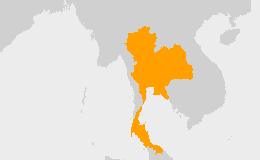
Las afiliadas de la CSI en Tailandia son el Labour Congress of Thailand (LCT), el National Congress Private Industrial of Employees (NCPE), la State Enterprises Workers’ Relations Confederation (SERC), y el Thai Trade Union Congress (TTUC).
según la ley
Libertad sindical / Derecho de sindicalización
Libertad sindical
El derecho a la libertad sindical está reconocido por la ley, pero estrictamente regulado.
El derecho a la libertad sindical está consagrado en la Constitución.
Discriminación antisindical
La ley prohíbe la discriminación antisindical, pero no pevé medidas adecuadas de protección al respecto.
Barreras legales al establecimiento de organizaciones
- Para establecer un sindicato se requiere autorización o aprobación previa por parte de las autoridades
- En virtud del artículo 87 de la Ley del trabajo, es necesaria una autorización gubernamental previa (inscripción obligatoria en el registro) para el funcionamiento de los sindicatos.
- Restricciones al derecho de los sindicatos a establecer ramas, federaciones y confederaciones o a afiliarse a organizaciones nacionales e internacionales
- La afiliación de los sindicatos de empresas estatales a centrales sindicales o federaciones en el sector privado está restringida por la ley.
Restricciones al derecho de los trabajadores y trabajadoras a formar y afiliarse a organizaciones de su elección
- La ley impone un sistema de monopolio sindica y/o un sistema que prohíbe o restringe la sindicalización a ciertos niveles (empresa, industria/sector, regional/territorial, nacional)
- Each state enterprise can only have one union.
- La ley impone restricciones al derecho de los trabajadores/as a afiliarse al sindicato de su elección
- La ley establece que los miembros de un sindicato "serán trabajadores que trabajen para el mismo empleador" de la empresa o firma representada por el sindicato o "empleados contratados para la misma categoría de trabajo". Si un(a) trabajador(a) pierde su trabajo en esa empresa, tendrá que ser dado de baja en el sindicato.
Restricciones al derecho de los sindicatos a organizar su administración
- Restriciones al derecho a elegir representantes y autoadministrarse con plena libertad
- Los miembros del comité ejecutivo de un sindicato deben ser mayores de 20 años, a pesar de que la edad mínima legal de acceso al empleo es de 15 años. La ley también prohíbe a todo ciudadano no tailandés ser dirigente electo en la ejecutiva sindical. Como resultado de ello, se estima que entre 1,5 y 2 millones de trabajadores migrantes procedentes de Birmania, Camboya y Laos, que residen en el país, están despojados de todo derecho a formar un sindicato.
- Restricciones a la libertad para organizar libremente actividades y formular programas
- El gobierno tailandés utiliza la Orden 54 NPKC del gobierno militar de 1991 para limitar el derecho de los sindicatos a contar con asesores. En base a esta proclamación cada sindicato tiene derecho a un máximo de dos asesores, que deben estar registrados ante el Ministerio de Trabajo, y este registro debe renovarse periódicamente. El Ministerio de Trabajo cuenta con amplios poderes para denegar un registro y penaliza a los dirigentes sindicales que no se registren. Además, la Ley de relaciones laborales prevé penas de prisión y multas por actividades sindicales legítimas (capítulo X). En el capítulo VI de la Ley de relaciones laborales de las empresas estatales figuran disposiciones similares. En virtud del artículo 105 de la Ley de relaciones laborales, "el encargado del registro o una persona a quien éste haya encomendado tendrá la facultad de ordenar al director, funcionario o empleado del sindicato de trabajadores que presente o haga llegar documentos o cuentas del sindicato para la consideración de cualquier problema que surja".
- Las autoridades administrativas están capacitadas para tomar unilateralmente la decisión de disolver, suspender o retirar el registro a organizaciones sindicales
- En caso de que el número de miembros de un sindicato descienda por debajo del 25% de la mano de obra habilitada a sindicalizarse, éste puede ser disuelto administrativamente por el Estado.
Categorías de trabajadores a quienes la ley prohíbe o restringe la posibilidad de formar o afiliarse a sindicatos, o de ocupar cargos sindicales
- Otras categorías
- La Ley de las Universidades Privadas de 2003 exime a las universidades privadas de aplicar la Ley de Protección Laboral y la Ley de Relaciones Laborales. Del mismo modo, la Ley de Escuelas Privadas de 2007, aprobada por el parlamento nombrado por los militares en diciembre de 2007, estipula que todos los docentes y personal de la educación no están cubiertos por estas dos importantes leyes laborales. La ley que establece las "instituciones públicas" (instituciones cuasi gubernamentales) también impide a sus trabajadores/as formar sindicatos. Cada vez hay un mayor número de organizaciones cuasi-gubernamentales que se establecen en calidad de "instituciones públicas", creando así una porción cada vez mayor de empleo oficial que carece legalmente de sindicatos.
- Trabajadores/as migrantes o no nacionales
- La ley prohíbe a toda persona que no sea nacional tailandés ser uno de los diez trabajadores que se requieren para poder formar y registrar un sindicato.
Derecho a la negociación colectiva
Derecho a la negociación colectiva
El derecho a la negociación colectiva está reconocido por la ley, pero no está debidamente fomentado y promovido.
Obstáculos legales para el reconocimiento de los agentes de negociación colectiva
- Se requiere autorización o aprobación previa por parte de las autoridades para poder negociar colectivamente
- En su reunión anual, el sindicato debe celebrar una votación para someter a negociación sus reivindicaciones, de lo contrario, el sindicato no tendría derecho a entablar negociaciones colectivas.
- Se requiere una representatividad excesiva o un número mínimo de miembros para poder negociar colectivamente
- Los trabajadores/as que constituyan al menos el 15% de la plantilla, o un sindicato cuya afiliación represente al menos el 20% de la mano de obra, pueden presentar reivindicaciones para la negociación colectiva.
Derecho de huelga
Derecho de huelga
El derecho de huelga está reconocido por la ley pero estrictamente regulado.
Impedimentos legales a acciones de huelga legítimas
- Requisito de un quórum excesivo o de obtener una mayoría excesiva en una votación para poder convocar una huelga
- En virtud del párrafo 8 del artículo 103 de la Ley de relaciones laborales, un sindicato puede declarar una huelga cuando existe un conflicto laboral no concluido. En este caso, la votación para la huelga se hará "por votación secreta y la resolución se hará por más de la mitad del número total de miembros del sindicato".
Injerencia indebida por parte de las autoridades o los empleadores durante el transcurso de una huelga
- Requisamiento forzoso de los huelguistas (aparte de ciertos casos en los servicios esenciales)
- En virtud del artículo 35 de la Ley de relaciones laborales, "en caso de que el Ministro considere que la huelga puede tener efectos adversos para la economía del país o puede causar agravios al público o puede ser perjudicial para la seguridad del país o puede ser contraria al orden público, el Ministro estará facultado para ordenar a los empleados en huelga que vuelvan al trabajo".
Disposiciones que socavan el recurso a acciones de huelga o su eficacia
- Posibilidad de sustituir a trabajadores/as durante acciones legítimas de huelga
- En virtud del artículo 35 de la Ley de relaciones laborales, "en caso de que el Ministro considere que la huelga puede tener efectos adversos para la economía del país o puede causar agravios al público o puede ser perjudicial para la seguridad del país o puede ser contraria al orden público, el Ministro estará facultado para contratar a otras personas en lugar de los empleados que no puedan trabajar debido al cierre patronal o a la huelga".
- Excesivas sanciones civiles o penales contra los trabajadores/as y sindicatos involucrados en acciones de huelga no autorizadas
- En virtud del artículo 77 de la Ley de relaciones laborales de las empresas estatales de 2000, las penas por la acción de huelga, incluso una acción de huelga pacífica, son extremadamente severas: hasta un año de prisión o una multa, o ambas, por la participación en una acción de huelga; y hasta dos años de prisión o una multa, o ambas, por su instigación.
Limitaciones o prohibición de hacer huelga en algunos sectores
- Restricciones injustificadas para los funcionarios públicos
- La ley de Relaciones Laborales en las Empresas Estatales (SELRA) prohíbe las huelgas y los cierres patronales en las empresas estatales. Los funcionarios/as no tienen derecho de huelga.
- Determinación discrecional o lista excesivamente larga de «servicios esenciales» en los que el derecho de huelga queda prohibido o severamente restringido
- Los trabajadores/as del sector privado tienen derecho de huelga, pero el gobierno puede limitar las huelgas que "afecten a la seguridad nacional o causen graves repercusiones negativas para la mayoría de la población". La ley de Relaciones Laborales prohíbe las huelgas en los "servicios esenciales", definidos en términos más amplios que los establecidos por la OIT.
En la Práctica
Treinta y tres trabajadores de Mizuno Plastic en Tailandia fueron despedidos poco después de haber establecido un sindicato en diciembre de 2019.
Apenas unos días después de que se fundara el sindicato Mizuno Plastic Workers Union, la dirección de la empresa afirmó que estaba teniendo pérdidas y anunció un plan de despidos. Nada menos que 32 de los 33 trabajadores despedidos habían participado en la formación del sindicato.
El 9 de diciembre de 2019 los trabajadores organizaron un piquete a las puertas de las instalaciones de la empresa, y el 13 de diciembre se reunieron con el Comité de Relaciones Laborales, al tiempo que el movimiento sindical nacional e internacional reclamaba que fueran reincorporados a sus puestos de trabajo.
Diez años después de los acontecimientos que desencadenaron las acusaciones contra 13 líderes del sindicato de la empresa de ferrocarril estatal State Railway Union of Thailand (SRUT), se determinó que el juicio comenzara el 11 de noviembre de 2019.
El SRUT había organizado una campaña nacional relativa a la seguridad tras el fatal descarrilamiento de un tren el 5 de octubre de 2009 en la estación de Khao Tao, que causó la muerte de siete personas y dejó a varias heridas. Tras una investigación interna se concluyó que la causa del accidente había sido las malas condiciones de mantenimiento y seguridad de la locomotora, opinión corroborada por la Comisión Nacional de Derechos Humanos de Tailandia.
Sin embargo, la empresa State Railway of Thailand (SRT) despidió en 2009 a seis dirigentes de la sectorial de Hat Yai del SRUT, interpuso demandas contra siete dirigentes nacionales del SRUT y despidió a otros siete en 2011. Tras las denuncias oficiales de la Federación Internacional de Trabajadores del Transportes (ITF) y la CSI, la OIT concluyó que los dirigentes del SRUT simplemente habían puesto de relieve las condiciones de trabajo inseguras que existían en el sistema ferroviario tailandés. En 2014, 13 dirigentes fueron reincorporados a sus puestos, tras varias campañas nacionales e internacionales, pero solo a seis de ellos se les pagó el sueldo con efecto retroactivo. En marzo de 2018, el Tribunal Supremo de Trabajo ordenó a siete dirigentes del SRUT pagar una indemnización por daños y perjuicios que ascendía a cerca de 24 millones THB (726.116 USD).
El siguiente paso fue acusarlos de corrupción y mala conducta, en particular de negligencia en el cumplimiento del deber, lo que dio lugar al juicio que estaba previsto comenzara en noviembre de 2019. De ser declarados culpables, se enfrentarían a penas de hasta cinco años de cárcel, una multa de 20.000 THB y a ser despedidos por SRT.
Los 13 dirigentes del SRUT son: Wirun Sakaekum, Prachaniwat Buasri, Nittinai Chaiyaphum, Sorawut Phothongkam, Thawatchai Boonwisoot, Saroj Rakchan, Sawit Kaewwan, Thara Sawangtham, Liam Mokngam, Pinyo Ruenphet, Arun Deerakchat, Bunjong Bun-net y Supichet Suwanachatri.
El 25 de octubre, Estados Unidos anunció un ultimátum de seis meses para que Tailandia resuelva una serie de cuestiones relacionadas con los derechos laborales fundamentales, de lo contrario no se renovarían las preferencias comerciales del SPG con EEUU. La posible cancelación se basa en la denuncia presentada por la federación sindical AFL-CIO debido a larga demora del Gobierno tailandés para adaptar su legislación nacional al Convenio núm. 87 de la OIT, en particular la ley de Relaciones Laborales en las Empresas Estatales (SELRA, por sus siglas en inglés); y a raíz también de la discriminación antisindical sistemática y la denegación del derecho de los trabajadores migrantes a formar sus propios sindicatos para la negociación colectiva.
En noviembre de 2018, la empresa estatal de ferrocarriles State Railway of Thailand (SRT) empezó a hacer valer una demanda de indemnización de 21 millones THB por daños, que había ganado contra el sindicato State Railway Union of Thailand (SRUT) y siete de sus responsables, entre ellos el compañero Sawit Kaewpradap, secretario general de la confederación State Enterprise Workers Relations Confederation (SERC) y el SRUT. La demanda, que se inició en 2011 y fue ratificada por última vez en 2017 por el Tribunal Supremo de Tailandia, se interpuso a raíz de una huelga que el sindicato había convocado en 2009 para protestar por un accidente de ferrocarril en el que habían fallecido siete trabajadores. El SRUT estuvo negociando durante año con la empresa SRT para resolver la situación. No obstante, en noviembre de 2018, SRT empezó a deducir las multas de los salarios y las pensiones de los siete responsables del SRUT, dos de los cuales se han jubilado. La deducción de las multas ha tenido serias repercusiones para los responsables sindicales, algunos de los cuales se han quedado con una paga de apenas 300 THB (9,1 USD). Además tendrán que pasar por lo menos diez años para que los siete líderes y sus familias hayan pagado las multas, puesto que la suma total, incluyendo los intereses, asciende actualmente a 24 millones de THB (730.000 USD).
El Gobierno tailandés, que se ha negado a revisar la Ley de Relaciones Laborales y a ratificar los Convenios núm. 87 y 98 de la OIT, ha hecho caso omiso de las diversas campañas internacionales que se han organizado para protestar contra este caso, así como de la queja presentada en 2013 por la CSI y la Federación Internacional de los Trabajadores del Transporte (ITF) para tratar de que SRT retire las acusaciones. La iniciativa de SRT de arruinar a los líderes del SRUT y a sus familias supone un duro ataque antisindical. Varios grupos internacionales de defensa, entre ellos la ITF, han condenado el trato hacia los siete responsables sindicales como un ataque al derecho de huelga y la demanda de condiciones de trabajo más seguras.
Miembros de la Confederation of Thai Electrical Appliances, Electronic Automobile and Metalworkers (TEAM), empleados por Mitsubishi Electric Consumer Products Thailand, han tenido que someterse a una formación prolongada y humillante antes de ser readmitidos por la empresa tras su participación en una huelga en diciembre de 2017. El conflicto inicial, en el que 1.800 afiliados sindicales fueron objeto de un cierre patronal en la fábrica de Mitsubishi, concluyó cuando el sindicato y la empresa alcanzaron un acuerdo por medio de una negociación colectiva el 29 de enero de 2018, en el marco del cual Mitsubishi accedió a readmitir a todos los trabajadores víctimas del cierre patronal.
No obstante, antes de ser readmitidos, se les exigió asistir a un campamento disciplinario de cuatro días en una base militar, además de cinco días de formación con una empresa externa de recursos humanos para “reflexionar sobre su mal comportamiento”, un día limpiando casas de personas mayores para “ganar mérito”, y tres días en un templo budista. Los trabajadores fueron asimismo obligados a publicar mensajes de disculpas a la empresa en sus cuentas personales de las redes sociales.
A pesar de someterse a este proceso, la empresa despidió a 24 trabajadores, entre ellos 10 miembros de un nuevo comité sindical que habían sido elegidos en junio de 2018. Otros dos trabajadores fueron despedidos tras pedir la empresa permiso al tribunal laboral.
Los trabajadores readmitidos se vieron obligados a firmar contratos individuales, reemplazando el convenio colectivo que había vencido a finales de septiembre de 2018. Los contratos incluyen una cláusula según la cual el trabajador debe confirmar que no está afiliado a un sindicato, so pena de perder todos los aumentos salariales y los beneficios previstos en los nuevos contratos. La conducta de la empresa constituye una tentativa preocupante de limitar la fuerza y la influencia de TEAM en Mitsubishi Thailand, un sindicato con 20 años de trayectoria.
En julio de 2018 un tribunal tailandés desestimó las acusaciones contra 14 trabajadores migrantes de Myanmar que habían alegado abusos laborales en el sector multimillonario de la exportación avícola del país.
En julio de 2016, los 14 trabajadores, todos ellos de Myanmar, presentaron una queja contra su antiguo empleador, Thammakaset Farm 2, una granja avícola que por aquel entonces vendía productos a importantes minoristas del Reino Unido y otros países. Los trabajadores alegaron que se habían visto obligados a trabajar jornadas de 22 horas, sin contabilización de horas extraordinarias, y a dormir con frecuencia en los gallineros con 30.000 gallinas. Señalaron asimismo que se les había confiscado el pasaporte y restringido su libertad.
En octubre de 2016, el propietario de Thammakaset Farm 2 interpuso una denuncia por difamación contra los trabajadores, manifestando que sus alegaciones eran falsas y que habían dañado la reputación de la granja. De ser declarados culpables, los trabajadores se enfrentarían a penas de hasta un año de cárcel y a severas multas.
La empresa ha recurrido la orden del tribunal de pagar a los trabajadores 1,7 millones de THB (48.600 USD) a través del Ministerio de Trabajo de Tailandia, en concepto de indemnización y daños por exceso de trabajo y remuneración insuficiente.
El 7 de febrero de 2018, 14 trabajadores migrantes birmanos debían comparecer en un juicio por difamación en un caso pendiente desde hacía tiempo. Los cargos fueron presentados por la granja avícola donde trabajaban, Thammakaset Company Limited, luego de que informasen sobre los terribles abusos a los que habían sido sometidos.
Los trabajadores presentaron una queja en julio de 2016 ante la Comisión Nacional de Derechos Humanos de Tailandia (NHRCT), afirmando que la compañía les pagaba menos del salario mínimo, no pagaba horas extra, restringía la libertad de movimiento de sus trabajadores y confiscó documentos de identidad, incluyendo sus pasaportes. En agosto de 2016 la NHRCT dictaminó que Thammakaset Co Ltd efectivamente no pagaba el salario mínimo ni horas extraordinarias, ni tampoco acordaba suficientes vacaciones, pero rechazó las alegaciones de trabajos forzosos. La respuesta de la empresa sería presentar cargos por difamación contra los trabajadores por haber manchado su reputación. Thammakaset presentó asimismo cargos en noviembre de 2016 contra Andy Hall, de la Migrant Workers’ Rights Network por haber comentado el caso de los trabajadores birmanos en las redes sociales. En diciembre de 2016 un tribunal laboral declaró a Thammakeset culpable de violar la Ley de Protección Laboral, y le ordenó pagar una indemnización, pero la compañía apeló al Tribunal Supremo.
Se está recurriendo cada vez más a recurrir a acusaciones por difamación como medio para impedir que los trabajadores migrantes informen sobre posibles abusos. Los migrantes son ya muy vulnerables, dado que no se les permite formar sindicatos para proteger sus intereses.
En audiencias preliminares en agosto de 2017, Thammakaset reactivó acusaciones de robo contra dos trabajadores supuestamente por haber “robado” sus tarjetas de registro de horas (los trabajadores mostraron las tarjetas a los inspectores para demostrar sus afirmaciones sobre jornadas de trabajo excesivas), a pesar de la decisión de la fiscalía provincial en junio de 2017 de abandonar esos cargos por considerarlos infundados.
De ser declarados culpables, los trabajadores birmanos podrían enfrentarse a penas de hasta un año y medio de prisión, mientras que Andy Hall podría ser condenado a hasta siete años de prisión.
La empresa fabricante de piezas de automóviles Y-Tec presentó cargos penales contra el presidente del sindicato, Ruangsak Klaimala, por haber remitido una queja al organismo gubernamental de arbitraje laboral, el Comité de Relaciones Laborales (LRC), según informó IndustriALL en octubre de 2017.
Y-Tec había obligado a 32 miembros del sindicato a presentar su renuncia debido a una supuesta “reestructuración”, cuando formaron el Prachinburi Automobile Part Workers Union a finales de 2016. El sindicato elevó entonces una queja al LRC, y la compañía intensificó su presión al sindicato, ofreciendo sobornos a Ruangsak Klaimala para disolver el sindicato, instalando cámaras de vídeo para grabar la actividad de miembros del sindicato y realizando exámenes de detección de drogas. Ruangsak Klaimala fue trasladado de su cargo como supervisor a ejercer un puesto de trabajo manual recién creado, con un salario más bajo.
Después de que el LRC, dictase sentencia a favor de los trabajadores, Y-Tec cursó una demanda por difamación contra Ruangsak Klaimala por un mensaje publicado en las redes sociales y luego lo despidió aduciendo que pesaban sobre él cargos penales. La compañía también ha presentado cargos por difamación contra un académico que escribió un artículo criticando sus prácticas.
El LRC ordenó la readmisión de todos los trabajadores despedidos, pero Y-Tec presentó un recurso de apelación contra dicha decisión, continuando la causa criminal contra el presidente del sindicato.
Aproximadamente 100 trabajadores/as migrantes de una fábrica de atún en Mahachai fueron despedidos y forzados a abandonar su alojamiento tras quejarse colectivamente por el impago de sus salarios por 45 días.
Los trabajadores/as originarios de Myanmar y Camboya dejaron de trabajar al no recibir sus salarios, pero el empleador se negó a entablar negociaciones con ellos. Los trabajadores/as se dirigieron entonces al Comité de la Alianza de Ayuda a los Trabajadores de Myanmar (AAC, por sus siglas en inglés) y a otras organizaciones de defensa de los derechos para pedir ayuda, quejándose de su situación. Los trabajadores/as, que habían sido empleados por la empresa de atún durante años, fueron expulsados tanto de la fábrica como de sus viviendas.
En abril de 2016, IT Forging (Tailandia) Co. Ltd, fabricante de automóviles, presentó una petición al Tribunal Regional del Trabajo para despedir a Boonyuen Sukmai, un activista de los derechos laborales que recibió el Premio Somchai Neelapaijit 2014 por su trabajo en la promoción de los derechos del trabajo. Boonyuen era miembro del comité de trabajadores de la empresa, motivo por el cual el empleador está obligado a obtener el permiso del tribunal para despedirlo.
Según la empresa, había sobrepasado su período de excedencia, violando así el código de conducta de la empresa. Sin embargo, es posible que la verdadera razón de su despido sea su defensa activa de los derechos de los trabajadores/as. Boonyuen Sukmai fue miembro del Departamento de Protección Laboral del Consejo Nacional del Trabajo antes de ocupar varios cargos como dirigente sindical regional en la costa oriental de Tailandia. Además de su activismo con los sindicatos, abrió su casa para dar consulta a los trabajadores/as y fue elegido por los trabajadores/as como su representante en el Comité de Seguridad Social de IT Forging en 2014.
El 8 de marzo de 2016, en Bangkok, la policía intervino en manifestación de los trabajadores y trabajadoras de Try Arm, una empresa de ropa interior fundada por activistas sindicales que promueve condiciones laborales justas, con el fin de celebrar el Día Internacional de la Mujer. Los agentes confiscaron un estandarte utilizado por el grupo que llevaba inscrito el mensaje “Dejar de llevar a personas civiles ante el tribunal militar” y otra banderola que promovía el derecho al aborto y el derecho a celebrar elecciones, citando el artículo 44 de la Constitución Provisional, que da poderes absolutos para mantener la seguridad nacional. Los agentes también pidieron a los trabajadores sus tarjetas de identificación para comprobar si eran tailandeses. La policía no detuvo trabajadores/as, pero dijo que las pancartas confiscadas serían utilizadas como “prueba”.
Los trabajadores/as de Y-Tec Thailand, un proveedor de piezas de automóviles con sede en la provincia de Prachinburi, fundaron su propio sindicato, el Prachinburi Automobile Workers Union, que fue registrado en enero de 2017. La empresa despidió inmediatamente a los representantes y fundadores del sindicato.
El 6 de enero de 2016, se desplegaron tres unidades policiales reforzadas por fuerzas militares para dispersar una manifestación de protesta por parte de 500 trabajadores despedidos en el proveedor de partes de automóviles japonés Sanko Gosei ante el Ministerio de Trabajo en Bangkok. El Gobierno invocó nuevos poderes, en virtud de la Ley de Reunión Pública de 2015, según la cual se puede imponer una pena de hasta diez años de prisión por perturbación o alteración de los servicios públicos.
Más de 600 trabajadores de Sanko Gosei, todos ellos afiliados al sindicato, fueron despedidos el 20 de diciembre de 2015 tras fracasar las negociaciones sobre un nuevo convenio colectivo y primas. La empresa afirmó que no resultaba rentable. Entre tanto se contrató a trabajadores eventuales para sustituir a los trabajadores despedidos. El sindicato de trabajadores de Sanko Gosei acusa a la empresa de utilizar el conflicto para reprimir al sindicato y sustituir a trabajadores permanentes por trabajadores subcontratados.
Poco después de la manifestación dos líderes sindicales, Chalee Loysoong, Vicepresidente del Thai Labour Solidarity Committee (TLSC) y Amorndech Srimuang, Presidente del sindicato de trabajadores de Sanko Gosei, fueron interrogados por las autoridades durante cerca de cuatro horas. Durante ese tiempo, sus teléfonos y sus tarjetas de identidad fueron confiscados temporalmente, y permanecieron vigilados permanentemente, incluso para ir al baño. Los líderes sindicales habían participado en las negociaciones de mediación con Sanko Gosei y el Ministerio de Trabajo durante el día, mientras la manifestación tenía lugar en el exterior.
La intimidación continuó al día siguiente, cuando Wilaiwan Saetia, Presidenta del TLSC, fue seguida desde la fábrica hasta su domicilio por cuatro o cinco militares uniformados y vestidos de paisano. Yongyut Mentapao, Vicepresidente del TLSC, también informó haber sido seguido por agentes de la policía y militares pertenecientes a unidades no identificadas.
La semana siguiente, el miércoles 13 de enero de 2016, cinco militares visitaron a Wilaiwan Saetia en las oficinas del Om Noi/Om Yai Labour Union en la provincia de Samut Sakhon hacia las 8:00 pm. Durante la discusión, que duraría hasta las 11:00 pm, los oficiales citaron su autoridad en virtud de la Sección 44 de la Carta Interina, que les concede poderes absolutos para mantener la seguridad, e informaron a la dirigente del TLSC que a partir de entonces estaba obligada a informar al ejército antes de emprender cualquier acción política.
La ley deniega a la mayoría de los 39 millones de trabajadores/as del país sus derechos sindicales básicos. Las restricciones respecto a la sindicalización hacen que resulte extremadamente difícil para los trabajadores temporales afiliarse a un sindicato - y la mitad de la mano de obra industrial en Tailandia es temporal. El recurso a mano de obra subcontratada también está generalizado, lo que limita considerablemente la sindicalización, mientras que la legislación prohíbe que los trabajadores migrantes - aproximadamente el 10% de la mano de obra total - puedan organizar un sindicato u ocupar un cargo sindical. Esta situación y toda una serie de abusos de los derechos de los trabajadores llevaron al sindicato global IndustriALL a presentar una queja contra Tailandia ante la OIT el 7 de octubre de 2015, Jornada Mundial por el Trabajo Decente, por violaciones a la libertad sindical y el derecho de sindicalización. IndustriALL señala que la ley no concede los derechos básicos de libertad de sindicalización y negociación colectiva a aproximadamente el 75% de la mano de obra del país, integrada por 39 millones de personas. Como resultado de ello, Tailandia registra la tasa de sindicalización más baja del Sudeste Asiático, con un 1,5%.
La queja cita 18 casos de abusos de los derechos sindicales fundamentales, incluyendo numerosos trabajadores y trabajadoras despedidos sencillamente por pertenecer a un sindicato. Una compañía llegó a despedir y reemplazar al 60% de su plantilla con trabajadores migrantes, para impedir la sindicalización de su planta. A los trabajadores les resulta extremadamente difícil obtener reparación. Incluso cuando los tribunales declaran los despidos ilegales, las autoridades hacen muy poco por asegurarse de que se apliquen las sentencias. Se permite a las compañías continuar excluyendo e intimidando a los líderes sindicales.
El 10 de agosto de 2015, un tribunal impuso a cuatro dirigentes sindicales de Thai Airways International Union (TG Union) el pago de más de nueve millones de USD en concepto de daños y perjuicios a la empresa, en un caso relativo a una protesta pacífica que tuviera lugar en 2013 y que desembocó en un convenio colectivo.
El convenio colectivo fue firmado por el sindicato y la dirección en enero de 2013, tras dos días de protestas en relación con los salarios y la seguridad en el empleo. El acuerdo concedía un aumento salarial y prestaciones que beneficiaron no sólo a los trabajadores sino también a cargos directivos de la compañía - entre ellos el presidente en funciones de la aerolínea. No obstante, un año más tarde, en enero de 2014, Thai Airways presentó una demanda por daños y perjuicios, reclamando un total de 9.281.349 USD a los cuatro dirigentes del sindicato que firmaron el mencionado convenio colectivo con la dirección. El tribunal falló a favor de la aerolínea en agosto de 2015.
En enero de 2016, TG Union, conjuntamente con la State Enterprise Workers Relations Confederation (SERC) y la Federación Internacional de los Trabajadores del Transporte, presentaron una queja contra el Gobierno tailandés ante la Organización Internacional del Trabajo (OIT), por no proteger los derechos de los trabajadores y trabajadoras. Específicamente, la queja aduce que el principio de libertad sindical no está consagrado en la ley.
Tras el descarrilamiento que se produjo el 5 de octubre de 2009 provocando la muerte de varios pasajeros, los miembros del State Railway Union of Thailand (SRUT) anunciaron que se negarían a conducir trenes con medidas y equipos de seguridad defectuosos. Aunque los miembros de la ejecutiva sindical del SRUT no fueron a la huelga, sí que organizaron una iniciativa sobre salud y seguridad. Poco después, el State Railway of Thailand (SRT) despidió a cerca de la mitad de los miembros de la ejecutiva sindical.
El 17 de diciembre de 2010, la Comisión Nacional de Derechos Humanos de Tailandia concluyó que el SRT estaba infringiendo los principios de la libertad sindical y los derechos de los trabajadores.
El 28 de julio de 2011, el Tribunal Laboral Central respaldó la decisión de los despidos, ordenando asimismo que los dirigentes y miembros sindicales pagaran multas de aproximadamente 500.000 USD, más un interés anual de demora del 7,5% a partir de la fecha de la denuncia.
El 10 de agosto de 2011 el State Railway of Thailand, con la autorización del Tribunal Laboral Central, despidió a otros miembros de la ejecutiva sindical del SRUT, incluido su presidente. El caso se ha recurrido al Tribunal Supremo, donde podrían pasar años antes de que se efectúe su revisión. A pesar de que el caso está pendiente de revisión en el Tribunal Supremo, los miembros de la ejecutiva del SRUT ya no están considerados empleados del SRT. Por lo tanto ya no son dirigentes o miembros de la ejecutiva y no han podido presentarse como candidatos a cargos sindicales durante la última asamblea general del SRUT.
El 30 de abril de 2013 se presentó una queja formal contra el Gobierno de Tailandia para la consideración del Comité de Libertad Sindical de la OIT, porque el país no respeta adecuadamente los derechos de los sindicatos.
TechnoPLAS fabrica piezas de automóvil en un polígono industrial en Chonburi, y emplea a 463 trabajadores permanentes, 200 trabajadores subcontratados y 200 trabajadores migrantes de Camboya y Birmania. La mano de obra está compuesta en su mayoría por mujeres.
A finales de 2012 los trabajadores empezaron a organizar y crear un sindicato y recopilaron firmas para apoyar y plantear sus reivindicaciones a la empresa. Pero las negociaciones con el empleador no fueron satisfactorias.
El 25 de diciembre los trabajadores recibieron los documentos de registro de su sindicato.
El 23 de enero de 2013, no obstante, el empleador despidió a ocho de los líderes sindicales.
El 30 de enero el empleador despidió a otros siete dirigentes sindicales, alegando que tenía que prescindir de ellos como consecuencia de una reestructuración organizativa. Los trabajadores despedidos fueron presionados por la Inspección del Trabajo para aceptar una indemnización de la empresa a cambio de su dimisión.
El 29 de mayo, el Comité de Relaciones Laborales publicó su veredicto, donde se solicitaba al empleador que readmitiera a los trabajadores. Durante este largo proceso, 14 de los 15 trabajadores aceptaron la indemnización de la empresa y dimitieron debido a dificultades económicas.
El 24 diciembre de 2012 la dirección de Electrolux anunció su decisión unilateral de aplicar incrementos salariales sin entablar negociaciones con el Electrolux Thailand Worker’s Union. Las peticiones para mantener negociaciones salariales fueron desestimadas. En enero de 2013 la dirección solicitó repetidamente a los trabajadores que se abstuvieran de participar en actividades sindicales, insistiendo en que los incrementos salariales establecidos unilateralmente por la dirección eran adecuados. El 11 enero de 2013, en el transcurso de una reunión con la dirección, el Presidente del sindicato, Phaiwan Metha, fue expulsado a la fuerza de la reunión y enviado a su casa. La dirección explicó a los trabajadores que Metha había sido despedido. En respuesta a este despido improcedente, los trabajadores se negaron a volver al trabajo. Electrolux tomó represalias, manteniendo reteniendo a los trabajadores/as durante más de seis horas en la zona de césped frente a la empresa, y a continuación despidió a 129 de ellos.
Los empleadores despiden regularmente a los trabajadores/as que intentan formar sindicatos, especialmente mientras esperan el registro del mismo (es decir, cuando todavía no están cubiertos por las leyes que los protegen de la discriminación antisindical). En otras situaciones, se aducen razones aparentemente no relacionadas con los sindicatos, imaginadas por los empleadores, y tienen que dirimir los despidos ante los tribunales.
El Gobierno siguió negándose a registrar al sindicato de los docentes National Thai Teachers Union (NTTU), afiliado a la Internacional de la Educación (IE).