
Djibouti
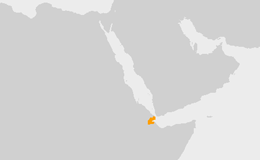
La afiliada de la CSI en Djibouti es la Union Djiboutienne du Travail (UDT).
Djibouti ratificó el Convenio nº 87 sobre la libertad sindical y la protección del derecho de sindicación (1948) en 1978 y el Convenio nº 98 sobre el derecho de sindicación y de negociación colectiva (1949) en 1978.
según la ley
Libertad sindical / Derecho de sindicalización
Libertad sindical
El derecho a la libertad sindical está consagrado en la Constitución.
El derecho a la libertad sindical está reconocido por la ley, pero estrictamente regulado.
Discriminación antisindical
La ley prohíbe la discriminación antisindical, pero no pevé medidas adecuadas de protección al respecto.
Barreras legales al establecimiento de organizaciones
- Para establecer un sindicato se requiere autorización o aprobación previa por parte de las autoridades
- El Código Laboral subordina la decisión del Ministro de Trabajo en cuanto al registro de un sindicato, no sólo al depósito de los documentos pertinentes por parte de los fundadores del sindicato, sino también a un informe de investigación detallado del inspector del trabajo, lo que equivale a atribuir a las autoridades poderes más o menos discrecionales. Por otra parte, la Ley relativa a las Asociaciones impone a las organizaciones la obligación de obtener una autorización previa antes de poder constituirse en tanto que sindicatos.
Restricciones al derecho de los trabajadores y trabajadoras a formar y afiliarse a organizaciones de su elección
- La ley impone restricciones al derecho de los trabajadores/as a afiliarse al sindicato de su elección
- La ley prevé una suspensión casi automática del contrato de trabajo a partir del momento en que un(a) trabajador(a) ejerce un mandato sindical. Esto puede perjudicar los derechos de todo trabajador de constituir una organización de su elección, de afiliarse a la misma, o de ejercer una función sindical.
Restricciones al derecho de los sindicatos a organizar su administración
- Restricciones al derecho a establecer libremente sus propios estatutos y reglamentos
- Cualquier enmienda a los Estatutos o modificación de la composición de la directiva de un sindicato tiene que cumplir el mismo procedimiento de autorización que para el establecimiento de un sindicato.
- Restriciones al derecho a elegir representantes y autoadministrarse con plena libertad
- La ley considera que toda persona que haya sido condenada “por cualquier jurisdicción”, no es apta para ocupar funciones sindicales. La OIT considera que esta ley se ha redactado de una forma demasiado amplia.
Categorías de trabajadores a quienes la ley prohíbe o restringe la posibilidad de formar o afiliarse a sindicatos, o de ocupar cargos sindicales
- Otras categorías
- Los menores de edadpueden afiliarse a un sindicato a partir de los 16 años, salvo si se opusiera a ello su padre, madre o tutor legal.
- Trabajadores/as de zonas francas industriales (ZFI)
- El Código Laboral no se aplica a los trabajadores/as en las zonas francas.
Otras restricciones
- Otras restricciones
- La situación de los sindicatos en Djibouti se ha deteriorado gravemente en los últimos años, mientras que el fenómeno de las "uniones clonadas" (sindicatos establecidos con el apoyo del Gobierno) afecta ahora también a los sindicatos primarios.
Derecho a la negociación colectiva
Derecho a la negociación colectiva
El derecho a la negociación colectiva está reconocido por la ley.
- Otras restricciones
- La situación de los sindicatos en Djibouti se ha deteriorado gravemente en los últimos años, mientras que el fenómeno de las "uniones clonadas" (sindicatos establecidos con el apoyo del Gobierno) afecta ahora también a los sindicatos primarios. Esta situación dificulta gravemente la realización de verdaderas negociaciones colectivas.
Derecho de huelga
Derecho de huelga
El derecho de huelga está consagrado en la Constitución
El derecho de huelga está regulado por el Código de Trabajo
Impedimentos legales a acciones de huelga legítimas
- Otros requisitos previos indebidos, poco razonables o injustificados
- La huelga sólo es lícita cuando la parte demandante ha agotado todos los recursos previstos en el párrafo 2 del artículo 187 del Código del Trabajo.
Limitaciones o prohibición de hacer huelga en algunos sectores
- Determinación discrecional o lista excesivamente larga de «servicios esenciales» en los que el derecho de huelga queda prohibido o severamente restringido
- La ley confiere al Presidente de la República amplios poderes para requisicionar a los funcionarios indispensables para la vida de la nación y el buen funcionamiento de los servicios públicos esenciales.
En la Práctica
Los trabajadores ferroviarios, empleados por la China Civil Engineering Construction Company (CCECC), fueron suspendidos durante varias semanas por protestar contra los bajos salarios, empleos inseguros y malas condiciones de trabajo, incluyendo la falta de acceso a agua potable, baños y alojamiento. La compañía estatal china se negó a cumplir el código de trabajo de Djibouti y no ha respondido a una solicitud de la central sindical Union Djiboutienne du Travail (UDT) para discutir con vistas a resolver los problemas.
“Djibouti tiene un pésimo historial en lo referente a los derechos sindicales, donde aquellos trabajadores y trabajadoras que buscan representación sindical suelen verse confrontados a violaciones de sus derechos, a lo que se suma una continua represión en contra de los líderes de las centrales sindicales nacionales, UDS y UGTD. La CSI insta al Gobierno a asegurarse de que los trabajadores ferroviarios sean reintegrados y debidamente compensados, y que el conglomerado chino que los emplea pague unos salarios justos y les proporcione condiciones de trabajo decentes”, declaró la Secretaria General de la CSI, Sharan Burrow.
Seis docentes fueron arrestados en Djibouti acusados de haber revelado el contenido de los exámenes de bachillerato de 2019. Se trata de Mohamed Samireh, Abdoul-Mahin Hassan, Youssouf Mohamed Hamid, Moussa Djama Ali, Abdourazak Ibrahim, y Kassim Abdoulkader. Permanecieron varias semanas detenidos a pesar de una orden provisional del tribunal de dejarlos en libertad condicional, tras una apelación del fiscal general.
Otra docente, Oumalkhaire Farah Robleh, que había manifestado en las redes sociales apoyo a sus compañeros encarcelados, fue condenada a tres meses de prisión en suspenso por difamación. No llegó a ser encarcelada por estar embarazada de ocho meses.
El Comité Sindical Francófono de la Educación y la Formación (CSFEF), que reúne a los sindicatos de la educación del mundo francófono y forma parte de la Internacional de la Educación (IE), fue informado de la detención de los siete docentes por los dos sindicatos de la educación afiliados a la IE en el país, el Syndicat des enseignants et personnels de l’éducation (SEP) y el Syndicat des professeurs des collèges et lycées de Djibouti (SYNESED), los sindicatos coinciden con la central sindical Union Djiboutienne des travailleurs (UDT) en afirmar que todas las acusaciones son totalmente infundadas.
“Estos docentes, cuatro de los cuales son activistas sindicales, son profesionales altamente competentes y realizan su trabajo con total seriedad en varios institutos de secundaria de Djibouti. Les era imposible acceder a los contenidos del examen de bachillerato de antemano”, explicó Jean-Hervé Cohen, presidente del CSFEF, en un comunicado de prensa publicado el 23 de junio de 2019.
Omar Ali Ewado, secretario general adjunto del SEP y fundador de la Liga de Derechos Humanos de Djibouti, ha señalado que “estos docentes se han utilizado como chivos expiatorios. Los contenidos del examen nunca se publicaron en las redes sociales. No intentaron ‘desestabilizar el sistema educativo’ revelando los contenidos en las redes sociales”. Djibouti tiene un pésimo historial en cuanto a los derechos de los trabajadores y muy especialmente la libertad sindical.
Además de los procedimientos penales contra ellos, se ha informado a los siete docentes de que también se enfrentarán a un procedimiento disciplinario que podría dar lugar a su inhabilitación absoluta.
En una carta conjunta dirigida al presidente de Djibouti, Ismaïl Omar Guelleh, la IE y el CSFEF, junto al SEP y a SYNESED, exigían la puesta en libertad inmediata de los docentes acusados injustamente, el cese de los procedimientos disciplinarios contra ellos y el respeto de la libertad sindical de todo el personal docente de Djibouti.
El 26 de septiembre, la visita de la Confederación Sindical Internacional (CSI), convenida entre el ministro de Trabajo y la CSI en la Conferencia Internacional del Trabajo de la OIT en junio de 2017, finalmente fue pospuesta a una fecha ulterior no definida por el secretario general del Ministerio, a tan solo unos días de la visita programada del 2 al 4 de octubre de 2017.
Lamentablemente, el Comité syndical francophone de l’éducation et de la formation (CSFEF) y la Internacional de la Educación (IE) tampoco pudieron participar en esta visita. Jean Hervé Cohen, del CSFEF, no pudo obtener un visado en la embajada de Djibouti en París. En cuanto a Dominique Marlet de la IE, fue devuelta del aeropuerto a pesar de que la embajada de Djibouti le había expedido un visado de entrada válido en Bruselas.
Los sindicatos de las centrales sindicales Union djiboutienne du travail (UDT) y la Union générale des travailleurs djiboutiens (UGTD) presentaron una queja ante el Director General de la Oficina Internacional del Trabajo (OIT) en Ginebra por la manipulación del Gobierno de Djibouti de la representación sindical durante la Conferencia Internacional del Trabajo de la OIT en junio de 2017. Una carta de fecha 22 de mayo firmada por los secretarios generales de la UDT, Adan Mohamed Abdou, y de la UGTD Kamil Diraneh Hared, denunció el hecho de que a pesar de enviar el ministro de Empleo de Djibouti el nombre de dos representantes designados por sus sindicatos, el Gobierno nombró una delegación espuria de personas que no formaban parte de sus sindicatos, usurpando así el nombre de la UDT y la UGTD.
.
Omar Ali Ewado, Secretario General Adjunto del sindicato de docentes de primaria, Syndicat des enseignants du premier degré de Djibouti (SEP), y Ahmed Nour Khadar, Secretario General también del SEP, fueron detenidos respectivamente el 19 y el 20 de marzo por los servicios de seguridad de Djibouti (SDS).
Ambos fueron acusados de difamación e insultos después de enviar una carta al presidente turco a través de la embajada de Turquía en Djibouti. La carta, redactada por la Internacional de la Educación, formaba parte de una campaña internacional de solidaridad con el sindicato de educación turco Egitim-Sen, así como una protesta contra los despidos y encarcelamiento de docentes turcos desde el fallido golpe de Estado de julio de 2016. El Ministerio de Educación también ha establecido un procedimiento disciplinario por “abandono del puesto de trabajo” durante su detención.
Gracias a una gran movilización de la comunidad educativa internacional, los dos líderes finalmente fueron liberados el 27 de marzo después de pasar ocho días tras las rejas. Estas detenciones forman parte de una serie de encarcelamientos entre la oposición y la sociedad civil, y se inscriben en un contexto antisindical en el país que resulta sumamente preocupante. Las autoridades no explicaron estas detenciones
Los trabajadores portuarios que hicieron una huelga legítima fueron detenidos durante 10 días. Nueve sindicalistas y un líder sindical fueron despedidos por motivo de la huelga.
La policía vigila constantemente el domicilio del Secretario General del Union of Djibouti Workers. Los familiares del Secretario General fueron amenazados en numerosas ocasiones, por lo que se vieron obligados a marcharse a Etiopía.
La oficina del Union of Djibouti Workers estuvo ocupada durante un año por el Ministro de Juventud.
Los abogados sindicales son intimidados con amenazas, de modo que los sindicatos se encuentran con un acceso limitado al asesoramiento jurídico para defender sus casos ante los tribunales.
A los trabajadores en empresas como Machida Transit y a los chóferes de taxi se les impidió establecer un sindicato. Al personal civil del ejército francés se le prohibió afiliarse a un sindicato.
El Gobierno está proporcionando recursos financieros a los sindicatos amarillos que cuenten con representación en organismos tripartitos y a nivel internacional.
El Gobierno es accionista en muchos bancos y ha congelado las cuentas de diversos sindicatos, además de impedirles que reciban financiación externa.
El Presidente de Djibouti impidió al Secretario General del Union of Djibouti Workers viajar a Ginebra en junio de 2012.
Como en años previos, la OIT expresó su profunda preocupación por la ausencia patente de buena voluntad por parte del Gobierno para solucionar varios casos de violaciones de los derechos sindicales. Desde hace varios años los sindicalistas y los miembros sindicales vienen siendo objeto de un acoso constante por parte del Gobierno, que acusa a los activistas sindicales de ser enemigos de la nación, en virtud de lo cual son arrestados, encarcelados, trasladados o despedidos. Las huelgas fueron brutalmente reprimidas. Las organizaciones no son registradas o se han debilitado hasta tal punto que algunas no pueden seguir funcionando en la práctica.
Las actividades sindicales se han vuelto imposibles en las diversas empresas que operan bajo el régimen de Zona Franca Industrial (ZFI), como Port Secure Djibouti, Djibouti Container Services o Djibouti Labour Service. La ausencia de disposiciones legales sobre las relaciones de trabajo en las ZFI, tanto en la legislación nacional como en el código específico de las ZFI, transforma estas empresas en zonas de no derechos. Mantenidos en el anonimato, varios trabajadores/as explicaron que sus empleadores les prohibían todo contacto con los sindicatos y que no se atrevían a reivindicar mejores condiciones de trabajo puesto que el mínimo intento de protesta desembocaba sistemáticamente en despido.