
Federación Rusa
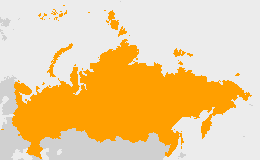
Las afiliadas de la CSI en la Federación Rusa son la Confederación del Trabajo de Rusia (KTR) y la Federación de Sindicatos Indpendientes de Rusia (FNPR).
La Federación Rusa ratificó el Convenio nº 87 sobre la libertad sindical y la protección del derecho de sindicación (1948) en 1956 y el Convenio nº 98 sobre el derecho de sindicación y de negociación colectiva (1949) en 1956.
según la ley
Libertad sindical / Derecho de sindicalización
Libertad sindical
El derecho a la libertad sindical está consagrado en la Constitución.
El derecho a la libertad sindical está regulado por el Código de Trabajo
Discriminación antisindical
La ley prohíbe la discriminación antisindical, pero no pevé medidas adecuadas de protección al respecto.
Barreras legales al establecimiento de organizaciones
- Para establecer un sindicato se requiere autorización o aprobación previa por parte de las autoridades
- Poderes para rechazar el registro oficial por motivos arbitrarios, injustificados o ambiguos
- Los motivos por los que se puede negar el registro de un sindicato no aparecen enunciados en la Ley federal sobre los sindicatos, etc.
Restricciones al derecho de los sindicatos a organizar su administración
- Otras interferencias externas admitidas por la ley
- Las enmiendas introducidas en el Código laboral en julio de 2006 permiten a los trabajadores/as elegir un órgano representativo diferente incluso si existe un sindicato mayoritario en la empresa, siempre y cuando dicho sindicato no sea una unidad estructural de un sindicato de nivel superior.
Categorías de trabajadores a quienes la ley prohíbe o restringe la posibilidad de formar o afiliarse a sindicatos, o de ocupar cargos sindicales
- Otras categorías
- El Código laboral no se aplica a los trabajadores/as empleados mediante contratos civiles (artículo 11, Código laboral).
- Otros funcionarios y empleados públicos
- La Ley federal sobre los sindicatos, etc. no se aplica a los trabajadores/as de los organismos del Ministerio del Interior de la Federación Rusa, del Servicio de Bomberos del Estado, del Ministerio de la Federación Rusa para los Asuntos de Defensa Civil, Situaciones de Emergencia y la Resolución de las Consecuencias de los Desastres Naturales, de los organismos federales del Servicio Federal de Seguridad, de los organismos aduaneros de la Federación Rusa, de los organismos que controlan el tráfico de estupefacientes y sustancias psicotrópicas ni a los jueces y fiscales, a menos que otras leyes federales establezcan lo contrario (apartado 4(2), Ley federal sobre los sindicatos, etc.).
- Trabajadores/as domésticos
- No está claro si la Ley federal sobre los sindicatos, etc. se aplica a los trabajadores/as del hogar. Tan solo se aplicará si los trabajadores/as del hogar se pueden clasificar como una persona que ejerce una actividad empresarial individual (apartado 3, Ley federal sobre los sindicatos, etc.).
Derecho a la negociación colectiva
Derecho a la negociación colectiva
El derecho a la negociación colectiva está reconocido por la ley.
Obstáculos legales para el reconocimiento de los agentes de negociación colectiva
- Se requiere una representatividad excesiva o un número mínimo de miembros para poder negociar colectivamente
- Para poder ejercer el derecho a iniciar negociaciones colectivas sin formar un órgano representativo unificado, un sindicato debe representar a más de la mitad de los empleados/as de la empresa. Si no existe un sindicato que represente a más de la mitad de los empleados/as, los trabajadores y trabajadoras determinarán qué sindicato local tiene derecho a formar el órgano representativo o a iniciar las negociaciones colectivas (artículo 37, Código laboral).
- Posibilidad de eludir los sindicatos representativos y negociar directamente con representantes de los trabajadores/as
- Los trabajadores/as pueden elegir un órgano representativo diferente incluso si existe un sindicato mayoritario en la empresa, siempre y cuando dicho sindicato no sea una unidad estructural de un sindicato de nivel superior (artículo 37, Código laboral).
- Ausencia de un organismo independiente responsable de declarar si una organización puede o no negociar
- El Código laboral no establece una vía de recurso para que un organismo independiente se encargue de declarar si una organización puede negociar o no.
Restricciones al principio de negociación libre y voluntaria
- Prohibición o limitación de la negociación colectiva a ciertos niveles (empresa, industria/sector, regional/territorial, nacional)
- Los capítulos 6 y 7 del Código laboral tan solo se refieren a las negociaciones colectivas que estén teniendo lugar y a los convenios colectivos que se estén aplicando dentro de 'una empresa' y tan solo permiten que los sindicatos de base (es decir, los que operan a nivel empresarial) representen a los empleados/as al tratar con los empleadores. Sin embargo, el apartado 26 del Código laboral también contempla que se establezca un sistema de cooperación social a nivel federal, regional, sectorial y territorial para regular las relaciones en el ámbito laboral. Asimismo, el Código laboral no permite la celebración de convenios profesionales. Por último, en una empresa tan solo se puede celebrar un convenio colectivo.
Restricciones respecto al ámbito de aplicación y la efectividad legal de los convenios colectivos negociados
- Restricciones en cuanto a la duración, el ámbito de aplicación o la cobertura de los convenios colectivos
- El convenio colectivo tendrá una duración de un período inferior a tres años. Las partes tienen derecho a ampliar el convenio colectivo hasta tres años (artículo 43, Código laboral).
Restricciones o prohibición de negociar colectivamente en algunos sectores
- Otras categorías
- El Código laboral no se aplica a los trabajadores/as empleados mediante contratos civiles (artículo 11, Código laboral). Además, el Código laboral no hace referencia a las negociaciones colectivas para los trabajadores/as no incluidos en un modelo tradicional de relación laboral (incluidos los autónomos y los trabajadores/as temporales).
Derecho de huelga
Derecho de huelga
El derecho de huelga está consagrado en la Constitución
El derecho de huelga está reconocido por la ley pero estrictamente regulado.
Impedimentos legales a acciones de huelga legítimas
- Requisito de un quórum excesivo o de obtener una mayoría excesiva en una votación para poder convocar una huelga
- Las huelgas deben aprobarlas los trabajadores/as de cada empresa en una asamblea general o una conferencia de todos los trabajadores y trabajadoras de dicha empresa. A dicha asamblea general o conferencia deben asistir como mínimo 2/3 del número total de empleados/as y solo se adoptará la decisión de declararse en huelga si al menos la mitad de los presentes votan a favor de la misma (artículo 410, Código laboral).
- Plazo de notificación previa / período de reflexión excesivamente largo
- A un empleador hay que notificarle con un mínimo de 3 días hábiles para las huelgas previas de una hora y un mínimo de 10 días naturales para otras huelgas (artículos 410 y 412, Código laboral).
- Otras formalidades excesivamente complejas o que llevan mucho tiempo para poder convocar una huelga
- Para iniciar la negociación colectiva después de que se haya firmado un informe de discrepancias en el curso de las negociaciones, los trabajadores/as deben volver a cursar sus demandas después de haber sido aprobadas por una asamblea general o una conferencia de todos los trabajadores/as de la empresa.
- Recurso obligatorio al arbitraje o a largos y complejos procedimientos de conciliación y mediación antes de iniciar una acción de huelga
- Antes de poder iniciar una huelga legal, el conflicto debe remitirse a los interlocutores sociales. Después de que el empleador se haya negado a recibir las reivindicaciones del sindicato y de que se hayan remitido dichas reivindicaciones a los interlocutores sociales superiores, las organizaciones de los empleadores tienen un mes para responder a las reivindicaciones del sindicato. A continuación, el conflicto debe analizarlo una junta de conciliación, luego debe examinarse con la participación de un mediador y por último debe estudiarlo un tribunal de arbitraje laboral (artículos 401-404, Código laboral). Las recomendaciones del tribunal de arbitraje serán vinculantes para las partes si dichas partes convinieron previamente en aceptarlas.
- Otros requisitos previos indebidos, poco razonables o injustificados
- Los trabajadores/as deben informar previamente sobre los siguientes aspectos de la huelga propuesta: una lista con las diferencias de opinión entre las partes que desencadenaron la declaración y convocatoria de la huelga; la fecha y hora en que se iniciará la huelga, su duración y el número de participantes previstos; el nombre del organismo que dirige la huelga y de los representantes autorizados a participar en los procedimientos de conciliación; y las propuestas de los servicios mínimos que se prestarán durante la huelga (artículo 410, Código laboral). Una huelga tan solo se podrá realizar en el plazo de dos meses desde que se tomó la decisión de convocarla.
Prohibición o restricciones para ciertos tipos de acción de huelga
- Restricciones respecto al objetivo de una huelga (por ej. disputas industriales, cuestiones económicas y sociales, políticas, de simpatía o solidaridad)
- Una huelga legal solo se puede iniciar con el objetivo de resolver un conflicto laboral colectivo. Un conflicto laboral colectivo se define como un desacuerdo pendiente entre los empleados/as y los empleadores (y sus respectivos representantes) en relación con la fijación o enmienda de las condiciones laborales, la celebración, enmienda o ejecución de los convenios colectivos y la negativa del empleador a tener en cuenta la opinión de un órgano representativo elegido por los empleados/as en el proceso de la aplicación de la legislación laboral (artículo 398, Código laboral). Como tal, la ley no reconoce el derecho a llevar a cabo huelgas de solidaridad, huelgas para exigir el reconocimiento de un sindicato o huelgas que critiquen las políticas económicas o sociales del gobierno.
- Restricciones respecto al tipo de acción de huelga (por ej. piquetes, huelgas salvajes, huelgas de celo, sentadas, huelgas de brazos caídos)
- Una huelga legal debe implicar que los empleados/as se nieguen temporal y voluntariamente a cumplir sus obligaciones laborales (total o parcialmente) (artículo 398, Código laboral). Por tanto, las huelgas de brazos caídos y las huelgas de celo no se consideran huelgas legales.
Disposiciones que socavan el recurso a acciones de huelga o su eficacia
- Otras disposiciones legales que socavan el derecho de huelga
- El artículo 41 del Código laboral y el artículo 13 de la Ley federal sobre contratos y convenios colectivos contemplan la posibilidad de fijar restricciones voluntarias al ejercicio del derecho de huelga en los convenios colectivos, previo acuerdo.
Limitaciones o prohibición de hacer huelga en algunos sectores
- Determinación discrecional o lista excesivamente larga de «servicios esenciales» en los que el derecho de huelga queda prohibido o severamente restringido
- Las huelgas no están permitidas en ninguna empresa relacionada con la vida de la población (suministro de energía, calefacción, suministro de calefacción, suministro de agua y gas, transporte aéreo, transporte ferroviario, distribución de agua y comunicaciones) en los casos en que la celebración de dicha huelga constituya una amenaza para la defensa del país y la seguridad del Estado, así como para la vida y la salud de la población (artículo 413, Código laboral).
- Ausencia de garantías compensatorias para las categorías de trabajadores privados del derecho de huelga
- Los conflictos relacionados con los trabajadores/as de los servicios esenciales debe resolverlos un tribunal administrativo.
- Determinación poco razonable o discrecional (sin negociación con los interlocutores sociales o en ausencia de una autoridad independiente en caso de desacuerdo) de los «servicios mínimos» que han de garantizarse en caso de huelga en los servicios públicos
- En el plazo de 5 días desde que se tomó la decisión de declarar una huelga debe alcanzarse un acuerdo sobre los servicios mínimos que se prestarán durante la huelga en empresas cuyo trabajo esté relacionado con la sanidad y la seguridad públicas y con intereses sociales de vital importancia. Si no se alcanza un acuerdo, los servicios mínimos los determinará el órgano ejecutivo pertinente (artículo 412, Código laboral).
- Otras limitaciones (por ej. en las ZFI)
- La Ley federal sobre el transporte ferroviario federal estipula que está prohibida cualquier paralización del trabajo con el objetivo de resolver conflictos laborales colectivos (artículo 17(2), Ley federal sobre transporte ferroviario federal).
En la Práctica
La KTR (Confederación del Trabajo de Rusia) denuncia las prácticas abusivas de la gestión del puerto comercial marítimo de Arkhangelsk, que impiden que el sindicato tenga acceso a la gente de mar y a las tripulaciones.
Durante dos años, la dirección de este puerto ha impedido a los sindicatos incluso hablar con los trabajadores del puerto, a pesar de la regulación directa que figura en la Ley Federal de 12 de enero de 1996 número 10-ФЗ “Sobre los sindicatos, sus derechos y garantías de actividad” y el Código Internacional de Seguridad de los Buques y las Instalaciones Portuarias (Código ISPS), que contienen, respectivamente, normas sobre el derecho de libre acceso de los representantes sindicales a las organizaciones y lugares de trabajo para llevar a cabo sus actividades estatutarias, así como el requisito de que los planes de seguridad de las instalaciones portuarias incluyan procedimientos de acceso simplificados para los representantes de las organizaciones que se ocupan de los servicios al consumidor y de las condiciones de trabajo de la gente de mar.
En 2018, se negó a los representantes de la KTR el acceso a la zona portuaria señalando como motivo absurdo que no existía un convenio colectivo con el sindicato.
En 2019, a pesar de los llamamientos de la KTR a la Fiscalía General y al Ministerio de Transporte, la dirección portuaria se negó de nuevo a conceder pases de un año a los representantes de la KTR, ofreciendo en su lugar que se introdujera una solicitud única para cada visita. Este acuerdo priva a los representantes sindicales del derecho a disponer de un acceso sin restricciones a los trabajadores, quienes suelen permanecer solo un breve período de tiempo en el puerto.
La KTR (Confederación del Trabajo de Rusia) señaló que el derecho de huelga es limitado en gran medida por el derecho interno, que prescribe un largo y arduo proceso burocrático para solicitar el permiso de huelga. Asimismo, los tribunales también tienen un considerable margen de apreciación a la hora de decidir sobre la legalidad de las acciones de huelga. Como resultado, el número de huelgas celebradas legalmente de acuerdo con la forma prescrita por la ley fue de cero en 2018 y dos en 2019 en toda la Federación de Rusia.
La FNPR señaló que la cadena minorista Magnit era conocida por su postura antisindical. En 2019, por ejemplo, los gerentes de las subsidiarias regionales de Murmansk, Omsk y Krasnodar despidieron a los dirigentes (presidentes o vicepresidentes) de los comités sindicales a nivel de la empresa. Entre los dirigentes despedidos se encontraban Denis Schafen, Vasily Ivanov y Konstantin Ivanov. Los sindicalistas llevaron el asunto a los tribunales. Mientras Vasili Ivanov (Omsk) fue reinstalado por orden judicial, Konstantin Ivanov y Denis Schafen todavía estaban esperando la decisión a finales de 2019. Además de sus constantes intentos por deshacerse de los líderes sindicales, la cadena minorista sigue evitando la negociación colectiva con los sindicatos representativos.
Del mismo modo, Nestlé ha implementado medidas antisindicales a gran escala, convocando a más de 300 trabajadores/as de varias filiales regionales el 14 de mayo de 2019 para obligarles a renunciar a su sindicato. Los trabajadores y trabajadoras relataron que se les impedía salir sin antes firmar una carta confirmando que se retiraban del sindicato de la empresa.
Nestlé también despidió a un número considerable de trabajadores/as en función de su afiliación sindical. Estas prácticas han tenido un efecto desastroso en la afiliación sindical en la empresa, con una disminución del 70% en el número de afiliados. El sindicato del sector agroindustrial, el Agro-Industrial Workers’ Union of the Russian Federation (afiliado a la FNPR) organizó una campaña de solidaridad. Al final del año, el asunto aún no estaba resuelto.
Por último, Aleksandr Sorokoletov, subjefe del comité sindical a nivel de empresa en NAO Center “Omega" (uno de los mayores promotores inmobiliarios de la región de Krasnodar), fue despedido en abril de 2019. A juicio de la FNPR, esta medida fue un ataque antisindical flagrante, ya que la empresa había intentado repetidamente destruir el sindicato desde 2016. Al final del año, Aleksandr Sorokoletov fue reinstalado en su puesto tras una decisión del tribunal.
En la Federación de Rusia, la legislación establece un procedimiento de autorización previa para la organización de eventos públicos y permite a las autoridades públicas denegar el permiso a los sindicatos y a las asociaciones sin necesidad de que expliquen los motivos o razones de la denegación.
Estas leyes afectan a la capacidad de los sindicatos para organizar protestas y asambleas en los espacios públicos. En 2019, fueron rechazadas dos solicitudes de manifestaciones y piquetes en apoyo de los presos políticos del sindicato University Solidarity. A finales de 2019, la prefectura del Distrito Administrativo Central de Moscú no dio permiso al sindicato Novoprof para celebrar un piquete en el centro de la ciudad, frente al café, en relación con los trabajadores/as migrantes que no habían recibido sus salarios. En otros casos, las autoridades estatales propusieron trasladar el piquete a un lugar alejado del centro de la ciudad donde la visibilidad y el impacto de la acción de protesta serían insignificantes. Además, en 2019 se prohibieron todos los eventos públicos del sindicato de la educación, Teachers’ Trade Union.
Fuente: cuestionario de la Confederación del Trabajo de Rusia (KTR)
La KTR (Confederación del Trabajo de Rusia) señaló que tras el asalto a la organización regional SUR Northern en 2017 por las fuerzas policiales de transporte armado, la Fiscalía decidió, después de dos años de aplazamientos, no iniciar ninguna investigación penal sobre estos hechos.
El asalto de 2017 fue un intento de acusar al responsable de la organización de abuso de autoridad y apropiación indebida de fondos.
El parlamento regional de la región de Arkhangelsk adoptó una ley que prohíbe el uso de pancartas con lemas sociales y económicos a menos de 50 metres de cualquier local cultural, social, deportivo, religioso, etc. La ley prácticamente impide a cualquier persona utilizar pancartas con lemas o eslóganes en las zonas centrales de las ciudades; por lo tanto, obstaculiza cualquier acción de protesta organizada por los sindicatos.
Además, la policía confiscó 16 pancartas sindicales en Syktyvkar (capital de la República de Komi) durante las manifestaciones del Primero de Mayo. Los lemas se centraban en temas sociales y ecológicos locales. El sindicato presentó una queja ante la fiscalía.
La Federación de Sindicatos Independientes de Rusia (FNPR) señaló varios incidentes en los que el empleador retuvo abusivamente las cuotas sindicales. Por ejemplo, en 2018, continuó el prolongado conflicto entre la dirección de la Planta de ingeniería de maquinaria Yurginsky LLC y el sindicato a nivel de la empresa, y la dirección recurrió en repetidas ocasiones a retener las cuotas sindicales, pese a las numerosas órdenes judiciales contra esta práctica. Cada vez, la dirección transfería algunos pagos atrasados al sindicato para obedecer la orden del tribunal, solo para recomenzar más adelante esta práctica antisindical. Pskovpassagiravtotrans, una empresa que presta servicios de transporte en autobús en Pskov, también retuvo las cuotas del sindicato durante varios meses en 2018. Al finalizar el año, el sindicato había apelado a la oficina del fiscal regional, solicitando una investigación.
Anatoly Ognevenko, miembro del sindicato de trabajadores ferroviarios ruso, el RPLBZh, fue despedido de su trabajo en Moscú el 28 de abril de 2008 tras participar en una huelga de un día por cuestiones salariales. Aun cuando los tribunales rusos no impugnaron la legalidad de la huelga, se negaron a declarar ilegal su despido. En 2009 se abrió un caso ante el Tribunal Europeo de Derechos Humanos basado en un análisis del cumplimiento formal de la legislación rusa correspondiente. El Tribunal concluyó que el despido era una restricción desproporcionada del derecho de Ognevenko a la libertad sindical.
El Tribunal confirmó una vez más que el derecho de huelga está protegido por el artículo 11 del Convenio Europeo de Derechos Humanos en tanto que aspecto importante del derecho a la libertad sindical fundamentándose a su vez en los órganos de control de la OIT, que consideran el derecho de huelga como corolario indispensable de la libertad sindical.
El Tribunal también observó que la OIT ha criticado repetidamente la legislación rusa que prohíbe el derecho de huelga de los trabajadores ferroviarios. Declaró que no hay razón para rechazar el enfoque internacional existente para la definición de un servicio esencial y considerar el transporte ferroviario como tal.
“El derecho a la huelga es un derecho fundamental, y al igual que otros derechos fundamentales de los trabajadores, está siendo amenazado en muchas partes del mundo. Esta decisión del TEDH reafirma el derecho de huelga, basado en el derecho internacional con la jurisdicción de la Organización Internacional del Trabajo. Celebramos la decisión, plenamente conscientes de que el Estado de derecho significa que debe respetarse el derecho de huelga”, señaló Sharan Burrow, Secretaria General de la CSI.
La Federación de Sindicatos Independientes de Rusia (FNPR) ha señalado que en 2018 varios líderes sindicales han sido víctimas de medidas discriminatorias. Olga Grusha, vicepresidenta del sindicato a nivel de empresa del ALSWU, afiliado a la FNPR) en Primteploenergo, un proveedor estatal de agua y electricidad fue despedida sumariamente en enero de 2018 durante un prolongado conflicto entre la empresa y el sindicato. Olga Grusha impugnó su despido ante el tribunal con el apoyo del sindicato regional y en marzo de 2018 fue reincorporada por orden judicial. Un caso similar se registró en la región de Tomsk, donde miembros sindicales que trabajaban en los servicios funerarios fueron despedidos en enero de 2018 e interpusieron un recurso ante el tribunal, el que les dio razón dos meses después.
En julio de 2018, el tribunal reincorporó a un miembro de la organización regional de trabajadores del transporte, el All Russian Union of Automobile Transport and Road Workers (afiliado de la FNPR) en la región de Sverdlovsk; su empleador, la empresa de transporte «Perfil», le había negado el acceso a su lugar de trabajo. Por último, en noviembre de 2018, el tribunal reinstaló a Raisa Zaugolnikova, vicepresidenta del sindicato en la empresa Teploenergo Comfort Ltd (región de Perm). Zaugoinikova había sido víctima de presiones antisindicales inmediatamente después de la creación del sindicato a principios de 2018. Recibió varias amonestaciones y terminó por ser despedida. Sin embargo, a pesar de la orden judicial de reincorporación, el empleador continuó presionando a Zaugoinikova y, como resultado, se vio obligada a renunciar poco después de su reintegración, así como la mayoría de los miembros del sindicato a nivel de empresa.
A juicio de la Federación de Sindicatos Independientes de Rusia (FNPR), en 2018 las autoridades utilizaron abusivamente la Ley Federal núm. 54 de 2004 relativa a las manifestaciones para prohibir o interrumpir reuniones sindicales y protestas. De conformidad con el artículo 8 de la Ley, las autoridades pueden rechazar el lugar elegido por los organizadores.
En febrero de 2018, en Chelyabinsk, se impidió a la organización regional del sindicato de trabajadores de apoyo a la vida All-Russian Life-Support Workers’ Union (ALSWU, afiliado de la FNPR) - realizar una manifestación para protestar contra la reforma de los servicios públicos municipales. Las autoridades rechazaron todos los lugares elegidos por el sindicato y que eran adecuados para realizar la manifestación.
En julio de 2018, los sindicatos que organizaban protestas contra el aumento de la edad de jubilación se enfrentaron a la oposición de las autoridades regionales (en Vladimir, Petropavlovsk-Kamchatsky, Kurgan, Ufa, etc.) en su intento por reducir la visibilidad de las reuniones sindicales rechazando los lugares propuestos y haciendo que los sindicatos celebraran sus reuniones en zonas alejadas. En algunos casos, las autoridades impusieron medidas de seguridad debido a la Copa Mundial de la FIFA 2018, cuando en realidad restringían los derechos de reunión y manifestación incluso en ciudades donde no se realizaban eventos de la FIFA, como en Vladimir.
El 22 de mayo de 2018, el Tribunal Supremo de Rusia anuló el veredicto del tribunal municipal de San Petersburgo, que el 10 de enero había resuelto liquidar al sindicato Interregional Trade Union Workers’ Association (ITUWA), afiliado a IndustriALL.
Los fiscales argumentaron que había habido violaciones irreparables que llevaban a la disolución: en primer lugar, los estatutos sindicales no especifican qué regiones constitutivas de la Federación Rusa están cubiertas por la organización, lo que, a su juicio, viola su estatuto legal en tanto que organización pública interregional. Además, la fiscalía afirmó que los miembros del sindicato deberían estar reunidos por ocupación, y la ITUWA incluye a personas temporalmente desempleadas, trabajadores jubilados y estudiantes, además de trabajadores. Según el sindicato, lo anterior no es contrario a la legislación vigente. Finalmente, los fiscales argumentaron que la ITUWA violó la ley relativa a agentes extranjeros en lo que se refiere a actividades políticas, tales como la publicación de materiales en contra de los aumentos de impuestos a los camioneros y la recolección de firmas en línea para respaldar las modificaciones al Código del Trabajo y la asistencia procedente del exterior.
Durante la vista, el sindicato señaló que la fiscalía de San Petersburgo nunca había enviado la lista de dichas violaciones y la posible forma de remediarlas. La fiscalía se empeñó en aplicar la medida más extrema, exigiendo la disolución de ITUWA, en lugar de pedir la suspensión de las actividades de la organización. El sindicato señaló que no estaba sujeto a la legislación relativa a agentes extranjeros, que la publicación de materiales sobre temas de importancia social era su derecho y que la financiación de IndustriALL estaba dirigida y se realizaba dentro de la práctica normal de cooperación con el movimiento sindical internacional. ITUWA está afiliada a IndustriALL desde 2007.
La fiscalía intentó convencer a los jueces del Tribunal Supremo de que la liquidación de ITUWA no era una violación de los derechos de los trabajadores, sino que ayudaría a la creación de una nueva organización que cumpliera con todos los requisitos legales. Los jueces no dieron crédito a estos argumentos y revocaron la decisión anterior.
Los trabajadores de Sedin Machine-Tool Plant en Krasnodar tenían previsto organizar una protesta con una comunidad virtual establecida a través de la red social Vkontakte.
Pero el 12 de noviembre de 2016, el acceso a la plataforma les fue denegado y la comunidad quedaría bloqueada en aplicación de una orden dictada por el Fiscal General el 11 de noviembre. La red social Vkontakte declaró públicamente que ignoraba los motivos por los que las autoridades rusas prohibieron la comunidad virtual y que había solicitado una explicación formal de lo ocurrido.
Según declaraciones de un portavoz de la agencia federal rusa de censura, Roskomnadzor, lo que desencadenó la censura fue una entrada en la comunidad, efectuada el 9 de noviembre, convocando una “concentración popular” que, según las autoridades rusas, se consideran “eventos masivos no autorizados”. La protesta se organizó en respuesta a las promesas incumplidas del partido gobernante, United Russia. En primavera, representantes del partido prometieron a los trabajadores que en breve cobrarían los salarios pendientes y que se encontrarían nuevos inversores para revitalizar la industria manufacturera en la región. Sin embargo, más de siete meses después los salarios que se les adeudaban seguían sin haber sido pagados y muchos de ellos se vieron obligados a tomar licencias no remuneradas y aceptar una renegociación (empeorando las condiciones) de sus contratos de trabajo.
Las autoridades rusas vulneraron el ejercicio legítimo de los derechos de los trabajadores, y éstos decidieron lanzar una nueva comunidad virtual para reemplazar la que fuera prohibida por el Gobierno y de momento están intentando organizar una nueva protesta.
Los trabajadores del estadio de Nizhiniy Novgorod, donde se celebrará la Copa Mundial de Fútbol en 2018, se declararon en huelga para denunciar que no les habían pagado por su trabajo y que no tenían contratos de empleo. Su empleador, una subcontrata turca, traspasó todas las responsabilidades al principal contratista. Este último negó todas las acusaciones alegando que los pagos siempre se abonaban a tiempo. Durante las obras de preparación para la Copa Mundial de Fútbol de 2018 se registraron casos de retrasos en el pago de salarios en dos estadios, accidentes mortales durante la construcción del estadio en San Petersburgo y un accidente relacionado con la salud y seguridad laborales en el estadio de Volgogrado. Todos estos incidentes provocaron una enorme desconfianza entre los trabajadores hacia la organización responsable de la Copa Mundial. En este contexto, Ambet Yuson, Secretario General del Sindicato de Constructores Rusos (BWI), denunció que los sindicatos han sido excluidos de los preparativos de la Copa Mundial y que no tienen ninguna oportunidad de garantizar la protección de los derechos laborales (el pago a tiempo, unas condiciones laborales decentes, contratos de empleo, etc.).
El Sindicato de Mineros y Trabajadores Metalúrgicos de Rusia (MMWU) denunció a través de su líder local Anatoly Pyankov que la Planta de Extracción y Procesamiento de Minerales de Kachkanar (EVRAZ KGOK) no cumplía con las disposiciones del convenio colectivo. Sin tener en cuenta lo que se estipula en el convenio colectivo (la obligación de la dirección de la empresa de consultar a los interlocutores sociales durante todas las etapas de la reestructuración empresarial), la EVRAZ KGOK ignoró totalmente la presencia del sindicato y decidió unilateralmente reducir la plantilla y las nóminas.
Aunque la producción y las ganancias de la planta están aumentando, la dirección declaró que era necesario un recorte de los gastos que afectaría principalmente al coste de personal. Alrededor de 150 trabajadores/as renunciaron a sus puestos de trabajo después de que les ofrecieran indemnizaciones en una negociación individual, mientras que otros fueron obligados a tomarse una excedencia no remunerada. Los trabajadores/as, anulados como grupo colectivo, no tuvieron ninguna otra opción: se vieron obligados a aceptar las condiciones draconianas impuestas por la empresa, la cual, al ser el principal empleador de Kachkanar, les dejó sin opciones de empleo en el sector minero de la región.
El 15 de diciembre de 2014, el tribunal de la ciudad de Nakhodka dictó un veredicto de culpabilidad en contra de Leonid Tikhonov, Presidente del Sindicato de Estibadores del Puerto Oriental. Tikhonov fue condenado a purgar una pena de prisión en una colonia penal de 3 años y 6 meses por malversación de fondos sindicales. El sindicato de estibadores considera que las acusaciones contra Tikhonov son falsas y que su condena es una represalia por sus actividades sindicales.
En Turbodetal, los representantes sindicales trataron de negociar con la dirección un convenio colectivo en relación con el problema de trabajadores mal pagados que cubren más de un puesto de trabajo y el aumento del costo de la vida. Cansados de conversaciones infructuosas, los trabajadores convocaron una asamblea general el 17 de octubre de 2014 en la que exigieron ser compensados al realizar el trabajo correspondiente a más de un puesto y mejores salarios para cubrir la inflación. En respuesta, la dirección de la fábrica se propuso acabar con el sindicato. De acuerdo con el comité sindical, los supervisores de la fábrica recibieron instrucciones sobre cómo obligar a los trabajadores a retirarse del sindicato. Los supervisores y los propios jefes de equipo fueron amenazados con reducir o suprimir sus bonificaciones si no conseguían persuadir a los trabajadores de desafiliarse. Como resultado de esta campaña antisindical, alrededor de 200 trabajadores dejaron el sindicato.
El 24 de octubre de 2013, el Tribunal Constitucional dictó sentencia a favor del Sindicato Ruso de Trabajadores del Petróleo, Gas y Construcción y del Sindicato Ruso de Trabajadores de las Instituciones y Servicios Públicos en lo relativo a su derecho a la libertad de elección de sus estructuras sindicales. En 2010, los sindicatos aprobaron varias enmiendas a sus estatutos que garantizaban su derecho a crear organizaciones sindicales interregionales, territoriales (municipales, intermunicipales y urbanas), fusionadas, sectoriales, de distrito y otras. Sin embargo, la oficina del Fiscal General decidió que esto no se ajustaba a la ley federal “sobre los sindicatos, sus derechos y las garantías de sus actividades”. El Tribunal Constitucional revocó dicha decisión, declarando que el artículo 3 de la ley federal “sobre los sindicatos, sus derechos y las garantías de sus actividades” era inconstitucional.
Los días 18 y 20 de octubre, la policía detuvo a Alexei Shliapnikov, Valery Pimoshenko y Sergei Knyshov, líderes y activistas del Sindicato de Pilotos de Líneas Aéreas de Sheremetyevo (ShPLS), y les sometió a una investigación penal por el presunto intento de extorsionar a la empresa JSC Aeroflot una gran cantidad de dinero. Según la Confederación Rusa del Trabajo (KTR), dichas acusaciones son una represalia por haber perdido el juicio contra el sindicato relacionado con los salarios impagos por trabajo nocturno y peligroso en 2011/2012. La empresa ha emprendido una campaña contra el sindicato. Durante años, el ShPLS ha luchado por el derecho a firmar su propio convenio colectivo con el empleador para que refleje los aspectos exclusivos del trabajo de los pilotos de líneas aéreas – incluidos el calendario de trabajo y descanso, las excedencias, la planificación, el seguro y los reconocimientos médicos. La dirección de Aeroflot se negó a participar en cualquier negociación oficial con el ShPLS. Incluso llegó a lanzar una campaña en los medios de comunicación contra la organización sindical, cuyo principal objetivo consistió en impedir que progresaran las negociaciones sobre el convenio colectivo y evitar que el tribunal impusiera pagos a los pilotos.
Bashneft, una de las mayores empresas de petróleo de Rusia, amenazó con despedir a los trabajadores que intentaran afiliarse a un sindicato, a raíz de los cual cientos de trabajadores abandonaran el Sindicato Ruso de Trabajadores de la Industria Química (RCWU).
Morozov y Kolegov, dos dirigentes sindicales empleados en Heineken Joint Breweries fueron despedidos por protestar contra el recurso a trabajadores con contratos de duración determinada y empleados a través de agencias de trabajo temporal. La fiscalía decretó que los despidos eran ilegales y ordenó a la dirección que los reincorporara.
Benteler Company se negó a negociar con el ITUA cuando el sindicato se negó a firmar un acuerdo de confidencialidad que le habría impedido informar a sus miembros sobre el proceso de negociación.
Bashneft se negó sistemáticamente a participar en la negociación colectiva con RCWU.
Benteler ofreció una prima significativa a los trabajadores que no hubieran participado en huelgas.
Valentin Urusov, minero y líder sindical de Yakutia, en el territorio noreste de Rusia, fue arrestado por falsas acusaciones de narcotráfico. Fue torturado y condenado a seis años de cárcel. En marzo de 2013 fue puesto en libertad.
En enero de 2013, el Fiscal declaró que la prohibición de actividades públicas en la planta Peugeot-Citroën era ilegal. La dirección había prohibido al ITUA distribuir panfletos sindicales entre los trabajadores que salían de la fábrica al terminar su turno. Los guardias de seguridad agredieron físicamente a los sindicalistas, manteniéndolos retenidos en el aparcamiento.
En virtud de la Ley Federal sobre los sindicatos, sus derechos y las garantías para ejercer sus actividades, los sindicatos se registran como entidades jurídicas al recibirse su notificación, y no puede negárseles el registro. Sin embargo, en la práctica los registradores suelen denegárselo o les exigen que modifiquen sus estatutos. Por ejemplo, los registradores pueden considerar el requisito legal de especificar el alcance geográfico de las actividades del sindicato como la obligación de proporcionar una lista de todos los territorios en los que cuentan con afiliados, dificultando así a las organizaciones de otros territorios afiliarse al sindicato. Los registradores también pueden exigir a los sindicatos regionales que especifiquen todos los sectores en los que puedan crearse afiliados, aunque la ley no estipula dicho requisito.
Defender los derechos sindicales puede ser una experiencia agotadora, al igual que defenderse de la discriminación. Las apelaciones de los sindicatos a las oficinas de la fiscalía no sólo pueden acabar sin ser respondidas, sino que incluso pueden traducirse en un aumento de la presión antisindical. Sólo se puede acudir a los tribunales en caso de violaciones específicas y el procedimiento es complejo y costoso. Además, incluso aún cuando el tribunal fallara a favor de un sindicato, la situación general sigue sin mejorar, pues los derechos sindicales se violan con frecuencia. El Código Penal y el de Infracciones Administrativas no incluyen ninguna disposición especial sobre la responsabilidad derivada de la violación de los derechos sindicales.
En 2011 se emitieron varios fallos de los tribunales sobre casos de violaciones de los derechos sindicales cometidas en años anteriores.
El 19 de enero, el Juzgado de primera instancia de Tverskoy volvió a denegar un recurso interpuesto por el Sindicato Interregional de Trabajadores de la Industria del Automóvil (ITUA), miembro de la Confederación del Trabajo de Rusia (KTR) y de la Federación Internacional de Trabajadores de las Industrias Metalúrgicas (FITIM) en relación con la decisión (de 2009) de incluir todo tipo de material o documentación de carácter sindical en la lista federal de materiales extremistas.
El 18 de enero, el tribunal regional de la región de Samarskaya rechazó la demanda interpuesta por activistas de la organización sindical de base de General Motors- AvtoVaz, quienes fueron despedidos sin que se hubiera llevado a cabo ninguna consulta con el sindicato en 2009.
En 2011, numerosas demandas por parte de los activistas de la organización sindical de base «Tikkurila», cerca de San Petersburgo, fueron rechazadas por los tribunales. El Vicepresidente de la organización sindical Igor Ramko, la Vicepresidenta Elena Rostovskaya y los miembros del sindicato Vyacheslav Vackulenko y Alexander Kalyniuk fueron despedidos en 2010, y sus demandas fueron denegadas.
Uno de los casos en los que un tribunal se negó a proteger los derechos humanos de los sindicalistas en 2011 estaba relacionado con el ejemplo más atroz y brutal de la represión en contra de un dirigente sindical: el caso de Valentín Urusov, un dirigente de la organización sindical en ALROSA, la mayor empresa de diamantes de Rusia. El dirigente de la recién creada organización sindical fue condenado a seis años de cárcel en 2008 por falsas acusaciones de almacenamiento de estupefacientes. A pesar de una campaña de solidaridad internacional, Valentin Urusov sigue en la cárcel. Su recurso de apelación fue rechazado por el Tribunal Supremo de la República de Sakha Yakutia el 30 de junio de 2011.
Durante el año se produjeron por lo menos 263 acciones de protesta, incluyendo al menos 91 paros laborales colectivos. La gran mayoría de estas acciones (alrededor del 92%) se llevaron a cabo sin observarse los procedimientos y requisitos del Código Laboral relativos a los conflictos laborales colectivos.
Las estadísticas oficiales indican que en 2010 sólo se convocaron unas pocas huelgas, pero según el seguimiento no oficial se produjeron al menos 205 acciones de protesta, incluyendo un mínimo de 88 paralizaciones colectivas de la actividad laboral. La mayoría de estas acciones se llevaron a cabo sin respetar los procedimientos y requisitos del Código Laboral relativos a los conflictos laborales colectivos.
Las acciones de protesta no oficiales son consecuencia de las amplias restricciones y complicados procedimientos legales, del comportamiento injusto de muchos empleadores que no tienen intención de negociar con los trabajadores/as ni de resolver los conflictos colectivos y de la injerencia directa de los organismos encargados de imponer el cumplimiento de la ley, los cuales suelen apoyar a los empleadores, en especial en las pequeñas poblaciones y los territorios aislados. Los empleadores, fiscales, funcionarios del Ministerio del Interior y otros utilizan diversas tácticas, incluidas las presiones, la intimidación y las amenazas, para evitar que los trabajadores/as y los sindicatos accedan a los mecanismos de resolución de conflictos y puedan convocar huelgas legales.
Es por ello que trabajadores/as y sindicatos no confían en el uso eficaz de los procedimientos legales y prefieren organizar otros tipos de acciones colectivas para llamar la atención del Gobierno federal o regional.
La ley concede a los representantes sindicales externos y a los inspectores el derecho a acceder a los lugares de trabajo, pero en la práctica este derecho suele ignorarse. Algunos empleadores se remiten a las instrucciones gubernamentales que regulan el acceso a las empresas de sus sectores para negarse a emitir permisos de acceso a los lugares de trabajo; cuando los emiten, los sindicalistas tienen que pagarlos. Los intentos por conseguir la ayuda de las autoridades públicas han dado pocos resultados. En 2009, la Federación de Sindicatos Independientes de Rusia (FNPR) presentó una petición al Primer Ministro de Rusia, Vladimir Putin, para que redactara un proyecto de ley federal que incluyera un procedimiento relativo al acceso a los lugares de trabajo. Esta petición se envió al Ministerio de Sanidad y Desarrollo Social, desde donde finalmente respondieron que la cuestión requería más debates. Todavía no se ha aprobado una ley al respecto.
Las agresiones contra los dirigentes sindicales, la injerencia y persecución del Gobierno, la denegación de registro y reconocimiento, el acoso antisindical en los lugares de trabajo y la falta de interés a la hora de investigar las violaciones de los derechos sindicales no son casos aislados, sino una realidad cotidiana. Esta situación llevó a dos centrales sindicales nacionales, la Confederación del Trabajo de toda Rusia (VKT) y la Confederación del Trabajo de Rusia (KTR) a preparar una queja global al Comité de Libertad Sindical de la OIT. En el momento de redactar este informe, la queja había sido presentada y luego aprobada por la Federación de Sindicatos Independientes de Rusia (FNPR), la CSI y las Federaciones Sindicales Internacionales FITIM, ITF y UITA.
Los trabajadores y trabajadoras que se afilian a un sindicato o participan en actividades sindicales suelen recibir malos tratos tanto por parte de los empleadores como de las autoridades. Mientras los miembros sindicales son víctimas de discriminación antisindical y de presiones para que renuncien a su afiliación sindical, los dirigentes de las organizaciones de base son blanco de intimidación, acoso e incluso agresiones físicas. Dado que no existen leyes especiales para proteger la libertad sindical ni el derecho a organizarse, los sindicalistas deben recurrir a los procedimientos jurídicos generales para proteger sus derechos y libertades. Aunque se han llegado a dar casos en que la resolución de un conflicto ha sido satisfactoria, o que un dirigente despedido injustamente fuese reincorporado, los mecanismos existentes se consideran ineficaces.
La legislación nacional también está siendo interpretada de tal manera que todos los casos de discriminación antisindical tienen que ser examinados por los tribunales. Por tanto, las inspecciones del trabajo, que en principio son las encargadas de supervisar el cumplimiento de la legislación laboral, por lo general desestiman las denuncias relativas al comportamiento antisindical. Por otra parte, los recursos de apelación dirigidos a las oficinas de la fiscalía hasta ahora no han resultado eficaces. Los sindicatos señalan que el sistema existente alimenta un clima de impunidad en los lugares de trabajo. Por otra parte, las apelaciones a las oficinas de la fiscalía a menudo resultan más negativas que positivas, ya que los fiscales tienden a apoyar a los empleadores antes que a los sindicatos, y cuando la investigación concluye aumenta la presión antisindical.
Las normas para el registro de sindicatos conceden a los organismos responsables de la ejecución de la ley un extenso control sobre el contenido de los estatutos sindicales. Los registradores a menudo interpretan la ley de una manera que los sindicatos perciben como inadecuada, pero si no se siguen las observaciones del registrador lo más probable es que la concesión del registro se retrase o se niegue. La ley también exige a los sindicatos especificar el alcance geográfico de sus actividades. Los registradores lo interpretan como una obligación de proporcionar una lista de todos los territorios en los que se tienen afiliados activos, y el hecho de aceptar afiliados de otras regiones requiere enmendar los estatutos del sindicato.
Los dirigentes sindicales son a menudo citados por los cuerpos de seguridad por diferentes motivos. En la mayoría de los casos esto no conlleva mayores consecuencias y, a juicio de los sindicalistas, sólo se utiliza como medio para presionarlos y hostigarlos. En ocasiones, se levantan cargos penales contra los sindicalistas. Los controles y audiciones fiscales no son inhabituales, y si se omite presentar documentos tales como listas de los miembros se podría recibir una multa. Los agentes de policía también se interesan por las listas de miembros sindicales: por ejemplo, cuando un empleado fue asesinado en una empresa en Togliatti, los investigadores exigieron la lista completa de miembros de las organizaciones sindicales de base, a pesar de que no existía ningún vínculo entre los sindicatos y el asesinato.