
Rumania
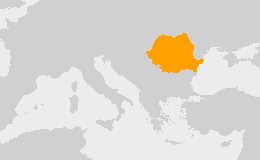
Las afiliadas de la CSI en Rumania son Blocul National Sindical (BNS), la Confederatia Nationala Sindicala Cartel Alfa (Cartel ALFA), la Confederatia Sindicatelor Democratice din Romania (CSDR) y la Confederatiei Nationale a Sindicatelor Libere din România (CNSLR-FRATIA).
Rumanía ratificó el Convenio nº 87 sobre la libertad sindical y la protección del derecho de sindicación (1948) en 1957 y el Convenio nº 98 sobre el derecho de sindicación y de negociación colectiva (1949) en 1957.
según la ley
Libertad sindical / Derecho de sindicalización
Libertad sindical
El derecho a la libertad sindical está consagrado en la Constitución.
El derecho a la libertad sindical está regulado por la legislación.
Discriminación antisindical
La ley prohíbe la discriminación antisindical, pero no pevé medidas adecuadas de protección al respecto.
Barreras legales al establecimiento de organizaciones
- Se requiere un número mínimo de miembros excesivo para establecer un sindicato
- La legislación concede amplias facultades a los organismos administrativos estatales para ejercer control sobre la actividad económica y financiera de los sindicatos (Ley núm. 62 relativa al diálogo social, artículo 26 (2)).
Restricciones al derecho de los sindicatos a organizar su administración
- Restriciones al derecho a elegir representantes y autoadministrarse con plena libertad
- Una de las condiciones de elegibilidad establecidas en el artículo 8 de la Ley de diálogo social (SDA) excluye "a quienes cumplen una condena complementaria a la prohibición del derecho a ocupar un cargo o a ejercer una ocupación de la misma naturaleza que la que tenían cuando cometieron el delito". La Ley núm. 144 de 2007 obliga a los presidentes, vicepresidentes, secretarios y tesoreros de las federaciones y confederaciones sindicales declarar públicamente cada año su patrimonio y los intereses devengados y otorga a la Agencia Nacional de Integridad (ANI) la facultad de verificar tales afirmaciones.
- Restricciones a la libertad para organizar libremente actividades y formular programas
- En virtud del párrafo 2 del artículo 2 de la Ley de diálogo social, las organizaciones de trabajadores no realizarán actividades políticas. Además,la legislación concede amplias facultades a los organismos administrativos estatales para ejercer control sobre la actividad económica y financiera de los sindicatos (Ley núm. 62 relativa al diálogo social, artículo 26 (2)).
- Otras interferencias externas admitidas por la ley
- La ley prevé una jornada laboral más corta para los dirigentes sindicales, de manera que puedan llevar a cabo sus actividades sindicales sin pérdida de salario. Pero en un reciente dictamen (No. 1276/2010) el Tribunal Constitucional declaró que esta disposición era inconstitucional.
Categorías de trabajadores a quienes la ley prohíbe o restringe la posibilidad de formar o afiliarse a sindicatos, o de ocupar cargos sindicales
- Otras categorías
- De conformidad con el párrafo 1 del artículo 3 de la Ley de diálogo social, los jornaleros, los trabajadores por cuenta propia y los trabajadores que mantienen relaciones laborales atípicas, que constituyen aproximadamente el 25,5% de la población total empleada en Rumania, están excluidos del ámbito de aplicación de la ley y, por lo tanto, no pueden ejercer sus derechos sindicales.
- Otros funcionarios y empleados públicos
- Las personas que ocupan cargos públicos, incluidos los magistrados, no pueden unirse o constituir sindicatos (Ley núm. 62 relativa al diálogo social, artículo 4).
Otras restricciones
- Otras restricciones
- El párrafo 3 del artículo 29 de la Ley Nº 188/1999 sobre el estatuto de los funcionarios públicos dispone que los funcionarios públicos de alto nivel o los funcionarios con responsabilidades presupuestarias quedan suspendidos si deciden ejercer actividades en la gestión de un sindicato.
Derecho a la negociación colectiva
Derecho a la negociación colectiva
El derecho a la negociación colectiva está recogido en la Constitución
El derecho a la negociación colectiva está reconocido por la ley.
Obstáculos legales para el reconocimiento de los agentes de negociación colectiva
- Se requiere una representatividad excesiva o un número mínimo de miembros para poder negociar colectivamente
- Para ser representativo a nivel nacional, el artículo 51 de la Ley núm. 62 sobre el diálogo social requiere contar con un número acumulado de afiliados que represente por lo menos el 5 por ciento de la fuerza de trabajo y en las estructuras territoriales en más de la mitad de los municipios nacionales. A nivel de empresa, el requisito es un número de afiliados de por lo menos el 50 por ciento más uno de los trabajadores/as de la empresa.
- Posibilidad de eludir los sindicatos representativos y negociar directamente con representantes de los trabajadores/as
- En caso de que ningún sindicato alcance la mayoría para ser reconocido como agente de negociación, son “los representantes designados por los trabajadores” los que se convierten en interlocutores legítimos. De conformidad con el artículo 135 (1) de la Ley núm. 62 sobre el diálogo social, en las empresas donde no haya un sindicato que cumpla con los criterios de representatividad, pero cuyo sindicato a nivel de empresa sea miembro de una federación que cumpla los criterios de representatividad en el sector de actividad correspondiente, la negociación de un convenio colectivo será llevada a cabo por los representantes de dicha federación conjuntamente con los representantes elegidos por los trabajadores/as. En las empresas donde no exista un sindicato que reúna los criterios de representatividad, y que éste a su vez no sea miembro de una federación que cumpla con los criterios de representatividad en el sector de actividad correspondiente, serán los representantes elegidos por los trabajadores/as los que llevarán a cabo la negociación del convenio colectivo.
Restricciones al principio de negociación libre y voluntaria
- Exclusión de ciertas cuestiones del ámbito de la negociación (por ej. salarios, jornadas laborales)
- En el sector público están excluidos del ámbito de la negociación colectiva los siguientes temas: salarios, aumentos salariales, subsidios, bonificaciones y otras prestaciones para el personal dispuestas por ley (artículo 3 (b) de la Ley núm. 284/2010). Sin embargo, el artículo 138 (4) de la Ley núm. 62 sobre el diálogo social permite que, en los casos en que los derechos salariales sean establecidos por leyes especiales, los salarios específicos serán determinados por negociación colectiva, dentro de los límites legales.
Derecho de huelga
Derecho de huelga
El derecho de huelga está consagrado en la Constitución
El derecho de huelga está reconocido en la legislación
Impedimentos legales a acciones de huelga legítimas
- Se requiere una representatividad excesiva o un número mínimo de miembros para organizar una huelga legal
- El artículo 205 de la Ley núm. 62 relativa al diálogo social establece que los servicios mínimos sean fijados por ley.
Prohibición o restricciones para ciertos tipos de acción de huelga
- Restricciones respecto al objetivo de una huelga (por ej. disputas industriales, cuestiones económicas y sociales, políticas, de simpatía o solidaridad)
- Las huelgas sólo pueden tener como finalidad defender los intereses económicos de los trabajadores/as y no pueden utilizarse con fines políticos. Las huelgas de solidaridad están permitidas si se trata de sindicatos afiliados a la misma federación o confederación, pero en ningún caso pueden durar más de 24 horas.
Disposiciones que socavan el recurso a acciones de huelga o su eficacia
- Excesivas sanciones civiles o penales contra los trabajadores/as y sindicatos involucrados en acciones de huelga no autorizadas
- Si un tribunal declara ilegal una huelga, el sindicato es pasible de pagar daños y perjuicios, y sus líderes podrían ser despedidos.
Limitaciones o prohibición de hacer huelga en algunos sectores
- Determinación discrecional o lista excesivamente larga de «servicios esenciales» en los que el derecho de huelga queda prohibido o severamente restringido
- El artículo 2 (2) de la Ley núm. 62 sobre el diálogo social, aprobada en 2011, requiere un mínimo de 15 miembros de la misma empresa para constituir un sindicato.
En la Práctica
El sindicato Massa Industrie, miembro de la Federación BNS, afiliada a IndustriALL, se enfrenta a constantes presiones por parte de la dirección de la compañía SC AUTOLIV Romania SRL, subsidiario de uno de los mayores proveedores de sistemas de seguridad para automóviles. Según el sindicato, la dirección se niega a reunirse con el sindicato legalmente establecido y representativo en la planta. Recientemente, se ha dado cuenta de agresiones físicas y verbales contra los representantes sindicales que intentaban organizar e informar a los empleados.
Tras los cambios introducidos a la legislación laboral en 2016 en Rumania, que socavan gravemente la libertad sindical y el derecho de negociación colectiva, la CSI y sus afiliadas, Blocul National Sindical (BNS), la Confederatia Nationala Sindicala Cartel Alfa, la Confederatia Sindicatelor Democratice din Romania (CSDR) y la Confederatiei Nationale a Sindicatelor Libere din România (CNSLR-FRATIA) instaron al Gobierno a enmendar el marco legal y restaurar el diálogo social.
En base a la ley de 2016, para que un sindicato esté legalmente capacitado para negociar y firmar un convenio colectivo sectorial, debe representar a al menos el 50+1 por ciento de los trabajadores del sector, un requisito extremadamente estricto que hace prácticamente imposible la conclusión de convenios colectivos.
La naturaleza prohibitiva de este prerrequisito resulta aún más evidente si consideramos que el 42 por ciento de los trabajadores rumanos están empleados en pequeñas y medianas empresas, que en el 32 por ciento de los casos tienen menos de 21 empleados e incluso menos de 15 trabajadores por unidad, por lo que ni tan siquiera tienen derecho a crear un sindicato que pudiera tomar parte en la negociación colectiva.
Con la eliminación de los convenios a escala nacional y la nueva reforma que impone requisitos tan estrictos a la negociación colectiva a nivel sectorial, está claro que el panorama global de las relaciones laborales ha registrado un giro en Rumania hacia los convenios colectivos a nivel de planta. No obstante, de un total de 530.000 empresas, apenas unas 14.000 disponen de un convenio colectivo en vigor. Conviene señalar, además, que de esos 14.000 convenios un porcentaje mínimo ha sido firmado por sindicatos representativos con un fuerte poder de negociación, en tanto que el resto (la gran mayoría) fueron concluidos por la nueva entidad prevista por la nueva ley reformada como contraparte en los procesos de negociación colectiva, los denominados “nuevos representantes de los empleados”. Estos representantes no disponen ni de los recursos ni del “poder” de los sindicatos, y están en una posición mucho menos ventajosa a la hora de negociar, por lo que la calidad del convenio será inferior, y no garantizará condiciones de trabajo adecuadas o salarios justos.
La Confederatia Nationala Sindicala Cartel Alfa (Cartel ALFA), junto con las otras centrales sindicales del país, ha venido intentando enmendar las leyes durante los últimos siete años, para restaurar la negociación colectiva, pero todos sus esfuerzos se han visto bloqueados, principalmente por el Consejo de Inversores Extranjeros y la Cámara de Comercio Americana.
Las centrales nacionales deploran el hecho de que el diálogo social se haya convertido en un cascarón hueco. De hecho, autoridades e inversores han lanzado una intensa campaña destinada a desmantelar el movimiento sindical en el país. El Gobierno no respeta la idea de representatividad, puesto que lleva a cabo las consultas con cualquier organización de trabajadores independientemente de su legitimidad para representarlos. Incluso reemplaza el diálogo social con los interlocutores por consultas con organizaciones no gubernamentales (ONG). Los sindicatos han tenido que hacer frente con la persistente negativa por parte del Gobierno y el Parlamento a enmendar aquellas leyes que contravienen claramente los convenios de la OIT sobre libertad sindical y negociación colectiva.
A principios de 2017, SC Lisa Dräxlmaier Autopart Romania SRL en Pitesti prácticamente desmanteló sus operaciones, donde había una fuerte presencia sindical, trasladándolas literalmente a una planta vecina, que operaba como sucursal de SC DAR Dräxlmaier Automotive S.R.L – Sisteme de Productie Cablage en Timisoara. SC Lisa Dräxlmaier transfirió todos sus contratos a SC DAR Dräxlmaier. Como resultado de ello, los trabajadores de SC Lisa Dräxlmaier quedarían parcialmente desempleados. Entre tanto, la empresa empezó a reclutar a trabajadores a través de una agencia de empleo, ofreciéndoles trabajo en la nueva planta, a condición de que no se afiliasen a un sindicato y que dejasen de trabajar en SC Lisa Dräxlmaier. Se facilitaron los datos personales de los empleados a terceras partes no autorizadas –agencias de empleo y otras compañías–, lo que plantea serias dudas respecto a la violación de los derechos de los trabajadores respecto a la protección individual en relación con el procesamiento de datos personales y libertad de movimiento (Ley 677/2001).
SC Lisa Dräxlmaier Autopart Romania SRL ha vulnerado además el convenio colectivo en vigor en cuanto a la reorganización de la compañía. A pesar de numerosas solicitudes remitidas por Blocul National Sindical (BNS) desde 2014, hay una total falta de transparencia en lo concerniente a las políticas de personal y reorganización de la compañía.
La empresa estableció además un sistema abusivo en la asignación de puestos de trabajo, enviando a algunos empleados a trabajar en establecimientos situados a más de 600 kilómetros de distancia, incluyendo trabajadores con una esposa paralítico hijos autistas a su cargo.
La dirección de SC Lisa Dräxlmaier Autopart Romania SRL interfiere además en las actividades sindicales en relación con el pago de las cuotas sindicales.
La CSI, la Confederación Europea de Sindicatos, IndustriALL Global Union y su regional europea, remitieron un llamamiento conjunto pidiendo la inmediata intervención de Dräxlmaier para corregir las irregularidades en su subsidiaria rumana SC Lisa Dräxlmaier Autopart Romania SRL.
Desde su establecimiento en Rumania, Kablutronik Company ha venido produciendo cables para frigoríficos y lavadoras con excelentes resultados económicos. De hecho, la compañía registró un aumento de productividad del 20% y mantenía un clima social excelente dentro de la empresa, que se traduciría en un incremento del 12 por ciento en salarios y otros beneficios, como bonos para comidas y vacaciones. Sin embargo, al finalizar el proceso de negociación, el director turco se negó a concluir el convenio, optando por firmar anexos adicionales a cada contrato de trabajo individual. Aunque la dirección adujo que actuaba siguiendo “órdenes de Turquía”, en realidad su motivación es otra.
En realidad, la compañía registra buenos resultados y tiene previsto contratar a más trabajadores, de manera que la negociación individual y la incorporación de dichos anexos al contrato de trabajo resultarían más efectivas para la dirección, debilitando el poder de negociación colectiva. El sindicato llevó el caso ante los tribunales, solicitando el reconocimiento formal de los resultados del proceso de negociación, y entre tanto convocó una huelga para ejercer presiones a la dirección.
A lo largo de todo el año 2016 se han estado introduciendo cambios a la legislación laboral en Rumania. Para que un sindicato esté legalmente capacitado para negociar y firmar un convenio colectivo sectorial, la nueva regulación requiere que afilia a al menos el 50 por ciento +1 de los trabajadores de sector, un requisito extremadamente estricto que hace prácticamente imposible la conclusión de convenios sectoriales.
La naturaleza prohibitiva de este prerrequisito resulta aún más evidente si consideramos que el 42 por ciento de los trabajadores rumanos están empleados en pequeñas y medianas empresas que en el 32 por ciento de los casos tienen menos de 21 empleados e incluso menos de 15 trabajadores por unidad, por lo que ni tan siquiera tienen derecho a crear un sindicato que pudiera tomar parte en la negociación colectiva.
Con la eliminación de los convenios a escala nacional y la nueva reforma que impone requisitos tan estrictos a la negociación colectiva a nivel sectorial, está claro que el panorama global de las relaciones laborales ha registrado un giro en Rumania hacia los convenios colectivos a nivel de planta. No obstante, de un total de 530.000 empresas, apenas unas 14.000 disponen de un convenio colectivo en vigor a nivel de planta. Conviene señalar, además, que de esos 14.000 convenios un porcentaje mínimo ha sido firmado por sindicatos representativos con un fuerte poder de negociación, en tanto que el resto (la gran mayoría) fueron concluidos por la nueva entidad prevista por la nueva ley reformada como contraparte en los procesos de negociación colectiva, los denominados “nuevos representantes de los empleados”. Estos representantes no disponen ni de los recursos ni del “poder” de los sindicatos, y están en una posición mucho menos ventajosa a la hora de negociar, por lo que la calidad del convenio será inferior, y no garantizará condiciones de trabajo adecuadas o salarios justos.
La Confederatia Nationala Sindicala Cartel Alfa (Cartel ALFA), junto con las otras centrales sindicales del país, ha venido intentando enmendar las leyes durante los últimos cinco años, para restaurar la negociación colectiva, pero todos sus esfuerzos se han visto bloqueados, principalmente por el Consejo de Inversores Extranjeros y la Cámara de Comercio de los Estados Unidos.
En noviembre de 2015 diversas organizaciones sindicales (incluyendo a Sindicatul National Petrom-Energie, FNS Solidaritatea Metal (SMETAL), Federatia Sindicatelor Libere din Chimie Si Petrochimie (FSLCP) y Federatia Sindicala Craimodex Craiova) se manifestaron frente al Ministerio de Trabajo en Bucarest para denunciar la erosión de los derechos de negociación colectiva. La Ley 62 sobre el diálogo social fue aprobada por el Gobierno en 2011 bajo la presión del Fondo Monetario Internacional. La reforma se aprobó sin ser debatida en el Parlamento como una especie de “medida de emergencia” en respuesta a la crisis, aboliendo totalmente el derecho de huelga a escala nacional y haciendo que la negociación colectiva a nivel sectorial resulte prácticamente imposible. Tras esta reforma antidemocrática, la situación empeoraría considerablemente para los trabajadores/as rumanos: muchos sindicatos locales perdieron su representatividad, por lo que el número de convenios colectivos firmados por los sindicatos disminuyó enormemente. Además, en línea con las reformas impuestas por la Troika en la gran mayoría de los Estados miembros del sur, la legislación también ha permitido a los empleadores utilizar más fácilmente contratos de empleo que no se ajustan a las normas ampliando el período de los contratos de duración determinada de 24 a 36 meses. La inmensa mayoría de los nuevos empleos que se crean son precarios y los empleadores se aprovechan de una legislación laxa para reducir el número de trabajadores con contratos indefinidos y sustituirlos por contratos de duración determinada, más flexibles.
La compañía SC OMV Petrom SA firmó un contrato colectivo con el Sindicatul National Petrom-Energie, excluyendo arbitrariamente a la otra organización sindical representativa a nivel industrial, la Federatia Sindicatelor Libere si Independente ENERGETICA. En el acuerdo se cambió la definición de “sindicato representativo” de tal manera que se discriminaba tanto a los miembros del sindicato no firmante del convenio como a propio sindicato. De hecho, el nuevo convenio colectivo incluye incrementos salariales exclusivos, incentivos financieros y sistemas de turnos preferentes reservados para los trabajadores afiliados a la organización signataria, así como otras disposiciones discriminatorias hacia la otra organización sindical, denegándole el acceso a documentos relevantes y la participación en diversos comités de empresa.
El 19 de marzo de 2015 el Tribunal de Ilfov ordenó la readmisión de un líder sindical que había sido injustamente despedido por Wizz Air. Mircea Constantin, presidente de Sindicatul Aerolimit, el sindicato de personal de cabina en la sede de la aerolínea en Bucarest, fue despedido de manera improcedente por su decisión de establecer un sindicato en la compañía. A pesar de una intensa campaña desplegada por la ETF y la ITF conjuntamente con la Confederación Europea de Sindicatos (CES), y que incluyó una petición de LabourStart que reuniría cerca de 10.000 firmas de todo el mundo, Wizz Air se negaba a readmitir a los trabajadores despedidos. No obstante, la compañía no tendría más remedio que acatar la orden judicial en relación con la reincorporación del sindicalista y el pago de una compensación equivalente a su salario.
Wizz Air is a low-cost airline based in Central and Eastern Europe. On their website, the company proudly says: “we believe that people make all the difference” and that they “believe in high ethical standards driven by an excellent team-player approach”. However, that “ethical” approach does not seem to include the acceptance of trade unions defending workers’ rights.
Earlier this year, a couple of courageous cabin crew members decided to set up a trade union at Wizz Air. One month after they formally announced the foundation of a trade union, its President, Mircea Constantin, was dismissed on false disciplinary grounds. The Vice-President and Secretary of the trade union, Claudiu Bita and Denisa Chelu, were suspended for two weeks on the ground that “their involvement in the trade union makes them a safety hazard during the flights”.
The management of Wizz Air visited the company’s hub in Bucharest and verbally confirmed that they will not accept any unions inside the company. The union was given one week to dissolve itself; otherwise, actions would be taken, namely the removal of one aircraft from Bucharest and consequently further lay-offs despite earlier growth announcements. After the deadline, the management sent a letter explaining that, given the situation, the company had decided to establish a new cabin crew employment company. That company would provide non-unionised workers for Wizz Air in Bucharest.
The pressure put forth by the company increased and many workers were afraid of losing their jobs. The management even contacted people during their days off to inquire about their position vis-à-vis the union. The situation reached a head on 4 November 2014 with the termination of 19 union members’ contracts, mostly founding members, due to the “reorganisation and lower demand during the winter schedule”.
Wizz Air es una aerolínea de bajo coste con sede en Europa Central y del Este. En su sitio web, la empresa afirma con orgullo: “Bajo nuestro punto de vista, las personas son lo más importante” y “fomentamos unos elevados estándares éticos impulsados por un enfoque óptimo basado en el trabajo en equipo”. Sin embargo, ese enfoque “ético” no parece aprobar el concepto de que los sindicatos defiendan los derechos de los trabajadores y trabajadoras.
A principios de este año, dos valerosos miembros de la tripulación de cabina decidieron establecer un sindicato en Wizz Air. Un mes después de haber anunciado formalmente la creación del sindicato, su Presidente Mircea Constantin, fue despedido por motivos disciplinarios falsos. El Vicepresidente y el Secretario del sindicato, Claudiu Bita y Denisa Chelu, fueron suspendidos durante dos semanas en base a la alegación de que “su participación en el sindicato supone un riesgo para la seguridad durante los vuelos”.
Los directivos de Wizz Air visitaron la sede de la empresa en Bucarest y confirmaron verbalmente que no tolerarían la presencia de sindicatos en el seno de la empresa. El sindicato recibió un plazo de una semana para disolverse, de lo contrario se tomarían medidas, en concreto la retirada de un avión de Bucarest y, posteriormente, nuevos despidos, a pesar de la publicación de comunicados relativos al crecimiento que estaba experimentando la empresa. Tras vencer el plazo, los directivos enviaron una carta explicando que, dada la situación, la empresa había decidido establecer una nueva agencia de empleo para la contratación de tripulantes de cabina. La empresa proporcionaría trabajadores no sindicalizados para Wizz Air en Bucarest.
La presión ejercida por la empresa siguió aumentando, y muchos trabajadores temían perder su empleo. La dirección llegó incluso a contactar a varios empleados durante sus días de descanso para preguntarles su opinión sobre el sindicato. La situación culminó el 4 de noviembre de 2014 con la cesación de los contratos de 19 sindicalistas, en su mayoría miembros fundadores, debido a una “reestructuración y a la disminución de la demanda durante la temporada de invierno”.
SC Erdemir Romania despidió a 10 trabajadores que participaron en la protesta organizada para pedir mejores condiciones de trabajo en el marco de la negociación colectiva, entre el 5 y el 7 de febrero de 2013. El tribunal falló a favor de los trabajadores y ordenó su reincorporación, aunque el empleador ha interpuesto un recurso. El 5 de julio de 2013, SC Energy Complex Oltenia decidió dejar de cobrar y de remitir las cuotas sindicales a la Federación Nacional de Trabajadores Mineros y de la Energía a pesar de un convenio colectivo existente. El Juzgado de Primera Instancia de Gorj dictaminó que esta decisión de la empresa era ilegal y ordenó la entrega de las cuotas sindicales. Sin embargo, la empresa se ha negado a cumplir esta decisión. SC Nitroporos SRL (Fagaras) tampoco ha abonado las cuotas sindicales al Sindicato Libre Nitramonia-Rompiro por el período de abril de 2011 a marzo de 2013, el Tribunal de Brasov falló a favor del sindicato el 14 de febrero y ordenó a la empresa pagar una indemnización de 205.091 lei rumanos.
Por otra parte, Cartel ALFA ha dado a conocer la negativa de SC Carrefour Romania SA de revelar la información pertinente y necesaria a los sindicatos en el marco de la negociación colectiva durante el período de mayo a julio de 2013.
En abril de 2014, más de 300 empleados/as en la fábrica Maglierie Cristian Impex organizaron una huelga, para protestar por el retraso en el pago de salarios y ante el temor de no poder dar a sus familias una comida decente en Semana Santa. Cristi Deseanu, de 29 años, uno de los huelguistas, fue despedido junto con otro compañero que también habían participado activamente en la acción de protesta. La dirección afirmó que Deseanu había abandonado su trabajo voluntariamente. La fábrica de confecciones de punto de origen italiano, Maglierie Cristian Impex, es el mayor empleador en la región de Calafat. La mano de obra en la compañía está integrada mayoritariamente por mujeres, que reciben salarios muy inferiores al salario mínimo.
En abril de 2014, más de 300 empleados/as en la fábrica Maglierie Cristian Impex declararon una huelga salvaje, para protestar por el retraso en el pago de salarios y ante el temor de no poder dar a sus familias una comida decente en Semana Santa. Cristi Deseanu, de 29 años, uno de los huelguistas, fue despedido junto con otro compañero que también habían participado activamente en la acción de protesta, pero afortunadamente sus compañeros finalmente cobraron sus salarios. Aunque la dirección afirmó que Deseanu había abandonado su trabajo voluntariamente, los documentos de la empresa demuestran que la firma en realidad lo despidió. El despido improcedente se apoyó en un proceso disciplinario interno, según el cual Desenau había participado en una huelga no autorizada, dañando la imagen de la compañía.
La fábrica de confecciones de punto de origen italiano, Maglierie Cristian Impex, es el mayor empleador en la región de Calafat; produciendo ropa para grandes nombres como Kenzo, Escada, Marc O’Polo, Faconnable e Inditex, el gigante español cuyas marcas incluyen Zara y Massimo Dutti. Los dueños de la fábrica afirman que se ven sometidos a intensas presiones por parte de sus clientes para mantener los precios bajos. La mano de obra, integrada mayoritariamente por mujeres, muchas veces está contratada con apenas el salario mínimo legal de un par de cientos de euros al mes, y en ocasiones incluso menos; pueden tener que esperar varios meses para cobrar su salario, que resulta muy inferior al “salario vital” establecido para Rumania.
En el asunto Sindacutul ‘Pastorul Cel Bun’ contra Rumania [2013] ECHR 646, el Tribunal Europeo de Derechos Humanos anuló una decisión anterior de la Sección Tercera en favor del Gobierno rumano en relación con la negativa de registro de un sindicato establecido por sacerdotes. La Arquidiócesis se opone a la inscripción argumentando que la constitución del sindicato era incompatible con las obligaciones aceptadas por los sacerdotes. La Gran Sala reconoció que era una injerencia en el derecho a la libertad sindical, pero considera esta interferencia necesaria y proporcionada en relación con la protección del artículo 9. Se sostuvo que, al negarse a registrar el sindicato, “el Estado simplemente se negó a participar en la organización y funcionamiento de la Iglesia Ortodoxa Rumana, observando así su deber de neutralidad en virtud del artículo 9 de la Convención”.
La dirección de Metrotex se negó a negociar un nuevo convenio colectivo con el Sindicato Libre de Trabajadores del Metro y la Aviación (USLMA). El convenio colectivo vigente expiró en marzo de 2013.
El sindicato Tarom National Technical Trade Union ha indicado que la dirección de las líneas aéreas nacionales, CN Tarom SA, se ha negado a negociar con el sindicato un nuevo contrato a pesar de que éste sigue representando a los trabajadores/as. Se piensa que la empresa puede estar utilizando un vacío creado como resultado de la nueva ley sobre el diálogo social para justificar sus medidas. Se han introducido nuevos criterios que atañen la forma en que los interlocutores sociales representan a los trabajadores y también en relación con la negociación colectiva, pero el Gobierno no ha definido los sectores en los que pueden firmarse convenios.
A principios de año, Rumania seguía siendo el último nuevo Estado miembro de la UE de Europa Central y Oriental que aún no había resuelto la cuestión de las propiedades sindicales. En diciembre de 2009 el Senado rumano rechazó un proyecto de ley sobre los bienes sindicales, propuesto por una comisión integrada por miembros del Gobierno y representantes de las centrales sindicales. En enero de 2010 el movimiento sindical internacional instó al Gobierno y al Presidente rumano a promulgar la ley sobre la restitución de bienes, tal como fuera adoptada por la comisión, para resolver de una vez por todas la cuestión de la distribución de los bienes sindicales, permitiendo de este modo que los sindicatos rumanos puedan continuar llevando a cabo sus actividades con total libertad y seguridad.
Aunque las actividades antisindicales están prohibidas, las sanciones por restringir las actividades sindicales muy rara vez se aplican en la práctica. El procedimiento para la presentación de una queja es demasiado complejo, y además las autoridades no dan prioridad a las quejas de los sindicatos. También hay informes sobre inspecciones de trabajo que no siempre respetan la confidencialidad de las denuncias, y sobre algunos empleadores que prefieren las sanciones a cumplir con la legislación laboral.
En los últimos años algunos empleadores han tratado de bloquear la creación de sindicatos en las empresas e incluso han advertido a los trabajadores de que no aborden el tema de la sindicalización con personas ajenas a la empresa. Ha habido informes sobre empleadores sin escrúpulos, por lo general empresas extranjeras, que condicionan el empleo de manera que el trabajador/a tenga que aceptar no crear ni afiliarse a un sindicato. Asimismo, si un/una representante sindical pierde su trabajo, casi nunca se les permite volver a los locales de la empresa para reunirse con miembros del sindicato. Los trabajadores autónomos que deseen crear o afiliarse a un sindicato son los que corren mayor riesgo.