
Uruguay
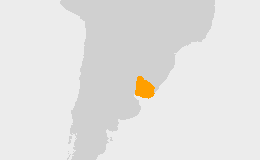
La CSI no tiene ninguna afiliada en Uruguay. La principal central sindical nacional es el Plenario Intersindical de Trabajadores - Convención Nacional Trabajadores (PIT-CNT).
Uruguay ratificó el Convenio nº 87 sobre la libertad sindical y la protección del derecho de sindicación (1948) en 1954 y el Convenio nº 98 sobre el derecho de sindicación y de negociación colectiva (1949) en 1954.
según la ley
Libertad sindical / Derecho de sindicalización
Libertad sindical
El derecho a la libertad sindical está consagrado en la Constitución.
Discriminación antisindical
La ley prohíbe la discriminación antisindical
Derecho a la negociación colectiva
Derecho a la negociación colectiva
El derecho a la negociación colectiva está reconocido por la ley.
Otras restricciones
- Otras restricciones
- Respecto a los Consejos de Salarios, la CEACR considera que la posibilidad de que en los consejos tripartitos se vote para la fijación de condiciones de empleo infringe el principio de la negociación libre y voluntaria. Si bien la fijación de los salarios mínimos puede ser objeto de decisiones de instancias tripartitas, las demás condiciones de trabajo deberían ser fijadas mediante negociación, sin injerencia de las autoridades públicas, entre las organizaciones de trabajadores y los empleadores o sus organizaciones.
Derecho de huelga
Derecho de huelga
El derecho de huelga está consagrado en la Constitución
En la Práctica
La Federación Nacional de Profesores de Enseñanza Secundaria (FeNaPES) convocó un paro nacional de 24 horas para el 18 noviembre de 2021, con movilizaciones, concentraciones y marchas para exigir un cambio en la política en diferentes entidades educativas, que atenta contra los derechos laborales y sindicales del personal docente. Entre ellas están la Universidad de la República y Liceo 1 de San José, donde la persecución sindical ha llevado a despidos por haber participado en reuniones sindicales. Con el respaldo de la Internacional de la Educación, la FeNaPES presentó el 10 de noviembre de 2021 una queja ante la Organización Internacional del Trabajo (OIT), dando cuenta de la persecución antisindical por parte del Gobierno hacia el profesorado del Liceo 1 de San José.
A lo largo de 2021, las Instituciones de Asistencia Médica Colectiva (IAMAC) de Montevideo y el interior han venido incumpliendo sistemáticamente con el pago del complemento por la extensión de la licencia maternal hasta los 6 meses de vida del hijo establecido en la Comisión de Género del CDS del Grupo 15 del sector privado. El 9 de noviembre, el Sindicato Médico del Uruguay (SMU) planteó las denuncias a la Dirección Nacional de Trabajo sobre el incumplimiento por parte de algunas de las empresas, que afecta al colectivo de mujeres médicas del sector privado.
El 4 de agosto de 2021, el Sindicato de Trabajadores de Coca Cola (STCC) resolvió por unanimidad convocar un paro total de siete días en Uruguay, al no haber obtenido respuestas ni soluciones a los anuncios de despido de 34 trabajadores. En la última reunión del congreso nacional, el STCC se declaró en estado de alerta ante la falta de avances en las negociaciones con la empresa.
La situación comenzó cuando la empresa planteó una reestructuración despidiendo a 16 trabajadores en Montevideo y a un número similar en el departamento de Salto. La empresa señaló que despedirá a quienes hubieran tenido una falta o sanción en el pasado. Se trata de trabajadores que llevan más de 20 años trabajando en un mismo lugar, por lo que se está usando la excusa de faltas anteriores, ya corregidas, para despedir injustamente al personal sindicalizado en Salto.
El STCC respetó el acuerdo marco vigente que establece un período de discusión de 45 días ante cualquier escenario de reestructuración, pero el plazo venció sin avances en las negociaciones. Si la empresa no permitía que los trabajadores se incorporasen a sus puestos de trabajo, el sindicato continuará exigiendo que se respeten los derechos laborales y la libertad sindical procediendo al paro anunciado.
A lo largo de 2021 se han incrementado los casos de violencia y acoso en lugares de trabajo. Por ejemplo, a mediados de abril de 2021 se despidió una trabajadora del transporte de carga por denunciar una situación de acoso. A la semana siguiente, una capataz de la Chacra, San Miguel, en la localidad de Queguay, Paysandú, golpeó a una trabajadora. No se trata de hechos aislados, sino a un patrón que se generaliza día a día en los diferentes ámbitos laborales y hace que estas situaciones de violencia resulten habituales.
En el convenio colectivo del Consejo de Salario del grupo 15, en diciembre de 2020 se acordó una partida que prevé un complemento salarial remunerado de forma mensual para todos los trabajadores anestésicos quirúrgicos que están en relación de dependencia cuyas remuneraciones están entre las más bajas y que, debido a la emergencia sanitaria y a las disposiciones del Gobierno, no están realizando cirugías.
El cobro de este dinero depende de los promedios salariales de los trabajadores previos al comienzo de la epidemia. Este complemento es una forma de paliar la afectación salarial que tienen debido a la pandemia y a la paralización de sus actividades para dejar camas libres para los infectados con Covid-19.
En abril de 2021, el Sindicato Médico del Uruguay (SMU), la Federación Médica del Interior (FEMI) y el Sindicato Anestésico Quirúrgico (SAQ), mantuvieron con representantes de las Instituciones de Asistencia Médica Colectiva (IAMC) de Montevideo y el interior, y el Ministerio de Trabajo, por el incumplimiento del pago de este complemento. Desde las gremiales médicas se reclamó y se solicitó a las IAMC que proporcionasen información sobre cuáles serían los trabajadores que están en condiciones de cobrar dicho complemento. Pero los representantes de las IAMC se negaron a proporcionar la información requerida, incumpliendo con la Ley de Negociación Colectiva. Los sindicatos seguirán insistiendo para que se cumpla lo acordado.
La Federación de Trabajadores de la Industria Láctea (FTIL) denunció la actitud antisindical del grupo de empresas del transporte vinculadas a Industria Láctea Salteña (INDULACSA Cardona), donde se ha despedido a trabajadores sindicalizados y vulnerado los derechos de los trabajadores recurriendo a prácticas irregulares de contratación de personal en negro.
El 6 de abril de 2021 el Sindicato de Trabajadores del Transporte de Leche (STTL) se declaró en conflicto en respuesta al despido arbitrario del delegado sindical de base, Javier De León. Informó que se vio obligado a ello tras cinco meses de negociación, transcurridos todos los plazos razonables y agotadas las instancias previstas en los Consejos de Salarios sin poder alcanzar un acuerdo que permita asegurar la fuente laboral del trabajador y delegado sindical.
La FLIL manifestó su total respaldo al reclamo del STTL exigiendo la inmediata reincorporación del trabajador y delegado sindical despedido. El STTL solicita asimismo la instalación de un nuevo ámbito de negociación, efectivo y sin más dilatorias, que permita encontrar soluciones a la informalidad de este grupo de empresas de transporte vinculadas a Industria Láctea Salteña (INDULACSA Cardona).
El 8 de noviembre de 2017, la Federación Obrera de la Industria de Carne y Afines (Foica) se declaró en conflicto y denunció reiteradas medidas antisindicales por parte de las empresas Ersinal S.A., Frigorífico Solís y Ecocranes/Broncelil. La Federación adujo que los empleadores se aprovecharon de la supuesta crisis del sector para tratar de desarticular la organización sindical de los trabajadores, evitando así negociar un acuerdo con el sector faena. A pesar de que los trabajadores y la Dirección Nacional del Trabajo presentaron a las empresas Ersinal S.A. y Frigorífico Solís varias propuestas para tratar de superar la crisis, éstas fueron desestimadas. Por otra parte, en la empresa Ecocranes/Broncelil se ofreció dinero y se coaccionó a los trabajadores para que se desafiliaran del sindicato a cambio de mantener su empleo . El 21 de diciembre Frigorífico Solís y los trabajadores firmaron un acuerdo por el cual el sindicato logró la protección de sus delegados. Cuatro delegados sindicales fueron reintegrados.
La Unión Autónoma de Obreros y Empleados del Gas denunció a MontevideoGas, filial de Petrobras, por el despido de una de sus afiliadas . A este despido se sumaron otros 55 que, de acuerdo con la empresa, se produjeron en el marco de una reestructuración necesaria, puesto que el negocio del gas por cañería a través de las distribuidoras MontavideoGas y Conecta ya no es rentable. Desde septiembre de 2017 la empresa y el sindicato han estado manteniendo negociaciones para llegar a un acuerdo. La empresa se ha enfocado en una reestructuración de costos que incluye aspectos laborales y la subcontratación de algunos servicios. Hasta diciembre de 2017 el sindicato rechazó esta propuesta por considerar que el objetivo real de la empresa era subcontratar los servicios para poder despedir al personal directo y desarticular así el sindicato .
El 2 de noviembre de 2017 el secretario ejecutivo del Plenario Intersindical de Trabajadores – Convención Nacional de Trabajadores (PIT-CNT) rechazó el despido de un trabajador municipal de la empresa Artigas inmediatamente después de ser elegido delegado sectorial y sindical de ese sindicato. El señor Fernando Silveira fue despedido en septiembre de 2017 después de 11 años de servicio y sin tener ninguna observación o queja.
El Sindicato Nacional de Trabajadores de la Enseñanza Privada ha denunciado una serie de despidos por motivos antisindicales en varios colegios privados, en particular tres colegios: Elbio Fernández, Cervantes y Sagrada Familia. Estas instituciones despidieron a varios delegados sindicales, e incluso en un caso despidieron a una persona que había denunciado previamente a la institución por persecución sindical .
En diciembre de 2011, el Sindicato Médico del Uruguay (SMU) declaró una serie de paros tanto en el sector público como en el privado. Los trabajadores y trabajadoras exigían el cumplimiento de los acuerdos colectivos firmados en 2009, así como condiciones laborales de horarios y salarios que fueran dignas y justas para la atención de los pacientes a su cargo.
En noviembre de 2011, los trabajadores del sector metalúrgico afiliados a UNTMRA realizaron una huelga de 25 días tras la negativa de las empresas, desde hacía 10 meses, a negociar un acuerdo colectivo de trabajo en el marco de los Consejos de Salarios, un mecanismo de negociación que prevé que tanto trabajadores como empleadores acuerden progresivos ajustes a los salarios en una rama de actividad determinada en períodos establecidos. Tras la medida de presión, la empresa finalmente negociaría con el sindicato.
Entre los meses de agosto y octubre de 2011, los trabajadores y trabajadoras de la banca pública afiliados a la Asociación de Bancarios del Uruguay (AEBU), conjuntamente con los trabajadores/as de la banca privada de Uruguay, realizaron una serie de paros para exigir al sector la negociación de un acuerdo colectivo que se venían negado a realizar desde diciembre de 2010 y que buscaba el establecimiento de mejores condiciones laborales. Tras las medidas de presión, el sector bancario se vio obligado a sentarse a la mesa y resolver las peticiones sindicales.
En octubre de 2011, los trabajadores y trabajadoras del Hospital Evangélico afiliados a la Federación Uruguaya de la Salud (FUS) decidieron ocupar durante 24 horas las instalaciones de la institución para exigir a la empresa la negociación de un nuevo convenio colectivo, que la administración se negaba permanentemente a discutir. Los trabajadores/as reanudaron las labores a la espera de una solución definitiva a las exigencias sobre condiciones de trabajo decente.