
Zimbabwe
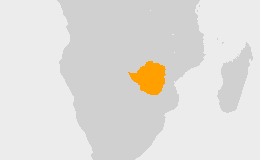
La organización afiliada a la CSI en Zimbabwe es el Zimbabwe Congress of Trade Unions (ZCTU).
Le Zimbabwe a ratifié la Convention n° 87 sur la liberté syndicale et la protection du droit syndical (1948) en 2003 et la Convention n° 98 sur le droit d’organisation et de négociation collective (1949) en 1998.
según la ley
Libertad sindical / Derecho de sindicalización
Libertad sindical
El derecho a la libertad sindical está reconocido por la ley, pero estrictamente regulado.
El derecho a la libertad sindical está consagrado en la Constitución.
Discriminación antisindical
La ley prohíbe la discriminación antisindical, pero no pevé medidas adecuadas de protección al respecto.
Barreras legales al establecimiento de organizaciones
- Para establecer un sindicato se requiere autorización o aprobación previa por parte de las autoridades
- El registrador decide sobre el registro después de haber invitado a cualquier persona que lo desee a elevar una protesta, incluidos a los empleadores (artículo 33 del Código Laboral). El artículo 36(1) estipula que tras iniciar el proceso de entrar o reducir los intereses o la zona para los que el solicitante pidió el registro (artículo 36(2)). El registrador tendrá en cuenta aspectos como la conveniencia del sindicato para los trabajadores/as y empleadores (artículo 45 del Código Laboral). En cualquier momento, el registrador puede pedir a un sindicato no registrado que le envíe datos complementarios sobre todos sus representantes y cargos y cualquier libro de actas, registro de miembros, estado de los ingresos y libro de caja (artículo 3 (12) de la Normativa sobre las Relaciones Laborales (General) de 1993). Un procedimiento parecido se aplica a los trabajadores/as de los servicios públicos. El Ministerio puede decidir sobre el registro de un sindicato tras haber invitado a cualquier persona interesada a presentar sus quejas por escrito. El Ministerio puede registrar o no al sindicato a su entera discreción (artículo 4 de la Normativa sobre Servicios Públicos (Formación y Reconocimiento de Asociaciones u Organizaciones) de 1998). Entre los factores determinantes relacionados con el reconocimiento, la suspensión, la variación y la retirada del reconocimiento se incluyen la conveniencia de otorgar una representación eficaz a la mayoría de los miembros de los Servicios Públicos y si la asociación será lo suficientemente representativa de los miembros de los Servicios Públicos (artículo 11 de la Normativa sobre Servicios Públicos (Formación y Reconocimiento de Asociaciones u Organizaciones) de 1998).
Restricciones al derecho de los trabajadores y trabajadoras a formar y afiliarse a organizaciones de su elección
- La ley impone un sistema de monopolio sindica y/o un sistema que prohíbe o restringe la sindicalización a ciertos niveles (empresa, industria/sector, regional/territorial, nacional)
- El artículo 45 de la Ley del trabajo dificulta el registro de nuevas organizaciones si ya existe otra organización registrada en una empresa u ocupación específica.
- La ley impone restricciones al derecho de los trabajadores/as a afiliarse al sindicato de su elección
- Todo empleado/a tiene derecho a afiliarse a cualquier sindicato registrado o certificado que represente a su empresa o industria si está preparado/a a cumplir sus normas y condiciones de afiliación (artículo 50 del Código Laboral). Tan pronto como sea viable tras recibir una solicitud según el apartado (1) y si la constitución del solicitante cumple con los requisitos del artículo 3, el Ministerio deberá publicar un aviso en el Boletín del Estado que describa la clase o clases de miembros de los Servicios Públicos que el solicitante pretende representar (artículo 4 de la Normativa sobre Servicios Públicos (Formación y Reconocimiento de Asociaciones u Organizaciones) de 1998).
Restricciones al derecho de los sindicatos a organizar su administración
- Restricciones al derecho a establecer libremente sus propios estatutos y reglamentos
- El artículo 28 de la Ley del Trabajo y el artículo 3 de la Normativa sobre Servicios Públicos (Formación y Reconocimiento de Asociaciones u Organizaciones) de 1998 estipulan normas sindicales que sobrepasan las meras formalidades e incluyen requisitos de peso.
- Restriciones al derecho a elegir representantes y autoadministrarse con plena libertad
- La legislación contempla la supervisión de las elecciones de representantes sindicales por parte de las autoridades (artículo 51 de la Ley del Trabajo).
- Restricciones a la libertad para organizar libremente actividades y formular programas
- La legislación otorga al Ministerio amplios poderes para regular las cuotas sindicales y asuntos como el personal que puede emplear un sindicato o sus salarios y prestaciones, así como el equipo y los bienes que los sindicatos pueden adquirir (artículos 28 (2), 54 (2) y (3) y 55 de la Ley del Trabajo).
- Las autoridades administrativas están capacitadas para tomar unilateralmente la decisión de disolver, suspender o retirar el registro a organizaciones sindicales
- Cualquier persona interesada puede solicitar al registrador la suspensión o rescisión del registro o certificación de un sindicato. El Ministerio puede ejecutar dicha solicitud si el sindicato registrado o certificado ya no representa adecuadamente los intereses o a la zona por los que se registró o certificó o no ha cumplido cualquiera de sus funciones en virtud del Código Laboral (artículo 39). La participación en una acción sindical colectiva ilegal puede tener como consecuencia la retirada del reconocimiento (artículo 107 (5) del Código Laboral). Artículo 10 de la Normativa sobre Servicios Públicos (Formación y Reconocimiento de Asociaciones u Organizaciones) de 1998: El Ministerio puede retirar el reconocimiento de una asociación si existen motivos razonables para creer que una asociación reconocida ya no representa adecuadamente los intereses de los miembros por los que se reconoció; si los bienes o fondos de una asociación reconocida se han malversado o los asuntos de la asociación se gestionan de un modo que perjudica a los intereses de sus miembros; o una asociación reconocida no desempeña cualquiera de sus funciones. El que un registrador suspenda a un sindicato significa que dicho sindicato no puede desempeñar sus funciones antes de que dicha resolución adquiera un carácter definitivo (artículo 40 de la Ley del Trabajo). La retirada del reconocimiento de una asociación tendrá como consecuencia su suspensión de desempeñar cualquier función (artículo 10 Normativa sobre Servicios Públicos (Formación y Reconocimiento de Asociaciones u Organizaciones) de 1998).
- Otras interferencias externas admitidas por la ley
- La legislación otorga al Ministerio el derecho a designar a un investigador que, a cualquier hora razonable y sin previo aviso, podrá acceder a todos los recintos, entrevistar a cualquier persona empleada en los recintos e inspeccionar y obtener copias y extractos de cualquier libro, registro u otros documentos en el recinto de los sindicatos (artículo 120 (2) de la Ley del Trabajo).
Categorías de trabajadores a quienes la ley prohíbe o restringe la posibilidad de formar o afiliarse a sindicatos, o de ocupar cargos sindicales
- Otros funcionarios y empleados públicos
- Los miembros de los servicios públicos y penitenciarios no tienen permitido sindicalizarse.
- Personal directivo y de supervisión
- Los directivos se consideran empleadores y, por tanto, no gozan del derecho a la sindicalización (artículo 2 de la Ley del Trabajo).
Derecho a la negociación colectiva
Derecho a la negociación colectiva
El derecho a la negociación colectiva está reconocido por la ley, pero no está debidamente fomentado y promovido.
Restricciones al principio de negociación libre y voluntaria
- Procedimiento de arbitraje impuesto en caso de disputa durante una negociación colectiva, no sólo en los servicios esenciales
- Los conflictos de interés en los servicios esenciales (definidos de un modo incompatible con los principios de la OIT) que no se hayan resuelto en 30 días o en otro período de tiempo acordado por las partes se remitirán a un arbitraje obligatorio (artículo 93 de la Ley del Trabajo).
- Las autoridades pueden intervenir en la conclusión de convenios colectivos
- El artículo 63A de la Ley del trabajo confiere amplias facultades al Registrador y al Ministro para investigar y asumir la dirección de un consejo de empleo (un órgano bipartito) si existe la creencia de una mala gestión.
- Las autoridades o los empleadores pueden anular, modificar o ampliar unilateralmente las disposiciones o la cobertura de los convenios colectivos
- La legislación otorga poderes al Ministerio para dictar normativas sobre una amplia lista de asuntos, incluidas las condiciones de empleo, lo cual limita la negociación colectiva. Además, el Ministerio puede “conminar a las partes a que negocien la enmienda” de un convenio colectivo registrado si éste incluye una disposición “que es o se ha convertido en incompatible con la legislación en vigor, es injusta o no es razonable”. Asimismo, el Ministerio puede enmendar el acuerdo de conformidad con la propuesta de enmienda o “de cualquier otro modo que sea razonable, justo y compatible con la legislación en vigor' (artículos 17, 25 y 81 de la Ley del Trabajo).
- Authorities’ approval of freely concluded collective agreements
- La legislación otorga poderes al Ministerio para dictar normativas sobre una amplia lista de asuntos, incluidas las condiciones de empleo, lo cual limita la negociación colectiva. Además, el Ministerio puede “conminar a las partes a que negocien la enmienda” de un convenio colectivo registrado si éste incluye una disposición “que es o se ha convertido en incompatible con la legislación en vigor, es injusta o no es razonable”. Asimismo, el Ministerio puede enmendar el acuerdo de conformidad con la propuesta de enmienda o “de cualquier otro modo que sea razonable, justo y compatible con la legislación en vigor' (artículos 17, 25 y 81 de la Ley del Trabajo).
Restricciones respecto al ámbito de aplicación y la efectividad legal de los convenios colectivos negociados
- Se requiere la aprobación de las autoridades respecto a convenios colectivos concluídos libremente
- La legislación otorga poderes al Ministerio para que ordene a un registrador que no registre un acuerdo “si, según el Ministerio, cualquier disposición del mismo contradice la legislación, es injusta o no es razonable” (artículos 78 y 79 de la Ley del Trabajo).
Restricciones o prohibición de negociar colectivamente en algunos sectores
- Otros funcionarios y empleados públicos
- Los funcionarios públicos no tienen derecho a la negociación colectiva (artículo 19(1) de la Ley de Servicios Públicos).
Derecho de huelga
Derecho de huelga
El derecho de huelga está consagrado en la Constitución
El derecho de huelga está reconocido por la ley pero estrictamente regulado.
Impedimentos legales a acciones de huelga legítimas
- Otras formalidades excesivamente complejas o que llevan mucho tiempo para poder convocar una huelga
- La legislación contempla un complicado procedimiento para declarar una huelga.
Injerencia indebida por parte de las autoridades o los empleadores durante el transcurso de una huelga
- Las autoridades o los empleadores están capacitados para prohibir, limitar, suspender o cesar unilateralmente una acción de huelga
- En particular, la notificación de la celebración de reuniones públicas en virtud de la ley es motivo de gran preocupación. En los artículos 25 a 27 de la POSA, la falta de notificación a las autoridades de la intención de celebrar reuniones públicas y la violación de la prohibición de las reuniones públicas o de las manifestaciones públicas se sancionaba con penas de prisión de hasta seis meses. Ahora, en virtud de los artículos 7(5) y 8(11) de la MOPA, la persona que cometa un delito similar podrá ser condenada a un año de prisión. El proyecto de ley de mantenimiento de la paz y el orden (MOPO), más draconiano que el POSA, está actualmente ante el Parlamento. Según el Relator Especial de la ONU, el MOPO "tiene similitudes preocupantes con el POSA, lo que revela un alcance común en el que el ejercicio del derecho de reunión pacífica no está plenamente garantizado". En su lugar, el proyecto de ley MOPO sigue otorgando a los organismos encargados de hacer cumplir la ley una amplia discreción y facultades reglamentarias". En espera de la resolución del conflicto por parte de las autoridades pertinentes, el Ministerio puede dictar una orden en virtud de la cual se obligue a que la acción sindical colectiva en cuestión se finalice, aplace, suspenda o reduzca en su ámbito (artículo 106 de la Ley del Trabajo). Tras llevar a cabo una investigación, las autoridades pertinentes pueden dictar una orden en virtud de la cual obliguen a poner fin a la acción sindical colectiva (artículo 107 de la Ley del Trabajo).
- Las autoridades o los empleadores están capacitados para prevenir o poner fin a una huelga remitiendo el conflicto al arbitraje
- El Ministerio puede requerir a un responsable de las relaciones laborales que remita un conflicto a un arbitraje obligatorio por su propia iniciativa o tras recibir una solicitud de cualquier parte perjudicada (artículo 8 de Normativa sobre las Relaciones Laborales (Resolución de Conflictos) de 1993). El Ministerio puede requerir a un responsable de las relaciones laborales que remita un conflicto a un arbitraje obligatorio por su propia iniciativa (artículo 93 de la Ley del Trabajo). Un responsable de las relaciones laborales puede remitir un conflicto a un arbitraje obligatorio teniendo en cuenta las consecuencias que pueden surgir de la acción sindical colectiva (artículo 98 de la Ley del Trabajo).
Disposiciones que socavan el recurso a acciones de huelga o su eficacia
- Excesivas sanciones civiles o penales contra los trabajadores/as y sindicatos involucrados en acciones de huelga no autorizadas
- En los casos de acción colectiva ilegal se pueden aplicar sanciones excesivas (artículos 107, 109 y 112 de la Ley del Trabajo).
Limitaciones o prohibición de hacer huelga en algunos sectores
- Determinación discrecional o lista excesivamente larga de «servicios esenciales» en los que el derecho de huelga queda prohibido o severamente restringido
- El derecho de huelga está limitado o prohibido en servicios que no son esenciales en el sentido estricto de la palabra, incluidos cualquier servicio relacionado con la producción, suministro, transporte o distribución de combustible; cualquier servicio de comunicaciones; y cualquier servicio de transporte. Asimismo, el Ministerio tiene derecho a declarar cualquier servicio esencial (artículo 102 de la Ley del Trabajo).
En la Práctica
En octubre de 2018 las fuerzas policiales reprimieron violentamente una manifestación nacional organizada por la central sindical Zimbabwe Congress of Trade Unions (ZCTU) para protestar por el aumento de los impuestos financieros y la subida de los precios. Los trabajadores fueron golpeados, y las oficinas de la ZCTU en Harare fueron acordonadas por 150 policías. Treinta y tres miembros de la ZCTU fueron arrestados y acusados de “alterar el orden público”.
Más de un año después de su arresto, 28 de estos sindicalistas se siguen enfrentando a cargos penales. Diecinueve tienen que volver a comparecer ante el Tribunal de Magistrados de Mutare el 4 de febrero de 2020 y, de ser condenados, se enfrentan a una pena de prisión obligatoria de 10 años.
En 2019, el Gobierno de Zimbabwe prosiguió con su implacable campaña de represión contra la ZCTU. Tras la represión de la huelga general organizada por la ZCTU en enero de 2019, el presidente de la ZCTU, Peter Mutasa, y el secretario general, Japhet Moyo, fueron arrestados y acusados de subversión. Ambos fueron puestos en libertad en febrero de 2019, pero han permanecido sometidos a estrictas condiciones de libertad, como, por ejemplo, la prohibición de viajar y la obligación de personarse regularmente en la comisaría de policía.
Además, la Autoridad Fiscal de Zimbabwe mantiene despedido de su empleo al segundo vicepresidente de la ZCTU, John Chirenda, por haber representado a los trabajadores.
La CSI solicitó que el 4 de febrero de 2020 se celebrara un día mundial de acción para pedir al Gobierno de Zimbabwe que retirara todos los cargos penales contra los representantes de los trabajadores y los dirigentes de la sociedad civil que habían sido detenidos por ejercer su derecho a la libertad de reunión y asociación pacíficas, y solicitó asimismo que creara un entorno propicio para que los sindicatos puedan desempeñar sus funciones sin la injerencia ni intimidación por parte del Estado.
La empresa de suministro de electricidad Zimbabwe Electricity Supply Authority (ZESA) ha reincorporado a ocho empleados que fueron despedidos hace tres años después de haber sacado a la luz importantes actividades de corrupción que se estaban llevando a cabo en el sector paraestatal.
Tras su despido, los trabajadores apelaron la decisión del presidente Emmerson Mnangagwa, quien ordenó su inmediata reincorporación. Pero ZESA se negó a cumplir dicha orden.
Finalmente, en enero de 2020, después de haber pasado varios meses en el paro, los empleados fueron reincorporados sin pérdida de salarios ni beneficios.
Japhet Moyo, secretario general de la central sindical Zimbabwe Congress of Trade Unions (ZCTU), confirmó: “Los ocho sindicalistas que pertenecen al sindicato de trabajadores de la energía Energy Sector Workers Union of Zimbabwe, organización afiliada a nuestra central sindical, han sido finalmente reincorporados sin pérdida de los salarios y beneficios por un período de casi tres años. […] Hemos librado una larga batalla de casi cinco meses con las autoridades de ZESA, que se mostraron reacias a cumplir la orden del presidente Mnangagwa de reincorporar a los trabajadores”.
Moyo señaló que los trabajadores se vieron implicados en un conflicto derivado de un convenio colectivo alcanzado en 2012 que ZESA todavía no había aplicado. “En el proceso de impulsar este convenio, los empleados descubrieron impactantes datos de corrupción, e informaron al presidente al respecto. En consecuencia, la administración de la empresa de servicios públicos los atacó y despidió ilegalmente”, explicó.
El secretario general de la ZCTU destacó que la federación de trabajadores apeló a las partes interesadas pertinentes, tanto a nivel local como internacional, para poner de relieve la difícil situación que estaban atravesando los ocho trabajadores.
También informó al presidente Mnangagwa el año pasado, cuando se reunieron al margen del Foro de Negociación Tripartita, y le escribieron asimismo varias cartas de seguimiento cuando ZESA expresó su renuencia a acatar la orden resultante.
Los ocho empleados son Florence Taruvinga, Gibson Mushunje, Admire Mudzonga, Ackim Mzilikazi, Given Dingwiza, Tariro Shumba, Stephen Moyoweshumba y Johannes Chingoriwo.
Entre las razones del acoso que sufrieron cabe destacar la exposición de la corrupción que vinculaba a la dirección y al ex ministro de Energía Samuel Undenge con una empresa de relaciones públicas dirigida por Oscar Pambuka, experiodista convertido en profeta, y Psychology Maziwisa, activista del partido Zanu PF (Unión Nacional Africana de Zimbabwe-Frente Patriótico).
Los trabajadores también denunciaron anomalías en la adjudicación del proyecto solar de Gwanda al controvertido empresario Wicknell Chivayo sin que se hubieran respetado los procedimientos de contratación establecidos, y el pago de los 5 millones USD que se le entregaron sin garantías bancarias.
Undenge, Pambuka y Maziwisa fueron declarados culpables de corrupción y condenados a penas de cárcel, pero, tras haber recurrido sus condenas y sentencias, se encuentran en libertad bajo fianza.
La central sindical Zimbabwe Congress of Trade Unions (ZCTU) ha denunciado el despido improcedente de su segundo vicepresidente en 2019. La Autoridad de Ingresos de Zimbabwe (ZIMRA), donde trabajaba, presentó inconsistentes acusaciones de insubordinación, pero sin suministrar pruebas que las fundamentaran. Durante una audiencia, un miembro de la junta directiva de la ZIMRA le acusó de formar parte de la cúpula de la ZCTU. Hasta la fecha, su recurso no se ha tramitado, y él sigue sin trabajo.
El Gobierno de Zimbabwe ha despedido a 77 médicos que estuvieron dos meses en huelga para reclamar un aumento salarial.
La Junta del Servicio de Salud inició un juicio disciplinario a principios de noviembre. La mayoría de los médicos acusados no asistieron, alegando que no tenían dinero para pagar el billete del autobús hasta la audiencia. En un comunicado publicado por el gabinete el 5 de noviembre se señalaba: “De los 80 médicos acusados, 77 fueron declarados culpables y despedidos”.
Los médicos en huelga reclamaban aumentos salariales vinculados al dólar estadounidense para poder hacer frente a una inflación de tres dígitos provocada por el colapso de la economía nacional. Zimbabwe está experimentando una profunda crisis económica que ha dado lugar a un alto nivel de desempleo, escasez de alimentos y constantes cortes de electricidad. Los precios de los productos básicos han seguido subiendo vertiginosamente, y, en octubre, los precios de los combustibles y las tarifas eléctricas aumentaron un 12% y un 320% respectivamente. A las pocas semanas de haber comenzado la huelga, los médicos rechazaron un aumento salarial del 60% alegando que no era suficiente para hacer frente a la subida de los precios. A mediados de octubre, los médicos en huelga desafiaron una orden judicial que les mandaba volver al trabajo, declarando que el aumento de sueldo ofrecido por el Gobierno no alcanzaba para cubrir los gastos diarios.
El 24 de octubre, dos organizaciones de docentes afiliadas a la Internacional de la Educación (IE) en Zimbabwe, el sindicato Progressive Teachers’ Union of Zimbabwe (PTUZ) y la asociación Zimbabwe Teachers’ Association (ZIMTA), presentaron ante el Parlamento una petición solicitando al Gobierno que otorgara plenos derechos de negociación colectiva a los trabajadores y trabajadoras de la administración pública.
Raymond MaMajongwe y Sifiso Ndlovu manifestaron en nombre de ambos sindicatos: “¡El Gobierno debe tomar medidas ahora! El tiempo se ha acabado y no ha de haber más demoras”. En la petición se señala que, con arreglo a la legislación vigente, los trabajadores de los servicios públicos carecen del derecho a organizarse y no disponen de ningún mecanismo para negociar las condiciones de empleo. Si bien la nueva Constitución de Zimbabwe, aprobada en 2013, prevé que todos los empleados, salvo los miembros de los servicios de seguridad, participen en la negociación colectiva, hasta la fecha los sucesivos gobiernos han carecido de la voluntad política para enmendar las leyes de los correspondientes servicios públicos con objeto de ajustarlas a dicha Constitución.
Estos dos sindicatos son los más importantes del sector de la educación y están solicitando al Gobierno que ratifique los Convenios 151 y 154 de la OIT sobre la negociación colectiva en la administración pública y que enmiende la Ley de la administración pública (1995) para que se garantice este derecho.
Durante el último año, el PTUZ y la ZIMTA han encabezado una campaña enfocada a presionar al Gobierno para que tome medidas con vistas a ratificar los convenios y enmendar la legislación. Los sindicatos se han reunido con miembros de la Comisión Parlamentaria de Administración Pública, Trabajo y Bienestar y con funcionarios del Ministerio de Administración Pública para presentar sus reivindicaciones. Los sindicatos también han planteado la cuestión en la Conferencia de la OIT de junio de 2019 en Ginebra.
El 16 de julio de 2019, Peter Mutasa, presidente, y Japhet Moyo, secretario general de la central sindical Zimbabwe Congress of Trade Unions (ZCTU), recibieron sendas cartas anónimas que contenían amenazas de muerte y balas reales. En las cartas se les advertía que suspendieran la huelga prevista para el 22 de julio de 2019, y se les amenazaba con matarlos a los dos y con hacer daño a sus familias. Los autores de las cartas afirmaron: “Hemos contratado mercenarios para que se encarguen de ustedes de una vez por todas si no desisten de sus planes”. Japhet Moyo recibió más cartas intimidantes, en una de las cuales amenazaban con violar a su hija.
El 10 de octubre de 2019, la primera vicepresidenta de la ZCTU, Florence Taruvinga, también recibió mensajes amenazantes. Las notificaciones de estas amenazas a la policía no han dado ningún resultado porque no se ha tomado ninguna medida para investigar la situación.
La ZCTU exigió una investigación criminal exhaustiva sobre estas amenazas de muerte.
El presidente de la asociación de médicos Zimbabwe Hospital Doctors Association (ZHDA), el Dr. Peter Magombeyi, fue secuestrado el 14 de septiembre de 2019 por tres hombres no identificados que lo mantuvieron varios días en paradero desconocido. Antes de su secuestro había recibido un mensaje anónimo con amenazas de muerte. El Dr. Magombeyi ha estado durante años en primera línea de la lucha por unas condiciones de trabajo mejores para todos los médicos del país. Finalmente fue liberado y localizado a las afueras de Harare.
Anteriormente, el 5 de junio de 2019, Obert Masaraure, presidente del sindicato de maestros de zonas rurales Amalgamated Rural Teachers’ Union of Zimbabwe (ARTUZ), fue secuestrado en su domicilio. La ejecutiva de ARTUZ había denunciado el incesante acoso y persecución por parte de las fuerzas de seguridad, notificando 12 casos de agentes interrogando y acosando a sus miembros antes de una acción sindical prevista para el 3 de junio de 2019.
Tanto Magombeyi como Masaraure fueron sometidos a torturas y malos tratos durante el tiempo que permanecieron secuestrados.
Los miembros de la delegación visitante de la organización sindical regional del África Austral Southern Africa Trade Union Co-Ordination Council (SATUCC) fueron interrogados por las fuerzas de seguridad de Zimbabwe el 13 de marzo de 2019 a su llegada al aeropuerto Robert Mugabe.
La delegación se encontraba en el país para realizar una visita de solidaridad, y se vio sometida a un estricto interrogatorio por parte de seis agentes estatales que exigieron información detallada sobre el propósito de su visita, su lugar de alojamiento en el país, las personas con quienes tenían previsto reunirse y los asuntos que iban a tratar. Austin Muneku, secretario ejecutivo del SATUCC, y Mahoronga Kavihuha, miembro de la ejecutiva, declararon que se sintieron acosados e intimidados por las medidas del aparato de seguridad del Estado.
El interrogatorio de la delegación del SATUCC se produjo un mes después de que el Estado revocara una orden de deportación contra el secretario general de la CSI-África, Kwasi Adu Amankwah, que se encontraba en el país en el marco de la misma misión. La última acción es un claro indicio de la intolerancia que profesa el Gobierno hacia el sindicalismo.
El secretario general de la central sindical Zimbabwe Congress of Trade Unions (ZCTU), Japhet Moyo, y su presidente, Peter Mutasa, fueron detenidos el 21 y el 25 de enero de 2019, respectivamente, tras una protesta nacional que fue brutalmente reprimida por fuerzas policiales y del ejército. Moyo fue arrestado el lunes 21 de enero y Mutasa se presentó él mismo el 25 de enero, en compañía de su abogado, después de haber tenido que permanecer escondido durante varios días. Unos días antes de la detención de Mutasa, la policía había irrumpido en su domicilio durante su ausencia y al parecer los agentes agredieron a su hermano. Durante el tiempo en que Mutasa permaneció escondido, otros miembros del ZCTU indicaron haber evitado ir a las oficinas por miedo a que la policía los interrogase sobre su paradero.
Moyo y Mutasa fueron liberados el 4 de febrero tras el pago de una fianza de 2.000 USD cada uno, pero sigue pesando sobre ellos la acusación de subversión por “movilizar a la nación a participar en protestas contra el aumento de precios del combustible”. Las estrictas condiciones impuestas para su liberación impiden que puedan viajar en el ejercicio de las funciones para las que fueron elegidos, en nombre de los miembros a los que representan. Mutasa está obligado a presentarse cada día a la policía, mientras que Moyo debe personarse también en comisaría tres veces por semana. Moyo tuvo incluso que presentar las escrituras de su residencia personal como garantía para no tener que pagar fianza.
El ZCTU ha venido enfrentándose a otras amenazas de las autoridades en los últimos meses, conforme se hunde la economía del país y la inflación y los incrementos de los precios complican aún más las vidas de los ciudadanos en Zimbabwe. Mutasa y Moyo –junto con otros 33 sindicalistas– habían sido arrestados en octubre del año pasado, y posteriormente liberados, como parte de las acciones destinadas a reprimir una protesta nacional contra un aumento de impuestos y el incremento de los precios. Algunos sindicalistas fueron agredidos, las oficinas del ZCTU en Harare fueron acordonadas por 150 efectivos policiales, y los líderes del ZCTU que no habían sido ya detenidos se vieron obligados a esconderse.
La escalada represiva por parte del Gobierno de las protestas ciudadanas que se registraron entre el 14 y el 16 de enero, contra el incremento de los precios del combustible en un 150%, produciéndose violentos enfrentamientos entre los manifestantes y agentes de la policía y las fuerzas armadas. Las fuerzas de seguridad emplearon munición real, ocasionando la muerte de al menos 12 personas y más de 320 heridos. Se recibieron numerosos informes de que más de 70 manifestantes sufrieron heridas de bala cuando participaban en las protestas en todo el país. También ha habido informes de asaltos lanzados por el ejército en distintos puntos de la capital, Harare, incluyendo casos de personas rodeadas y duramente golpeadas por soldados. La Comisión de Derechos Humanos de Zimbabwe (ZHRC) denunció torturas sistemáticas a los manifestantes por parte de las fuerzas gubernamentales –consistentes esencialmente en “fuertes palizas indiscriminadas”. La ZHRC recabó testimonios indicando que las fuerzas de seguridad del Ejército Nacional y de la Policía de la República irrumpieron en las casas por la noche, sacando a todos los hombres y haciéndolos tumbarse en la calle, para luego propinarles palizas. Los militares “apuntaron además a los hombres y jóvenes en casas situadas en las proximidades de aquellas áreas donde se registraron pillajes o donde se montaron barricadas, procediendo a detenciones indiscriminadas”, indica el informe. Al parecer incluso niños de apenas 11 años fueron duramente golpeados.
El Tribunal Supremo de Zimbabwe dictó una orden exigiendo al Gobierno que restaure el acceso a Internet, considerando que el Ministerio de la Seguridad no tenía autoridad para tomar la decisión de bloquear cualquier acceso a la red.
La violencia gubernamental representa el último de una serie de ataques contra los derechos de los trabajadores. “El derecho de reunión pacífica y asociación es una señal del funcionamiento de la democracia. La violenta actuación policial constituye un abuso de poder y representa una violación de las normas de la OIT, incluyendo el derecho de huelga. El Gobierno debe responder al descontento popular de la misma manera que lo ha provocado: por medio de políticas, no a través de una violenta represión”, afirmó la Secretaria General de la CSI, Sharan Burrow.
El 16 de noviembre de 2018, siete miembros del Zimbabwe Congress of Trade Unions (ZCTU), incluidos su secretario general, Japhet Moyo, y su presidente, Peter Mutasa, comparecían ante los tribunales acusados de alteración del orden público, en virtud de la draconiana Ley de Derecho Penal (Codificación y Reforma) vigente en el país.
Otros 26 comparecerían más adelante ante los tribunales en la ciudad de Masvingo, en el sudeste del país, y en la ciudad de Mutare, en el este del país.
La comparecencia del viernes en Harare se produjo tras la detención de los sindicalistas el 11 de octubre, por intentar manifestarse para protestar contra las medidas fiscales introducidas unilateralmente por el Gobierno del presidente Emmerson Mnangagwa, en concreto contra el impuesto del 2% a todas las transferencias electrónicas por encima de los 10 USD y la imposición de nuevas y estrictas normas respecto a las cuentas en moneda extranjera. Unos 150 agentes rodearon las oficinas de la ZCTU en Harare para impedir la celebración de la manifestación y se produjeron violentos enfrentamientos durante los cuales la policía golpeó a los sindicalistas y procedió a detener a numerosos líderes y miembros del sindicato.
Tras una breve audiencia, el magistrado de Harare, Nyasha Vitori, fijó el 11 de diciembre de 2018 como fecha para el juicio de los dirigentes del ZCTU, que en caso de ser declarados culpables se enfrentan a condenas 10 años de prisión.
El 1 de agosto de 2018, pocos días después de las elecciones del 30 de julio, el ejército disparó munición real contra la sede del ZCTU, en el centro de Harare, rompiendo cristales e hiriendo a un miembro del personal. Siete personas perdieron la vida ese día cuando el ejército sofocó las protestas de los partidarios de la oposición por el retraso en anunciar los resultados de las elecciones.
Los recientes ataques contra el movimiento sindical de Zimbabwe forman parte de una larga historia de represión sindical en este país. El lema del ZCTU es “zvakawoma kudaro, ndoo kubasa kwedu”, que puede traducirse como “por difícil que sea, este es nuestro trabajo”, y le sobran razones para esgrimirlo.
El Gobierno de Zimbabwe ha despedido a más de 16.000 miembros del personal de enfermería que hacían huelga, aplicando la línea dura para poner término al descontento laboral.
Los enfermeros y enfermeras habían iniciado un paro laboral el 16 de abril, reclamando el pago de prestaciones adeudadas, entre otras reivindicaciones, lo que provocó que los hospitales se quedasen escasos de personal. La acción tuvo lugar pocos días después de que los médicos residentes concluyesen un paro de un mes de duración, reclamando mejores salarios y condiciones de trabajo.
El vicepresidente Constantino Chiwenga comentó que el personal de enfermería se había negado a reanudar el trabajo pese a haberse desbloqueado 17 millones de USD para aplicar mejoras salariales. Lamentó que los enfermeros no volviesen al trabajo “en interés de los pacientes y para salvar vidas”, afirmando que la acción responde a “motivaciones políticas”. Pero esta extraordinaria medida no era sino una táctica para obligar al personal de enfermería a volver al trabajo.
Revivir el sector sanitario ha sido un serio desafío para el presidente Emmerson Mnangagwa, que recientemente accedió a mejorar los salarios para poner fin a la huelga de médicos. Dijo que ahora se contrataría a personal de enfermería desempleado y jubilado para reemplazar a los despedidos.
La Zimbabwe Nurses Association (ZINA) indicó que había dado de plazo a su empleador, la Administración de Servicios de Salud, hasta el jueves a las 14:00 GMT para revertir la orden de despido, de lo contrario iniciarían una acción legal.
El sindicato Zimbabwe Construction and Allied Trades Workers’ Union (ZCATWU) informó que desde 2015 ha resultado muy complicado organizar una huelga legal, especialmente para reclamar un aumento del salario mínimo sectorial. La acción de huelga se ve a menudo restringida por la aplicación de la Ley de Seguridad y Orden Público (POSA), que impone estrictas condiciones para la organización de huelgas y manifestaciones. ZCATWU denuncia además la contratación de trabajadores para sustituir a los huelguistas y el empleo de fuerzas de seguridad para amenazar a los trabajadores en huelga con ser arrestados, a fin de obligarlos a reanudar el trabajo.
El sindicato de la construcción Zimbabwe Construction and Allied Trades Workers’ Union (ZCATWU) denuncia numerosos casos de discriminación contra sus miembros, incluyendo despidos improcedentes y reducciones de plantilla selectivas. Varios miembros de ZCATWU han sido además víctimas de agresiones y acoso debido a su afiliación sindical, principalmente en multinacionales y compañías de origen extranjero.
Indicaron asimismo que algunos empleadores impiden a sus trabajadores participar en las actividades organizadas por ZCATWU (como por ejemplo sesiones de formación) y se niegan a considerar el tiempo que destinan a esa formación como horas de trabajo remuneradas. Además, deniegan acceso a los locales de la empresa a representantes de ZCATWU.
ZCATWU informa igualmente que algunos empleadores han intentado interferir reiteradas veces en los procesos electorales sindicales, imponiendo directivas de su elección a nivel de planta.
En Hwange Colliery Company Ltd., una explotación minera de carbón en parte propiedad del Gobierno, los trabajadores llevan desde 2014 queriendo reclamar el pago de salarios atrasados. Sin embargo, no han podido concretar sus reclamaciones a causa de continuas amenazas por parte del empleador. El 29 de enero de 2018, las mujeres de los mineros organizaron una manifestación. Se recurrió a cientos de agentes de la policía para impedir que se llevase a cabo. El presidente de la central sindical Zimbabwe Congress of Trade Unions (ZCTU) tuvo que intervenir para aplacar las tensiones y facilitar la manifestación.
El sindicato del calzado Zimbabwe Footwear Tanners and Allied Workers Union solicitó el registro en 2012, que le sería denegado en 2015 tras haberse recibido una objeción de otro sindicato del mismo sector, el Zimbabwe Leather Shoe and Allied Workers Union. En base a las secciones 45 y 47 de la Ley del Trabajo, un sindicato puede oponerse al registro de otro. La ley deja además el registro a la discreción del Registrador, algo que contraviene las normas internacionales. Finalmente, el sindicato obtendría el registro en 2016. tras la intervención de la OIT. Pero ese reconocimiento pendiente desde hacía tanto tiempo volvió a ser contestado ante el Tribunal del Trabajo por el mismo sindicato rival. El tribunal rescindió el registro en 2017. Hasta la fecha, el Zimbabwe Footwear Tanners and Allied Workers Union continúa por tanto sin estar legalmente registrado.
A finales de diciembre de 2017, el secretario permanente del Ministerio de Información anunció que el organismo encargado de negociar las condiciones de empleo de los trabajadores del sector público –la Comisión de la Administración Pública– junto con todas las instituciones de la enseñanza pública y el Instituto para la Administración Pública de Zimbabwe están colocándose bajo la supervisión directa de la Oficina del Presidente y Gabinete. El sindicato de docentes Amalgamated Rural Teachers Union of Zimbabwe (ARTUZ) condenó la iniciativa, poniendo de relieve los derechos a la negociación colectiva de los trabajadores del sector público en el contexto de las negociaciones en curso relativas a las contribuciones a las pensiones y la cancelación del permiso de vacaciones.
El 6 de septiembre de 2017, la policía prohibió una manifestación organizada por el sindicato del sector bancario Zimbabwe Banks and Allied Workers Union (ZIBAWU). El sindicato pretendía protestar contra el despido de la representante sindical Verity Mutsamwira por parte del Stanbic Bank. La policía adujo que la notificación recibida del sindicato no cumplía con las disposiciones del capítulo 11:17 de la Ley sobre Orden Público y Seguridad (POSA), a pesar de que dicha ley establece que los sindicatos están exentos de la obligación de notificar a la policía para llevar a cabo sus actividades. El sindicato remitió una queja ante el Tribunal Supremo, que decretó ilegal la prohibición policial, dando el visto bueno a la manifestación.
El 13 de marzo de 2017, Tirivanhu Marimo, organizador nacional del Zimbabwe Banks and Allied Workers Union (ZIBAWU) y presidente del Comité de Juventud de la central sindical Zimbabwe Congress of Trade Unions (ZCTU), y Paul Matsatsa, organizador adjunto del mismo sindicato, fueron arrestados por la policía a instancias del Stanbic Bank Zimbabwe Pvt Ltd. Fueron acusados de proferir gritos y colgar un cartel que decía: “Este banco no respeta los derechos de la mujer, readmisión de Verity”, en un lugar público frente a las oficinas bancarias. Verity Mutsamwira, ex presidenta del Comité de Trabajadores del banco, había sido víctima de un despido improcedente después de haberse negado a ser trasladada de Harare a un área remota, como estratagema para silenciarla por haber amenazado con una huelga tras haberse estancado las negociaciones colectivas. Marimo y Matsatsa fueron acusados de alterar el orden público, en base a la sección 46 de la Ley Penal (codificación y reforma), capítulo 9.23. Ambos serían absueltos por el Tribunal de la Magistratura de Harare el 4 de septiembre de 2017.
El 30 de mayo de 2017 un grupo de extrabajadores de la Zimbabwe United Passengers Company (ZUPCO) organizaron una protesta en las instalaciones de la empresa para reclamar las indemnizaciones por despido y las pensiones que la empresa no ha estado pagando desde 1982. El fondo de pensiones Fidelity Life Pension Fund se niega a pagar a los trabajadores sus pensiones hasta que ZUPCO remita las contribuciones que faltan, que en el año 2015 ascendían a 3 millones ZWD (más de 8.000 USD). Más de 215 extrabajadores participaron en la protesta, entre ellos el expresidente de ZUPCO. La empresa cerró sus puertas a la entrada de los manifestantes. Ningún miembro de la dirección de la empresa estuvo disponible para comentar la acción industrial.
A principios de abril de 2017, la ministra de Servicio Público, Trabajo y Bienestar Social, que preside el consejo del Organismo Nacional de la Seguridad Social (NSSA), un organismo tripartito, informó al Zimbabwe Congress of Trade Unions (ZCTU) sobre la retirada arbitraria del presidente del ZCTU, Peter Mutasa, del consejo del NSSA por alegaciones de haber desvelado al sindicato y a los medios de comunicación información “confidencial” sobre discusiones del NSSA. A Mutasa no se le informó directamente de las alegaciones ni de la decisión hasta el 3 de mayo, cuando la oficina de la ministra envió la carta oficial. En respuesta a las intervenciones durante el debate parlamentario del 23 de mayo, la ministra alegó su derecho unilateral a nombrar y expulsar a miembros del NSSA.
Los trabajadores de los ferrocarriles nacionales de Zimbabwe (NRZ) iniciaron una huelga nacional para obligar a la empresa a pagar los 86 millones de USD por sueldos y salarios pendientes que la NRZ debe a sus casi 7.000 trabajadores. Entre estos se encuentran los 2.349 trabajadores despedidos colectivamente en 2015 con un aviso previo de tres meses. Como reacción, el ministro de Trabajo, Servicio Público y Bienestar Social ordenó a los trabajadores que regresaran inmediatamente a su puesto de trabajo. Los trabajadores prometieron continuar con la huelga incluso después de haber sido amenazados con el despido por parte de la dirección. Argumentaron que la mayoría de ellos ya no tiene dinero para comprar alimentos ni para pagar el alquiler o las cuotas escolares de sus hijos. En la Junta de Comercialización de Granos (GMB) en la Dura House, en Harare, tuvo lugar una huelga similar en la que 600 trabajadores despedidos con un aviso previo de tres meses tuvieron derecho a recibir un pago aproximado de 5 millones de USD por concepto de sueldos y salarios vencidos.
El Gobierno de Zimbabwe amenazó con despedir a los médicos que hicieran huelga para exigir mejores salarios y condiciones de trabajo durante la acción sindical de dos días, del 15 al 16 de febrero de 2017. La dirección del Grupo Parirenyatwa de Hospitales emitió un memorando anunciando que todo médico que se uniera a la huelga sería suprimido del registro de turnos y de la nómina. Estas tácticas han sido seguidas en otros hospitales centrales. El Ministerio de Salud recibió instrucciones del Gobierno para recoger los nombres de los médicos que participaron en la huelga.
El sindicato de trabajadores mineros, Associated Mine Workers Union of Zimbabwe, entabló una causa legal contra la mina Vhumbachikwe, una empresa de Duration Gold, a su vez propiedad en gran parte de la británica Clarity Capital, por despedir unilateralmente a 50 trabajadores por participar en una huelga en diciembre de 2016. Los trabajadores se declararon en huelga después de enterarse a través de sus compañeros jubilados que no cobrarían ningún tipo de pensión de jubilación, ya que Vhumbachikwe no ha estado cumpliendo su obligación de remitir las deducciones salariales destinadas a la pensión de los trabajadores al Fondo de Pensiones de la Industria Minera. La empresa dejó de remitir las cotizaciones cobradas en 2013, con lo cual resulta que la empresa debe a los trabajadores casi 3 millones de USD por concepto de las cotizaciones ya recaudadas que se ha embolsado.
En noviembre de 2016, los trabajadores de la mina de oro Vumbachikwe Gold Mine, situada cerca de la ciudad de Gwanda, organizaron una huelga para protestar contra los sueldos mensuales de apenas 21 USD y para reclamar los atrasos salariales de hace ya tres años, así como las contribuciones al régimen de pensiones que el empleador no había remitido desde 2013 a pesar de haber estado deduciendo el dinero del sueldo de los trabajadores. Según el sindicato nacional de mineros National Mine Workers’ Union of Zimbabwe (NMWUZ), la empresa tampoco estaba remitiendo las cotizaciones sindicales de los trabajadores. Vumbachikwe está gestionada por Duration Gold, y el principal accionista, Clarity Capital, es una empresa con sede en el Reino Unido. La dirección respondió despidiendo a los trabajadores que participaron en la huelga –más de 200 mineros– y denunciando a los trabajadores y al NMWUZ por organizar una huelga supuestamente ilegal. La empresa entregó a los trabajadores despedidos órdenes de desalojo para que desocuparan las viviendas de la empresa antes del 7 de febrero de 2017. El NMWUZ interpuso una denuncia aludiendo despido injustificado de los trabajadores en huelga.
La Autoridad de Ingresos de Zimbabwe (ZIMRA) ha incautado más de 50.000 USD pertenecientes al Fondo de Educación de la central sindical Zimbabwe Congress of Trade Union (ZCTU) alegando supuestos atrasos en el pago de impuestos. Aunque el sindicato se empeñó en revertir la orden de embargo, argumentando que los fondos eran exclusivamente para la implementación de actividades educativas, de conformidad con un acuerdo con varios donantes sindicales internacionales, y que la incautación afectaría gravemente sus actividades, la ZIMRA rechazó los argumentos y remitió los fondos al Ministerio de Hacienda. El Gobierno ignoró el argumento de que el cumplimiento tributario de la ZCTU se ha visto estructuralmente afectado por el comportamiento de las empresas que no remiten las cuotas sindicales retenidas en nómina o que no pagan los salarios de sus trabajadores.
El sindicato de trabajadores mineros de diamantes, Zimbabwe Diamonds Mining Workers’ Union, intervino para representar a los trabajadores mineros en la mina Detroop, de propiedad china, tras las denuncias de explotación y violación de la legislación laboral y ambiental. En la mina se estaban generalizando prácticas laborales ilegales y abusivas, tales como la del personal directivo superior que obliga a los trabajadores a pagar 50 USD por persona cada mes para conseguir empleo; trabajar horas extraordinarias no remuneradas; el uso sistemático de trabajadores “temporales” que finalmente trabajan durante un período de tiempo considerable; un salario inferior para las trabajadoras por motivos de género; y el establecimiento de una organización sindical corrupta y espuria para representar falazmente los intereses de los trabajadores/as.
La reunión del Consejo General del sindicato de estudiantes, Zimbabwe National Students Union (ZINASU), programada para examinar la situación de la educación terciaria en el país, no pudo dar comienzo porque la policía irrumpió en el local de la reunión y detuvo a 19 participantes, incluido el antiguo presidente de ZINASU. Solamente una semana antes de esta interrupción injustificada de la reunión de los estudiantes, la policía arrestó ilegalmente y agredió sexualmente a tres mujeres que participaron en una manifestación organizada por la Agenda nacional de reforma electoral (NERA), una coalición de 18 partidos políticos que hacían campaña a favor de la reforma electoral.
Miles de trabajadores del sector público organizaron una manifestación en Harare tras el anuncio del Gobierno de su intención de retener la remuneración de los trabajadores estatales debido a la situación económica. El Gobierno respondió señalando que la manifestación no estaba autorizada y profiriendo amenazadas contra los trabajadores/as que protestaban. Algunos docentes que se unieron a la huelga fueron intimidades para que retornaran a su puesto de trabajo. Las detenciones tuvieron lugar en Harare y en algunas ciudades de Victoria Falls, a saber, Zvishavane, Kumbirai Mafunda y Chipenge. El sindicato de periodistas, Zimbabwe Union of Journalists, condenó concretamente la detención de cinco periodistas que cubrían la información sobre la huelga, a los que la policía obligó a borrar las imágenes tomadas para ser liberados. La Autoridad Reguladora de Correos y Telecomunicaciones de Zimbabwe dijo que los medios de comunicación social y los teléfonos celulares estaban siendo utilizados para distribuir “materiales difamatorios y subversivos” sobre las manifestaciones y advirtió que los responsables podrían ser procesados. Harare fue simultáneamente escenario de las protestas de taxistas de minibús que se rebelaron contra la práctica policial abusiva de exigir dinero siempre que detienen los vehículos por presuntos controles técnicos. La policía respondió soltando a los perros, disparando gases lacrimógenos y arrestando a 95 personas.
A principios de 2016, el Gobierno decidió consolidar las empresas mineras de diamantes de Chiadzwa (a saber, Mbada Diamonds, Anjin Investments, Marange Resources, Diamond Mining Company, Kusena Diamonds, Jinan y Gye Nyame) en el marco de la Zimbabwe Consolidated Diamond Company (ZCDC). No se han conseguido acuerdos de responsabilidad en relación con el pago de los salarios vencidos ni de las indemnizaciones por despido, como tampoco los perjuicios por despido improcedente. Los salarios atrasados, que suman millones, han estado pendientes entre 6 y 18 meses, mientras los trabajadores continuaron trabajando.
Un juez del Tribunal Supremo ha prohibido al líder del sindicato de trabajadores/as agrarios Zimbabwe Horticulture Agro-industries and General Agricultural Workers’ Union (Zhagawu), el señor Raymond Sixpence, que celebre reuniones sindicales en la explotación agrícola Tavistock Estates, ubicada en Beatrice. El tribunal dictó la resolución después de que el dueño de la explotación, Cristopher Hawgood, llevara a Sixpence a juicio acusándole de interferir en las operaciones de la granja y de pagar insuficientemente a sus empleados.
El juez Maxwell Takuva dictó una orden de paz a finales de febrero de 2016 y prohibió a Sixpence que visitara o “llevara a cabo reuniones innecesarias en Tavistock Farm sin el permiso de la policía o la autorización de Tavistock”. Varios documentos han revelado que Zhagawu se había enfrentado a Tavistock Farm por el bienestar de los trabajadores/as y alegan que el dueño blanco de la explotación se niega a permitir que sus empleados/as se afilien al sindicato, acusación que éste rechaza.
El 4 de enero, la policía impidió el curso de la marcha de un puñado de trabajadores/as que se manifestaban por el centro de Harare para exigir el pago inmediato de los salarios pendientes de los funcionarios/as.
Los manifestantes con pancartas, encabezados por el sindicato de maestros/as rurales Rural Teachers Union of Zimbabwe (RTUZ), consiguieron eludir a la policía en la concurrida terminal de autobuses de Market Square en Harare mientras se dirigían al Nuevo Complejo Gubernamental. Allí pretendían entregar su petición a los Ministerios de Finanzas y Servicios Públicos. Sin embargo, un grupo de antidisturbios les impidió el paso cuando se estaban aproximando al edificio legislativo. El secretario general del RTUZ, Obert Masaraura, y los activistas Robson Chere y Pride Mkono fueron agredidos por la policía y trasladados a la comisaría central de Harare. Más tarde, fueron puestos en libertad sin cargos. Rutendo Kawadza, un activista de la Zimbabwe Activists Alliance (ZAA) que también participó en la manifestación, acabó hospitalizado por las lesiones sufridas durante la marcha.
En enero de 2016, una resolución del Tribunal Supremo autorizó el castigo selectivo a empleados/as. Esto significa que el empleador puede decidir arbitrariamente a quién acusar si un grupo de empleados/as comete un delito. Está claro que esta resolución deja un amplio espacio para el castigo o despido selectivo de líderes sindicales dentro de la empresa, los cuales pueden ser víctimas de actos de represalia con el objetivo de desalentar las actividades sindicales en la empresa.
Angeline Chitambo, presidenta del sindicato de trabajadores/as del sector energético Zimbabwe Energy Workers Union (ZEWU) y empleada de la empresa estatal Zimbabwe Electricity Supply Authority (ZESA), fue cesada de su puesto de trabajo hace cuatro años junto a otros 135 miembros de la dirección del sindicato. Este acto de represalia se dio porque habían amenazado con declararse en huelga porque la ZESA no cumplía con el acuerdo de 2012 sobre el aumento salarial. En septiembre de 2012, Chitambo fue despedida sin una audiencia justa. De hecho, el análisis de su caso se llevó a cabo sin que ella ni sus representantes legales o sindicales estuvieran presentes.
Después de más de cuatro años, sigue esperando una resolución judicial para reincorporarse a su puesto de trabajo, a pesar de las resoluciones judiciales dictadas a su favor. Aun así, en enero de 2016 fue reelegida presidenta del ZEWU.
El 8 de agosto de 2015, fuerzas policiales asediaron las oficinas de la central sindical Zimbabwe Congress Trade Union (ZCTU) en Harare y detuvieron a los líderes del sindicato con el objetivo de impedir que se celebrase la manifestación que habían anunciado.
Los manifestantes querían manifestar su indignación y descontento por la pérdida de puestos de trabajo que sufrió el país tras dos resoluciones del Tribunal Supremo de julio de 2015. La primera, fechada el 17 de julio, legalizó la rescisión unilateral de los contratos de los trabajadores/as por parte de todos los empleadores y el traspaso de los mismos previa notificación de tres meses sin tener que pagar ninguna indemnización por despido. La segunda, fechada el 27 de julio en el juicio entre la empresa nacional de ferrocarriles National Railway of Zimbabwe (NRZ) y el sindicato Railway Artisan Union, otorgó a los empleadores el derecho a retirar las ayudas para vivienda y educación, estipulando que no constituyen un derecho. Esta considerable degradación de los derechos de los trabajadores/as provocó manifestaciones en Harare organizadas para el 8 de agosto de 2015. El intento de manifestación vino acompañado por una abrumadora presencia de agentes de policía fuertemente armados que bloquearon la entrada de la ZCTU, donde estaban reunidos cientos de activistas, y detuvieron a los líderes de la ZCTU George Nkiwane y Japhet Moyo, así como al presidente de la organización sindical de jóvenes Young Workers, Ian Makoshore; el Coordinador de Economía Informal, Elijah Mutemeri; la miembro del Consejo Asesor de Mujeres del sindicato de ingenieros National Engineering Workers Union, Sekai Manyau; el Secretario General del sindicato de trabajadores de la alimentación Food Federation, Runesu Dzimiri y el Secretario General del sindicato de docentes Progressive Teachers Union of Zimbabwe (PTUZ), Raymond Majongwe. Además, la policía también se llevó en furgones a cualquier persona con ropa roja (el color distintivo del ZCTU) y les trasladaron a diversos lugares para evitar que siguieran reunidos. Los líderes sindicales fueron liberados después de un breve período de tiempo.
Los sindicatos, en especial los de trabajadores/as agrarios, han denunciado agresiones verbales y físicas de los empleadores durante las negociaciones.
Además, después de la resolución del Tribunal Supremo del 27 de julio de 2015, anteriormente mencionada, en el juicio entre la empresa nacional de ferrocarriles National Railway of Zimbabwe (NRZ) y el sindicato ferroviario Railway Artisans Union, se declararon las decisiones de los mediadores como carentes de cualquier valor jurídico. Por tanto, los empleadores se sienten legitimados para aplazar las negociaciones o negarse a negociar. De hecho, según el Tribunal Supremo, los mediadores carecen de las atribuciones para intervenir en conflictos que surjan relacionados con procesos de negociación colectiva. Esta resolución otorga una libertad total a los empleadores para boicotear unilateralmente las mesas de negociación colectiva.
En 2012, 850 trabajadores/as de la empresa de calzado Bata Shoe Company con sede en Gweru renunciaron a su afiliación al sindicato Zimbabwe Leather Shoe and Allied Workers Union y formaron un nuevo sindicato, el Zimbabwe Footwear Tanners and Allied Workers’ Union (ZFTAWU). El 2 de agosto de 2013, la solicitud de registro se publicó en la notificación general 379/2013 del Boletín Oficial del Estado. El Zimbabwe Leather Shoe and Allied Workers Union se opuso al registro del nuevo sindicato, pero el ZFTAWU nunca recibió la notificación de oposición pertinente. El 9 de enero de 2015, el registrador decidió denegar el registro al sindicato en base a que tan solo representaba a una minoría de los trabajadores/as. El 19 de febrero de 2015, el ZFTAWU interpuso una demanda ante el Tribunal Laboral.
El 11 de abril de 2015, miembros del ZANU-PF de Robert Mugabe intentaron intimidar a miembros de la central sindical Zimbabwe Congress of Trade Unions (ZCTU) durante una manifestación nacional en Bulawayo y Gweru y distribuyeron documentos con firmas falsas en los que afirmaban que las protestas se habían cancelado. Algunos miembros del ZCTU tuvieron que encerrarse en el edificio del sindicato, pues el ZANU-PF asedió las oficinas regionales en Bulawayo. Las manifestaciones tenían como objetivo poner de relieve una serie de cuestiones que afectan a los trabajadores/as, como la decisión de congelar y recortar salarios, la introducción de flexibilidad en el mercado laboral, el retraso en el pago o el impago de los salarios a los trabajadores/as y la no transferencia de las cuotas de afiliación a los sindicatos, todas ellas en contravención de los convenios colectivos ya existentes.
El 18 de febrero de 2015, la policía no permitió al sindicato Progressive Teachers’ Union of Zimbabwe (PTUZ) celebrar una manifestación en el Día de Acción Mundial en Defensa del Derecho de Huelga, convocada por la CSI. La policía impidió la marcha de la manifestación y exigió al PTUZ que presentara una carta de autorización de la Comisión de la Administración Pública y facilitara datos detallados sobre los manifestantes, así como las matrículas de los vehículos que se utilizarían. El sindicato ya había notificado a la policía sobre la manifestación con siete días de antelación.
Farai Katsande, Presidente del sindicato bancario Zimbabwe Banks and Allied Workers’ Union, fue suspendido de su cargo en el Infrastructure Development Bank of Zimbabwe el 15 de octubre de 2013, supuestamente por haberse ausentado de su puesto de trabajo para asistir a una actividad sindical en Kenya. Previamente, la dirección del banco había intentado disuadir a Farai Katsande de llevar a cabo cualquier actividad sindical, ascendiéndolo a un cargo de supervisión, lo que lo descalificaría para formar parte del sindicato.
El 7 de octubre de 2013, la policía de la República de Zimbabwe lanzó un ataque con gases lacrimógenos y golpeando a 100 mujeres, acompañadas de sus hijos, que protestaban ante la empresa Hwange Colliery Company Limited. Las mujeres marcharon durante 20 km hasta la oficina de la Dirección General para exigir los salarios de sus esposos, adeudados desde hacía cinco meses. Dos mujeres resultaron gravemente heridas y tuvieron que ser hospitalizadas. En abril de 2013, la compañía había suspendido a 520 trabajadores en el marco de una disputa salarial, aduciendo una supuesta violación del código de conducta de la empresa. Los trabajadores se habían declarado en huelga reclamando un plan de participación en el accionariado para los empleados, que la Hwange Colliery Company no había aplicado.
La Motor Vehicle Manufacturers Employers Association se ha negado a negociar de buena fe, como resultado de lo cual desde 2007 no se ha podido establecer ningún convenio colectivo.
Las autoridades públicas exigen el pago de 1.000 USD por el registro de un convenio colectivo, lo que resulta excesivo.
El Zimbabwe Security Guards Workers Union no ha cobrado cotizaciones sindicales durante más de un año. Algunas empresas (como Trust Me Security, Catiss Security, Greens Security y Cash Talk Security) se están negando a aplicar la retención en nómina de las cuotas de afiliación. Otros empleadores (como Midsec Security, Chitkem Security, Professional Security, etc.) retienen las cotizaciones sindicales en nómina pero no las remiten al sindicato a su debido tiempo.
El Zimbabwe Amalgamated Railways Workers’ Union, el Zimbabwe Railway Artisans Union, la Railway Association of Engineman y la Railway Association of Yard Operating Staff no han recibido sus cotizaciones sindicales durante más de dos años.
La Zimbabwe Electricity Supply Authority se negó a aplicar los incrementos salariales decretados por un panel de arbitraje.
Las autoridades públicas han retenido el certificado de registro del Zimbabwe Metal Energy and Allied Workers’ durante más de siete años.
La firma china de explotación de minas de diamantes, Anjin Investments, despidió a 1.500 trabajadores que habían participado en una huelga reclamando mejores salarios y condiciones de trabajo.
Los trabajadores recibieron puñetazos, patadas e insultos racistas por parte de los empleadores.
Varios trabajadores denunciaron además graves agresiones sexuales por parte de sus jefes.
En enero, 21 dirigentes sindicales fueron despedidos por supuestamente haber incitado a una acción de protesta de 12 días de duración en la mina Falcon Gold Dalny en Kadoma. Dos de ellos serían readmitidos en circunstancias poco claras, en lo que los reclamantes describen como una táctica de “divide y vencerás”.
El 15 de mayo, 19 de los trabajadores llevaron el caso ante el Tribunal Laboral, apelando contra sus despidos.
Según el sindicato minero National Mine Workers’ Union of Zimbabwe (NMWUZ), la mina Falcon Gold Dalny amenaza la existencia de un sindicato registrado. Después de la huelga en enero, la compañía despidió a toda la directiva del sindicato.
La empresa minera Renco Mine, en Masvingo, recurrió a la policía para poner fin a una huelga legítima y pacífica organizada por los trabajadores en febrero de 2013 en protesta por el impago de los salarios durante un período de siete meses.
La policía y los servicios de inteligencia estatales espiaron y asistieron con regularidad a las actividades de los sindicatos. El 18 de enero de 2013 la policía exigió participar en las reuniones del ZCTU.
En octubre, un abogado laboral de Harare, Arthur Marar, dijo que las empresas no estaban cumpliendo con los acuerdos de negociación colectiva, y que muchos empleadores no estaban pagando o estaban pagando con retraso a los trabajadores. Además tampoco estaban aportando información precisa durante las negociaciones, tal y como lo requiere la ley.
Una Comisión de Encuesta de la OIT confirmó en marzo que el Gobierno de Zimbabwe era responsable de graves violaciones a los derechos fundamentales, en particular a la libertad de sindicalización, al derecho a la negociación colectiva, al derecho de huelga y a la protección de los sindicalistas contra la discriminación. La Comisión llegó a la conclusión de que las violaciones eran tanto sistemáticas como sistémicas y recalcó que “se observa hubo un claro patrón de detenciones, encarcelamiento, actos de violencia y torturas contra los dirigentes sindicales y sindicalistas de base practicados por las fuerzas de seguridad en el contexto de eventos nacionales organizados por el Zimbabwe Congress of Trade Unions (ZCTU), lo que indica que hubo alguna forma de conducción centralizada de las fuerzas de seguridad involucradas en tales hechos”. Concluyó que había “también otro patrón que traduce la voluntad evidente de controlar las reuniones sindicales del ZCTU a través de la aplicación de la Ley de Seguridad y Orden Público (POSA)” y que “se había recurrido a las detenciones y a la violencia específica para intimidar a líderes y miembros del sindicato de manera sistemática y sistémica”. El régimen de Mugabe ha estado utilizando con regularidad la POSA como pretexto para la aplicación de medidas antisindicales.
El informe de la Comisión de Encuesta realizó una serie de recomendaciones a las autoridades zimbabwenses, entre ellas el cese inmediato de las represalias contra sindicalistas, la creación de una Comisión de Derechos Humanos en Zimbabwe, la formación de las fuerzas de seguridad en materia de derechos humanos, la consolidación del Estado de derecho y una serie de cambios en los textos legislativos pertinentes para que resulten conformes con las normas internacionales del trabajo.
La Ley sobre Orden Público y Seguridad (POSA) de 2002 prohíbe las reuniones públicas que carezcan de autorización policial. Aunque las reuniones públicas organizadas por un sindicato que esté registrado para llevar a cabo actividades sindicales genuinas, quedan exentas de dicha ley, en la práctica se sigue recurriendo a ella para obstaculizar las actividades sindicales y acosar a los sindicalistas. Según la POSA, toda persona que sea declarada culpable de alterar la paz, la seguridad o el orden público, o de atentar contra los derechos de otras personas, puede ser castigada con una multa y/o penas de hasta diez años de prisión.
La reforma del Código penal de 2006 también se invoca a menudo para detener y encarcelar a sindicalistas. La Ley de Ofensas Diversas aplica penas menos severas y suele utilizarse cuando las acusaciones de alteración al orden público son desestimadas por los tribunales. El bloqueo de una vía pública, por ejemplo, constituye una ofensa en base a esta ley. Y según la Ley del Trabajo, toda persona que participe en una huelga ilegal se arriesga a penas de hasta cinco años de cárcel.
Durante muchos años el gobierno de Mugabe se ha negado repetidamente a cooperar con la Organización Internacional del Trabajo (OIT), y durante dos años consecutivos se ha negado a presentarse ante la Comisión para la Aplicación de Normas de la Conferencia Internacional del Trabajo. En consecuencia, en noviembre de 2008 la OIT decidió aplicar una de sus medidas más duras: una Comisión de Encuesta para examinar las quejas concernientes al incumplimiento por parte de Zimbabwe del Convenio sobre la libertad sindical y la protección del derecho de sindicalización, 1948 (No. 87) y del Convenio sobre el derecho de sindicalización y de negociación colectiva, 1949 (No. 98). La Comisión de Encuesta comenzó su trabajo en febrero de 2009.
En la práctica los sindicalistas se siguen enfrentando al acoso e intimidación por parte de las autoridades y de los simpatizantes del partido ZANU-PF de Robert Mugabe. El Zimbabwe Congress of Trade Unions (ZCTU) está considerado cercano al Movimiento por el Cambio Democrático (MDC) y en consecuencia ha sido blanco específico de acosos, aunque la participación del MDC en el gobierno ha contribuido a mejorar ligeramente la situación. Sin embargo, durante el año se dieron varios incidentes. El ZCTU informó, por ejemplo, que el miembro de su Comité de Distrito en Karoi, el Sr. Toindepi Tsigo, fue agredido por matones del ZANU PF que volvían de una reunión del ZANU PF en Harare. Los jóvenes atacaron al Sr. Tsigo y le quitaron su camiseta del ZCTU, diciéndole que no querían ver a nadie del ZCTU por Karoi. Varios maestros también declararon haberse visto aterrorizados por las juventudes del ZANU-PF durante el verano, tras una acción de protesta.