
Mongolia
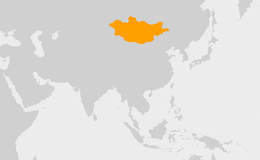
La afiliada de la CSI en Mongolia es la Confederation of Mongolian Trade Unions (CMTU).
según la ley
Estaí siendo procesadoEn la Práctica
A pesar de la legislación vigente contra la trata de personas y el trabajo forzoso, Mongolia sigue siendo un país de origen para la trata de personas – fundamentalmente mujeres – en su mayoría con destino a China y otros países asiáticos. Las ONG locales también han informado de un aumento de la trata para la explotación sexual y la prostitución forzosa en el interior del país.
En 2011 se debatió un proyecto de legislación para combatir la trata de personas. El objetivo de la propuesta de ley independiente es prevenir la trata de personas y proteger a las víctimas a través de mejoras en la ayuda a la rehabilitación y la reintegración, así como mejores compensaciones. El proyecto de ley fue aprobado por el Parlamento el 28 de octubre.
Se calcula que hay unos 200.000 chinos trabajando en Mongolia. La decisión tomada en mayo, de emplear a 6.949 trabajadores de China en la mina de Oyu Toloi, motivó que el Mongolian Labour Union solicitase que se llevara a cabo una inspección del trabajo.
Mongolia sigue siendo país de origen para la trata, fundamentalmente de mujeres, en su mayoría con destino a China y a otros países asiáticos. Las ONG locales también han informado de un aumento en la trata de sexo y la prostitución forzosa en el interior del país. Las autoridades han hecho muy poco para frenar y procesar a los delincuentes.
La legislación de Mongolia prohíbe específicamente el trabajo forzoso, pero siguen llegando informes con relación a la situación de unos 250 trabajadores norcoreanos empleados principalmente en la minería, fábricas, servicios públicos, transporte, construcción, servicio al cliente y servicios sanitarios. Parece ser que se les ha prohibido abandonar el trabajo y que no pueden quejarse de las condiciones laborales.
Se calcula que unos 200.000 trabajadores/as chinos están trabajando en Mongolia. En septiembre se descubrió que 20 trabajadores chinos que se encontraban supuestamente desaparecidos habían permanecido en el país sin visado de trabajo e iban a ser repatriados. Según los medios de comunicación locales, un total de 84 trabajadores migrantes de Huarong llegaron a Mongolia a través de una agencia de trabajo china. El primer grupo de ellos, que tenían visados de turista, abandonaron China a mediados de agosto, y al llegar a Mongolia les retuvieron el pasaporte. Según varios de los trabajadores, a continuación fueron “comprados” por empleadores mongoles por un importe de aproximadamente RMB 4.000 (cerca de EUR 450) y tuvieron que trabajar como esclavos. Un informe afirma que se están llevando decenas de miles de trabajadores migrantes chinos a Mongolia para trabajar en los sectores de la construcción y la minería en circunstancias parecidas.
El trabajo infantil sigue siendo un problema, y fuentes de información indican que unos 77.000 niños se ven forzados a trabajar para mantenerse a sí mismos o a sus familias. Se calcula que el 90% de ellos trabajan en el sector de la cría de animales. Muchos niños se encuentran también realizando trabajos mineros informales – la edad media de niños mineros es de 14 años. Más de 30.000 niños trabajan cada año como jinetes profesionales.