
Alemania
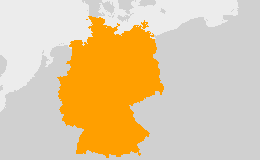
La afiliada de la CSI en Alemania es la Deutscher Gewerkschaftsbund (DGB).
Alemania ratificó el Convenio nº 87 sobre la libertad sindical y la protección del derecho de sindicación (1948) en 1957 y el Convenio nº 98 sobre el derecho de sindicación y de negociación colectiva (1949) en 1956.
según la ley
Libertad sindical / Derecho de sindicalización
Libertad sindical
El derecho a la libertad sindical está consagrado en la Constitución.
Discriminación antisindical
La ley prohíbe la discriminación antisindical
Otras restricciones
- Otras restricciones
- Los trabajadores autónomos no tienen derecho a la libertad de asociación.
Derecho a la negociación colectiva
Derecho a la negociación colectiva
El derecho a la negociación colectiva está recogido en la Constitución
Obstáculos legales para el reconocimiento de los agentes de negociación colectiva
- Se requiere una representatividad excesiva o un número mínimo de miembros para poder negociar colectivamente
- En Alemania no existen criterios pre-establecidos respecto a la representatividad. El derecho de un sindicato a mantener negociaciones colectivas puede ser impugnado ante los tribunales en caso de existir alguna duda sobre la capacidad del sindicato para emplear todos los medios necesarios a fin de conducir una disputa salarial.
Restricciones al principio de negociación libre y voluntaria
- Exclusión de ciertas cuestiones del ámbito de la negociación (por ej. salarios, jornadas laborales)
- Los convenios colectivos deben hacer referencia a las relaciones de empleo, las normas de la empresa y lo establecido en la ley que regula las relaciones laborales.
Restricciones o prohibición de negociar colectivamente en algunos sectores
- Otros funcionarios y empleados públicos
- Mientras que las condiciones de trabajo de los empleados públicos (Angestellte) puede establecerse por medio de la negociación colectiva, los funcionarios civiles (Beamte) no disfrutan del derecho a negociar colectivamente.
- Otras categorías
- Los trabajadores autónomos no tienen derecho a la negociación colectiva.
Derecho de huelga
Derecho de huelga
El derecho de huelga está consagrado en la Constitución
Impedimentos legales a acciones de huelga legítimas
- Otros requisitos previos indebidos, poco razonables o injustificados
- Antes de poder convocar una huelga legal deben haberse agotado todas las vías disponibles de negociación.
Prohibición o restricciones para ciertos tipos de acción de huelga
- Restricciones respecto al tipo de acción de huelga (por ej. piquetes, huelgas salvajes, huelgas de celo, sentadas, huelgas de brazos caídos)
- Las huelgas salvajes no están permitidas.
Disposiciones que socavan el recurso a acciones de huelga o su eficacia
- Discriminación a favor de los no huelguistas
- Los empleadores pueden conceder bonificaciones especiales a los trabajadores que opten por no sumarse a la huelga.
Limitaciones o prohibición de hacer huelga en algunos sectores
- Restricciones injustificadas para los funcionarios públicos
- Se deniega a todos los funcionarios civiles, independientemente de sus funciones, el derecho a hacer huelga. Desde 1959, la OIT ha venido pidiendo al gobierno que garantice el derecho de huelga a los funcionarios civiles que no ejercen autoridad en nombre del Estado.
- Determinación discrecional o lista excesivamente larga de «servicios esenciales» en los que el derecho de huelga queda prohibido o severamente restringido
- Se determina caso por caso y previo acuerdo de las partes, qué sectores constituyen servicios esenciales.
- Otras limitaciones (por ej. en las ZFI)
- Los trabajadores autónomos no tienen derecho a la huelga.
En la Práctica
La comunidad global de sindicatos de la radiodifusión afiliados a UNI Global Union se solidarizó con sus compañeros en huelga en las cadenas públicas alemanas ARD y ZDF.
Unos 3.000 empleados de las cadenas públicas alemanas participaron en huelgas y acciones a escala nacional el 18 de septiembre de 2019, en respuesta a la convocatoria del sindicato ver.di –afiliado a UNI y que representa a los trabajadores del sector de servicios– en respuesta al estancamiento de la negociación colectiva en dichas cadenas. Los programas de muchas de las cadenas regionales pertenecientes al ente público nacional ARD, como WDR, SWR, MDR, SR, BR y NDR, se quedaron en negro.
Ver.di reclamaba un claro compromiso hacia el servicio público de radiodifusión y el papel especial que tiene en la democracia, más importante hoy que nunca. El sindicato teme que si las condiciones se debilitan aún más, quedará socavada la capacidad de las cadenas de radiodifusión para cumplir su misión en tanto que servicio público.
UNI MEI apoya a ver.di y a sus compañeros en huelga en ARD y ZDF, compartiendo sus preocupaciones de que demasiados dirigentes en las instituciones de servicios públicos, así como en los gobiernos estatales y parlamentos, cedan ante las presiones populistas, en lugar de apoyar y defender la independencia de las cadenas públicas de radiodifusión.
Sindicatos y comités de empresa han venido dando cuenta de una injerencia cada vez mayor por parte de los empleadores en las actividades sindicales legítimas. Por ejemplo, la dirección del productor de automóviles coreano Hyundai en Rüsselsheim intentó despedir e intimidar a los miembros del comité de empresa. Los representantes del sindicato IG Metall remitieron una queja al Punto de Contacto Nacional de la OCDE en Berlín por violación de las Directrices de la OCDE para Empresas Multinacionales. No obstante, Hyundai se niega a tomar parte en el proceso de mediación que podría resolver el conflicto.
La compañía Neupack, que tiene plantas en Hamburgo y Rotemburgo del Wümme, ha venido interfiriendo continuamente en huelgas legítimas. Después de que no haber recibido aumentos salariales ni permisos de enfermedad remunerados durante años, los trabajadores decidieron sindicalizarse y convocaron una huelga reivindicando sus derechos. La dirección recurrió a trabajadores migrantes para sustituir a los huelguistas minando así la eficacia de la acción colectiva. Además, se contrataron detectives privados para vigilar a los líderes del comité de empresa, que la compañía intentó despedir a causa de su activismo.
En ciertos casos, los empleadores han establecido sindicatos amarillos para debilitar a los sindicatos genuinos. Por ejemplo, la compañía Siemens invirtió 50 millones de Euros en el sindicato de comités de empresa independientes Arbeitsgemeinschaft Unabhängiger Betriebsangehöriger (AUB) para hacer competencia a IG Metall. El presidente de AUB sería posteriormente condenado a prisión acusado de corrupción y fraude fiscal. No obstante, AUB sigue activo en compañías como ALDI y Hyundai.
En abril de 2013, el 97% de los miembros del sindicato Vereinte Dienstleistungsgewerkschaft votaron a favor de la huelga en la planta de Amazon situada en Leipzig. La dirección de la empresa se negó repetidas veces a iniciar negociaciones salariales y alentó a sus empleados/as a afiliarse a comités de empresa en lugar de a los sindicatos. La empresa cuenta en Leipzig con 1.200 trabajadores/as fijos y 800 temporales.
En junio de 2012, el grupo del Hospital Damp despidió a 1.000 trabajadores y trabajadoras para debilitar una huelga relacionada con un conflicto laboral. La dirección justificó los despidos alegando que los trabajadores/as habían “incumplido sus obligaciones contractuales”. De momento está en vigor un acuerdo de servicios mínimos y hay que notificar cualquier huelga con 48 horas de antelación.
Alemania posee una larga tradición de negociación colectiva. No obstante, en varios sectores se han previsto cláusulas de apertura entre las partes del convenio colectivo que permiten a las empresas, en determinadas circunstancias, introducir variaciones en los convenios colectivos con el fin de salvaguardar el empleo. Siempre que se han logrado concesiones salariales, se han puesto en primer plano las garantías de empleo como contrapartida. Uno de los problemas que se plantean es el del dumping salarial y social cuando los convenios colectivos son firmados por sindicatos amarillos o sindicatos que cuentan con muy pocos miembros y carecen de capacidad para imponerse. Sin embargo, esta práctica está siendo paulatinamente impugnada por los tribunales. Uno de estos pseudosindicatos amarillos, la Asociación de Sindicatos Cristianos para la Negociación Colectiva (CGZP), lleva años fijando las tarifas del salario mínimo en el sector del trabajo temporal. Después de que el Tribunal Federal Laboral anulara la capacidad de la CGZP para celebrar convenios colectivos y, por tanto, su categoría de sindicato, el Tribunal Regional Laboral de Berlín confirmó que todos los convenios colectivos celebrados por dicho sindicato eran inválidos. En una causa similar, el Tribunal Regional Laboral de Hamm resolvió que el Sindicato de Trabajadores de la Madera y el Plástico (GKH), afiliado a la Asociación de Sindicatos Cristianos, no tenía derecho a negociar convenios colectivos. Este pseudosindicato llevaba años negociando convenios colectivos por todo el país en los que aceptaba salarios bajos, largas jornadas laborales y malas condiciones laborales impuestos por asociaciones de la patronal de los sectores de la carpintería, la ebanistería y la construcción de maquetas.
Aunque el Tribunal de lo Contencioso Administrativo de Dusseldorf resolvió que el personal docente que forma parte del funcionariado no puede ser penalizado por participar en una huelga, todavía no se ha reconocido ninguna iniciativa por parte de los legisladores para establecer legalmente el derecho de huelga de los funcionarios.
En Alemania no se produce una discriminación sistemática por parte del Estado. A pesar de contar con una larga tradición sindical, de convenios colectivos y de cogestión empresarial, numerosas empresas se muestran muy hostiles frente a los sindicatos. Dicha hostilidad se puede reflejar, por ejemplo, en la prohibición de la entrada de representantes sindicales externos a la empresa y la publicación de propaganda antisindical por parte del empleador. En los últimos años se han observado repetidos actos de discriminación antisindical por parte de los empleadores. Estos pueden adoptar la forma de despidos, descensos de escalafón, traslados y discriminación en la contratación de activistas sindicales, especialmente cuando se movilizan para crear comités de empresa.
En el 2010, los empleadores bloquearon en algunos casos las elecciones para el comité de empresa, como ocurrió en la empresa de construcciones de hormigón Westerwelle en Herford. Al final, a la dirección de la empresa Westerwelle le salió el tiro por la culata. Con una participación del 95% en las elecciones, los empleados de Westerwelle mostraron la importancia que otorgan a su derecho a elegir su propio comité de empresa. A nivel legal, un bloqueo de este tipo no se considera una falta leve, sino un delito que se puede castigar con hasta un año de prisión.
Cabe destacar que se ha podido lograr una importante victoria parcial para los funcionarios alemanes en la lucha contra la estricta prohibición de huelga. En un caso particular, el Tribunal de lo Contencioso Administrativo de Dusseldorf resolvió que el personal docente que forme parte del funcionariado no puede ser penalizado por participar en una huelga. Por tanto, a finales del 2010 se anuló la sanción disciplinaria aplicada a una profesora que había participado en una manifestación.
Pese a la rica tradición de sindicalismo, negociación colectiva y representación en el lugar de trabajo, numerosas empresas se muestran abiertamente hostiles a los sindicatos, como por ejemplo los casos en que los representantes sindicales externos no pueden acceder al lugar de trabajo y la propaganda antisindical que llevan a cabo los empleadores.
No hay una discriminación sistemática por parte del Estado en Alemania, sin embargo se han observado numerosos casos de discriminación antisindical por parte de los empleadores. Ésta puede adoptar la forma de despidos, descensos de escalafón, traslados y discriminación en la contratación hacia los activistas sindicales, especialmente cuando desean crear comités de empresa. En 2009, la Sociedad de la Lengua Alemana adjudicó al término betriebsratsverseucht (que significa “infestado de comités de empresa”), el título de “la peor palabra del año”. Tal como el portavoz de la Sociedad explicó al jurado, este término representa una actitud “que lamentablemente se ha extendido mucho”. El jurado había escuchado este término en un programa de televisión, en el que un empleado de la cadena de materiales de construcción Bauhaus indicó que el término era utilizado por los ejecutivos de la empresa cuando sus compañeros de una sucursal que contaba con un comité de empresa deseaban cambiarse a otra sucursal que carecía de representación sindical.