
Ecuador
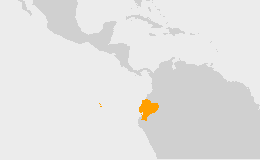
La afiliada de la CSI en Ecuador es la Central Ecuatoriana de Organizaciones Clasistas Unitarias de Trabajadores (CEDOCUT).
Ecuador ratificó el Convenio nº 87 sobre la libertad sindical y la protección del derecho de sindicación (1948) en 1967 y el Convenio nº 98 sobre el derecho de sindicación y de negociación colectiva (1949) en 1959.
según la ley
Libertad sindical / Derecho de sindicalización
Libertad sindical
El derecho a la libertad sindical está consagrado en la Constitución.
El derecho a la libertad sindical está regulado por el Código de Trabajo
Discriminación antisindical
La ley prohíbe la discriminación antisindical, pero no pevé medidas adecuadas de protección al respecto.
Barreras legales al establecimiento de organizaciones
- Se requiere un número mínimo de miembros excesivo para establecer un sindicato
- Para poder formar un sindicato o un comité de empresa, el Código del Trabajo requiere un mínimo de 30 trabajadores/as. Además, para formar un comité de empresa, es necesario contar con la aprobación del 50 por ciento más uno de la plantilla de trabajadores/as. Si el comité de empresa tiene más miembros que el sindicato, este último no tendrá ningún poder en el lugar de trabajo (Código del Trabajo, Artículos 450, 459 y 466).
Restricciones al derecho de los trabajadores y trabajadoras a formar y afiliarse a organizaciones de su elección
- La ley impone un sistema de monopolio sindica y/o un sistema que prohíbe o restringe la sindicalización a ciertos niveles (empresa, industria/sector, regional/territorial, nacional)
- Para todos los efectos de la relación laboral en las instituciones del Estado, la Constitución establece que el sector laboral estará representado por una sola organización (Constitución de la República del Ecuador, Art. 326.9).
Restricciones al derecho de los sindicatos a organizar su administración
- Restricciones al derecho a establecer libremente sus propios estatutos y reglamentos
- El apartado c) del artículo 10 de la Decisión ministerial Nº 0130 de 2013, por la que se regulan las organizaciones laborales, dispone que los comités ejecutivos de los sindicatos perderán sus poderes y competencias si no convocan elecciones en un plazo de 90 días a partir de la expiración de su mandato, según lo establecido en sus respectivos estatutos sindicales.
- Las autoridades administrativas están capacitadas para tomar unilateralmente la decisión de disolver, suspender o retirar el registro a organizaciones sindicales
- El Decreto Nº 193, de 24 de octubre de 2017, que se aplica a los sindicatos del sector público, mantiene la participación en actividades partidistas como motivo de disolución administrativa.
Categorías de trabajadores a quienes la ley prohíbe o restringe la posibilidad de formar o afiliarse a sindicatos, o de ocupar cargos sindicales
- Otros funcionarios y empleados públicos
- La Ley Orgánica de Educación Superior (LOES) del 12 de octubre de 2010 y la Ley Orgánica de Educación Intercultural (LOEI) del 31 de marzo de 2011, no reconocen el derecho de los servidores públicos del sector de la educación a constituir organizaciones sindicales.
Derecho a la negociación colectiva
Derecho a la negociación colectiva
El derecho a la negociación colectiva está recogido en la Constitución
El derecho a la negociación colectiva está reconocido por la ley, pero no está debidamente fomentado y promovido.
Obstáculos legales para el reconocimiento de los agentes de negociación colectiva
- Se requiere una representatividad excesiva o un número mínimo de miembros para poder negociar colectivamente
- Los sindicatos que no reúnan más del 50 por ciento de los trabajadores sujetos al Código del Trabajo no pueden, ni por sí solos ni en forma conjunta, negociar en nombre de sus propios miembros (Código del Trabajo, Artículo 229, párrafo segundo).
Restricciones al principio de negociación libre y voluntaria
- Procedimiento de arbitraje impuesto en caso de disputa durante una negociación colectiva, no sólo en los servicios esenciales
- Los conflictos colectivos de trabajo, en todas sus instancias, serán sometidos a tribunales de conciliación y arbitraje (Constitución de la República del Ecuador, Art. 326.12).
- Las autoridades o los empleadores pueden anular, modificar o ampliar unilateralmente las disposiciones o la cobertura de los convenios colectivos
- Algunos de los denominados 'Mandatos Constituyentes', emanados de la Asamblea Nacional Constituyente en 2008, imponen limitaciones y modificaciones unilaterales a los contratos colectivos suscritos en las instituciones del sector público, empresas públicas y empresas del sector privado donde el Estado tiene participación mayoritaria. Asimismo, el Mandato Constituyente Nº 008, junto con otros instrumentos legales, faculta al Ministerio de Relaciones Laborales a controlar el posible carácter abusivo de las cláusulas de los convenios colectivos en el sector público.
Restricciones o prohibición de negociar colectivamente en algunos sectores
- Otros funcionarios y empleados públicos
- En virtud de la Ley Orgánica de Empresas Públicas (LOEP) y la Ley Orgánica del Servicio Público (LOSEP), la lista de servidores públicos excluidos del derecho de negociar colectivamente incluye a los servidores públicos de libre designación y remoción, en general quienes ocupen cargos ejecutivos, de dirección, representación, gerencia, asesoría, de confianza, apoderados generales, consultores y los servidores públicos de carrera. De igual manera, la LOES y la LOEI excluyen a todos los servidores públicos del sector de la educación, incluido los docentes, del derecho a negociar colectivamente.
Derecho de huelga
Derecho de huelga
El derecho de huelga está consagrado en la Constitución
El derecho de huelga está reconocido por la ley pero estrictamente regulado.
Prohibición o restricciones para ciertos tipos de acción de huelga
- Restricciones respecto al nivel o el ámbito de cobertura de una huelga (por ej. empresa, industria/sector, regional/territorial, nacional)
- En el sector privado, el Código del Trabajo establece que sólo puede declararse una huelga a nivel de empresa o de fábrica, denegándose implícitamente el derecho de huelga a federaciones y confederaciones (Código del Trabajo, Artículo 505).
Disposiciones que socavan el recurso a acciones de huelga o su eficacia
- Excesivas sanciones civiles o penales contra los trabajadores/as y sindicatos involucrados en acciones de huelga no autorizadas
- La Ley sobre el Servicio Civil y la Carrera Administrativa prevé la destitución de los funcionarios involucrados en la paralización de los servicios públicos, sin perjuicio de otras acciones legales que correspondan (Ley sobre el Servicio Civil y la Carrera Administrativa, Art. 26.g).
- Otras disposiciones legales que socavan el derecho de huelga
- Un Decreto de 1967 impone penas de prisión a aquéllos que participen en paros o huelgas ilegales (Decreto 105).
Limitaciones o prohibición de hacer huelga en algunos sectores
- Restricciones injustificadas para los funcionarios públicos
- La Ley Orgánica de Empresas Públicas (LOEP) prohíbe la paralización a cualquier título de la prestación de los servicios públicos o la explotación de recursos naturales a cargo de la empresa pública, excepto por fuerza mayor o caso fortuito (Ley Orgánica de Empresas Públicas (LOEP), Art. 31.3).
- Determinación discrecional o lista excesivamente larga de «servicios esenciales» en los que el derecho de huelga queda prohibido o severamente restringido
- La Constitución y la Ley Orgánica del Servicio Público (LOSEP) prohíben la paralización de los servicios públicos de salud y saneamiento ambiental, educación, justicia, bomberos, seguridad social, energía eléctrica, agua potable y alcantarillado, producción de hidrocarburos, procesamiento, transporte y distribución de combustibles, transportación pública, correos y telecomunicaciones (Constitución de la República del Ecuador, Art. 326.15; ley Orgánica del Servicio Público (LOSEP), Art. 24.h).
- Determinación poco razonable o discrecional (sin negociación con los interlocutores sociales o en ausencia de una autoridad independiente en caso de desacuerdo) de los «servicios mínimos» que han de garantizarse en caso de huelga en los servicios públicos
- El Código del Trabajo prevé para algunos sectores la prestación de servicios mínimos cuya determinación, en caso de falta de acuerdo entre las partes, corresponde al Ministro de Trabajo (Código del Trabajo, Art. 522, párrafo segundo).
En la Práctica
El 14 de diciembre del 2021, la Confederación sindical de Trabajadores y Trabajadoras de las Américas (CSA) envió una carta a la fiscal de la Nación de Ecuador, Diana Sala Méndez, en la que manifiesta su preocupación por la reiterada persecución hacia el líder sindical de la FUT, Mesías Tatamuez, al que dicha entidad acusó de secuestro en el marco de manifestaciones del 2019
“Todo parece indicar que, durante estos dos años, escudándose en la fase investigativa del caso, las autoridades ecuatorianas han generado un cuadro de persecución política contra el compañero Mesías Tatamuez”, señaló el comunicado de la confederación.
La denuncia que fue presentada por el director de Patrocinio Judicial del Ministerio de Gobierno Ecuatoriano se enmarca en las jornadas de las movilizaciones por el alza de combustible, la falta de empleo y la pobreza, convocadas por la FUT en octubre de 2019, con el fin de presionar al Gobierno para que se retirasen las medidas adoptadas.
Según explicó la CEDOCUT, a pesar de haber realizado todas las diligencias judiciales establecidas por ley desde noviembre de 2019, y tras cumplirse los dos años estipulados para esclarecer los hechos y dar con el paradero de los verdaderos culpables, el dirigente no ha recibido ninguna respuesta ni se ha retirado la acusación en su contra.
Freddy Aponte, periodista afiliado a la Federación Nacional de Periodistas del Ecuador (FENAPE), ha sido por más de dos décadas objeto de una persecución profesional y personal debido a su activa investigación y denuncia de las irregularidades en la gestión pública por parte de un exalcalde de la Provincia de Loja. Este funcionario interpuso una primera demanda penal por injurias contra el comunicador en 2008, por la que el Sr. Aponte fue sentenciado a seis meses de prisión. Desde 2008 hasta 2013, el exalcalde de Loján impulsó varios procesos más contra el comunicador con graves consecuencias en el ámbito laboral, psicológico, y económico, llevándolo a condenas sistemáticas que incluyen prisión, afectando la libertad de expresión y la labor de denuncia del periodista. La FENAPE ha hecho un llamado a las entidades gubernamentales competentes, para que impidan esta clase de hostigamientos y persecución judiciales a periodistas.
A lo largo de 2021, las empresas de comunicación despidieron a casi 23.000 trabajadores. Esta situación se inició al estallar la pandemia y se ha mantenido en 2022. Las organizaciones sindicales del país han demandado que se frene la violación de los derechos laborales que está produciéndose en diversos sectores, mientras se mantienen las protestas contra los constantes abusos.
En al menos tres puntos del país se registraron enfrentamientos entre efectivos de la policía y ciudadanos que salieron a manifestarse el 26 de octubre 2021, en el marco del paro nacional contra el Gobierno de Guillermo Lasso.
En Imbabura, en el cantón Peguche se reportó la represión por parte de efectivos de la fuerza pública, quienes emplearon gases lacrimógenos para dispersar a la ciudadanía que se concentró en este sector. Al menos 37 manifestantes fueron detenidos en todo el país.
Las manifestaciones fueron convocadas por el Frente Unitario de Trabajadores (FUT), el Frente Popular (FP) y la Confederación de Nacionalidades Indígenas (Conaie). Entre los reclamos se encuentran congelar el precio de los combustibles y el apoyo al proyecto de Código Laboral recientemente presentado ante el Legislativo por el FUT, además de rechazar la propuesta de Ley de Creación de Oportunidades.
La mayoría de los empleadores a nivel de prefecturas y de municipios se han opuesto a la negociación de contratos colectivos que suponen llegar a un acuerdo entre trabajadores y empleadores para garantizar condiciones dignas y justas. La Federación Ecuatoriana de Trabajadores Municipales y Provinciales (FETMYP) ha denunciado que desde que empezó la pandemia se agudizaron los problemas sociales de los trabajadores, ya que los empleadores se aprovecharon de la situación para desvincular y despedir a trabajadores indiscriminadamente. La FETMyP está impulsando la realización de contratos colectivos, establecidos en la Constitución de la República, para garantizar una vida digna a los trabajadores.
El asesinato de Sandro Arteaga Quiroz, secretario del Sindicato de Trabajadores del Gobierno Provincial de Manabí, ocurrido la tarde del 24 de enero de 2022 en una carretera de la provincia, está siendo investigado como un caso de muerte por encargo.
El hecho violento, que ha causado conmoción e indignación en esta jurisdicción provincial, reúne las características de una muerte selectiva. De acuerdo al reporte policial, los pistoleros esperaron que Quiroz se bajase de la camioneta que conducía para dispararle, huir y luego dejar abandonada la moto en que se movilizaban.
La víctima recibió al menos dos disparos en la cabeza. Uno de sus hijos lo acompañaba al momento del ataque. El coronel Benito Arguello, jefe policial del Distrito Sucre, indicó que los pistoleros usaron armas de fuego y que en la escena se levantaron al menos 3 indicios balísticos.
Luego del crimen, algunos de sus compañeros de labores en la Prefectura se acercaron al sitio de la desgracia y se mostraron conmovidos. Recordaron a Arteaga como un líder que luchó siempre por mejores días para los gremios de obreros.
En redes sociales circularon unos audios que el dirigente había enviado a grupos de WhatsApp horas antes de su muerte, en los que indicaba que había recibido amenazas telefónicas de supuestos integrantes de una organización delictiva.
De acuerdo al audio, las amenazas habrían empezado un día antes del crimen y se mantuvieron hasta horas antes del asesinato.
La Policía Nacional no se ha pronunciado al respecto. Pero desplegó operativos por tierra y aire en búsqueda de los sicarios. No se tiene noticia de que haya detenidos hasta el momento.
El vicepresidente de la Confederación Ecuatoriana de Organizaciones Clasistas Unitarias de Trabajadores (CEDOCUT), Edwin Bedoya, denunció que, a instancias de los sectores empresariales y del Fondo Monetario Internacional (FMI), el Gobierno ecuatoriano está reduciendo el número de empleados en el sector público, habiendo procedido al despido de alrededor de 10.000 trabajadores, siendo el sector de la salud uno de los más afectados. La Federación Ecuatoriana de Trabajadores (FET) hizo un llamado a las bases sindicales, organizaciones sociales y populares a mantener la unidad y vigilancia con respecto a dichas medidas por parte del Gobierno.
Cientos de miles de ecuatorianos salieron a las calles en todo el país desde el principio del mes de octubre. Las protestas fueron convocadas por organizaciones indígenas, estudiantes, agricultores y el Frente Unitario de Trabajadores (FUT) que incluye a la CEDOCUT, central afiliada a la CSI.
Por su parte, el Gobierno respondió decretando el estado de excepción y recurriendo a la policía antidisturbios para acallar las protestas. Cientos de personas han sido detenidas y al menos una ha perdido la vida en los enfrentamientos. El martes, mientras se desplegaban tanques en la capital, Quito, Moreno trasladó el Gobierno a la ciudad costera de Guayaquil, por temor a las manifestaciones.
La Confederación Sindical Internacional (CSI) y el Frente Unitario de Trabajadores (FUT) exigieron que se ponga fin a la violencia estatal, reclamaron la liberación de los manifestantes detenidos y condenaron el abuso de autoridad por parte de la fuerza pública durante las jornadas de protesta.
La Comisión Interamericana de Derechos Humanos (CIDH), por su parte, publicó un informe con las observaciones sobre la visita que realizó a Ecuador tras las protestas, en el que insta a las autoridades a que investiguen de forma pronta y exhaustiva cualquier denuncia de violencia y establecer las sanciones correspondientes, tanto en cuanto al uso excesivo de la fuerza por parte de agentes de la policía y de las fuerzas de seguridad, como en hechos de agresiones y saqueos por parte de la población
Los días 3 y 4 de octubre se registraron manifestaciones en Quito contra el fuerte incremento en el precio de los combustibles, que fueron duramente reprimidas saldándose con un muerto, 73 heridos y 477 detenidos. En el marco de esos hechos la Fiscalía General de Ecuador procesó bajo el delito de paralización al servicio público al presidente de la Federación Nacional de Cooperativas de Transporte en Taxis (FEDOTAXIS), Jorge Calderón, y requirió bajo este mismo cargo al Secretario General del Sindicato de Choferes del Azuay y al presidente de la Cámara de Transporte de Cuenca, quienes finalmente no fueron víctimas de restricciones a su libertad, pero se les prohibió salir del país.
Entre el 30 de agosto y el 3 de septiembre de 2018, el Fondo de Cesantías del Magisterio Ecuatoriano (FCME) despidió a 90 trabajadores, entre ellos miembros del Comité de Empresa afiliados al Frente Unitario de Trabajadores (FUT), por su negativa a firmar documentos y balances financieros de la entidad. Los trabajadores señalaron que dichos informes fueron manipulados para encubrir actos de corrupción cometidos por administraciones anteriores, y aclararon que ellos no asumirían la responsabilidad penal y disciplinaria por los abusos cometidos con los recursos públicos. El 5 de septiembre, un grupo de antiguos trabajadores emprendió una huelga de hambre para hacer visible la dramática situación en la que se encontraban los trabajadores despedidos. Como consecuencia, el Banco del Instituto Ecuatoriano de Seguridad Social (BIESS), encargado del fondo, terminó el contrato del gerente general del FCME, Robert Andrade y nombró una comisión temporal para realizar la administración de la entidad y revisar detalladamente cada uno de los despidos. La entidad ha ido reintegrando gradualmente a los trabajadores.
En junio de 2018, el Gobierno nacional ordenó a todas las instituciones públicas del país detener las contrataciones temporales de trabajo, con el fin de reducir el gasto público. El objetivo del gobierno es terminar con más de 160.000 contratos temporales, al menos 75.000 en modalidad de servicios ocasionales y 70.000 nombramientos provisionales. A través de esas modalidades de contratación, el Estado ha venido llevando a cabo las actividades propias de su gestión sin asumir los costos laborales, sindicales y de pensiones que implican los contratos permanentes. Sin embargo, cuando necesita reducir gastos, son estas relaciones precarias las que recorta, señalando los contratos como “irregulares” e “innecesarios” y trasladando la carga laboral a los trabajadores de la planta fija. Además, debido a la debilidad de la relación laboral, estos trabajadores evitan sindicalizarse para asegurar eventuales contratos con la administración.
Los trabajadores de la empresa Transportes Noroccidental Cía. Ltda. de Ecuador continúan a la espera de una respuesta del Ministerio del Trabajo que permita el registro formal de su sindicato. Los empleados solicitaron el registro en 2016 y en ese momento se denunció el despido de 22 trabajadores por parte del influyente empleador, que preside una federación del transporte pesado en Ecuador e impide la formación de un sindicato en la empresa de su propiedad. El empleador ha continuado amenazando a aquellos que siguieron empleados, mientras que los despedidos se incluyeron en “listas negras”, con lo que no pueden encontrar otro empleo.
Recientemente, el representante regional de la Internacional de Trabajadores de la Construcción y la Madera (ICM), Nilton Freitas, se dirigió al Presidente de la República, Lenin Moreno haciéndole ver que en el Ministerio del Trabajo han hecho caso omiso de estas observaciones y solicitándole actuar para que los trabajadores sean readmitidos y se proceda al registro de la organización sindical.
El 1 de mayo, trabajadores de la naciente organización sindical expresaron su inconformidad por las calles de Quito con pancartas y consignas. Los huelguistas protestaron contra la ilegal actuación del Ministerio del Trabajo y la impunidad con que actúa el empleador quien despide, amedrenta e incluye sus nombres en listas negras para que no encuentren empleos en empresas similares del ramo del transporte pesado.
Tras varios años de irregularidades en el pago de sus salarios, un grupo de 150 trabajadores de la empresa Transportes Noroccidental Cía. Ltda. decidieron conformar un sindicato, presentando la documentación ante las autoridades laborales el 12 de diciembre de 2016. El Ministerio del Trabajo acusó recibo de la solicitud seis días más tarde. Durante ese tiempo se despidió al principal dirigente del nuevo sindicato, Víctor Hugo Obando Galván, al tiempo que la empresa iniciaba una campaña de descrédito e intimidación de los demás dirigentes sindicales. Desde diciembre de 2016 se ha procedido de manera progresiva al despido de 22 trabajadores, todos miembros del sindicato.
Obando Galván indicó que fueron contactados por la gerencia y bajo coerción les hicieron firmar cartas renunciando al sindicato. Luego la empresa utilizó este argumento para interponer un recurso administrativo por el que solicita al Ministerio del Trabajo que rechace el registro del nuevo sindicato, una práctica antisindical que de manera generalizada utilizan los empleadores en el país andino.
La Internacional de Trabajadores de la Construcción y la Madera (ICM) denunció los despidos improcedentes. Nilton Freitas, representante regional de la ICM para América Latina y el Caribe, afirmó que poder conformar o afiliarse al sindicato de su elección es un derecho fundamental de los trabajadores. Ya va siendo hora de que Transportes Noroccidental ponga término a sus ataques contra trabajadores que lo único que intentan es mejorar sus condiciones de trabajo.
En el Primer Encuentro Internacional de Trabajadores Bananeros que se llevó a cabo en Guayaquil el 3 de octubre de 2017, organizado por la Asociación Sindical de Trabajadores Agrícolas y Campesinos (ASTAC), los trabajadores Ecuatorianos denunciaron prácticas antisindicales en algunas fincas de Ecuador. En particular indicaron que cuando los empleadores detectan que los trabajadores tienen la intención de agruparse, recurren a las persecuciones, las amenazas y los despidos .
El 1 de mayo de 2017, activistas, sindicalistas y ciudadanos marcharon en Quito para conmemorar el Día del Trabajo. Como resultado de la marcha, 11 personas fueron detenidas, y Patricia Echavarría, que formaba parte de un grupo de mujeres activistas y sindicalistas fue agredida físicamente y sufrió un intento de detención por haber acudido a la marcha.
La mayor reforma relacionada con los derechos laborales y de sindicalización se focalizó en el empleo público. Sin tener en cuenta la voz de los trabajadores, el Gobierno inició una persecución y una eliminación progresiva de asociaciones, siendo el período 2015-2016 el de mayor agresividad.
Aunque se otorgan derechos de sindicalización y huelga, estos son inviables en su ejercicio ya que se prohíbe completamente la paralización de cualquier servicio público, sin considerar las regulaciones de la OIT para la definición concertada de los llamados servicios esenciales en los que estaría restringido el ejercicio del derecho. Si los funcionarios se declaran en huelga y paralizan sus servicios pueden ser investigados y juzgados penalmente bajo cargos de sabotaje, terrorismo, invasión de edificios públicos y atentados contra la seguridad del Estado.
A partir de 2016 se eliminó la posibilidad de ejercer el derecho de negociación colectiva. Esto produce un fenómeno de pérdida de afiliados y sindicatos, debido a que, si la naturaleza de estas organizaciones es la defensa de derechos individuales y colectivos de sus miembros, la no existencia de los contratos colectivos elimina la esencia de las mismas.
Varias instituciones del sector público se niegan a realizar el descuento de la cuota sindical a sus afiliados y que otras retienen ilegalmente las cuotas sindicales como la Empresa Petroecuador. La realización de sistemáticas violaciones a la libertad sindical generó la proliferación de organizaciones de trabajadores paraestatales partidarias del gobierno. Este es el caso la Central Unitaria de Trabajadores (CUT), que apoya las posturas gubernamentales y neutraliza al Frente Unitario de los Trabajadores (FUT) y de la Red de Maestros para neutralizar a la Unión Nacional de Educadores (UNE).
Las organizaciones de la sociedad civil, entre ellas la Confederación Unitaria de Comerciantes Minoristas y Trabajadores Autónomos del Ecuador (CUCOMITAE) denunciaron que los requerimientos y el exceso de trámites para realizar los registros de las organizaciones, se convierten en la práctica, en una vulneración del derecho a la libertad de asociación.
A diciembre de 2016, el Ministerio de Inclusión Económica y Social (MIES) no había terminado de asignar las organizaciones a los respectivos ministerios, según las competencias de cada cual, por lo cual muchas asociaciones seguirán sin registro. En el caso de CUCOMITAE, por acuerdo con el MIES, esta organización sería reasignada a la Superintendencia de Economía Popular y Solidaria, sin embargo, a la fecha de cierre de este informe este procedimiento no se ha implementado.
La política del Ministerio de Trabajo sólo registra a las organizaciones de trabajadores autónomos recién constituidas. Las organizaciones antiguas se mantienen sin el registro, por lo que su accionar se encuentra limitado. De la misma manera, hay un obstáculo para registrar confederaciones nacionales, federaciones provinciales, cantonales y parroquiales porque no tienen el quórum reglamentario que demanda un mínimo de cinco organizaciones que deben conformar la directiva, situación que deja en indefensión a las organizaciones que desean obtener el registro.
De acuerdo al Decreto 16 (ahora Decreto 739) las organizaciones que no se regularicen en el Registro Único de Organizaciones Sociales (RUOS), pierden en un año su personería jurídica. Debido a las complicaciones en la hora del registro muchas de las organizaciones tenderán a desaparecer.
El 21 de diciembre de 2016, decenas de policías irrumpieron en la sede de la Federación Interprovincial de Centros Shuar (FICSH), en la amazonia ecuatoriana, y con total abuso de autoridad y violencia procedieron a la detención ilegal de su presidente, Agustín Wachapá, sin aportar orden judicial alguna. A continuación, los agentes allanaron las oficinas de la FICSH, causando destrozos en el mobiliario y llevándose las computadoras. Wachapá permanece retenido en la prisión de máxima seguridad cerca de Quito, pese a los llamamientos de Amnistía Internacional de que se respete escrupulosamente el debido proceso legal.
Agustin Wachapá fue acusado de “llamar públicamente a la agresión a la fuerza pública, y al enfrentamiento ciudadano” por la movilización y resistencia de las comunidades Schuar frente a las fuerzas de seguridad del Estado en San Juan Bosco. El conflicto estalló cuando en agosto de 2016 la comunidad indígena Shuar de Nankints fue desalojada y sus casas demolidas para la construcción de la mina de cobre propiedad de la empresa china Explorcobres S.A. (EXSA). En dos ocasiones intentaron recuperar sus tierras. El 14 de diciembre, el segundo intento terminó en un duro enfrentamiento que se saldaría con un policía muerto y otros siete heridos entre las fuerzas de seguridad del Estado.
Tras estos hechos, el Gobierno ecuatoriano decretó Estado de Excepción en la provincia, suspendiendo derechos básicos como la libertad de asociación, el libre tránsito y el debido proceso legal, además de autorizar a los militares la facultad excepcional de entrar en los domicilios y detener arbitrariamente a cualquiera sin necesidad de pruebas ni orden judicial. Los líderes Shuar recurrieron a las Naciones Unidas y a otras organizaciones de derechos humanos reclamando que se realice el seguimiento de la militarización de esas tierras.
Aparte de la persecución de Wachapá, otros tres líderes de la comunidad Shuar fueron salvajemente asesinados por oponerse a la industria minera, Jose Isidro Tendetza Antun (2014), Bosco Wisum (2009) y Freddy Taish (2013). En algunos casos los testigos señalaron que los perpetradores eran empleados de la mina china, lo que demuestra un comportamiento sistemático contra la organización.
En octubre de 2016, la Asociación Sindical de Trabajadores Agrícolas Bananeros y Campesinos (ASTAC) denunció la violación del derecho a la libertad sindical para los trabajadores del sector. De acuerdo a la información del sindicato, en el último censo agrícola bananero se identificaron 2.588 pequeñas fincas bananeras que emplean a 15.474 trabajadores. En promedio, cada una de estas fincas tiene menos de 30 trabajadores, número mínimo en la legislación ecuatoriana para formar un sindicato. Esto quiere decir que, en la práctica, los trabajadores bananeros no pueden hacer uso del derecho fundamental de sindicalización.
Por esta razón se creó la ASTAC, que busca representar a todos los trabajadores del sector. No obstante, el Ministerio de Trabajo de Ecuador se niega a registrarla argumentando que sus miembros no dependen de un solo empleador.
ASTAC conformó sindicatos en las empresas CEINCONSA, FRUTSESA Y VIESFRUT, las cuales respondieron con ataques a los sindicalizados. En FRUTSESA el secretario general fue amenazado y en VIESFRUT el empleador contrató a sicarios para desalojar a los dirigentes de la hacienda. En la agroindustria bananera persisten las violaciones a los derechos humanos, sindicales y del trabajo. Ya en 2010, luego de reuniones con la relatora de Naciones Unidas sobre formas contemporáneas de esclavitud, el sindicato denunció las condiciones de opresión y vulneración de derechos fundamentales que se dan en las plantaciones de banano.
En julio de 2016, el Ministerio de Educación disolvió la Unión Nacional de Educadores (UNE), el principal y más antiguo sindicato de profesores dependientes del Estado. Esta decisión fue tomada bajo el argumento de que la UNE no cumplía sus propios estatutos, que infringió obligaciones previstas en la Constitución e incurrió en prohibiciones establecidas en la normativa. El sindicato pidió declarar la nulidad del proceso administrativo pues consideró que no estaban claros los motivos de la disolución.
La dirigencia de la organización había denunciado otros ataques como la eliminación del derecho a recaudar la cuota sindical y la persecución a sus dirigentes. También se realizó una diligencia judicial y se allanaron sus instalaciones, tomaron cuatro ordenadores y documentación institucional y desalojaron a los dirigentes que se encontraban en las instalaciones.
El 8 de septiembre del 2016, el sindicato solicitó la acción de protección a sus derechos, que le fue denegada. Ante esta situación acudió a instancias internacionales como la OIT y la ONU. Como respuesta, los relatores de la ONU invitaron a las autoridades de Ecuador a cancelar el proceso de disolución. Igualmente, la Internacional de la Educación (IE), a la que está afiliada la UNE, llamó a sus miembros a solicitar al Ministerio de Educación de Ecuador que retire la notificación legal de disolución. A pesar de estos llamados, el Gobierno no se pronunció y continuó con la liquidación.
Este sindicato fue reconocido como protagonista de la oposición al Gobierno. Según la UNE, las acciones de las autoridades son una represalia por sus denuncias sobre las violaciones sistemáticas a la libertad de asociación cometidas por el Gobierno, realizadas ante la Conferencia Anual de la OIT y el Comité de Derechos Humanos de las Naciones Unidas.
En julio de 2016, el Sindicato de Trabajadores de Aerolane (SITA) denunció que los trabajadores no tienen un contrato colectivo por lo que no disponen de un mecanismo para enfrentar colectivamente los despidos masivos y las políticas de recortes presupuestarios generados por programas impulsados por la empresa, que han tenido efectos devastadores en las condiciones de trabajo. Durante siete años el sindicato ha venido reclamando la firma de un contrato colectivo con la compañía, pero no solo ha debido enfrentar una negativa sino también constantes agresiones.
De acuerdo a un comunicado de la Red de Sindicatos de trabajadores y trabajadoras de LATAM Airlines Group, al que pertenece Aerolane (LATAM Ecuador), la compañía tiene una sistemática política antisindical que se expresa en despido de dirigentes sindicales que organizan a los trabajadores para poder negociar sus condiciones de trabajo. Tal es el caso de Jimena López, una de las formadoras del primer sindicato de LAN Ecuador, despedida en 2014 y quien aún se encuentra en disputa legal por despido injustificado y antisindical.
Desde el despido de López, su sindicato se dedicó a defender su derecho a organizarse y negociar colectivamente con LAN iniciando una contienda legal y de apoyo internacional de todas las organizaciones sindicales de la Red Latam. López ya había denunciado en 2015 ante la misión especial de la OIT la violación de sus derechos sindicales y constitucionales, en respuesta la OIT respaldó sus acciones y ofreció apoyo.
En mayo de 2016, funcionarios del Sindicato del Ministerio de Defensa presentaron una declaratoria de huelga como respuesta a la negativa del Gobierno de cumplir con lo estipulado en el Código de Trabajo sobre la ejecución del descuento del aporte sindical a todos los trabajadores.
Esto impidió la actividad sindical para defender los derechos de unos 3.000 trabajadores que están amparados por el Código del Trabajo. El Ministerio de Defensa ha hecho caso omiso al derecho a la contratación colectiva que, aunque fue eliminada en 2016, ofreció un régimen de transición que cobijaba a los servidores públicos. No obstante, el Ministerio archivó las solicitudes y argumentó la eliminación de la contratación colectiva en el sector público.
Esta solicitud ya había sido presentada ante los exministros María Fernanda Espinosa y Fernando Cordero, y finalmente con el actual Ministro Ricardo Patiño. Sin embargo, la respuesta siempre fue negativa. Adicionalmente, el Ministerio de Trabajo no cumplió los plazos para las diferentes etapas del proceso del pliego de peticiones y no asistió a las reuniones de mediación obligatoria para buscar un acuerdo. Estas fueron las causales para la declaratoria de huelga.
On 22 July 2014, Dr. Carlos Figueroa, trade union leader and former executive secretary of the Ecuadorian medical federation Federación Médica Ecuatoriana was arrested by the police in the city of Quito whilst visiting his mother who was terminally ill with cancer. On 24 March 2014, the Inter-American Commission on Human Rights (IACHR) had requested that precautionary measures be adopted for Carlos Figueroa, calling on the Republic of Ecuador to immediately suspend the court ruling delivered in 2013 by the National Court of Justice, which had sentenced him to six months in prison on charges of “defamation”, for having allegedly slandered the president of Ecuador on requesting the Public Prosecution Service to investigate the appropriateness of the president’s order to have military forces intervene in the National Police Hospital in Quito, during the political crisis of September 2010, given the number of people killed in the incident. The IACHR requested that the sentence be suspended pending the Commission’s ruling on the petition regarding the lack of due process in the trial of the trade union leader, as well as that of the oil union leader Fernando Villavicencio and National Assembly Member Cléver Jimenez. On 18 January 2015, Figueroa completed the prison term and was released.
On 27 May 2014, the National Court of Justice found Mery Zamora, former president of the Unión Nacional de Educadores, innocent, overturning the eight-year prison sentence she had been given for sabotage and terrorism. President Correa immediately announced that the government would examine the sentence, challenging the authority of the judiciary.
Since the end of 2014, the Ecuadorian government and the Assembly Members from its political movement have been pushing through changes to the Constitution of the Republic. The Constitutional Court classed the changes as “amendments”, which meant they could be decided on by the National Assembly, in which the ruling party has an absolute majority. Two of these amendments seek to eradicate freedom of association in the public sector (Art. 229 and 326.16), by progressively withdrawing the classification of employees as “public workers”. The implication of this move is that all such workers would be classed as public servants and their employment relationship would be governed by the Organic Law on the Public Service - LOSEP (part of administrative law), which prohibits the right to organise and collective bargaining as well as the right to strike. These “amendments” passed the first discussion in Congress on December 2014, and only have to pass a second and final debate, to be held in November 2015, before entering into force.
Other violations:
Restrictions on freedom of association: elimination of trade unions, legal inability to organise, government interference and control, ‘parallel’ organisations, withdrawal/denial of union dues check-off, administrative barriers to the development of organisations, and refusal to grant trade union leave.
Executive Decree 16, of June 2013, provides for the administrative dissolution of social organisations (including trade unions), without due process or the right to defence (Art. 25 and 26). It also stipulates that organisations not registering with the Social and Civil Society Organisations Unified Information System will not be able to operate in the country (sixth transitional provision), violating the principle of voluntary action and autonomous decision making within these organisations.
Limitations on the right to strike: the Ecuadorian constitution recognises the right to strike and then goes on to prohibit all public service stoppages, without distinguishing those considered to be essential. Public service stoppages, moreover, are classed as offences, punishable by one to three years in prison, under Article 346 of the Comprehensive Organic Criminal Code, without any distinction being made with regard to the services concerned (including in the event of declaring a strike).
Loss of representation, deinstitutionalisation of social dialogue and tripartism: piecemeal negotiations held at the discretion of the state, in its capacity as the employer, have replaced worker representation on the boards of public companies, leading to greater fragmentation and political control of the public sector and excluding workers from discussions, opinions or agreements regulating labour relations, and all aspects affecting or relating to public service workers.
Changes to collective bargaining rules and its progressive restriction: since the government unilaterally revised the collective agreements in the public sector, restricting the workers’ ability to participate, prohibiting any revision or challenge to these impositions at administrative, legal or even constitutional level; to date, the curtailment of the guarantees and benefits affecting the principle of the intangibility of labour rights remains in place and workers classed as pubic servants are legally excluded from collective bargaining.
El 22 de julio de 2014, el Dr. Carlos Figueroa, dirigente sindical y ex secretario ejecutivo de la Federación Médica Ecuatoriana, fue detenido por la policía en la ciudad de Quito mientras visitaba a su madre enferma de cáncer terminal. El 24 de marzo de 2014, La Comisión Interamericana de Derechos Humanos (CIDH) había otorgado medidas cautelares a favor de Carlos Figueroa, solicitando a la República del Ecuador la suspensión inmediata de la sentencia judicial adoptada por la Corte Nacional de Justicia del Ecuador en el año 2013 que lo sancionó con seis meses de prisión por el delito de “injuria judicial”, por la supuesta difamación al Presidente del Ecuador cuando solicitó a la Fiscalía General del Estado que investigara si había sido apropiada la orden del Presidente a las fuerzas militares de intervenir en el Hospital de la Policía Nacional en Quito, durante la crisis política de septiembre de 2010, ya que durante estos hechos se produjeron varias muertes. La CIDH solicitó la suspensión hasta que dicha entidad pudiera pronunciarse sobre las denuncias de irregularidades en el debido proceso durante el juicio contra dicho dirigente sindical y contra el dirigente sindical petrolero Fernando Villavicencio y el asambleísta Cléver Jiménez . El 18 de enero de 2015, Figueroa cumplió la pena impuesta y fue puesto en libertad .
El 27 de mayo de 2014, la Corte Nacional de Justicia declaró inocente a Mery Zamora, ex presidenta de la Unión Nacional de Educadores, dejando sin efecto la sentencia a ocho años de prisión por el delito de sabotaje y terrorismo, que pesaba en su contra. Inmediatamente el Presidente Correa anunció que el Gobierno analizaría el fallo, desestimando la actuación del poder judicial .
Desde finales del año 2014, el Gobierno del Ecuador y los asambleístas de su movimiento político iniciaron la promoción de cambios en la Constitución de la República. Estos cambios fueron calificados de “enmiendas” por la Corte Constitucional, lo cual permitió un trámite directo en la misma Asamblea, de mayoría absoluta oficialista. Entre las enmiendas figuran dos dirigidas a eliminar el ejercicio de la libertad sindical en el sector público (Arts. 229 y 326.16), mediante la desaparición progresiva de la categoría de obreros. Esta eliminación implica que en adelante todos los trabajadores pasarían a ser denominados servidores y sus relaciones de trabajo quedarían sujetas a la Ley Orgánica de Servicio Público LOSEP (inscrito en el derecho administrativo), que no admite los derechos de sindicalización, negociación colectiva y huelga. Estas “enmiendas” pasaron el primer debate en el Congreso en diciembre de 2014, restando únicamente un segundo y definitivo debate, que tendrá lugar en noviembre de 2015, antes de su entrada en vigor .
Otras violaciones :
Restricciones a la libertad sindical: eliminación de sindicatos, imposibilidad legal de sindicalizarse, injerencia y control gubernamental, paralelismo, retención/negación de descuento de cuotas sindicales, trabas administrativas para el desarrollo de las organizaciones y ausencia de permisos sindicales.
En el Decreto Ejecutivo 16, de junio de 2013, se establece la posibilidad de la disolución administrativa de las organizaciones sociales (incluidos los sindicatos), sin un debido proceso y sin la posibilidad de ejercer el derecho a la defensa (Arts. 25 y 26). Adicionalmente se dispone que las organizaciones que no se registren en el Sistema Unificado de Información de las Organizaciones Sociales y Ciudadanas no podrán operar en el país (Disposición Transitoria sexta), violentando el principio de la voluntariedad y la autonomía en la toma de las decisiones de las organizaciones.
Limitaciones en el ejercicio del derecho a la huelga: la Constitución ecuatoriana reconoce el derecho a la huelga de los trabajadores y a continuación prohíbe la paralización todos los servicios públicos, sin distinción de aquellos considerados esenciales. Incluso en el Código Orgánico Integral Penal, la paralización de los servicios públicos, sin distinción alguna del servicio del que se trate (entiéndase también en el caso de declararse una huelga) queda tipificada como delito en el Art. 346 con una pena de privación de libertad de 1 a 3 años.
Pérdida de representación, desinstitucionalización del diálogo social y del tripartismo: reemplazados por la negociación parcelada y discrecional del Estado como empleador, ocasionando mayor fragmentación y control político del sector público, la eliminación de la representación de los trabajadores en los directorios de las empresas públicas y la exclusión frente a la discusión, opinión o acuerdo para la regulación de las relaciones laborales, o de todo aspecto que afecta y compete a los trabajadores en el servicio público.
Modificación de las reglas de negociación colectiva y su restricción progresiva: a partir de la revisión unilateral, por parte del Gobierno, de los contratos colectivos en el sector público, en donde se restringió la posibilidad de participación de los trabajadores, prohibiendo que tales imposiciones sean susceptibles de una revisión o reclamo a nivel administrativo, judicial e incluso constitucional; hasta la fecha, la reducción de las garantías y beneficios que afectaron el principio de intangibilidad de los derechos sigue vigente y los trabajadores denominados servidores públicos quedan excluidos legalmente de la negociación colectiva.
El Dr. Carlos Figueroa, ex secretario ejecutivo de la Federación Médica Ecuatoriana, (afiliada a la ISP), el asambleísta del Movimiento Pachakutic, Cléver Jiménez y su asesor, Fernando Villavicencio, ex dirigente sindical petrolero, fueron acusados por difamar al Presidente de Ecuador. Los tres solicitaron a la Fiscalía General del Estado, investigue si la orden del Presidente a las fuerzas militares de intervenir en su rescate en el Hospital de la Policía Nacional en Quito, durante la crisis política de septiembre de 2010, fue apropiada; ya que durante estos hechos, ocurrieron varias muertes.
Las organizaciones afiliadas a la ISP en Ecuador han protestado repetidas veces en contra de la Ley de Servicio Público, adoptada el 6 de octubre de 2010, misma que restringe drásticamente los derechos de los trabajadores del sector público a la libertad sindical y negociación colectiva.
Figueroa ha sido sentenciado a 6 meses de prisión, mientras que Jiménez y Villavicencio a 18 meses. La oficina y los domicilios de Jiménez y Villavicencio fueron allanados el 26 de diciembre de 2013, bajo otras acusaciones. Después de una apelación hecha por los acusados que no fue aceptada, la sentencia fue ratificada y el 21 de marzo de 2014, ordenada su detención. Ante la gravedad, urgencia e irreparabilidad de derechos la Comisión Interamericana de Derechos Humanos-CIDH el 24 de marzo de 2014, otorgó medidas cautelares en favor de las tres personas. El Gobierno de Ecuador se ha negado a acatarlas.
En diciembre de 2013, cerca de 25 trabajadores de las haciendas María José 1 y 2 y Banaloli 1 y 2 de la empresa Dole, en la provincia de Los Ríos, todos ellos miembros del Comité de Empresa de Trabajadores de la Compañía Megabananas, un sindicato afiliado a la Federación Nacional de Trabajadores Agroindustriales, Campesinos e Indígenas Libres del Ecuador (FENACLE), fueron despedidos de manera injustificada.
En el Instituto Ecuatoriano de Seguridad Social (IESS) y en varios hospitales públicos se han privatizado servicios, recurriendo a empresas que precarizan las remuneraciones y las condiciones de trabajo. En el Hospital Baca Ortiz de la ciudad de Quito, el despido de más de 200 trabajadores/as sindicalizados ha sido justificado por el hecho de que los servicios hayan sido encomendados a empresas privadas.
En las provincias de Los Ríos y Guayas, los sindicalistas fueron víctimas de actos de discriminación antisindical por parte de los empleadores en varias haciendas bananeras. En septiembre de 2012, 159 trabajadores/as fueron despedidos intempestivamente por el simple hecho de formar un sindicato.
Cerca de 80 trabajadores y trabajadoras de Aerolane/LAN Ecuador fueron despedidos en enero de 2012; 49 de ellos eran miembros del Sindicato de Trabajadores de Aerolane (SITA) establecido hacía poco tiempo, y dos formaban parte de su directiva.
Si bien el trabajo infantil está prohibido por la ley, constituye un problema en Ecuador, incluyendo sus peores formas. El Gobierno está desplegando esfuerzos significativos para eliminarlo; sin embargo, para 2011, se calcula que hay en el país cerca de 367.000 menores de entre cinco y 14 años que trabajan ilegalmente.
Durante 2011 los empleadores, tanto del sector privado como público, recurrieron a prácticas como la subcontratación laboral y el establecimiento de asociaciones solidaristas controladas por la patronal para limitar el derecho de asociación sindical y el poder de negociación. Por otra parte, las trabajadoras y los trabajadores temporeros no están comprendidos en la cobertura del Código del Trabajo por lo que no tienen el mismo nivel de protección laboral ni derechos sindicales
Los conflictos colectivos de trabajo, en todas sus instancias, son sometidos a tribunales de conciliación y arbitraje. Hasta que dicte sentencia el tribunal de primera instancia, con los requerimientos de ampliación o/y aclaración, toma mucho tiempo, y luego hay que pasar a los tribunales de segunda instancia con enredos burocráticos que demoran más de cuatro años para dictar sentencia.
Los empleadores utilizan toda una serie de tácticas para evitar la sindicalización y la negociación colectiva, como no declarar a los empleados ante las autoridades de la seguridad social. De tal manera esos trabajadores/as no están reconocidos oficialmente como empleados permanentes, y por lo tanto no tienen derecho a sindicalizarse.
Se mantiene un ambiente de hostilidad del Gobierno hacia los dirigentes, organizaciones y derechos del movimiento sindical en el sector público, generando múltiples despidos, desprestigiando sus reivindicaciones y negando la posibilidad del diálogo social y el establecimiento negociado de las condiciones de trabajo en el sector público.
Entre el 25 de enero y el 1 de febrero, la Relatora Especial sobre las formas contemporáneas de la esclavitud, incluidas sus causas y consecuencias, Sra. Gulnara Shahinian, visitó al Ecuador. La Relatora señaló que en el país existen prácticas análogas a la esclavitud, trabajo infantil, trabajo forzoso y condiciones de servidumbre, especialmente en sectores como las plantaciones de bananas y flores, los sectores del aceite de palma y la extracción de oro, y en los sectores no formales de la economía. Estas prácticas afectan especialmente a los afrodescendientes, los indígenas, los niños de las familias pobres, los solicitantes de asilo, los refugiados y los migrantes en situación irregular u objeto de tráfico ilícito, y las mujeres. La Relatora saludó los esfuerzos del Gobierno del Ecuador por realizar políticas para enfrentar estos graves problemas, y manifestó satisfacción por su compromiso auténtico al respecto.
El sector empresarial sigue estimulando la creación y funcionamiento de organizaciones solidaristas. Estas asociaciones son grupos de trabajadores cuya constitución está subordinada al aporte del empleador del que dependen, y son utilizadas en la práctica como medio para evitar la formación de sindicatos o para debilitar la negociación colectiva.