
Bolivia
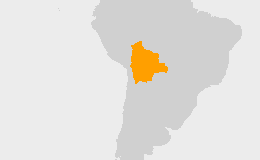
La CSI no tiene ninguna afiliada en Bolivia.
Bolivia ratificó el Convenio nº 87 sobre la libertad sindical y la protección del derecho de sindicación (1948) en 1965 y el Convenio nº 98 sobre el derecho de sindicación y de negociación colectiva (1949) en 1973.
según la ley
Libertad sindical / Derecho de sindicalización
Libertad sindical
El derecho a la libertad sindical figura consagrado en la Constitución, pero está estrictamente regulado.
Discriminación antisindical
La ley prohíbe la discriminación antisindical, pero no pevé medidas adecuadas de protección al respecto.
Barreras legales al establecimiento de organizaciones
- Para establecer un sindicato se requiere autorización o aprobación previa por parte de las autoridades
- La legislación laboral prevé un extenso procedimiento de registro que podría asimilarse a una autorización previa por parte del Gobierno para establecer un sindicato.
- Se requiere un número mínimo de miembros excesivo para establecer un sindicato
- No podrá constituirse un sindicato con menos del 50 por ciento de los trabajadores de una empresa, tratándose de sindicatos industriales (artículo 103 de la Ley General del Trabajo).
Restricciones al derecho de los sindicatos a organizar su administración
- Restriciones al derecho a elegir representantes y autoadministrarse con plena libertad
- Los miembros de los comités ejecutivos sindicales deben poseer la nacionalidad boliviana (artículo 138 del decreto reglamentario de la Ley General del Trabajo) y ser trabajadores habituales de la empresa en la que pretenden ser electos (artículo 6, c), y 7 del decreto-ley núm. 2565 de junio de 1951).
- Las autoridades administrativas están capacitadas para tomar unilateralmente la decisión de disolver, suspender o retirar el registro a organizaciones sindicales
- El artículo 129 del decreto reglamentario establece la posibilidad de disolver las organizaciones sindicales por vía administrativa.
- Otras interferencias externas admitidas por la ley
- El artículo 101 de la Ley General del Trabajo permite que los inspectores del trabajo asistan a las asambleas de los sindicatos y controlen sus actividades.
Categorías de trabajadores a quienes la ley prohíbe o restringe la posibilidad de formar o afiliarse a sindicatos, o de ocupar cargos sindicales
- Otros funcionarios y empleados públicos
- El artículo 104 de la Ley General del Trabajo niega a los funcionarios públicos el derecho a organizarse, a excepción de los trabajadores/as en los sectores de la salud, educación y petróleo.
- Trabajadores/as agrícolas
- Ciertas categorías de trabajadores agrícolas tampoco gozan de este derecho al encontrarse excluidos del ámbito de aplicación de la legislación laboral (artículo 1 de la Ley General del Trabajo de 1942, y del decreto reglamentario núm. 224, de 23 de agosto de 1943, de la Ley General del Trabajo).
Derecho a la negociación colectiva
Derecho a la negociación colectiva
El derecho a la negociación colectiva está recogido en la Constitución
El derecho a la negociación colectiva está reconocido por la ley.
Restricciones o prohibición de negociar colectivamente en algunos sectores
- Otros funcionarios y empleados públicos
- Los empleados públicos que no trabajan en la administración del Estado (artículo 104 de la Ley General del Trabajo) y los trabajadores agrícolas (artículo 1 de la Ley General del Trabajo de 1942, y del decreto reglamentario núm. 224, de 23 de agosto de 1943, de la Ley General del Trabajo) – entre otros – siguen sin poder disfrutar del derecho a negociar colectivamente.
Derecho de huelga
Derecho de huelga
El derecho de huelga está consagrado en la Constitución
El derecho de huelga está reconocido por la ley pero estrictamente regulado.
Impedimentos legales a acciones de huelga legítimas
- Requisito de un quórum excesivo o de obtener una mayoría excesiva en una votación para poder convocar una huelga
- Para ser legal, la huelga debe obtener el voto a favor de tres cuartas partes de los trabajadores/as interesados (artículo 114 de la Ley General del Trabajo y artículo 159 del decreto reglamentario).
Prohibición o restricciones para ciertos tipos de acción de huelga
- Restricciones respecto al objetivo de una huelga (por ej. disputas industriales, cuestiones económicas y sociales, políticas, de simpatía o solidaridad)
- Las huelgas generales y de solidaridad están totalmente prohibidas (artículos 1 y 2 del decreto-ley núm. 2565 y 234 del Código Penal).
Injerencia indebida por parte de las autoridades o los empleadores durante el transcurso de una huelga
- Las autoridades o los empleadores están capacitados para prevenir o poner fin a una huelga remitiendo el conflicto al arbitraje
- Puede imponerse un arbitraje para poner fin a una huelga o a un conflicto colectivo en sectores no considerados esenciales por la OIT (artículo 113 de la Ley General del Trabajo).
Disposiciones que socavan el recurso a acciones de huelga o su eficacia
- Excesivas sanciones civiles o penales contra los trabajadores/as y sindicatos involucrados en acciones de huelga no autorizadas
- Si la huelga es declarada ilegal, los participantes pueden ser condenados a penas de entre uno y cinco años de cárcel, con trabajo obligatorio como pena accesoria.
Limitaciones o prohibición de hacer huelga en algunos sectores
- Restricciones injustificadas para los funcionarios públicos
- Las huelgas en los servicios públicos, incluyendo los bancos (artículo 1, c), del decreto supremo núm. 1958, de 1950) y los mercados públicos, están prohibidas por ley.
- Otras limitaciones (por ej. en las ZFI)
- La ley de Emergencia Sanitaria aprobada el 4 de febrero de 2021 prohíbe las huelgas y protestas de los trabajadores del sector salud. Esta norma fue aprobada sin que haya sido consensuada con los trabajadores.
En la Práctica
El 30 de noviembre de 2021, los trabajadores y trabajadoras afiliados al sindicato de la Administración de Aeropuertos y Servicios Auxiliares a la Navegación Aérea (AASANA) declararon un cese de actividades para pedir un justo incremento de salarios y el pago de horas extras que no reconocía la entidad. El paro de actividades se originó por la negativa de la entidad a negociar con el sindicato y las constantes amenazas de la estatal administradora de eliminar la entidad y, con ello, las organizaciones sindicales. Durante el paro, el Gobierno alistó un plan de contingencia para garantizar el servicio sin dar a los trabajadores respuesta a sus demandas y descartó cualquier posibilidad de acceder a un arreglo. El 1 de diciembre de 2021, el Gobierno anunció la eliminación de la institución estatal mediante decreto supremo 4630 y la reemplazó por Navegación Aérea y Administración de Aeropuertos Bolivianos (NAABOL), dejando inmediatamente sin trabajo a 750 trabajadoras y trabajadores. Entretanto, por parte del Gobierno, se desplegaron contingentes policiales a diferentes aeropuertos para militarizar las instalaciones e impedir protestas del personal despedido. El Gobierno nacional anunció que la nueva empresa acogerá a los funcionarios de la extinta AASANA. Sin embargo, desde entonces se niega a contratar a quienes pertenecían a la organización sindical de dicha empresa.
El 18 de noviembre de 2021, el Sindicato de Trabajadores de la Administración de Aeropuertos y Servicios Auxiliares a la Navegación Aérea (Aasana) Cochabamba Sud realizó un mitin de protesta por el incumplimiento en el pago de salarios y de compromisos por parte de la máxima autoridad ejecutiva. Los trabajadores manifestaron encontrarse en un estado de emergencia ante los sucesivos incumplimientos, que mantiene a decenas de familias sumidas en la pobreza y la desprotección.
A lo largo de 2021, los trabajadores del sector de la salud organizaron múltiples protestas contra la promulgación de la Ley de Emergencia Sanitaria aprobada el 4 de febrero de 2021, la cual prohíbe las huelgas y protestas de los trabajadores del sector. Dicha norma fue aprobada sin haber sido consensuada con los trabajadores. Las organizaciones sindicales exigieron que se les garantice poder realizar su trabajo en condiciones laborales dignas y que se permita la libertad sindical; sin embargo, sus peticiones no fueron atendidas y por el contrario han tenido que enfrentar la pandemia en la máxima precariedad, muchas veces sin recibir salarios ni prestaciones sociales.
Un operativo de la policía y el ejército terminó con la muerte de por lo menos cinco manifestantes y varios heridos durante la represión a la masiva movilización encabezada por las federaciones cocaleras. La masacre ocurrió en el municipio de Sacaba, en las afueras de Cochabamba. Según el relato de los manifestantes, los agentes uniformados comenzaron repeliendo a los manifestantes con gases lacrimógenos y luego avanzaron abriendo fuego. Las muertes se conocieron por los videos que los propios integrantes de las seis federaciones de cocaleros del Trópico de Cochabamba enviaron desde el lugar de la represión. Estas mismas federaciones enviaron mensajes de ánimo al pueblo.
Trabajadores afiliados a la Central Obrera Boliviana (COB) estuvieron en huelga el 19 de septiembre de 2017. Uno de los motivos de la huelga fue el rechazo al paralelismo sindical que promueve el partido del Gobierno y la penalización de las acciones de los dirigentes sindicales.
El 17 y 18 de mayo de 2017, el sector salud respondió positivamente a una convocatoria de huelga del Colegio Médico de Bolivia. El Defensor del Pueblo presentó una acción popular para impedir que se celebrara la huelga alegando que los derechos de los ciudadanos se verían afectados por la protesta de los médicos. El 29 de mayo de 2017 la Sala Penal Primera Civil del Tribunal de Justicia de La Paz declaró procedente la acción judicial, impidiendo que el sector convocara la huelga . Esta acción presentada por el Defensor del Pueblo, David Tenazos Pinto, fue tachada por el Colegio Médico de Bolivia y por la Central Obrera Departamental (COD) como una medida restrictiva de su derecho a la huelga, ya que ellos estaban dispuestos a garantizar los servicios mínimos así como a satisfacer las necesidades básicas de los usuarios y el funcionamiento continuo y en condiciones de seguridad de las instalaciones, con arreglo a los principios de libertad sindical de la OIT.
El 24 febrero de 2017, el secretario ejecutivo de la Central Obrera Departamental (COD) de La Paz denunció la promoción por parte de los ejecutivos de La Paz Limpia y autoridades de la Alcaldía de La Paz del paralelismo sindical entre los trabajadores de los servicios de limpieza urbanos. La COD ha acusado a la empresa y al alcalde Luis Revilla de nombrar un directorio que responde a sus intereses.
En noviembre de 2016, el Sindicato de Trabajadores Mixto de Industrias Copacabana, en La Paz, denunció el incumplimiento del pliego de peticiones entregado en mayo de 2016 a la gerencia general de la empresa Industrias Copacabana S.A. Aunque la empresa cumplió con algunas demandas, los trabajadores aún perciben una intervención indebida en las acciones del sindicato, una intención de paralelismo sindical y una violación al derecho de asociación al amenazar con despidos a los trabajadores que se afilien al sindicato. Según miembros del sindicato, la empresa impone clausulas y condiciones a los meseros y ayudantes de cocina, prohibiéndoles afiliarse al sindicato bajo la amenaza de perder sus empleos.
En el pliego petitorio no atendido se incluyó el respeto a la estabilidad laboral, rechazo a la discriminación laboral, la reincorporación de los despedidos especialmente del secretario ejecutivo del sindicato, Víctor Choquehuanca, rechazo a la intromisión de la empresa en asuntos sindicales, rechazo a la tercerización laboral y la inhabilitación de otra representación sindical afín a la empresa, liderada por un ex dirigente que fue desconocido por los trabajadores de la empresa.
El conflicto entre los trabajadores y la empresa se inició en 2015 con un paro de brazos caídos que obligó el cierre temporal de varias agencias de Industrias Copacabana S.A. En vista de este hecho, en octubre de 2015 con la mediación del Ministerio de Trabajo, Empleo y Previsión Social tendría lugar un encuentro en el que se llegó al acuerdo plasmado en el pliego. Ante el incumplimiento, los trabajadores del sindicato se declararon en estado de emergencia y no descartaron la posibilidad de una huelga general con suspensión de servicios. La violación a los derechos sindicales en este caso responde a un patrón de abusos por parte de la empresa.
En octubre de 2016, 23 trabajadores del sindicato Alianza Uno que participaron en un paro casi dos meses, recibieron memorandos de despido por parte de la gerencia general de la televisora Red Uno de La Paz.
El conflicto laboral comenzó con la presentación de un Pliego Petitorio por parte del sindicato, el cual no fue atendido por la empresa. Luego, la Jefatura Departamental de Trabajo de Santa Cruz emitió un Laudo Arbitral a favor de los trabajadores, que también fue ignorado por los empresarios, hecho que motivó el paro de los trabajadores.
Según Losé Luis Patuy, máximo dirigente del sindicato, hicieron pasar uno a uno a todos los trabajadores que habían participado en el paro para presionar el cumplimiento de un laudo arbitral emitido por el Ministerio de Trabajo que reconocía el pago de horas extras y el incremento salarial. En lugar de reincorporarlos en sus puestos de trabajo les entregaron memorandos de despido por abandono del cargo.
De lo anterior puede inferirse que el despido ilegal de los trabajadores sindicalizados intentó castigar su participación en la movilización en defensa de sus derechos. Esto pertenece a un patrón de abusos por parte de la empresa en contra de los derechos de los trabajadores.
Esta medida fue declarada ilegal por el Ministerio de Trabajo. Inmediatamente los trabajadores despedidos de manera ilegal interpusieron un recurso de Amparo Constitucional. Con la intervención del Ministerio de Trabajo, el Juzgado Noveno de Partido de Familia de Santa Cruz resolvió otorgar tutela a los trabajadores de la Red UNO y ordenó la inmediata reincorporación a su fuente de trabajo en noviembre de 2016.
En octubre de 2016, 11 trabajadores (entre ellos líderes sindicales y personas con discapacidad) fueron despedidos con el argumento de que la Fábrica de Sombreros de Sucre estaba siendo cedida. Sin embargo, los trabajadores aseguraron que el despido se produjo en represalia a un pliego de peticiones que fue presentado en defensa de los derechos laborales.
Desde el momento de la entrega de los memorándums de despido, la Jefatura Departamental de Trabajo de Chuquisaca, junto con la Federación Departamental de Fabriles de Chuquisaca, la Federación Departamental de Constructores de Sucre y la Central Obrera Departamental (COB), trabajaron arduamente para hacer respetar las normas legales que garantizan la estabilidad laboral.
El jefe departamental de trabajo de Chuquisaca, Juan Pablo Yucra, consideró que el despido se realizó con argumentos falaces afectando a trabajadores avalados por el fuero sindical, razón por la cual ordenó a los ejecutivos de la compañía reincorporarlos inmediatamente. Esta orden se dio en defensa de los derechos laborales, consagrados y protegidos por la Constitución Política del Estado como son el derecho al trabajo, la estabilidad laboral, inamovilidad laboral, fuero sindical entre otros. Después de una semana la empresa reincorporó a todos los obreros, en mérito a la conminatoria de reincorporación laboral remitida por parte del Ministerio de Trabajo, Empleo y Previsión Social. Finalmente, el Jefe Departamental de Trabajo aseguró que los inspectores verificaron el retorno de los trabajadores a sus puestos sin ningún obstáculo. Esta violación parece aislada y no pertenece a un patrón de acción por parte de la empresa.
En agosto de 2016 el Ministerio de Salud anunció descuentos para los trabajadores administrativos que acataron la convocatoria de paro de 14 días, realizada por el Sindicato de Trabajadores de la Caja Petrolera de Salud de Sucre. Los trabajadores se habían manifestado para exigir la destitución del Director General Ejecutivo, Víctor Hugo Villegas, del Director Administrativo Financiero, Félix Álvaro de la Fuente López y de la Jefa de Recursos Humanos, Graciela Arancibia, por aparentes hechos de corrupción y malos manejos administrativos. Los dirigentes del sector denunciaron que se trataba de descuentos ilegales con los que se pretendía penalizar el derecho a la huelga y el derecho a la protesta.
Frente a estas denuncias la Ministra de Salud, Ariana Campero, pidió al Instituto Nacional de Seguridad Social (INASES) un informe sobre la actual situación de la Caja, afirmando que los reclamos de la Federación Nacional de Trabajadores Administrativos de la CPS contra la gestión de Villegas eran injustificados.
Por instrucción de las autoridades nacionales, las autoridades locales de la Caja Petrolera de Sucre descontaron de sus sueldos y salarios a los trabajadores participantes. No obstante, previamente y en presencia de los dirigentes de la COD, de las autoridades locales de la Caja y dirigentes de los trabajadores del sector, se había llegado a un acuerdo de permitir el descuento de sus días de vacación. De acuerdo a los hechos esta es una violación aislada y no pertenece a un patrón del Ministerio.
En agosto de 2016, el directorio del sindicato de la empresa Fino en Santa Cruz denunció que no recibió el reconocimiento correspondiente debido a la imposición de requerimientos que no responden a los mandatos legales y constitucionales, hecho que violaría el derecho de asociación. De acuerdo con los trabajadores, “tanto la federación de fabriles como la dirección de trabajo controladas por el Gobierno trabajan para evitar que dirigentes sindicales independientes sean reconocidos legalmente”.
En la denuncia, los trabajadores aseguran que el Ministerio de Trabajo ha emitido una serie de resoluciones que impiden el reconocimiento legal de los directorios que no son afines “al Gobierno, los empresarios y los actuales dirigentes de la Federación de Fabriles”. Las resoluciones expedidas a los directorios electos por sus bases incluyen: libreta de servicio militar, estatutos, personería jurídica, convocatoria a elecciones, y acta de posesión de directorios por parte de la federación de fabriles. Para los empresarios estos condicionamientos son ilegales puesto que la Constitución Política del Estado señala que los directorios sindicales deben obtener resolución con la simple presentación del reconocimiento por parte de su federación.
En el caso del sindicato de Fino, el Director de Trabajo aseguró que “no existió convocatoria electoral” con lo cual el directorio elegido no era legítimo. No obstante, los trabajadores aseguran que se realizó asamblea a la que asistieron las bases quienes votaron de manera directa y re eligieron al directorio de la gestión anterior. Para los trabajadores el no reconocimiento de su directorio “le da armas a la patronal para no reconocer a sus dirigentes y fomentar el paralelismo sindical”. La imposición de trabas, según las denuncias de los trabajadores, hacen parte de un patrón de comportamiento de las autoridades encargadas de emitir el reconocimiento a los sindicatos.
El 29 de junio de 2016, la Policía ingresó en múltiples ocasiones y de manera violenta en oficinas del sindicato Manaco en Cochabamba, donde golpeó y tomó presos a dirigentes obreros, informó la red ERBOL. Según los trabajadores que se encontraban en el lugar, los policías irrumpieron en la oficina del sindicato y procedieron a detener a sus dirigentes, además de provocar destrozos en el complejo fabril y las bicicletas de los obreros. Este abuso policial ocurrió en el marco del paro de 72 horas realizado a nivel nacional por diversos sindicatos, con el objetivo de demandar la anulación del Decreto Supremo 2765 que establece el cierre de Enatex. Las movilizaciones y los bloqueos realizados en diferentes puntos en Oruro, Potosí, Santa Cruz, Sucre y La Paz se saldaron con 10 heridos, entre policías y trabajadores y más de 150 detenidos.
Posteriormente, en un comunicado a través de la Cámara Departamental de Industria, la empresa Manaco reprochó el accionar de la Policía por haber irrumpido en la fábrica a pesar de que los trabajadores cumplían sus tareas y no se encontraban participando del paro. El comunicado añadió que los policías lanzaron gases lacrimógenos y provocaron a los obreros, quienes, después, en asamblea, decidieron acatar el paro.
Por su parte el secretario ejecutivo de la Confederación de Trabajadores Fabriles de Bolivia, Víctor Quispe, expresó su repudio frente a la segunda intervención policial al complejo fabril de Manaco y a la utilización de armas de fuego contra los compañeros que protestan en las calles. Este tipo de enfrentamientos parecen repetirse en situaciones de paros de gran magnitud por lo que puede considerarse como una acción que hace parte de un patrón de comportamiento.
En junio de 2016, los cuatro dirigentes del sindicato de la empresa ENVACRUZ de la ciudad de Santa Cruz, fueron citados por la Fiscalía para responder a una demanda penal interpuesta por el dueño de la empresa, presuntamente como represalia a un paro realizado por el sindicato. El empresario alegaba que la interrupción de actividades por parte de los trabajadores, a pesar de haber sido aprobada por el Ministerio de Trabajo, afectaba el traslado de sus productos y atentaba contra el derecho al trabajo. Sin embargo, para los trabajadores esta acción representa una intimidación procesal y judicial que vulnera el fuero sindical.
Los trabajadores que estuvieron en paro y vigila durante de más de dos meses, exigían el pago de salarios desde abril, el doble aguinaldo de 2015, retroactivos de 2015 y 2016, además de las aportaciones a la Caja Nacional de Salud y la devolución de los descuentos que le realizan para las AFP y que no fueron depositados, bono de lactancia y subsidio prenatal, entre otros, y decidieron continuar el paro a pesar de la demanda. Al no encontrar una respuesta positiva por parte de la empresa, los trabajadores optaron por los procesos legales para sostener sus demandas. Según los trabajadores antes de este evento siempre habían tenido relaciones positivas con la empresa por lo que se infiere que este hecho es aislado y no responde a un patrón de comportamiento de la empresa.
A finales de 2015 y principios de 2016, varios trabajadores de base y los dirigentes del sindicato de la empresa de prendas MITSUBA de Santa Cruz fueron despedidos sin justa causa.
Ante este hecho los trabajadores se declararon en paro de brazos caídos por incumplimiento a su pliego petitorio, el despido de trabajadores y la violación al fuero sindical y el derecho de asociación.
Posteriormente de acuerdo con los trabajadores, la patronal amenazó con romper la huelga con el uso de la fuerza a pesar de que contaba con el respaldo legal del Director Departamental del Trabajo. La huelga de trabajadores fue levantada dos semanas después, con un acuerdo que logró reincorporar a tres de los cuatro dirigentes despedidos y el pago del 50 % de los salarios por los días de la huelga.
Adicionalmente, algunos de los trabajadores despedidos habían presentado una demanda ante el Ministerio de Trabajo alegando el amparo constitucional. A raíz de esta demanda se ordenó la reincorporación de los dirigentes despedidos al demostrarse que no hubo justa causa en sus despidos. Esta violación al fuero sindical aparentemente responde a una crisis económica que obligó el retiro de los trabajadores, sin embargo, el reintegro fue ordenado por el Ministerio.
En enero de 2016, los trabajadores afiliados al sindicato de Telares Santa Cruz Ltda. se declararon en huelga, como parte de una acción declarada legal por la Jefatura Departamental de Trabajo de Santa Cruz, para exigir el cumplimiento de un convenio laboral suscrito por las partes en conflicto. Además de despedir en diciembre de 2015 a más de 50 empleados, los representantes de la compañía, ubicada en el municipio de Warnesse, entablaron demandas penales contra dirigentes sindicales alegando “atentados contra la libertad de trabajo y violencia y amenazas por obreros y empleados”. Como medida de presión algunos trabajadores procedieron a crucificarse en las instalaciones de la Dirección Departamental del Trabajo exigiendo respeto al fuero sindical y a la estabilidad laboral.
Ante esta demanda el Ministro de Trabajo, Gonzalo Trigoso, solicitó, mediante un memorial, la cesación de medidas cautelares de carácter corporal en favor de los dirigentes sindicales de la empresa, ya que se consideró que no existió delito a ser perseguido al tratarse de dirigentes y trabajadores en huelga pacífica. Gracias a la intervención de organizaciones como la Central Obrera Boliviana (COB), la Central Obrera Departamental (COD) de Santa Cruz, la Confederación General de Trabajadores Fabriles de Bolivia (CGTFB), la Federación de Trabajadores Fabriles de Santa Cruz, el Sindicato de Telares Santa Cruz, así como del Ministerio de Trabajo, se logró la libertad de dos dirigentes de la empresa Telares Santa Cruz que habían sido detenidos.
Finalmente, el febrero los propietarios decidieron disolver la empresa y declarar el cese indefinido de actividades, asegurando que la causa eran los conflictos laborales que afrontan con el sindicato fabril y los continuos paros iniciados por los trabajadores.
El 10 de febrero de 2016, 30 dirigentes del sindicato cocalero ADEPCOCA que agrupa a los productores de hoja de coca en la zona de los Yungas y La Paz (noroeste), fueron detenidos por la policía con objeto de evitar los bloqueos de carreteras que iban a ejecutar como medida de presión al Gobierno. Los miembros del sindicato planeaban hacer un paro para reclamar la construcción de un hospital para el sindicato y de un centro de investigaciones agrarias; la mejora de las carreteras de la zona y el aumento de la inversión en educación. Según el líder de las protestas, Franklin Gutiérrez, las detenciones son una forma de intimidar al sector.
Por su parte, el Ministro de Gobierno, Carlos Romero, aseguró que el dispositivo policial fue meramente preventivo y que sólo se practicaron detenciones cuando algunos participantes en la protesta respondieron de manera violenta a la acción de la policía. Finalmente afirmó que no hubo “ninguna acción abusiva, unilateral (o) represiva”.
Tras las detenciones, los militantes del sindicato se congregaron en las instalaciones de la Fuerza Especial de Lucha Contra el Crimen (FELCC) en La Paz para reclamar la libertad de sus líderes. Las tensiones entre la policía y los miembros de los sindicatos son continuas y las detenciones preventivas son usadas usualmente para evitar bloqueos y manifestaciones.
El 7 de enero de 2016, la Federación Departamental de Choferes 1º de Mayo, realizó una marcha con suspensión del servicio de transporte en la ciudad de La Paz, exigiendo que el alcalde autorizase un incremento en los pasajes. Los trabajadores señalaron además su inconformidad por las exigencias de la municipalidad de registrar sus sindicatos, vehículos y la obligación de llevar un sistema de control satelital vía GPS. El alcalde Luis Rivillas señaló que un aumento en el servicio del transporte resulta injustificable. “Son ellos los que no cumplieron, aún quedan cinco sindicatos que no nos han entregado sus listas y tampoco el sistema de control que implementarán para garantizar la mejora del servicio”, afirmó.
Durante la marcha se movilizaron más de 40 sindicatos de conductores, montándose piquetes para bloquear accesos. Conductores de taxis, radiotaxis y minibuses de diversos sindicatos fueron víctimas de agresiones.
El primero de mayo de 2015, el Gobierno de Evo Morales promulgó un decreto especial para los sindicatos y otras disposiciones en materia laboral, con el ánimo de exigirles a éstos personalidad jurídica y el reconocimiento mediante Resolución Suprema expedida por el mismo presidente. El Decreto Supremo 2348 señala que, a partir del 1 de mayo de 2015, cualquier organización sindical de trabajadores no sólo necesitará tramitar su personería jurídica, sino que deberá ser reconocida mediante Resolución Suprema, es decir, con la firma del Presidente quien definirá la existencia de sindicatos.
El 14 de enero de 2014, los trabajadores del consorcio Sigma, en el departamento de Santa Cruz, emprendieron una acción demandando a la empresa el pago de sus salarios, adeudados desde el mes de noviembre de 2013.
At least seven people were injured on 6 May 2013, in a clash between groups of demonstrators and Bolivian police, who used tear gas to clear one of the highways cut off by workers affiliated with the Central Obrera Boliviana (COB). The Deputy Interior Minister, Jorge Perez, said at a press conference that three of the injured were police and four were demonstrators who were participating in the protest the union staged near the central city of Cochabamba. Police arrested 37 people in the confrontation, but they were released a few hours later after being identified and processed. The COB led the blockades on Monday and staged a hunger strike in state-run hospitals to demand that President Evo Morales implement changes in the pension law to improve the income of retirees.
Al menos siete personas resultaron heridas el 6 de mayo de 2013 durante los enfrentamientos entre grupos de manifestantes y la policía de Bolivia, la cual utilizó gases lacrimógenos para desbloquear una de las carreteras cortadas por los trabajadores afiliados a la Central Obrera Boliviana (COB). El Viceministro de Régimen Interior, Jorge Pérez, declaró en una rueda de prensa que tres de los heridos eran policías y cuatro eran manifestantes que participaban en la protesta organizada por el sindicato cerca de la ciudad de Cochabamba. La policía detuvo a 37 personas en el transcurso de la confrontación, las cuales serían puestas en libertad pocas horas mas tarde, después de haber sido identificadas y procesadas. La COB encabezó los bloqueos del lunes y organizó una huelga de hambre en diversos hospitales públicos para reclamar que el Presidente Evo Morales introduzca cambios en la ley de pensiones a fin de mejorar los ingresos de los jubilados.
Desde el 23 de marzo de 2011, debido a la deficiencia en la cobertura en salud y los servicios sanitarios de los trabajadores de las minas, los trabajadores de las minas de plata, zinc y plomo San Cristóbal, del grupo japonés Sumitomo, suspendieron sus labores durante 12 días. Al cabo de este tiempo, y tras la intervención del Ministerio de Trabajo, se levantó la huelga pero algunas de las peticiones siguen sin haber sido concertadas.
El 2 de marzo, tras fuertes manifestaciones y protestas de los sindicatos bolivianos, el Presidente Evo Morales decretó unilateralmente un incremento salarial del 10% para empleados públicos de los sectores de la educación, salud, policía y fuerzas armadas, y del 20% en el salario mínimo de los trabajadores y trabajadoras. En el sector público, los sindicatos demandaban un aumento del 15%. La Central Obrera Boliviana (COB) trató de negociar con el Gobierno pero los trabajadores/as finalmente rechazaron el acuerdo que mantenía el aumento del 10%. Las huelgas y las protestas se reanudaron. Luego de duras jornadas en La Paz, apenas se logró un incremento de 1% y otro 1% para después de julio, siempre que hubiese presupuesto, o sea un 2% en total, es decir un aumento del 12%.
La COB acordó el 19 de abril un convenio de ocho puntos con el Gobierno y puso fin a la huelga general. El documento estableció un incremento salarial del 11%, con la posibilidad de subir a 12% para maestros y salubristas, después de identificar una fuente de financiamiento que no ocasione déficit fiscal.
También se acordó la reactivación productiva, la restructuración de la Caja Nacional de Salud, la plena vigencia del fuero sindical, el respeto del acuerdo firmado en Panduro en abril de 2010, gestiones para garantizar la seguridad alimentaria y la adecuación de las leyes 2027 y 2028, relativas al funcionario público y de municipalidades, a la nueva Constitución Política del Estado.
La Central Obrera Boliviana (COB) convocó el 6 de octubre marchas de protesta para reclamar el cumplimiento del acuerdo firmado en abril entre la COB y el Gobierno, para que los obreros obtuvieran el reajuste salarial prometido por el mandatario. Recién a finales de 2011, y después del anuncio de nuevas movilizaciones de la COB, el Gobierno cumplió con el 2% pautado.