
Camerún
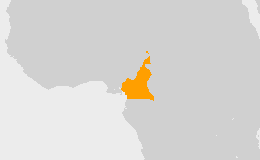
Las afiliadas de la CSI en Camerún son la Centrale Syndicale du Secteur Public (CSP), la Confédération des Syndicats Autonomes du Cameroun (CSAC), la Confédération Syndicale des Travailleurs du Cameroun (CSTC) y la Union des Syndicats Libres du Cameroun (USLC).
Camerún ratificó el Convenio nº 87 sobre la libertad sindical y la protección del derecho de sindicación (1948) en 1960 y el Convenio nº 98 sobre el derecho de sindicación y de negociación colectiva (1949) en 1962.
según la ley
Libertad sindical / Derecho de sindicalización
Libertad sindical
El derecho a la libertad sindical está consagrado en la Constitución.
El derecho a la libertad sindical está reconocido por la ley, pero estrictamente regulado.
Discriminación antisindical
La ley prohíbe la discriminación antisindical, pero no pevé medidas adecuadas de protección al respecto.
Barreras legales al establecimiento de organizaciones
- Para establecer un sindicato se requiere autorización o aprobación previa por parte de las autoridades
- Un sindicato no tendrá existencia legal hasta que haya obtenido el certificado de registro emitido por el Registrador de sindicatos (Artículo 6, Código del Trabajo).
- Se imponen sanciones por organizar o afiliarse a una organización que no esté oficialmente reconocida
- Los artículos 6(2) y 166 del Código del Trabajo establecen la penalización aplicable a los promotores de un sindicato que no haya sido aún registrado y que actúen como si lo estuviese.
- Restricciones al derecho de los sindicatos a establecer ramas, federaciones y confederaciones o a afiliarse a organizaciones nacionales e internacionales
- El artículo 19 del Decreto No. 69/DF/7 del 6 de enero de 1969 estipula que los sindicatos de funcionarios públicos no pueden afiliarse a una organización internacional sin autorización previa.
Restricciones al derecho de los trabajadores y trabajadoras a formar y afiliarse a organizaciones de su elección
- La ley impone restricciones al derecho de los trabajadores/as a afiliarse al sindicato de su elección
- Ninguna persona puede ser miembro de un sindicato de trabajadores a menos que ejerza efectivamente una profesión asalariada en el momento de su afiliación (artículo 7, Código del Trabajo). Por otro lado, es ilegal formar un sindicato que incluya a la vez trabajadores del sector público y del privado.
Restricciones al derecho de los sindicatos a organizar su administración
- Restriciones al derecho a elegir representantes y autoadministrarse con plena libertad
- El artículo 21 del Código del Trabajo regula las circunstancias en las que un empleador puede deducir las cotizaciones sindicales de los salarios de sus empleados. Específicamente, indica que la deducción automática de las contribuciones únicamente se permitirá: (a) si se ha concluido un acuerdo a tal efecto entre el empleador interesado y el sindicato a favor del cual se remitirán las cotizaciones; y (b) si el trabajador ha manifestado estar de acuerdo con ese procedimiento firmando un formulario aceptado por el empleador y el sindicato, o en el caso de que no sepa leer ni escribir, estampando sus huellas digitales.
- Restricciones a la libertad para organizar libremente actividades y formular programas
- Los sindicatos tienen prohibido ejercer cualquier actividad que no esté relacionada con el estudio, la defensa, el desarrollo y la protección de los intereses de los trabajadores (artículo 3, Código del Trabajo).
- Las autoridades administrativas están capacitadas para tomar unilateralmente la decisión de disolver, suspender o retirar el registro a organizaciones sindicales
- El Registrador puede anular el registro de una organización de trabajadores o de empleadores si se establece que: (a) el certificado de registro se obtuvo de manera fraudulenta; (b) la organización registrada ha vulnerado deliberadamente alguna disposición del Código del Trabajo o llevado a cabo actividades no estatutarias; (c) la organización ha dejado de existir (artículo 13, Código del Trabajo).
- Otras interferencias externas admitidas por la ley
- En 2014, el Gobierno del Camerún aprobó la Ley de supresión del terrorismo (Nº 2014/028, de 23 de diciembre de 2014), que limita gravemente las libertades civiles en el país. De conformidad con el artículo de la ley, "se impondrá la pena de muerte a todo aquel que ... cometa o amenace con cometer cualquier acto que pueda causar la muerte, poner en peligro la seguridad física, provocar lesiones corporales o daños materiales o dañar los recursos naturales, el medio ambiente o el patrimonio cultural con la intención de ...": 1.a) intimidar al público, provocar una situación de terror u obligar a una víctima, al Gobierno y/o a una organización nacional o internacional a realizar o abstenerse de realizar un determinado acto, adoptar o renunciar a una determinada posición o actuar de acuerdo con determinados principios; 2.b) perturbar el funcionamiento normal de los servicios públicos o la prestación de servicios públicos esenciales, o crear una crisis pública". Esta sección de formulación amplia podría utilizarse potencialmente para limitar el ejercicio legítimo de las actividades sindicales, incluidas las protestas.
Categorías de trabajadores a quienes la ley prohíbe o restringe la posibilidad de formar o afiliarse a sindicatos, o de ocupar cargos sindicales
- Otros funcionarios y empleados públicos
- La existencia legal de un sindicato o asociación profesional de funcionarios públicos está sujeta a la aprobación previa del Ministerio de la Administración Territorial (Ley No. 68/LF/19 del 18 de noviembre de 1968). El Código del Trabajo no se aplica al personal que se rige por: - el Estatuto General de la Función Pública; - el Estatuto de la Magistratura; - el Estatuto Especial de la Administración Penitenciaria; - las disposiciones particulares aplicables a los auxiliares administrativos (artículo 1(3), Código del Trabajo).
- Trabajadores/as migrantes o no nacionales
- Los extranjeros deben haber residido al menos durante cinco años en el territorio de la República de Camerún antes de poder solicitar el registro de un sindicato (artículo 10(2), Código del Trabajo).
Otras restricciones
- Otras restricciones
- Es ilegal formar un sindicato que incluya a la vez a trabajadores/as del sector público y del privado.
Derecho a la negociación colectiva
Derecho a la negociación colectiva
El derecho a la negociación colectiva está reconocido por la ley, pero no está debidamente fomentado y promovido.
Restricciones al principio de negociación libre y voluntaria
- Prohibición o limitación de la negociación colectiva a ciertos niveles (empresa, industria/sector, regional/territorial, nacional)
- Un convenio colectivo que regule las relaciones laborales en una empresa o un grupo de empresas (convenio colectivo de empresa) puede ser aplicable a nivel nacional, interdepartamental o local. Cuando un convenio colectivo cubre una o más ramas de actividad (convenio colectivo nacional) su campo de aplicación debe obligatoriamente cubrir la totalidad del territorio (artículo 52(1) y (3), Código del Trabajo; Art. 3, Decreto No. 93/578 del 15 de julio de 1993 que fija las condiciones de fondo y de forma aplicables a los convenios colectivos de trabajo). Cuando se ha firmado un convenio colectivo nacional, no puede negociarse un convenio de empresa en la misma rama de actividad, a excepción de los acuerdos de establecimiento, cuyo objetivo es adaptar las disposiciones del convenio nacional a las condiciones particulares de una empresa en concreto (Art. 3, Decreto N° 93/578 del 15 de julio de 1993 que fija las condiciones de fondo y de forma aplicables a los convenios colectivos de trabajo; artículo 57, Código del Trabajo).
- Las autoridades o los empleadores pueden anular, modificar o ampliar unilateralmente las disposiciones o la cobertura de los convenios colectivos
- A petición de una de las organizaciones sindicales más representativas o a iniciativa del Ministro de Trabajo, las disposiciones de un convenio colectivo que regule las relaciones en una o más ramas de actividad pueden hacerse extensiva para cubrir a todos los empleadores y trabajadores comprendido en el campo de aplicación profesional y territorial de dicho convenio, mediante un decreto dictado tras el dictamen de la Comisión Nacional Consultiva del Trabajo (artículo 53, Código del Trabajo; art. 3 y Capítulo IV, Decreto N° 93/578 del 15 de julio de 1993 que fija las condiciones de fondo y de forma aplicables a los convenios colectivos de trabajo).
Restricciones respecto al ámbito de aplicación y la efectividad legal de los convenios colectivos negociados
- Restricciones en cuanto a la duración, el ámbito de aplicación o la cobertura de los convenios colectivos
- Todos los convenios colectivos tendrán una duración indeterminada. A menos que se estipule otra cosa en el convenio colectivo, para su terminación será necesario un preaviso de 3 meses (art. 5, Decreto N° 93/578 del 15 de julio de 1993 que fija las condiciones de fondo y de forma aplicables a los convenios colectivos de trabajo).
Disposiciones que entorpecen el recurso a convenios colectivos y su eficacia
- Derecho discrecional de los empleadores a negarse a negociar con los sindicatos representativos
- No se prevé ningún mecanismo legal mediante el cual un sindicato pueda obligar a un empleador a mantener negociaciones colectivas.
Derecho de huelga
Derecho de huelga
El derecho de huelga está consagrado en la Constitución
El derecho de huelga está reconocido por la ley pero estrictamente regulado.
Impedimentos legales a acciones de huelga legítimas
- Recurso obligatorio al arbitraje o a largos y complejos procedimientos de conciliación y mediación antes de iniciar una acción de huelga
- Para que una acción de huelga sea legítima, las partes deben haber agotado los procesos de conciliación y arbitraje establecidos en los artículos 158 y 161 del Código del Trabajo. La no comparecencia durante el proceso de conciliación es pasible de una multa de 50.000 a 500.000 francos CFA. La sentencia de arbitraje tendrá fuerza ejecutoria a menos que alguna de las partes manifieste su oposición enviando una carta certificada al Inspector de Trabajo y Seguridad Social local (artículos 157-165, Código del Trabajo).
Prohibición o restricciones para ciertos tipos de acción de huelga
- Restricciones respecto al tipo de acción de huelga (por ej. piquetes, huelgas salvajes, huelgas de celo, sentadas, huelgas de brazos caídos)
- La huelga es el rechazo colectivo y concertado por parte de todos o parte de los trabajadores en un lugar de trabajo a respetar las reglas normales de trabajo, con vistas a conseguir que el empleador satisfaga sus reclamaciones o reivindicaciones (artículo 157, Código del Trabajo).
Disposiciones que socavan el recurso a acciones de huelga o su eficacia
- Excesivas sanciones civiles o penales contra los trabajadores/as y sindicatos involucrados en acciones de huelga no autorizadas
- Cuando se emprende una huelga contraviniendo las disposiciones establecidas en los artículos 158-164, los trabajadores implicados se arriesgan a: (i) la ruptura de su contrato de trabajo por falta grave; (ii) la imposición de una multa de 20.000 a 100.000 francos CFA (artículo 165(1)(b), Código del Trabajo).
Limitaciones o prohibición de hacer huelga en algunos sectores
- Otras limitaciones (por ej. en las ZFI)
- Únicamente los trabajadores asalariados pueden emprender una acción de huelga legítima según el Capítulo II bajo el Título IX del Código del Trabajo (artículo 157).
En la Práctica
La central sindical CTSC comenta que el Ministerio de Trabajo favorece la creación de sindicatos sin ninguna representatividad para socavar a las organizaciones representativas, además de no tener en cuenta los criterios de representatividad establecidos para la representación de las organizaciones sindicales en las instituciones. Muy a menudo, las instituciones designan a estas organizaciones sin representatividad en lugar de las organizaciones representativas.
Desde abril de 2017, diez representantes sindicales de la comunidad urbana de Douala esperan una decisión judicial que declare su reincorporación al trabajo. Estos delegados/as fueron destituidos de su puesto de trabajo por las autoridades municipales de Douala por haber participado en una huelga.
Las Brasseries du Cameroun, que pertenecen al grupo multinacional Castel, se han negado durante meses a negociar el bono de participación en los beneficios que corresponde a los trabajadores/as, pese a la recomendación del convenio colectivo nacional para las industrias manufactureras. Además, la empresa se niega a aplicar el acuerdo de empresa que establece el pago de las horas trabajadas los domingos.
Aun cuando los trabajadores de Brasseries du Cameroun habían presentado un aviso de huelga, la administración del trabajo convocó una reunión tripartita el mismo día de la huelga para negociar las demandas de ciertos trabajadores/as. Por lo tanto, la huelga se suspendió y la empresa se negó a negociar con los sindicatos representativos.
Posteriormente, la dirección general de Brasseries du Cameroun suspendió los contratos de trabajo de los tres principales dirigentes sindicales y obtuvo la confirmación de su despido por parte de las autoridades, alegando que habían expresado comentarios difamatorios contra la empresa. Los dirigentes sindicales son Papana Bondoa Yves William, presidente del sindicato departamental de trabajadores de las industrias alimentarias de Mfoundi, representante de los delegados del personal y representante del grupo de la sociedad anónima Brasseries du Cameroun; Kouotchop, presidente del sindicato departamental de trabajadores de las industrias alimentarias de la MIFI, representante de los delegados del personal y delegado del grupo de la sociedad anónima de Brasseries de Camerún; y Mbarga Pie-Claude, representante de los delegados del personal y delegado de grupo de la sociedad anónima Brasseries du Cameroun. La suspensión de sus contratos de trabajo se pronunció el 15 de junio de 2019 y sus despidos se hicieron efectivos el 5 de agosto de 2019.
Joseph Olinga Ndoa, delegado de personal, sindicalista y director de agencia del periódico Le Messager en Bafoussam, fue detenido el sábado 3 de noviembre de 2018 por agentes de la gendarmería nacional vestidos de civil. Según testigos presenciales, fue agredido a puñetazos, golpes de porra y patadas, y arrastrado durante varios metros antes de ser embarcado en una camioneta. Permaneció retenido en un lugar secreto, sin permitirle recibir visitas ni atención médica hasta su liberación, tres días más tarde. El 8 de noviembre fue convocado ante el Tribunal de primera instancia de Bafoussam, acusado de “rebelión”. Según el periodista, estaba efectuando un reportaje tras haber recibido un comunicado por radio de la subprefectura de Bafoussam, instando a los gerentes de los bares a cerrar sus negocios a las 21:00 la víspera de una marcha prevista en la localidad por el Movimiento para el Renacimiento de Camerún (MRC), el partido de Maurice Kamto, que contesta los resultados de las elecciones presidenciales.
El viernes 22 de junio de 2018, una manifestación pacífica de estibadores portuarios fue duramente reprimida por las fuerzas del orden.
Los estibadores acudieron muy temprano para tomar parte en una huelga pacífica fueron acogidos por agentes del orden público y el grupo móvil de intervención número 2 (GMI), enviados por las autoridades para dispersar a los manifestantes.
Sin previo aviso, las fuerzas del orden empezaron a lanzar bombas lacrimógenas contra los huelguistas y a continuación efectuaron varios disparos con balas de fogueo. El prefecto Joseph Bertrand Mache Njouonwet se personó en el lugar de los hechos, pero en lugar de calmar los ánimos ordenó abrir fuego contra los manifestantes, utilizando munición real. Varios trabajadores resultaron heridos. El menos afortunado de todos ellos, Sébastien Saba, sufrió graves lesiones en el antebrazo derecho, al intentar empujar una granada con la anilla ya extraída.
“Mi compañero perdió el antebrazo delante de mis ojos. Consciente del riesgo que corrían los trabajadores, les pedí que abandonasen el puerto”, indicó Jean Pierre Voundi Ebale, representante sindical y líder del movimiento de protesta.
“Habíamos presentado la convocatoria de una huelga pacífica ante el presidente de la República el 8 de junio de 2018. El plazo de ocho días previsto expiró el lunes 18 de junio, sin que ninguna autoridad intentase entablar el diálogo para evitar la acción”.
El descontento de los estibadores ha ido en aumento desde el 12 de mayo de 2017. Entre sus reivindicaciones figuran el establecimiento de un contrato de seguro, la resolución de las asambleas generales de estibadores portuarios, un reparto equitativo del trabajo, la aplicación de convenios y acuerdos, el establecimiento de un salario de base, la revalorización de la tarifa horaria, prestación de atención a las familias, el pago de la paga extraordinaria, y la emisión de una tarjeta única para los trabajadores portuarios.
El 27 de febrero, una acción de huelga convocada por el Nouveau collectif des enseignants indignés du Cameroun (NCEIC) fue reprimida por las fuerzas del orden, procediendo a la detención de un centenar de manifestantes. Según los organizadores, se había respetado el proceso para obtener la autorización correspondiente, pero fue denegada por la policía aduciendo el “contexto social delicado que atraviesa actualmente el país”. La acción tenía por objeto llamar la atención respecto a la acumulación de retrasos y el impago de salarios pese a las promesas de que se harían efectivos en el plazo de seis meses tras la huelga del 29 de marzo de 2017 y otros problemas vinculados a promociones y prestaciones.
El subprefecto de Yaundé 2º prohibió una rueda de prensa del Syndicat national des conducteurs et transporteurs urbains et interurbains du Cameroun (SYNACTUIRCAM) programada par el 18 de septiembre de 2017 en la bolsa de trabajo en Yaundé. Al llegar por la mañana, el lugar fue rodeado por la policía. Las razones expuestas en el decreto firmado por la autoridad administrativa son el incumplimiento de las formalidades legales para la declaración previa de la rueda de prensa y amenazas al orden público. De acuerdo con el organizador de la rueda de prensa, las reuniones de trabajo generalmente se llevan a cabo en las distintas oficinas sin notificación previa. Esta rueda de prensa tenía como finalidad explicar la huelga general anunciada para el 25 de septiembre. Esta prohibición no solo viola el derecho de los sindicatos de celebrar reuniones en sus locales sin autorización previa, sino también el derecho a expresarse en la prensa.
Jean Marie Zambo Amougou, presidente de la Centrale des syndicats des travailleurs du Cameroun (CSTC), miembro del Consejo de Administración de la OIT y empleado de Maetur, fue arrestado y encarcelado el 14 de julio de 2017 acusado de abuso de poder, absentismo y malversación de fondos públicos. Tras una vista en un tribunal penal especial, Jean Marie Zambo Amougou fue mantenido en prisión preventiva durante seis meses.
La queja que condujo al arresto del sindicalista provino de Louis Roger Manga, nuevo director general de Maetur. Antes de su detención, Jean Marie Zambo Amougou había dirigido varias huelgas en tanto que representante del personal. A raíz de estas acciones, la nueva dirección le prohibió acceder a su lugar de trabajo, suspendió la cuenta de su sueldo y habría pedido su despido por absentismo laboral. El Ministerio de Trabajo y Seguridad Social, juzgando que las pruebas en su contra eran insuficientes, se opuso al despido.
En señal de protesta, los sindicatos cameruneses prepararon una huelga general programada para enero de 2018.
Después de intentar infructuosamente de disuadir a los médicos de llevar a cabo la huelga programada para el 17 de abril, el Ministro de Salud Pública emitió un comunicado el 13 de abril de 2017 en el que declaró ilegal el Syndicat des médecins du Cameroun (SYMEC) y advirtió a los responsables de esta organización contra el incumplimiento de la ley, prácticas no éticas y la deontología de la práctica de la medicina. Los responsables sindicales respondieron inmediatamente a lo que consideraron una intimidación recordando que el sindicato había presentado su registro constitutivo ante la prefectura de Yaundé y, por lo tanto, no era ilegal.
Mediante un decreto ministerial publicado el 17 de enero, el Gobierno camerunés prohibió todas las actividades, reuniones y manifestaciones iniciadas o respaldadas por el Cameroon Anglophone Civil Society Consortium, CACSC (Consorcio de la sociedad civil anglófona), una agrupación de abogados en huelga. y líderes de los sindicatos de docentes. El consorcio, que ha estado denunciando la marginación de la comunidad anglófona desde octubre de 2016, organizó días de solidaridad pacífica y exigió que las acciones de protesta se llevaran a cabo sin violencia. Esta acción dio lugar a jornadas de «ciudades muertas», que fueron seguidas los días 16 y 17 de enero en el oeste del país. El decreto ministerial declara esta agrupación contraria a la Constitución y susceptible de socavar la seguridad del Estado, la integridad del territorio, la unidad nacional y la integración nacional. Varias personas, incluido el Presidente del CACSC, el abogado Nkongho Felix Agbor-Balla y su Secretario General, Fontem Afortekaa Neba, fueron detenidos. Solamente a finales de agosto se emitió un decreto que puso fin a las actuaciones judiciales contra los líderes angloparlantes encarcelados y se liberaron a más de 50 personas que se encontraban detenidas.
En la franja occidental del país, de mayoría anglófona, un fuerte descontento social se puso de manifiesto a partir de octubre de 2016. Una huelga de magistrados iniciada el 11 de octubre degeneraría a principios de noviembre durante dos marchas en Bamenda y Buea. La policía reprimió duramente las manifestaciones empleando porras y gases lacrimógenos. Las togas y las pelucas que llevaban algunos abogados les fueron arrancadas y confiscadas. El 21 de noviembre, los sindicatos de docentes se declararon igualmente en huelga. Ambas profesiones protestaban contra la marginación del inglés en las escuelas y en los tribunales, pese a que la Constitución consagra el principio del bilingüismo. Las mínimas concesiones acordadas por las autoridades de Yaundé, los intentos de desacreditar a los sindicatos y la violencia policial no hicieron sino exacerbar las tensiones en localidades de por sí mayoritariamente hostiles al partido en el poder. Según Amnistía Internacional y el Alto Comisionado de las Naciones Unidas para los derechos humanos, la represión policial “injustificada o excesiva” entre el 23 de noviembre y el 8 de diciembre se saldó con al menos dos a cuatro muertos y numerosos heridos. Más de 100 personas fueron detenidas y encarceladas. Dos radios independientes fueron suspendidas brevemente y durante semanas se cortó el acceso a Internet.
El 6 de septiembre de 2016, la Internacional de la Educación y sus afiliadas en la plataforma de sindicatos de la enseñanza denunciaron la extrema lentitud en el proceso de reconocimiento legal de ocho sindicatos de docentes. Algunas solicitudes aún pendientes se remontan a 1991. Es el resultado de la hostilidad de la administración hacia los sindicalistas y una auténtica obstrucción a las actividades sindicales. Por otro lado, el Gobierno no ha dado muestras de estar dispuesto a aplicar los convenios y acuerdos concluidos con los sindicatos, tanto en la enseñanza pública como privada. Los sindicatos siguen excluidos de las instancias de consulta en el sector.
El 30 de agosto de 2016, la Confédération syndicale des travailleurs du Cameroun (CSTC), afiliada a la CSI, denunció la injerencia de las autoridades en los asuntos internos de la organización, tras el reconocimiento por parte del Ministerio de Trabajo de una facción que afirma haber sido elegida como directiva confederal, cuando una decisión de justicia anuló la elección en cuestión. La CSTC criticó asimismo la designación unilateral por el Ministerio de Trabajo de los representantes de los trabajadores en las comisiones de negociación de convenios colectivos nacionales, sin tener en cuenta la representatividad de las organizaciones en los sectores implicados.
Varias centrales sindicales criticaron la manera en que se desarrollaron las elecciones sociales de marzo de 2016. Denunciaron concretamente la actitud sospechosa de los inspectores del trabajo y el laxismo en relación con los empleadores poco favorables a aceptar sindicatos en sus empresas. Muchos de aquellos que consintieron en que se organizasen elecciones sociales se pusieron de acuerdo con los inspectores del trabajo para establecer certificados de carencia sindical y designar a los delegados de personal supuestamente independientes. Numerosos trabajadores no se atrevieron a presentarse por temor a posibles represalias por parte de sus empleadores. En Placam, una empresa del sector de la madera, el jefe de personal no sólo prohibió la participación en las elecciones a los miembros de la Fédération syndicale des travailleurs de la construction/travaux publics/bois du Cameroun (FSTBC), sino que poco después despediría a los 168 trabajadores afiliados a la federación.
Fako Independent Allied Agricultural Workers Union (FINAAWU) solicitó su registro como sindicato de empresa en la Cameroon Development Corporation en noviembre de 2015. Llevó más de cuatro meses obtener el certificado de registro. Entre tanto, los representantes de FINAAWU no pudieron participar en las elecciones del comité de empresa, celebradas el 1 de marzo de 2016. Nganso Appolinaire, representante de DISAWOFA resultó electo en los comicios, aunque la compañía se negó a reconocer los resultados de los mismos.
El 9 de octubre de 2015, los sindicalistas Agbor Valantine y Ukwandum Samuel fueron arrestados y detenidos en la comisaría de policía de Limbe, por orden de la División de Fako, Región Suroccidental. La detención arbitraria se produjo cuando intentaban sensibilizar a sus compañeros respecto a la enorme injerencia de las autoridades públicas y la Cameroon Development Corporation (CDC) en las actividades y la organización interna del sindicato Fako Agricultural Workers Union (FAWU). De hecho, fue durante el Congreso anual de FAWU en Limbe cuando la dirección de CDC y las autoridades intentaron influir en las elecciones sindicales con la presencia en la sala de conferencias de gendarmes, policías y militares para manipular la votación a favor de los candidatos de su elección.
En agosto de 2015 el Secretariado del Divisional Syndicate of Agricultural Workers in Fako (DISAWOFA) fue atacado. Destrozaron las puertas y robaron diversos documentos. El acto vandálico y de intimidación fue denunciado a la policía y al departamento legal de Tiko, pero no se abrió ninguna investigación oficial sobre los hechos.
Los días 11 y 12 de julio de 2015, las fuerzas del orden reprimieron violentamente una acción de huelga de trabajadores en la obra de construcción de una presa en Menve’lé. Según los huelguistas, la policía lanzó gases lacrimógenos y disparó con munición real contra la multitud; diez manifestantes tuvieron que ser hospitalizados, incluyendo dos mujeres, y se produjeron diversas detenciones. El 17 de julio la prensa informó sobre nuevos actos de violencia. Los huelguistas, apoyados por la Confédération camerounaise du travail (CCT) denunciaban las violaciones cometidas por el empleador, la empresa china Sinohydro: acoso sexual, corrupción, despidos abusivos, malas condiciones de trabajo, etc. Según el empleador, tan solo una minoría de los 1.448 que integran la plantilla habrían iniciado el conflicto social. Este pulso obligó al Ministro de Trabajo y de la Seguridad Social a intervenir personalmente para obtener un compromiso por parte del empleador respecto a la instauración del diálogo social y la mejora de las condiciones de trabajo.
La Union des syndicats libres du Cameroun (USLC) asegura que los empleadores suelen retrasar la transferencia a los sindicatos de las cuotas sindicales, deducidas mediante el sistema de retención en nómina, privándoles así de fondos. Asimismo, afirma que ha habido injerencia y manipulación de las elecciones sindicales por parte de los empleadores, lo cual ha afectado recientemente a los trabajadores/as de la sanidad en Mfoundi y a los trabajadores de la construcción empleados en empresas chinas.
La Union des syndicats libres du Cameroun (USLC) denunció que los miembros del sindicato de trabajadores y trabajadoras del sector financiero (FESYLTEFCAM), empleados en el banco multinacional ATTIJARIWAFA sufren con regularidad acoso verbal por parte de la dirección y que se han dado varios casos en los que el representante sindical ha sido transferido a un puesto diferente sin informar al inspector laboral. El acoso ha sido tan persistente que el sindicato está pensando retirarse de las próximas elecciones de representación sindical, previstas para enero de 2016.
Asimismo, la USLC informa de que existe una flagrante discriminación en el sector bancario en general, donde los empleadores suelen preferir el trato con un solo sindicato e ignoran al resto.
El 16 de enero de 2015 fueron detenidos Jean Collins Ndefossokeng, presidente del Syndicat national des employés du secteur du transport terrestre (SYNESTER), y Joseph Deudie, presidente del Syndicat national des conducteurs professionnels des taxis du Cameroun (SYNACPROTCAM), por el Grupo Móvil de Intervención (las fuerzas de seguridad) de Yaoundé, acusados de ‘apología del delito, la sedición y el terrorismo’, tras haber distribuido folletos en los que promovían una huelga ya planificada.
La nueva ley antiterrorista de Camerún, n° 2014/028, promulgada el 23 de diciembre de 2014, se aprobó en gran medida en respuesta a las actividades de Boko Haram. Los líderes sindicales advirtieron que las autoridades estaban intentando comparar las actividades sindicales con los actos terroristas.
Ambos sindicatos habían planeado una huelga para el 19 de enero, aplazada desde el 5 de enero, para protestar contra los cambios impuestos por las empresas de seguros aprobadas por el Estado y contra las subidas del precio del combustible. Para organizar la huelga, los sindicatos habían seguido todos los procedimientos jurídicos de Camerún.
El 19 de enero, Fioko Patrice del Syndicat national des employés du secteur du transport terrestre (SYNESTER) fue detenido, juzgado y condenado a seis meses de prisión en Camerún por los mismos cargos tras haber distribuido folletos a favor de la huelga.
Jean Collins Ndefossokeng y Joseph Deudié fueron liberados el 30 de enero, tras permanecer detenidos 15 días con arreglo a lo dispuesto en la nueva ley antiterrorista. Tras numerosas protestas sindicales, incluida una campaña sindical internacional. Fioko Patrice fue liberado el 27 febrero, después de haber cumplido seis semanas de su condena de seis meses. A principios de marzo, el Gobierno anunció que se habían retirado todos los cargos contra los tres sindicalistas.
El 14 de diciembre, los trabajadores y trabajadoras de la plantación Hevecam se declararon en huelga en el marco de un conflicto salarial. Reclamaban un aumento salarial del 100% y una paga extraordinaria anual. La empresa ofreció entre el 50 y el 55%, dependiendo de la escala salarial, y denegó la paga extra. El 20 de diciembre todavía no se vislumbraba ninguna solución y los gendarmes patrullaban las plantaciones para vigilar a los huelguistas. Los gendarmes arrestaron a 127 trabajadores/as y les mantuvieron detenidos en Kribi durante dos días. Fueron liberados el 25 de diciembre. Tras las negociaciones se alcanzó un acuerdo que satisfacía la mayor parte de las demandas de los trabajadores.
Roger Kaffo Fokou, Secretario General del Syndicat national autonome de l’enseignement secondaire (SNAES), denunció en julio de 2014 que los sindicatos de la educación se enfrentaban a diversas sanciones, que se estaban desmantelando los sindicatos de base y que el Gobierno estaba favoreciendo a organizaciones sindicales que disponían de autorización gubernamental, ofreciéndoles apoyo financiero. A principios de ese mismo año, los sindicatos habían participado en una serie de huelgas para protestar por la lentitud que demostraba el Gobierno para cumplir sus promesas de introducir mejoras en las condiciones laborales.
El 8 de noviembre de 2012, aproximadamente 500 miembros del Syndicat Camerounais des Artistes Musiciens (SYCAMU) fueron brutalmente agredidos por la policía en Yaundé. Los artistas, entre los que se encontraba Anne-Marie Nzié, de 85 años, conocida como la “reina de la música camerunesa”, fueron arrojados al suelo y golpeados. La policía arrestó a 63 músicos y los mantuvo detenidos durante horas antes de ponerlos en libertad. Los miembros del SYCAMU protestaban porque todavía seguía sin aplicarse adecuadamente un nuevo acuerdo respecto al pago de los derechos de autor a los artistas.
Desde mayo de 2012 la dirección de la empresa Orange acosa a los líderes sindicales que han sido notificados sobre la introducción unilateral de modificaciones respecto a sus contratos de empleo.
La reciente firma de varias negociaciones colectivas rara vez ha tenido, de hecho, efecto. Los sindicatos considerados demasiado reivindicativos o demasiado independientes han sido excluidos de las negociaciones, como en el sector bancario. La organización de periodistas, el Syndicat national des journalistes du Cameroun (SNJC) denunció el incumplimiento del convenio colectivo firmado en 2008 (tras tres años de duras negociaciones) por la mayoría de los propietarios de medios de comunicación. En la empresa de aguas, la Camerounaise des eaux, una de las reivindicaciones de los trabajadores en huelga a principios de mayo fue la revisión de un convenio colectivo que se remonta a 40 años. El diálogo social ha sido ignorado en general por los empleadores, tanto públicos como privados. El ejemplo más reciente tuvo lugar el 1 de mayo, cuando una media docena de sindicatos de la educación pidieron el establecimiento de un marco permanente de diálogo, denunciando la falta total de concertación social en los sectores de la enseñanza primaria y secundaria.
En los últimos años el Gobierno ha favorecido a las organizaciones de trabajadores consideradas más fáciles de controlar. Ha recurrido a procedimientos de registro demasiado estrictos con el fin de impedir el reconocimiento de los sindicatos considerados demasiado independientes. Como prueba, la Centrale du service public (CSP), una de las siete centrales sindicales del país, todavía no ha recibido su registro desde su creación en el año 2000 y sus miembros a menudo son víctimas de acoso. La manifestación del 1 de mayo, que la CSP tiene la costumbre de organizar al margen de la conmemoración oficial, fue prohibida la víspera a las 9 de la noche. Jean-Marc Bikoko, Presidente de la CSP y coordinador de la Plataforma de información y acción para la deuda de Camerún fue víctima de actos de intimidación: llamadas telefónicas anónimas le advirtieron que el servicio de inteligencia estaba pendiente de sus actividades.