
Iraq
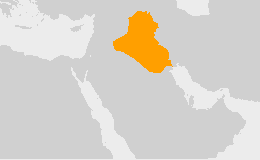
La afiliada de la CSI en Iraq es la General Federation of Iraq Trade Unions (GFITU).
Irak ratificó el Convenio nº 87 sobre la libertad sindical y la protección del derecho de sindicación (1948) en 2018 y el Convenio nº 98 sobre el derecho de sindicación y de negociación colectiva (1949) en 1962.
según la ley
Libertad sindical / Derecho de sindicalización
Libertad sindical
El derecho a la libertad sindical está consagrado en la Constitución.
El derecho a la libertad sindical está reconocido por la ley, pero estrictamente regulado.
Discriminación antisindical
La ley no protege específicamente a los trabajadores/as frente a la discriminación antisindical
Restricciones al derecho de los trabajadores y trabajadoras a formar y afiliarse a organizaciones de su elección
- La ley impone un sistema de monopolio sindica y/o un sistema que prohíbe o restringe la sindicalización a ciertos niveles (empresa, industria/sector, regional/territorial, nacional)
- La Ley No. 52 de 1987 establece el monopolio de facto de la Confederación de Sindicatos de Trabajadores Iraquíes, prohibiendo el establecimiento de cualquier otro sindicato o federación.
Categorías de trabajadores a quienes la ley prohíbe o restringe la posibilidad de formar o afiliarse a sindicatos, o de ocupar cargos sindicales
- Otros funcionarios y empleados públicos
- La Ley 150, adoptada en 1987, prohibió la sindicalización a los trabajadores del sector público, y cambió el estatus de los empleados de las empresas estatales transformándolos en funcionarios públicos, privándolos así del derecho a sindicalizarse.
Derecho a la negociación colectiva
Derecho a la negociación colectiva
El derecho a la negociación colectiva no está protegido por la ley.
Derecho de huelga
Derecho de huelga
El derecho de huelga no está específicamente protegido por la ley, pero tampoco queda explícitamente prohibido a excepción de los trabajadores/as en los servicios esenciales.
Limitaciones o prohibición de hacer huelga en algunos sectores
- Restricciones injustificadas para los funcionarios públicos
- La Ley 150, adoptada en 1987, prohíbe a los trabajadores del sector público recurrir a la huelga.
En la Práctica
Más de 250 manifestantes perdieron la vida durante los ataques de las fuerzas de seguridad del Estado en los meses de octubre y noviembre de 2019, en el marco del amplio movimiento de protesta contra la corrupción y el desempleo. Los manifestantes reclamaban empleo, mejores servicios sociales y que se ponga fin a la corrupción gubernamental generalizada. Las fuerzas de seguridad atacaron reiteradamente a los manifestantes utilizando munición real, explosivos y granadas de concusión.
El 29 de octubre, decenas de miles de manifestantes se congregaron en la Plaza Tahrir de Bagdad, para protestar contra la corrupción y el desempleo. Las fuerzas de seguridad emplearon munición real y dispusieron francotiradores en las azoteas para disparar a los manifestantes. Ese mismo día, en Karbala, hombres enmascarados atacaron a manifestantes dejando un saldo de 18 muertos.
Los sindicatos iraquíes se involucraron en las movilizaciones que han venido desarrollándose desde el 1 de octubre de 2019. La Conferencia de Federaciones y Sindicatos de Trabajadores Iraquíes, una alianza de centrales nacionales, emitió un comunicado en el que expresaba su apoyo a las reivindicaciones de los manifestantes, culpando a los partidos políticos y al Gobierno por la pobreza, el desempleo y la corrupción que desencadenaron las protestas, así como por la violenta respuesta gubernamental.
El sábado 2 de noviembre, al menos una persona perdió la vida y decenas resultaron heridas en enfrentamientos entre manifestantes y las fuerzas de seguridad cerca de la Plaza Tahrir. Agentes antidisturbios desplegados a lo largo de los puentes lanzaron gases lacrimógenos para dispersar la manifestación. Se realizaron además al menos 81 detenciones durante las protestas.
A principios de julio, en Basra, la ciudad al sur de Iraq que constituye un centro fundamental para la producción petrolífera, se produjeron varias manifestaciones masivas que pronto se extendieron a otras provincias. Las protestas se originaron debido al alto desempleo, a los escasos servicios públicos y a la corrupción. Cada vez se palpa más indignación en Iraq, pues se están extrayendo enormes cantidades de la riqueza petrolera del país mientras la gente vive sumida en la pobreza.
Los manifestantes exigieron al Gobierno que les suministrara agua, electricidad y otros servicios básicos, que rechazara el actual sistema político confesional y que abogara por un gobierno nacional representativo.
Sin embargo, las fuerzas de seguridad reprimieron brutalmente las protestas, con un balance final de 13 víctimas mortales y 81 detenidos. El Gobierno cortó el acceso a Internet, lo que ha dificultado a los activistas iraquíes difundir las noticias sobre la situación.
Los sindicatos iraquíes, que participaron en las protestas, desempeñan un papel crucial en esta revuelta contra la corrupción y los pésimos servicios que se está extendiendo por todo el país. Tras la brutal represión, los sindicatos emitieron un comunicado en el que condenaron la violencia contra los manifestantes e instaron al Gobierno a dar respuesta a sus demandas.
En abril de 2018, la huelga de 30.000 trabajadores iraquíes de la electricidad empleados mediante contratos precarios obligó al gobierno a ceder y otorgar a 150.000 trabajadores públicos de todos los sectores los mismos derechos de pensión y seguridad social que a los trabajadores fijos.
Los trabajadores de la electricidad tomaron medidas sin precedentes en el ámbito de la militancia: abandonaron sus puestos de trabajo y ocuparon instalaciones eléctricas y centrales de gas para luchar contra el creciente uso de los contratos temporales en el sector eléctrico y contra la exclusión de dichos trabajadores del sistema de la seguridad social.
El 27 de abril, Hashmeya Alsaadawe, presidente de la Confederación Sindical de Basra, declaró que cuando estallaron las protestas, 100 trabajadores fueron despedidos. Los trabajadores respondieron aumentando la presión al Gobierno y ocupando instalaciones en todo el país. Esta medida tuvo el efecto deseado, pues reincorporaron a todos los trabajadores despedidos a sus puestos de trabajo y prometieron integrar a todos los empleados precarios en el sistema de la seguridad social.
Previamente, el Gobierno ya había aducido que los trabajadores del sector público no estaban amparados por la ley de la seguridad social. Sin embargo, en un comunicado que emitió a principios de mayo de 2018, el Ministerio de Trabajo y Asuntos Sociales confirmó que dicha ley sí que ampara a los trabajadores del sector público. Así es cómo se ha conseguido la protección jurídica para 150.000 trabajadores que anteriormente no gozaban de la misma. Esto constituye una importante victoria para los trabajadores iraquíes y sus sindicatos. El anuncio del Gobierno en mayo confirmó dicha victoria sindical.
Los directivos de la empresa petrolera estatal iraquí North Oil Company (NOC) en Kirkuk se limitaron a ignorar las protestas de más de 200 ingenieros, técnicos y otros trabajadores de la compañía. Los trabajadores se estaban quejando porque les pagaban los salarios con billetes viejos, rotos e inservibles y porque desde 2013 no les habían abonado sus bonificaciones. Aun así, cuando llevaron a cabo una protesta, no vino nadie a hablar con ellos y así supieron que una huelga podía fácilmente costarles sus puestos de trabajo.
Según la legislación laboral iraquí, los trabajadores/as del sector público no tienen derecho a la sindicalización ni a la negociación colectiva. Por tanto, la dirección no estaba obligada a negociar con ellos y no existía ningún plazo para lograr un acuerdo. La situación mejoró para algunos en febrero de 2016, cuando entró en vigor la nueva ley laboral que amplía los derechos de sindicalización y negociación colectiva a los trabajadores/as del sector público que no formen parte del funcionariado. Sin embargo, la nueva ley sigue negando derechos sindicales fundamentales a millones de trabajadores/as manuales del sector público, incluidos los empleados por el Estado en las industrias del petróleo y el gas, los puertos y los ferrocarriles, el transporte y las comunicaciones por carreteras públicas y los municipios del Estado.
Antes de la entrada en vigor de la nueva ley laboral en febrero de 2016, los trabajadores del cemento en Iraq todavía luchaban para hacer valer sus derechos. En abril de 2015, alrededor de 350 empleados de la fábrica de cemento de Karbala firmaron una petición en la que solicitaban representación en las negociaciones con la dirección, aunque en febrero la dirección ya había rechazado una solicitud parecida presentada por un grupo de trabajadores. Los trabajadores del cemento también organizaron una manifestación para instar a la dirección a que se reuniera con una comisión de empleados para debatir cómo mejorar las condiciones de seguridad y salud y otros asuntos fundamentales.
Los trabajadores de la fábrica, propiedad del gobierno iraquí pero gestionada por una empresa privada, denunciaron que a algunos les habían sancionado injustamente por pedir unos mejores salarios y un entorno laboral más seguro. Un trabajador fue trasladado y a otro le estaban investigando.
Aunque la fábrica de cemento pertenece al sector público, recibe préstamos de la Corporación Financiera Internacional (IFC) y la normativa laboral de la IFC exige que se respete la libertad sindical.
Hassan Juma’a Awad, Presidente de la Federation of Oil Unions, fue acusado de organizar una huelga completamente legítima en la Southern Oil Company en marzo de 2013.
En virtud de la legislación vigente, a los trabajadores del sector público, incluidas las empresas petroleras estatales, no se les permite formar sindicatos. Los trabajadores/as que organizan protestas son amenazados con ser detenidos o transferidos. Pero a pesar de las amenazas, han tenido lugar acciones colectivas en las principales regiones productoras de petróleo del sur del país. Las autoridades trasfirieron a líderes sindicales de la industria petrolera, obligándoles a abandonar sus puestos de trabajo habituales, con el fin de alejarlos de los sindicalistas y de las fuentes de protesta.
Ocho trabajadores de la Southern Oil Company han sido citados por la Oficina del Inspector General en el Ministerio de Petróleo a fin de que este último investigue su papel en las recientes manifestaciones organizadas en Basora, donde los trabajadores llevaron a cabo una protesta pacífica.
Desde la caída del régimen de Saddam Hussein los Gobiernos no han logrado establecer un marco regulatorio legal para la supervisión de las actividades sindicales, y sigue utilizando las regulaciones represivas de la era de Saddam, las cuales prohíben efectivamente los sindicatos independientes.
En 2010, el Presidente iraquí, Jalal Talabani, había insinuado que el Artículo 150 – una ley que data de los años 1980 y que prohíbe a los trabajadores del sector público unirse a un sindicato – sería anulado tan pronto como el estancamiento electoral del país se hubiera resuelto. Sin embargo lo que ha hecho el nuevo Gobierno ha sido imponer más restricciones a la afiliación sindical.
El 17 de abril, el Gabinete iraquí emitió dos decretos, retirando su reconocimiento a la General Federation of Iraqi Workers (GFIW) y a sus sindicatos miembros y nombrando en su lugar a un “Comité Ministerial Preparatorio” no electo, para hacerse cargo de todas las estructuras y activos sindicales y supervisar las próximas elecciones sindicales. Estas elecciones excluyen a los trabajadores del sector público. Las autoridades emitieron asimismo una decisión, por la cual declaraban que ellas mismas seleccionarían a los trabajadores candidatos para la Conferencia de la OIT en junio, contraviniendo la Constitución de la OIT, la cual requiere que los Estados Miembros seleccionen a todo delegado de los trabajadores en consulta con los sindicatos. Tras la consiguiente presión internacional, el Ministro de Trabajo decidió abandonar su plan.
Muchos trabajadores se ven privados de su derecho a afiliarse a un sindicato debido a la predominancia del sector público en Iraq, y al hecho de que los trabajadores del sector público no puedan acceder a los sindicatos. Los sectores como la banca, los seguros y el petróleo, entre otros, están preponderantemente en manos del Estado. Incluso las empresas industriales son con mucha frecuencia propiedad del Estado.
En marzo se iban a celebrar elecciones sindicales conforme al marco legal heredado del régimen de Saddam Hussein. Sin embargo, la Ley 52 prohíbe a los trabajadores del sector público formar o unirse a sindicatos, y sólo seis sindicatos, en su mayoría del sector privado, y todos ellos afiliados a la Iraqi Federation of Trade Unions (IFTU), obtuvieron permiso para participar. Otras afiliadas a la IFTU y las afiliadas a otras centrales sindicales nacionales fueron excluidas, así como las afiliadas a las tres provincias del norte de Kurdistán. Además, la polémica Orden 8750 de agosto de 2005 congela todos los activos y cuentas financieras de los sindicatos. La aplicación de esta orden sólo sería revisada, y probablemente suspendida, tras la celebración de elecciones sindicales, y sólo para aquellos sindicatos con derecho a participar en elecciones oficialmente reconocidas.
El único sindicato oficialmente reconocido es la General Federation of Iraqi Workers (GFIW), constituida en Septiembre de 2005 a raíz de la fusión de tres sindicatos: la Iraqi Federation of Workers’ Trade Unions (IFTU), que anteriormente era la única organización reconocida oficialmente, la General Federation of Trade Unions (GFTU) y la General Federation of Iraqi Trade Unions (GFITU). Sin embargo, esta situación limita considerablemente la libertad sindical, puesto que a organizaciones como la Federation of Workers’ Councils and Unions in Iraq (FWCUI) se les ha denegado el reconocimiento.