
Francia
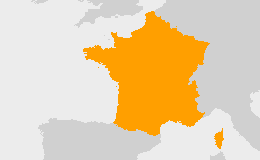
Las afiliadas de la CSI en Francia son la Confédération Française Démocratique du Travail (CFDT), la Confédération Française des Travailleurs Chrétiens (CFTC), la Confédération Générale du Travail (CGT), la Confédération Générale du Travail - Force Ouvrière (CGT-FO), la Confédération Générale du Travail de la Réunion (CGTR) y la Union Interprofessionnelle de la Réunion (UIR-CFDT).
Francia ratificó el Convenio nº 87 sobre la libertad sindical y la protección del derecho de sindicación (1948) en 1951 y el Convenio nº 98 sobre el derecho de sindicación y de negociación colectiva (1949) en 1951.
según la ley
Libertad sindical / Derecho de sindicalización
Libertad sindical
El derecho a la libertad sindical está consagrado en la Constitución.
El derecho a la libertad sindical está regulado por el Código de Trabajo
Discriminación antisindical
La ley prohíbe la discriminación antisindical
Derecho a la negociación colectiva
Derecho a la negociación colectiva
El derecho a la negociación colectiva está recogido en la Constitución
El derecho a la negociación colectiva está reconocido por la ley.
Obstáculos legales para el reconocimiento de los agentes de negociación colectiva
- Posibilidad de eludir los sindicatos representativos y negociar directamente con representantes de los trabajadores/as
- Existe en el derecho francés un monopolio de negociación con las organizaciones sindicales representativas, cuando existan. No obstante, se han desarrollado modalidades de negociación derogatoria en ausencia de una delegación sindical en las empresas, para permitir negociar con representantes designados por el personal o los asalariados. El objetivo es permitir la negociación a nivel de empresa, particularmente para poder dejar de depender de las disposiciones en convenios sectoriales o las disposiciones supletorias del Código de Trabajo, tomando en cuenta que los convenios a nivel de empresa priman en prácticamente todos los aspectos sobre los convenios sectoriales. El decreto n° 2017-1385 del 22 de septiembre de 2007 va aún más lejos. Establece la posibilidad de que en las empresas con menos de 11 asalariados, o menos de 21 asalariados sin un representante electo de personal, se puedan negociar acuerdos directamente con los empleados, haciendo aprobar un texto unilateral del empleador mediante referéndum a nivel de la empresa.
Restricciones al principio de negociación libre y voluntaria
- Prohibición o limitación de la negociación colectiva a ciertos niveles (empresa, industria/sector, regional/territorial, nacional)
- El decreto del 22 de septiembre de 2017 relativo al reforzamiento de la negociación colectiva establece un nuevo ordenamiento de los temas de negociación con una articulación precisa entre los distintos niveles (sectorial, de empresa, centros de trabajo...). Algunos temas de negociación, por ejemplo, únicamente pueden tratarse a nivel sectorial (como las medidas relativas a los contratos indefinidos en las obras, o al contrato de duración determinada o los contratos temporales - artículo L2253-1 del Código de Trabajo). La ley fija por tanto la articulación entre los distintos convenios, por lo que el “principio de favor” deja de ser la norma.
Restricciones respecto al ámbito de aplicación y la efectividad legal de los convenios colectivos negociados
- Requisitos excesivos en cuanto a la mayoría necesaria para autorizar la adopción de un borrador de convenio colectivo
- En un principio, la ley del 4 de mayo de 2004 y la ley del 20 de agosto de 2008 preveían, para valorar el carácter mayoritario de los convenios, una validación de aquellos acuerdos que hubiesen obtenido al menos el 30% de apoyo y sin haberse registrado una oposición mayoritaria. Aunque esta modalidad de conclusión de convenios sigue siendo válida para los convenios sectoriales y nacionales interprofesionales, la ley del 8 de agosto de 2016 relativa al trabajo, la modernización del diálogo social y garantías para las carreras profesionales, conocida como “Ley del Trabajo”, ha venido a reforzar la exigencia mayoritaria en los convenios colectivos (artículo L2232-12 del Código de Trabajo). Ahora, para que sea válido, un convenio de empresa deberá haber sido concluido por organizaciones sindicales que hubieran obtenido más del 50% de votos a favor de los sindicatos representativos en la primera ronda de elecciones del CSE (se efectúa un nuevo cálculo tomando en cuenta únicamente los votos obtenidos por aquellas organizaciones sindicales que hubiesen obtenido al menos 10% de los sufragios válidos). En su defecto, un acuerdo minoritario con el 30% podría ser validado mediante referéndum en el seno de la empresa. Los sindicatos se oponen al recurso a un referéndum, que cuestiona la legitimidad de las organizaciones sindicales y contribuye al deterioro del clima social en las empresas.
- Los convenios colectivos adoptados no se consideran legalmente vinculantes o aplicables
- En la función pública, aunque la negociación colectiva y la validez de los convenios quedaron reconocidas en 2010, el poder legislativo todavía no le ha conferido efectos jurídicamente vinculantes. El principio queda limitado por el carácter estatutario y reglamentario de la situación de los funcionarios, que se traduce en la ausencia de alcance jurídico de los convenios negociados. El artículo 34 de la Constitución del 4 de octubre de 1958 prevé que corresponde a la ley fijar las garantías fundamentales acordadas a los funcionarios civiles del Estado, así como determinar los principios fundamentales del derecho laboral y las condiciones y garantías de su aplicación. Está estudiándose de momento una reforma para conferir mayor fuerza vinculante a los convenios colectivos negociados en la función pública respecto a ciertos temas.
Derecho de huelga
Derecho de huelga
El derecho de huelga está consagrado en la Constitución
El derecho de huelga está regulado por el Código de Trabajo
Disposiciones que socavan el recurso a acciones de huelga o su eficacia
- Posibilidad de sustituir a trabajadores/as durante acciones legítimas de huelga
- El Código de Trabajo excluye el recurso a contratos de trabajo temporales o a contratos de duración determinada en caso de ausencia temporal o suspensión del contrato de trabajo en el marco de un conflicto colectivo (art. L 1242-6 y L 1251-10). La empresa que incumpla esta prohibición, así como la persona responsable de tomar la decisión de reclutar personal de reemplazo, se exponen a una sanción penal (Cas. crim., 1 de marzo de 2016, n° 14-86601). De todos modos, en caso de huelga, el empleador puede recurrir a empresas de servicios (exceptuando las empresas de trabajo temporal) o a la subcontratación para la realización de parte de las actividades de la empresa. La huelga de conductores en una empresa de transportes no prohíbe que ésta última utilice o disponga de sus vehículos y, aunque no podrá contratar personal de una empresa de trabajo temporal, siempre podrá recurrir a otros asalariados o a otras empresas de transportes (Cas. soc., 15 de febrero de 1979, n° 76-14527). En caso de huelga, no se prohíbe al empleador organizar la empresa para asegurar la continuidad de su actividad. Así pues, siempre podrá recurrirse a voluntarios para reemplazar a los huelguistas (Cas. soc., 11 de enero de 2000, n° 97-22025).
Limitaciones o prohibición de hacer huelga en algunos sectores
- Restricciones injustificadas para los funcionarios públicos
- Los magistrados del poder judicial no pueden hacer huelga, ni tampoco el personal de la administración penitenciaria. Así pues, los guardias de prisiones, en base a su estatuto definido en 1966, pueden ser sancionados en caso de “cesación concertada de servicio, si los hechos fuesen susceptibles de atentar contra el orden público”. Los magistrados, por su parte, no pueden “llevar a cabo ninguna acción concertada que pueda impedir o dificultar el normal funcionamiento de los tribunales”, según la ley del 23 de diciembre de 1958 que define el estatuto de la magistratura. Concretamente, eso implica que no tienen derecho a hacer huelga.
- Determinación poco razonable o discrecional (sin negociación con los interlocutores sociales o en ausencia de una autoridad independiente en caso de desacuerdo) de los «servicios mínimos» que han de garantizarse en caso de huelga en los servicios públicos
- En el transporte aéreo, por ejemplo, existe la posibilidad de que una vez transcurridos ocho días desde el inicio de la huelga, el empleador pueda organizar una consulta entre los empleados sobre los motivos de la huelga y en relación con su posible continuación (art. L 1114-6 del Código de transportes).
En la Práctica
Represión antisindical durante la movilización contra la reforma de pensiones
Durante las manifestaciones contra la reforma de las pensiones en diciembre de 2019, la CGT registró 31 casos de represión antisindical. Los ataques incluyeron numerosos detenciones y arrestos arbitrarios por parte de la policía.
El 16 de enero de 2020, al final de una de las manifestaciones organizadas en París, la compañera del secretario general del sindicato nacional CGT de los periodistas fue arrestada por la Brigada contra la delincuencia, en Place d’Italie, presuntamente por haberse opuesto pacíficamente a la detención de dos jóvenes tranquilamente sentados conversando. Durante varias horas, fue imposible para la CGT obtener información sobre el paradero de la manifestante, ya que la policía se negó a dar información al respecto. Finalmente, la CGT terminó localizándola y averiguar que había sido llevada a la comisaría del 5º distrito, acusada de violencias contra la policía. Por último, fue liberada el sábado 18 de enero de 2020, después de dormir dos noches en una celda y recibir una amonestación.
Además, entre todas las reclamaciones nacionales presentadas por la CGT en 2019, por lo menos 13 son de víctimas de violencia policial en las manifestaciones sindicales.
Durante los movimientos sociales de diciembre de 2019 y del 20 de enero de 2020, fueron destrozadas las instalaciones de la CFDT en París y Dijon. En París, las oficinas federales fueron invadidas por personas encapuchadas que cortaron la corriente eléctrica. La confederación ha introducido una denuncia
“Casi uno de cada tres trabajadores/as en general (29%) y uno de cada dos trabajadores/as sindicalizados (52%) consideran que la discriminación sindical se produce a menudo o muy a menudo”, revela el duodécimo barómetro del Defensor de los Derechos sobre la percepción de la discriminación en el empleo, dedicado en 2019 a la discriminación sindical. El informe del Defensor de los Derechos, publicado el 19 de septiembre de 2019, también muestra que un tercio de la población activa “considera que el miedo a las represalias por parte de la dirección de la empresa es el factor más disuasivo para que los trabajadores no participen en la actividad sindical”.
Participar activamente en las actividades sindicales que tienen visibilidad (muchos años de afiliación, huelgas, distribución de folletos, ejercicio de un mandato sindical, participación en las negociaciones, etc.) aumenta significativamente el riesgo de experimentar situaciones de discriminación. Los representantes sindicales en particular señalan una exposición significativamente mayor a la discriminación y al deterioro de sus condiciones de trabajo. Además, los hombres, los trabajadores, las personas con discapacidad o que padecen una enfermedad crónica, o tienen a su cargo a una persona dependiente, señalan una mayor discriminación que otros. Esta discriminación se manifiesta en forma de “ausencia de desarrollo profesional o promociones, bloqueo en la evolución de la remuneración y deterioro del entorno o de las condiciones de trabajo".
Por último, casi ocho de cada diez trabajadores/as sindicalizados que consideran haber sido víctimas de discriminación intentaron poner fin a la situación, principalmente consultando a su sindicato y/o hablando con su empleador. Casi cuatro de cada diez personas consideran haber sido objeto de represalias por parte de su empleador como resultado de estas iniciativas. En el caso de cuatro de cada diez personas, la dificultad para demostrar con pruebas su situación las ha disuadido de tomar medidas para hacer valer sus derechos.
La central sindical Confédération française démocratique du travail (CFDT) señala que en 2017, tras una huelga, tres trabajadores que participaron activamente fueron despedidos por razones injustificadas. De hecho, resultó que se les sancionó por su participación en esta acción colectiva.
En 2017, la Confédération générale du travail (CGT) observó numerosos casos en los que militantes de la CGT se vieron sujetos a medidas discriminatorias, e incluso a procesos penales, debido a sus actividades sindicales. En particular, indicó los siguientes casos:
 el 16 de octubre de 2017, un sindicalista de la CGT de la federación de la construcción recibió una multa de 17.500 euros por distribuir octavillas y tirar confeti durante una protesta contra el carácter penoso del trabajo en 2014. Se interpuso un recurso de apelación contra esta decisión;
el 10 de marzo de 2017, un sindicalista de Sud Rail se suicidó en su lugar de trabajo. Este delegado había conseguido que se condenara repetidamente a la SNCF, la empresa ferroviaria nacional, por discriminación y acoso sindical, pero el Tribunal de Casación anuló estas sentencias en septiembre de 2016 por vicio de forma. El sindicalista indicó claramente las causas de su acto. Una investigación interna está en curso;
el 28 de noviembre de 2017 en Gennevilliers, 100 trabajadores/as de la empresa GEODIS-Calberson, miembros del sindicato de la CGT, denunciaron el ensañamiento diario de la dirección contra los representantes sindicales, incluyendo el despido de delegados por distribuir octavillas en el interior de los locales de la empresa. El caso fue llevado ante el Conseil de prud’hommes (tribunal de conciliación laboral);
En LIDL, un miembro electo del personal de la CGT finalmente fue reintegrado a su puesto de trabajo por los tribunales. Había sido despedido por primera vez en 2015 por su empleador y, tras la anulación de este despido, fue objeto de un segundo despido en 2017. Las razones apenas disimuladas de estos despidos eran sus actividades sindicales y su representación del personal;
El 6 de julio de 2017, durante una manifestación a favor de los trabajadores/as indocumentados, dos sindicalistas de la CGT que trabajaban para el Ministerio de Trabajo fueron acusados de haber facilitado el acceso a los locales ministeriales de manifestantes que habían pedido ser recibidos por la ministra de Trabajo. A estos sindicalistas se les notificó que se les había aplicado una amonestación;
una inspectora sindical del trabajo miembro de la CGT fue objeto de un procedimiento disciplinario por incumplimiento de su obligación de confidencialidad al criticar los proyectos de reforma de la inspección del trabajo;
un inspector sindical del trabajo miembro de la CGT participó en 2016 en un debate público contra la legislación laboral como parte de su mandato sindical. En 2017, recibió correos de advertencia y una sanción administrativa por este motivo;
el 7 de julio de 2017, la CGT y Sud Industrie organizaron una huelga en la empresa automotriz PSA Normandie. A raíz de la huelga, la dirección del Grupo PSA endureció el reglamento relativo a las condiciones de acceso a los locales sindicales de estas dos organizaciones;
en abril de 2017, el puesto de trabajo de un sindicalista de la CGT, responsable de los servicios técnicos de un municipio de Picardía, fue eliminado por decisión del alcalde, oficialmente como medida de ahorro. En realidad, esta medida no tenía otro objetivo que deshacerse de un representante sindical;
en una asociación de Puy de Dôme, tres cargos electos de la CGT y CGT-FO, miembros del comité de empresa y el comité de higiene, seguridad y condiciones de trabajo, fueron despedidos por haber formulado preguntas a la dirección y haber ejercido su mandato sindical;
el 22 de febrero de 2017, el juez finalmente reconoció los hechos de acoso y discriminación sufridos por un delegado de la CGT empleado en una quesería del Jura en relación con sus condiciones de trabajo (en el sótano), su salario y las medidas disciplinarias injustificadas (dos intentos de despido);
en noviembre de 2017, el Conseil de prud’hommes falló a favor de la CGT sobre la organización de descansos para los conductores y personal de recolección de basura de Coved, en Normandía. En represalia, la empresa despidió, en febrero de 2018, a los tres sindicalistas identificados como los que dieron origen a esta causa;
en un hospital, la dirección despidió a tres representantes del personal de la CGT, supuestamente por falta grave. Los delegados denunciaron una represión sindical feroz y apelaron al Conseil de prud’hommes.
La central sindical, Confédération française démocratique du travail (CFDT), señala que en 16 trabajadores de una empresa tuvieron dificultades, en 2017, debido a que la dirección se negó a pagar los descansos de acuerdo con las disposiciones del convenio colectivo aplicable. En otro caso, un centro hospitalario no respetó las disposiciones de un acuerdo sobre el tiempo de trabajo de los agentes, lo que les llevó a trabajar de 20 a 25 horas adicionales al año.
En 2017, la central sindical francesa, Confédération française démocratique du travail (CFDT), observó casos de acoso así como de retrasos en las promociones. Por ejemplo, las interrupciones laborales de un trabajador para cumplir con sus diversos mandatos (delegado del personal, delegado del comité de empresa, representante de CFDT en el comité de salud, seguridad y condiciones de trabajo) fueron sistemáticamente controladas y contestadas por el empleador. En otro caso, la CFDT señala que tres de sus activistas han experimentado dificultades en su empresa, lo que ha provocado su marginación y acoso por parte de su empleador, quien ha solicitado reiteradamente autorización para despedirlos, misma que ha sido rechazada por la inspección del trabajo
El 30 de enero de 2017, la Confédération générale du travail (CGT) y CGT-Force Ouvrière presentaron una queja ante la OIT por el incumplimiento por parte de Francia de los Convenios núms. 87, 98 y 158 de la OIT.
De hecho, para las organizaciones sindicales, la inversión de la jerarquía de las normas aplicada por la legislación laboral y sus ordenanzas de 2017 constituye una grave violación de la libertad sindical y el derecho a la negociación colectiva (Convenios 87 y 98). Esta ley remite sistemáticamente a las negociaciones de empresa y favorece la conclusión de acuerdos que incluyen derogaciones desfavorables para los trabajadores/as. Es cierto que sigue siendo posible negociar a un nivel superior, como el sector industrial, pero esta negociación, de hecho, no tiene efecto. La ley ahora establece que, en cuanto exista un acuerdo de empresa, este último prevalecerá sobre el acuerdo sectorial en los ámbitos relativos al tiempo de trabajo, vacaciones y descanso.
La queja se basa particularmente en la interpretación de los Convenios núms. 87 y 98 por parte del Comité de Libertad Sindical de la OIT, especialmente en 2012, cuando examinó un caso muy similar relacionado con un proyecto de reforma del Gobierno griego que organizaba la descentralización de la negociación colectiva a nivel empresarial. En esa ocasión, afirmó: “El Comité destaca que la elaboración de procedimientos que favorecen de manera sistemática la negociación descentralizada de disposiciones derogatorias menos favorables que las disposiciones de nivel superior puede desestabilizar globalmente los mecanismos de negociación colectiva así como las organizaciones de empleadores y de trabajadores y debilita la libertad sindical y la negociación colectiva en violación de los principios consagrados en los Convenios núms. 87 y 98".
Así, la CGT y la CGT-FO consideran que el hecho de que la ley requiera una negociación descentralizada, es decir que la remita sistemáticamente a nivel de la empresa, resulta en la adopción de disposiciones menos favorables para los trabajadores/as que las de un nivel superior (como el sectorial), infringe la libertad sindical y el derecho a la negociación colectiva. La queja está en examen.
En febrero de 2016, Frédéric Willemain, delegado sindical de la CGT en Start People, una agencia de empleo temporal, fue suspendido y sería objeto de un procedimiento de despido por falta grave. Se le reprochaba haber impedido, el 16 de diciembre de 2015, que empleados temporales accediesen a las oficinas de correos de Correos de Rivesaltes (Pirineos-Orientales) y de haber agredido al director de Correos, algo que el sindicalista niega rotundamente. La CGT le había enviado para apoyar a los empleados de Correos en huelga y explicar sus derechos a los trabajadores temporales contratados ilegalmente para reemplazarlos, lo que había sido constatado, de hecho, por la inspección de trabajo.
Tras años de procesos judiciales, el tribunal impuso importantes multas en 2015 a la empresa de ferrocarriles, la Société nationale des chemins de fer (SNCB) y al grupo Air Liquide por el trato discriminatorio en relación con los activistas sindicales, ya sea en materia salarial o de promoción profesional. La Agence France Presse (AFP) también fue declarada culpable de discriminación antisindical contra un miembro del sindicato de periodistas, el Syndicat national des journalistes (SNJ-CGT), que siempre ha visto denegada su candidatura a puestos de responsabilidad sin explicación ni razón objetiva. Este hecho confirma una tendencia constante en Francia: los delegados/as sindicales reciben menos promociones que los compañeros/as a los que representan y que presentan las mismas características (edad, formación, antigüedad, etc.); el 40% de los delegados/as sindicales también señalan que su mandato ha sido un obstáculo para su carrera. Por otra parte, muchos trabajadores/as evitan sindicalizarse por temor a las represalias. Cabe notar que la nueva ley sobre el diálogo social de 2015 incluye disposiciones para garantizar que los/las representantes de los trabajadores no sean “penalizados en su carrera”.
En agosto, Mediapart, un sitio de noticias en línea, reveló que un director de recursos humanos de Atos, un gigante de los servicios informáticos, había enviado instrucciones a los gerentes del grupo en relación con los puestos vacantes pidiéndoles que no seleccionaran a representantes sindicales, a personas mayores de 55 años ni a personas con discapacidad.
En su último informe, el Observatorio de la discriminación y la represión sindical enumeró otras facetas de la represión sindical: chantaje, intimidación, sanciones disciplinarias, acoso y despido. Para dar solamente unos pocos ejemplos, mencionemos que, en septiembre, McDonald’s fue condenado en apelación por haber despedido en 2014 a un delegado de la CGT que había participado en una formación sindical durante sus horas de trabajo. Su solicitud de permiso para ausentarse no fue aceptada y McDonald’s lo despidió por un retraso de “dos horas y 13 minutos”. El 22 de septiembre, Julien Sanchez, alcalde de Beaucaire (Gard), miembro del Front national, un partido de extrema derecha, fue declarado culpable en 2014 por declaraciones de incitación al odio en contra de una sindicalista de la CGT.
El 25 de noviembre de 2015, la dirección de la cocina central de Sodexo en Marsella suspendió a 23 repartidores en huelga por “abandono del puesto de trabajo” y “falta grave”. Tras dos días de huelga, se había llegado a un acuerdo para poner fin a la acción entre la dirección y la mayoría de los delegados de personal. Pero esos 23 empleados denunciaron los términos del acuerdo, estimando que las concesiones salariales acordadas eran totalmente insuficientes. Pese a haber sido advertido de que los 23 trabajadores continuaban la acción de huelga, el director regional de Sodexo no dudó en despedirlos. A mediados de diciembre, 19 de ellos recibieron la carta de despido y los otros cuatro fueron readmitidos a condición de dejar de solidarizarse con el movimiento. Ante la amplitud mediática y el anuncio de nuevas acciones de protesta, la dirección de Sodexo Francia entabló, en enero de 2016, negociaciones directamente con la CGT, concluyendo un acuerdo para poner fin al conflicto y garantizando la reintegración de 11 de los 19 huelguistas.
El 17 de 2015 en la empresa ID Logistics de la localidad de Lisses, las fuerzas del orden disolvieron un piquete de huelga organizado por la intersindical CFDT, CGT, FO y CFTC para protestar contra el deterioro del sistema de primas. El empleador emprendió de inmediato el procedimiento de despido de 35 de los huelguistas, incluidos los 11 delegados sindicales.
Aunque los altercados durante conflictos sociales que degeneran son cada vez menos frecuentes, los sindicatos han constatado una criminalización cada vez mayor de sus acciones. Dispersos y espontáneos, los incidentes que se producen aquí y allá dan lugar a actuaciones judiciales y suelen ser duramente castigados. Pese a no condonar estos actos violentos que se producen siempre en un contexto de auténtica violencia anti-social, la dirección de los sindicatos constata que se han recrudecido teniendo por objeto estigmatizar y desacreditar el sindicalismo, como ha sido el caso en los tres casos siguientes.
El 23 de septiembre de 2015, cinco militantes de la CGT-Énergie comparecieron ante un tribunal correccional de París acusados de “atentar contra el derecho al trabajo”. En 2008, habían ocupado unas instalaciones de la empresa Electricité de France (EDF) junto con otros 200 empleados, para protestar por el despido de una trabajadora “culpable” de haber testificado en el marco de un accidente de trabajo que la empresa había intentado disimular. En la sentencia dictada el 12 de enero, a dos de los acusados – entre quienes figuraba el Secretario General de la CGT-Énergie Paris, Cédric Liechti – se les impuso una multa.
El 12 de octubre, seis empleados de Air France fueron interpelados y detenidos por “actos de violencia” durante una manifestación que tuvo lugar el 5 de octubre en la sede de la compañía en Roissy. La empresa inició de inmediato un procedimiento disciplinario contra una veintena de trabajadores/as. Indignados tras el anuncio de una restructuración que preveía la suspensión de 2.900 puestos de trabajo, los empleados habían irrumpido durante la celebración del Comité central de la empresa y al parecer dos altos cargos y tres vigilantes habrían sido agredidos. La intersindical de Air France denunció “una parodia de proceso legal” y exigió que se abandonasen las acciones legales y las sanciones disciplinarias. La Federación Internacional de los Trabajadores del Transporte (ITF) les hizo llegar su apoyo.
Por último, el 12 de enero de 2016, un tribunal condenó a ocho antiguos trabajadores de la fábrica Goodyear en Amiens a 24 meses de prisión, incluyendo nueve de prisión firme, por “secuestro”. Los ocho sindicalistas habían retenido durante 30 horas en enero de 2014 a dos cuadros superiores de la fábrica, para protestar contra el cierre de la misma, que tendría lugar pocos días después. La defensa invocó en vano un “acceso de ira” frente a la inacción de la dirección, que no aportaba ninguna respuesta al desamparo social en que se encontraban los 1.142 empleados de Goodyear Amiens. Una petición apelando a la anulación de la decisión del tribunal reuniría más de 1.665.000 firmas. La Confederación Europea de Sindicatos (CES) y la CSI participaron en esta movilización.
El 13 de enero, la justicia abrió una investigación sobre las prácticas de vigilancia de Orpea hacia sus trabajadores/as tras una denuncia de la CGT de diciembre de 2014. Este grupo franco-canadiense de gestión de clínicas y residencias de ancianos, una de las principales empresas mundiales en este sector, encargó a la empresa Groupe Synergy Globale (GSG) que espiara al personal de tres clínicas en 2010. La misión, oficialmente de “consultoría de gestión del riesgo social”, fue encomendada a tres falsos empleados que durante más de un año infiltraron las tres clínicas para informar a la dirección sobre el clima social, en general, y los dichos y hechos de los sindicalistas, en particular. Uno de estos “infiltrados” consiguió hacerse elegir delegado de la CGT. Participó en las reuniones del sindicato e incluso en un comité de trabajo de la Federación de la salud y la acción social de la CGT. Al descubrirse esta vigilancia, Orpea propuso a la CGT todo tipo de concesiones con tal de evitar un juicio, a lo que ésta se negó en 2014. Cabe notar que estos métodos de control del personal también han sido utilizados por Ikea.
Sylvie Delmas, secretaria de la CGT en el Hospital de Arcachon fue llamada a comparecer ante un consejo de disciplina del establecimiento en septiembre. Tendría que responder a la acusación de “incumplimiento de su deber de confidencialidad” por haber denunciado el mal funcionamiento del establecimiento. No obstante, sus declaraciones fueron realizadas en tanto que representante sindical, por lo que no entran en el marco de su obligación de respetar el secreto profesional.
Cinco activistas de la CGT en Roanne fueron condenados el 19 de noviembre de 2012 por haber escrito un eslogan sobre un muro durante el conflicto en relación con las pensiones en 2010. Fueron declarados culpables, con exención de pena. Los cinco condenados se negaron a que se les tomasen muestras de ADN para su inclusión en el archivo nacional automatizado de huellas genéticas (Fnaeg) destinado a identificar delincuentes.
Dos de ellos fueron entonces conducidos a la comisaría y mantenidos en detención preventiva el 23 de mayo de 2013, para obligarlos a someterse a la toma de muestras, a lo que se negarían una vez más.
Los otros tres activistas se presentaron voluntariamente al puesto de la policía, aunque también se negaron a aportar muestras de ADN.
Los cinco activistas de la CGT recibieron una convocación a una audiencia ante el Tribunal de Roanne el 5 de noviembre de 2013. El hecho de negarse a facilitar una muestra de material biológico constituye un delito que puede castigarse con una pena máxima de un año de prisión y 15.000 euros de multa.
La Ministra de Justicia se había comprometido, no obstante, a revisar el artículo 706-56 del Código de Procedimiento Penal, a fin de retirar de los ficheros de ADN todas las condenas vinculadas a las actividades sindicales.
Las nuevas reglas de representatividad aprobadas por las dos centrales más importantes, la Confédération française démocratique du travail (CFDT) y la Confédération générale du travail (CGT), has sido rechazadas por varios sindicatos, entre ellos la Confédération générale du travail-Force ouvrière (CGT-FO) que ha presentado una queja ante la OIT estimando que la Ley de 2008 sobre la renovación de la democracia social infringe la libertad sindical y el derecho de negociación colectiva. El criterio de participación ha pasado a ser esencial con el establecimiento de unos umbrales de representatividad correspondientes al 10% de los votos para los sindicatos y para los delegados durante las elecciones profesionales, y al 30% necesario para validar los convenios colectivos. Las críticas se han centrado sobre todo en la forma de nombrar a los delegados sindicales; en el cálculo de la participación en caso de reestructuración; en las incertidumbres durante el período de transición; en la duración de los mandatos; y en la “pugna electoral” permanente que podría terminar por debilitar el diálogo social que la ley se proponía mejorar.
En noviembre, el Comité de Libertad Sindical de la OIT decidió invitar al Gobierno a que examinara las posibilidades de revisión de la ley en lo concerniente a la designación de los delegados sindicales y enviando el análisis de las críticas suscitadas con respecto a otras cuestiones a un organismo francés, el Alto Consejo de Diálogo Social (HCDS, por sus siglas en francés), que deberá presentar en 2013, con ocasión del primer ciclo electoral desde la entrada en vigor de la ley, su opinión sobre los resultados de la medida de participación de los sindicatos. Los umbrales de representatividad, por su parte, han sido considerados compatibles con los principios de la libertad sindical.
La discriminación sindical ha sido sancionada en repetidas ocasiones en 2011. Así pues, el 12 de abril, el Tribunal de Apelación de Nimes condenó a la empresa Dell a pagar daños y perjuicios a un delegado sindical de la CGT por discriminación y acoso moral con relación a las “sanciones injustificadas tras cada una de las gestiones con la más mínima connotación sindical, las observaciones efectuadas sobre su actividad en referencia a sus mandatos sindicales, su marginación al no asignarle ninguna tarea... Numerosas acciones que constituyen un acoso y que tienen por objetivo una degradación de las condiciones de trabajo susceptible de atentar contra los derechos y la dignidad”. Varias decisiones judiciales han dado igualmente la razón a delegados a los que se les ha impedido desarrollarse profesionalmente por razones evidentes de activismo sindical, como el caso de Wagon automobile, Renault, en la Caja General de la Seguridad Social de la isla de la Reunión y en la Caja Primaria del Seguro de Enfermedad.
Tras las requisiciones efectuadas en el sector petrolero durante la gran movilización social contra la reforma de las pensiones que tuvo lugar en octubre de 2010, la Confédération générale du travail (CGT) presentó en febrero ante el Comité de Libertad Sindical de la OIT una queja contra el Gobierno francés. Efectivamente, en esta ocasión la actitud del Gobierno había sido fuertemente criticada por los sindicatos: negativa a toda negociación, intentos por debilitar el movimiento de protesta y recurso abusivo a la requisición de huelguistas. La CGT calcula que un total de 160 huelguistas fueron requisados. Según la CGT, no se trataba de que las autoridades garantizaran un servicio mínimo en un servicio esencial, sino obviamente de acabar con el movimiento. En noviembre, el Comité de Libertad Sindical solicitó al Gobierno “privilegiar en el futuro, ante una situación de parálisis de un servicio no esencial pero que justificara la imposición de un servicio mínimo de funcionamiento, la participación de las organizaciones de trabajadores y empleadores implicados en este ejercicio, y no recurrir a la imposición de la medida por vía unilateral”.
A todo lo largo del año y en distintas ciudades, los trabajadores/as indocumentados organizaron piquetes y ocupaciones de lugares públicos o de pequeñas empresas para exigir su regularización. Los locales de varias agencias de trabajo temporal fueron ocupados. Por orden judicial, fueron desalojados, en ocasiones de manera brutal. El apoyo brindado por los sindicatos y numerosas asociaciones tuvo un impacto considerable en cuanto a los compromisos gubernamentales respecto a los criterios y el proceso de regularización de trabajadores indocumentados. Las centrales sindicales prestan considerable atención a la situación de los trabajadores migrantes. Aquellos que no pueden beneficiarse de la protección que les confiere una situación legal en el país se ven expuestos a formas de empleo precarizadas y muy mal remuneradas. Su situación hace que resulte particularmente difícil cualquier actividad sindical y, por consiguiente, afecta en gran medida su acceso a los derechos garantizados por los Convenios fundamentales 87 y 98 de la OIT.
El fracaso en relación con la reforma de las pensiones demostró en cualquier caso la gran capacidad de los sindicatos para movilizar a la población. Según los analistas, su imagen salió reforzada de esta crisis. Los sindicatos son considerados más pragmáticos que antes por los ciudadanos franceses. Pero en todo caso, el “miedo a las represalias” sigue frenando a los trabajadores y trabajadoras a sindicalizarse, incluso más que hace algunos años.
Dos decretos del 16 de octubre de 2009 crean dos archivos policiales para identificar los datos relativos, entre otros aspectos, a la participación sindical. Según las confederaciones CGT, CFDT, FO y CFTC, aunque el principio de fichar a personalidades, así como el registro de datos sensibles como el estado de salud y la vida sexual, se abandonaron a raíz de una movilización ciudadana y sindical importante, estos textos siguen siendo especialmente peligrosos para las libertades sindicales.
Según el Decreto 2009-1250 del 16 de octubre de 2009, las investigaciones administrativas previstas para la contratación, asignación, autorización, aprobación o habilitación conciernen tanto a los empleos públicos como a los privados en numerosos ámbitos (la soberanía del Estado o relativos a la seguridad o la defensa; juegos, apuestas y carreras; zonas protegidas debido a la actividad que allí se lleva a cabo (centrales nucleares, aeropuertos, etc.), materiales, productos o actividades que supongan un peligro para la seguridad pública). El artículo 3 estipula que el registro de datos "que figuren en un informe de investigación sobre un comportamiento incompatible con el ejercicio de las funciones o tareas previstas está autorizado incluso si este comportamiento tuviera una motivación política, religiosa, filosófica o sindical”.
El decreto concerniente a la prevención de infracciones a la Seguridad Pública (D. n° 2009-1249 del 16 de octubre de 2009) autoriza, con el fin de prevenir toda infracción a la seguridad pública, recoger información adicional relativa a "las actividades de índole política, filosófica, religiosa o sindical”.
Los períodos de conservación de los datos registrados en virtud de estos decretos se limitarán a 10 años, pero pueden ser «móviles» ya que el punto de partida del plazo puede posponerse cuando se inscribe un nuevo elemento en el archivo.
El Decreto 2009-1250 prevé un derecho de información, pero no un derecho de oposición ni modificación del contenido del registro. Las personas fichadas conforme al Decreto 2009-1249 no tienen por su parte derecho de información (con respecto al hecho de que figuren en el archivo), ni el derecho a modificar el contenido de la ficha, ni derecho de oposición (es decir, negarse a figurar en la misma).
La discriminación sindical, habida cuenta de la transposición al derecho francés de las Directivas de la UE 2000/43 del 29 de junio de 2000 y 2000/78 del 27 de noviembre de 2000, está prohibida en principio. De hecho, se observan numerosos casos de discriminación antisindical cada año, algunos de los cuales son sancionados por los tribunales.