
Tanzania
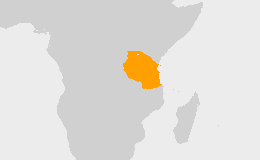
Las organizaciones afiliadas a la CSI en Tanzania son el Trade Unions’ Congress of Tanzania (TUCTA) y el Zanzibar Trade Union Congress (ZATUC).
según la ley
Libertad sindical / Derecho de sindicalización
Libertad sindical
El derecho a la libertad sindical está consagrado en la Constitución.
El derecho a la libertad sindical está reconocido por la ley, pero estrictamente regulado.
Discriminación antisindical
La ley prohíbe la discriminación antisindical, pero no pevé medidas adecuadas de protección al respecto.
Barreras legales al establecimiento de organizaciones
- Poderes para rechazar el registro oficial por motivos arbitrarios, injustificados o ambiguos
- En Zanzíbar, el encargado del Registro dispone de considerables poderes para obstaculizarlo, por ejemplo, si no está de acuerdo con las normas del sindicato.
- Se requiere un número mínimo de miembros excesivo para establecer un sindicato
- Los sindicatos del sector privado deben contar con al menos 20 miembros para poder registrarse, mientras que en el sector público hace falta un mínimo de 30. En Zanzíbar se requiere un mínimo de 50 personas para poder proceder con el registro de un sindicato.
- Se imponen sanciones por organizar o afiliarse a una organización que no esté oficialmente reconocida
- Los sindicatos deben registrarse en el plazo de seis meses a partir de su establecimiento. De no hacerlo pueden ser objeto de sanciones (no especificadas).
- Restricciones al derecho de los sindicatos a establecer ramas, federaciones y confederaciones o a afiliarse a organizaciones nacionales e internacionales
- Hacen falta cinco organizaciones para formar una federación. Puede anularse la afiliación a otra organización si ésta se ha obtenido sin consentimiento del gobierno o si se considera que dicha organización cubre otras cuestiones aparte de las relaciones entre empleadores y trabajadores.
Restricciones al derecho de los sindicatos a organizar su administración
- Restriciones al derecho a elegir representantes y autoadministrarse con plena libertad
- El gobierno prescribe además el mandato de los dirigentes sindicales. El incumplimiento de un requisito gubernamental está castigado con multas y penas de cárcel. En cualquier sindicato sólo puede haber un responsable sindical empleado a tiempo completo para ejercer funciones sindicales, todos los demás deben trabajar a tiempo completo en la empresa o sector industrial para el que han sido elegidos. En Zanzíbar, Los dirigentes sindicales deben tener un alto nivel de alfabetización.
- Las autoridades administrativas están capacitadas para tomar unilateralmente la decisión de disolver, suspender o retirar el registro a organizaciones sindicales
- El Registro puede suspender a un sindicato si estima que están en peligro la seguridad y el orden públicos. En Zanzíbar, el Tribunal Supremo puede interferir en los asuntos sindicales, designando al Registro de sindicatos para que actúe en calidad de síndico.
Derecho a la negociación colectiva
Derecho a la negociación colectiva
El derecho a la negociación colectiva está reconocido por la ley, pero no está debidamente fomentado y promovido.
Obstáculos legales para el reconocimiento de los agentes de negociación colectiva
- Ausencia de criterios o criterios discrecionales, inciertos o poco razonables para determinar cuáles son las organizaciones más representativas
- En Zanzíbar, las normas que determinan los sindicatos de la mayoría y los derechos de negociación colectivao de los sindicatos de la minoría no están claras (párrafo 2 del artículo 57 de la Ley de relaciones laborales de 2005).
Restricciones al principio de negociación libre y voluntaria
- Procedimiento de arbitraje impuesto en caso de disputa durante una negociación colectiva, no sólo en los servicios esenciales
- Un sistema de arbitraje obligatorio decide sobre las condiciones y los términos aplicables a los empleados de los servicios públicos.
Restricciones o prohibición de negociar colectivamente en algunos sectores
- Otros funcionarios y empleados públicos
- Según la Ley de Servicios Públicos (Maquinaria de Negociación) de 2002, los trabajadores/as en los servicios públicos no pueden sindicalizarse ni negociar colectivamente. Además, el gobierno fija los salarios para los empleados del gobierno y los de empresas estatales. El personal de la prisión no tiene derecho a la negociación colectiva.
Derecho de huelga
Derecho de huelga
El derecho de huelga está consagrado en la Constitución
El derecho de huelga está reconocido por la ley pero estrictamente regulado.
Impedimentos legales a acciones de huelga legítimas
- Recurso obligatorio al arbitraje o a largos y complejos procedimientos de conciliación y mediación antes de iniciar una acción de huelga
- Se impone un período previo de mediación de 30 días antes de poder iniciar una acción de huelga legal.
Prohibición o restricciones para ciertos tipos de acción de huelga
- Restricciones respecto al objetivo de una huelga (por ej. disputas industriales, cuestiones económicas y sociales, políticas, de simpatía o solidaridad)
- Las acciones de huelga están permitidas como medida de último recurso en caso de conflictos de intereses, mientras que las disputas basadas en los derechos se remitirán al tribunal de trabajo. Las huelgas de solidaridad están permitidas siempre y cuando la acción principal sea legal, exista una relación entre ambos empleadores y la acción secundaria resulte proporcional; se requiere un período de preaviso de 14 días para las acciones de solidaridad.
- Restricciones respecto al tipo de acción de huelga (por ej. piquetes, huelgas salvajes, huelgas de celo, sentadas, huelgas de brazos caídos)
- Los piquetes de huelga están prohibidos.
Disposiciones que socavan el recurso a acciones de huelga o su eficacia
- Ausencia de una protección específica para los trabajadores/as involucrados en acciones legítimas de huelga (por ej. frente al despido)
- La ley no protege a los trabajadores/as que participen en huelgas legales frente a posibles represalias.
Limitaciones o prohibición de hacer huelga en algunos sectores
- Restricciones injustificadas para los funcionarios públicos
- La Ley de Servicios Públicos (Maquinaria de Negociación) de 2002 prohíbe las huelgas de los “cargos de personal administrativo”, incluyendo a los directores de los centros de enseñanza pública.
- Determinación discrecional o lista excesivamente larga de «servicios esenciales» en los que el derecho de huelga queda prohibido o severamente restringido
- Las huelgas están prohibidas si el gobierno considera que ponen en peligro la vida o la salud de la población, y la legislación ha ampliado la categoría de servicios esenciales de manera que cubre prácticamente el 50% de los servicios, incluyendo los bomberos, la aviación civil, las telecomunicaciones, los servicios sanitarios y de laboratorio, y la electricidad. Las huelgas en otros sectores pueden también impedirse de manera temporal o permanente recurriendo a un complejo proceso de investigación.
En la Práctica
El sindicato Tanzania Mines, Energy and Construction Workers Union (TAMICO) informó de que las empresas de la construcción reorganizan deliberadamente sus operaciones con objeto de impedir que los sindicatos alcancen la mayoría necesaria para convertirse en unidad exclusiva de negociación. Las empresas recurren incluso a trasladar o despedir a trabajadores sindicalizados para así disolver los sindicatos.
El sindicato Tanzania Mines, Energy and Construction Workers Union (TAMICO) informó de problemas persistentes con los empleadores en el sector de la construcción, que se niegan a remitir al sindicato las cuotas de afiliación, pese a aplicar el sistema de deducción automática en nómina. TAMICO abrió una causa ante la Comisión de Mediación y Arbitraje y el Tribunal Supremo.
Los días 2 y 29 de noviembre de 2017, la dirección de la Tanzania National Roads Agency (TANROADS) en Njombe amenazó a Tunza Sadick, secretaria de distrito del sindicato Tanzania Mines, Energy and Construction Workers Union (TAMICO), con que sería detenida, y todo a causa de sus actividades sindicales. Lo único que pretendía es acceder a los locales del proyecto de construcción de carreteras Moronga Makete. La sindicalista presentó una queja ante el responsable regional del trabajo en Njombe.
El 22 de octubre de 2017, Haji Athumani Miraji, miembro del sindicato Tanzania Mines, Energy and Construction Workers Union (TAMICO) empleado como operador en el proyecto vial de Lusitu Mawengi, recibió un disparo efectuado por un guardia de seguridad, al parecer cumpliendo órdenes de la dirección de la empresa. Miraji fue conducido al hospital más cercano, pero tres días más tarde, el 25 de octubre, fallecería a consecuencia de las heridas.
El 21 de agosto de 2017 los operadores del transporte público participaron en una huelga de cuatro horas para protestar contra la decisión de las autoridades del Consejo del Distrito de Kinondoni de subir las tasas que tienen que pagar los operadores de autobuses, pasando de 500 TZS (0,25 USD) a 1.000 TZS (0,5 USD), alegando razones relativas a un supuesto bajo rendimiento. Según el Sindicato de Propietarios de Autobuses de Cercanías de Dar es Salaam (UWADAR), la decisión se adoptó sin el acuerdo de los trabajadores, al tiempo que las autoridades acusaban a los operadores de autobús de alegaciones relacionadas con factores que están fuera de su control, como por ejemplo los retrasos provocados por el mal estado de las carreteras que desembocan en las paradas de autobús, o la supuesta imposición de cuotas adicionales por parte de los controladores de acceso a las paradas de autobús. La huelga se suspendió después de que los operadores se reuniesen con el Comisario del Distrito de Ubungo, el cual ordenó a las autoridades suprimir el aumento de las tasas.
On 26 May the labour division of Tanzania’s High Court ruled that a strike by workers of Tanzania-Zambia Authority Railways Authority (TAZARA) was illegal. They had begun their strike on 12 May to demand the payment of three month’s wages. At a meeting on 17 May between the Tanzania Railway Workers Union (TRAWU) and TAZARA, it had been agreed workers would resume work on 19 May if the salary arrears were paid. However, not all salary arrears were paid in time, and other demands were not met. The government ordered the workers to resume work, failing which they would lose their jobs, and directed the TAZARA management to keep a record of the number of days the workers were on strike and deduct their salaries accordingly.
The same problem was repeated a few months later. TAZARA workers went on strike on 15 January 2015 but were ordered back to work by the High Court three days later. The strike was called to demand five months’ salary arrears estimated at US$1.4 million. The strikers returned to work after receiving promises that their salaries would be paid. The workers did start receiving their salary arrears, after they returned to work, but the process was slow.
El 26 de mayo de 2014, la división laboral del Tribunal Supremo de Tanzania dictaminó que una huelga organizada por los trabajadores de la Autoridad Ferroviaria Tanzania-Zambia (TAZARA) era ilegal. La huelga se había iniciado el 12 de mayo exigiendo el pago de tres meses de salarios adeudados. Durante una reunión el 17 de mayo entre el sindicato Tanzania Railway Workers Union (TRAWU) y TAZARA, se decidió que los trabajadores reanudarían el trabajo el 19 de mayo siempre y cuando se pagasen los salarios adeudados. No obstante, no todos los salarios se pagaron a tiempo, y otras demandas no se cumplieron. El Gobierno ordenó a los trabajadores reincorporarse al trabajo, de lo contrario podrían perder su empleo, y encargó a la dirección de TAZARA que llevase un registro del número de días que los trabajadores estuviesen en huelga y que fuesen deducidos de sus salarios.
El mismo problema se repitió unos meses más tarde. Los trabajadores de TAZARA se declararon en huelga el 15 de enero de 2015 pero tres días más tarde el Tribunal Supremo ordenó que reanudasen las labores. La huelga se convocó reclamando retrasos de cinco meses en el pago de salario, por un valor estimado de 1,4 millones USD. Los huelguistas volvieron al trabajo al prometerles que se les pagarían sus salarios. Efectivamente, empezaron a recibir los salarios adeudados tras reanudar el trabajo, aunque el proceso fue muy lento.
Cuando los trabajadores de la Autoridad Ferroviaria Tanzania-Zambia se declararon en huelga para exigir el pago de los salarios adeudados correspondientes a los meses de mayo, junio, julio y agosto, la dirección procedió al despido de 826 trabajadores en el Centro de Costos y Beneficios de Tanzania, 120 en Dar es Salaam, 53 en Mbeya, 63 en Kongolo Quarry y cinco en la unidad de construcción de vías férreas. El 29 de agosto de 2013, el Consejo Directivo de Tazara decidió revertir la orden de despido de los 1.067 trabajadores. No obstante, la compañía sigue negándose a pagar los salarios pendientes, por lo que el sindicato Tanzania Railway Workers Union (TRAWU) decidió continuar con la huelga.
En diciembre de 2012 la dirección de la Universidad Internacional de Kampala (KIU), en el campus de Dar-es-Salaam, despidió a 40 de sus trabajadores que hacía poco se habían afiliado al Research, Academic and Allied Workers’ Union (RAAWU). Los trabajadores de la universidad llevan en huelga desde noviembre de 2012 para exigir el pago de sus salarios, que percibieron por última vez en octubre de 2012. Poco después de que el RAAWU consiguiese abrir una sección en la universidad, el rector entregó cartas de despido a 40 miembros del sindicato que estaban empleados principalmente como docentes y se habían afiliado al RAAWU una semana antes. El RAAWU ha emprendido acciones legales por los despidos.
En julio de 2012, la policía detuvo a varios miembros del sindicato de docentes Tanzania Teachers’ Union (TTU) que habían participado en una huelga nacional. Otros docentes, administradores y líderes sindicales fueron amenazados por las autoridades con ser arrestados y procesados. El Gobierno se negó a negociar con el TTU la liberación de los trabajadores detenidos. El 2 de agosto de 2012, el Tribunal Supremo falló que la huelga de julio había sido ilegal. El 9 de enero de 2013, el TTU presentó un recurso ante el Tribunal de Apelaciones.
El 22 de junio de 2012, Ulimboka había declarado una huelga nacional de facultativos para exigir mejores salarios y condiciones laborales, ignorando una orden judicial exigiendo su reincorporación al trabajo.
El 26 de junio de 2012 cinco hombres secuestraron a punta de pistola a Steven Ulimboka, el presidente de la Medical Association of Tanzania. Lo llevaron a un bosque en las afueras de Dar-es-Salaam, donde fue golpeado y torturado. El secuestro sucedió en pleno conflicto laboral entre los médicos de los hospitales públicos y el Gobierno.
Los trabajadores y trabajadoras tienden a organizar huelgas y paros ilegales debido a los largos y complejos requisitos que se imponen para la convocatoria de una huelga legal. En el sector privado, los empleadores deniegan con frecuencia a sus trabajadores el derecho a sindicalizarse y a participar en negociaciones colectivas. Los trabajadores de las minas de oro han denunciado violaciones generalizadas de sus derechos sindicales, aunque la Federación Internacional de Sindicatos de la Química, Energía, Minas e Industrias Diversas (ICEM) ha firmado un acuerdo marco con Anglo Gold Ashanti para mejorar el respeto de los derechos de los trabajadores/as. La Internacional de Trabajadores de la Construcción y la Madera (ICM) también firmó un acuerdo marco con Royal BAM para promover y proteger los derechos de los trabajadores/as.
Los trabajadores y trabajadoras tienden a organizar huelgas y paros ilegales debido a los largos y complejos requisitos que se imponen para la convocatoria de una huelga legal. En el sector privado, los empleadores deniegan con frecuencia a sus trabajadores el derecho a sindicalizarse y a participar en negociaciones colectivas. En mayo, el Presidente Kikwete declaró ilegal la huelga convocada por el Trade Union Congress of Tanzania (TUCTA). La huelga se convocó después de que fracasaran las negociaciones para tratar, entre otras cosas, el aumento del salario mínimo. El Presidente había amenazado con despedir a todos los funcionarios que participaran en la huelga; sin embargo, no se registró ningún despido.
El Tribunal de Trabajo de Tanzania confirmó una alegación de despido improcedente de parte de unos 700 ex mineros de la Mina de Oro Bulyanhulu, el 7 de julio. Los mineros fueron despedidos por participar en una huelga en 2007 que tuvo lugar tras el fracaso de unas negociaciones salariales. La mina suspendió la producción durante varias semanas procediendo después a despedir a los 1.300 trabajadores en huelga, acusándolos de hacer huelga ilegalmente. Algunos de ellos fueron más tarde recontratados, mientras que el resto estuvieron representados en el juicio. El sindicato de trabajadores TANZANIA Mines, Energy, Construction and Allied Workers’ Union (TAMICO) ha acusado al empleador, Barrick Tanzania Ltd., de malas prácticas laborales.