
Corea, República Popular Democrática de
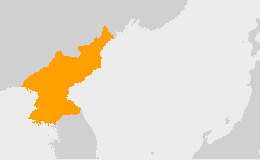
Como cada año desde 2005, la Asamblea General de la ONU publicó una Resolución condenando las flagrantes violaciones de los derechos humanos en Corea del Norte. En marzo, Corea del Norte supuestamente hundió un buque de guerra surcoreano y en noviembre una isla surcoreana cercana a la frontera fue bombardeada por la artillería norcoreana, lo cual generó graves tensiones entre ambos países. Al mismo tiempo, el pueblo norcoreano se enfrentó a una hambruna nacional devastadora, y la situación parece mostrarse aún más sombría en 2011. Durante el año, el hijo del enfermizo Kim Jong-Il, Kim Jong-Un, fue nombrado oficialmente sucesor al frente del país.
según la ley
Libertad sindical / Derecho de sindicalización
Libertad sindical
El derecho a la libertad sindical está reconocido por la ley, pero estrictamente regulado.
Discriminación antisindical
La ley no protege específicamente a los trabajadores/as frente a la discriminación antisindical
Categorías de trabajadores a quienes la ley prohíbe o restringe la posibilidad de formar o afiliarse a sindicatos, o de ocupar cargos sindicales
- Otras categorías
- Se ha aprobado una ley especial para el Complejo Industrial de Kaesong, inaugurado en junio de 2004. La ley no contiene ninguna disposición que garantice la libertad sindical o el derecho de negociación colectiva, ni ofrece protección legal alguna para los trabajadores/as que pudieran presentar reclamaciones.
Derecho a la negociación colectiva
Derecho a la negociación colectiva
El derecho a la negociación colectiva no está protegido por la ley.
Derecho de huelga
Derecho de huelga
Está prohibido hacer huelga.
En la Práctica
El Gobierno controla hasta los aspectos más básicos de las relaciones empleador-trabajador, inclusive la asignación de todos los empleos y el establecimiento de los salarios. Por tanto, los trabajadores/as no tienen derecho a negociar colectivamente. Las empresas mixtas y aquéllas con capital extranjero deben contratar a su personal a partir de listas establecidas por el partido en el poder, donde figuran los nombres de los trabajadores cuya «pureza ideológica» ha podido ser verificada.
Los sindicatos independientes están prohibidos. La única organización sindical autorizada, la General Federation of Trade Unions of Korea, está controlada por el partido único, el Partido de Trabajadores Coreanos, que opera según el antiguo modelo «estalinista» y es responsable de movilizar a los trabajadores/as para que cumplan con las metas de producción establecidas, además de prestar servicios de salud, educación, cultura y bienestar.
Aproximadamente 40.000 trabajadores/as norcoreanos fabrican ropa, calzado, relojes y otros artículos de la industria ligera en esta ZFI, donde hay unas 115 fábricas establecidas. El Gobierno de Corea del Norte elige a los representantes de los trabajadores/as en las fábricas de la ZFI y su designación debe ser aprobada por la dirección de la compañía surcoreana.
La contratación de la mano de obra en la Zona está también estrictamente controlada por el Gobierno de Corea del Norte. Pese a que el artículo 32 de la Legislación Laboral de Kaesong establece que los trabajadores recibirán su salario directamente y en efectivo, en la práctica no es así: desde la inauguración de la Zona, el gobierno de Corea del Norte ha exigido que todos los salarios se paguen al Gobierno, y los empleadores de la Zona han accedido a esta demanda. Tras efectuar ciertas deducciones para un fondo controlado por el Gobierno norcoreano, éste remite el salario a los trabajadores/as. El hecho de continuar utilizando este sistema de pago indirecto supone una violación del acuerdo relativo al funcionamiento de la Zona, firmado por los Gobiernos de Corea del Norte y del Sur.