
Malí
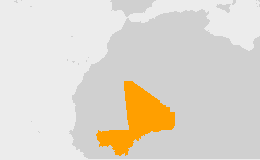
Las afiliadas de la CSI en Mali son la Confédération Syndicale des Travailleurs du Mali (CSTM) y la Union Nationale des Travailleurs du Mali (UNTM).
Malí ratificó el Convenio nº 87 sobre la libertad sindical y la protección del derecho de sindicación (1948) en 1960 y el Convenio nº 98 sobre el derecho de sindicación y de negociación colectiva (1949) en 1964.
según la ley
Libertad sindical / Derecho de sindicalización
Libertad sindical
El derecho a la libertad sindical está consagrado en la Constitución.
El derecho a la libertad sindical está reconocido por la ley, pero estrictamente regulado.
Discriminación antisindical
La ley prohíbe la discriminación antisindical, pero no pevé medidas adecuadas de protección al respecto.
Barreras legales al establecimiento de organizaciones
- Poderes para rechazar el registro oficial por motivos arbitrarios, injustificados o ambiguos
- El Código del Trabajo no especifica los motivos por los que una solicitud de registro puede ser rechazada o ha de ser aceptada.
Restricciones al derecho de los trabajadores y trabajadoras a formar y afiliarse a organizaciones de su elección
- La ley impone restricciones al derecho de los trabajadores/as a afiliarse al sindicato de su elección
- Las personas que ejerzan la misma profesión, oficios similares o profesiones conexas pueden constituir libremente un sindicato profesional (artículo L.233, Código del Trabajo). Además, pueden continuar formando parte de un sindicato profesional aquellas personas que hubieran dejado de ejercer su función o profesión siempre y cuando la hubieran ejercido durante al menos un año (artículo L. 237, Código del Trabajo).
Restricciones al derecho de los sindicatos a organizar su administración
- Restriciones al derecho a elegir representantes y autoadministrarse con plena libertad
- El artículo L. 235 del Código del Trabajo establece que los miembros encargados de la dirección de un sindicato deberán estar domiciliados en la República de Malí, disfrutar de sus derechos cívicos y no haber sido objeto de ninguna condena que entrañe la supresión de su derecho al voto en función de las leyes electorales en vigor.
- Restricciones a la libertad para organizar libremente actividades y formular programas
- El Ministro de Trabajo puede remitir un conflicto al arbitraje cuando considere que podría “comprometer el desarrollo normal de la economía nacional, o afectar a un sector profesional vital” (artículo L.229 del Código del Trabajo de 1992). Esta disposición concede a las autoridades públicos amplios poderes discrecionales.
Categorías de trabajadores a quienes la ley prohíbe o restringe la posibilidad de formar o afiliarse a sindicatos, o de ocupar cargos sindicales
- Otros funcionarios y empleados públicos
- Los funcionarios y los magistrados están formalmente excluidos de la aplicación del Código del Trabajo (Art. 1).
Derecho a la negociación colectiva
Derecho a la negociación colectiva
El derecho a la negociación colectiva está reconocido por la ley, pero no está debidamente fomentado y promovido.
Obstáculos legales para el reconocimiento de los agentes de negociación colectiva
- Se requiere autorización o aprobación previa por parte de las autoridades para poder negociar colectivamente
- Los convenios colectivos sectoriales deben ser remitidos al Ministerio de Trabajo para su aprobación (artículo L.78, Código del Trabajo).
- Ausencia de criterios o criterios discrecionales, inciertos o poco razonables para determinar cuáles son las organizaciones más representativas
- El Ministro de Trabajo determina el carácter representativo de un sindicato para la negociación colectiva sectorial. Esta decisión se basa en: el número de votos obtenidos, la experiencia del sindicato, y la naturaleza y extensión de sus actividades (artículo L.78, Código del Trabajo).
- Ausencia de un organismo independiente responsable de declarar si una organización puede o no negociar
- No existe ningún medio para recurrir la decisión del Ministro respecto al carácter representativo de un sindicato, tal como establece el artículo L.78 del Código del Trabajo.
Restricciones al principio de negociación libre y voluntaria
- Las autoridades o los empleadores pueden anular, modificar o ampliar unilateralmente las disposiciones o la cobertura de los convenios colectivos
- A petición de una de las organizaciones sindicales más representativas, o a propuesta del Ministro de Trabajo, un convenio colectivo podría extenderse a todos los trabajadores/as y empleadores situados en su campo de aplicación (artículo L.82, Código del Trabajo).
Restricciones respecto al ámbito de aplicación y la efectividad legal de los convenios colectivos negociados
- Se requiere la aprobación de las autoridades respecto a convenios colectivos concluídos libremente
- Una comisión mixta establecida por el Ministerio de Trabajo se encarga de aprobar la conclusión de un convenio colectivo sectorial (artículo L.78, Código del Trabajo).
Disposiciones que entorpecen el recurso a convenios colectivos y su eficacia
- Derecho discrecional de los empleadores a negarse a negociar con los sindicatos representativos
- El Código del Trabajo no establece ningún mecanismo legal por el cual un sindicato pudiera obligar a un empleador a emprender negociaciones colectivas.
Restricciones o prohibición de negociar colectivamente en algunos sectores
- Otros funcionarios y empleados públicos
- Los funcionarios y los magistrados están formalmente excluidos de la aplicación del Código del Trabajo (Art. 1).
Derecho de huelga
Derecho de huelga
El derecho de huelga está consagrado en la Constitución
El derecho de huelga está reconocido por la ley pero estrictamente regulado.
Impedimentos legales a acciones de huelga legítimas
- Recurso obligatorio al arbitraje o a largos y complejos procedimientos de conciliación y mediación antes de iniciar una acción de huelga
- Para que una acción de huelga sea legal, las partes en litigio deberán agotar el procedimiento de conciliación y arbitraje establecido en el Capítulo II, Título V del Código del Trabajo. La decisión del consejo de arbitraje será vinculante a menos que alguna de las partes manifieste su oposición en el plazo de ocho días tras la notificación de dicha decisión a las partes.
- Ausencia de un organismo independiente responsable de declarar si una huelga es o no legal
Disposiciones que socavan el recurso a acciones de huelga o su eficacia
- Excesivas sanciones civiles o penales contra los trabajadores/as y sindicatos involucrados en acciones de huelga no autorizadas
- La participación en una huelga ilegal podría entrañar el despido, sin otro derecho que el pago del salario y las vacaciones que le correspondan (artículo L.231, Código del Trabajo).
Limitaciones o prohibición de hacer huelga en algunos sectores
- Determinación discrecional o lista excesivamente larga de «servicios esenciales» en los que el derecho de huelga queda prohibido o severamente restringido
- No se ha definido una lista de servicios esenciales. No obstante, el artículo L.229 del Código del Trabajo describe los servicios esenciales como aquellos servicios cuya interrupción podría poner el peligro la vida, la seguridad o la salud de personas, comprometer el desarrollo normal de la economía nacional, o afectar a un sector profesional vital.
En la Práctica
En una conferencia de prensa, la Confédération malienne du travail (CMT) denunció la injerencia de la dirección general de la Oficina de Radio y Televisión de Malí (ORTM) al exigir a Youssouf Diakité, uno de sus trabajadores, que se explicara sobre su afiliación a la Confédération malienne du travail. La CMT considera esta injerencia como el deseo manifiesto de obstaculizar la formación sindical en la Oficina y, por lo tanto, una grave vulneración de la libertad sindical.
Issiaka Traoré, Secretario General del comité sindical de NSIA, fue despedido el 18 de julio de 2017 por la dirección de la empresa de seguros en la que trabajaba por enviar un correo electrónico a la subdirectora solicitando la aplicación de reducción del impuesto sobre los sueldos y salarios (ITS) concedida por el Gobierno desde 2016: “Sra. Bosso, le ruego muestre un poco de respeto por el personal. ¿Por qué el personal de NSIA tiene que sufrir para recuperar sus derechos?”. Según Issiaka Traoré, tras la solicitud de organizar una asamblea general rotativa iniciada por el sindicato del sector financiero y de seguros, Syndicat national des banques, assurances et établissements financiers (SYNABEF), la dirección general de NSIA llegó incluso a proponer una salida negociada de todo el conjunto de sindicalistas de la aseguradora. Aun cuando una decisión de la junta de arbitraje falló a favor del sindicalista en noviembre de 2017, ordenando su reincorporación, al finalizar el año, la aseguradora NSIA siguió negándose a aplicarla. El sindicato SYNABEF ha organizado varias manifestaciones y huelgas en apoyo de Issiaka Traoré.
Dos dirigentes sindicales, Loseni Bengali, miembro del sindicato del sector sanitario Syndicat national de la santé, de l’action sociale et de la promotion de la femme (lSNS-AS-PF, afiliado a la UNTM), y el Secretario General de la Sección Sindical del Hospital Gabriel Touré, junto con Youssouf Fofana, ex Secretario General del sindicato de policía Syndicat de la Police Nationale (SNP, afiliado a la CSTM) estuvieron en el punto de mira de sus gerentes durante todo 2015. El primero fue despedido arbitrariamente en 2013, según alega su sindicato, que convocó varias huelgas durante el año para reclamar su readmisión. El segundo, injustamente suspendido de empleo en 2013 a causa de sus actividades sindicales y víctima de un hostigamiento permanente, fue finalmente despedido.
La excesiva lentitud de la justicia maliense, que a veces prolonga durante años la tramitación de las denuncias por violaciones de los derechos sindicales, ha contribuido a envenenar las relaciones entre las organizaciones sindicales y las autoridades. Estas últimas, escudándose en la separación de poderes, eluden asumir su responsabilidad y no dejan de repetir que los procedimientos judiciales deben seguir su curso. El sector minero es el más afectado. Los sindicatos han denunciado por enésima vez a las compañías mineras, las agencias de contratación, la Dirección Nacional de Geología y Minas e incluso la Cámara de Minas, por no reincorporar a los trabajadores despedidos arbitrariamente, muchos de ellos militantes sindicales, y por no pagarles lo que les adeudan.
En ocasiones, incluso cuando ya hay una sentencia dictada por los tribunales, las empresas no las cumplen, con total impunidad. Por ejemplo, en 1999, una sentencia obligó a Analabs-Morila a pagar un aumento salarial, pero aún no lo ha hecho, como tampoco ha respetado el acuerdo suscrito con los representantes del personal a propósito de las horas extraordinarias.
La CSI ya documentó la vulneración de los derechos sindicales de los trabajadores y trabajadoras de la compañía minera LTA-Mali en la huelga de 2011. La administración de Kayes validó el despido de 27 sindicalistas, acusados de ejercer abusivamente el derecho de huelga y de voluntad manifiesta de perjudicar la empresa. El apoyo prestado a los huelguistas por la federación sindical minera Fédération nationale des mines et de l’énergie (FENAME) no pudo impedir el despido de otros 30 huelguistas. El 25 de octubre de 2015, estos 57 trabajadores y trabajadoras, que aún esperan que la justicia dicte sentencia, iniciaron una sentada en el patio de la Confédération syndicale des travailleurs du Mali (CSTM) que continuaba activa a finales de año.
La central sindical Union nationale des travailleurs du Mali (UNTM) denunció que, tras una huelga en Mali Lait en septiembre, la empresa retuvo el pago de las cuotas sindicales, a pesar de que existía un acuerdo para retenerlas en nómina. La huelga que se inició el 5 de septiembre se había convocado para exigir la liberación de tres colegas, entre los que se encontraba Dramane Diallo, un responsable sindical. El Secretario General del sindicato de trabajadores/as de Mali Lait S.A., Karamoko Kané, cree que los tres trabajadores fueron detenidos por robo en base a falsas acusaciones. El presunto robo había ocurrido en la noche, pero el Sr. Diallo trabajaba en un turno de día. El Sr. Diallo había sido una de las pocas personas que se habían enfrentado a la dirección cuando ésta no respondió a las demandas de aumento salarial, pago de las horas extraordinarias y cese de los despidos improcedentes, que se remontan a 2013.
El sindicato de trabajadores/as del hotel Laïco El Farouk llevaba años intentando negociar un conjunto de demandas básicas con la dirección. Para facilitar las cosas, redujeron sus demandas a cinco puntos clave: visitas médicas, cubrir los puestos vacantes a través de ascensos internos, bonificaciones por trabajar en el turno de noche, contrato fijo para uno de sus colegas y nuevos reglamentos. El director general adjunto alegó que no podía hacer nada porque carecía de “competencia”. El director general había regresado a Túnez, su país de origen, durante los acontecimientos de 2012 y no había sido reemplazado. Sin embargo, la dirección del hotel decidió que sí tenía competencia para imponer nuevos reglamentos y aprobó el borrador inicial como el texto definitivo sin consultar al sindicato e ignorando todas las solicitudes para introducir enmiendas. Finalmente, el sindicato perdió la paciencia y convocó una huelga de tres días, del 18 al 20 de febrero de 2015. El hotel respondió adoptando la medida de no renovar los contratos de duración determinada.
Los trabajadores del sector minero con contratos temporales también se declararon en huelga el 3 y 4 de noviembre de 2014 por la postura del Gobierno ante la negociación colectiva. Muchos de los trabajadores de este sector están empleados con contratos temporales y pretendían lograr una mejor protección social. Entre sus demandas también se incluía el pago de los salarios atrasados, pues cuando se inició la huelga no les habían pagado desde hacía cinco meses. En abril, la Section syndicale nationale des mines et industries (SECNAMI) envió una lista con sus demandas al ministro de Minería, Boubou Cissé, pero según el Secretario General del sindicato, Cheich Tidiani Fofana, en lugar de reunirse con ellos, el ministro envió a su jefe de gabinete. Tres meses más tarde, los trabajadores aún no habían recibido sus salarios, no se había encontrado ninguna solución al conflicto y, aunque el ministro finalmente se reunió con el sindicato, alegó que no podía hacer nada y que tendría que escribir a la ministra de Finanzas para pedirle respaldo financiero. En noviembre todavía no habían respondido a las demandas de los trabajadores, por lo que decidieron convocar la huelga. Según el Sr. Fofana, la ministra de Finanzas, la Sra. Bouaré Fily Sissoko, amenazó con reducir en un 50% los salarios de los trabajadores con contratos temporales y, si la situación se prolongaba, con despedirles y reemplazarles por otros trabajadores.
La central sindical Union nationale des travailleurs du Mali (UNTM) convocó una huelga general para el 21 de agosto de 2014 por su frustración, ya que el Gobierno no se estaba tomando en serio las negociaciones. El sindicato había presentado sus demandas en mayo, pero tuvo que esperar hasta agosto para sentarse a la mesa de negociaciones. Cuatro días después ya se había alcanzado un acuerdo sobre algunas de las demandas, pero no sobre las cinco más importantes, entre las que se encontraban el nivel del salario mínimo y el impuesto sobre la renta. Tanto en Bamako como en el resto del país, la huelga gozó de un apoyo tan amplio que se prolongó durante un segundo día. La huelga obligó al Gobierno a volver a sentarse a la mesa de negociaciones, donde finalmente se alcanzó un acuerdo a finales de octubre.
La Confédération Syndicale des Travailleurs du Mali (CSTM) señala que en marzo de 2014, Mamadou Dione, un trabajador de seguridad del aeropuerto, fue secuestrado por la policía por participar en una huelga. La CSTM ha presentado una denuncia. En 2013, la oficina del sindicato de la policía en Bamako fue atacado por las autoridades. En 2014, el Secretario General del sindicato de la policía, Youssouf Fofana, fue destituido ilegalmente de su cargo y otros miembros electos de la dirección del sindicato fueron objeto de sanciones debido a sus actividades sindicales. La empresa de seguridad Securicom primero trató de impedir una asamblea general de los trabajadores en la empresa y luego organizó una reunión general paralela con trabajadores seleccionados por la dirección. La empresa se niega a reconocer al comité sindical que está afiliado a la CSTM. En 2013, Moussa Dabo, Secretario General del sindicato minero, y más de 700 miembros sindicales fueron despedidos por las empresas LTA Mali y Semos por participar en una huelga. El tribunal consideró que los despidos eran ilegales y ordenó a la empresa pagar una indemnización. Sin embargo, las empresas se han negado a cumplir la decisión durante meses.
La Confédération Syndicale des travailleurs du Mali (CSTM) comunica que Youssouf FOFANA, Secretario General Interino de la Unión Nacional de Policía ha sido amenazado y suspendido debido a su pertenencia a la confederación CSTM en 2013 y 2014. Los miembros del comité de la CSTM fueron trasladados a otros puestos debido a su activismo sindical. La empresa de seguridad Securicom no solamente impidió que el sindicato celebrara una reunión general, sino que también se negó a reconocer la representatividad de la confederación CSTM para entablar la negociación colectiva (febrero-marzo de 2014).
En el curso de los años 2012 y 2013, la respuesta de las empresas mineras a las huelgas relacionadas con las reivindicaciones salariales y las condiciones de trabajo ha sido el despido masivo e injustificado de los trabajadores. Durante la huelga, fueron despedidos cerca de 700 trabajadores empleados en LTA Mali SA y SEMOS SA y reemplazados por otros trabajadores.
La Fédération nationale des travailleurs des mines et de l’énergie (Fename) de Mali remitió a las autoridades competentes un comunicado de convocatoria de huelga reclamando una mejora de las condiciones de los trabajadores y los incrementos salariales habituales en el sector minero. La huelga quedaría suspendida tras entablarse negociaciones por parte del departamento de minas, que instruyó a cada una de las direcciones a iniciar negociaciones internas para tratar los puntos de litigio que les concernían. No obstante, nunca se emprendió negociación alguna. Los trabajadores iniciaron por tanto la acción de huelga, en respuesta a la cual la dirección decidió lanzar un procedimiento de suspensión de contratos y de despidos contra cientos de empleados sindicalizados y sobre todo los afiliados a la Confédération syndicale des travailleurs du Mali (CSTM).
La ausencia de garantías legales frente a actos de discriminación antisindical y de injerencia ha seguido obstaculizando el funcionamiento de los sindicatos. Los empleadores han podido oponerse al establecimiento de comités sindicales sin siquiera tener que especificar motivo alguno. Las reivindicaciones sindicales pidiendo la reintegración de trabajadores/as mutados o despedidos por haber hecho huelga han sido ignoradas. Fue el caso en la mina de oro de Morila, o también en la sociedad minera BCM-Mali.
A pesar de los compromisos del gobierno, los sindicatos lamentan la falta de diálogo social o, como poco, la discriminación hacia ellos. Asimismo, la voluntad de responder a las violaciones del derecho de huelga que se dieron en 2009 o antes, no ha dado ningún resultado. Numerosos trabajadores que habían participado en actos de protesta seguían sin conseguir lo que reivindicaban, ya sea en el sector privado (ver los artículos sobre las sociedades Morila y Huicoma, en la sección de violaciones) o en el sector público. Así que el Syndicat national de la santé et de l’action sociale (SNS-AS) se vio obligado a llevar a cabo una huelga de 48 horas, los días 21 y 22 de julio, a raíz de la negativa por parte del Ministerio de Sanidad a responder a sus reivindicaciones. El SNS-AS declaró haber recibido amenazas de las autoridades competentes. Entre sus reivindicaciones, el sindicato pedía la reincorporación de los activistas trasladados o despedidos por haber hecho huelga anteriormente. A finales de año el SNS-AS no había registrado todavía ningún adelanto significativo.