
Palestina
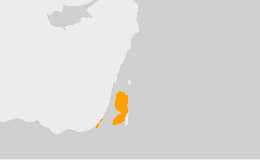
La afiliada de la CSI en Palestina es la Palestine General Federation of Trade Unions (PGFTU).
En noviembre de 2012, la ONU reconoció a Palestina por primera vez como Estado observador no miembro (resolución 67/19). Además, Palestina ha desarrollado relaciones bilaterales con más de 130 Gobiernos.
Sin embargo, aunque existe un proceso de paz intermitente a largo plazo, todavía no se ha alcanzado una solución de dos Estados que garantice la coexistencia de Israel y Palestina como dos Estados soberanos.
La constante ocupación israelí de Cisjordania, la existencia de asentamientos israelíes ilegales en la zona y el impacto que todo ello ejerce en la vida de los palestinos/as (incluido su acceso al agua), así como el bloqueo de Gaza, imponen serias limitaciones al potencial desarrollo económico y social de Palestina y hace que numerosos trabajadores palestinos dependan de precarios empleos en los asentamientos ilegales.
según la ley
Libertad sindical / Derecho de sindicalización
Libertad sindical
El derecho a la libertad sindical está regulado por la legislación.
Discriminación antisindical
La ley no protege específicamente a los trabajadores/as frente a la discriminación antisindical
Derecho a la negociación colectiva
Derecho a la negociación colectiva
El derecho a la negociación colectiva está reconocido por la ley.
Derecho de huelga
Derecho de huelga
El derecho de huelga está reconocido en la legislación
Impedimentos legales a acciones de huelga legítimas
- Plazo de notificación previa / período de reflexión excesivamente largo
- Los sindicatos deben comunicar su convocatoria de huelga con dos semanas de antelación, o cuatro semanas en los servicios públicos.
- Recurso obligatorio al arbitraje o a largos y complejos procedimientos de conciliación y mediación antes de iniciar una acción de huelga
- El Ministerio de Trabajo puede imponer un arbitraje y los sindicatos se enfrentan a acciones disciplinarias en caso de no aceptar el dictamen de dicho arbitraje.
En la Práctica
En su último informe, la central sindical Palestine General Federation of Trade Unions (PFGTU) denunciaba numerosas violaciones al derecho de libertad sindical. La discriminación contra los trabajadores y sus representantes es habitual. Recientemente fueron despedidos por sus actividades sindicales el presidente del Sindicato de Dar Al-Shifa, Ahmad Samhan, fue despedido, al igual que el líder del Sindicato Agrícola, Abdul Karim Dweikat que trabajaba en una fábrica de aceite.
Los empleadores interfieren a menudo en los asuntos sindicales. En la fábrica de helados Cedar, por ejemplo, la dirección intervino en el funcionamiento del comité de empresa, incitando a los trabajadores a desafiliarse del sindicato. En la banda de Gaza, la dirección intentó influir en las elecciones del comité sindical de Mobile.
La dirección se niega asimismo a negociar con sindicatos representativos, como fuera el caso en 2019 en la fábrica de productos lácteos Jibreeni o en algunas fábricas textiles en Nablus. Tratan de eludir las negociaciones colectivas negociando acuerdos directamente con los trabajadores, como ocurrió en la compañía Anabtawi o en el restaurante Las Mil y Una Noches. La dirección de la Compañía de Electricidad también intentó impedir que el sindicato pudiese llevar a cabo sus actividades y se negó categóricamente a negociar con sus representantes.
La PFGTU informó asimismo que los esfuerzos de los trabajadores de la Media Luna Roja para organizarse y defender sus derechos, particularmente a través de protestas legítimas y pacíficas, se han visto continuamente frustrados por las autoridades. Una de las huelgas organizadas en 2019 fue brutalmente dispersada por la policía. En general, en la banda de Gaza, las autoridades impiden cualquier acción de huelga, especialmente en los sectores de sanidad y educación.
En marzo de 2013, el Viceministro de Educación Muhammad Abu Zeid anunció que los docentes que participaran en una huelga deberían ajustarse a un plan especial para recuperar las horas perdidas de clase.
El 28 de febrero de 2013, 28 representantes sindicales no pudieron cruzar el paso fronterizo internacional de Rafah para asistir a una serie de reuniones organizadas en Egipto por el Comité Ejecutivo de la Confederación General de Sindicatos de Palestina bajo los auspicios de la OIT. El Servicio de Seguridad Nacional declaró que los representantes sindicales no tenían permiso para viajar.
Unos 22.000 palestinos trabajan en asentamientos israelíes en los sectores de la construcción, la agricultura, la industria y los servicios; se calcula que otros 10.000 trabajan de modo informal. En 2010, la Autoridad Palestina (AP) prohibió a los palestinos trabajar en los asentamientos de Cisjordania como parte de una campaña extensa que incluía un boicot nacional de los asentamientos. Sin embargo, la Federación General de Sindicatos Palestinos (PGFTU) declaró que no prohibiría a los trabajadores trabajar en los asentamientos hasta que la Autoridad Palestina no les pudiera ofrecer otros empleos.
Los palestinos que trabajan en estas zonas estaban regulados por la legislación laboral jordana hasta el 2007, cuando un tribunal dictaminó que la legislación israelí debía aplicarse a los trabajadores palestinos e israelíes por igual, otorgando así a los palestinos las mismas condiciones laborales. Sin embargo, la ley no se suele respetar, hay pocos controles y, en caso de abuso, los trabajadores palestinos lo tienen muy difícil para obtener compensaciones o llevar al empleador a juicio. En muchos casos, los empleadores siguen pagando a los trabajadores palestinos sumas inferiores al salario mínimo israelí; además, tienen que trabajar en pésimas condiciones de sanidad y seguridad. Aunque el salario mínimo legal en Israel es de aproximadamente 5,50 USD por hora, los palestinos ganan 2 USD o menos por hora en los asentamientos. Cada vez se descubren más casos de niños trabajando en los asentamientos, a menudo en la construcción, en muy malas condiciones de seguridad y sin seguro de ningún tipo.
Los salarios de las mujeres trabajadoras equivalen al 60% de los salarios que reciben los hombres por realizar el mismo trabajo, y los salarios más bajos se encuentran en los sectores donde las mujeres constituyen la mayoría de la mano de obra, como la agricultura y los servicios. Los problemas de seguridad, la discriminación legislativa y las cuestiones culturales son factores que disuaden a las mujeres de acceder al mercado de trabajo. Según la Palestine General Federation of Trade Unions (PGFTU), las mujeres representan menos del 15% de la mano de obra palestina, y la mayoría de ellas no están sindicalizadas.