
Congo, República del
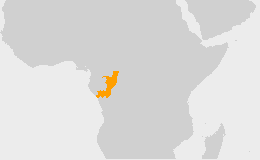
Las afiliadas de la CSI en la República del Congo son la Confédération des Syndicats Libres et Autonomes du Congo (COSYLAC), la Confédération Syndicale Congolaise (CSC) y la Confédération Syndicale des Travailleurs du Congo (CSTC).
El Congo ratificó el Convenio nº 87 sobre la libertad sindical y la protección del derecho de sindicación (1948) en 1960 y el Convenio nº 98 sobre el derecho de sindicación y de negociación colectiva (1949) en 1999.
según la ley
Libertad sindical / Derecho de sindicalización
Libertad sindical
El derecho a la libertad sindical está consagrado en la Constitución.
El derecho a la libertad sindical está regulado por el Código de Trabajo
Discriminación antisindical
La ley prohíbe la discriminación antisindical, pero no pevé medidas adecuadas de protección al respecto.
Derecho a la negociación colectiva
Derecho a la negociación colectiva
El derecho a la negociación colectiva está reconocido por la ley.
Restricciones al principio de negociación libre y voluntaria
- Exclusión de ciertas cuestiones del ámbito de la negociación (por ej. salarios, jornadas laborales)
- La cuestión de la deducción en nómina de las cotizaciones sindicales sigue estando excluida, en la práctica, del marco de las negociaciones colectivas.
- Procedimiento de arbitraje impuesto en caso de disputa durante una negociación colectiva, no sólo en los servicios esenciales
- El artículo 245 del Código del Trabajo dispone que, cuando se le someta un conflicto colectivo, el Comité de Recomendaciones elaborará, en un plazo de siete días, un informe que incluya recomendaciones al inspector de trabajo o al funcionario responsable. El artículo 246 del Código de Trabajo dispone que las partes interesadas en el conflicto disponen de un plazo de cuatro días hábiles a partir de la notificación del informe para impugnarlo y que, de no haber impugnación, el informe será vinculante.
Derecho de huelga
Derecho de huelga
El derecho de huelga está consagrado en la Constitución
El derecho de huelga está regulado por el Código de Trabajo
Prohibición o restricciones para ciertos tipos de acción de huelga
- Restricciones respecto al objetivo de una huelga (por ej. disputas industriales, cuestiones económicas y sociales, políticas, de simpatía o solidaridad)
- Se consideran ilícitas o abusivas las huelgas por motivos políticos y las huelgas de solidaridad cuando los trabajadores/as que la realicen no están implicados de ninguna manera por el motivo de la huelga (Art.248-4 del Código de Trabajo).
- Restricciones respecto al tipo de acción de huelga (por ej. piquetes, huelgas salvajes, huelgas de celo, sentadas, huelgas de brazos caídos)
- Los hechos siguientes constituyen una falta grave durante la huelga, sin que dicha enumeración sea exhaustiva y sin perjuicio de la apreciación por parte de la jurisdicción competente: la ocupación de locales (Artículo 248-11).
Disposiciones que socavan el recurso a acciones de huelga o su eficacia
- Excesivas sanciones civiles o penales contra los trabajadores/as y sindicatos involucrados en acciones de huelga no autorizadas
- El Código de Trabajo establece que la ocupación de locales constituye una falta grave durante el transcurso de una huelga (Art. 248-11 del Código de Trabajo). Además, la participación en una huelga ilícita constituye una falta grave y puede ser objeto de una sanción penal (Arts. 248-11 y 248-12 del Código de Trabajo).
- Otras disposiciones legales que socavan el derecho de huelga
- El empleador está autorizado a suprimir, proporcionalmente a la duración de la huelga, las primas e indemnizaciones ligadas directamente a la prestación del trabajo (Artículo 248-7 del Código de Trabajo).
Limitaciones o prohibición de hacer huelga en algunos sectores
- Determinación poco razonable o discrecional (sin negociación con los interlocutores sociales o en ausencia de una autoridad independiente en caso de desacuerdo) de los «servicios mínimos» que han de garantizarse en caso de huelga en los servicios públicos
- La ley prevé la obligación de mantener servicios mínimos en los servicios públicos “indispensables para salvaguardar el interés general”. Estos servicios mínimos serán organizados por el empleador y negarse a participar en los mismos constituye una falta grave (Art. 248-15 del Código de Trabajo).
En la Práctica
Amour Anaclet Singou, sindicalista y presidente de la Union libre des étudiants de la faculté de droit (ULEFD), fue arrestado el 15 de febrero de 2018, tras la publicación de una nota por parte del colectivo intersindical de estudiantes de la Universidad Marien Ngouabi reivindicando sus derechos y llamando a la huelga. Otros tres sindicalistas estudiantiles, Bouet Beranger, Nelson Apanga y Yobi Pagel, fueron igualmente arrestados entre el 9 y el 15 de febrero, permaneciendo detenidos en la Dirección General de Seguridad del Territorio (DGST). Después de ser transferidos al centro de detención de Brazzaville el 2 de marzo de 2018, finalmente serían liberados el 16 de marzo de 2018 gracias a una fuerte movilización de organizaciones de la sociedad civil.
Dominique Ntsienkoulou, miembro de la Concertation pour la Revalorisation de la Profession d’Enseignant (CRPE) y que tomó parte en la huelga de docentes, fue víctima de un intento de secuestro por parte de agentes de la policía en su domicilio, el 9 de abril de 2013. Al no encontrarlo, se presentaron en el domicilio de su hermana, procediendo a un registro. Se llevaron las joyas y el dinero que encontraron, que nunca le fueron restituidos.
En la noche del 4 al 5 de junio, fue despertado por agentes de la Dirección Departamental de Salvaguardia del Territorio (DDST). Sería conducido a los locales de la DDST sin que le notificasen los motivos de su detención. Desde entonces, su familia y sus allegados no han tenido conocimiento de su paradero.
La huelga de docentes dio comienzo el 25 de febrero, después de que se bloquearan las negociaciones entre las autoridades congoleñas y los sindicatos en relación con el estatuto de los docentes en el sector público.
Hilaire Eyima, director del departamento de francés en el Lycée de la Révolution, fue arrestado por agentes de la policía vestidos de civil en su domicilio el 18 de abril, por haber utilizado su teléfono móvil para distribuir información sobre la huelga. Fue retenido en el cuartel general de la Dirección General de Salvaguardia del Territorio (DGST).
Claude Nzingoula, profesor en la escuela de medicina de la capital Brazzaville fue arrestado el 19 de abril en su centro de trabajo, siendo también trasladado al cuartel general de la GDST.
No se les permitió que contactasen con un abogado y permanecieron detenidos durante más de una semana sin que se hubiese presentado cargo alguno en su contra.
Daniel Ngami, Co-presidente de la Concertation pour la Revalorisation de la Profession d’Enseignant (CRPE) fue detenido por agentes de las fuerzas de seguridad nacional el 1 de abril. Luc Mba Monga, también miembro de la CPRE sufriría la misma suerte al día siguiente. Ambos fueron retenidos sin cargos antes de ser puestos en libertad cinco días después. Tras su liberación, Daniel Ngami fue obligado a leer informes ante los medios de comunicación nacionales exigiendo a los docentes reanudar el trabajo. Otros miembros de CPRE han sido también víctimas de hostigamiento e intimidación, viéndose forzados a esconderse después de que sus domicilios fuesen registrados sin contar con una orden judicial.
Desde el inicio de la huelga el 25 de febrero de 2013, los sindicalistas y docentes han venido siendo víctimas de intimidación y amenazas telefónicas por parte de las autoridades políticas y militares, en particular la Dirección General de Salvaguardia del Territorio (DGST), la Dirección Departamental de Salvaguardia del Territorio (DDST) y la Presidencia de la República.
El 5 de marzo de 2013, cuando los responsables de la CRPE mantenían una reunión en el Instituto Nacional de Investigación para el Apoyo Pedagógico (INRAP), el coronel Jean Aive Alakoua, portavoz de la policía congoleña, hizo irrupción en la sala, profiriendo amenazas contra los sindicalistas. Prometió que cada uno de ellos sería asediado si persistía el movimiento de huelga.
Según un informe del Observatorio Congoleño de los Derechos Humanos (OCDH), la suerte de los pigmeos congoleses es extremadamente preocupante. Estos pueblos indígenas, que representan apenas el 2% de la población, sufren la discriminación y la explotación por parte de la mayoría bantú. El informe revela que las prácticas de trabajo forzoso y de servidumbre por deuda perduran; en 2011 se promulgó una ley que tardó cerca de ocho años en elaborarse, pero su entrada en vigor se demora.
En 2011 se estableció una Comisión Nacional de Diálogo Social, a cuya labor están asociados los líderes de las principales organizaciones sindicales. En la práctica, los sindicatos sectoriales han denunciado con frecuencia la escasa concertación con su ministro competente y las intimidaciones sufridas. Por otra parte, la mayoría de los trabajadores carecen de representación.
El diálogo social no ha avanzado en absoluto. Estos últimos años, se han sucedido treguas sociales, con promesas incumplidas y amenazas hacia los sindicatos excesivamente contestatarios. A principios de mayo, el Gobierno interpeló a los sindicatos respecto a la necesidad de no poner en peligro la solvencia del Estado. El Ministro de Estado, Florent Tsiba, manifestó estar “indignado” por la huelga organizada en abril por la Federación de trabajadores de la ciencia, el deporte, la enseñanza, la información y la culture (FETRASSEIC) que, en su opinión, podría conducir a “una peligrosa crispación y al disfuncionamiento” de la FETRASSEIC.
La ausencia de voluntad de concertación por parte de los empleadores ocasionó huelgas en ocasiones de larga duración, como en Société Nouvelle des Ciments du Congo (SONOCC). Se anunció la creación en 2011 de un comité nacional de diálogo social para reemplazar a la comisión sobre tregua social.
En noviembre, en el momento de la presentación del presupuesto de 2010, el Gobierno anunció nuevas medidas de austeridad, lo que provocó la ira de los sindicatos, ya que a lo largo del año las autoridades les habían prometido tener más en cuenta sus reivindicaciones salariales. El 9 de diciembre, la Confédération syndicale des travailleurs du Congo (CSTC), la Confédération syndicale congolaise (CSC) y el Collège des syndicats des enseignants convocaron una huelga general antes de finalizar el año. Esa misma noche se reanudaron las negociaciones entre los sindicatos y el Gobierno. Unos días más tarde se anunció una nueva tregua social y las autoridades se comprometieron a acelerar las reformas. Los sindicatos llevan años denunciando la desigualdad social fomentada por el Estado, especialmente en la administración pública, donde los decretos de 1994, que suspendieron las bonificaciones y otras prestaciones de los trabajadores, han disminuido considerablemente su poder adquisitivo.