
Camboya
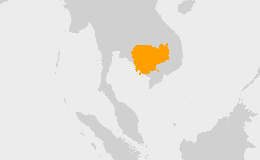
Las afiliadas de la CSI en Camboya son la Cambodia Confederation of Trade Unions (CCTU), la Cambodian Confederation of Unions (CCU) y la Cambodian Labour Confederation (CLC).
según la ley
Libertad sindical / Derecho de sindicalización
Libertad sindical
El derecho a la libertad sindical está reconocido por la ley, pero estrictamente regulado.
Discriminación antisindical
La ley prohíbe la discriminación antisindical, pero no pevé medidas adecuadas de protección al respecto.
Barreras legales al establecimiento de organizaciones
- Se requiere un número mínimo de miembros excesivo para establecer un sindicato
- La Ley del Trabajo exige un mínimo de 10 trabajadores para crear un sindicato.
- Otras formalidades o requisitos que retrasan en exceso o impiden considerablemente el libre establecimiento de una organización
- La Ley de Sindicatos exige la presentación de direcciones para llevar los libros y registros financieros, declaraciones juradas que garanticen la provisión de los detalles de las cuentas bancarias en un plazo de 45 días a partir de la recepción del registro, el acta de la elección por la que se establece el sindicato y las listas de nombres de los miembros (artículo 12). El Prakas 249/16 sobre el registro de sindicatos y asociaciones empresariales también exige la presentación de fotos y datos personales de los dirigentes y declaraciones de alfabetización y ausencia de condenas penales, así como información sobre sus familiares.
- Se imponen sanciones por organizar o afiliarse a una organización que no esté oficialmente reconocida
- La Ley de Sindicatos dispone que los sindicatos no pueden concertar ningún acuerdo legal antes de ser registrados (artículo 14). Los sindicatos que operan sin registro reciben una amonestación inicial y, posteriormente, una multa máxima de 5.000.000 de rieles jemeres por incumplimiento de la amonestación (art. 80).
- Restricciones al derecho de los sindicatos a establecer ramas, federaciones y confederaciones o a afiliarse a organizaciones nacionales e internacionales
- Según el artículo 10 de la Ley de Sindicatos, se requiere un mínimo de siete sindicatos locales para formar una federación. El mínimo se establece en cinco federaciones para formar una confederación.
Restricciones al derecho de los sindicatos a organizar su administración
- Restriciones al derecho a elegir representantes y autoadministrarse con plena libertad
- El artículo 20 de la TUL, enmendado en 2019, establece los criterios de elegibilidad para los dirigentes, gerentes y responsables de los asuntos administrativos de los sindicatos. Se sigue exigiendo a los nacionales camboyanos que tengan por lo menos 18 años de edad, mientras que los extranjeros deben saber leer y escribir en jemer, haber trabajado en el Reino de Camboya durante un mínimo de dos años y tener derecho a residir y tener una residencia permanente en el Reino de Camboya.
- Restricciones a la libertad para organizar libremente actividades y formular programas
- Según los artículos 17 y 27 de la TUL, el sindicato debe proporcionar detalles de sus cuentas bancarias, incluso si suministran una auditoría de un auditor certificado. Los sindicatos deben proporcionar información sobre los cambios de cuentas bancarias y números de miembros en un plazo de 15 días a partir de la modificación.
- Las autoridades administrativas están capacitadas para tomar unilateralmente la decisión de disolver, suspender o retirar el registro a organizaciones sindicales
- El párrafo 2 del artículo 28 de la TUL establece que un sindicato se disuelve automáticamente en caso de cierre completo de la empresa o establecimiento. El artículo 29, enmendado en 2019, sigue permitiendo que una "parte interesada" presente una demanda ante el Tribunal de Trabajo para la disolución de la organización. La frase "parte interesada" no está definida. Además, el artículo 29 sigue previendo amplios motivos para solicitar la disolución de un tribunal, incluso en caso de que las actividades del sindicato contravengan la ley o los objetivos estatutarios. Además, cuando el artículo 17 se lee conjuntamente con el artículo 18, la ley faculta efectivamente al Ministerio de Trabajo para revocar la inscripción del sindicato si éste no ha cumplido las obligaciones estipuladas por los reguladores en dos notificaciones de advertencia.
Categorías de trabajadores a quienes la ley prohíbe o restringe la posibilidad de formar o afiliarse a sindicatos, o de ocupar cargos sindicales
- Otras categorías
- Los artículos 3 y 10 de la Ley de sindicatos limitan su ámbito de aplicación únicamente a las personas cubiertas por la Ley del trabajo, lo que excluye a los trabajadores de las pequeñas empresas, los trabajadores de la economía informal (por ejemplo, los vendedores del mercado, los conductores de tuk-tuk y los vendedores ambulantes) y los miembros del poder judicial.
- Otros funcionarios y empleados públicos
- El Código Laboral no se aplica a los funcionarios públicos, incluyendo docentes y jueces.
- Trabajadores/as domésticos
- Los artículos 3 y 10 de la Ley de sindicatos limitan su ámbito de aplicación únicamente a las personas cubiertas por la Ley del trabajo, lo que excluye a los trabajadores domésticos.
Derecho a la negociación colectiva
Derecho a la negociación colectiva
El derecho a la negociación colectiva está reconocido por la ley, pero no está debidamente fomentado y promovido.
Obstáculos legales para el reconocimiento de los agentes de negociación colectiva
- Ausencia de criterios o criterios discrecionales, inciertos o poco razonables para determinar cuáles son las organizaciones más representativas
- En virtud de los artículos 54 y 55 de la TUL enmendada, para obtener la condición de más representativo, un sindicato debe tener una lista con los miembros que pagan más que son el 30% o más del número total de trabajadores de la ocupación, actividad económica o sector. El artículo enmendado sigue otorgando derechos exclusivos en la resolución de conflictos colectivos al sindicato más representativo. El artículo 59 permite a los sindicatos minoritarios representar a sus propios miembros, pero sólo para los conflictos laborales colectivos que no se deriven de un convenio colectivo.
- Posibilidad de eludir los sindicatos representativos y negociar directamente con representantes de los trabajadores/as
- Todo lugar de trabajo con más de ocho trabajadores/as debe tener un delegado sindical, que tiene el deber de presentar a los empleadores cuestiones relacionadas con las reivindicaciones, los salarios y la aplicación de la legislación laboral y los convenios colectivos. El Código Laboral no dispone un derecho igualmente ejecutorio para los dirigentes sindicales, extendiendo así a los delegados sindicales funciones que deberían corresponder a dirigentes sindicales electos.
Otras restricciones
- Otras restricciones
- Los sindicatos minoritarios que violen el artículo 59 de la TUL (sobre su derecho a representar a sus miembros en la negociación colectiva) están sujetos a amonestaciones y a una multa máxima de cinco millones de rieles.
Derecho de huelga
Derecho de huelga
El derecho de huelga está reconocido por la ley pero estrictamente regulado.
Impedimentos legales a acciones de huelga legítimas
- Requisito de un quórum excesivo o de obtener una mayoría excesiva en una votación para poder convocar una huelga
- Puede convocarse una huelga de acuerdo con los procedimientos establecidos en los Estatutos del sindicato, que deberán estipular que la decisión de ir a la huelga ha de adoptarse mediante una votación secreta.
- Recurso obligatorio al arbitraje o a largos y complejos procedimientos de conciliación y mediación antes de iniciar una acción de huelga
- Los requisitos que deben satisfacerse para que una huelga sea considerada legal son sumamente complejos. Los conflictos deben someterse primero a la conciliación laboral de un inspector del Ministerio de Trabajo y Formación Profesional, quien dispone de 15 días para lograr un acuerdo. Si no se llega a un resultado satisfactorio para ambas partes, el conflicto debe someterse al Consejo de Arbitraje tripartito para ser investigado y éste deberá también adoptar una decisión en el plazo de 15 días.
Disposiciones que socavan el recurso a acciones de huelga o su eficacia
- Excesivas sanciones civiles o penales contra los trabajadores/as y sindicatos involucrados en acciones de huelga no autorizadas
- La Ley de Sindicatos impone amonestaciones y una multa máxima de cinco millones de rieles jemeres a cualquier persona que coaccione a los trabajadores a participar en una huelga (artículo 89). La palabra "coaccionar" es vaga e indefinida. No se distingue entre huelgas legales, huelgas ilegales, huelgas pacíficas o huelgas violentas, y sólo se utiliza la palabra general "huelgas".
- Otras disposiciones legales que socavan el derecho de huelga
- La Ley de Sindicatos impone amonestaciones y una multa máxima de cinco millones de rieles jemeres a cualquier persona que coaccione a los trabajadores a participar en una huelga (artículo 89). La palabra "coaccionar" es vaga e indefinida. No se distingue entre huelgas legales, huelgas ilegales, huelgas pacíficas o huelgas violentas, y sólo se utiliza la palabra general "huelgas".
Limitaciones o prohibición de hacer huelga en algunos sectores
- Determinación discrecional o lista excesivamente larga de «servicios de utilidad pública» en los que se pueden imponer servicios mínimos en caso de huelga
- Se imponen servicios mínimos en todas las empresas, independientemente de que sean de servicios públicos o no, y sin tener en cuenta si los servicios mínimos exceden la necesidad de cumplir con unos requisitos obligatorios de seguridad. Si los trabajadores/as que deben prestar los servicios mínimos se sumasen a la huelga, se consideraría que han incurrido en una falta grave.
En la Práctica
El 12 de febrero de 2020 la Comisión Europea anunció la retirada parcial de las concesiones del acuerdo comercial preferencial “Todo menos armas” (EBA, por sus siglas en inglés) de Camboya debido a las violaciones sistemáticas de los derechos humanos y políticos y de la libertad de reunión y expresión que se siguen produciendo en el país.
Tras varios años de campaña sindical, y con la amenaza inminente de la retirada del acuerdo EBA, se introdujeron varias enmiendas a la Ley de sindicatos del país, que, no obstante, sigue sin abordar las principales demandas para que se ajuste a las normas de la OIT y para proteger la libertad de asociación y el derecho de organización. El Gobierno ha seguido presentando cargos contra dirigentes sindicales, y organizar o afiliarse a un sindicato en las fábricas de confección y otros sectores es cada vez más difícil y peligroso. Existe una discriminación antisindical generalizada.
El acuerdo EBA está condicionado al cumplimiento de los principios de 15 convenios de la ONU/Organización Internacional del Trabajo sobre derechos humanos y laborales fundamentales, y puede ser retirado si se produce “una violación grave y sistemática” de dichos principios. La situación de los derechos humanos en Camboya es pésima. En febrero de 2019 la Comisión Europea identificó tres principales áreas problemáticas en este país. La primera de ellas son los derechos laborales y el acoso sistemático que sufren los sindicatos independientes y los trabajadores y trabajadoras que ejercen su derecho a la huelga.
Dado que Camboya es uno de los principales beneficiarios del EBA, la retirada parcial es una prueba para la política comercial europea y su repercusión en los derechos humanos.
Según la confederación sindical Cambodian Labour Confederation, los empleadores de Camboya continúan oponiéndose y retrasando con frecuencia la negociación colectiva. Por ejemplo, el hotel del aeropuerto NagaWorld y la empresa Sorya Transportation se negaron a participar en la negociación colectiva con sus respectivos sindicatos. NagaWorld llegó incluso a someter el asunto al consejo de arbitraje como táctica dilatoria, lo que implica que los trabajadores no pueden participar en una acción colectiva mientras el asunto siga pendiente.
El 20 de septiembre de 2019, el hotel casino de cinco estrellas Naga World Hotel Casino, ubicado en Phnom Penh, suspendió a Chhim Sithar, presidenta del sindicato del hotel Labour Rights Supported Union of Khmer Employees of Naga Hotel (NHW).
El NHW había estado luchando por los derechos y el reconocimiento y afrontando la hostilidad de los directivos durante casi dos décadas. En mayo de 2019 el sindicato puso en marcha una campaña para negociar por primera vez los salarios, y enseguida se tuvo que enfrentar a la reacción de la dirección. Chhim Sithar fue suspendida por presunta vulneración de la normativa de la empresa pese a que, en realidad, solo había ayudado a una sindicalista que estaba siendo acosada por los guardias de seguridad por llevar en su bolso una camiseta del sindicato relacionada con la negociación salarial.
Durante años, además de la negociación salarial, el sindicato había solicitado a la dirección que tomara medidas para frenar la violencia y el acoso sexual que sufría el personal del hotel por parte de los clientes. La respuesta de la dirección fue que los clientes pueden tener una reacción violenta cuando pierden en el juego, y no se puede hacer nada al respecto; y que los trabajadores deben pedir disculpas a los clientes que los agreden y abusan de ellos, y seguir con su trabajo.
El 30 de octubre el sindicato solicitó formalmente a la dirección la convocatoria de una reunión para discutir el establecimiento de unas directrices internas sobre el comportamiento abusivo y el acoso sexual, con sanciones como la prohibición de acceso a las instalaciones, así como de unas directrices específicas para los directores, los guardias de seguridad y el personal en caso de incidentes violentos.
Por último, el 9 de enero de 2020, Chhim Sithar fue reincorporada a su puesto de trabajo después de una huelga convocada por los sindicalistas. No obstante, en el gigante Naga World sigue habiendo asuntos inconclusos. La dirección ha obtenido una orden judicial que declara la huelga ilegal, después de haber amenazado con emprender medidas disciplinarias, como el despido de los huelguistas, tras la votación de los miembros a favor de la huelga. Aún no se ha confirmado el reconocimiento del derecho a la negociación salarial, y el sindicato todavía no ha obtenido las medidas de protección acordadas contra el acoso, la violencia y el abuso, en particular para los trabajadores y trabajadoras del casino.
Las diez enmiendas a la Ley de sindicatos aprobadas por el Parlamento camboyano el 26 de noviembre siguen incumpliendo el principio de libertad sindical. La Ley de sindicatos enmendada prohíbe la existencia de organizaciones sindicales sectoriales y profesionales, lo que imposibilita que los trabajadores del hogar y otros trabajadores no cubiertos por el modelo empresarial de organización del trabajo puedan formar un sindicato. Los sindicatos minoritarios no pueden negociar en nombre de sus propios miembros. Además, si un donante lo solicita, cabe la posibilidad de intervenir la administración de un sindicato a través de auditorías financieras. Por otra parte, se han establecido motivos muy generales para proceder a disolver un sindicato, y requisitos de edad inconsistentes para los candidatos que se presentan a las elecciones sindicales. En la práctica existen trabas insalvables para que los sindicatos de nivel superior puedan representar a trabajadores afiliados y no afiliados en conflictos laborales colectivos.
El 7 de octubre de 2019 el Tribunal Municipal de Phnom Penh emitió una nueva orden de comparecencia contra Ath Thorn, presidente de la confederación sindical Cambodian Labour Confederation (CLC), para que respondiera a una acusación derivada de una manifestación que tuvo lugar en 2013 en una fábrica en el distrito de Meanchey. Thorn debía comparecer el 30 de octubre ante el tribunal para responder a una serie de preguntas sobre la manifestación que tuvo lugar frente a la fábrica textil SL Garment Factory, el 1 de noviembre de 2013, y que se tornó violenta.
Thorn se enfrenta a cargos de incitación a la comisión de un delito, pese a que el propietario de la fábrica SL había retirado la demanda en 2015.
A principios de julio de 2019, la fábrica textil Bowker Garment Factory, en la provincia de Kandal, despidió a la representante de los trabajadores, Hean Sroeun, que además es delegada del sindicato Cambodian Development Union (CDU). Sroeun dijo que fue despedida después de defender a una sindicalista que había sido acusada y despedida por el presunto robo de prendas de la fábrica. Señaló que la empresa no pudo demostrar que la sindicalista hubiera robado, pero la despidió de todos modos. “Solicité a la empresa que me mostrara las imágenes de seguridad, pero se negaron”, explica. “Cuando la defendí, me despidieron a mí también”.
Phalla, otra trabajadora sindicalizada, creía que Sroeun había sido despedida por sus continuos intentos de mejorar las condiciones de trabajo. Los recientes cambios en el equipo directivo de la fábrica habían sido fuente de problemas. “La empresa despide trabajadores sin justificación y discrimina al sindicato”, dijo Phalla. “Restringe los derechos de los trabajadores”.
El 13 de febrero de 2019, la fábrica textil de W & D en Phnom Penh anunció que la mayoría de los 1.200 trabajadores que habían sido despedidos en enero tras un conflicto originado por la aplicación de recortes a las indemnizaciones por antigüedad, podrían volver a trabajar. No obstante, la fábrica se negó a readmitir a 127 trabajadores cuyos nombres habían sido incluidos en una lista negra por haber “incitado” supuestamente a llevar a cabo una huelga. La mayoría de los trabajadores se negaron a regresar a menos que sus compañeros de la lista negra fueran también reincorporados.
El 25 de febrero, más de 1.000 trabajadores se manifestaron desde la fábrica textil hasta el Ministerio de Trabajo para reclamar la intervención del Gobierno con objeto de obligar a la empresa a reincorporar a los 127 trabajadores de la lista negra.
El 18 de marzo, el primer ministro Hun Sen solicitó al presidente de la confederación sindical Cambodian Labour Confederation (CLC), Ath Thorn, que se abstuviera de instar a los trabajadores de la confección a protestar y a exigir el pago de indemnizaciones. Hun Sen formuló sus observaciones durante una ceremonia de graduación en Phnom Penh. “Ruego a Ath Thorn que explique a sus miembros que deben comprender esta cuestión y aceptar lo que estipula la ley”, dijo Hun Sen.
El conflicto concluyó el 28 de marzo cuando la empresa accedió a reincorporar a más de 1.000 trabajadores despedidos. La firma señaló que se mantendría la antigüedad de los trabajadores, pero que no pagaría los salarios ni las prestaciones correspondientes al período de huelga, condición a la que los huelguistas accedieron. A su favor, el primer ministro solicitó a la empresa que readmitiera a los trabajadores.
La fábrica textil W&D de Phnom Penh emitió el 4 de enero de 2019 un comunicado de prensa anunciando el despido de 1.200 trabajadores que habían participado en una huelga.
La huelga en cuestión se convocó el 24 de diciembre de 2018 en protesta por los salarios y las condiciones de trabajo. Con el apoyo del Tribunal Municipal de Phnom Penh, la empresa emitió un ultimátum para que los trabajadores regresaran al trabajo en un plazo máximo de 48 horas o, de lo contrario, serían despedidos. Los trabajadores respondieron ocupando la fábrica, tras lo cual la empresa anunció sus despidos. El presidente del sindicato Collective Union of Movement of Workers (CUMW), Pav Sina, comentó que es muy habitual que las empresas recurran al sistema judicial para presionar y despedir a trabajadores que participan en manifestaciones.
Finalmente la empresa cedió y readmitió a todos los trabajadores, salvo diez de ellos a los que acusaba de haber incitado los paros laborales. Algunos accedieron a reanudar su trabajo, pero cerca de mil trabajadores siguieron protestando en apoyo a los diez que no habían sido readmitidos. Una trabajadora, Sam Srey Mom, declaró en los medios de comunicación que ella no estaba dispuesta a retomar su trabajo porque, mediante las represalias contra los diez trabajadores no readmitidos, la empresa estaba tratando de “presionarles y dividirles”.
A finales de enero de 2019 la protesta proseguía.
El 22 de diciembre de 2018 la fábrica Prestige Garment despidió a Houn Sovith por haber tratado de crear un sindicato.
Sovith se había esforzado por proteger los derechos de los trabajadores, solicitando que la dirección no aplicara deducciones salariales a los empleados que se tomaran una licencia en caso de emergencia, y reclamando una prórroga de los contratos de trabajo de dos a seis meses. Sovith formó un sindicato y los trabajadores le eligieron presidente. Sin embargo, tras presentar en el Ministerio de Trabajo y Formación Profesional de Kandal la documentación para el reconocimiento oficial del sindicato, la dirección tomó represalias y le despidió.
El 18 de diciembre de 2018 los trabajadores de la confección de City Spark Cambodian Co Ltd organizaron una protesta, a raíz de la cual fueron agredidos por varios matones contratados por la empresa.
Más de 500 trabajadores de la confección de dicha empresa, situada en el municipio de Kantok, organizaron una protesta a las puertas de la fábrica para reclamar mejores condiciones de trabajo y para que se les permitiera crear un sindicato.
Diez matones armados con palos y azadas atacaron a los trabajadores, varios de los cuales recibieron empujones y cayeron al suelo, sufriendo heridas en las manos y en abdomen. Afortunadamente, aparte de las lesiones leves, nadie resultó gravemente herido.
Del 7 al 11 de diciembre de 2018 se celebraron en el Juzgado de Primera Instancia de Phnom Penh los juicios sobre tres casos relacionados con siete líderes sindicales nacionales que estaban pendientes desde 2013. A pesar de que el empleador había retirado las acusaciones (en el primer caso, en 2015; y en los otros dos casos, el 5 de diciembre de 2018), los seis líderes fueron condenados a duras penas de cárcel de hasta dos años y medio bajo suspensión. No fueron condenados por las acciones concretas llevadas a cabo durante las huelgas, sino que se les responsabilizó de las acciones de los demás.
Además, en virtud del Artículo 21 de la Ley de sindicatos, no tendrán derecho a mantener sus cargos electivos ni a presentarse como candidatos a los mismos, ni tampoco podrán asumir puestos directivos ni administrativos en el sindicato.
1- Caso de SL, 2013 (Steng mean Chey): Ath Thorn (presidente del CLC) y Ek Sopheakdey (vicepresidente del CLC) recibieron condenas condicionales de dos años de cárcel por daños e incitación a la violencia.
2- Caso de Ocean Factory, 2012: Pao Sina (presidente del CUMW) y varios miembros recibieron condenas condicionales de ocho meses por daños e incitación a la violencia.
3- Case de seis líderes sindicales de la empresa Veng Sreng Street en la huelga general, 2013-2014: La causa se celebró en 2017 y los acusados pagaron la fianza sin que se emprendieran más acciones judiciales. El 8 de enero de 2014, seis líderes de diversos sindicatos nacionales –Yarng Sophorn, Rong Chun (presidente en funciones y presidente del CCU), Pao Sina (presidente del CUMW), Ath Thorn (presidente del CLC), Morm Gnem (presidente del CNC) y Chea Mony (presidente del FTUWKC)– fueron acusados con arreglo al Código Penal por los siguientes delitos cometidos durante la huelga general que tuvo lugar entre el 25 de diciembre de 2013 y el 3 de enero de 2014 en la que cuatro personas resultaron muertas: homicidio involuntario, intención de causar daños, amenaza de causar daños y obstaculización del tráfico.
El caso se abrió de nuevo el 7 y el 11 de diciembre de 2018, y la condena se dictó con relación a una acusación distinta enmendada por el juez, habiendo utilizado disposiciones del Código Penal sobre instigación a la violencia sin haber informado a los acusados ni a los abogados que los representaban. Los seis líderes sindicales fueron condenados a dos años y seis meses de cárcel bajo suspensión de pena, y se les ordenó pagar una indemnización de 8.750 USD (35 millones KHR) a dos víctimas que resultaron heridas durante la huelga, Som dina y Tim Vuthy.
El 11 de diciembre de 2018 el Tribunal Municipal de Phnom Penh dictó condenas condicionales de dos años y medio de cárcel contra seis destacados líderes sindicales, tras la celebración de un juicio plagado de irregularidades y carente de pruebas.
Los seis dirigentes fueron declarados culpables de instigar violentas protestas contra el Gobierno en 2013 y 2014. A finales de 2013, los trabajadores organizaron una serie de protestas en la capital Phnom Penh para reclamar un salario mínimo de 160 USD al mes. La policía adoptó violentas medidas de represión, concretamente el 3 de enero de 2014, cuando la policía militar abrió fuego contra los manifestantes dejando un balance de 4 muertos y 27 heridos. El tribunal también ordenó a los seis líderes el pago conjunto de una indemnización de 35 millones KHR (8.750 USD) para los dos policías que supuestamente habían sido víctimas de la violencia durante las protestas.
Los seis líderes acusados fueron Chea Mony (Free Trade Union of Workers of the Kingdom of Cambodia - FTUWKC) ); Mom Nhim (National Independent Federation Textile Union of Cambodia – IFTUC); Pav Sina (Collective Union of Movement of Workers – CUMW); Yang Sophorn (Cambodian Alliance of Trade Unions – CATU); Ath Thorn (Coalition of Cambodian Apparel Workers Democratic Union – CCAWDU); y Rong Chhun (Cambodian Independent Teachers’ Association – CITA). Con arreglo a la legislación camboyana, la sentencia condenatoria implica efectivamente que las seis personas no podrán seguir dirigiendo sus sindicatos por el hecho de tener antecedentes penales.
No se presentó ninguna prueba que demostrara que los seis líderes sindicales habían instigado los actos por los que se les acusaba. Ninguno de los verdaderos perpetradores de la violencia y los daños fueron citados a comparecer en la audiencia, ni tampoco se mencionaron sus nombres. Ath Thorn, líder del CCAWDU, por ejemplo, señaló que él ni siquiera se encontraba en el lugar de la protesta en el momento en que se produjeron los violentos enfrentamientos.
El 18 de enero de 2018, Moeun Tola, director ejecutivo del Centre for the Alliance of Labour and Human Rights y destacado defensor de los derechos laborales en Camboya, que anteriormente había trabajado para la Internacional de Trabajadores de la Construcción y la Madera como coordinador de proyectos de desarrollo sindical en Camboya, fue acusado por un tribunal de Phnom Penh por “abuso de confianza”.
Él y otros dos líderes de la sociedad civil –Pa Nguon Teang, defensor de la libertad de prensa, y el Venerable But Buntenh, monje activista– fueron acusados de malversación de los fondos recaudados para el funeral de Kem Ley, un destacado crítico del Gobierno que fue asesinado en julio de 2016. Human Rights Watch calificó las acusaciones de “acoso judicial con motivaciones políticas” y claro ejemplo de los ataques del Gobierno contra activistas de la sociedad civil. Miembros de la propia familia de Kem Ley declararon reiteradamente que las alegaciones carecían de fundamento y que Tola y los otros dos líderes acusados jamás habían manejado los fondos para el funeral de Kem Ley. Las acusaciones comportaban una pena de cárcel de hasta tres años. En junio de 2018 el Tribunal Municipal de Phnom Penh retiró todos los cargos.
Cuatro líderes de la federación sindical Workers Friendship Union Federation (WFUF) fueron detenidos el lunes 12 de febrero de 2018 por organizar supuestamente una huelga ilegal en la fábrica Cosmo Textile en la provincia de Kandal. Los cuatro trabajadores, Chhean Vannak, Moeun Chhit, Lok Neang y Phan Sary, fueron trasladados a la prisión provincial de Kandal en régimen de prisión preventiva.
El conflicto empezó la semana anterior, cuando Chhean Vannak y Moeun Chhit fueron despedidos de la fábrica, al parecer por no haber fichado sus tarjetas de asistencia, a raíz de lo cual al día siguiente se declararon en huelga en el interior de la fábrica. En realidad Vannak había perdido su tarjeta de asistencia y había informado a la administración de la fábrica al respecto, pero todavía no la habían entregado una tarjeta nueva. Los miembros del sindicato sospechan que la dirección estaba atacando específicamente a estos dos trabajadores debido a sus actividades sindicales, puesto que la empresa no había emprendido ninguna medida contra otros trabajadores que habían extraviado o se habían olvidado de sus tarjetas de asistencia.
Hubo más trabajadores que se unieron a la huelga, y la empresa interpuso denuncias por violencia y daños materiales ocasionados durante la protesta contra los cuatro líderes, que negaron haber causado daños materiales. Los trabajadores que les apoyaban afirmaron que el objetivo de la denuncia de la empresa era acabar con el sindicato, dificultando las actividades de los cuatro sindicalistas y despidiéndoles.
El 9 de julio los cuatro sindicalistas fueron finalmente puestos en libertad bajo fianza, tras permanecer cerca de cinco meses detenidos en virtud de una resolución judicial dictada por el tribunal provincial de Kandal.
La empresa Cheng Shi Xin Manufacturing, situada en la provincia de Takeo, despidió a Som Sopheap en mayo de 2018 después de que intentara organizar un sindicato. Sopheap había encabezado las reivindicaciones para exigir mejores condiciones de trabajo, entre ellas poder disponer de un comedor y una enfermería, así como el pago puntual de las bonificaciones mensuales.
El 17 de mayo cerca de 1.000 compañeros de Sopheap abandonaron sus puestos de trabajo cuando supieron que este había sido despedido, pero la empresa se negó a readmitirle y tampoco satisfizo las reivindicaciones de los trabajadores.
El 28 de febrero de 2018, el director de proyectos de EFEO informó a los sindicatos sobre la suspensión del proyecto del templo de West Mebon debido a la falta de financiación del Gobierno y a su traspaso a la Autoridad APSARA, encargada de la conservación y gestión del parque arqueológico. Tras su decisión, APSARA anuló el convenio colectivo vigente y despidió a los 126 trabajadores de la obra, con efecto a partir del 2 de mayo de 2018. Posteriormente la dirección de APSARA se puso en contacto con los trabajadores y les ofreció trabajos muy mal pagados, además de negarse a concederles todas las demás prestaciones estipuladas en el convenio colectivo firmado entre EFEO y la federación sindical Building and Wood Workers Trade Union Federation of Cambodia (BWTUC). Los líderes de la BWTUC supieron más tarde que se seguía disponiendo de financiación para el proyecto hasta noviembre de 2018.
El 15 de febrero de 2018, Rong Chhun, un exsindicalista que dimitió del Comité Electoral Nacional (NEC) tras la disolución forzosa del principal partido de la oposición, fue despedido del Ministerio de Educación, junto con otros 12 docentes y activistas sindicales, presuntamente por “haberse ausentado sin autorización”.
Chhun renunció a su condición de miembro del NEC en noviembre de 2016 en protesta por la controvertida disolución del Partido de Rescate Nacional de Camboya a raíz de su presunto intento de derrocar al Gobierno. Chhun, crítico asiduo del Gobierno y expresidente del sindicato de docentes Cambodian Independent Teachers’ Assocation, explicó que el Departamento de Investigación del Ministerio de Educación le había concedido un permiso de ausencia para trabajar para el NEC en 2015.
El 3 de enero de 2017 presentó una solicitud para reincorporarse al Departamento de Investigación, pero a finales del mes pasado se le informó que el 1 de enero se le había rescindido el contrato por haberse “ausentado sin permiso”.
Ese mismo día, en la provincia de Siem Reap, el Ministerio de Educación despidió de sus puestos de docentes, por los mismos motivos, a cuatro exmiembros del Partido de Rescate Nacional de Camboya. Los docentes alegaron que se trataba de una maniobra “injusta” que respondía a “motivos políticos”.
Cuatro líderes sindicales de la federación sindical Workers Friendship Union Federation (WFUF) fueron condenados y encarcelados el 14 de febrero por haber organizado supuestamente una huelga ilegal en la provincia de Kandal.
Chhean Vannak y Moeun Chhit, dos de los sindicalistas de la empresa Cosmo Textile Co, Ltd, situada en National Road 4 en el distrito de Ang Snuol, fueron despedidos presuntamente por no haber fichado sus tarjetas de asistencia durante cinco días seguidos. Al día siguiente organizaron una huelga en el interior de la fábrica.
Ambos líderes sindicales despedidos fueron citados a comparecer ante un tribunal, junto con Lok Neang, que tenía que comparecer como testigo. Los tres líderes fueron detenidos cuando acudieron a comparecer, y el cuarto líder, Phan Sary, fue detenido aquella misma tarde.
Tin Sochetra, portavoz del tribunal, señaló que los cuatro hombres habían sido condenados y que habían ingresado en prisión preventiva en la cárcel provincial de Kandal por instigar a los trabajadores a participar en una huelga ilegal, por incitar a ocasionar daños materiales en la fábrica, por perturbar el orden público bloqueando la carretera nacional y por violencia intencionada al hacer, presuntamente, que un guardia de seguridad asustado se desmayara.
El jefe adjunto de la Policía del Distrito, Thiv Chiv Chantha, señaló que posteriormente se había intentado detener a otras personas. “Cuando las autoridades se presentaron en sus domicilios, lograron escapar, y ahora estamos esperando la orden judicial. Todas las personas que estén implicadas en este caso serán arrestadas”, declaró, negándose a dar más detalles.
Seang Sambath, presidente de la WFUF, dijo que el despido de los sindicalistas vulneraba la ley, puesto que no habían hecho nada malo y, hasta el momento de su despido, habían estado trabajando normalmente. “Nuestro líder sindical [Vannak] había perdido su tarjeta de fichar y ya había informado a la administración de la fábrica al respecto, pero todavía no le habían hecho una tarjeta nueva”, concluyó.
Sin embargo Reim Bora, director general de la fábrica durante los dos últimos meses, señaló que los líderes sindicales había sido amonestados respecto al desacato del reglamento interno.
Worker Khorn Sreyleak, una trabajadora de 24 años, acusó a la fábrica de estar atacando deliberadamente a los líderes sindicales y solicitó su puesta en libertad. “Algunos de nosotros tampoco fichamos a veces nuestras tarjetas de asistencia y nunca hemos tenido problemas”, afirmó.
El 7 de enero de 2018 la fábrica Gawon Apparel de la ciudad Takhmao, en la provincia de Kandal, despidió a 588 trabajadores tras una prolongada huelga.
Los trabajadores habían participado en una larga huelga que se había convocado en protesta por el impago de salarios, un problema que se venía produciendo desde hacía más de un año. A principios de enero la fábrica obtuvo una orden judicial por la cual los manifestantes y delegados del sindicato Coalition of Cambodia Apparel Workers’ Democratic Union (CCAWDU) debían regresar al trabajo en un plazo de 48 horas.
Una trabajadora dijo que acataron la orden y regresaron al trabajo, pero que dos días después volvieron a retomar la huelga frente a las puertas de la fábrica. Explicó que la orden judicial era injusta, que la empresa no había respondido a sus reivindicaciones y que los trabajadores no podían retomar el trabajo porque la fábrica había sacado parte de la maquinaria durante la protesta. Varios trabajadores se habían quedado a dormir delante de la fábrica para impedir que se sacara más maquinaria.
El director de la fábrica decidió despedir a 588 trabajadores, acusándolos de no respetar la orden judicial.
El 21 de enero salió a la luz que el propietario de la fábrica había denunciado al CCAWDU por proseguir con la protesta, y que había solicitado la intervención del Ministerio de Trabajo. La fábrica alegó que los manifestantes habían recurrido a la violencia y a la intimidación para impedir que otros trabajadores accedieran a la fábrica, algo que el CCAWDU niega. El caso sigue abierto en el momento de redactar el presente artículo.
El 7 de junio la fábrica textil de Southland en el distrito de Por Sen Chey de Phnom Penh, suspendió a diez líderes sindicales tras una huelga en la que participaron 1.500 trabajadores.
La huelga se había convocado para protestar por la negativa de la fábrica a proporcionar a los trabajadores tiempo suficiente para desplazarse hasta los colegios electorales (que se encontraban bastante alejados de su lugar de trabajo) y volver, y poder así participar en las elecciones del 4 de junio. Los empleados accedieron a trabajar un día festivo a cambio de poder tomarse el sábado libre para desplazarse hasta los colegios electorales, pero querían el lunes libre, con medio sueldo, para poder realizar el trayecto de vuelta. La fábrica insistió en que descontaría un día de vacaciones a los trabajadores que no regresaran a trabajar ese lunes, lo que podía repercutir en su prima de asistencia y en su salario anual.
Los trabajadores convocaron una huelga para protestar al respecto, en respuesta a lo cual la fábrica suspendió durante siete meses a diez líderes del sindicato independiente Collective Union Movement of Workers (CUMW) y a otro trabajador más.
Un delegado del CUMW declaró que la fábrica había discriminado a los miembros del sindicato al centrarse más que nada en ellos y suspenderles después, a pesar de que la mayoría de los trabajadores de Southland pertenecían a un sindicato afín al Gobierno, la Cambodian Union Federation (CUF). El CUMW también alegó que la mayoría de los trabajadores habían sido presionados para que se afiliaran a la CUF, la cual les había estado deduciendo cuotas de afiliación sin su consentimiento. Además los trabajadores declararon que la CUF no había hecho nada para apoyar sus reivindicaciones.
Después de las suspensiones, los trabajadores prolongaron la huelga. El 12 de junio, tras las negociaciones mantenidas entre los directores de la fábrica y los sindicalistas, mediadas por el Gobierno, el CUMW anunció que las suspensiones habían sido anuladas. Como parte del acuerdo, Southland se comprometió a no penalizar a los trabajadores que hubieran participado en la huelga en solidaridad con sus compañeros suspendidos.
Las autoridades de Phnom Penh prohibieron a una coalición de sindicatos independientes que representa a gran parte de los 700.000 trabajadores del sector de la confección, que organizara una manifestación para celebrar el Día Internacional de los Trabajadores y entregar personalmente una petición en la Asamblea Nacional. Se informó a los sindicatos que podían conmemorar el día en sus oficinas o en recintos privados.
Los sindicatos decidieron seguir adelante con la celebración. En un primer momento habían planeado que la manifestación diera comienzo en el templo de Wat Phnom. No obstante, a primera hora de la mañana del 1 de mayo, decenas de policías y guardias de seguridad se presentaron en las inmediaciones del templo y a lo largo del río, dispuestos a detener la manifestación, de manera que los sindicatos decidieron congregar a sus miembros y simpatizantes a las puertas de la embajada de Rusia, que quedaba mucho más cerca de la Asamblea. Varias decenas más de policías antidisturbios y guardias de seguridad se presentaron allí también, bloqueando la nueva ruta y ordenándoles que se dispersaran.
Tras un punto muerto de dos horas, los policías antidisturbios desfilaron brevemente como si fueran a dirigirse a la multitud, pero tras negociar con los manifestantes, retrocedieron y les permitieron marchar unos centenares de metros hasta la embajada de Australia, muy cerca de la Asamblea, donde fueron obligados a interrumpir definitivamente la manifestación. El organizador principal, Ath Thorn, presidente de la Coalition of Cambodian Apparel Workers’ Democratic Union (CCAWDU), se dirigió a la multitud y explicó los puntos principales de las reivindicaciones que hubieran querido presentar directamente en la Asamblea Nacional, a saber: un salario mínimo adecuado y mejores condiciones de trabajo; la retirada de las acusaciones contra varios líderes sindicales por las manifestaciones de trabajadores de la confección que se habían llevado a cabo en enero de 2014; y una serie de enmiendas a la controvertida Ley de sindicatos, a raíz de la cual los sindicatos estaban teniendo más dificultades para protestar, para establecer sectoriales locales y para representar a los trabajadores y trabajadoras.
El Ayuntamiento de Phnom Penh denegó la solicitud de la confederación sindical Cambodian Labour Confederation (CLC) para que se permitiera a los trabajadores de la confección del país celebrar el Día Internacional de las Mujeres el 8 de marzo de 2017. Los trabajadores querían celebrar esta jornada públicamente en el tempo budista de Wat Phnom pero, tras la negativa por parte de las autoridades, el sindicato decidió alquilar un recinto privado a tal efecto.
En abril de 2017 la federación de trabajadores de la alimentación y servicios Cambodian Food and Service Workers Federation (CFSWF) denunció públicamente las tentativas por parte de Cambrew –la mayor fábrica de cerveza de Camboya, cuyo principal asociado en el país es Carlsberg– para socavar la representación sindical. La empresa estaba solicitando a los afiliados al sindicato que dimitieran a cambio de dinero. Despedirlos directamente podría haber supuesto una vulneración de la legislación laboral que habría obligado a la empresa a pagar una indemnización por despido. Según el vicepresidente de la CFSWF, Ou Tepphallin, uno de los afiliados recibió la suma de 10.000 USD por presentar su dimisión.
El sindicato interpretó esta medida como una más de las reiteradas tentativas por parte de la empresa para socavar el sindicato y los derechos de los trabajadores, señalando varios ejemplos, como fueron los despidos en el año 2016 de 11 promotoras de cerveza que habían protestado por unos contratos injustos y abusivos.
Cambrew siguió tratando de debilitar el sindicato. En abril de 2017 lo llevó a los tribunales para reclamar una “compensación” financiera punitiva por la huelga que se había llevado a cabo en agosto de 2016 en el almacén de Cambrew en Sihanoukville, en respuesta a los despidos discriminatorios que afectaron a las promotoras de cerveza.
El 23 de junio el dirigente de la CFSWF Sar Mora se personó ante el tribunal provincial de Preah Sihanouk en nombre de su federación para declarar por la querella de 60.000 USD interpuesta al sindicato. Según Sar Mora, la empresa había presentado una demanda civil contra la federación, alegando “acoso” en lugar de fundamentar su denuncia en la legislación laboral. “Creo que el verdadero motivo es que Cambrew no quiere que nuestro sindicato independiente esté en su empresa, y de vez en cuando amenaza a nuestros afiliados, activistas y líderes sindicales”, dijo.
La querella de 60.000 USD de Cambrew contra la CFSWF fue desestimada por el tribunal provincial camboyano de Sihanoukville el 21 de julio.
Un análisis jurídico del proyecto de ley sobre el salario mínimo de Camboya, publicado en marzo de 2017, concluye que este socavaría y criminalizaría potencialmente el trabajo de los sindicatos así como la labor de los defensores de los derechos sindicales y de grupos de la sociedad civil al prohibir las manifestaciones pacíficas y marginar a los sindicatos independientes.
El análisis fue realizado por el Cambodian Centre for Human Rights (CCHR), el Solidarity Centre y la CSI. Las tres organizaciones acogieron con satisfacción el establecimiento de un salario mínimo nacional –actualmente sólo los trabajadores de la confección tienen un salario mínimo– pero expresaron también sus inquietudes por las considerables restricciones a los derechos previstas en el proyecto de ley.
En su documento de síntesis, las tres organizaciones señalan el potencial de este proyecto de ley para restringir seriamente las libertades fundamentales de reunión, asociación y expresión. Subrayan específicamente “la prohibición propuesta contra cualquier tipo de ‘objección’ al salario mínimo acordado (artículo 26) y “la prohibición de llevar a cabo investigaciones independientes relacionadas con el salario mínimo (artículo 23)”. El proyecto de ley impone multas a las personas que cometan “actos ilegales” al expresar su descontento con el salario, e impone igualmente sanciones por el uso de datos económico y sociales no aprobados por el Consejo Nacional de Salario Mínimo para evaluar los aumentos anuales.
Las organizaciones también observaron que “la participación de sindicatos independientes/democráticos no está garantizada, y que en el proyecto de ley no se describe la organización y funcionamiento del Consejo Nacional de Salario Mínimo, dejando los detalles a la discreción de un Subdecreto ministerial (artículo 18). El proyecto de ley también otorga considerable arbitrio al ministro de Trabajo para establecer diferentes salarios mínimos en función del sector de empleo y la región geográfica, amenazando con desvirtuar los objetivos y el espíritu de la ley en general (artículo 9)”.
El análisis recomienda una serie de enmiendas y adiciones al proyecto de ley que permitirían ajustarlo al derecho internacional de los derechos humanos y a garantías constitucionales de los derechos humanos.
Sinosky Hejun Garment Co. Ltd. despidió a Kim Chetra por haber formado un sindicato en la fábrica a finales de diciembre de 2016, según informó Mom Seak, presidente de la Khmer Union Federation of Workers Spirit (KUFWS). Kim Chetra se había mostrado muy activo apoyando a los trabajadores que tenían problemas en el trabajo, y quiso formar un sindicato para intentar mejorar las condiciones de trabajo en la fábrica de vestuario china, situada en el distrito de Por Sen Chey de la capital. Más de 100 de sus compañeros organizaron un paro laboral de cuatro horas el 3 de enero de 2017 reclamando su readmisión.
Durante su intervención en un taller sobre el registro de sindicatos y asociaciones de empleadores, el 31 de agosto de 2016, el Ministro de Trabajo Ith Samheng amenazó a los trabajadores que hiciesen huelga con ser detenidos, afirmando que los funcionarios del Ministerio tendrían que prestar más atención a “la ley” y poner fin a la “impunidad” con la que operaban los sindicatos. Indicó que los funcionarios en todas las unidades de su ministerio en todo el país deberían esforzarse más por tomar acciones legales contra los trabajadores que hiciesen huelga o se manifestasen.
“Quisiera decirles que, a partir de ahora, todas las unidades e instituciones deben saber que, en todos los casos de manifestaciones y huelgas, aunque el anuncio se realizase hoy, deberán continuar revisando los procedimientos previstos por la ley y si se realizan legalmente o ilegalmente”, indicó.
La mayor parte de su discurso trató sobre su convicción en la necesidad de aplicar medidas legales más firmes contra los trabajadores o sindicatos que organicen huelgas. Los sindicatos que hagan huelga sin consultar previamente a todos los trabajadores en su sindicato serán castigados por los tribunales, dijo. Los líderes sindicales serán especialmente castigados si sus organizaciones vulneran cualquier disposición de la Ley de Sindicatos, advirtió.
Continuó afirmando que si se aplican duras medidas sería por el bien del país, haciendo hincapié en la necesidad de respetar “el Estado de derecho”.
A finales de julio de 2016 la fábrica textil Dongdu en el distrito de Dangkor, en Phnom Penh, despidió a cerca de 800 empleados que habían venido manifestándose desde hacía más de un mes reclamando mejores condiciones de trabajo. La cuestión fue remitida al Consejo de Arbitraje, que ordenó a la empresa que readmitiese a los trabajadores despedidos, pero Dongdu desacató la orden. Se convocó una nueva protesta, esta vez frente al Ministerio de Trabajo, en un intento por lograr que su caso se tomase en serio. Los trabajadores remitieron una petición a un representante del ministerio que les dijo que la protesta era ilegal y les ordenó dispersarse. Los trabajadores se negaron diciendo que ya habían sido despedidos y no tenían miedo a ser detenidos.
Posteriormente, una carta del Ministerio de Trabajo indicaba que invitaría a la dirección de la empresa, los trabajadores y representantes del sindicato Collective Union of Movement of Workers (CUMW) a una reunión para intentar resolver el conflicto.
Al menos un dirigente sindical resultó herido cuando la policía cargó violentamente contra los opositores a la controvertida nueva Ley de Sindicatos el 4 de abril de 2016, mientras se debatía en el Parlamento.
Se recurrió a guardias de seguridad para dispersar a los trabajadores sindicalizados que protestaban contra el controvertido proyecto de Ley de Sindicatos.
Sindicalistas, representantes de organizaciones de derechos humanos y defensores de los derechos de los trabajadores fueron empujados, sacudidos y en ocasiones golpeados por los guardias de seguridad luego de que los manifestantes empezasen a corear eslóganes contra el proyecto de ley que iba a ser votado en la Asamblea Nacional.
Yang Sophorn, destacada dirigente sindical y presidenta de la Cambodian Alliance of Trade Unions, fue una de las personas que fueron arrojadas al suelo en la refriega, mientras que Suth Chet, miembro del Collective Union of Movement of Workers, recibió un puñetazo en la cara asestado por un guardia mientras era sujetado por otros, sufriendo una herida en el ojo derecho.
Nay Vanda, subdirector de seguimiento en el grupo de derechos humanos ADHOC, también presente en la protesta, criticó duramente la actitud de los guardias de seguridad, atestiguando que las protestas habían sido de naturaleza pacífica.
El Parlamento camboyano aprobó una controvertida nueva Ley de Sindicatos el 4 de abril de 2016, pese a reiteradas objeciones por parte de sindicatos, organizaciones de derechos humanos, la OIT y diversas marcas mundiales de vestuario. Ninguna de las enmiendas propuestas por los sindicatos serían incorporadas en el texto final. Entre otras cosas, la nueva ley impondrá nuevos límites al derecho de huelga, facilitará la intervención del Gobierno en los asuntos internos de los sindicatos y permitirá que terceras partes soliciten la disolución de un sindicato. Por otro lado, las sanciones máximas impuestas contra los empleadores en caso de prácticas laborales injustas son excesivamente bajas como para ser disuasorias (apenas 1.250 USD).
La oficina de la OIT en Camboya, que ayudó al Gobierno a redactar el proyecto de ley sindical entre 2014 y 2015, hizo pública la siguiente declaración el 4 de abril de 2016, tras la adopción de la ley por el Parlamento: “…la OIT llamó en numerosas ocasiones la atención del Gobierno sobre varios problemas y deficiencias esenciales, principalmente en relación con la insuficiente protección del derecho de todos los trabajadores y empleadores a crear libremente las organizaciones que estimen conveniente, así como el derecho de esas organizaciones a decidir sobre sus asuntos internos sin ninguna injerencia, como parte de las obligaciones de Camboya en virtud de los Convenios de la OIT que ha ratificado”.
Dos miembros del Free Trade Union (FTU) fueron detenidos por policías de civil en la provincia de Kampong Speu, el 1 de febrero de 2016, tras tomar parte en una acción para protestar por discriminación antisindical. Trabajadores de la fábrica de confección Cerie, de origen chino, en el distrito de Samrong Tong llevaban realizando acciones desde hacía casi un mes en protesta por el despido de tres sindicalistas que habían intentado organizar al personal de la fábrica. El Consejo de Arbitraje dictaminó el 15 de diciembre 2015 que las tres personas despedidas debían ser readmitidas, pero la empresa no acató la decisión.
Los dos detenidos fueron Toch Srun, líder de la sectorial del FTU en la fábrica, y Yung Leap, representante del sindicato nacional de FTU que había acudido para ayudar a coordinar la protesta. Chea Mony, presidente del FTU, dijo que fueron detenidos por agentes de la policía que habían estado vigilando desde un automóvil, justo después de que concluyese la protesta. Los policías iban vestidos de civil, utilizaban un vehículo sin distintivos policiales, y no disponían de órdenes de detención. La Sra. Leap y el Sr. Srun fueron acusados de incitación a la violencia y de ocasionar daños a una propiedad privada, permaneciendo bajo custodia policial. Testigos presenciales afirmaron que la protesta no fue violenta, e incluso la Garment Manufacturers’ Association –organización que representa a la patronal– dijo que los sindicalistas habían respetado el procedimiento legal en su protesta contra los despidos.
Toch Srun y Yung Leap serían puestos en libertad bajo fianza por el Tribunal provincial de Kompong Speu el 9 de marzo de 2016, permaneciendo bajo supervisión judicial, y continúan pesando en su contra los cargos por incitación a la violencia intencional.
Dos líderes sindicales fueron a juicio en el Tribunal Municipal de Phnom Penh el 5 de febrero de 2016 acusados de haber presuntamente destruido propiedad de la compañía durante las huelgas en que participaron más de 2.000 trabajadores del sector en la empresa Evergreen Industrial Co. Ltd. en 2011 y 2012. La fábrica, situada en la Zona Económica Especial de Phnom Penh, emplea a unos 2.500 trabajadores/as y se dedica a confeccionar jeans para las marcas Old Navy y Dockers, entre otras.
Chum Sophea, de 32 años y líder de la Coalition of the Cambodian Apparel Workers’ Democratic Union en la fábrica, y el secretario general del sindicato, Chum Pheakdey, de 34 años, fueron acusados de “ocasionar intencionalmente daños materiales”. De ser declarados culpables podrían enfrentarse a penas de entre seis meses y dos años de prisión.
La demanda fue presentada por Peng Keng Kong, director ejecutivo de la compañía, quien reclamó duras penas para los líderes de las huelgas, afirmando que incitaron a los trabajadores a entrar en los locales de la empresa y ocasionar graves daños. Sophea y Pheakdey afirman que los cargos que se les imputan son falsos. En 2011 no se produjo ninguna protesta, mientras que la protesta de una semana que tuvo lugar en junio de 2012 fue no violenta, indicaron.
“Las protestas fueron organizadas por los propios trabajadores de la confección, exigiendo que la compañía respetase la legislación laboral camboyana. No les incitamos en ningún momento a ocasionar daños materiales en la fábrica”, declaró el Sr. Sophea ante el tribunal. “No se registraron actos de violencia ni se ocasionó daño alguno a la propiedad de la empresa”.
El 19 de febrero de 2016 ambos fueron condenados a penas de seis meses de prisión, con suspensión de ejecución de la sentencia, así como al pago de daños y perjuicios. Indicaron que apelarían la sentencia.
Dos conductores de autobús fueron detenidos y 14 personas resultaron heridas en una violenta agresión frente a la empresa de autobuses Capitol Bus el 6 de febrero de 2016. Los choferes venían llevando a cabo desde hacía tiempo una protesta contra el despido en 2015 de 45 compañeros por haber intentado formar un sindicato, una rama de la Cambodian Transport Workers Federation (CTWF), esperando mejorar sus condiciones de trabajo extremadamente malas.
Imágenes de vídeo muestran a miembros de la asociación apoyada por la patronal Cambodia for Confederation Development Association (CCDA), vestidos de negro y portando cascos, cargando contra los manifestantes de la CTWF y golpeándolos brutalmente con palos, barras de metal y martillos. El incidente dejó al menos 14 heridos, incluyendo choferes y simpatizantes, un defensor de derechos humanos y un agente de la policía. Uno de ellos terminaría con un brazo fracturado y muchos otros sufrieron heridas en la cara y la cabeza.
Uno de los choferes de Capitol Bus despedidos, Nan Vanna, miembro de la CTWF, y Ruos Siphay, responsable de la Cambodia Informal Worker Association (CIWA) fueron detenidos. Se les acusa de violencia intencionada con agravante, desacato a la autoridad y obstrucción de la vía pública. Sin embargo, ninguno de los individuos que perpetraron la agresión sería detenido.
Ese mismo día, cuatro líderes de destacados sindicatos independientes, Ath Thorn y Kong Athit, respectivamente presidente y secretario general de la Cambodian Labour Confederation (CLC); Sok Chhun Oeung, presidente de CIWA; y Eang Kim Hun, secretario de la Cambodian Transport Workers Federation (CTWF), serían igualmente acusados por los mismos delitos. El Cambodian Centre for Human Rights (CCHR) señaló que ninguno de los cuatro estaba presente durante el incidente, considerando que su procesamiento sugería una campaña dirigida contra la totalidad del movimiento sindical. También apuntó a que no se había hecho ningún esfuerzo por llevar ante la justicia a los auténticos causantes de la violencia.
Trabajadores de la confección en huelga fueron atacados por guardias de seguridad el 1 de febrero de 2016. Los trabajadores de la fábrica de vestuario Starlight venían protestando por el reciente despido de ocho empleados por intentar formar un sindicato. “Un grupo de guardias de seguridad de la fábrica y de la zona económica 7NG llegaron, algunos armados de cuchillos, y atacaron violentamente a los responsables sindicales y trabajadores”, declaró Sieng Rithy, director de la Cambodian Labour Solidarity Union Federation.
Ocho trabajadores y sindicalistas resultaron heridos de levedad en la confrontación, mientras que un trabajador, Sem Seth, resultó herido de gravedad, según Rithy.
Once miembros de la Cambodian Food and Service Workers’ Federation (CFSWF) empleadas por Cambrew, una empresa conjunta establecida entre cerveceros locales y Carlsberg, fueron despedidas el 21 de enero de 2016 por su participación en una acción de huelga. Las trabajadoras, cuyo trabajo consistía en comercializar y servir la cerveza Angkor en restaurantes, se declararon en huelga el 16 de enero en protesta por el intento de la empresa de imponer contratos de empleo de corta duración y prolongar la jornada laboral por las noches.
Después de dos años en el puesto de trabajo, los trabajadores tienen derecho legalmente a recibir un contrato indefinido, obteniendo así licencias de maternidad y otros beneficios. No obstante, Carlsberg/Cambrew se negó a respetar la ley. La compañía tampoco aceptó la solicitud del sindicato para negociar sus contratos, y el conflicto escaló aún más el 15 de enero al ampliar la jornada laboral hasta las 11:00 p.m., lo que suponía para las mujeres un riesgo considerable de acoso por parte de los clientes, además de no encontrar transporte para volver a sus domicilios a esa hora tardía.
El Consejo de Arbitraje Laboral ordenó a las trabajadoras que reanudasen el trabajo en espera de que concluyese el proceso de resolución. No obstante, cuando las huelguistas volvieron al trabajo el 21 de enero, se encontraron con que 11 importantes miembros del sindicato habían sido despedidas. La compañía negó haberlas despedido, afirman que habían dejado su empleo voluntariamente, pero las mujeres declararon que había fotos suyas en la pared y que guardias de seguridad les impidieron la entrada, informándoles que habían sido despedidas.
Cinco representantes sindicales del Collective Union of Movement of Workers (CUMW) fueron detenidos el 12 de enero de 2016, tras producirse violentos enfrentamientos con matones contratados por la patronal en la fábrica Agile Sweater. Los cinco detenidos, el vicepresidente de CUMW, Khat Lot; Cham Samnang; Prum Bunthoeun; Mao Moy y An Thona, todos de la oficina del CUMW en Phnom Peng, fueron provisionalmente inculpados de violencia intencional, incitación a cometer delitos, y desacato a una orden judicial, siendo enviados a prisión en espera de juicio.
Habían acudido a la fábrica para apoyar a los 800 trabajadores que hacían huelga desde el 24 de diciembre de 2015, exigiendo mejoras salariales y de las condiciones de trabajo. Los miembros del sindicato indicaron que inmediatamente fueron agredidos y golpeados por una decena de personas pertenecientes al sindicato controlado por el empleador, la Trade Union Workers Federation of Progress Democracy. Cinco de los trabajadores sufrieron heridas en la cabeza y las manos. El presidente del sindicato patronal ordenó además a sus seguidores destruir el material y los altavoces del CUMW.
La fábrica Agile Sweater había sido ya noticia en octubre de 2015, cuando dos de sus trabajadores fueron detenidos y encausados por haber intentado establecer un sindicato alternativo independiente dentro de la fábrica. Serían liberados poco más tarde, a cambio de que los trabajadores que habían parado sus labores en protesta por las detenciones se reanudasen el trabajo.
Una semana después de su detención, los cinco sindicalistas del CUMW fueron liberados bajo fianza, en espera de juicio, gracias al apoyo del equipo jurídico del Centro de Solidaridad en Phnom Penh. Posteriormente, a finales de febrero, el presidente del CUMW, Pav Sina, y otro miembro del sindicato, Suth Chet, fueron también citados a comparecer en juicio junto con los cinco detenidos inicialmente. Suth Chet estaba entre los que sufrieron heridas en la cabeza.
Al menos cinco personas resultaron heridas durante las celebraciones del Primero de Mayo que se llevaron a cabo a las puertas del Parque de la Libertad. Las autoridades desplegaron cientos de agentes de la policía y el parque fue cercado con alambrada de púas para acorralar a los manifestantes. La policía y las fuerzas de seguridad arremetieron violentamente contra unas 1.500 personas que reclamaban mejores sueldos y mejores condiciones laborales. Según el Club de Prensa Extranjera de Camboya, al menos tres periodistas fueron agredidos por la policía.
A principios de 2014, el Gobierno designó a los jefes de las fuerzas armadas para integrar el nuevo Comité para Resolver Huelgas y Manifestaciones, amenazando así con militarizar cualquier futura respuesta gubernamental frente a acciones de huelga o manifestaciones. Tras las huelgas de los días 2 y 3 de enero, el Gobierno recurrió en repetidas ocasiones al uso de la fuerza para dispersar manifestaciones y mítines, y ha detenido a varios dirigentes sindicales por haber participado en dichos eventos.
Están teniendo lugar también otras limitaciones de la actividad sindical, a través de una revisión de las leyes que regulan los sindicatos. El borrador de la Ley de Sindicatos que se hizo público en mayo fue examinado por la Organización Internacional del Trabajo, que indicó que contiene no está conforme con los convenios internacionales ratificados por Camboya que garantizan el derecho de reunión y sindicalización.
En un taller sobre el proyecto de ley de sindicatos organizado para representantes del Gobierno, los empleadores y los sindicatos, que tuvo lugar en Phnom Penh en mayo, el especialista de la OIT en relaciones laborales, John Ritchotte, indicó que no guardaba conformidad con las obligaciones contraídas por Camboya en virtud de los convenios de la OIT respecto a varios puntos, y que en realidad representaba un paso atrás en comparación con versiones anteriores.
El proyecto de ley otorga a los tribunales amplios poderes para revocar las licencias de sindicales. Estipula además que al menos el 20 por ciento de los empleados de una empresa han de manifestar su interés en afiliarse a un sindicato antes de que éste pueda registrarse con el Ministerio de Trabajo. También establece que únicamente puede haber un sindicato en cada lugar de trabajo. La ley existente no establecía un número mínimo de miembros para establecer un sindicato en un centro de trabajo, ni tampoco limitaba el número de sindicatos existentes.
“Parece querer desalentar la creación de sindicatos”, indicó Pav Sina, presidente del Collective Union of Movement of Workers.
La ley podría desembocar en un dominio a gran escala de sindicatos leales al Gobierno, perjudicando seriamente a los que son independientes, según el presidente de la Cambodian Confederation of Unions, Rong Chhun.
En octubre de 2014, el Ministro del Interior, Sar Kheng, comunicó a los dueños de fábricas e inversores que tenía intención de trabajar con el Ministro de Trabajo para lograr la aprobación de la Ley de Sindicatos, a fin de dar al Gobierno mayor control sobre los sindicatos y permitir que los tribunales puedan revocar el registro de aquellos sindicatos que se considere que están actuando de manera ilegal.
Los días 2 y 3 de enero de 2014, el Gobierno de Camboya lanzó una letal ofensiva para sofocar las huelgas y manifestaciones que estallaran después de que el Gobierno anunciase un salario mínimo inferior a lo que sus propios estudios sugerían que constituiría un salario adecuado.
La mayoría de los trabajadores y trabajadoras del sector del vestuario subsisten en la más absoluta pobreza, incluso después de tener que realizar jornadas laborales excesivamente largas. Los manifestantes reclamaban un incremento del salario mínimo a 160 USD, protección de los derechos laborales y el derecho a la libertad sindical.
Se movilizó a efectivos del ejército y la policía fuertemente armados, dejando un saldo de seis trabajadores muertos y al menos 38 heridos.
Posteriormente, el Gobierno establecería un comité encargado de investigar las muertes y los heridos, pero dada su falta de independencia no cabe esperar resultados significativos. Hasta la fecha, el Gobierno no ha compensado a las víctimas ni a las familias de los fallecidos.
Además, 23 trabajadores fueron detenidos por participar en las huelgas y manifestaciones, acusados de delitos de violencia agravada, daños a la propiedad pública, e insultos a funcionarios, entre otros cargos.
A pesar de los reiterados llamamientos de la ONU, de diversas ONG y de los sindicatos, 21 trabajadores permanecieron en prisión durante casi seis meses, y se les negó la libertad bajo fianza a pesar de que algunos de ellos requerían atención médica urgente para tratar las heridas ocasionadas a causa de la carga policial. Uno de los detenidos falleció como consecuencia de sus heridas en mayo de 2014. Otro de los acusados, Meas Nun, era menor de edad durante todo el tiempo que permaneció detenido, además de sufrir de una discapacidad.
Los trabajadores fueron juzgados en un proceso judicial plagado de irregularidades de procedimiento, socavando así su derecho a un juicio justo. Para el 28 de abril, familiares de los acusados indicaron que, pese a llevar meses detenidos, la policía únicamente había interrogado a cuatro de ellos.
El 30 de mayo, el Gobierno condenó a los 23 trabajadores (y a otros dos que estuvieron implicados en una huelga en noviembre) a penas de entre cuatro y cinco años de cárcel. No obstante, gracias a la presión internacional, las sentencias se suspendieron y todos los trabajadores fueron puestos en libertad. Nueve de ellos pudieron viajar a Tailandia para recibir atención médica por las lesiones causadas durante las protestas, a cargo del grupo defensor de derechos Licadho.
El Alto Comisionado de las Naciones Unidas para los Derechos Humanos en Camboya y la OIT han declarado conjuntamente estar “preocupados por la condena penal de las 25 personas, teniendo en cuenta las aparentes deficiencias de procedimiento que se pudieron observar en los tres juicios, y la falta de pruebas que puedan establecer una responsabilidad directa de las personas por las acciones de las que, no obstante, fueron acusados. Además, en una serie de casos, la evidencia apunta a que las personas fueron detenidas cuando ejercían simplemente sus derechos fundamentales a la libertad de expresión y de asamblea pacífica, a fin de defender los intereses socio-económicos de los trabajadores y trabajadoras”.
Los sindicatos siguen preocupados por el hecho de que las sentencias se pudieran utilizar como herramienta para limitar o prohibir su futuro ejercicio del derecho a asociarse, por temor a ser encarcelados.
El 20 de octubre de 2014, el diario Phnom Penh Post informó que muchos de los 23 trabajadores detenidos durante las huelgas de enero atraviesan problemas financieros y no tienen trabajo. Algunos afirman haber sido totalmente excluidos del sector de la confección. Uno de los acusados, Ros Sophorn, manifestó que había enviado solicitudes de empleo a más de 20 fábricas desde su liberación, siendo rechazado en todas ellas.
Ros indicó: “He solicitado empleo en varias fábricas, pero dicen que mi candidatura fue rechazada porque estuve en prisión y otras fábricas no aceptan a hombres por temor a que inicien protestas. Creo que mi nombre figura en una lista negra, es por eso que ninguna fábrica me acepta”.
Por otro lado, 170 fábricas, representadas por la Garment Manufacturers Association in Cambodia (GMAC), abrieron una causa legal contra los líderes sindicales por su presunta implicación en la huelga de 10 días, incluyendo acusaciones de violencia premeditada en circunstancias agravantes durante la huelga de enero.
En octubre de 2014, el Ministro de Trabajo, Ith Sam Heng, indicó que intentaría que las fábricas retiren su denuncia.
En septiembre de 2014, Ath Thorn, Presidente de la Coalition of Cambodian Apparel Workers’ Democratic Union (CCAWDU), ha sido puesto bajo supervisión judicial por el Tribunal Municipal de Phnom Penh.
El dictamen del tribunal se produjo al día siguiente de que Thorn participase en manifestaciones reclamando un salario mínimo de 177 USD al mes para los trabajadores/as del vestuario.
Thorn está pendiente de juicio, acusado de ocasionar violencia intencionada, proferir amenazas, destrucción de propiedad y obstrucción del tráfico. Las acusaciones guardan relación con su supuesto papel en tres acciones sindicales distintas: la protesta de enero de 2014 en las zonas especiales de procesamiento para la exportación, donde se registraron seis muertos; las protestas de abril de 2014 contra SL Garment Processing; y las protestas en torno al salario mínimo del 18 de septiembre de 2014.
Thorn había recibido ya una orden judicial prohibiéndole participar en asambleas o reunirse con miembros del sindicato. Esa orden fue dictada por el mismo Tribunal Municipal de Phnom Penh en abril de 2014, y establecía que Thorn debería mantenerse alejado de la fábrica SL Garment Processing y evitar cualquier asamblea pública que pudiera “atentar contra el orden público”. En principio habría contravenido dichas órdenes al tomar parte en protestas el 18 de septiembre.
“Si no puedo liderar a los trabajadores o reunirme con ellos, entonces ¿qué puedo hacer? En tanto que presidente de un sindicato, esto representa para mí un castigo muy duro”, comentó.
Esta decisión viene a sumarse a otra sentencia previa del tribunal, imponiendo a Thorn el pago de una fianza de 25.000 USD para evitar la detención preventiva en espera de juicio.
Thorn es el tercer dirigente sindical sometido a una orden judicial prohibiendo su participación en reuniones públicas hasta que concluya su juicio. CCAWDU es la mayor organización sindical independiente de Camboya.
Sorya Transportation, una empresa de autobuses con sede en Phnom Penh, despidió a 17 empleados por tratar de establecer un sindicato de chóferes de autobús en la empresa, en abril de 2014.
Más de 60 personas se declararon en huelga tras los despidos, reclamando la reincorporación de los trabajadores y un aumento salarial, además de otras demandas. La mayoría de los chóferes regresaron posteriormente a su trabajo, y únicamente siguieron protestando los trabajadores que habían sido despedidos.
El Vicepresidente del sindicato de chóferes de autobús, Yem Kuyba, presentó en abril una demanda ante el Tribunal Municipal de Phnom Penh, que fue remitida al Consejo de Arbitraje.
El 4 de julio de 2014 el Consejo de Arbitraje resolvió que la empresa de autobuses debía reincorporar a 15 trabajadores y pagar a los otros dos las prestaciones correspondientes con arreglo a la ley.
El Director General de Sorya Transportation, Chan Sophanna, dijo que sólo reincorporaría a los trabajadores si el Consejo le ayudaba a pagar sus salarios.
“Si acepto readmitirlos, ¿quién me ayudará a pagar sus salarios? Si [el Consejo de Arbitraje] está dispuesto a ayudarme a cubrir su salario, aceptaría su decisión”, declaró Sophanna. “Hago negocios para obtener beneficios, no para perder dinero, así que si me obligan a acatar esta decisión, apelaré ante un tribunal superior”.
En junio de 2014, organizaciones sindicales internacionales indicaron que unos 200 trabajadores/as han sido despedidos a causa de sus actividades sindicales desde enero de 2014. Aunque algunos serían readmitidos, muchos continúan sin trabajo.
Smart Tech, fabricante de bicicletas en Bavet City, despidió a 45 trabajadores por su participación en una huelga reclamando mejores salarios y condiciones de trabajo. En abril de 2014, pagó además 50 USD a los trabajadores que no tomasen parte en una huelga. Se trata de una de las muchas fábricas en zonas económicas especiales en Svay Rieng y Kampong Cham que efectúan este tipo de pagos.
Según indica un empleado: “La fábrica nos prometió además que si no protestábamos durante otros tres meses, recibiríamos 25 USD. Así que no protestaremos ni haremos huelga, pero si otros trabajadores [en mi fábrica] lo hace, los apoyaré”.
Empresas manufactureras del textil presentaron reclamaciones civiles y criminales contra los sindicatos que habían protestado por lo inadecuado del salario mínimo, pese a no haber prueba alguna de que dichos sindicatos (todos ellos independientes del partido gobernante) hubieran incitado o justificado los daños ocasionados – probablemente atribuibles a provocadores favorables al Gobierno.
Adicionalmente, los empresarios han venido acosando a los sindicalistas, presentando reclamaciones carentes de base alguna. En mayo de 2014, un periódico informó que 17 activistas sindicales habían sido detenidos desde febrero de 2014, incluyendo nueve en la semana previa al 24 de mayo de 2014.
“A pesar de las seguridades del Gobierno en febrero, desde entonces ha habido niveles sin precedentes de intimidación, violencia y disminución del respeto del imperio de la ley, lo que, conjuntamente, constituye un grave atentado a los derechos sindicales y de los trabajadores”, afirmó Jyrki Raina, Secretario General of In¬dustriALL en un comunicado.
El 6 de mayo de 2014, el Tribunal Provincial de Kompong Speu acusó a seis representantes sindicales de provocación durante una protesta organizada aquel día cerca de la fábrica de calzado Wing Star Shoes, una medida que los sindicatos consideran injustificada y destinada a intimidar a los demás.
El Fiscal competente, Keo Sothea, dijo que se acusaba a los seis representantes de amenazar con cometer un delito y de incitación al crimen por haber instado supuestamente a los trabajadores de la fábrica a bloquear la carretera durante una protesta organizada para reclamar atrasos salariales y otros beneficios.
Los hombres fueron arrestados en el momento en que se disponían a colocar unos altavoces para la protesta.
Sath Chheang Hour, Presidente de la Cambodia National Confederation for Labor Protection, ha explicado que los seis representantes pertenecían a dos sindicatos asociados: cuatro de los hombres arrestados pertenecían al Khmer Worker Power Federation Union, y los otros dos pertenecían a la Cambodia Solidarity Union Federation. Los sindicatos manifestaron que no les cabía la menor duda de que lo que se pretendía con estos arrestos era asustarles y disuadirles de organizar huelgas legítimas.
“El Gobierno teme y está preocupado por la ola de protestas de trabajadores, porque no pueden detenerlas”, comentó Chea Mony, Presidente del Free Trade Union of Workers of the Kingdom of Cambodia.
El 2 de mayo de 2014, fuerzas paramilitares de la Brigada 70 pusieron fin a una huelga de 100 empleados de la fábrica Pemir Garment Factory, en el Boulevard Veng Sreng.
Los trabajadores estaban reclamando un bono de almuerzo y la eliminación de las horas extras obligatorias.
Cheng Sophavy, responsable del Collective Union of Movement of Workers (CUMW), declaró: “No intentaron negociar con los trabajadores, desplegaron fuerzas paramilitares. Lo hacen para desanimarnos y obligarnos a reanudar el trabajo”.
El representante de los trabajadores, Chan Saban, de 21 años, dijo: “Nosotros estábamos protestando sin utilizar ningún tipo de fuerza, por lo que consideramos que no es normal que se empleen soldados para terminar con la huelga”.
Unos 20 sindicatos solicitaron al Ayuntamiento de la ciudad de Phnom Penh autorización para organizar el 1 de mayo de 2014 una concentración en el Parque de la Libertad. La solicitud fue denegada.
Según un portavoz del Ministerio del Interior, “las autoridades no concederán el permiso porque podría verse afectada la seguridad”.
“Si se empeñan, tendrán que pagar las consecuencias” y “serán responsables ante la ley”, afirmó, indicando que se utilizaría la fuerza para dispersar cualquier concentración en el Parque de la Libertad el 1 de mayo.
Un portavoz del Ayuntamiento indicó que las autoridades habían decidido no autorizar la celebración de la reunión porque todavía estaban investigando los altercados violentos que se habían producido en enero en dicho parque.
El 2 de mayo de 2014, el periódico Phnom Penh Post informó de que la policía y las fuerzas de seguridad habían herido a por lo menos cinco personas durante una concentración del Primero de Mayo que se había organizado cerca del Parque de la Libertad. Los hechos se produjeron cuando la policía y las fuerzas de seguridad (algunos de ellos vestidos de paisano) irrumpieron violentamente en la concentración armados con porras y picanas.
Más de 1.500 personas se habían reunido hacia las nueve de la mañana en torno al Puente Naga, en el Boulevard Norodom , para reclamar mejores salarios y condiciones laborales, y para recibir la llegada de los líderes de la oposición Sam Rainsy, Kem Sokha y Mu Sochua.
Aproximadamente a las diez de la mañana, después de que los líderes del Partido para el Rescate Nacional de Camboya se hubieron marchado, las autoridades desplegaron más de 100 guardias de seguridad del distrito de Daun Penh provistos de cascos protectores, además de policías municipales y hombres de paisano armados con palos de madera, barras de metal y picanas, para dispersar a la multitud que ya se estaba marchando.
En la Calle 108 se pudo ver a guardias de seguridad golpeando al azar a gente en la cabeza con porras. Un hombre que iba en motocicleta fue golpeado por varios guardias de seguridad del distrito que le habían agarrado y tirado al suelo delante de periodistas y varios trabajadores de ONG.
En abril de 2014, Human Rights Watch manifestó su preocupación por el hecho de que el Gobierno camboyano hubiese limitado drásticamente el registro de sindicatos. Estas conclusiones se basaban en las licencias oficiales concedidas por el Gobierno desde 2011 y entrevistas con líderes y representantes sindicales.
Varias federaciones sindicales independientes han indicado estar inquietas ante una suspensión de facto del registro de sindicatos, apoyándose en datos del Ministerio de Trabajo que sugieren una reducción dramática en cuanto al registro de sindicatos en diciembre de 2013. Los responsables no pudieron facilitar información sobre nuevos registros en 2014, pero indicaron que había entre 50 y 60 solicitudes pendientes. Según la ley camboyana, la capacidad de acción de los sindicatos se ve drásticamente reducida si no cuentan con el registro oficial.
La disminución en el registro de sindicatos podría venir a reflejar la revisión de las regulaciones sobre el registro de sindicatos, Prakas 21, según HRW. Representantes sindicales indicaron a HRW que los funcionarios del ministerio no aceptaban solicitudes para el registro de sindicatos o para comunicar cambios en la directiva sindical en tanto se estuviesen revisando los procedimientos. Dijeron que el Gobierno no ha consultado a los sindicatos respecto a dichos cambios.
Recientes solicitudes efectuadas a los responsables de las federaciones sindicales por parte de los reguladores estatales parecen sugerir que el Ministerio de Trabajo de Camboya está aplicando procedimientos innecesariamente complejos para el registro de sindicatos y la comunicación de cambios en la directiva sindical, incluyendo la necesidad de obtener un certificado del Ministerio de Justicia para probar que ninguno de los representantes sindicales tenga antecedente penales, lo que podría suponer un proceso muy largo.
Los representantes sindicales propuestos en espera de disponer de dicho certificado estarían expuestos a medidas de represalia por parte de la patronal, según comunicaron los sindicatos independientes a HRW. Seguir extendiendo el proceso de espera no hace sino incrementar el riesgo de acoso y posibles despidos.
El 8 de abril de 2014, 200 trabajadores y trabajadoras en la empresa de construcción Banjamat iniciaron una huelga y realizaron protestas frente a la fábrica ubicada en la provincia de Kampot, reclamando incrementos salariales y la readmisión de los sindicalistas despedidos.
Ty Yann, secretario de la confederación sindical de la construcción y la madera Building and Wood Workers Trade Union Confederation (BWTUC), dijo que los trabajadores en realidad protestaban contra la discriminación contra los miembros del sindicato por parte de la empresa.
Los líderes de la BWTUC y empleados de Banjamat, Chunn Pov y Tep Mao, habían sido despedidos en noviembre de 2010, justo un mes después de formar un sindicato. Yann dijo que desde entonces el resto de los empleados temían sufrir un trato similar.
“De hecho, el tribunal y el Consejo de Arbitraje ordenaron a K Cement que readmitiese a los trabajadores despedidos… pero la compañía se negó a acatar la decisión. Esto hace que otros trabajadores se teman que la compañía discrimine al sindicato”, manifestó Yann.
El 12 de noviembre de 2013, los trabajadores de SL Garment se manifestaron hasta llegar a la residencia del Primer Ministro con el objetivo de reclamar mejores salarios y condiciones de trabajo. La policía, fuertemente armada, respondió disparando munición real y gases lacrimógenos para dispersar a los manifestantes. Una mujer que estaba vendiendo arroz a un lado de la carretera fue alcanzada mortalmente por una bala. El Primer Ministro declaró que los manifestantes estaban poniendo la industria de la confección en peligro al incitar a las empresas a trasladarse a países con menores costos de mano de obra.
Un hombre armado abrió fuego contra unos 1.000 trabajadores de tres fábricas distintas que se estaban manifestando para reclamar mejores condiciones de trabajo. El supuesto atacante, Chhouk Bandith, gobernador de la región de Bavet, fue acusado de “lesión involuntaria”.
67 trabajadores fueron despedidos del Angkor Village Hotel and Resort de Siem Reap por haber intentado crear un sindicato. El consejo de arbitraje y la audiencia provincial resolvieron a favor de su reincorporación.
Aproximadamente 413 trabajadores, incluyendo crupieres, chóferes y trabajadores de la limpieza, fueron despedidos por la empresa Nagacorp por haber participado en una huelga. La policía y guardias de seguridad también intervinieron en la huelga y detuvieron a 19 trabajadores y representantes sindicales, según informó la Cambodian Tourism and Service Workers Federation. Los trabajadores hicieron huelga para reclamar sueldos más altos y mejores condiciones laborales.
La fábrica Sabrina Garment en la provincia de Kampong Spue, proveedor de Nike, Wilson Sports Apparel y Lululemon Athletica, se negó a cumplir un convenio colectivo acordado en enero de 2013, como consecuencia de lo cual 4.000 de un total de 5.300 trabajadores hicieron huelga. Aunque la huelga no infringía la ley, la policía intervino y dejó a 30 trabajadores heridos, detuvo a ocho y presentó ocho órdenes de arresto. La empresa despidió a 415 trabajadores por haber participado en la huelga.
En septiembre de 2012, Rong Cchun, Presidente de la central sindical Cambodia Confederation of Unions (CCU) y del sindicato de docentes Cambodian Independent Teachers’ Association (CITA), fue acusado de incitar a los trabajadores de la fábrica Tai Yang, en Ang Snuol, a hacer una huelga ilegal. Cuatro mil trabajadores se declararon en huelga después de que la dirección se negara a negociar con ellos.
Los funcionarios no tienen derecho a sindicalizarse. Los docentes, por ejemplo, sólo están representados por una “asociación” que no puede participar en las negociaciones colectivas. La OIT ha criticado reiteradamente esta prohibición. La libertad de acción de estas asociaciones, como la Cambodian Independant Teachers Association (CITA), la National Educators’ Association for Development (NEAD,) o la Cambodia ‘s Independant Civil Servants Association (CICA, C) es muy limitada.
Cuando se producen conflictos sociales en las fábricas, puede darse el caso de que se ofrezca a los dirigentes de los sindicatos sectoriales importantes sumas de dinero a cambio de unirse a las filas de un sindicato amarillo. Así sucedió, por ejemplo, durante la huelga en Cambrew (véase el apartado “Violaciones”). En ocasiones, cuando los trabajadores obtienen una decisión favorable por parte del Consejo de Arbitraje tras la violación de sus derechos sindicales, como por ejemplo su reintegración tras un despido improcedente, se les ofrece dinero a cambio de renunciar a la aplicación de la decisión. Huey Chen es una de las empresas donde se intentó proceder de esta manera este año (véase el apartado “Violaciones”).
Diversas fuentes mencionan el pago regular y no oficial, por parte de los representantes de un ministerio, de una suma de dinero a los dirigentes de sindicatos amarillos o próximos al Gobierno. Es difícil verificar esta información de forma independiente, pero los supuestos pagos podrían ser una de las razones de la multiplicación de federaciones sindicales en Camboya, lo cual puede debilitar la calidad de la representación de los trabajadores y trabajadoras.
La creación de sindicatos amarillos es una táctica utilizada por muchas empresas camboyanas para impedir el desarrollo de una representación efectiva de los trabajadores/as. Los sindicatos amarillos o próximos al Gobierno pueden registrarse fácilmente y completar el proceso en un día o dos. En cambio los sindicatos independientes tienen que esperar a veces más de un año para obtener su registro. Los trabajadores se ven a menudo coaccionados para afiliarse a los sindicatos amarillos.
Según la Coalition of Cambodian Apparel Workers Democratic Union (C.CAWDU,), más de la mitad de las fábricas de confección están subcontratadas por empresas de exportación. La mayoría de estas empresas subcontratistas se oponen firmemente a la creación de sindicatos y no respetan la legislación laboral.
Los tribunales laborales siguen sin haberse establecido, aun cuando está estipulado en el Código Laboral de Camboya (1997). De modo que toda acción legal debe ser presentada ante un tribunal civil o penal, donde los procedimientos son a menudo largos (en algunos casos de hasta ocho años).
El Consejo de Arbitraje, órgano tripartito establecido en el marco de la legislación laboral, ha sustituido efectivamente a los tribunales laborales y goza de un respeto generalizado gracias a sus investigaciones y dictámenes ecuánimes e imparciales. Sin embargo, las decisiones del Consejo no son inapelables, y los empleadores acusados de prácticas de discriminación antisindical recurren generalmente las decisiones del Consejo ante los tribunales provinciales. En cualquier caso, los empleadores deciden a menudo no acatar las decisiones de los tribunales.
En 2010 se firmó un acuerdo entre seis grandes confederaciones y federaciones sindicales y la Garment Manufacturers Association in Cambodia (GMAC), según el cual se prevé concretamente que, a falta de un convenio colectivo en una empresa, las partes recurrirán a recomendaciones vinculantes por parte del Consejo de Arbitraje en los conflictos relativos a cuestiones de derecho; y que, en el caso en que sí exista un convenio colectivo, todo conflicto relativo a su aplicación estará también sujeto a un arbitraje obligatorio. El acuerdo entró en vigor el 1 de enero de 2011.
De los 191 casos tratados por el Consejo durante el año, 166 afectaron al sector de la confección. El 27% de las decisiones no se han aplicado, de las cuales por lo menos ocho ordenaban a los empleadores que reintegraran a los responsables sindicales despedidos de forma improcedente.
Los sindicatos que quieren organizar una manifestación o una huelga son a menudo objeto de intimidaciones. Corren sobre todo el riesgo de ser denunciados: los empleadores tienden cada vez más a llevar a los delegados sindicales a los tribunales en caso de huelga y exigirles el pago de unas sumas astronómicas, supuestamente correspondientes a las pérdidas sufridas como consecuencia del paro laboral. La presencia de policías fuertemente armados y decididos a hacer uso de la fuerza es otra manera de intimidar a los trabajadores en huelga, aunque las huelgas que degeneran en violencia son bastante raras.
La connivencia entre ciertos empleadores y las fuerzas del orden basta a veces para disuadir a los trabajadores/as de declararse en huelga. Numerosas manifestaciones de trabajadores son anuladas a raíz de prácticas de intimidación y de acoso perpetradas por los empleadores o las autoridades locales, que están con frecuencia estrechamente vinculadas entre sí.
A pesar de ciertos progresos, fruto de los esfuerzos llevados a cabo en el marco de proyectos como los de la OIT y de determinados inversores internacionales, las condiciones de trabajo y el respeto a la libertad sindical en el sector de la confección (principal sector industrial de Camboya) siguen siendo difíciles, especialmente en las fábricas donde se subcontrata a la mano de obra.
En numerosas fábricas se sigue reprimiendo a los sindicalistas empleando métodos como amenazas de muerte, despidos, inscripción de los activistas en listas negras, formulación de falsas acusaciones para demandarlos ante los tribunales, deducciones salariales, ausencia de promociones para los sindicalistas, etc. El Gobierno rara vez castiga o toma medidas contra estas violaciones. Los inspectores laborales no están debidamente formados, y visto lo poco que ganan no es de extrañar que acepten sobornos.
La Coalition of Cambodian Apparel Workers Democratic Union (C.CAWDU) ha informado de la suspensión o despido de 257 dirigentes sindicales a lo largo del año 2010. En el caso del Free Trade Union of Workers of the Kingdom of Cambodia (FTUWKC), la cifra asciende a 65 (de los cuales 32 mujeres), pero incluye también miembros de la base. El FTUWKC informa igualmente de agresiones físicas o amenazas contra seis de sus activistas o representantes sindicales en 2010.
Muchos contratos de trabajo de duración indeterminada están siendo reemplazados por contratos de corta duración (de uno a seis meses) lo cual permite a los empleadores eludir las leyes laborales. Por otro lado, los trabajadores temen afiliarse a un sindicato por miedo a que no les renueven el contrato de corta duración. El Gobierno había propuesto modificar la legislación a fin de permitir a las empresas emplear indefinidamente a los trabajadores en base a contratos de corta duración, en vez del límite de facto de dos años, pero ante las numerosas protestas suscitadas por dicha propuesta, a finales de 2009 todavía no había sido aprobada.
La negociación colectiva está limitada por las dificultades, y raros son los sindicatos que han conseguido concluir algún acuerdo aplicable. Entre enero y octubre la fábrica Tack Fat Garment despidió a 1.823 trabajadores y trabajadoras sin pagarles las indemnizaciones requeridas, pero la dirección se negó a reunirse con los representantes sindicales de la Coalition of Cambodian Apparel Workers Democratic Union (C.CAWDU) que intentaban encontrar una solución.
Por lo general el Gobierno tolera las huelgas, pero la policía no duda en proceder a la detención de los huelguistas y recurrir a la violencia. La violenta represión de los movimientos de huelga puede atribuirse también a los agentes de seguridad de las empresas y a los matones a sueldo. Además, la connivencia entre ciertos empleadores y las fuerzas del orden basta a veces para disuadir a los trabajadores/as de hacer huelga.
El 31 de diciembre de 2008, el Tribunal Supremo de Camboya ordenó por fin la liberación (bajo fianza) de Born Samnang y Sok Sam Oeun, después de que hubieran pasado cerca de cinco años en la cárcel por falsas acusaciones de asesinato del dirigente del sindicato Free Trade Union of Workers of the Kingdom of Cambodia (FTUWKC), Chea Vichea (véase la edición 2009 del Informe Anual). El Tribunal había ordenado que la causa fuera remitida al Tribunal de Apelación a fin de que se juzgara de nuevo, y el 17 de agosto el Tribunal de Apelación decidió que los dos hombres podían permanecer en libertad bajo fianza y que el caso debía de ser reexaminado, pero sin especificar qué tribunal se encargaría de ello.
El 18 de febrero, el Tribunal de Apelación confirmó la condena de 15 años de cárcel para Chan Sopheak (también conocido como Thach Saveth) por la muerte de Ros Sovannareth, otro dirigente del FTUWKC, condena pronunciada en 2005 durante un proceso que violó las normas más elementales de un juicio equitativo.