
Irán, República Islámica del
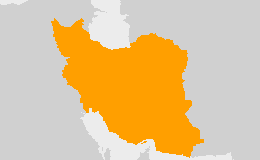
La CSI no tiene ninguna afiliada en Irán.
Irán no ha ratificado ni el Convenio nº 87 sobre la libertad sindical y la protección del derecho de sindicación (1948) ni el Convenio nº 98 sobre el derecho de sindicación y de negociación colectiva (1949).
según la ley
Libertad sindical / Derecho de sindicalización
Libertad sindical
El derecho a la libertad sindical está reconocido por la ley, pero estrictamente regulado.
Discriminación antisindical
La ley no protege específicamente a los trabajadores/as frente a la discriminación antisindical
Restricciones al derecho de los trabajadores y trabajadoras a formar y afiliarse a organizaciones de su elección
- La ley impone un sistema de monopolio sindica y/o un sistema que prohíbe o restringe la sindicalización a ciertos niveles (empresa, industria/sector, regional/territorial, nacional)
- La única organización nacional de trabajadores autorizada es la Casa de los Trabajadores, una entidad creada y respaldada por las autoridades y la patronal. El Código Laboral de 1990 estipula que en todo lugar de trabajo puede establecerse un Consejo Laboral Islámico (Shoraya Eslami) o una sociedad gremial, o bien nombrarse a un representante de los trabajadores (art. 131 del Código Laboral).
- La ley impone restricciones al derecho de los trabajadores/as a afiliarse al sindicato de su elección
- Los Consejos Laborales Islámicos están formados por el Ministerio de Trabajo y Asuntos Sociales, según lo establecido en el artículo 15 de la Ley para la Formación de Consejos Laborales Islámicos (1985). Esta ley estipula que el Ministerio de Trabajo y Asuntos Sociales tiene la obligación de formar Consejos Laborales Islámicos en unidades que dispongan de más de 35 empleados permanentes. Asimismo, el artículo 1 de los Reglamentos para la Elección del Consejo Laboral Islámico (1985) hace explícitamente referencia a los Consejos Laborales Islámicos formados por el Ministerio de Trabajo y Asuntos Sociales.
Restricciones al derecho de los sindicatos a organizar su administración
- Restricciones al derecho a establecer libremente sus propios estatutos y reglamentos
- El Consejo Laboral Supremo determina las reglas sindicales una vez que han sido aprobadas por el Consejo de Ministros (art.131 del Código Laboral, 1990, (nota 5)).
- Restriciones al derecho a elegir representantes y autoadministrarse con plena libertad
- Todos los representantes oficiales de los trabajadores de la República Islámica de Irán ante la Organización Internacional del Trabajo, las Comisiones de Investigación, los Consejos de Resolución de Conflictos, el Consejo Superior de Seguridad Social, el Consejo Superior para la Seguridad Ocupacional y otros organismos similares, según el caso, serán elegidos por el Centro Superior de Consejos Laborales Islámicos, el Centro Superior de las Sociedades Gremiales de Trabajadores o por la asamblea de representantes de los trabajadores (art. 136 del Código Laboral, 1990). Nota 2: A la espera del establecimiento de las organizaciones de trabajadores y de empleadores previstas en este capítulo, el Ministro de Trabajo y Asuntos Sociales seleccionará y nombrará a los susodichos representantes de las asambleas, consejos y centros superiores. En caso de que no exista ninguna organización laboral superior, el Ministro de Trabajo y Asuntos Sociales puede asesorar sobre la elección de los representantes (art. 2 del art. 136 de la Normativa de aplicación para la legislación laboral, 1992). Todo candidato designado por el sindicato superior o la correspondiente asamblea de trabajadores, según el artículo 1 de esta normativa, deberá satisfacer los siguientes criterios: ser ciudadano de la República Islámica de Irán, carecer de antecedentes penales, no haber tenido ninguna experiencia con drogas, tener un mínimo de cinco años de experiencia laboral, ser mayor de 30 años y poseer un diploma de educación secundaria (art. 4 del art. 136 de la Normativa de aplicación para la legislación laboral, 1992). La supervisión del proceso de selección de candidatos requerido por esta normativa, y la aplicación de los criterios de selección de un candidato especificados en el artículo 4, son responsabilidad de un comité compuesto por dos supervisores del sindicato superior o la correspondiente asamblea de trabajadores mencionada en el artículo 1 de esta normativa, y un miembro del Ministerio de Trabajo y Asuntos Sociales (art. 5 del art. 136 de la Normativa de aplicación para la legislación laboral, 1992).
Categorías de trabajadores a quienes la ley prohíbe o restringe la posibilidad de formar o afiliarse a sindicatos, o de ocupar cargos sindicales
- Otras categorías
- Los trabajadores están definidos como personas que trabajan “en un ámbito profesional, a petición de un empleador, a cambio de una remuneración” (art. 2 del Código Laboral, 1990). Esta definición excluye a los trabajadores de la economía informal de determinados derechos garantizados en el Código Laboral. Las empresas con menos de 10 trabajadores también pueden ser excluidas: “Las pequeñas empresas con menos de 10 trabajadores pueden, según lo requieran las circunstancias, quedar temporalmente excluidas de algunas de las disposiciones de este Código. La determinación en cuanto a tales casos excepcionales deberá ser conforme a las normativas propuestas por el Consejo Laboral Supremo y aprobada por el Consejo de Ministros”. Los trabajadores empleados en “lugares de trabajo familiares, donde el trabajo lo desempeña exclusivamente el empleador, su esposa y sus familiares de primer grado de consanguinidad, no están” protegidos por el Código Laboral (art. 188).
- Trabajadores/as de zonas francas industriales (ZFI)
- Los trabajadores y trabajadoras de las zonas francas industriales están excluidos de los derechos garantizados por el Código Laboral. El artículo 5 de la Ley de Administración de las Zonas Francas Industriales y Comerciales estipula que las zonas francas industriales “no entran dentro de la jurisdicción de las leyes y normativas aplicables a las empresas gubernamentales, ni de las normativas gubernamentales; deberán regirse estricta y exclusivamente por las normas y artículos de esta ley específica, y deberán administrar su organización en consecuencia”.
- Trabajadores/as agrícolas
- En el sector agrícola, las actividades relacionadas con el cultivo y la gestión de árboles frutales, plantas diversas, bosques, pastos, parques, la ganadería, la cría de aves y pájaros, la industria de los gusanos de seda, la cría de animales marinos, la apicultura, el cultivo, la cosecha y demás actividades agrícolas, están exentas de determinadas partes del Código, conforme a la propuesta del Consejo Laboral Supremo, y sujetas a la aprobación del Consejo de Ministros (art. 189 del Código Laboral, 1990).
Derecho a la negociación colectiva
Derecho a la negociación colectiva
El derecho a la negociación colectiva está reconocido por la ley, pero no está debidamente fomentado y promovido.
Restricciones respecto al ámbito de aplicación y la efectividad legal de los convenios colectivos negociados
- Se requiere la aprobación de las autoridades respecto a convenios colectivos concluídos libremente
- Para entrar en vigor, los convenios colectivos deben ser aprobados por el Ministerio de Trabajo y Asuntos Sociales, el cual determinará si el convenio cumple con la ley (arts. 140-141 del Código Laboral, 1990,).
Derecho de huelga
Derecho de huelga
Está prohibido hacer huelga.
En la Práctica
Trescientos trabajadores de la mina Chadormalu de mineral de hierro fueron despedidos después de protestar por los bajos salarios y la discriminación salarial de los trabajadores empleados a través de subcontratas.
La mina Chadormalu de mineral de hierro está ubicada en la provincia central de Yazd y emplea a unos 5.000 trabajadores, principalmente a través de una serie de subcontratas independientes. El 25 de enero, 300 trabajadores empleados a través de la subcontrata independiente Bahavand Barad abandonaron sus puestos de trabajo en señal de protesta cuando les iban a renovar los contratos.
Los trabajadores habían estado planeando formar un sindicato para abordar los bajos salarios y un plan injusto de clasificación profesional que discrimina a los trabajadores empleados a través de las subcontratas. Después de que abandonaran sus puestos de trabajo, la subcontrata despidió a los trabajadores. Las protestas en la mina siguen adelante.
Otro grupo de 300 trabajadores empleados a través de la subcontrata Hatami protestó por la clasificación incorrecta de sus trabajos y la discriminación existente entre los trabajadores directos y los subcontratados, lo cual provoca una reducción de sus ingresos si se comparan con los de los trabajadores directos.
Asimismo, protestaban porque los funcionarios del departamento provincial de trabajo estaban favoreciendo y habían tomado partido por el empleador. Los trabajadores llevaban más de 19 meses esperando la clasificación de sus puestos de trabajo. Cuando se aplicó de manera incorrecta, provocó la reducción relativa de sus salarios.
El contenido del plan de clasificación profesional es el mismo para los empleados directos y los subcontratados. Sin embargo, a un empleado directo con las mismas cualificaciones y habilidades le pagan entre un 10 y un 15% más que a un trabajador empleado mediante una subcontrata por realizar el mismo trabajo.
En el pasado, la mina se ha enfrentado a varios conflictos laborales, con 20 mineros en huelga detenidos en 2014.
El 27 de diciembre de 2019, un miembro de la Workers’ Rights Defenders Association (WRDA) fue citado para que compareciera ante un tribunal, donde le ordenaron que cesara sus actividades. El miembro de la WRDA respondió denunciando la presión del Estado y declarando que hablaría con los medios de comunicación si seguían acosándole.
Al día siguiente le atropelló un automóvil y tuvo que ser ingresado en un hospital. Sus lesiones eran sumamente graves y tuvo que someterse a numerosas cirugías y tratamientos con prótesis. Sobrevivió tras una serie de cirugías como las de aplicación de prótesis.
Varios días después, cuando todavía estaba ingresado en el hospital, un hombre no identificado entró a su habitación y le amenazó: “Esta vez solo te atropellaron por tu entrevista, pero a la próxima acabarás peor que en un hospital”.
El Primero de Mayo, las fuerzas del gobierno detuvieron a 38 personas después de que un gran grupo de trabajadores, maestros, estudiantes y jubilados se manifestaran en el exterior del parlamento del régimen iraní como parte de la marcha del Primero de Mayo.
Hassan Saidi, uno de los detenidos el Primero de Mayo de 2019 y miembro del sindicato Vahed de la empresa de autobuses de Teherán y suburbios, fue condenado en un juzgado de primera instancia a cinco años de prisión y a la prohibición de usar redes sociales o teléfonos inteligentes durante dos años. En diciembre de 2019, el tribunal de apelaciones ratificó la condena.
Esmail Bakshi, un activista del sindicato de trabajadores azucareros Haft Tappeh, fue detenido en la noche del 20 de enero de 2019 por fuerzas de seguridad desconocidas, tan solo un mes después de haber sido liberado de una detención anterior llevada a cabo en diciembre. Esmail Bakhshi estuvo detenido del 18 de noviembre al 12 de diciembre de 2018 por haber desempeñado un papel de liderazgo en la huelga del sindicato de trabajadores azucareros Haft Tappeh. En prisión, las fuerzas de seguridad del régimen le torturaron, un hecho desmentido por el gobierno iraní.
Bakhshi había publicado una carta en la que relataba las torturas a las que le sometieron cuando estuvo detenido por primera vez. Dicha carta ha motivado a numerosas víctimas de Irán a dar un paso al frente y alzar la voz para relatar las torturas que sufrieron en prisión.
El 19 de enero, las fuerzas de seguridad también detuvieron a Sepideh Gholian y a su hermano Mehdi Gholian. Sepideh Gholian es una periodista y activista estudiantil a la que detuvieron por primera vez junto a Bakhshi y otros trabajadores azucareros en las protestas del año pasado para exigir sus salarios impagos y unas mejores condiciones laborales. La detención de Bakhshi y Gholian constituye uno más de los intentos del gobierno iraní de silenciar a los manifestantes en el país y de impedir que los prisioneros liberados denuncien las condiciones de las prisiones y las terribles torturas a las que son sometidos.
Esmail Bakhshi fue liberado el 30 de octubre de 2019. Sepideh Gholian pudo salir de la cárcel el 4 de diciembre de 2019 tras pagar una fianza de casi 50.000 USD.
Después de haber sido incapaz de celebrar elecciones durante más de quince años, el Sindicato de Trabajadores de la Empresa de Autobuses de Teherán y Suburbios finalmente pudo hacerlo en noviembre de 2018 para formar un sindicato en el lugar de trabajo a petición de los trabajadores.
Por consiguiente, el 13 de noviembre de 2018 enviaron una carta al Ministerio de Trabajo para dar a conocer el resultado de las elecciones y solicitar el registro del sindicato. Sin embargo, después de más de un año, el 30 de octubre de 2019 las autoridades iraníes se negaron a reconocer al sindicato como agente negociador representativo en la empresa y les denegaron su solicitud de registro.
El 16 de septiembre de 2019, las fuerzas especiales de seguridad lesionaron a alrededor de 20 trabajadores y detuvieron a otros 40 en el Complejo Industrial de HEPCO en la ciudad de Arak, situada 281 kilómetros al oeste de Teherán, la capital.
HEPCO, que produce equipos de construcción de carreteras para Irán y otros países de Oriente Medio y que fue fundada antes de la Revolución Islámica, se privatizó en 2017. Los activistas de los derechos laborales aseguran que los problemas para los trabajadores surgieron inmediatamente después de la privatización. Los nuevos propietarios empezaron a retrasar el pago de los salarios y a gestionar mal el complejo. Los trabajadores habían estado protestando durante todo septiembre y casi 900 empleados se estaban manifestando el 16 de septiembre cuando se llevaron a cabo las detenciones.
Los trabajadores han instado al gobierno en numerosas ocasiones a que devuelva la propiedad de HEPCO al sector público. Los trabajadores de muchas otras fábricas privatizadas de todo el país también se han unido a sus colegas en Arak e insisten en que sus condiciones laborales han empeorado después de la privatización de sus empresas. Además, parece que la plantilla se ha reducido de 8.000 a 1.000 trabajadores desde que se llevó a cabo la privatización. Las protestas continuaron el 22 de septiembre de 2019. Aproximadamente 30 de los detenidos fueron liberados durante las dos semanas siguientes; sin embargo, seis trabajadores permanecieron detenidos hasta el 28 de octubre de 2019.
En otro incidente similar en Arak, 21 trabajadores de AzarAb, una empresa que construye centrales eléctricas, plantas petroquímicas y refinerías de petróleo, gas y azúcar, fueron detenidos cuando se manifestaban contra la privatización.
El 17 de junio de 2019, los trabajadores de la azucarera Haft Tappeh publicaron los nombres de 100 personas que habían apoyado su causa y habían sido procesadas o perseguidas por ello. Entre ellos, un total de 31 trabajadores fueron detenidos durante las protestas en Haft Tappeh por la privatización mediatizada de la empresa por parte del Estado y el tema de los salarios y prestaciones pendientes. Asimismo, nueve activistas sindicales fueron detenidos por apoyar las protestas en Haft Tappeh. Otros sesenta trabajadores fueron detenidos en los últimos meses. Además, las fuerzas de seguridad amenazaron por teléfono a los trabajadores.
El 23 de septiembre de 2019, los empleados de la azucarera Haft Tappeh iniciaron una nueva ronda de manifestaciones y huelgas para protestar por el despido arbitrario de más de veinte trabajadores. Las fuerzas de seguridad amenazaron por teléfono a varios de ellos, citaron a algunos para que acudieran a las comisarías y detuvieron a tres. Asimismo, en octubre detuvieron a catorce trabajadores por haber participado en las protestas. Varios días después, todos ellos fueron liberados bajo fianza.
Catorce empleados de la azucarera Haft Tappeh fueron detenidos el 6 de octubre de 2019, el decimocuarto día de una huelga organizada para protestar por el despido de 150 trabajadores, así como para exigir el pago de los salarios impagos y la liberación de su colega Esmail Bakhshi que sigue en prisión.
Según la Workers’ Rights Defenders Association (WRDA), en 2019 se organizaron numerosas huelgas en Irán por los salarios y las prestaciones pendientes. Debido al contexto internacional y a la presión que ejerce sobre la sociedad iraní, se calcula que alrededor de 1.262 empresas se enfrentan a problemas financieros en el país, mientras que 1.093 empresas han pagado a sus trabajadores con importantes retrasos o todavía no les han pagado después de varios meses. En 31 provincias hay empresas con pagos retrasados. En total, 130.413 trabajadores de todo el país no han recibido sus salarios durante más de un mes. El desglose por provincias revela que Teherán encabeza la lista con 17.271 trabajadores de 30 empresas que no han recibido sus salarios.
Asimismo, la WRDA publicó que se organizaron más de 1.000 huelgas, sentadas, bloqueos de carreteras y paros laborales en diversos sectores. Las autoridades enviaron a las fuerzas armadas para reprimir estas protestas, a menudo violentamente.
El 6 de julio de 2019, Farzana Zilabi, una abogada que representa a Nejati y Bakhshi, dos defensores históricos de los derechos de los trabajadores, anunció que sus causas se habían remitido a los Tribunales Revolucionarios de Teherán. Según Zilabi, Nejati fue acusado de “reunión y colusión para cometer delitos contra la seguridad nacional” y de “propaganda contra el Estado”. Entre las acusaciones contra Esmail Bakhshi se encontraban la “reunión y colusión para cometer delitos contra la seguridad nacional”, “la comisión de delitos contra la seguridad nacional mendiante propaganda”, “insultar al líder supremo”, “difundir mentiras para perturbar a la opinión pública«y»alterar el orden público al asistir a reuniones ilegales”.
El 17 de junio de 2019, cuatro trabajadores de Karun Cement (Farshad Khodadadian, Khorram Aghabigi, Peyman Soleimani y Amin Hatami) fueron citados para que comparecieran ante las autoridades judiciales. Hace más de tres años se inició una causa contra dichos trabajadores después de que el director de la fábrica tramitara una denuncia contra ellos por haber participado en las protestas organizadas por los trabajadores de la fábrica. Les acusaron de «perturbar el orden social» y «participar en reuniones ilegales».
El 9 de noviembre, más de 4.000 trabajadores del conglomerado industrial Iran National Steel Industrial Group de Ahvaz (provincia de Juzestán) se declararon en huelga para exigir el pago de sus salarios y prestaciones atrasados, unas mejores condiciones laborales y, tras la detención de sus camaradas, la liberación inmediata e incondicional de los activistas de los derechos de los trabajadores.
Fuerzas gubernamentales detuvieron a más de 40 trabajadores a lo largo de dos días consecutivos de redadas en los hogares de los huelguistas del complejo siderúrgico de Ahvaz. El lunes 17 de diciembre de 2018 detuvieron a 31 trabajadores a alrededor de las 2 de la madrugada. Al día siguiente, el 18 de diciembre, al menos otros diez trabajadores fueron detenidos. Según el sindicato Free Labour Union (FLU), una organización proscrita por el gobierno iraní, los 41 trabajadores detenidos han sido trasladados a la prisión de Sheiban en Ahvaz.
La huelga de los trabajadores siderúrgicos se inició poco después de otra huelga de los trabajadores de la azucarera Haft Tapeh en la cercana Shush. Los huelguistas exigen el pago de los salarios atrasados y acusan de actividades delictivas a los nuevos dueños particulares.
Mohammad Ali Jedari Foroughi, abogado de varios de los trabajadores detenidos del Iran National Steel Industrial Group, declaró que 35 ya habían sido liberados bajo fianza, pero que siete trabajadores siguen detenidos y algunos no han tenido acceso a un abogado.
El representante político y social del gobernador de Juzestán insinuó que los trabajadores siderúrgicos en huelga de Ahvaz habían violado la ley al participar en la huelga. Sin embargo, los representantes sindicales sostienen que las demandas de los trabajadores del Iran National Steel Industrial Group en Ahvaz son todas legales y legítimas y están relacionadas con el ámbito laboral.
Varios miembros del Parlamento de Irán han condenado las detenciones por ser actos inconstitucionales de la fuerza pública. Dichas detenciones constituyen una clara violación de las normas laborales internacionales relacionadas con el derecho a la libertad sindical y el derecho a la huelga.
El ex vicepresidente y activista jubilado del sindicato de conductores de autobuses de Teherán Ebrahim Madadi perdió su recurso de apelación contra las condenas de cinco años y tres meses de prisión que le impusieron por participar en actividades sindicales pacíficas. El 29 de abril de 2015, las fuerzas de inteligencia detuvieron a Ebrahim Madadi y Davood Razavi (miembro de la junta directiva del mismo sindicato) en sus hogares al mismo tiempo, por sus actividades sindicales legítimas. Madadi todavía no ha empezado a cumplir su condena, pero no puede salir del país ni participar en ninguna actividad del sindicato.
El 18 de noviembre, Esmail Bakhshi, un prominente activista sindical y miembro del sindicato de trabajadores de la azucarera Haft Tapeh, fue detenido en Shush durante la décimocuarta jornada consecutiva de protestas laborales en una azucarera local, junto a más de una docena de activistas sindicales y trabajadores. Varios días después, todos fueron liberados excepto Bakhshi, que estuvo detenido hasta el 12 de diciembre junto a Sepideh Qelian, una fotógrafa que había sido detenida con él. Tanto Bakhshi como Qelian fueron agredidos física y verbalmente y torturados durante su detención. Bakhshi fue hospitalizado a finales de noviembre, aunque los portavoces del gobierno han negado estas acusaciones.
El 29 de noviembre de 2018 fue detenido Ali Nejati, un prominente sindicalista iraní jubilado y miembro del sindicato de trabajadores de la azucarera Haft Tapeh. Su abogada, Farzaneh Zilabi, declaró que su cliente había sido acusado de “alteración del orden público”, “connivencia y colusión contra la seguridad nacional” y “cooperación en la creación de un grupo que pretendía alterar la paz y la seguridad”.
Según el sindicato, las fuerzas de seguridad irrumpieron en el domicilio de Nejati sin presentar ninguna orden judicial y le detuvieron por la fuerza. Todavía sigue en la prisión de Ahwaz. Según informó el sindicato, el 13 de diciembre le trasladaron a un hospital después de haberle “presionado duramente durante el interrogatorio”. Su abogada asegura que su detención se debe a las afirmaciones de que representa una amenaza para la seguridad nacional y a una condena anterior de un año que no cumplió relacionada con su activismo sindical.
El 23 de octubre de 2018, el Cuerpo de la Guardia Revolucionaria Islámica detuvo en su hogar de la ciudad de Mashad a Hashem Khastar, un profesor jubilado y activista sindical del Coordinating Council of Teachers Syndicate of Iran (CCTSI), a quien envió en ambulancia a un centro de atención psiquiátrica, a pesar de no haber sufrido nunca ningún problema de salud mental. Después de 14 días, los funcionarios del servicio de inteligencia negociaron con la esposa del Sr. Khastar y le liberaron.
El 3 de diciembre de 2018, Asghar Firouzi, de 70 años y miembro fundador de la Asociación de Defensores de los Derechos de los Trabajadores (WARDA), fue detenido en presencia de sus colegas en su biblioteca ubicada en las afueras de la ciudad de Mashhad, capital de la provincia de Jorasán Razavi. 12 días después fue liberado. Las autoridades se presentaron en las bibliotecas de los trabajadores (Instituto de Investigaciones Pouya) y confiscaron todos los libros. El instituto cuenta con más de 60 bibliotecas en diferentes ciudades y pueblos de la provincia de Jorasán. El gobierno acusó al instituto de “acaparamiento de libros”.
El 20 de mayo de 2018, las fuerzas de seguridad del Estado cargaron contra una manifestación pacífica organizada por la Iranian Teachers’ Trade Association (ITTA) de Teherán, procediendo a la detención de 14 manifestantes. En dicha protesta fue detenido Mohammed Habibi, miembro de la junta directiva de la ITTA, quien permaneció bajo custodia policial después de que los otros 13 manifestantes fueran liberados. Habibi se encontraba en libertad bajo fianza por una detención anterior acaecida en marzo de 2018, tras la que había pasado un mes en prisión. Los informes disponibles indican que Habibi está detenido en “condiciones de una dureza extrema” y que, a pesar de las lesiones graves provocadas por las palizas que le propinaron durante su detención, todavía no le han trasladado a un hospital. El 4 de agosto, el Tribunal Revolucionario Islámico Iraní condenó a Mohammad Habibi a 74 latigazos y a diez años y medio de prisión. Asimismo, le prohibieron viajar y llevar a cabo cualquier actividad social o política durante otros dos años.
El 14 y 15 de octubre de 2018, los docentes participaron en otras huelgas nacionales organizadas por el Coordinating Council of Iranian Teachers Trade Associations (CCITTA) para protestar por la represión de sus derechos a la libertad sindical y por la constante detención de sus líderes sindicales.
A lo largo de todo el año, los huelguistas han tenido que hacer frente a las represalias e intimidaciones generalizadas perpetradas por las autoridades. El 11 de octubre, el miembro de la ITTA Abbas Vahedian fue detenido en su hogar de Mashhad por agentes de seguridad que allanaron su domicilio y se lo llevaron por la fuerza. Todavía no se sabe nada de su paradero. El 13 de octubre fue detenido el director de la secretaría de la ITTA, Mohammad Reza Ramezanzadeh. El 17 de octubre, el miembro de la ITTA Mohammad Saleh Shokri fue detenido por agentes del Ministerio de Inteligencia en Saqqez. Todavía no le han acusado de nada y le están denegando el acceso a un abogado y las visitas de sus familiares. El 23 de octubre, Hashem Khastar, presidente del Sindicato de Docentes de Mashhad, desapareció después de publicar una carta en las redes sociales en la que elogiaba a los docentes en huelga. Poco después, Khastar fue localizado: se encontraba bajo arresto en un centro psiquiátrico y le estaban sometiendo a un tratamiento forzoso por órdenes del fiscal de Mashhad, Gholamali Sadeghi. Fue liberado el 10 de noviembre tras una protesta pública.
En mayo de 2018, 15 empleados de la empresa Heavy Equipment Production Company (HEPCO) fueron detenidos por participar en una huelga contra los salarios atrasados, el deterioro de la seguridad en el trabajo y la incertidumbre sobre si se continuará con la producción. Desde mayo de 2018, cientos de trabajadores de la fábrica de HEPCO participaron en al menos dos huelgas para exigir el pago de los salarios atrasados desde hacía meses. En octubre de 2018, el Tribunal Penal de Arak condenó a todos los trabajadores a entre uno y dos años y medio de prisión y a 74 latigazos por ‘alteración del orden público’ e ‘instigar por internet a los trabajadores a manifestarse y sublevarse’.
HEPCO, un lucrativo complejo industrial fundado antes de la Revolución Islámica, fue privatizado el año pasado. Los activistas de los derechos laborales aseguran que inmediatamente después de la privatización, los nuevos dueños particulares despidieron a miles de trabajadores y muchos empleados perdieron sus seguros médicos y sus prestaciones de jubilación.
Las anteriores protestas de los trabajadores en la fábrica de HEPCO se reprimieron con violencia. Según la información recopilada en los medios de comunicación y las publicaciones de las redes sociales, el 19 de septiembre de 2017, la policía antidisturbios atacó HEPCO y Azarab, otro complejo industrial recientemente privatizado en Arak, y detuvo a varios manifestantes. Algunos de los antidisturbios pasaron entre los manifestantes en motocicletas disparando gases lacrimógenos y golpeándoles con porras.
En septiembre y octubre de 2018, los camioneros organizaron huelgas nacionales para protestar por los bajos salarios, las malas condiciones de vida y el impago de varios meses de salarios por parte del empleador. Más de 250 trabajadores fueron detenidos durante las huelgas en 19 provincias diferentes, lo cual constituye una grave violación de las normas laborales internacionales que protegen el derecho a la huelga. A continuación, varios miembros del poder judicial hicieron declaraciones en las que exigían duras condenas para los huelguistas y, en algunos casos, que fueran condenados a muerte. El 27 de septiembre, el Fiscal General de Irán, Mohammad Jafar Montazeri, declaró que los huelguistas debían considerarse delincuentes y ser condenados a la pena de muerte debido a la amenaza que representaban para la seguridad nacional. En Zarand, el fiscal Mehdi Qawidel tildó a los detenidos de “oportunistas y especuladores” indicando que su huelga constituía una “provocación planeada por gobiernos extranjeros hostiles”. Asimismo, Qawidel declaró que debían ser tratados como delincuentes y que merecían la horca. El 8 de octubre, un tribunal de la provincia de Qazvin recomendó la pena de muerte para 17 de los huelguistas. Según parece, más de 260 camioneros siguen detenidos.
Reza Shahabi, miembro del Consejo Ejecutivo del Sindicato de Trabajadores/as de la Empresa de Autobuses de Teherán y Suburbios (Sindicato Vahed), que desde 2010 ha entrado y salido varias veces de la cárcel, fue de nuevo encarcelado el 9 de agosto. Shahabi decidió emprender una huelga de hambre, como consecuencia de la cual su salud se deterioró rápidamente hasta el punto de que varias organizaciones internacionales de derechos humanos, así como la Confederación Sindical Internacional (CSI), publicaron diversas declaraciones para reclamar su puesta en libertad incondicional. En septiembre se organizó además una manifestación delante del Parlamento iraní para exigir su libertad, pero la policía dispersó a los manifestantes a la fuerza. Shahabi reclama la revocación de su condena de 986 días de cárcel y ha prometido emprender otra huelga de hambre si no se satisfacen sus demandas. El 27 de septiembre, Reza Shahabi puso condicionalmente fin a su huelga de hambre después de que un “alto funcionario de seguridad” prometiera examinar sus peticiones. El 13 de diciembre sufrió un primer derrame cerebral, pero no fue llevado al hospital hasta dos días más tarde. Según los medios de comunicación locales, el 23 de diciembre Shahabi sufrió presuntamente un segundo derrame cerebral.
Recientemente, tanto en Irán como en el exterior del país, se han venido produciendo crecientes protestas para reclamar la libertad de Reza Shahabi. El 26 de diciembre se organizó un mitin de protesta delante del Ministerio de Trabajo en Teherán, con el objetivo de abordar la alarmante situación y el deterioro del estado de salud de Reza Shahabi. El mitin fue brutalmente reprimido por las fuerzas de seguridad, y supuestamente 40 personas, en su mayoría mujeres, fueron arrestadas, incluida la esposa de Reza Shahabi.
Los trabajadores de HEPCO, un fabricante iraní de maquinaria pesada para obras de construcción en Arak, emprendieron una huelga a principios de diciembre en protesta por el impago de sus salarios. El 19 de septiembre de 2017, los trabajadores ya habían organizado una manifestación en Arak por las mismas razones. La policía antidisturbios había atacado a los trabajadores en huelga, hiriendo a muchos manifestantes y arrestando a decenas de ellos.
En diciembre, ante la inacción del empleador, los trabajadores de HEPCO volvieron a salir a la calle para manifestarse. Una veintena de trabajadores de la construcción en huelga fueron posteriormente convocados por las autoridades judiciales y acusados de “perturbar la paz y el orden y participar en asambleas ilegales”.
La Diputación Provincial le dio supuestamente a HEPCO un plazo de un mes para liquidar todos los salarios pendientes, y solicitó a los trabajadores que retomaran su trabajo. De conformidad con la resolución, los trabajadores regresaron al trabajo, pero ahora se tienen que enfrentar a fuertes represalias por parte del empleador y se sienten constantemente estresados. Diversos informes señalan que los trabajadores están vigilados en todas sus actividades en las redes sociales.
Los sindicalistas Ebrahim Madadi y Davood Razavi siguen estando acosados. El 4 de noviembre de 2017, Davood Razavi, miembro del comité de dirección del sindicato de chóferes de autobús de Teherán, compareció ante el Tribunal de Apelaciones del Tribunal Revolucionario Islámico sin la presencia de su abogado. El 3 de diciembre de 2017, Ebrahim Madadi, miembro y vicepresidente del comité de dirección del Sindicato de Trabajadores/as de la Empresa de Autobuses de Teherán y Suburbios (Sindicato Vahed), fue citado a comparecer ante la Sección 36 del Tribunal de Apelaciones del Tribunal Revolucionario Islámico. Ebrahim Madadi y Davood Razavi fueron arrestados por los servicios de inteligencia en sus domicilios al mismo tiempo, el 29 de abril de 2015, a causa de sus actividades sindicales legítimas.
El activista sindical Mahmoud Salehi, que ha estado entrando y saliendo de la cárcel durante los últimos 30 años, fue encarcelado de nuevo el 28 de octubre. El 3 de noviembre Salehi sufrió un ataque al corazón y fue hospitalizado. No obstante, lo escandaloso del caso es que el 11 de noviembre fue trasladado de vuelta a la cárcel a pesar de padecer insuficiencia cardíaca grave y de haber perdido completamente la función renal durante el tiempo que permaneció en la cárcel. Salehi tiene que someterse dos veces por semana a una diálisis renal en el hospital. La vida de Salehi corre grave peligro si permanece en la cárcel.
El 1 de noviembre, las fuerzas de seguridad se presentaron en el domicilio de Alireza Saghafi para arrestarle, tras haber sido condenado a tres años de cárcel por organizar en 2009 una asamblea en el Laleh Park para celebrar el Primero de Mayo. Cerca de 150 trabajadores y activistas sindicales fueron arrestados el 1 de mayo de 2009. En el veredicto se le acusaba de haber participado en una asamblea en el cementerio de Khavaran para conmemorar la masacre de 1988 junto con las familias de las personas desaparecidas. Saghafi es presidente de la Asociación de Defensores de los Derechos de los Trabajadores y es también miembro de la Asociación de Escritores Iraníes.
Las autoridades judiciales iraníes han denegado la solicitud de revisión de la larga pena de cárcel que se le impuso a Esmail Abdi, ex secretario general de la Asociación Sindical de Docentes Iraníes (ITTA), la organización de docentes más importante del país. Abdi, profesor de matemáticas de enseñanza secundaria, de 44 años, ha estado cumpliendo desde noviembre de 2016 una pena de seis años de cárcel por su activismo pacífico en apoyo a los derechos del trabajo. Abdi fue arrestado el 27 de junio de 2015 por los servicios de inteligencia del Cuerpo de la Guardia Revolucionaria Islámica, una semana después de que se le prohibiera abandonar Irán para asistir a una conferencia internacional de docentes en Canadá. En febrero de 2016, el juez Abolqasem Salavati, del Tribunal Revolucionario, le condenó a seis años de cárcel por “propaganda contra el Estado” y “colusión contra la seguridad nacional”. El veredicto fue ratificado en apelación.
El 16 de junio de 2016 Abdi puso fin a una huelga de hambre que había comenzado hacía más de 30 días una vez que las autoridades judiciales accedieron a considerar la revisión de su sentencia. En una carta del 30 de abril de 2017, Abdi anunció su intención de emprender una segunda huelga de hambre hasta que su causa se investigara fuera del aparato de seguridad del Estado.
El 5 de octubre, el activista sindical Mohammad Jarrahi murió como consecuencia de un cáncer de tiroide sin haber recibido ninguna atención médica mientras permanecía detenido como preso político en la cárcel de Tabriz de Irán. Jarrahi, que trabajaba como pintor de la construcción, fue inicialmente arrestado en 2008 en Tabriz, en el noroeste de Irán, y acusado de difundir “propaganda contra el Estado” por repartir folletos sindicales. Se le condenó a un año de cárcel, pero la sentencia fue suspendida debido a un seguimiento incorrecto de los procedimientos judiciales. En mayo de 2011 fue nuevamente arrestado en Tabriz junto con otro activista sindical, Shahrokh Zamani, que murió de un ataque al corazón en septiembre de 2015 tras habérsele denegado atención médica en la cárcel de Rajaee Shahr. Los dos habían sido condenados a cinco años de cárcel por distribuir boletines del movimiento sindical y por hacer campaña para la creación de organizaciones independientes de trabajadores.
El 12 de septiembre de 2017, Mahmoud Beheshti-Langroudi, exportavoz de la Asociación Sindical de Docentes Iraníes (ITTA), fue trasladado a la cárcel de Evin, en Teherán, para cumplir las penas que se le impusieron por haber defendido pacíficamente los derechos del trabajo. El defensor de los derechos de los docentes encarcelado ha prometido seguir con su huelga de hambre hasta que su condena conjunta de 14 años de cárcel sea examinada en un juicio público.
Durante los últimos diez años, el Tribunal Revolucionario de Teherán ha condenado a este activista de 57 años a diversas penas de cárcel en tres ocasiones: Beheshti-Langroudi fue primero condenado a cuatro años de cárcel en 2007 por asistir a una manifestación junto con miles de trabajadores que reclamaban mejores condiciones de empleo; después, en 2010, fue condenado a cinco años de cárcel por manifestarse contra el abuso de los derechos de los docentes en Irán; y, por último, en 2015, fue condenado a otros cinco años de cárcel por participar en un mitin pacífico en favor de los derechos de los docentes. El 6 de septiembre de 2015 fue arrestado para cumplir sus condenas, pero fue puesto en libertad en mayo de 2016 tras llevar a cabo una huelga de hambre de 22 días.
Trece trabajadores de la empresa azucarera Haft Tappeh, una de las más antiguas e importantes empresas agrícolas de Irán, en la provincia de Juzestán, fueron arrestados el 26 de julio por haber reclamado el pago de los salarios y las prestaciones que se les debía desde el mes de abril. Cinco trabajadores fueron puestos en libertad al día siguiente, pero ocho de ellos permanecieron detenidos sin posibilidad de fianza. Según el Sindicato Libre de Trabajadores Iraníes (FWUI), las autoridades judiciales se negaron a revelar el paradero de los trabajadores detenidos y rechazaron las peticiones para que se les otorgara la libertad bajo fianza.
La empresa azucarera Haft Tappeh, que emplea a más de 2.700 trabajadores, comenzó sus operaciones bajo el control del Gobierno iraní en 1961. En marzo de 2016, el anuncio de su venta a dos empresas iraníes privadas suscitó entre los trabajadores preocupaciones por los posibles recortes de plantilla. Desde entonces, los atrasos en el pago de salarios y prestaciones han provocado protestas que han conllevado varios arrestos. El 26 de abril de 2017, seis trabajadores fueron arrestados en la fábrica y citados a comparecer ante un tribunal de Dezful, acusados de “propaganda contra el Estado”. El 25 de mayo de 2017, Ali Nejati, uno de los detenidos y miembro del Consejo del Sindicato de Trabajadores/as de la Empresa Azucarera Haft Tapeh, fue condenado a seis meses de cárcel por el Tribunal Revolucionario de Dezful.
El 8 de junio, aproximadamente 500 de los 4.000 trabajadores de la planta siderúrgica de Ahwaz organizaron una huelga delante de la oficina del gobernador militar para protestar contra la negativa de la empresa de pagar los atrasos salariales de cinco meses y de liquidar definitivamente las reclamaciones de indemnización por terminación de servicio que llevan más de seis años pendientes. Las fuerzas de seguridad dispersaron violentamente a los manifestantes y arrestaron a 50 trabajadores. La empresa, por su parte, decidió reemplazar a los trabajadores en huelga por trabajadores de otras provincias. Los 50 trabajadores arrestados fueron trasladados a paradero desconocido.
Al igual que sucedió en 2016, el 1 de mayo de 2017 las autoridades iraníes solo volvieron a permitir que se llevaran a cabo las celebraciones autorizadas por el Estado en Teherán y en otras dos ciudades más. Los sindicalistas independientes no pudieron conmemorar públicamente el Primero de Mayo, ni siquiera en Teherán, donde los trabajadores participaron no obstante en una asamblea delante del edificio del Parlamento, organizada por el Sindicato Libre de Trabajadores Iraníes (FUIW). Los agentes de policía confiscaron las banderas y las pancartas que reclamaban la puesta en libertad de los sindicalistas encarcelados Esmaeil Abdi y Behnam Ebrahimzadeh, y posteriormente rodearon a los manifestantes y les confiscaron los teléfonos móviles. Más tarde arrestaron a Valeh Zamani, uno de los miembros fundadores del Sindicato de Pintores y Trabajadores de la Construcción de la Provincia de Alborz, que fue puesto en libertad al día siguiente. Además, el Sindicato de Trabajadores/as de la Empresa de Autobuses de Teherán y Suburbios (Sindicato Vahed) organizó el 1 de mayo una celebración en la terminal de autobuses de Azadi, en Teherán. Las fuerzas de seguridad rodearon a los participantes y les filmaron, a modo de acoso, para tener un registro de su participación.
En Sanadaj, la capital provincial de Kurdistán, la policía citó en dos ocasiones, durante la última semana de abril, a Sheys Amani, activista sindical y miembro del Consejo del FUIW, y le notificó la denegación de la solicitud presentada por el sindicato para organizar una manifestación independiente el 1 de mayo. De igual modo, Fars Gui’lian, otro activista sindical de Sanandaj, fue citado el 27 de abril y se le advirtió de que no participara en “asambleas oficiosas el 1 de mayo”. Khaled Hosseini, miembro del Comité de Coordinación para Ayudar a Formar Organizaciones de Trabajadores (CCHFWO), fue citado el 25 de marzo e interrogado durante varias horas sobre los planes del sindicato para el Primero de Mayo. El 1 de mayo, los participantes de una manifestación organizada en Sanadaj por el FUIW, el CCHFWO y la Asociación de Panaderos de Sanandaj fueron rodeados y acosados por agentes de la policía.
El marco legal vigente en Irán limita considerablemente las actividades de los sindicatos independiente dentro y fuera de las empresas. De hecho, el movimiento sindical libre e independiente iraní sigue defendiendo los derechos fundamentales en el trabajo, pese a tener que hacer frente a actos habituales de represión, encarcelamientos, ejecuciones y asesinatos extra judiciales. Pese al reconocimiento teórico de la libertad sindical, no pueden establecerse ni operar sindicatos independientes dentro de las empresas, donde únicamente están autorizados los sindicatos propuestos por la Casa de los Trabajadores de la República Islámica de Irán, en un contexto socio-político donde si se sospecha que los trabajadores están afiliados a sindicatos independientes suelen ser despedidos y arrestados. Cualquier tipo de acción colectiva es violentamente reprimida y las huelgas son impedidas por las fuerzas de seguridad, la policía antidisturbios y los militares. El Gobierno patrocina los Consejos Laborales Islámicos, favorables al régimen, organizaciones tripartitas que incluyen a representantes de trabajadores y empleadores y delegados gubernamentales. Estos Consejos gestionan de manera centralizada el sistema de relaciones laborales, funcionando prácticamente como instrumentos del Estado en los centros de trabajo. Por tal motivo son muy impopulares entre el movimiento sindical iraní y se encuentran con la fuerte oposición de los sindicatos independientes.
La firma del Plan de Acción Conjunto y Completo –también conocido como el acuerdo nuclear iraní– en julio de 2015 supondría un nuevo desafío para los trabajadores iraníes: para atraer capital extranjero, se liberalizaría aun más el mercado de trabajo, debilitando las protecciones y garantías acordadas por la legislación laboral.
Varios trabajadores fueron encarcelados en Irán durante el mes de octubre de 2016. Podemos citar entre otros:
• El 7 de octubre, se ratificó la sentencia dictada contra Esmail Abdi, secretario general de la Asociación Sindical de Docentes Iraníes (ITTA), condenado a seis años de prisión por “reunión y conspiración con la intención de vulnerar la seguridad nacional”.
• El 15 de octubre, Jafar Azimzadeh, presidente del Sindicato Libre de Trabajadores Iraníes y Shapour Ehsanirad fueron condenados a 11 años de prisión cada uno por el delito de “establecer sindicatos y distribuir propaganda contra el régimen”.
De estos dos últimos activistas, Azimzadeh había sido ya condenado en 2014 a seis años de prisión además de prohibirle cualquier publicación en los medios de comunicación y censurar su acceso a Internet.
La represión antisindical en Irán se ha endurecido cada vez más en los últimos años. En mayo de 2016, 16 trabajadores de la mina de oro Agh Dareh, en la localidad noroccidental de Tikaab, fueron azotados públicamente por haber protestado contra el despido de 350 de sus compañeros. Cada uno de los mineros recibió entre 30 y 99 latigazos, después de que su empleador presentase una reclamación contra la acción colectiva y los servicios de seguridad se encargaron de ejecutar la sentencia.
Desgraciadamente, la práctica de azotar a los trabajadores que protestan parece ser habitual en el país: otro caso similar tendría lugar en la mina de hierro de Bafgh en 2014.
Esmail Abdi, Secretario General de la Asociación Sindical de Docentes Iraníes (ITTA-Teherán), fue condenado a seis años de prisión por la sala 15 del Tribunal Revolucionario Islámico, presidida por el célebre juez Salavati. El veredicto se anunció el 22 de febrero de 2016, después de un juicio iniciado el 31 de enero. Entre los cargos que se le imputaban se encontraban la «reunión y conspiración con la intención de vulnerar el orden público» y la «difusión de propaganda contra el sistema». Según su sindicato, los verdaderos motivos de su detención y encarcelamiento fueron su activismo sindical como secretario general de la ITTA (Teherán) y el prominente papel que desempeñó en las protestas de los docentes.
El 7 de marzo de 2016, Mahmoud Beheshti Langroodi, portavoz de la ITTA, y Mohammad Reza Niknejad y Mehdi Bohlooli, antiguos consejeros de la ITTA (Teherán), fueron condenados por el Tribunal Revolucionario Islámico en Teherán. Cada uno fue condenado a cinco años de prisión por el tribunal de primera instancia, cuya resolución puede ser revisada en el tribunal de apelaciones. Mahmoud Beheshti Langroodi ya estaba cumpliendo una condena de prisión de nueve años dictada por el juez Salavati en un juicio que solo duró varios minutos. Tras su detención el 31 de agosto, Mohammad Reza Niknejad y Mehdi Bohlooli habían sido liberados el 29 de septiembre de 2015 bajo una fianza de 300 millones de tomanes.
El 26 de enero de 2016, veinte trabajadores del Complejo de Minas de Cobre Khatoonabad en Kerman fueron detenidos por participar en protestas. Las detenciones se llevaron a cabo después de que los trabajadores se congregaran para protestar por el impago de salarios y el despido de 130 trabajadores con contrato de obra, tras una serie de pruebas que se anunciaron en septiembre de 2015. El 13 de febrero de 2015, la mayoría de los detenidos fueron puestos en libertad bajo fianza.
El 2 de octubre, Hatam Samadi del Comité de Coordinación para la Creación de Organizaciones Sindicales fue detenido por agentes de paisano y trasladado a un lugar desconocido. La Oficina de Inteligencia de Sanandaj informó a su familia de la detención. El comité se creó para ayudar a los trabajadores/as iraníes a luchar por sus derechos.
El 16 de septiembre, Mahmoud Salehi, miembro fundador del Sindicato de Trabajadores de Panaderías de la ciudad de Saqez (provincia de Kurdistán) que lleva los últimos 20 años entrando y saliendo de prisión, fue condenado a otros nueve años de cárcel. Estaba fuera de prisión bajo fianza después de su última detención el 28 de abril. Durante su anterior período en la cárcel perdió un riñón y se temía que si regresaba a prisión moriría.
Behnam Ebrahimzadeh, miembro del Comité para Fomentar la Creación de Organizaciones de Trabajadores/as y defensor de los derechos de los niños, fue condenado a otros 7 años, 9 meses y 15 días que se sumaron a las condenas anteriores. Ebrahimzadeh lleva en prisión desde junio de 2010, cuando le condenaron a cinco años por “reunión y conspiración con la intención de vulnerar la seguridad del Estado”. También se encuentra en muy mal estado de salud.
El 15 de septiembre de 2015 fue detenido Ali Nejati, jubilado y antiguo presidente del Sindicato de Trabajadores/as de la Empresa Azucarera Haft Tapeh. Su residencia fue registrada y sus objetos personales, incluidos su ordenador y sus notas, fueron confiscados por agentes del servicio de inteligencia. El señor Nejati ya había sido encarcelado en varias ocasiones por sus actividades sindicales. En esta ocasión le acusaron de “difundir propaganda contra el sistema”. Su familia y amigos estaban preocupados, pues no sabían dónde estaba, sufría de problemas cardíacos a largo plazo y dependía de su medicación. El 18 de octubre fue liberado bajo fianza.
En septiembre, Rasoul Bodaghi, consejero de la Asociación Sindical de Docentes Iraníes (ITTA), fue condenado a tres años más de prisión, tras haber cumplido ya los cinco años de privación de libertad a los que le condenaron en el juicio del 3 de agosto de 2010. En un principio, en 2010 le condenaron a seis años de prisión y le prohibieron participar en actividades sociales y culturales durante cinco años, acusado de difundir “propaganda contra el Estado” y de “reunión y conspiración con la intención de vulnerar la seguridad nacional”.
El 13 de septiembre de 2015, Shahrokh Zamani, miembro del Consejo Fundador del Sindicato de Pintores de Teherán y del Comité para Fomentar la Creación de Organizaciones de Trabajadores/as, fue hallado muerto en la prisión de Gohardasht (Rajai Shahr) en Karaj.
Shahrokh Zamani fue detenido en junio de 2011 y condenado a 11 años de prisión por el delito de “difundir propaganda contra el régimen y formar grupos socialistas” y “poner en peligro la seguridad nacional”. Era un líder sindical activo que organizaba a los trabajadores/as y defendía sus derechos.
El compañero de celda de Shahrokh encontró su cuerpo sin vida con sangre en la boca y la nariz, cuando intentó despertarle por la mañana. Las autoridades alegan que su muerte se debió a causas naturales.
Según su hija, el señor Zamani no tenía ningún problema de salud antes de entrar a la cárcel, pero se fue enfermando cada vez más como resultado de los malos tratos. Después de un año encarcelado, Shahrokh Zamani escribió una carta a organizaciones sindicales y de derechos humanos en la que describía las torturas físicas y psíquicas a las que le sometían. Asimismo, manifestó su preocupación por la posibilidad de que su vida y la de otros prisioneros políticos corrieran peligro. También llevó a cabo varias huelgas de hambre para protestar por los malos tratos. A pesar de sufrir pérdidas esporádicas de conciencia debido a los malos tratos y las torturas, le denegaron los medicamentos y tuvo que esperar un año para que le permitieran hacerse una resonancia magnética. Además, le denegaron todas las visitas y sufría al saber que su familia soportaba interminables episodios de acoso a manos del gobierno.
El 22 de agosto de 2015, Milad Darvish, activista sindical, cineasta y miembro de la “Fundación Medioambiental por la Santidad de la Vida” (así como miembro honorario del Sindicato de Docentes), fue detenido por las fuerzas de seguridad, después de que agentes del departamento de inteligencia llevaran a cabo una redada en casa de sus padres, donde estaba viviendo. Anteriormente ya había sido detenido el 1 de marzo, después de una concentración de docentes frente a las Oficinas de Educación en Teherán, y pasó doce días detenido en el pabellón 2A de la cárcel de Evin. Fue liberado tras pagar una fianza de 50 millones de tomanes.
El 31 de agosto de 2015, Mohmmadreza Niknejad, directivo de la Asociación de Docentes de Teherán, y Mehdi Bohlouli, activista independiente del movimiento de los docentes, fueron detenidos en sus casas por las fuerzas de seguridad. Algunas de sus pertenencias, incluidos sus ordenadores portátiles, fueron confiscadas durante la detención. Otro miembro de la Asociación de Docentes, Ali Hossein Panahei, fue detenido en la ciudad de Sanandaj.
En la mañana del 6 de septiembre de 2015, el señor Mahmoud Beheshti Langroodi, consejero de la Asociación Sindical de Docentes Iraníes (Teherán), fue detenido por las fuerzas de seguridad en su casa. Estos registraron su hogar y confiscaron algunas de sus pertenencias. La ITTA (Teherán) declaró que el día antes de ser detenido, el señor Beheshti Langroodi había participado en una reunión que se celebró entre la ITTA y el señor Nobakht, portavoz del gobierno del presidente Rouhani, para debatir sobre los problemas a los que siguen enfrentándose los docentes en Irán.
El 15 de octubre, Ramin Zandnia, miembro de la ITTA (Kurdistán), fue detenido junto a su esposa por las fuerzas de seguridad en la ciudad de Saqez.
El 21 de junio de 2015 confiscaron el pasaporte a Esmail Abdi, presidente de la Asociación de Docentes Iraníes (ITA), cuanto intentaba viajar a Armenia para obtener un visado de viaje para Canadá. El señor Abdi tenía previsto asistir al 7º Congreso Mundial de la Internacional de la Educación, que se celebraría en Ottawa en julio. Al confiscarle el pasaporte, le informaron de que no podía viajar al extranjero y le ordenaron que se presentara en la Fiscalía Pública. El 27 de junio acudió a la fiscalía, donde le detuvieron.
A continuación, el señor Abdi fue trasladado a la Sección 2A de la cárcel de Evin, gestionada por la unidad de inteligencia de la Guardia Revolucionaria Iraní. Le acusaron de "organizar y participar en reuniones ilegales” y le denegaron el acceso a su familia y abogados, en virtud del nuevo Código de Procedimiento Penal. Dicho Código limita el acceso al asesoramiento jurídico durante la fase de investigación para los detenidos acusados de delitos relacionados con la seguridad nacional.
El señor Abdi y la ITA habían sido activos en la oleada de protestas y manifestaciones de docentes. En mayo, el Ministerio de Inteligencia del régimen les había advertido que si las protestas continuaban, sería detenido. Además de exigir unos salarios decentes, los docentes estaban luchando por el derecho a participar en el desarrollo de las políticas educativas, para acabar con la privatización de las escuelas y por el derecho a negociar colectivamente con el objetivo de lograr una seguridad laboral. Asimismo, exigían la liberación de cientos de docentes encarcelados. En agosto de 2015, un representante del Ministerio de Educación del régimen admitió que había más de 1.000 docentes en prisión.
El 22 de julio, más de 2.000 docentes participaron en otra manifestación frente al parlamento para protestar por la continua detención de activistas. Más de 200 fueron detenidos, pero les liberaron poco después.
El 20 de junio de 2015, el Ministerio de Salud informó a varios candidatos/as que se presentaban a las elecciones para el Colegio de Enfermería de que estaban inhabilitados para optar a cargos públicos. Les informaron por carta y llamadas telefónicas poco antes de que se cumpliera el plazo para registrar su candidatura, por lo que solo les dejaron un día para apelar la decisión. Sin embargo, no justificaron por qué lo habían hecho así. La asociación de la Casa de Enfermeros/as cree que se debió al año de protestas de los enfermeros/as por las prestaciones y los salarios inadecuados.
Dos meses después, cuatro enfermeros/as del Hospital Amir Alam en Teherán fueron despedidos por haber participado en protestas sindicales. La orden de rescisión de los contratos fue dictada por la Junta de Ciencias Médicas de Teherán para Infracciones Administrativas. Dos de los enfermeros/as despedidos eran miembros de la Asociación de Enfermería de Teherán. Los enfermeros/as habían estado exigiendo la aplicación de la Ley de Tarifas para la Enfermería, que se había aprobado ocho años antes pero no se había aplicado debido a la falta de un presupuesto adecuado.
Los sindicatos no están autorizados a distribuir boletines en su lugar de trabajo. Internet está totalmente controlado y las redes sociales son filtradas por el Gobierno. Jamil Mohammadi y Jaffar Azimzadeh fueron condenados a 3 y 6 años de prisión por haber recogido 40.000 firmas para una petición.
Al menos 65 trabajadores/as fueron detenidos por llevar a cabo acciones pacíficas y legítimas entre abril y marzo de 2015, siendo condenados a duras penas de prisión y de castigo corporal.
El representante de los trabajadores/as Mohammadali Mirzai murió en un accidente con un remolque de carbón durante una protesta sindical en Zarand (Kerman), después de que la policía disparara gases lacrimógenos a los manifestantes. Tras haber pasado tres meses en una especie de limbo sin trabajo, el 16 de junio más de 350 trabajadores/as de la empresa Madanjoo en Zarand organizaron una protesta durante la cual bloquearon la carretera.
Los testigos declararon que la policía lanzó gases lacrimógenos para dispersar a los trabajadores/as. Cuando un remolque de carbón intentó abrirse paso entre los manifestantes, atropelló a Mirzai, que había quedado temporalmente cegado por los gases lacrimógenos.
Los trabajadores/as exigían que la mina volviera a abrir sus puertas o que se incluyera a todos en el seguro de desempleo, cosa que la empresa se había negado a hacer alegando que los trabajadores/as estaban solo bajo contrato de obra y, por tanto, no tenían derecho a dicho seguro.
El 28 de mayo de 2015, la Asociación de Docentes Iraníes (ITA) denunció que habían detenido a su directivo Ali Akbar Baghbani por haber criticado la reacción del gobierno a las protestas y demandas de los docentes. En una declaración, la asociación aseguró que “las instituciones gubernamentales opresoras” estaban intentando sofocar las protestas de los docentes mediante la detención de activistas y la aplicación de severas restricciones. La ITA especificó que las protestas se nutrían de “una grave insatisfacción por el trato discriminatorio que se dispensa a los docentes comparado con el que se dispensa a otros empleados/as del gobierno”. Los docentes exigían unos aumentos salariales que adaptarían sus salarios a los del resto de los funcionarios/as. La respuesta del gobierno consistió en desincentivar las protestas y llevar a cabo numerosas detenciones.
El 16 de mayo de 2015, agentes de la fuerzas de seguridad detuvieron al líder de una huelga en el Tren de Laminación de Tuberías Safa en la ciudad de Saveh. A principios de mayo, alrededor de 1.000 trabajadores/as se habían declarado en huelga para exigir el pago de 16 meses de primas de seguros impagas y cuatro meses de salarios atrasados. Los empleadores se habían negado a pagar incluso un mes de los salarios impagos. A continuación, empezaron a despedir a algunos de los huelguistas y para el 23 de mayo se informó de que al menos diez trabajadores habían sido despedidos por el papel que habían desempeñado en la huelga.
En mayo de 2015, Reza Shahabi, tesorero del Sindicato de Trabajadores/as de la Empresa de Autobuses de Teherán y Suburbios (Sindicato Vahed), fue procesado y condenado a un año más de prisión. Ya estaba cumpliendo una condena de cinco años acusado de “propaganda contra el Estado” y “conspiración con la intención de atentar contra la seguridad nacional” por el papel que desempeñó en un conflicto entre el sindicato y la empresa de autobuses.
En septiembre de 2014 había salido de la cárcel con una baja médica tras una operación de espalda, pero le obligaron a vivir fuera de Teherán, apartado de su mujer e hijos. Entonces, en diciembre de 2014, Reza fue convocado a la fiscalía de la cárcel de Evin, donde le interrogaron sobre una protesta de prisioneros que se llevó a cabo el 17 de abril de 2014. Fue llevado a juicio; la sentencia se dictó en mayo de 2015 y fue confirmada en diciembre de 2015 por el Tribunal de Apelaciones.
Reza siguió de baja médica, pero el 7 de febrero de 2016 le volvieron a convocar para que se presentara ante el Ministerio de Inteligencia. Se había abierto un nuevo expediente contra él, por incitar a los trabajadores/as y perturbar el orden y a la opinión pública, pues se había presentado en el Ministerio de Trabajo. Allí había solicitado la aprobación de su solicitud para regresar al trabajo. Dicha solicitud se le había denegado, a pesar del informe que el gobierno iraní envió a la OIT asegurando que era libre y ya se había reincorporado a su puesto de trabajo. También le acusaron de haber acudido al Ayuntamiento para emprender acciones relacionadas con el sindicato, de recolectar cuotas sindicales y de distribuir boletines del Sindicato Vahed.
Reza Shahabi fue detenido por primera vez en 2005 por haber participado en una huelga de conductores de autobús. Luego le despidieron. Volvieron a detenerle en 2010 y le prohibieron participar en actividades sindicales durante cinco años. Desde entonces, ha pasado 22 meses en régimen de aislamiento, ha sido golpeado y ha hecho huelga de hambre en varias ocasiones.
El 29 de abril de 2015, la policía de Teherán detuvo en sus hogares a dos miembros del Sindicato de Trabajadores/as de la Empresa de Autobuses de Teherán y Suburbios, Ebrahim Maddadi y Davood Razavi, y el 28 de abril a otros dos activistas sindicales, Mahmoud Salehi y Osman Ismaili, en la ciudad de Saqez, ubicada en la provincia de Kurdistán. El 25 de abril, agentes de las fuerzas de seguridad de paisano detuvieron en Sanandaj (Kurdistán) al activista sindical Reza Amjadi.
Las detenciones se produjeron en un período de creciente malestar entre los trabajadores/as por el impacto que tuvieron las sanciones internacionales y la mala gestión económica, con el 70% de los trabajadores/as por debajo del umbral oficial de pobreza y el 90% con contratos temporales. En los seis meses anteriores, numerosos trabajadores/as ni siquiera habían recibido sus salarios y se calcula que entre marzo de 2014 y marzo de 2015 hubo al menos 233 protestas en todo el país, con huelgas en la industria automotriz, petroquímica, minera, de producción de cemento y en otros sectores, así como con amplias protestas de docentes.
La respuesta a dichas protestas consistió en despedir a los trabajadores/as y detener a los líderes de las huelgas enviándoles a la cárcel. Con el Primero de Mayo ya próximo, el gobierno temía más disturbios y consideraba cualquier movilización sindical como una amenaza para la seguridad nacional.
Durante los últimos nueve años, las organizaciones sindicales no han podido obtener autorizaciones legales de las autoridades para organizar manifestaciones del Primero de Mayo. Tan solo han permitido a los trabajadores/as celebrar el Día Internacional de los Trabajadores/as en programas organizados por el gobierno.
El 19 de abril de 2015, Alireza Hashemi, presidente de la Organización de Docentes de Irán, fue detenido en su casa y trasladado a la cárcel de Evin para cumplir una condena de cinco años de prisión que ya se había dictado en 2013, cuando fue acusado de “reunión y conspiración contra la seguridad nacional” y “propaganda contra el régimen”. Anteriormente, en abril, miles de docentes participaron en protestas en 37 ciudades iraníes, contra los salarios de miseria y la discriminación. Antes de las manifestaciones, el régimen clerical había convocado a varios docentes y les había amenazado para que no celebrasen manifestaciones públicas debido a la actual situación de Irán, que las autoridades describieron como ‘crítica’.
El 19 de agosto de 2014, nueve mineros fueron detenidos por participar en una huelga en la mina de mineral de hierro de Bafgh en Yazd contra la privatización de la empresa, que afectaría negativamente a sus condiciones laborales. La huelga acabó con una intervención violenta de la policía antidisturbios y con la detención de los nueve trabajadores. Más de 5.000 mineros se han declarado en huelga en solidaridad con los trabajadores detenidos por participar a principios de 2014 en una huelga de 40 días en la mina. Los trabajadores también exigieron que el 15% de los ingresos generados por la mina se invirtieran en la región de Yazd.
El 30 de abril de 2014, las autoridades detuvieron a Jafar Azimzadeh y Jamil Mohammadi. El 1 de Mayo fueron detenidos Parvin Mohammadi y Shapour Ehsanirad. Los cuatro son representantes del Sindicato Libre de Trabajadores Iraníes. En 2013 organizaron una petición popular para protestar contra el empeoramiento de las condiciones laborales y estaban entre los sindicalistas que intentaron organizar una manifestación del 1 de mayo. Parvin Mohammadi y Shapour Ehsanirad fueron liberados, pero los otros dos siguen en el pabellón 209 de la prisión de Evin. Numerosos sindicalistas fueron citados para un interrogatorio donde les advirtieron que no siguieran adelante con las manifestaciones del 1 de mayo que se iban a celebrar en 2014 en diversas localidades del país, incluyendo la provincia del Kurdistán.
El 1 de mayo, las autoridades detuvieron a 23 miembros del Sindicato de la Empresa de Autobuses de Teherán y Suburbios (Sherkat-e Vahed), entre los que se encontraba Ibrahim Madadi. A continuación, les trasladaron a la tristemente célebre prisión de Evin, siendo liberados varias horas después.
El 2 de mayo, las detenciones tuvieron como objetivo a varios trabajadores, sindicalistas y activistas laborales, así como a sus familias y compañeros que pretendían organizar una reunión social para el primer fin de semana después del 1 de mayo.
Otros doce sindicalistas y activistas laborales están actualmente en prisión en Irán y muchos otros se enfrentan a largas penas de prisión simplemente por ejercer su derecho fundamental de asociación y sindicalización.
Behnam Ebrahimzadeh del Comité para Procurar el Establecimiento de Sindicatos (CPELU) y activista de los derechos del niño está cumpliendo una pena de cinco años en prisión.
Al menos tres miembros del Comité de Coordinación para Ayudar a Formar Organizaciones de Trabajadores (CCHFWO), Yousef Ab-Kharabat, Mohammad Molanaei y Vahed Seyedeh, están cumpliendo penas de prisión en la provincia iraní del Kurdistán. Otros miembros del CCHFWO han sido condenados a penas de prisión de entre uno y tres años y medio y han interpuesto recursos de apelación contra sus sentencias. Entre ellos se encuentran Vafa Ghaderi, Ghaleb Hosseini Khaled Hosseini, Mohammad Karimi, Jamal Minashiri, Ghassem Mostafapour, Afshin Nadimi y Hadi Tanoumand.
Al menos cinco miembros de la Asociación de Profesores de Irán (TAI) están cumpliendo largas penas de prisión, a saber Mahmood Bagheri (cuatro años y medio), Rassoul Bodaghi (seis años), Mohammad Davari (seis años) y Mehdi Farahi-Shandiz (tres años). Otro miembro de la TAI, Abdolreza Ghabari, cumple ahora una pena de 15 años después de que se le conmutara la pena de muerte por haber contactado con grupos de la oposición en el extranjero. Otros importantes miembros de la TAI, Ali-Akbar Baghani, Mahmoud Beheshti-Langaroudi y Alireza Hashemi, han sido condenados a largas penas de prisión. Todos han interpuesto recursos de apelación contra sus sentencias.
Reza Shahabi se encuentra bajo custodia desde junio de 2010 y cumple una sentencia de seis años de prisión. Como consecuencia del trato brutal al que ha sido sometido cuando fue arrestado en 2010, los golpes y torturas durante los interrogatorios y la negativa a que recibiera tratamiento médico, Reza sufre diversos problemas de salud, incluyendo disfunciones del hígado y los riñones, dolores fuertes en la espalda y falta de sensibilidad en la pierna izquierda, lo cual limita su capacidad de movimiento, de asearse e ir al baño sin ayuda. En agosto de 2012 fue operado de la espina dorsal pero, contrariamente a la recomendación del médico, fue enviado nuevamente a prisión. Un examen médico posterior por parte de un médico oficial detectó que los discos de tres vértebras estaban totalmente destruidos por lo que debía ser hospitalizado y operado de inmediato. En octubre de 2013, Reza fue examinado por especialistas en el hospital Iman Komeini, que le prescribieron una fisioterapia e hidroterapia fuera de la prisión. Subrayaron que sin ese tratamiento probablemente sufriría disfunciones físicas graves, incluidos la pérdida de sensibilidad y discapacidad en la parte izquierda de su cuerpo.
Ha sido transferido de la prisión de Evin en Teherán a la prisión Raja’i Shahr en Karaj.
En enero de 2014, las fuerzas de seguridad detuvieron a más de 20 trabajadores de la mina de Chadormalu, en la provincia central de Yazd. Entre los detenidos figuran el dirigente y el secretario del sindicato de trabajadores. Los mineros habían dejado de trabajar como medio de presión en las negociaciones por el convenio colectivo y a causa de un conflicto laboral.
Más de 3.000 trabajadores habían reclamado un aumento salarial en línea con la tasa de inflación, así como el pago de horas extraordinarias. Bahram Hassaninejad, secretario del sindicato, había sido despedido durante las protestas que tuvieron lugar anteriormente en torno al mismo problema, en noviembre de 2013. La protesta se extendió tras la destitución de Hassaninejad, y su reincorporación a su puesto de trabajo se convertiría en una reivindicación más, junto con el aumento salarial y los pagos adeudados.
El 26 de enero de 2014, el Comité de Resolución de la Dirección del Trabajo de Ardakan confirmó la orden de despido de Hassaninejad, provocando nuevas protestas de los mineros. El 29 de enero, las fuerzas de seguridad convocaron y detuvieron a 20 trabajadores que consideraron habían jugado un papel decisivo en el comienzo de las protestas. Los trabajadores restantes continuaron la sentada en el lugar de trabajo y, el 30 de enero, fueron detenidos otros cuatro trabajadores de entre los que ocupaban la fábrica. Al día siguiente, los dirigentes sindicales Hossein Jenaee y Bahram Hassaninejad fueron igualmente detenidos.
El pasado mes de abril más que 50 docentes y trabajadores/as de la educación se encontraban detenidos o habían sido citados y esperaban su audiencia judicial con relación a “la seguridad nacional” o a “actividades sindicales”. Un total de 46 periodistas fueron encarcelados y permanecen en diversas cárceles de todo el país. Las penas de cárcel oscilan entre seis meses y 19 años y las acusaciones incluyen “insultar al líder supremo”, “asamblea y connivencia con la intención de perturbar la seguridad nacional” y “moharebeh (guerra contra Dios), difundiendo ideas en contra del régimen”, e incluso “acusaciones contra el Estado relacionadas con la labor de documentación de las violaciones de los derechos humanos”.
Mohammad Tavakoli, Secretario de la Kermanshah Teachers’ Guild Association fue arrestado en febrero de 2013 y ha sido recientemente condenado al exilio de su provincia natal. Casos anteriores más duros incluyen la detención del docente Abdolreza Ghanbari, que fue torturado y maltratado y a quien durante mucho tiempo se le negó acceso a un abogado. Ghanbari fue sometido a un juicio injusto por el Tribunal Revolucionario de Teherán en enero de 2010 y condenado a muerte por ‘moharebeh’.
Shahrokh Zamani, defensor de los derechos laborales, fue arrestado el 7 junio de 2011, condenado a 11 años de cárcel y trasladado a diferentes prisiones, y ahora se le ha prohibido recibir llamadas telefónicas o visitas.
El 15 de junio, 60 miembros del Comité de Coordinación para Ayudar a Formar Organizaciones de Trabajadores y una serie de sindicalistas fueron arrestados en Karaj. Los detenidos fueron transferidos a la cárcel de Rajai Shahr donde al parecer algunos de ellos sufrieron golpes y malos tratos.
En junio de 2012 el Ministerio de Industria, Minería y Comercio envió una carta a los sindicatos y asociaciones involucrados en la producción y distribución de bienes, prohibiéndoles conceder a los medios de comunicación entrevistas sobre las tasas de inflación.
On the eve of International Labour Day, seven major labour organisations in Iran issued a joint statement* demanding pay rises, an end to repression and cronyism, and the right to strike and form independent labour organisations. Over 200 workers in the city of Sanandaj attempted to organise a Labour Day meeting but they were faced with a huge police presence.
* The joint statement was signed by the following labour organisations: Tehran and Suburbs Vahed Bus Company Workers’ Trade Union, Free Trade Union of Iranian Workers, Re-launching Committee of the Trade Union of Painters and Decorators, Re-launching Committee of the Trade Union of Metal and Mechanical Workers, The Center for Defenders of Workers’ Rights in Iran, Haft Tapeh Sugar Cane Company Workers’ Trade Union, Pursuit Committee for the Formation of Labour Organisations and Co-ordination Committee for the Formation of Labour Organisations.
En víspera del Día Internacional del Trabajo, siete de las organizaciones sindicales más importantes en Irán publicaron una declaración conjunta* exigiendo incrementos salariales, el fin de la represión y el favoritismo, así como el derecho de huelga y a formar organizaciones sindicales independientes. Más de 200 trabajadores en la ciudad de Sanandaj intentaron organizar una reunión para el Día del Trabajo, pero se encontraron con una presencia policial enorme.
* La declaración conjunta fue firmada por las siguientes organizaciones sindicales: Sindicato de la empresa de autobuses de Teherán y suburbios (Sherkat-e Vahed), Sindicato Libre de Trabajadores Iraníes, Comité de relanzamiento del Sindicato de Pintores y Decoradores, Comité de relanzamiento del Sindicato de Trabajadores del Metal y Mecánicos, Centro de Defensores de los Derechos de los Trabajadores, Sindicato de Trabajadores de la Compañía Azucarera Haft Tapeh, Comité de Seguimiento para la Formación de Organizaciones Sindicales Libres en Irán y Comité de Coordinación para Ayudar a Formar Organizaciones de Trabajadores.
En febrero, la Asociación de Periodistas Iraníes declaró que al menos 34 periodistas permanecen en prisión, entre ellos dos mujeres: Nazanin Khosravani y Hengameh Shahidi. En enero aparecieron informes del arresto del Dr. Fariborz Raisdana, activista sindical y miembro de la Asociación de Escritores Iraníes y del Centro de Defensores de los Derechos de los Trabajadores. Las fuerzas de seguridad arrestaron en febrero a dos periodistas que trabajaban para Shargh, el único periódico reformista que queda. También en febrero sería arrestado el antiguo jefe de la Agencia de Noticias Iraní, mientras que otros cuatro periodistas fueron detenidos por cuestionar el arresto.
En marzo, Kaveh Ghassemi Kermanshahi, periodista iraní miembro del Consejo Central de la Organización por los Derechos Humanos de Kurdistán y signatario de la “Campaña de un millón de firmas”, fue condenado a cuatro años de cárcel por su presunta “actuación contra la seguridad nacional” y “propaganda”; mientras que Abdolreza Tajik, periodista y activista de los derechos humanos, fue condenado a seis años de cárcel por “pertenecer a un grupo ilegal”, y a un año por “propaganda” y “publicación de informes falsos”. En parte como respuesta a su cobertura de las manifestaciones, Jay Deshmukh, Director Adjunto del buró de AFP en Teherán, fue expulsado de Irán en abril y despojado de su tarjeta de prensa junto con otros diez corresponsales.
En diciembre, el Comité para la Protección de los Periodistas publicó un censo mundial de periodistas encarcelados, declarando la República Islámica de Irán como el peor país en ese sentido, con 42 periodistas en prisión. No obstante, otras estimaciones suministran cifras de en torno a 100 periodistas encarcelados desde 2009.
Desde 1999 se han venido formando asociaciones independientes de docentes por separado y en 2001 se fundó el Consejo Coordinador de las Asociaciones Sindicales de Docentes Iraníes. En 2007, las protestas de los docentes dieron lugar al acoso, detención e imposición de penas de prisión contra numerosos activistas sindicales y muchos sufrieron recortes salariales, fueron despedidos y obligados a jubilarse. El Ministerio del Interior aprobó entonces un decreto que prohíbe todas las asociaciones de docentes. Aunque las asociaciones no llegaron a ser formalmente disueltas por los tribunales, los agentes de los servicios secretos insisten en que las asociaciones fueron liquidadas por el Gobierno y que los docentes han de renunciar a ellas. Varias asociaciones de docentes han sido aplastadas por los servicios secretos, pero otras, como las asociaciones Esfahan y Kermanshah en Teherán, siguen activas. Las reuniones sindicales suelen ser dispersadas o bien supervisadas por agentes de los servicios secretos. También se ha dado parte de discriminaciones contra estudiantes sindicalizados.
El Gobierno invoca “las leyes de seguridad” para terminar con cualquier manifestación pública de disidencia. Los tribunales revolucionarios han condenado a muchos activistas por hacer “propaganda contra el Estado” y “poner en peligro la seguridad nacional”, sin ningún respeto por las normas internacionales o iraníes de un juicio imparcial. Aun cuando la Casa de los Trabajadores o los Consejos Laborales Islámicos, ambos respaldados por el Gobierno, evitan sistemáticamente abordar cuestiones tales como los derechos en el trabajo, la privatización, los ajustes estructurales, los bajos sueldos y los atrasos salariales, los trabajadores/as que intentan organizarse de manera independiente sufren diversas formas de acoso, desde violencia, arrestos, y detenciones, hasta la posibilidad de ser condenados a largas penas de cárcel. Las fuerzas de seguridad y los servicios secretos se presentan con frecuencia en los lugares de trabajo para intimidar a los trabajadores, y numerosos informes dan parte de sindicalistas maltratados a manos de las autoridades penitenciarias.