
República Dominicana
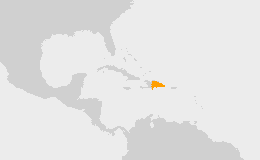
Las afiliadas de la CSI en la República Dominicana son la Confederación Autónoma Sindical Clasista (CASC), la Confederación Nacional de Trabajadores Dominicanos (CNTD) y la Confederación Nacional de Unidad Sindical (CNUS).
La República Dominicana ratificó el Convenio nº 87 sobre la libertad sindical y la protección del derecho de sindicación (1948) en 1956 y el Convenio nº 98 sobre el derecho de sindicación y de negociación colectiva (1949) en 1953.
según la ley
Libertad sindical / Derecho de sindicalización
Libertad sindical
El derecho a la libertad sindical está consagrado en la Constitución.
El derecho a la libertad sindical está regulado por el Código de Trabajo
Discriminación antisindical
La ley prohíbe la discriminación antisindical, pero no pevé medidas adecuadas de protección al respecto.
Barreras legales al establecimiento de organizaciones
- Se requiere un número mínimo de miembros excesivo para establecer un sindicato
- El artículo 142, párrafo 1, del reglamento de aplicación de la Ley de Servicio Civil y Carrera Administrativa exige el 40 por ciento del total de los empleados del organismo respectivo para que los servidores públicos puedan constituir organizaciones.
- Restricciones al derecho de los sindicatos a establecer ramas, federaciones y confederaciones o a afiliarse a organizaciones nacionales e internacionales
- Para poder formar confederaciones, las federaciones deben contar con el voto de las dos terceras partes de sus miembros (artículo 383 del Código del Trabajo de 1992).
Derecho a la negociación colectiva
Derecho a la negociación colectiva
El derecho a la negociación colectiva está recogido en la Constitución
El derecho a la negociación colectiva está reconocido por la ley.
Obstáculos legales para el reconocimiento de los agentes de negociación colectiva
- Se requiere una representatividad excesiva o un número mínimo de miembros para poder negociar colectivamente
- Los artículos 109 y 110 del Código del Trabajo disponen que para que un sindicato pueda negociar colectivamente, la mayoría absoluta de los trabajadores en una empresa o sector de actividad deben estar afiliados al mismo.
Restricciones o prohibición de negociar colectivamente en algunos sectores
- Otros funcionarios y empleados públicos
- No hay ninguna referencia a la negociación colectiva en la Ley de la Administración Pública (Nº 41-08).
Derecho de huelga
Derecho de huelga
El derecho de huelga está consagrado en la Constitución
El derecho de huelga está reconocido en la legislación
Impedimentos legales a acciones de huelga legítimas
- Requisito de un quórum excesivo o de obtener una mayoría excesiva en una votación para poder convocar una huelga
- El artículo 407, numeral 3 del Código del Trabajo exige el 51 por ciento de votos de los trabajadores de la empresa, sean o no miembros del sindicato, para declarar la huelga
- Plazo de notificación previa / período de reflexión excesivamente largo
- La huelga no puede declararse si no diez días despúes, por lo menos, de la fecha de exposición que los representantes del sindicato hayan notificado a la secretaría de Trabajo.
Limitaciones o prohibición de hacer huelga en algunos sectores
- Restricciones injustificadas para los funcionarios públicos
- No pueden hacer huelga quienes trabajan en los servicios públicos esenciales, ni los funcionarios estatales (artículo 88 del decreto núm. 523-09, que reglamenta la Ley núm. 41-08 sobre la Función Pública).
En la Práctica
El 6 de agosto de 2019 la Confederación Nacional de Trabajadores Dominicanos (CNTD) denunció la cancelación de más de 20 contratos de empleados del Hotel Majestic por sindicalizarse, además de la no entrega de certificado de 15.000 sindicalizados de las empresas turísticas en Punta Cana por parte del Ministerio del Trabajo. Así mismo, se denunció la amenaza despido a más de 50 trabajadores por el hecho de haberse sindicalizado. La violación a la libertad sindical en el sector hotelero se recrudeció durante todo el mes de agosto. La CNTD dijo que continuaría organizando a los trabajadores como única vía para garantizar sus derechos.
El 22 de julio de 2019, la Confederación Nacional de Trabajadores Dominicanos (CNTD) decidió convocar al Comité Nacional de Salarios para la discusión de los nuevos aumentos salariales que deben regir para los trabajadores de zonas francas, turismo, construcción y azucareros. La CNTD acusaba al director de Trabajo, Valentín Herrera, de negarse a entregar los registros de los sindicatos del área turística constituidos por esa confederación citando casos específicos como el sindicato del consorcio turístico Majestic en la provincia La Altagracia y las empresas Circle Grand Reserve, e Infinity Vacations Dominicana. Jacobo Ramos, presidente de la CNTD, manifestó haberle comunicado la situación al Ministro de Trabajo, Winston Santos, sin haber obtenido respuesta. Ramos anunció que, de no ser entregados los registros citados, iniciarán una campaña de denuncias sobre violaciones a la Constitución de la República, al Código de Trabajo y a convenios de la OIT, que consagran como un derecho de los trabajadores la libertad sindical y la negociación colectiva.
El 2 de mayo, durante una huelga en demanda por la construcción de la carretera en Hato Mayor, dos personas resultaron heridas de bala y varias fueron detenidas. La construcción de dicha vía viene siendo aplazada desde 1926. El 28 de mayo se realizó la huelga 44 en pro de una solución, jornada en la que participó el Sindicato de Transporte de Hato Mayor-Vicentillo con un llamado a paro del transporte de todas sus unidades. El ministro de Obras Públicas, Gonzalo Castillo, convocó a los huelguistas a una reunión para tratar el tema. Finalmente, el 25 de mayo el ministro anunció el comienzo de las reparaciones de la vía en sus puntos más críticos y la huelga fue levantada.
Los trabajadores del Sindicato Unido de Trabajadores de la empresa minera Barrick, Sutrabarrick siguen denunciando las graves violaciones a la libertad sindical que la empresa ha implementado durante los últimos años. En 2016, la empresa se opuso al funcionamiento del sindicato, realizó un despido masivo de trabajadores, realizó otras múltiples acciones antisindicales y se negó a firmar un convenio colectivo con sus trabajadores. Esta actitud se mantuvo durante 2017 a pesar de las constantes llamados a la negociación que el sindicato hizo a la empresa. A la fecha, las autoridades del trabajo no han tomado ninguna medida en el proceso judicial que se lleva a cabo por estos hechos.
El 31 de julio de 2017, 22 trabajadores decidieron formar un Comité Gestor para constituir el Sindicato de la empresa Willbes Dominicana de la Zona Franca de Barahona (Sitrawillbes), vinculado a Unatrazonas. Luego de hacer la notificación a la empresa, esta desató una ola de intimidación y represalias contra todos los miembros del comité. Quince trabajadores fueron despedidos y seis fueron presionados a renunciar del comité. Posteriormente, la empresa negó acceso a un representante del Ministerio de Trabajo de la provincia, e hizo caso omiso de una resolución del inspector de trabajo exigiendo el reintegro de los trabajadores despedidos. Después de una fuerte presión internacional, el 21 de agosto, la empresa procedió a reintegrar a todos los integrantes del Comité a sus puestos de trabajo, incluyendo a tres dirigentes que por insistencia de la empresa habían tomado sus prestaciones laborales. La compañía se comprometió a respetar el derecho de libertad sindical.
Durante 2017, las empresas de zonas francas Timberland, Miniking Tox, y Abian LTD obstruyeron la libertad sindical de la Federación Nacional de Trabajadores de Zonas Francas Industrias Comercio Servicios y Afines, al cancelar los contratos de trabajo de manera inmediata a quienes empezaran la organización de sindicatos dentro de las empresas. Frente a las denuncias presentadas por el sindicato en julio de 2017, sus directivas sindicales han insistido al Gobierno reactivar los espacios tripartitos de diálogo (comisión tripartita para el bienestar de los trabajadores de zonas francas) a fin de garantizar los derechos de los trabajadores de acuerdo al decreto 145 97 que permite la creación de políticas que los protejan de la acción antisindical y la discusión de políticas laborales decentes.
Cinco trabajadores haitianos empleados en una obra de construcción del hospital Darío Contreras sufrieron heridas de perdigón a consecuencia de los disparos de un guardia de seguridad. Los heridos fueron Yoselen Muluis, Delice Widlais, Jumeil Joseph, Ezequiel Olelouse y otro joven identificado solo como Michel. Habían surgido tensiones al conocerse los planes de la empresa para despedir a la mayoría de los trabajadores, y pagarles menos días de los que estaban previstos. Un testigo presencial afirmó haber hablado con uno de los soldados implicados, que indicó que le habían pagado para impedir que los trabajadores entrasen en la obra de construcción, disparando contra ellos si fuese necesario. Los heridos fueron conducidos al hospital para ser atendidos. El sargento del Ejército que efectuó los disparos fue detenido para ser interrogado.
Los miembros de la Asociación Dominicana de Controladores de Tránsito Aéreo (ADCA) han sido víctimas de continuos ataques por parte del Gobierno luego de haber intentado advertir respecto a serios problemas de seguridad. En lugar de solucionar esas cuestiones, el Gobierno ha intentado silenciar a la ADCA, respondiendo con suspensiones, degradación y represalias contra los controladores. Esto incluyó el arresto de varios miembros que protestaban pacíficamente en tres ocasiones a finales de enero y principios de febrero de 2015, así como de tres de sus dirigentes en 2014. La ADCA comunicó a la oficina del Director General del Instituto Dominicano de Aviación Civil (IDAC) su preocupación por los problemas relativos a la seguridad del sistema de control de tráfico aéreo del país en numerosas ocasiones, pero sin recibir respuesta alguna. El tipo de incidentes sobre los que la ADCA ha advertido a las autoridades incluyen: un fallo total de las comunicaciones en Punta Cana; sistemas de ayuda a la navegación inservibles en el Aeropuerto Internacional La Isabela; mal funcionamiento del equipo de medición de distancias en el Aeropuerto Presidente Juan Bosch de El Catey; y el Aeropuerto Internacional Gregorio Luperón de Puerto Plata, lleva más de un año funcionando con una sola radio de emergencia y sufriendo frecuentes interrupciones en sus comunicaciones.
Veintiocho miembros de la ADCA, incluidos los dirigentes del sindicato, fueron despedidos en febrero de 2014 por llamar la atención sobre estas cuestiones de seguridad, y siguen sin haber sido readmitidos. El 9 de febrero de 2015, el secretario regional de la Federación Internacional de los Trabajadores del Transporte (ITF), Antonio Rodriguez Fritz, fue detenido apenas unas horas antes de ofrecer una conferencia de prensa conjunta con la Confederación Nacional de Trabajadores Dominicanos (CNTD). Antonio Fritz se encontraba en el país en una misión de investigación sobre los problemas en el tráfico aéreo. Sería liberado sin cargos después de permanecer bajo custodia durante siete horas, pero su detención es un ejemplo de las tácticas utilizadas regularmente por el Gobierno para intimidar, silenciar y destruir la ADCA. Antonio Fritz declaró que: “Ninguno de los oficiales de policía fue capaz de explicar los motivos de la detención, ya que claramente no hubo violación a la ley. Esta ha sido una valiosa lección sobre las tácticas que se utilizan regularmente para intimidar a los miembros de la ADCA, detenidos cuatro veces en condiciones similares y que ahora tienen prohibido incluso la redacción de informes sobre incidentes en el espacio aéreo del país”.
La compañía Flobeman Srl es propietaria de las conocidas marcas Molino del Sol y Mi Trigo, productos de panificación en República Dominicana.
En diciembre de 2013, un grupo de trabajadores se constituyó en comité gestor y cumplió con todos los requisitos necesarios ante las autoridades laborales, obteniendo el registro del Sindicato de Trabajadores de Flobeman Srl.
El 30 de enero de 2014, el comité gestor notificó su constitución a la empresa. Seis días después, la compañía despidió a su secretario general, Gendis Báez y a dos directivos más, sin importarle que estaban protegidos por el fuero sindical.
Además, la compañía presentó un recurso ante el Juzgado de Primera Instancia para anular el registro del sindicato.
El 3 de diciembre, el Sindicato Nacional de Trabajadores de Bepensa Dominicana SA (SINATRABEDSA-Coca Cola) manifestó su rechazo ante el despido injustificado de dos afiliados que trabajan en el centro de distribución de Coca Cola en Barahona, al suroeste del país.
Después de que se le notificara la creación del sindicato, el Consorcio de Ingeniería, Gestión y Tecnología (CIGT) emprendió contra los principales dirigentes, despidiendo al secretario de reclamos y conflictos, Heriberto Altagracia Adames.
En julio de 2013, pocos meses después de haberse conformado legalmente, el Sindicato de Trabajadores de Industrias San Miguel Kola Real (SINTRAKORE) sufrió una dura embestida patronal que lo dejó prácticamente descabezado.
En abril de 2012, tras varios intentos, los trabajadores de Pollo Cibao lograron comunicar la formación del sindicato a la empresa y al Ministerio de Trabajo. En el mes siguiente fueron despedidos 60 trabajadores miembros del sindicato, incluido el presidente Amaury Consoró Guzmán.
84 peladores de coco haitianos fueron despedidos por la Coquera Kilómetro 5 tras haber intentado establecer un sindicato. Rafael Emilio Alonso Luna, el propietario de la plantación, se negó a pagar a los trabajadores la correspondiente indemnización por despido. Los trabajadores presentaron una denuncia ante el Tribunal del Trabajo en San Cristóbal.
La Federación Nacional de la Trabajadores de la Alimentación (Fenta) denunció las cancelaciones y la represión sindical en contra de trabajadores en la empresa agropecuaria Agrofem. Los trabajadores constituyeron su sindicato en enero de 2013 y de inmediato la empresa inició una secuencia de persecución y cancelaciones de dirigentes y afiliados al gremio. Hasta la fecha son 16 los cancelados y desahuciados de manera injusta.
Cuando la Federación Nacional de Transporte Dominicano (FENATRADO) indicó que iniciaría una huelga el 8 de mayo de 2012, es decir 12 días antes de las elecciones generales, la Junta Electoral Central amenazó con recurrir a las fuerzas armadas para transportar el material que se utilizaría en las elecciones. El presidente de FENATRADO, Blas Peralta manifestó que el Gobierno adeuda a la organización de camioneros aproximadamente 300 millones DOP. La deuda está pendiente desde hace más de seis años.
El trabajo forzoso u obligatorio está prohibido y el Código de Menores brinda protección y establece sanciones para los casos de explotación sexual o comercial. No obstante, el trabajo infantil es un problema grave en el país y los informes que llegan a la OIT afirman que muchos niños/as haitianos/as son adoptados por familias que los emplean como aprendices, lo que muchas veces los convierte en víctimas de abusos y maltrato. Adolescentes haitianos y dominicanos que viven en la pobreza trabajan en los campos de azúcar, donde menores de 12 años plantan caña de azúcar por 1 USD al día. Se afirma que unos 30.000 niños/as y adolescentes son víctimas de la explotación sexual, sobre todo en las localidades turísticas.
El Presidente de la Confederación Nacional de Unidad Sindical (CNUS), Rafael Abreu, consideró que el Ministro de Trabajo tiene conocimiento de que en el país se está violando la libertad sindical y no ha hecho nada para corregir la situación. En junio la CNUS presentó una queja contra el Gobierno por violación a la libertad sindical a causa de los obstáculos en la concesión de registros sindicales.
El trabajo infantil sigue siendo un problema grave con 14.5% de niños y niñas de 5 a 14 años trabajando en los sectores de servicios, agricultura e industria.
La sindicalización en las ZFI es muy complicada, dado que el acoso y la persecución hacen que los trabajadores/as tengan que tratar los asuntos sindicales fuera del lugar de trabajo, por miedo a ser despedidos. Además circulan listas negras de sindicalistas, lo cual les impide conseguir un nuevo trabajo.
La mayoría de los trabajadores de las plantaciones de caña de azúcar son haitianos indocumentados. No tienen derecho a formar sindicatos ni, por tanto, a negociar colectivamente. Los empleadores prefieren contratarlos puesto que así pueden eludir la ley y pagar salarios más bajos.
Además de registrarse un estancamiento en la economía formal, las empresas imponen cada vez más las denominadas relaciones laborales «flexibles», que están despojando gradualmente a los trabajadores de sus derechos y dificultando indirectamente la libertad de sindicalización. La subcontratación supone un obstáculo particularmente grave, puesto que implica que los trabajadores/as sean continuamente trasladados a diferentes empresas, dificultando la sindicalización. Pero además carecen de un vínculo contractual con el empleador del lugar donde realmente trabajan, lo cual hace imposible la negociación colectiva incluso cuando los trabajadores logran constituir un sindicato. La práctica de rescindir los contratos de empleo cada tres meses deja a los trabajadores en un estado de perpetua inseguridad que hace que dependan más de sus empleadores y se encuentren en una situación de constante amenaza de perder sus puestos de trabajo.
Debido al requisito de que los sindicatos representen a la mayoría absoluta de la plantilla, sólo una minoría de las empresas cuentan con convenios colectivos. En las ZFI, únicamente algunas empresas han negociado convenios colectivos.
Dado que la mayoría de los trabajadores/as de la economía formal está al servicio del Estado, el ejercicio del derecho de huelga se ve sumamente limitado a raíz de la prohibición de la acción de huelga para los funcionarios públicos. Además, a pesar de la Ley de Servicio Civil y Carrera Administrativa, en el sector público se llevan a cabo despidos masivos sin ninguna garantía de que los empleados vayan a recibir la indemnización que les corresponde.
La resolución de un caso en el Tribunal de Primera Instancia tarda una media de 15,3 meses, y en el Tribunal de Apelación la media es de 16,4 meses. Además la justicia sigue estando administrada, aunque en menor medida que en el pasado, por jueces y magistrados politizados desde su nombramiento y que tienden a estar aliados con los empleadores.
La ley prohíbe los despidos de miembros y líderes sindicales por motivo de sus actividades sindicales, pero esta disposición no se suele aplicar en la práctica y las sanciones no son lo suficientemente disuasivas como para evitar que los empleadores violen los derechos de los trabajadores. Tampoco son nada raros los casos de despido de los miembros fundadores de un sindicato al que las autoridades administrativas hayan denegado el registro.