
Libia
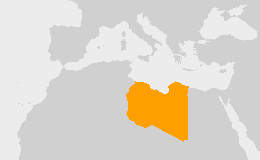
Libia ha luchado por reconstruir las instituciones del Estado desde el derrocamiento y posterior muerte del ex líder Muamar el Gadafi en octubre de 2011. Los grupos armados rivales, incluidas las fuerzas de seguridad afiliadas al Gobierno de Acuerdo Nacional (GNA), con sede en Trípoli, y las milicias leales al Gobierno Provisional rival, con sede en el este de Libia, han seguido luchando, matando a civiles y destruyendo infraestructuras vitales. Se calcula que 1,3 millones de personas necesitan ayuda humanitaria en Libia. Decenas de miles de refugiados, solicitantes de asilo y migrantes siguen en una situación sombría, ya que están expuestos a detenciones arbitrarias y secuestros por parte de las milicias y son víctimas habituales de la trata de personas y de los abusos de los grupos criminales.
En marzo de 2020, los delegados libios nombraron un Gobierno de Unidad Nacional como nueva autoridad provisional destinada a sustituir a los anteriores opositores. Los grupos armados y las autoridades seguían siendo responsables de abusos sistemáticos, como la detención arbitraria de miles de personas durante largos periodos, los homicidios ilegítimos, la tortura y las desapariciones forzadas.
La CSI no tiene ninguna afiliada en Libia.
Libia ratificó el Convenio nº 87 sobre la libertad sindical y la protección del derecho de sindicación (1948) en 2000 y el Convenio nº 98 sobre el derecho de sindicación y de negociación colectiva (1949) en 1962.
según la ley
Libertad sindical / Derecho de sindicalización
Libertad sindical
El derecho a la libertad sindical está reconocido por la ley, pero estrictamente regulado.
Discriminación antisindical
La ley prohíbe la discriminación antisindical, pero no pevé medidas adecuadas de protección al respecto.
Barreras legales al establecimiento de organizaciones
- Restricciones al derecho de los sindicatos a establecer ramas, federaciones y confederaciones o a afiliarse a organizaciones nacionales e internacionales
- Según el Código Laboral, un sindicato ha de obtener la aprobación del Ministro de Trabajo y Asuntos Sociales para poder establecer sectoriales en las provincias. Un sindicato debe contar con al menos 100 miembros para poder registrarse. Un sindicato puede establecer un comité sindical en cada establecimiento donde cuente al menos con 50 miembros entre los empleados. No está permitido que los sindicatos tengan conexión alguna con organizaciones sindicales extranjeras.
Restricciones al derecho de los trabajadores y trabajadoras a formar y afiliarse a organizaciones de su elección
- La ley impone un sistema de monopolio sindica y/o un sistema que prohíbe o restringe la sindicalización a ciertos niveles (empresa, industria/sector, regional/territorial, nacional)
- La afiliación a la central sindical General Trade Union Federation of Workers (GTUFW) es automática, aunque los trabajadores pueden optar por desafiliarse. Los sindicatos independientes están prohibidos. No se permite establecer más de un sindicato o asociación en la misma profesión.
Restricciones al derecho de los sindicatos a organizar su administración
- Restricciones a la libertad para organizar libremente actividades y formular programas
- Según el Código Laboral, debe comunicarse la celebración de una asamblea general del sindicato a la Dirección General de Trabajo con al menos 15 días de antelación. La Dirección General de Trabajo puede designar a un funcionario para que la represente en dicha reunión. Además, los sindicatos no pueden aceptar donaciones o legados sin autorización previa del Ministro de Trabajo y Asuntos Sociales.
Categorías de trabajadores a quienes la ley prohíbe o restringe la posibilidad de formar o afiliarse a sindicatos, o de ocupar cargos sindicales
- Otras categorías
- La afiliación sindical de un(a) trabajador(a) terminará automáticamente un año después de dejar de trabajar.
- Trabajadores/as migrantes o no nacionales
- Sólo los trabajadores/as con nacionalidad libia pueden afiliarse a un sindicato.
Derecho a la negociación colectiva
Derecho a la negociación colectiva
El derecho a la negociación colectiva está reconocido por la ley, pero no está debidamente fomentado y promovido.
Restricciones al principio de negociación libre y voluntaria
- Exclusión de ciertas cuestiones del ámbito de la negociación (por ej. salarios, jornadas laborales)
- El Código Laboral establece que las cláusulas de los convenios colectivos deben guardar conformidad con el interés económico nacional, infringiendo de esta forma el principio de negociación voluntaria de los convenios colectivos y la autonomía de las partes en la negociación. Además, el Gobierno determina los salarios de forma unilateral.
- Las autoridades o los empleadores pueden anular, modificar o ampliar unilateralmente las disposiciones o la cobertura de los convenios colectivos
- El Código Laboral requiere que las cláusulas de los convenios colectivos estén conformes con el interés económico nacional. Esta disposición permite al Gobierno rechazar de antemano cualquier reivindicación que juzgue incompatible con sus opciones económicas y sociales.
Restricciones o prohibición de negociar colectivamente en algunos sectores
- Otros funcionarios y empleados públicos
- Los funcionarios públicos que no trabajan en la administración del Estado no están cubiertos por convenios colectivos.
- Otras categorías
- Los trabajadores agrícolas y la gente de mar no están cubiertos por convenios colectivos.
Derecho de huelga
Derecho de huelga
El derecho de huelga está reconocido por la ley pero estrictamente regulado.
Impedimentos legales a acciones de huelga legítimas
- Recurso obligatorio al arbitraje o a largos y complejos procedimientos de conciliación y mediación antes de iniciar una acción de huelga
- Según la sección 150 del Código Laboral, la única condición para poder llevar a cabo una huelga legal es que se hayan agotado antes todos los procedimientos de conciliación y arbitraje disponibles. Los conflictos colectivos se remitirán a un arbitraje obligatorio a petición de cualquiera de las partes o a discreción de las autoridades públicas, y el resultado de dicho arbitraje será vinculante para ambas partes en litigio. Tal como ha señalado la OIT, este sistema permite prohibir virtualmente cualquier huelga o poner fin rápidamente a una acción ya iniciada.
Disposiciones que socavan el recurso a acciones de huelga o su eficacia
- Excesivas sanciones civiles o penales contra los trabajadores/as y sindicatos involucrados en acciones de huelga no autorizadas
- La sección 176 impone penas de prisión o una multa a todo aquel que contravenga lo dispuesto en la sección 150 del Código Laboral, según la cual la única condición para poder llevar a cabo una huelga legal es que se hayan agotado antes todos los procedimientos de conciliación y arbitraje disponibles.
En la Práctica
El 8 de noviembre, Nermin Al-Sharif, dirigente del sindicato portuario Syndicat des dockers et des gens de mer de Libye, fue víctima de un intento de asesinato. Nermin Al-Sharif es una militante muy conocida en el movimiento sindical internacional y participa de manera destacada en la Federación Internacional de los Trabajadores del Transporte (ITF). Mientras conducía su automóvil a las afueras de Benghazi, fue perseguida por los ocupantes de dos vehículos, que abrieron fuego contra ella. La sindicalista no pudo evitar tener un accidente, en el que resultó herida y tuvo que ser hospitalizada. Es el segundo intento de asesinato contra ella. Como muchos otros militantes defensores y defensoras de los derechos humanos, fue blanco de los fanáticos. La ITF, en asociación con LabourStart, lanzó una petición para exigir al Primer Ministro, Abdullah al-Thinni, que garantice la protección de sindicalistas y defensores de los derechos humanos. Recientemente, otras tres militantes muy conocidas en Libia fueron asesinadas.
La primera huelga organizada por un sindicato libio de aviación civil, que paralizó a finales de mayo las operaciones aeroportuarias en el conjunto del país, tuvo que ser suspendida para que los heridos pudieran recibir atención médica. En un contexto de caos generalizado, con milicias combatiendo entre sí, los trabajadores y trabajadoras corren un peligro permanente y padecen incontables sufrimientos. A principios de 2015, el sindicato aéreo libio Syndicat général du transport aérien (GATU), junto a otro sindicato representante del personal de la compañía de restauración aérea, habían intentado entablar un diálogo con su empleador, sin resultado alguno. La mencionada huelga, a pesar de tener que ser suspendida por motivos humanitarios, permitió a los dos sindicatos negociar la creación de un comité de empresa en el que los trabajadores y trabajadoras podrán discutir sus reivindicaciones.
Los trabajadores del petróleo se declararon en huelga pidiendo mejores salarios y una reforma constitucional. La huelga se inició en junio de 2013 y prácticamente paralizó la producción y las exportaciones en terminales clave en Ras Lanuf, Sedra, Brega y Zoueitina, en la costa central. El Gobierno respondió amenazando con recurrir a las fuerzas limitares para poner orden en el sector petrolero.
Tras 42 años de Gobierno autocrático y tolerancia cero con respecto a cualquier actividad sindical independiente, Libia no cuenta con ninguna tradición de sindicalismo. La única central nacional, la General Trade Union Federation of Workers’ (GTUFW) estaba bajo el control del Gobierno, pese a afirmaciones de una mayor independencia en los últimos años. A raíz de la privatización y el creciente número de empresas de origen extranjero que se han ido instalando en el país a lo largo de estos últimos años, se han dado casos de trabajadores que intentaron llevar a cabo alguna acción colectiva fuera de las estructuras oficiales, aunque con pocos resultados. Desde los levantamientos, algunos trabajadores/as del sector público también empezaron a presionar por sus derechos. Los trabajadores del sector sanitario y los profesionales de los medios de comunicación iniciaron protestas en noviembre en Benghazi, reclamando el fin de la corrupción administrativa así como mejores condiciones laborales. Empleados de la base naval también protestaron por los impagos salariales y la escasez de provisiones. Hay mucho por hacer para conseguir canalizar este tipo de movimientos de protestas para establecer un movimiento de trabajadores fuerte e independiente.
La buena marcha de los negocios en Libia ha provocado una creciente dependencia del Magreb, el África subsahariana y Asia. Se calcula que más de una quinta parte de la mano de obra es expatriada. Los magrebíes suelen ser bastante bien tratados, mientras que los trabajadores y trabajadoras migrantes del África subsahariana, y cada vez más de Asia, suelen realizar los trabajos de baja categoría. A lo largo del año, cientos de trabajadores y trabajadoras indios y nepalíes han tenido que ser repatriados por sus Gobiernos porque no les habían pagado. Unos 200 trabajadores procedentes de Bangladesh convocaron una huelga de dos semanas porque no les habían pagado sus salarios y para protestar por las palizas que les propinaba la dirección. Los trabajadores/as migrantes no pueden formar sus propios sindicatos ni ocupar puestos sindicales; los sindicatos oficiales parece que no hacen nada por apoyarles o sindicalizarles.
El Gobierno tiene derecho a establecer los salarios de forma unilateral e incluso a recortarlos, tal y como ha venido haciendo repetidamente en el pasado, por ejemplo con las aerolíneas nacionales. De manera que en la práctica no existe una verdadera negociación colectiva a nivel nacional ni a nivel sectorial. En caso de disputa, la central sindical se dirige a la dirección para encontrar soluciones y concluir un acuerdo individual con la empresa.